
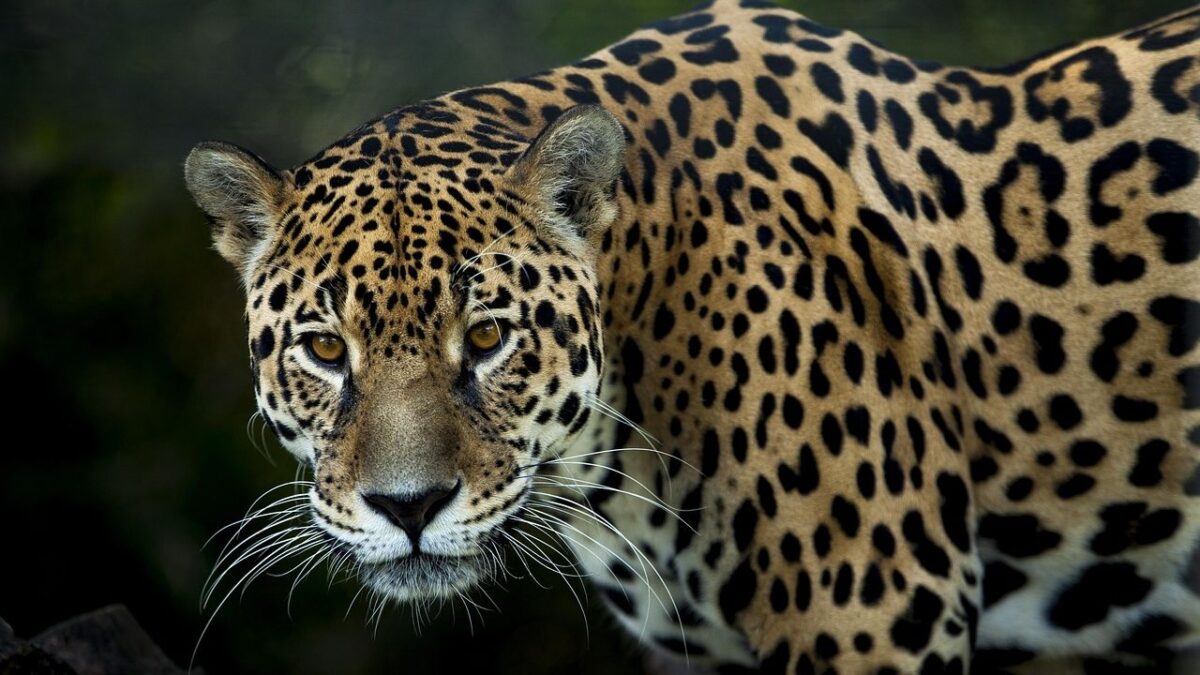
There’s a reason ancient Mesoamerican civilizations placed the jaguar above all other animals in their cosmology. This isn’t a cat that simply hunts. It dominates, with a precision and physical toolkit that no other feline in the world can quite match.
The jaguar is adept at swimming and is largely a solitary, opportunistic, stalk-and-ambush apex predator. What makes it genuinely extraordinary, though, isn’t any single trait. It’s the combination, a convergence of jaw power, sensory sharpness, aquatic confidence, and strategic intelligence that separates this Americas predator from lions, tigers, leopards, and every other spotted cat on the planet.
The Skull-Crushing Kill Bite No Other Cat Uses
Most big cats go for the throat. The jaguar goes straight for the brain. While lions suffocate their prey and tigers typically attack the neck, jaguars have evolved a uniquely powerful bite that allows them to crush the skulls of their victims, penetrating directly into the brain.
The jaguar’s powerful bite allows it to pierce the carapaces of turtles and tortoises, and to employ an unusual killing method: it bites directly through the skull of mammalian prey between the ears to deliver a fatal blow to the brain. This is not a technique born from brute force alone.
The bite is delivered through precisely positioned canine teeth that can penetrate between vertebrae or through the temporal bones of the skull. This exceptional biting power enables jaguars to dispatch prey quickly and efficiently, minimizing their own risk of injury during hunts.
Unmatched Bite Force Among the Big Cats
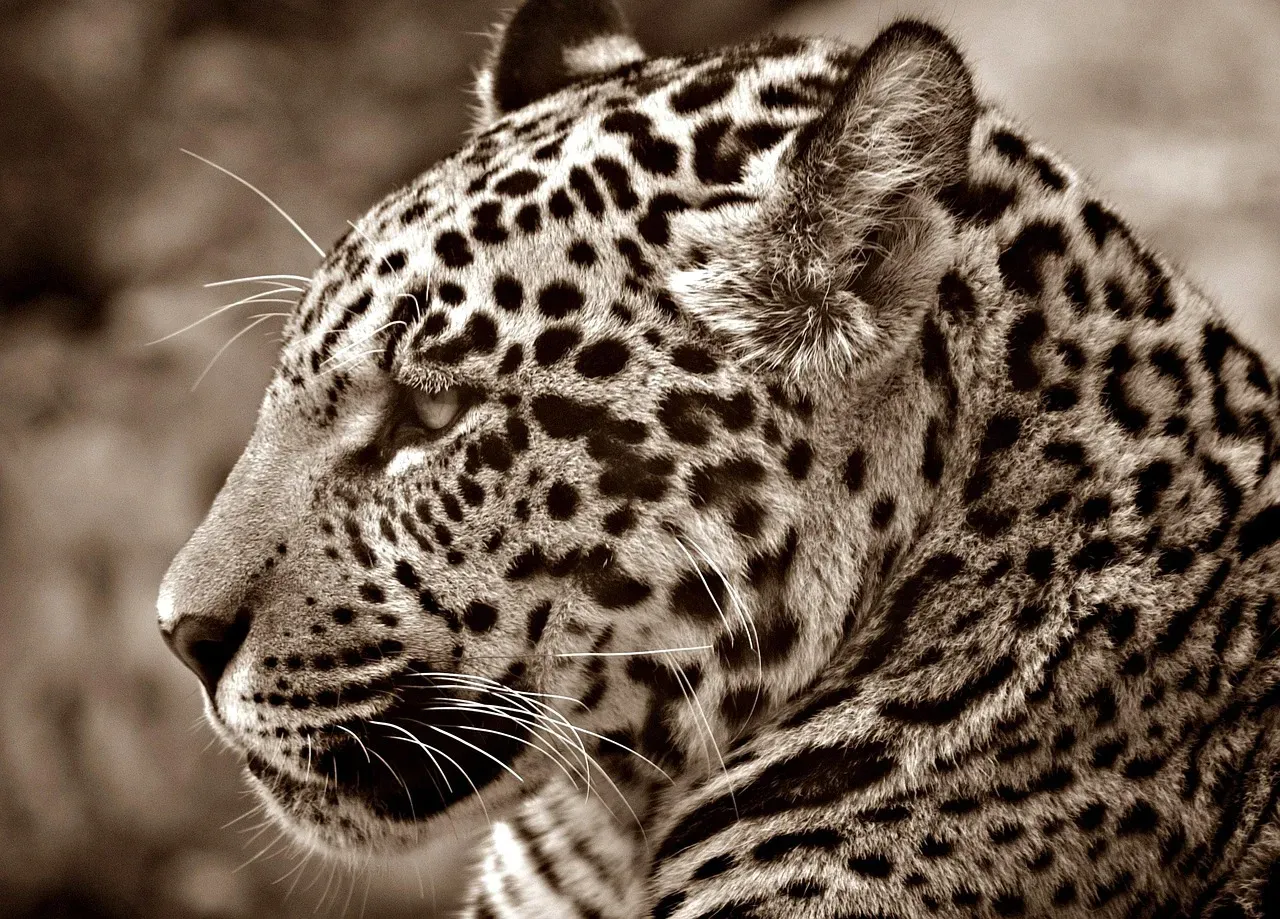
The jaguar’s robust, muscular physique sets it apart from other large spotted cats, featuring a stocky build, shorter limbs, and a broad chest. Its anatomy includes a large, short, and broad skull structure that accommodates massive jaw muscles. This cranial morphology contributes to the jaguar possessing the strongest bite force relative to its size among all living felids.
Jaguars possess unusually strong jaw muscles, including the masseter and temporalis, which generate immense pressure when contracted. Unlike other large cats with elongated jaws, jaguars have shorter, more compact skulls, providing greater leverage and power for biting.
Scientific studies have confirmed that jaguar bite force exceeds what would be predicted based on their size alone, suggesting specialized adaptation. That distinction alone puts this cat in a category of its own within the feline world.
Elite Swimming Ability Used Actively for Hunting
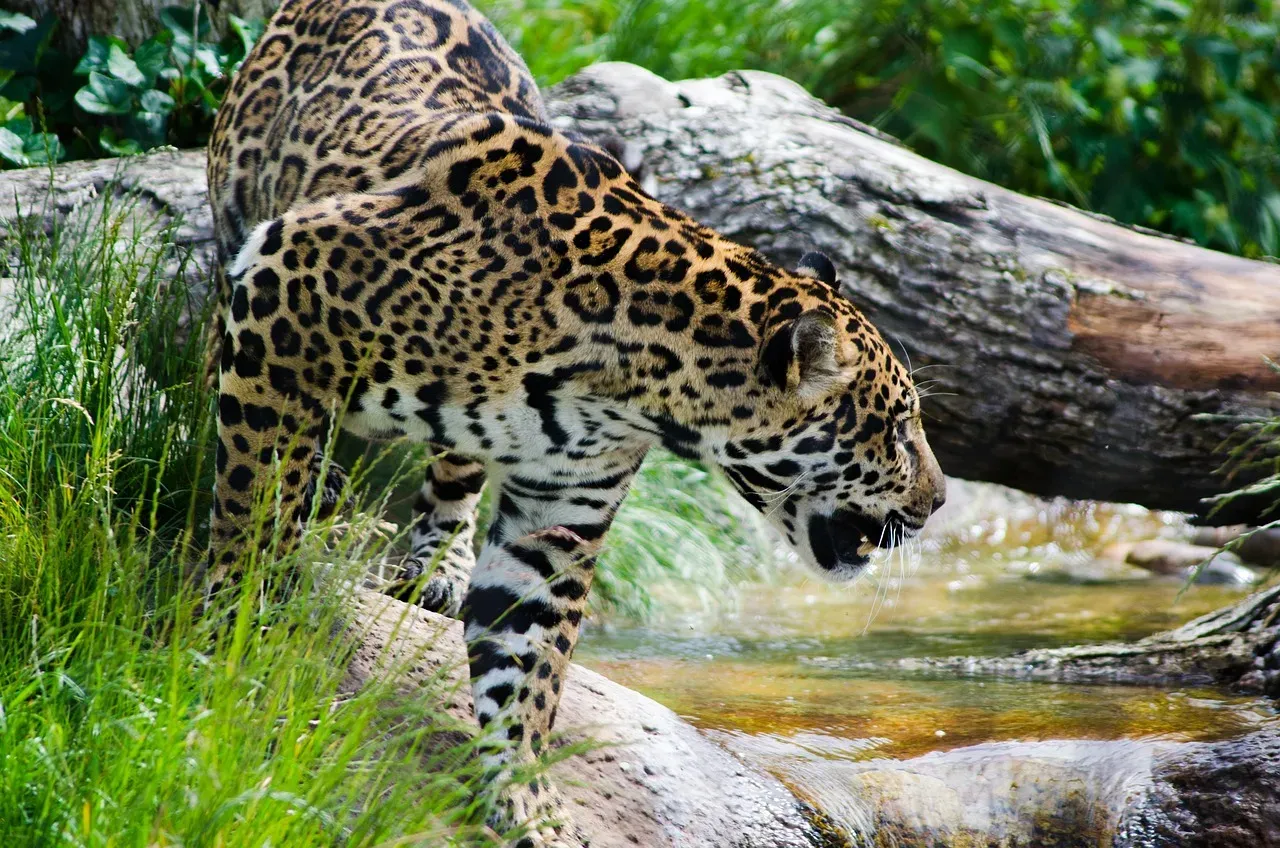
Jaguars are good swimmers and play and hunt in the water, possibly more than tigers. That’s a remarkable observation, given how well-known tigers are for their affinity with water. The jaguar takes it further by actively using rivers and waterways as hunting territory.
Waterways attract a variety of potential prey, making them strategic hunting grounds for jaguars. Additionally, rivers offer cover and stealth advantages, allowing jaguars to leverage their skills as ambush predators effectively.
Jaguars often hunt aquatic or semi-aquatic animals like fish, caimans, and small crocodiles. In such cases, the jaguar may swim stealthily before lunging at its prey. No other cat in the Americas comes close to this level of aquatic hunting confidence.
Taking Down Armored Prey That Other Predators Avoid
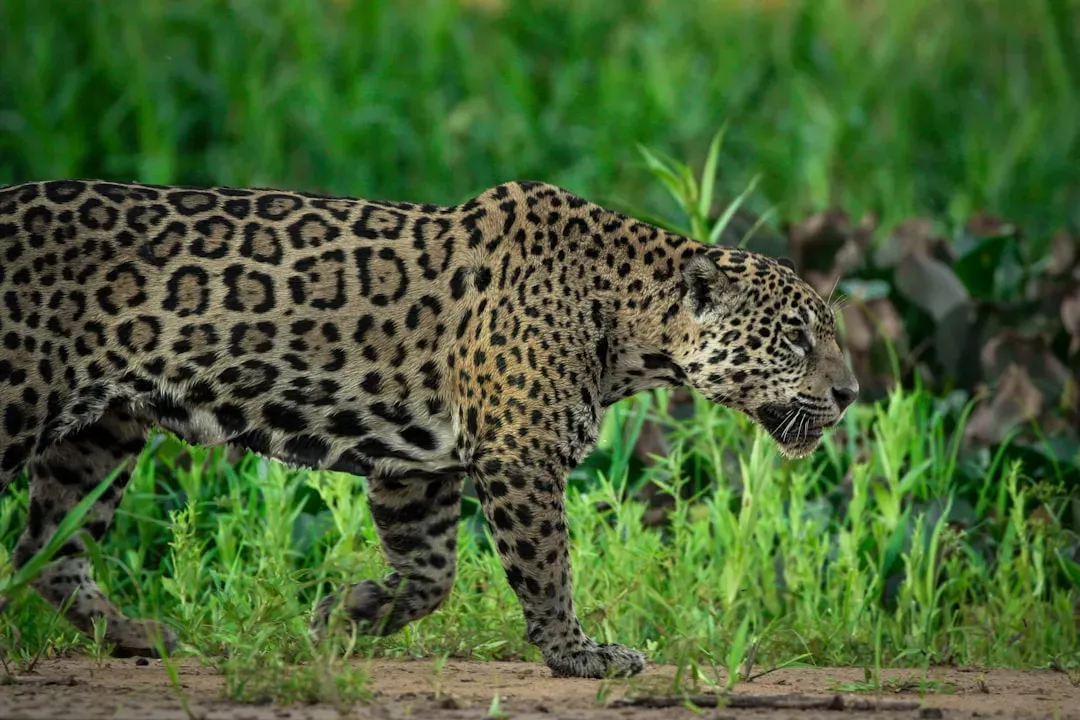
Its adaptations for water and jaw strength allow it to regularly hunt armored prey that other predators avoid, including caimans, anacondas, and freshwater turtles. This gives the jaguar access to food sources that are simply off-limits for most other carnivores.
One of the most striking examples of jaguar hunting prowess is their ability to take down caimans, formidable aquatic reptiles that inhabit many of the same waterways. Jaguars use their powerful jaws to deliver a precise and fatal bite to the back of the skull, showcasing their predatory skills and the importance of precision and strength in their hunting strategy.
They use their paws to scoop out the meat from a turtle or a porcupine’s body, whereas to hunt crocodiles they paralyze them with a bite. The adaptability of technique here is genuinely striking, switching methods depending on the prey’s defenses.
Rosette Camouflage Built for the Forest Floor
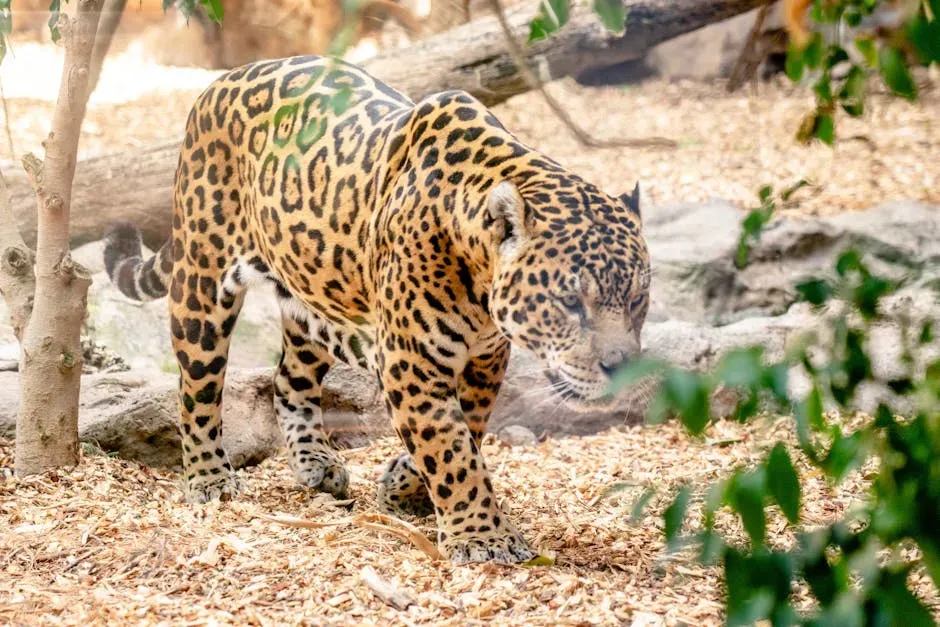
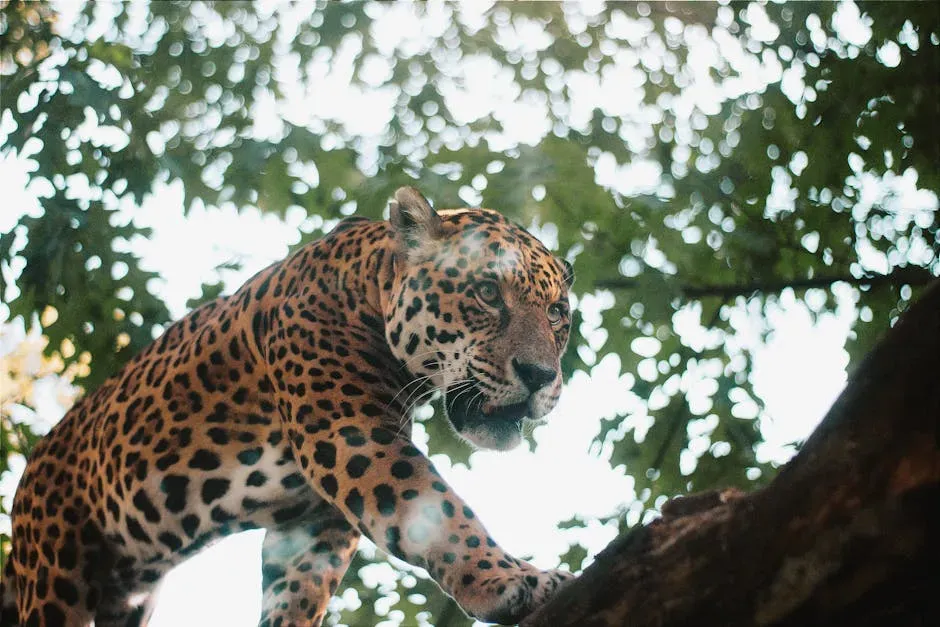
The jaguar’s coat is not just beautiful. It’s a functional hunting tool. The jaguar’s distinctive coat pattern provides excellent camouflage in the dappled light of the forest understory. Their rosette markings break up their outline, making them difficult to spot against the dense vegetation of their rainforest habitats. This camouflage helps jaguars remain undetected by both prey and potential competitors.
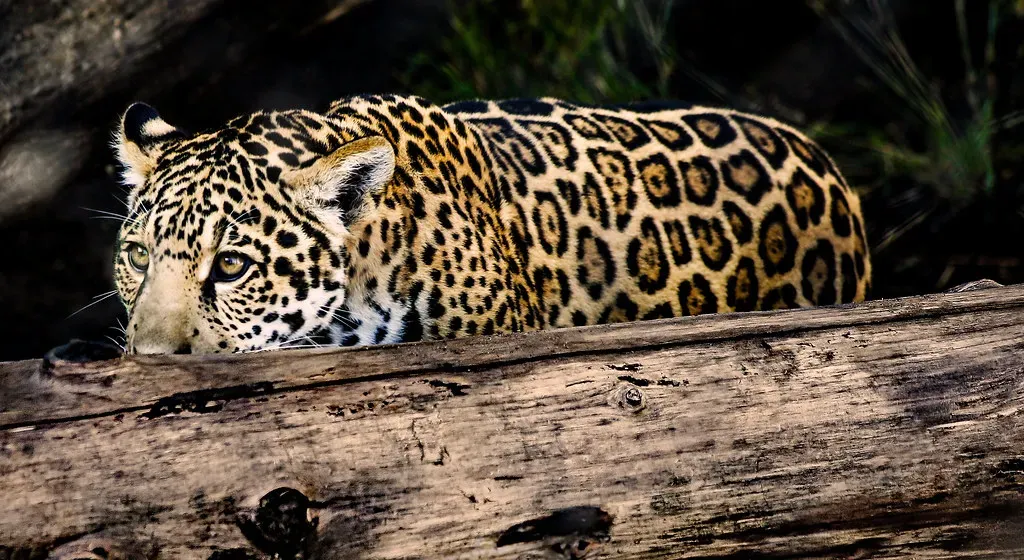
Stealth is a critical component of jaguar hunting tactics. The dense vegetation along riverbanks provides ample cover for jaguars to approach their prey undetected. Jaguars often lurk in the shadows, waiting for the opportune moment to strike. Their distinctive spotted coats serve as effective camouflage amidst the dappled light filtering through the forest canopy, further enhancing their stealth abilities.
Night Vision and Multi-Spectrum Sensory Hunting
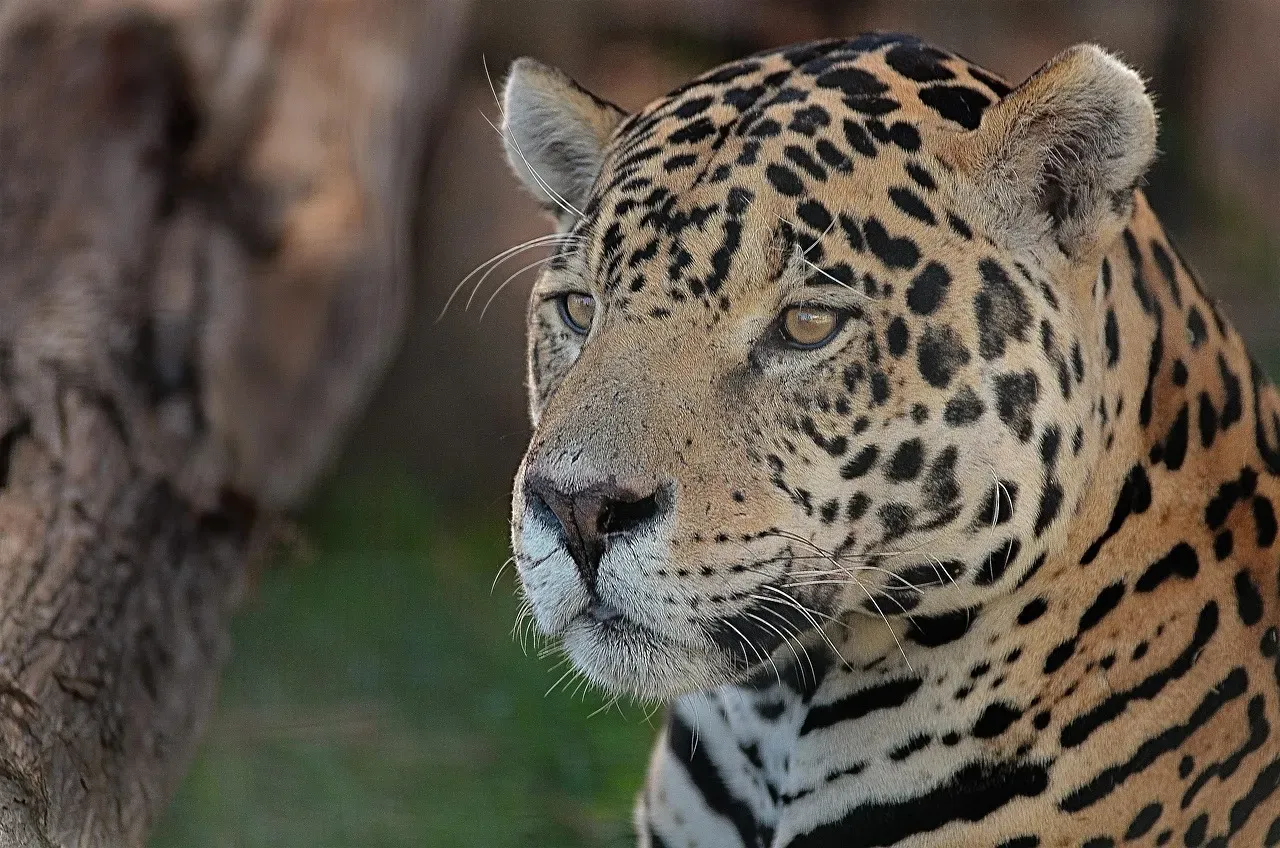
Like other cats, jaguars have eyes that are adapted for night hunting. One key element is a mirror-like structure called the tapetum lucidum, in the back of the eye, which reflects light back into the retina, nearly doubling the cat’s ability to see at night.
Jaguars have insanely sharp hearing, one of their ultimate superpowers. These apex predators are built for stealth, but their ability to detect the faintest sounds in the jungle sets them apart. A jaguar’s hearing is so acute that it can pick up the rustle of leaves or the subtle movements of prey, even in dense forests where visibility is nearly zero.
Their large eyes, coupled with excellent night vision, enable them to navigate and hunt effectively in low-light conditions. Their whiskers, or vibrissae, are highly sensitive and help them to gauge whether they can fit through tight spaces, and to sense their surroundings in the dark or when holding prey. It’s a complete sensory system, each part reinforcing the others.
Flexible Activity Patterns Synchronized With Prey
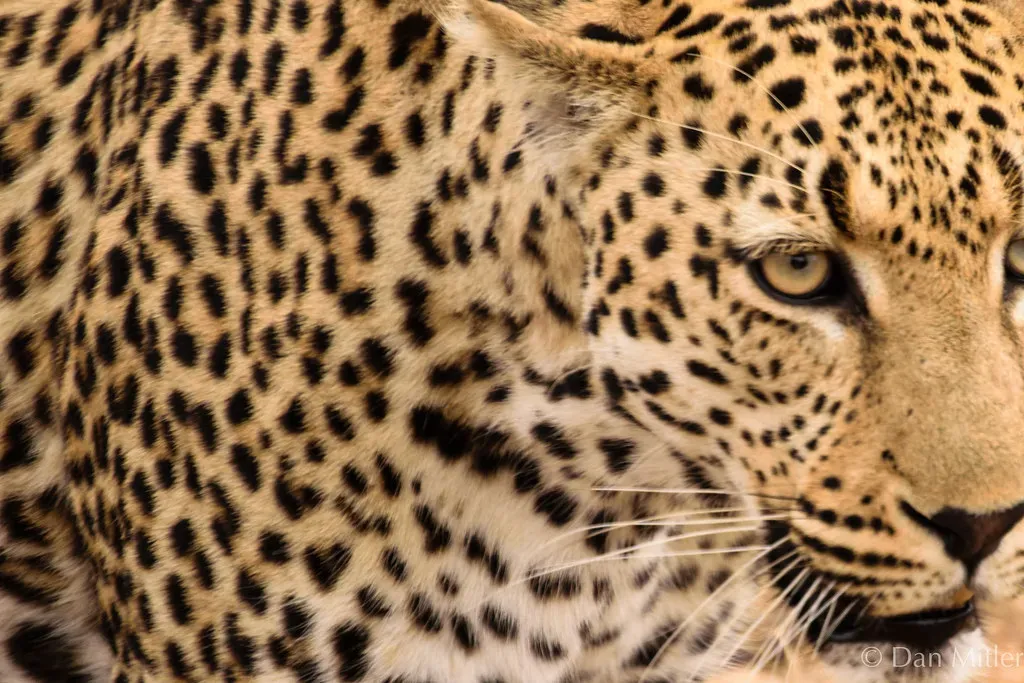
Most predators commit to being either nocturnal or diurnal hunters. The jaguar doesn’t bother with that distinction. Jaguars exhibit a fascinating behavioral trait: they are both nocturnal and diurnal predators. This means that jaguars are active during both day and night, allowing them to capitalize on a wide range of hunting opportunities and maximize their chances of success.
The activity pattern of the jaguar coincides with the activity of its main prey species. This behavioral flexibility means the jaguar essentially hunts on its prey’s schedule rather than its own, which is a quietly strategic form of predation that few other solitary cats demonstrate so consistently.
The jaguar is mostly active at night and during twilight. However, jaguars living in densely forested regions of the Amazon rainforest and the Pantanal are largely active by day, whereas jaguars in the Atlantic Forest are primarily active by night. That regional variation alone shows a depth of adaptability that is rare among big cats.
Stalk-and-Ambush Mastery Over Long Distances
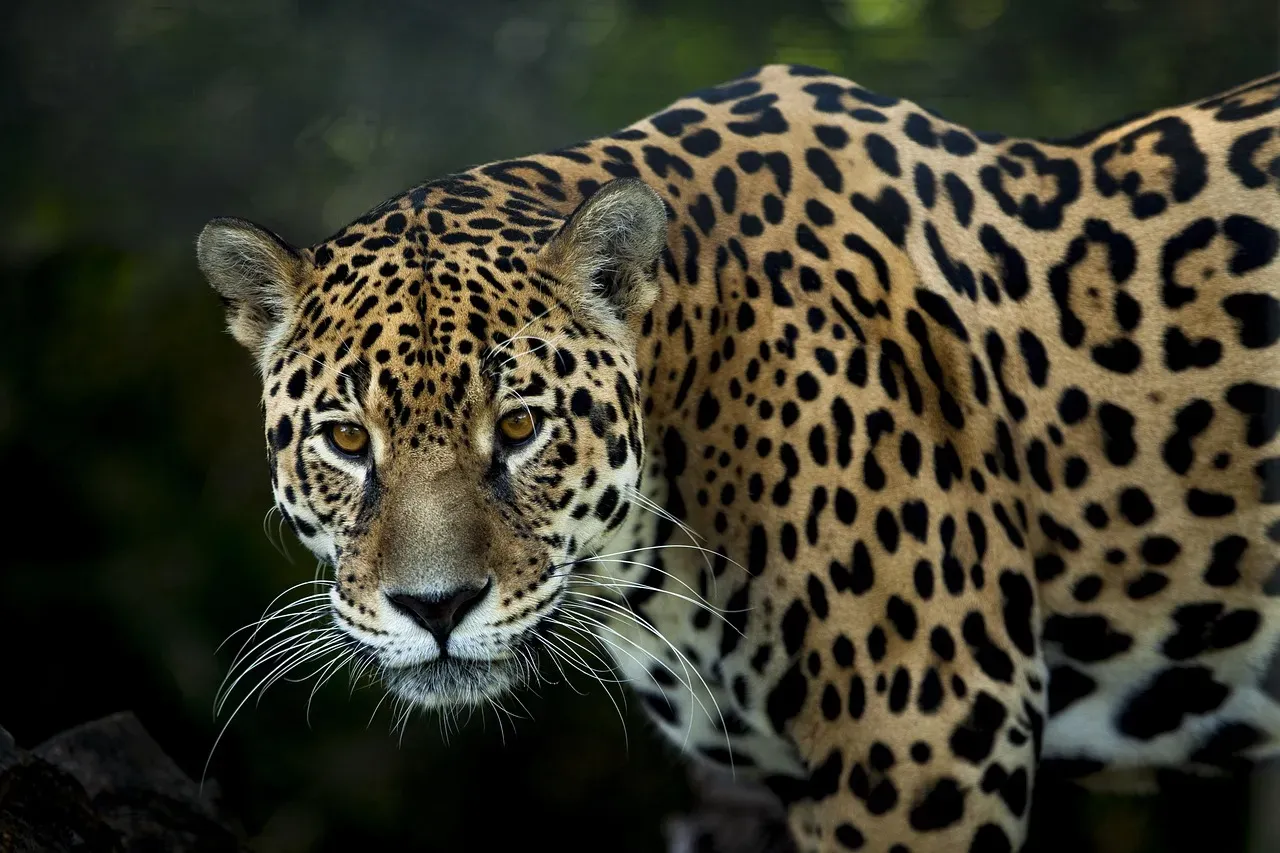
The jaguar’s hunting technique is defined by stealth and explosive power, relying almost entirely on the ambush method rather than long-distance pursuit. The cat stalks its prey through dense undergrowth, utilizing its spotted coat to remain undetected before launching a powerful pounce. This strategy conserves energy and is effective in the complex environments where the animal lives.
Jaguars are patient hunters and can wait for hours or even days for the right opportunity to ambush their prey. That patience is itself a skill, the ability to resist the impulse to strike until the moment is exactly right.
Vegetation is particularly important for their hunting style, in which they rely on surprising the prey in proximity rather than chasing them. Unlike cheetahs built for speed or lions that use coordinated group pressure, the jaguar wins through timing and proximity, a style that demands exceptional body control and nerve.
An Astonishing Breadth of Prey Across Every Habitat
Perhaps one of the most underappreciated dimensions of jaguar hunting skill is sheer range. Over 85 species have been reported in the diet of jaguars. That number puts them in a hunting category occupied by very few predators anywhere on Earth.
The jaguar’s diet is diverse with at least 85 species listed as prey, ranging from cattle weighing more than 200 kg to small rodents. Their prey is unusually diverse and includes species such as arboreal primates, ocelots, and marine and river turtles. An ocelot hunting an ocelot is a striking detail that speaks to just how dominant this cat is across the food chain.
Jaguars are opportunistic hunters and can prey upon almost anything they come across. Over 85 different species have been found in the jaguar’s diet, including capybaras, deer, monkeys, armadillos, caimans, fish, birds, iguanas and snakes. That versatility isn’t luck. It’s the result of a hunting system, physical and behavioral, that is simply more complete than what any other cat in the Americas possesses.
Conclusion
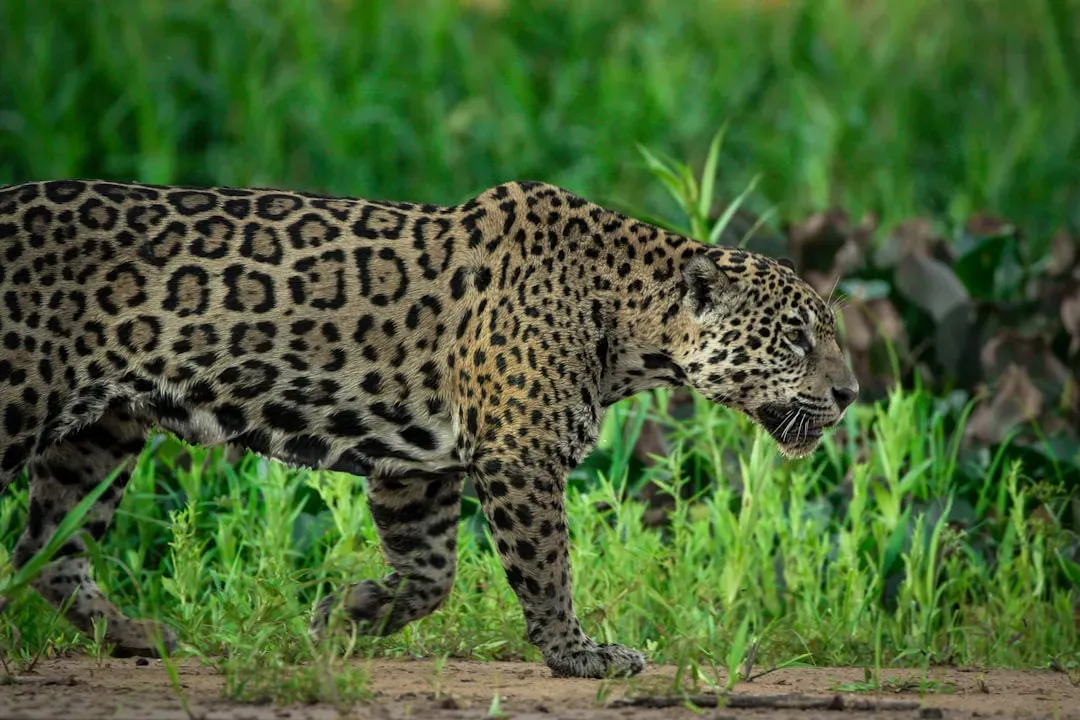
The jaguar stands apart not because of one remarkable feature, but because of how many remarkable features work together in a single animal. Its skull-piercing bite, its comfort in water, its patience in the undergrowth, its ability to adapt its schedule and technique to whatever prey is available – these aren’t isolated traits. They form a coherent, evolved system of predation.
No other cat in the world hunts armored caimans in rivers, crushes turtle shells with its jaws, and then melts back into forest shadow before dawn. The jaguar does all of it, quietly, and on its own terms. That’s what makes it genuinely astonishing.
