
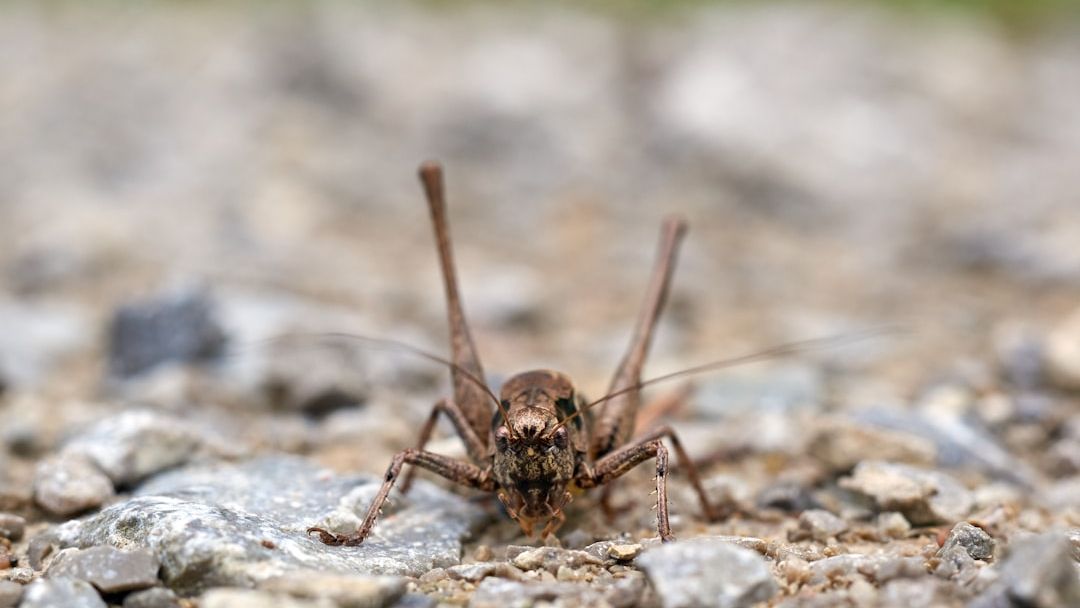
Most gardeners spend considerable time trying to figure out what’s quietly going wrong in their patch of earth. Fewer stop to appreciate what the evening soundtrack is telling them. That familiar chorus rising from your flower beds and borders after dusk is more than just background noise. It’s actually a sign worth paying attention to.
Crickets live in our gardens and yards all year, and we mostly don’t even notice them until they begin their singing melodies, often announcing the tail end of summer. The thing is, their presence means considerably more than a seasonal reminder. Once you understand what these small, unassuming insects are actually doing beneath the leaf litter, your relationship with them might shift entirely.
Crickets as a Living Signal of Ecosystem Health
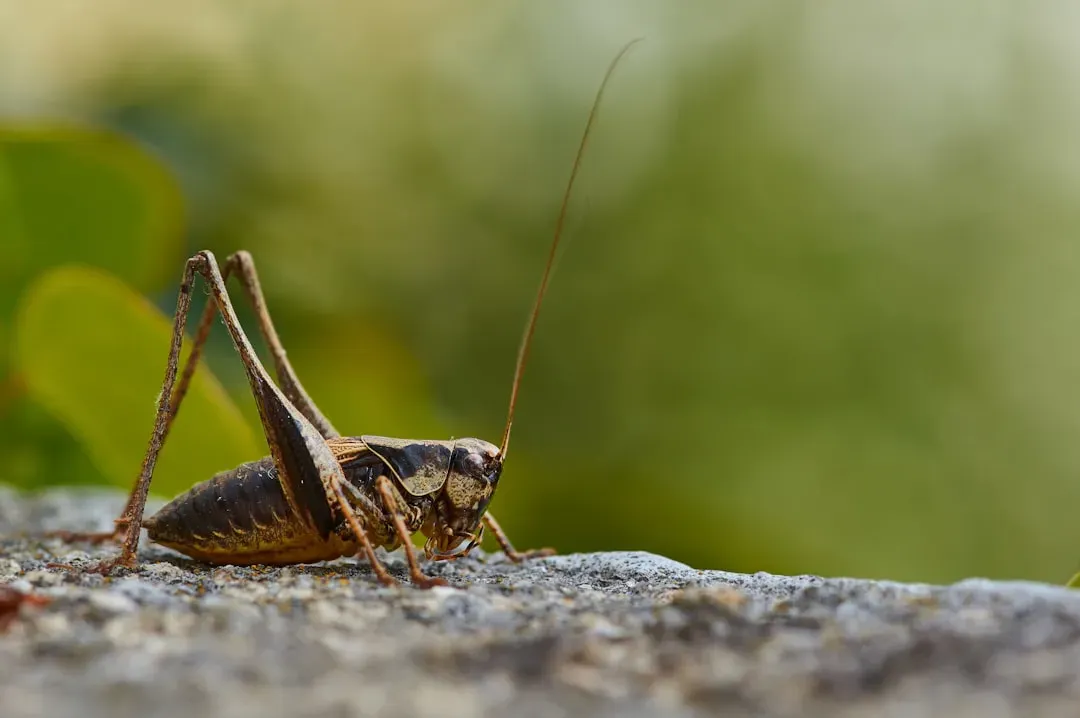
Their presence is a sign of a diverse and balanced garden ecosystem, and healthy ecosystems are characterised by a variety of interacting organisms, each playing a role in maintaining overall stability. This is one of those quiet pieces of garden wisdom that doesn’t get enough attention.
Crickets serve as excellent bioindicators of environmental health, and their sensitivity to changes in their habitat allows scientists and ecologists to use them as indicators of ecosystem stability. In practical terms, that means a cricket population in your garden is a reasonable sign that the soil and surrounding environment are in decent shape.
Changes in cricket populations can signify shifts in environmental conditions such as climate change or pollution levels. For instance, a decline in cricket numbers might indicate deteriorating soil health or increasing pesticide use nearby. So before you worry about what the chirping means, consider the alternative: silence.
The presence of crickets can indicate a balanced ecosystem, and their thriving populations often suggest a healthy environment, which can further attract other beneficial wildlife. It’s a layered benefit that starts with a simple sound.
What Crickets Do to Your Soil
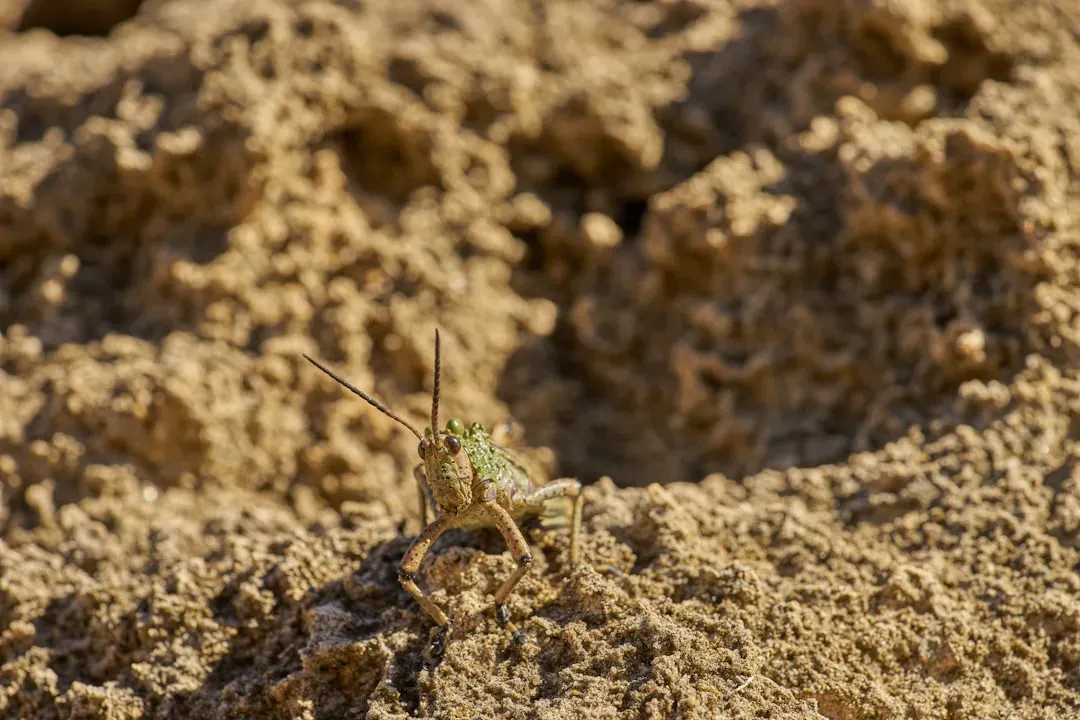
One of the primary benefits crickets offer is their role in soil aeration. As they burrow and move through the soil, crickets help to loosen compacted earth, which improves root development and water infiltration. This natural soil aeration can be particularly beneficial for garden beds that suffer from heavy or clay-like soils.
As crickets burrow through the soil, they create intricate networks of tunnels. These passages facilitate air circulation within the soil, enhancing oxygen availability for plant roots and beneficial microorganisms. The result is a more breathable, receptive growing environment.
Through their feeding habits and waste production, crickets contribute to nutrient recycling within ecosystems. Cricket droppings are rich in nitrogen, a vital nutrient for plants. When crickets excrete waste into the soil, they enhance nitrogen content, promoting plant growth and contributing to overall ecosystem productivity.
The feeding habits of crickets stimulate microbial growth within the soil as well. As they consume organic material and excrete waste, they create an environment that encourages microorganisms to thrive. A thriving microbial community is the foundation of genuinely fertile soil.
Natural Pest Control You Didn’t Know You Had
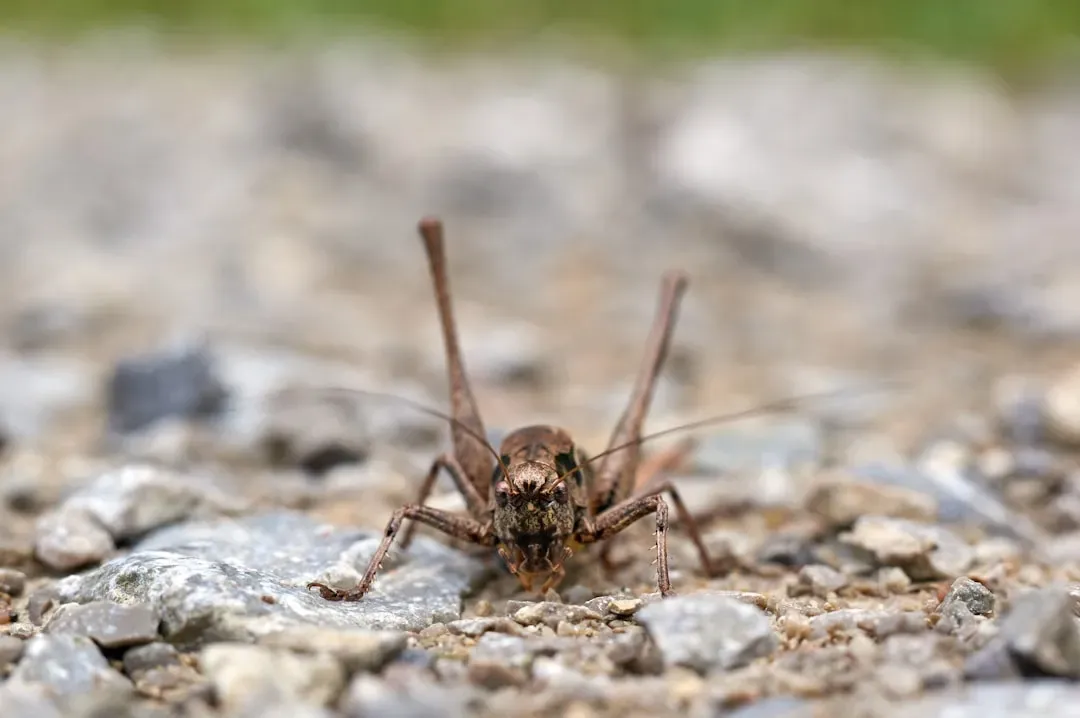
Crickets serve as natural predators to various garden pests. Their diet includes aphids, mites, and caterpillars, helping to keep these populations in check. By preying on these harmful insects, crickets reduce the need for chemical pesticides, promoting an organic and balanced garden ecosystem.
They also help control weed populations by consuming weed seeds and smaller pests, keeping gardens healthier. That’s a practical benefit most gardeners would normally welcome from an expensive product, not a free resident insect.
Crickets help in reducing the numbers of pests, thus alleviating the pressure on ladybugs and other beneficial insects. This balanced approach ensures a healthier garden environment and minimises the need for chemical interventions.
Crickets act as natural pest controllers by feeding on other harmful insects like aphids, mites, and caterpillars. This predatory behaviour can reduce the need for pesticides, promoting a healthier garden ecosystem. It’s essentially a built-in, no-cost layer of protection.
The Bigger Picture: Biodiversity and the Food Web
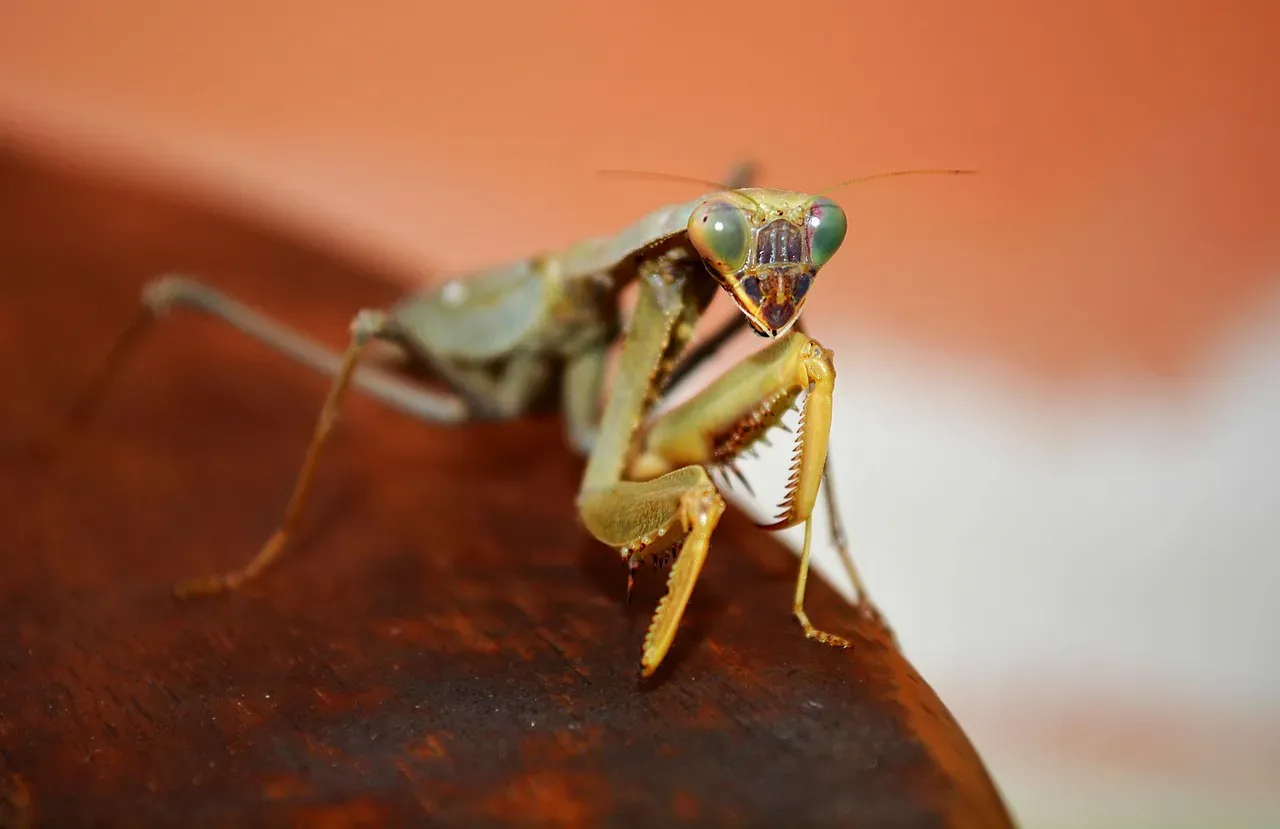
Crickets also serve a significant role in the garden’s food web, providing a food source for a variety of beneficial predators. Birds, frogs, lizards, spiders, and ground beetles rely on crickets as part of their diet. By supporting these predators, crickets indirectly contribute to the natural suppression of other potential garden pests.
The list of who eats crickets is long: birds, mice, shrews, bats, rats, toads, frogs, small snakes, and salamanders. Every one of those creatures visiting your garden also contributes something to its health in return. Crickets are, in a sense, the link that makes the wider network possible.
Crickets are a food source for various garden predators like birds, frogs, and certain reptiles. Their presence helps maintain a balanced food web, ensuring that these predators have enough nourishment. Thus, crickets contribute to the overall biodiversity of the garden, promoting a thriving ecosystem.
When to Watch the Balance and What to Do About It
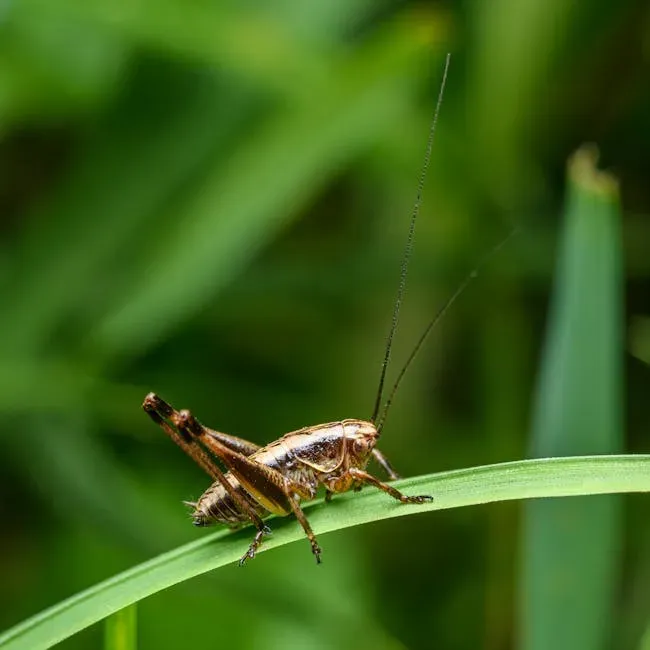
Generally, crickets do not pose a significant threat to most garden plants. While they may occasionally nibble on foliage, their impact is usually minimal compared to other garden pests. Crickets are more beneficial than harmful due to their role in decomposition and soil enrichment, which contribute to healthy plant growth.
Although often beneficial, crickets can switch to feeding on living plant tissue when populations become too large or decaying matter is scarce. They primarily target young, tender plants, making newly sprouted seedlings especially vulnerable. Keeping an eye on seedlings during peak cricket season is simply sensible practice.
Provide moist, sheltered areas where crickets find refuge during the day. Leave natural debris such as fallen leaves, small branches, and mulch to supply organic matter for feeding and hiding. Maintain patches of tall grass or low-growing plants that offer cover and breeding grounds. These steps invite crickets into the spaces where they do the most good.
Avoid excessive use of pesticides and chemical fertilizers to protect crickets and their food sources. Ensure consistent watering to keep soil moist, as crickets prefer damp habitats that support their development and activity. The goal isn’t maximum cricket density, it’s a stable, working balance.
Conclusion
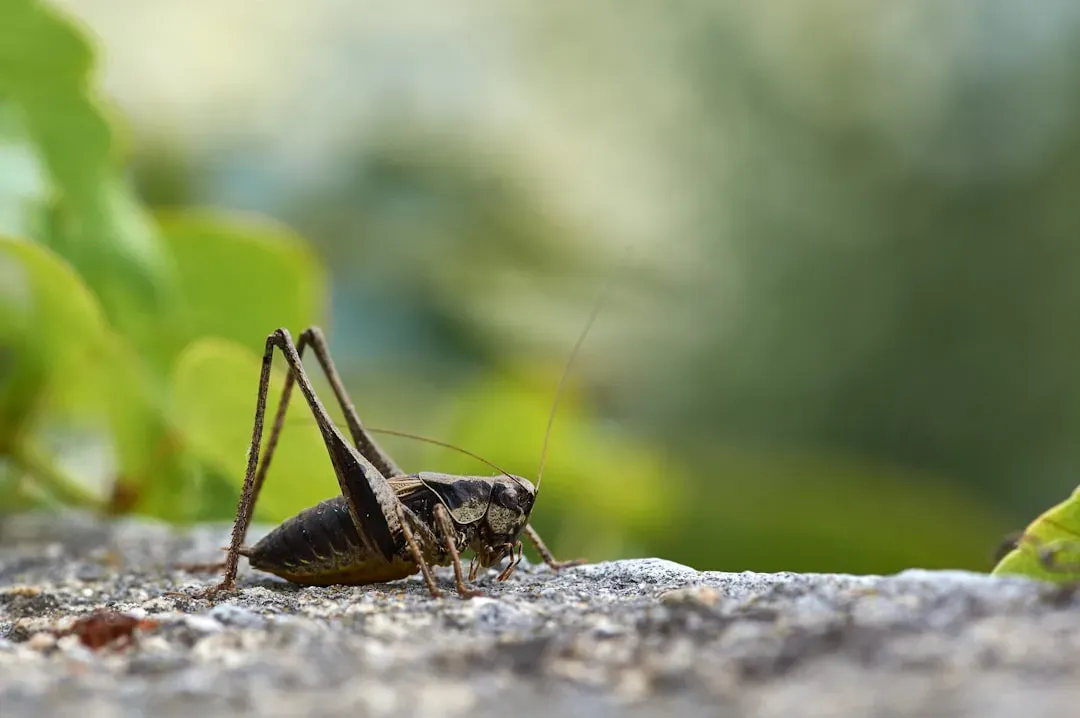
The evening chirp of crickets in a garden is one of those sounds that most of us have heard a thousand times without really thinking about it. It turns out it’s worth a second thought. These small insects quietly aerate soil, recycle nutrients, manage pests, and sustain a chain of wildlife that keeps a garden genuinely alive.
The research is consistent: while crickets can occasionally damage young plants and disrupt root systems, their overall advantages in pest control, nutrient recycling, and soil health improvement make them valuable contributors to any garden ecosystem.
A garden that’s genuinely thriving tends to be a noisy one. Next time you step outside on a warm evening and hear that rhythmic chorus rising from the borders, it might just be the most reassuring sound your garden can offer.

- Your Dog Doesn't Love You for the Food – 14 Signs You're Its Whole World - July 21, 2026
- 10 Myths About Horses That Owners Keep Falling For - July 21, 2026
- 13 Ways a Shelter Dog Shows It Has Decided to Trust You for Good - July 21, 2026