
Minnesota has a reputation built on lakes, forests, and long winters. It’s a state where people camp, kayak, fish, and hike with a sense of freedom that’s genuinely hard to find elsewhere. Most visitors and residents never give a second thought to the wildlife sharing that landscape with them. They probably should.
Research has recorded 60 fatal animal attacks since 2000, placing it among the top 25 U.S. states with the highest number of animal attacks. The threats here are rarely what people imagine. They are not all sharp-toothed, lurking predators. Some are smaller than a fingernail. Some look completely harmless on a summer afternoon. Here are the 12 deadliest animals in the North Star State.
1. The Mosquito: The Deadliest Animal in the State
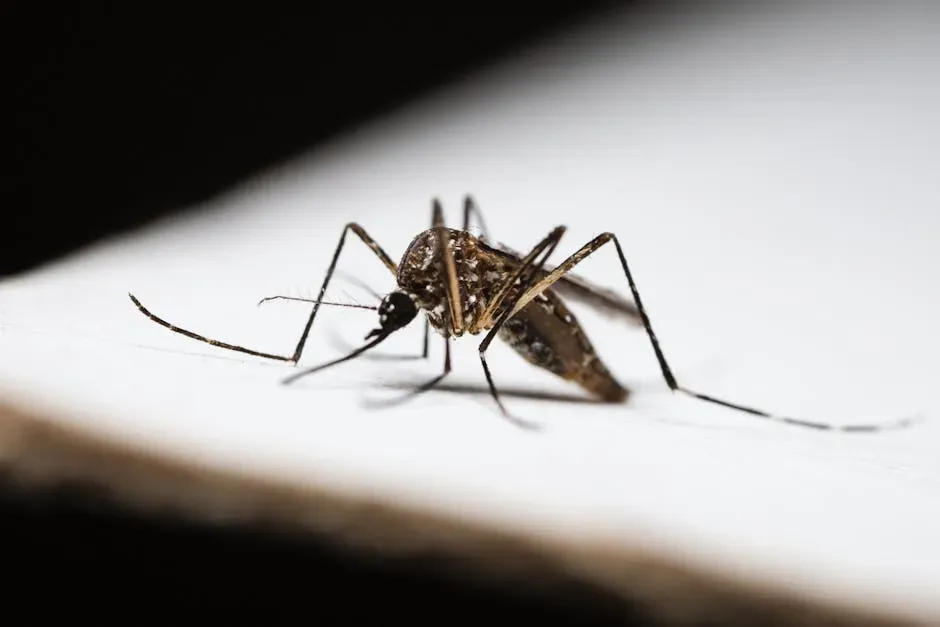
It seems almost absurd to open a list like this with an insect. Yet the mosquito is not just Minnesota’s most dangerous animal – it is consistently ranked as the most dangerous animal on the planet. Mosquitoes are responsible for nearly 800,000 deaths worldwide every year.
Minnesota has about 50 different species of mosquitoes, though only a few are capable of spreading diseases such as West Nile virus and La Crosse virus. These are the ones that tip a nuisance into something genuinely dangerous.
Mosquitoes breed in standing water and are most active at dawn and dusk, attracted to carbon dioxide, body heat, and other factors that vary among certain species. In a state blessed with more than 10,000 lakes, standing water is never in short supply.
2. The White-Tailed Deer: Danger on Four Hooves
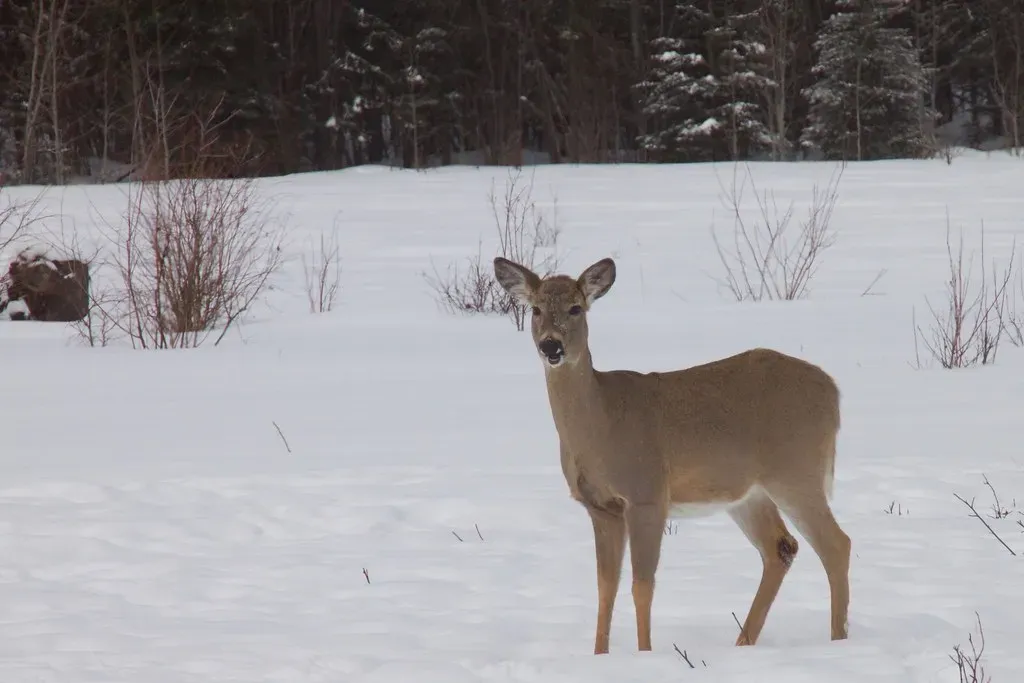
Nobody fears white-tailed deer the way they fear a bear. That’s precisely what makes them so dangerous. When it comes to animal-related deaths, nothing holds a candle to the white-tailed deer – and it’s not because they charge at people, but mostly because of car collisions.
In 2019 alone, the Minnesota Department of Public Safety recorded 1,263 deer-vehicle collisions, three of which were fatal and 19 of which ended in serious injuries – and those numbers were actually down from previous years.
They generally won’t attack you directly, but keep a close eye on the roads especially during October through December, when they are most active. At highway speed, a collision with a deer can be catastrophic, particularly because the animal’s body mass strikes at windshield level.
3. The American Black Bear: Power in the Pines
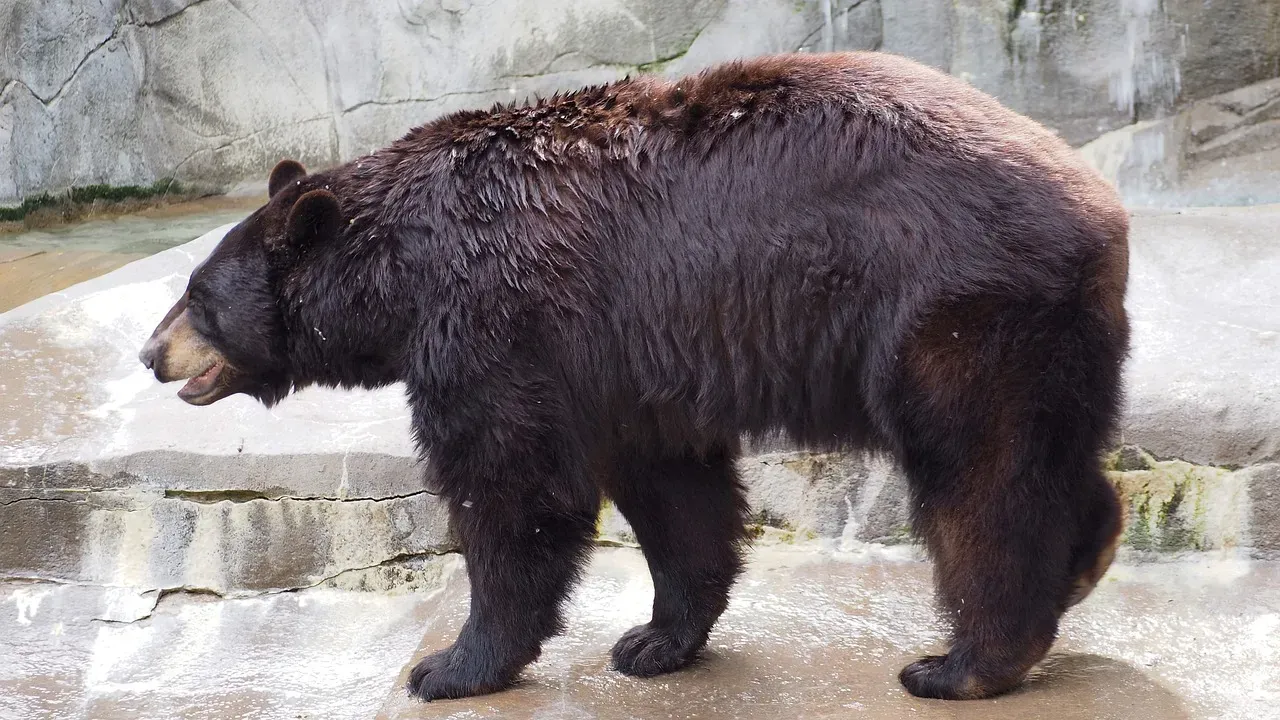
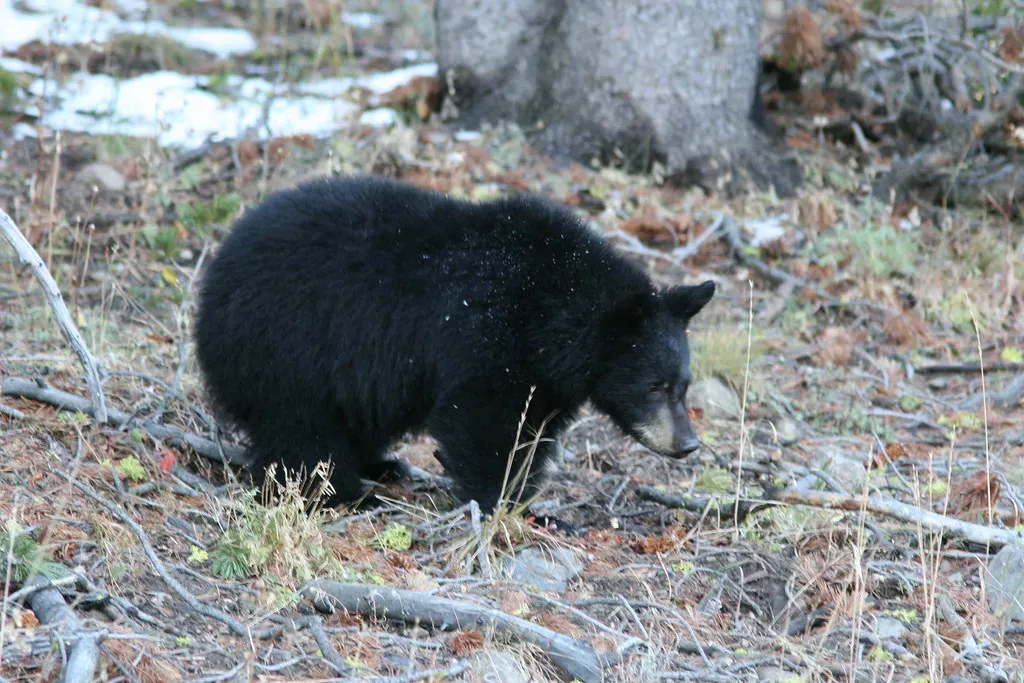
As North America’s fourth largest bear, black bears are the only bears within the state of Minnesota, and they are scattered throughout, with their natural habitat being dense forests with abundant coniferous and deciduous trees.
Their omnivorous diet contributes to their massive size, as they can reach up to 6 feet tall and weigh between 150 and 500 pounds. As hibernators in the winter months, typically from October until April, the black bear requires a high caloric intake during its waking hours.
Its need for sustenance and affinity for human food bring it closer to cities, homes, and family properties. Black bear attacks occur under two circumstances: when they are startled and caught off guard, and when a mother feels her cubs are threatened. Give them space and secure your food sources – those two habits go a long way.
4. The Timber Rattlesnake: Rare, Venomous, and Protected
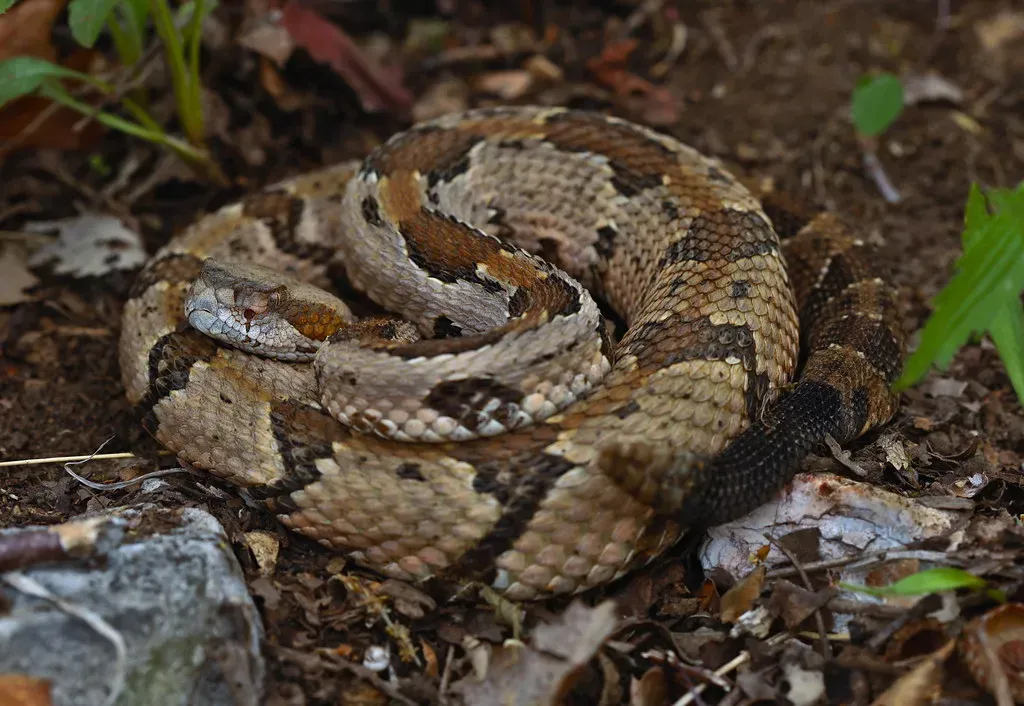
While confined to the southeastern corner of Minnesota, the Timber Rattler is one of the most potent venomous threats in the state, preferring rugged terrain and seasonal forests where grasslands and shrubs provide shade and coverage.
It is the only venomous snake confirmed to have a breeding population in surveys conducted over the last several decades, and Minnesota sits at the northernmost end of its range. Its venom is serious business. Timber Rattlers’ venom contains hemotoxins that destroy tissue while preventing blood clotting.
The timber rattlesnake is a state threatened species. Though venomous, this very timid snake poses little threat to humans and is seldom seen, found only in southeastern Minnesota. Still, if you’re hiking the rocky bluffs of the southeast, watch where you step.
5. Ticks: Silent and Persistent Disease Vectors
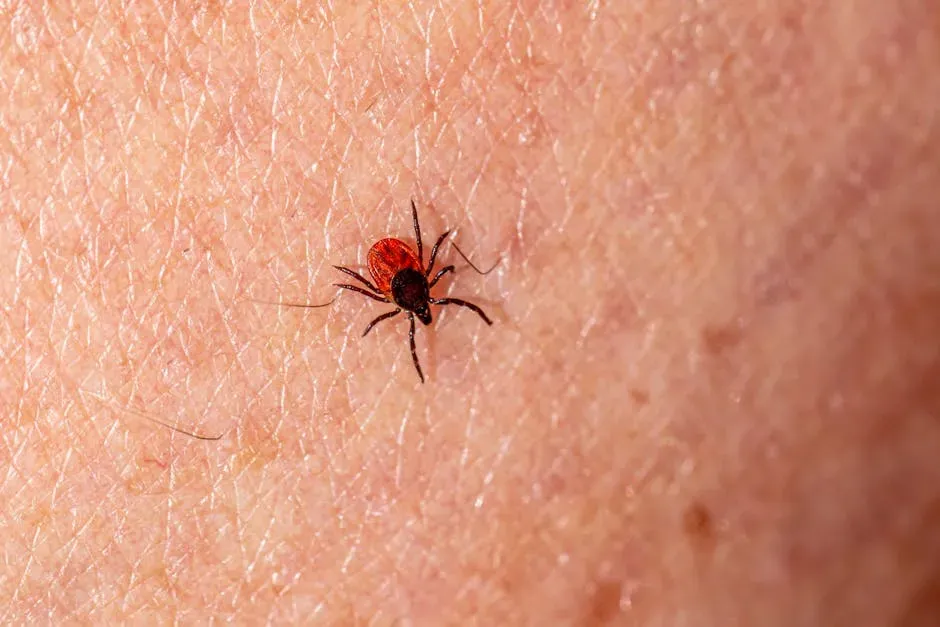
There are two types of ticks found ‘s forest and woodland areas: the Black Legged Tick, also known as the deer tick, and the American Dog Tick. These arachnid pests are highly resilient and known to enter states of dormancy to survive the state’s harsh winters.
The Black-Legged Tick, in particular, is commonly associated with transmitting Lyme disease, which is responsible for multiple rashes, heart problems, and chronic neurological issues. Ticks are also associated with a host of deadly bacterial infections, such as Anaplasmosis, Rocky Mountain Spotted Fever, Ehrlichiosis, and Tularemia.
The tick is an apex parasite outfitted with the ability to detect carbon dioxide to identify hosts to feed off of. These animals are obligate blood feeders, meaning they require blood to grow and survive. Once attached to their host, they feed for several days, maintaining a threat as bacteria and disease vectors. A tiny creature with outsized consequences.
6. The Gray Wolf: A Rare but Real Threat
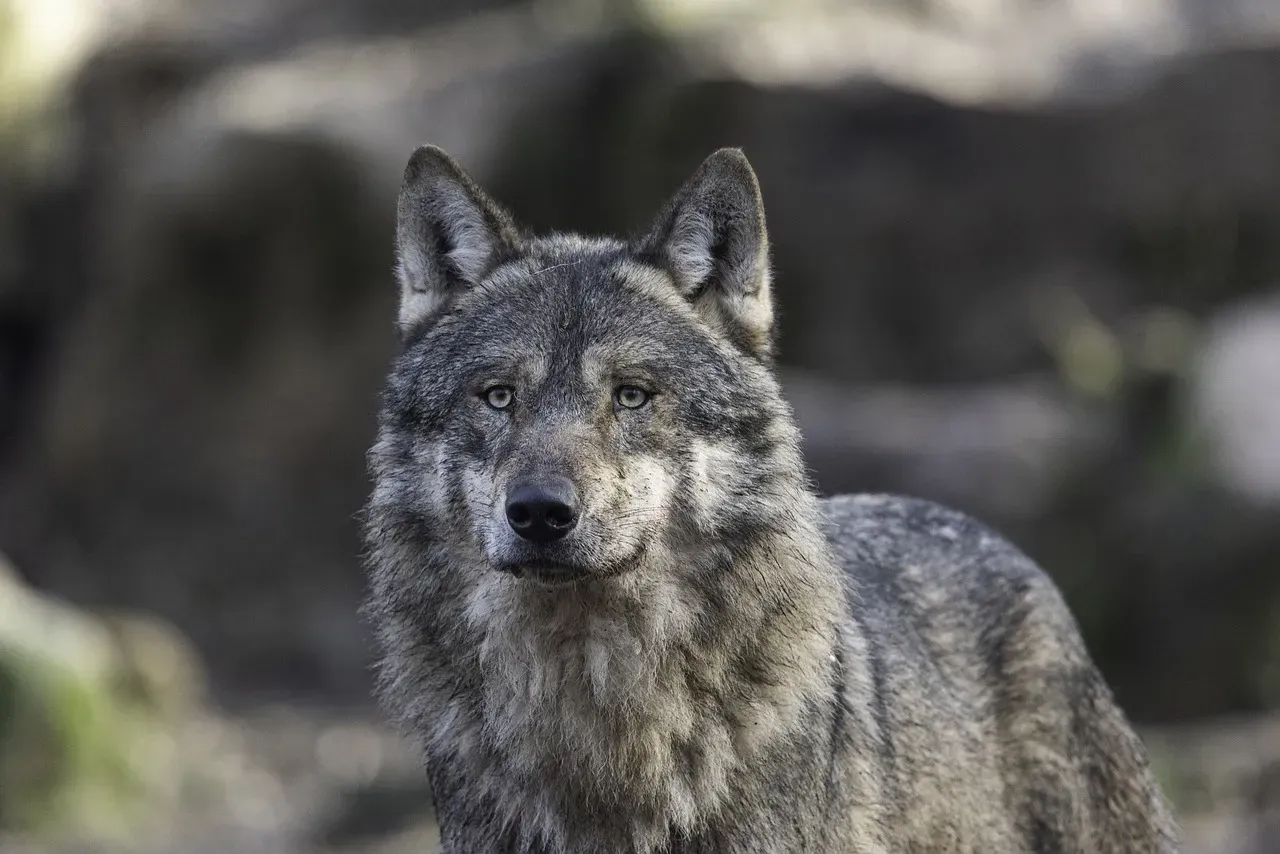
The roughly 1,200 estimated wolves that live reside in the northern part of the state, among some of the densest forests, so the chances of encountering one are rare. Their elusiveness is part of what makes them so mythologized.
Wolves have thick grey fur and are the size of a large dog, weighing between 90 and 140 pounds, with most closer to 100 pounds. Wolves can be dangerous, but are not more dangerous than domestic dogs when it comes to the number of attacks.
A wild wolf attack on a human is genuinely uncommon. That said, a cornered or habituated wolf is a different story entirely. Traveling through northern Minnesota wilderness means sharing territory with a true apex predator, and that reality deserves quiet respect rather than panic.
7. The Moose: Underestimated and Enormous
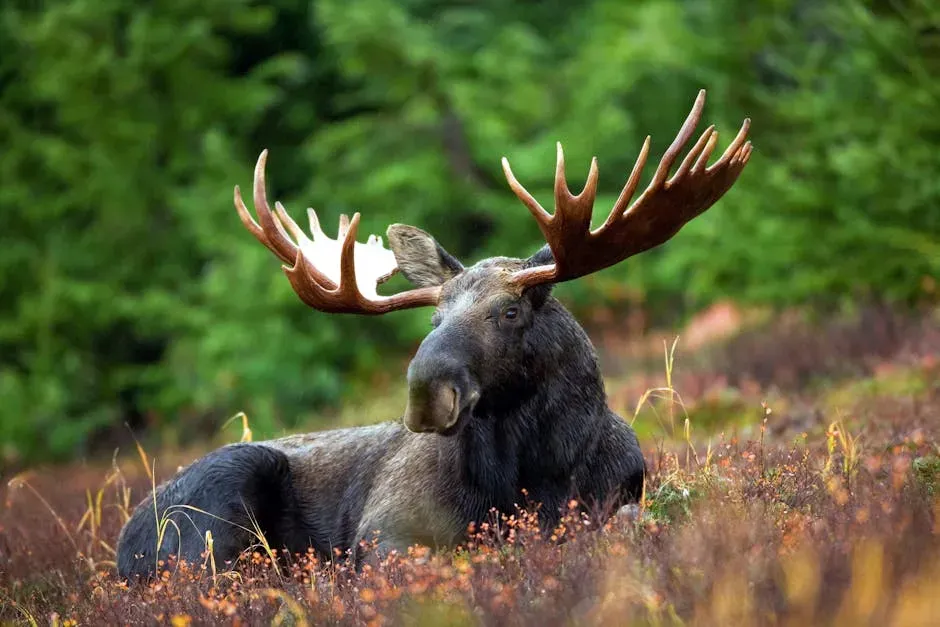
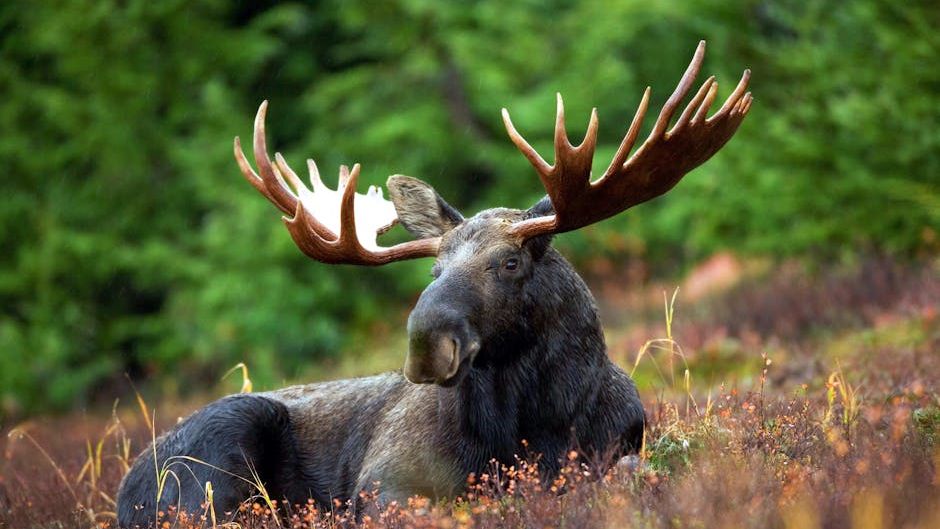
A giant of the deer family, moose are known for their impressive size, long legs, and often massive antlers. As North America’s second-largest herbivore, the moose’s preferred habitat is boreal forests rich in coniferous trees. Bull moose weigh between 1,000 and 1,500 pounds, while cows range from 800 to 1,200 pounds.
Female moose, called cows, are known to aggressively defend their young. Mothers have been known to injure or kill grizzly bears, wolves, black bears, and even people in defense of their babies. That maternal ferocity is no exaggeration.
During rutting season, enhanced movement makes moose more of a road hazard as they cross between forest territories. It is imperative to move with caution when driving through moose-inhabited areas, as their size poses a critical risk if a collision occurs. At highway speed, hitting a moose is not like hitting a deer – it’s much, much worse.
8. The Bald Eagle: Beauty with a Dangerous Edge
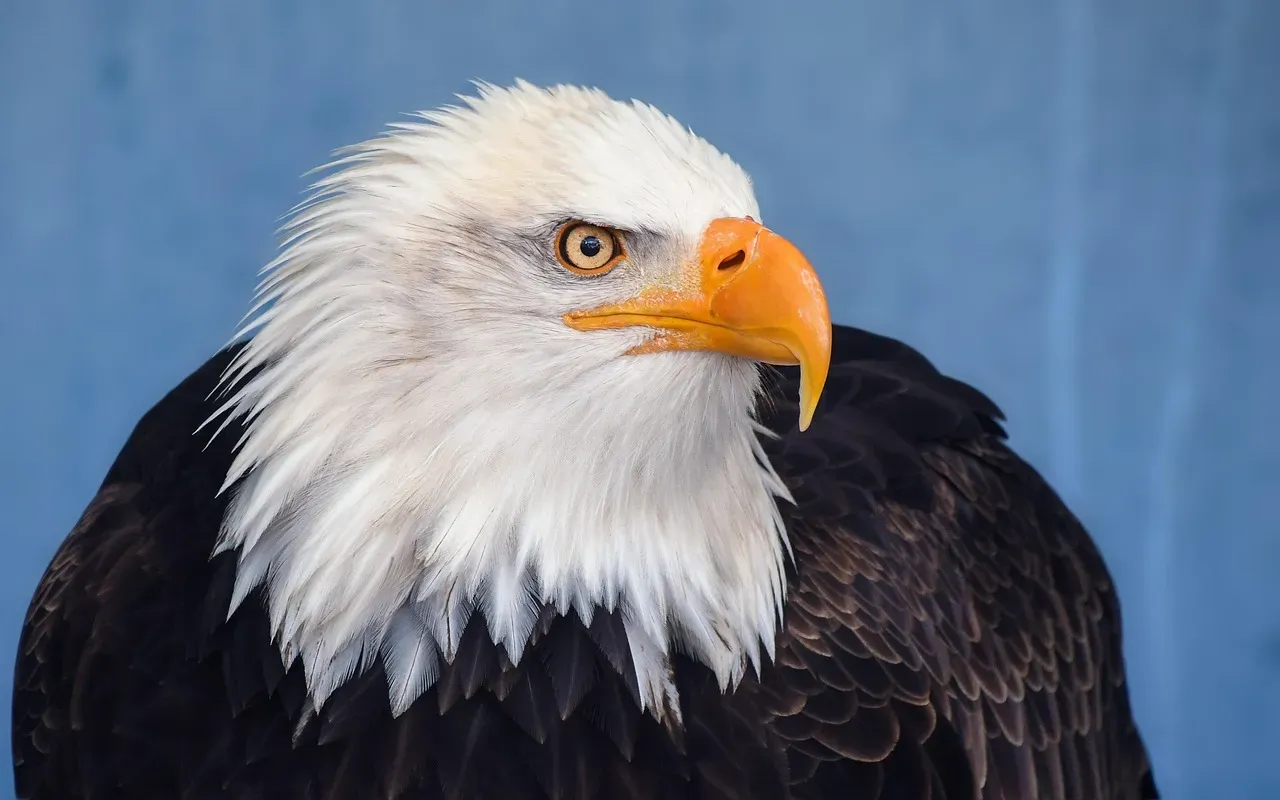
Minnesota is home to one of the largest bald eagle populations in the continental United States, making encounters more common than you might expect, especially near lakes and rivers in spring when nesting is active.
These powerful fliers can soar at speeds as high as 30 to 35 miles per hour while executing dives at 70 to 100 miles per hour. Armed with powerful talons, bald eagles possess a grip force of up to 1,000 PSI, making them very capable of causing serious harm to humans and prey.
Bald eagles are exceptionally territorial, especially when defending their nests. Although attacks on humans are rare, the bald eagle’s temperament, hunting skills, and talon strength make them a potentially fatal threat under the wrong circumstances. Admire them from a distance, and you’ll be fine. Stumble near a nest in nesting season, and the bird will make its feelings known.
9. Wasps, Hornets, and Bees: The Overlooked Killers
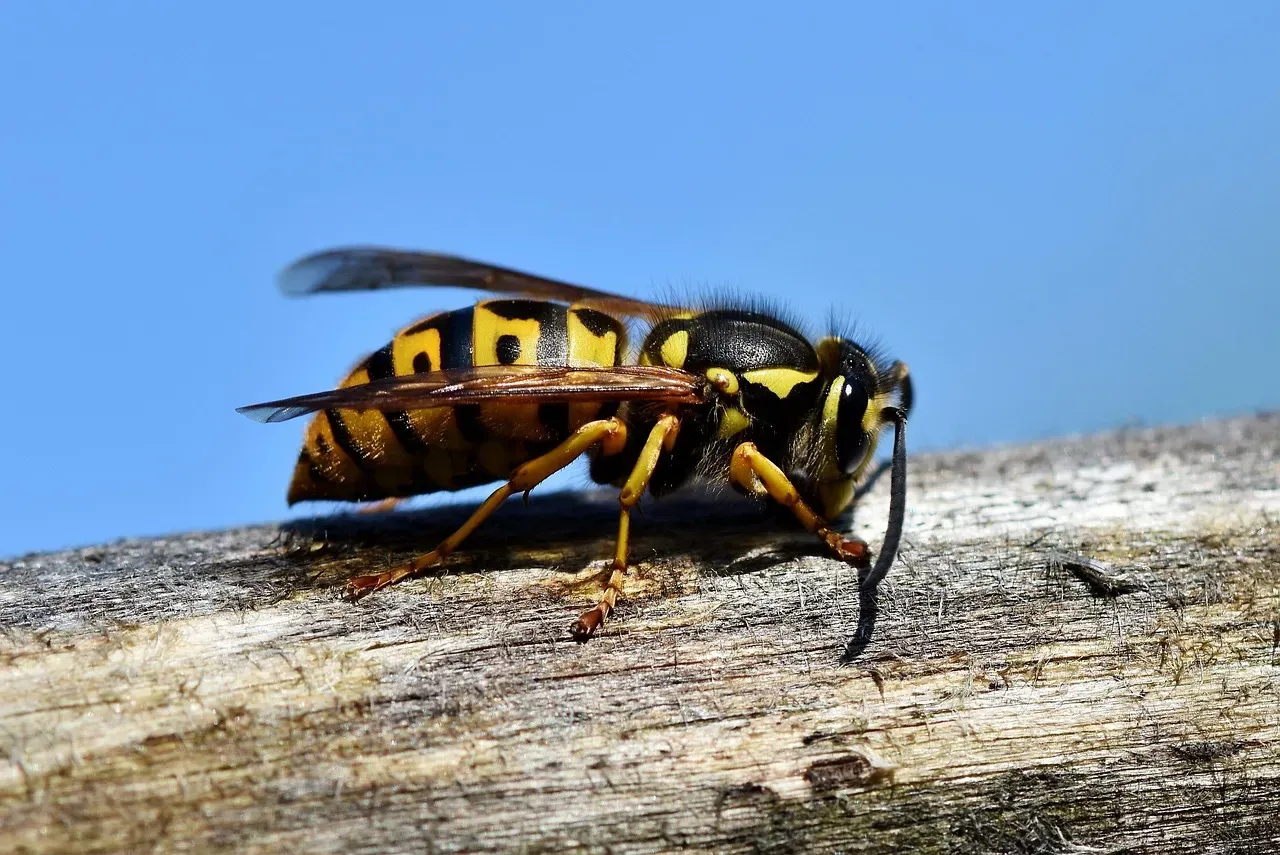
Minnesota is home to several stinging species, with the honey bee, yellow jacket wasp, and bald-faced hornet being particularly aggressive. Wasps and hornets are especially threatening in the late summer, as they are proactive in defense, and their stings have the potential to cause life-threatening reactions known as anaphylaxis.
Bees, hornets, and wasps claim the most human deaths in the U.S., roughly 100 people annually, accounting for more than a third of all animal-inflicted deaths over the past two decades, because of allergic reactions to their sting. That number is staggering relative to how casually most people treat a wasp nest.
Symptoms of anaphylactic shock include hives, itching, swelling of the face, lips, or throat, and breathing difficulties, with stings being a common culprit for hospital visits in the summertime. Anyone with a known allergy should carry an epinephrine auto-injector when spending time outdoors .
10. The Coyote: Cunning and Adaptable
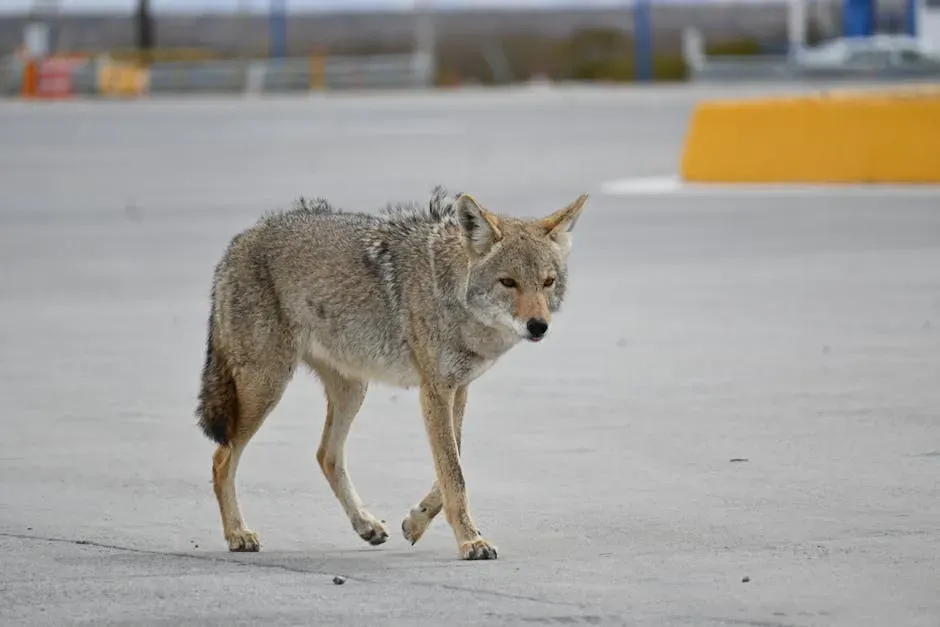
The highly energetic, intelligent, and adaptable coyote roams throughout Minnesota in both urban and rural areas. Its exceptional survival instincts make it equally comfortable in prairie land as in forests or even cities.
As pack animals, coyotes occasionally hunt as families or groups, making them dangerous to encounter. They are cunning, highly agile, and have sharp, powerful claws and teeth. They are known to stalk their prey, preferring the shade of dawn, dusk, and nighttime.
If their search for food brings them to urban areas, they may attack humans, cats, or smaller dogs. It is advisable to fence off yards and avoid leaving pets unattended at night. A lone coyote encounter is generally low risk, but the animal’s boldness has increased measurably in suburban areas across the state.
11. The Northern Black Widow Spider: Venom in the Woodpile
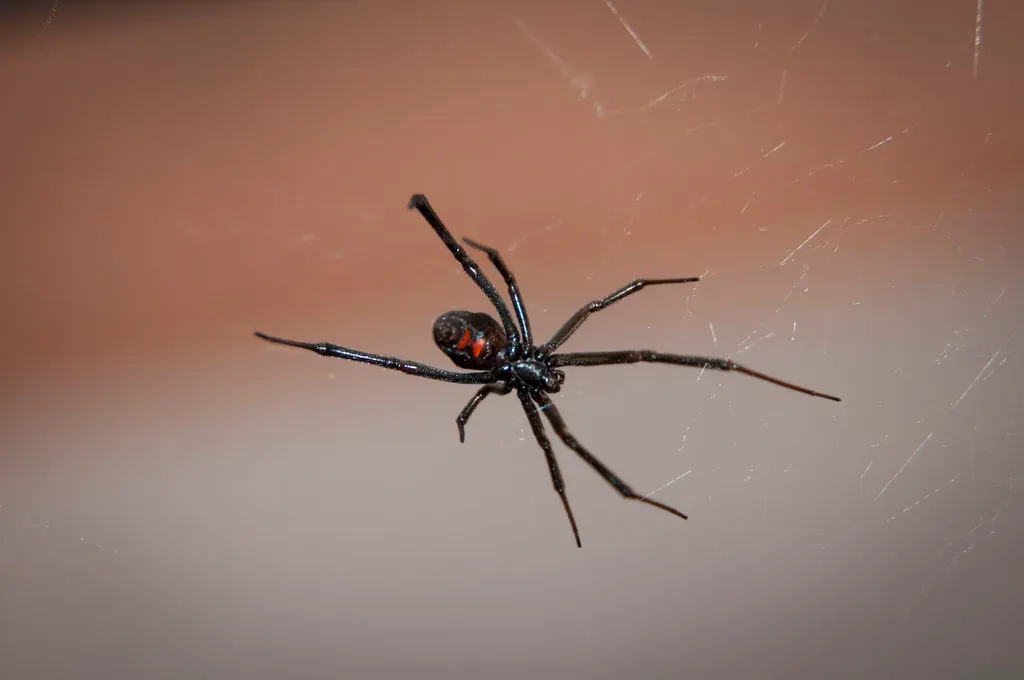
Of the venomous spiders found , only one is indigenous to the state: the Northern black widow. It is the only venomous spider with populations occurring naturally .
The venom of the Northern black widow is highly toxic – 15 times more so than that of a rattlesnake – though little is released relative to a human’s size. That ratio is the main reason fatalities remain rare, but the bite still demands medical attention.
Symptoms usually last about 24 hours and include aching, cramping, nausea, vomiting, itching, sweating, fever, increased blood pressure, irregular heartbeat, and spasms or tremors. Across Minnesota, these widows are drawn to brushpiles, woodpiles, hollowed-out logs, fences, sheds, garages, crawlspaces, and similar out-of-the-way, sheltered places. Wear gloves when clearing debris.
12. The Snapping Turtle: A Bite That Means Business
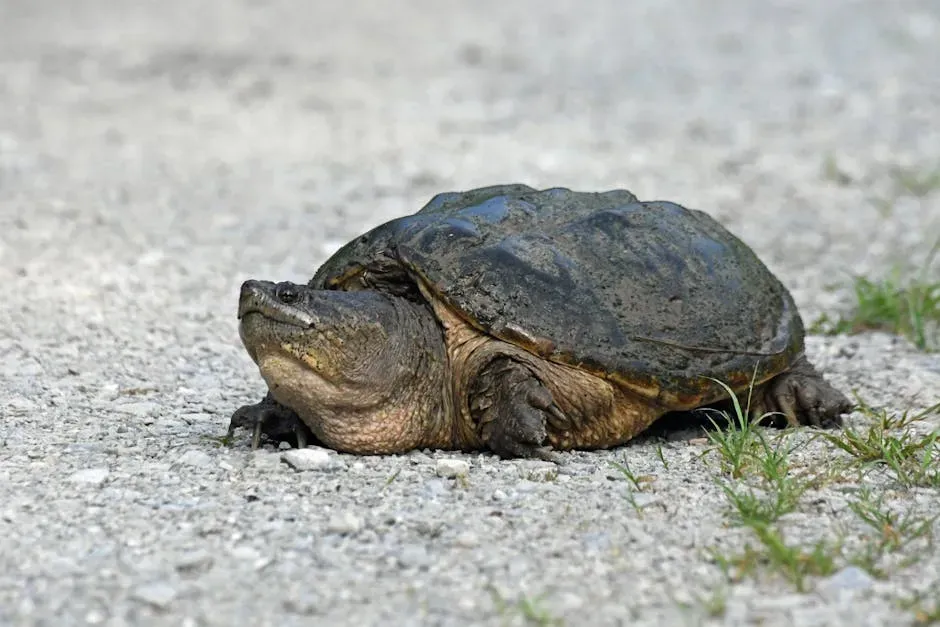
The snapping turtle is a large freshwater turtle that can grow a shell up to 18 inches in length and weigh up to 35 pounds. Most species of turtle aren’t a real threat to humans, but the snapping turtle is famous for its powerful bite that can instantly clip off a finger or toe.
The snapping turtle is found throughout Minnesota in habitats including ponds, lakes, marshes, rivers, and creeks. It is mostly aquatic but may venture on land to lay eggs or find new water sources. That’s exactly when most encounters happen – when someone spots one crossing a road and decides to help it along.
Although snapping turtles are a potential danger to humans, they don’t specifically target them. The risk is almost entirely a matter of provocation. Leave them to move on their own schedule and they’ll do exactly that, without incident.
Conclusion: Respect the Wild, Know the Risks
Minnesota’s wilderness is genuinely remarkable, and the odds of a fatal animal encounter remain very low for any individual. The odds of being killed by an animal are about 1 in 2,000,000. That context matters.
Still, the animals on this list are real, present, and capable of serious harm under the wrong conditions. The mosquito humming above a summer lake, the tick latched silently to the back of a calf, the black bear drawn in by an unsecured trash can – these are the threats that actually account for most encounters, not the wolves threading through boreal forests.
The takeaway isn’t fear. It’s awareness. Minnesota’s outdoors reward those who spend time in them, and the animals here are simply part of a system that operates on its own terms. Know the risks, carry appropriate precautions, and the North Star State’s wild spaces remain one of the best places on the continent to spend time outdoors.

- The Most Resilient Animals Ever Discovered Thriving in Extreme Environments - July 21, 2026
- 7 Signs Your Dog Thinks You're Family - July 21, 2026
- 12 Surprising Facts About North American Mountain Lions You Never Knew - July 21, 2026