

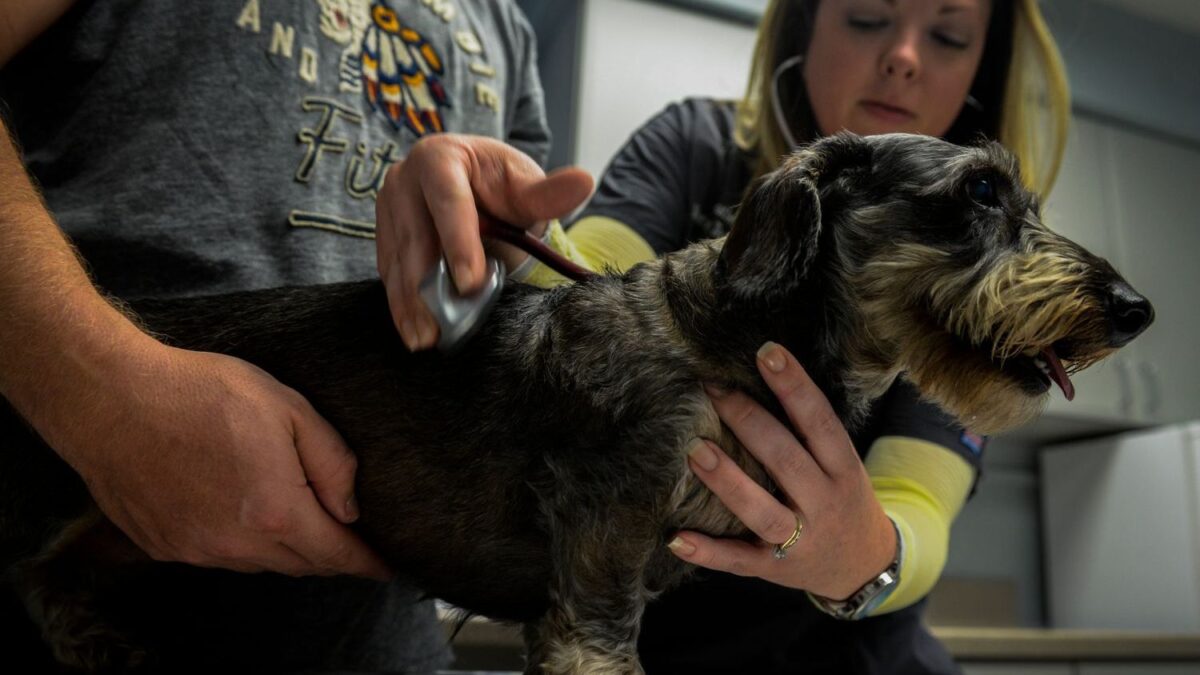
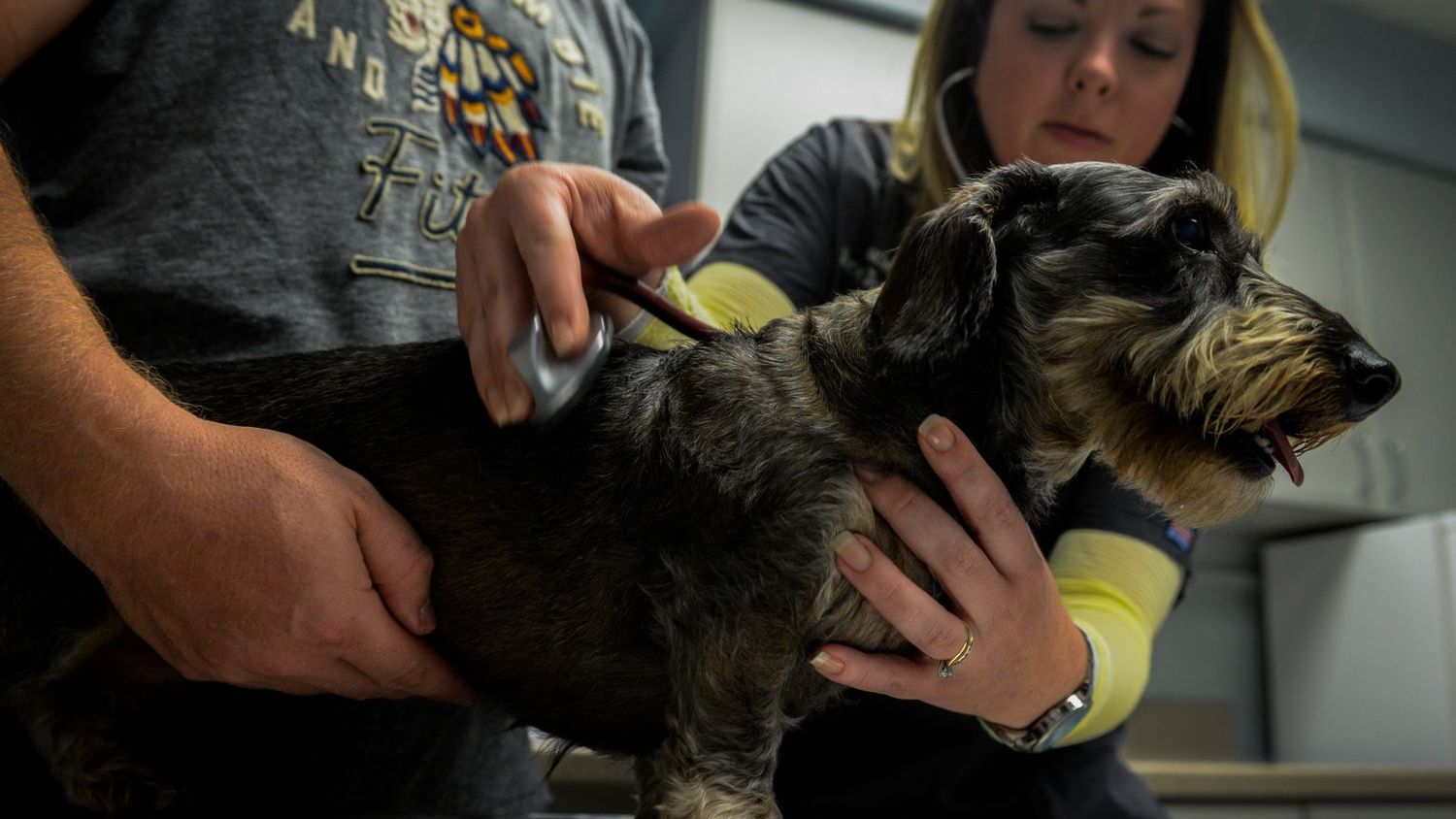
How to Prepare a Dog for a Long Flight – Image for illustrative purposes only (Image credits: upload.wikimedia.org)
A dog settled in its carrier at the airport gate can appear composed, yet the hours of confinement, pressure changes, and unfamiliar sounds ahead place real demands on even a steady pet. Owners who treat the journey as a last-minute decision often discover that small oversights turn into larger problems once boarding begins. Thoughtful steps taken well before departure tend to reduce those risks for both the animal and its handler.
Health Checks and Required Paperwork
A visit to the veterinarian stands as the first required step for any long flight. Airlines and destination countries typically demand a health certificate issued no more than ten days before travel, and the document must contain precise wording or official stamps to avoid rejection at the border. Flat-faced breeds such as Bulldogs, Pugs, and French Bulldogs require extra attention during this visit because their airway structure increases breathing difficulties at altitude. Some carriers refuse these dogs outright, so confirming acceptance early prevents last-minute changes. Owners who skip detailed research on these rules sometimes face delays or denied boarding. The certificate alone does not guarantee smooth passage if it lacks the specific language required by the receiving country.
Choosing a Suitable Carrier and Airline
Not every carrier meets the standards needed for air travel. When a dog flies in the cargo hold, the crate must satisfy IATA requirements for size and ventilation. In-cabin travel brings its own limits on weight and dimensions that differ from one airline to the next. The chosen crate should allow the dog to stand, turn, and lie down without restriction, yet remain secure enough to prevent sliding during turbulence. A crate that is too large can create hazards, while one that is too small adds unnecessary physical strain. Direct verification with the airline remains essential because policies change and not all carriers accept pets on every route. Matching the right carrier to the chosen flight reduces the chance of rejection at check-in.
Building Comfort Through Gradual Training
Crate training begun four to six weeks before departure gives a dog time to view the carrier as a familiar space rather than a sudden restriction. Placing meals and toys inside with the door open starts the process, followed by short periods with the door closed that gradually lengthen over successive days. By the time travel arrives, the dog can remain calm inside for several hours at a stretch. Extended car rides offer a useful bridge for dogs unaccustomed to confinement. These journeys help the animal practice settling in a moving space and managing motion before the added variables of air travel appear. Rushing this phase often leaves the dog anxious once the flight begins.
Reducing Anxiety Without Medication
Veterinarians and major airlines generally advise against sedation for flights because it can interfere with balance and temperature regulation, especially in the cargo hold. Instead, many owners turn to non-drug approaches that have shown promise in supporting calmer behavior. Some research indicates that omega-3 fatty acids, when given at roughly 2,000 milligrams daily under veterinary supervision, may ease anxiety symptoms by supporting nervous-system function. Calming wraps, pheromone sprays, and a familiar item of clothing placed in the crate provide additional low-risk options. These tools work most effectively when introduced during the earlier training period rather than introduced for the first time on travel day. Results vary by individual dog, and owners should monitor responses closely.
Key points to remember before departure: – Schedule the veterinary visit early enough to meet the ten-day certificate window. – Confirm carrier dimensions and airline policies directly. – Begin crate training at least four weeks ahead. – Favor non-sedative calming methods and test them in advance. – Plan a quiet first day or two after arrival to allow adjustment.
Helping the Dog Settle After Arrival
Jet lag affects dogs as well as people when multiple time zones are crossed. Exposure to natural light upon reaching the destination helps reset internal clocks more quickly than keeping the animal indoors. The first 24 to 48 hours benefit from familiar routines, extra water, and limited activity until appetite and sleep patterns return to normal. Travel can strengthen the bond between owner and dog when handled with care. The same preparation that eases the flight also supports a smoother return to everyday life once the journey ends.

As a little kid, I fell in love with nature, wildlife, and animals. Living in the USA, South Africa, Italy, China and Germany gave me the opportunity to discover the world's Wildlife. My favorite animals are Mountain Gorillas, Siberian Tigers, and Great White Sharks.
I'm a certified PADI Open Water Diver, went to Everest Base Camp and Trekked Gorillas in Uganda. I hold a Master of Science in Economics and Finance.
Please send any feedback to feedback@animalsaroundtheglobe.com
- The Most Popular Mini Mammals in the Exotic Pet Trade - July 25, 2026
- 12 Countries With the Most Spider Species - July 25, 2026
- The Dinosaur-Like Shoebill Stork and Its Silent Hunt - July 25, 2026