

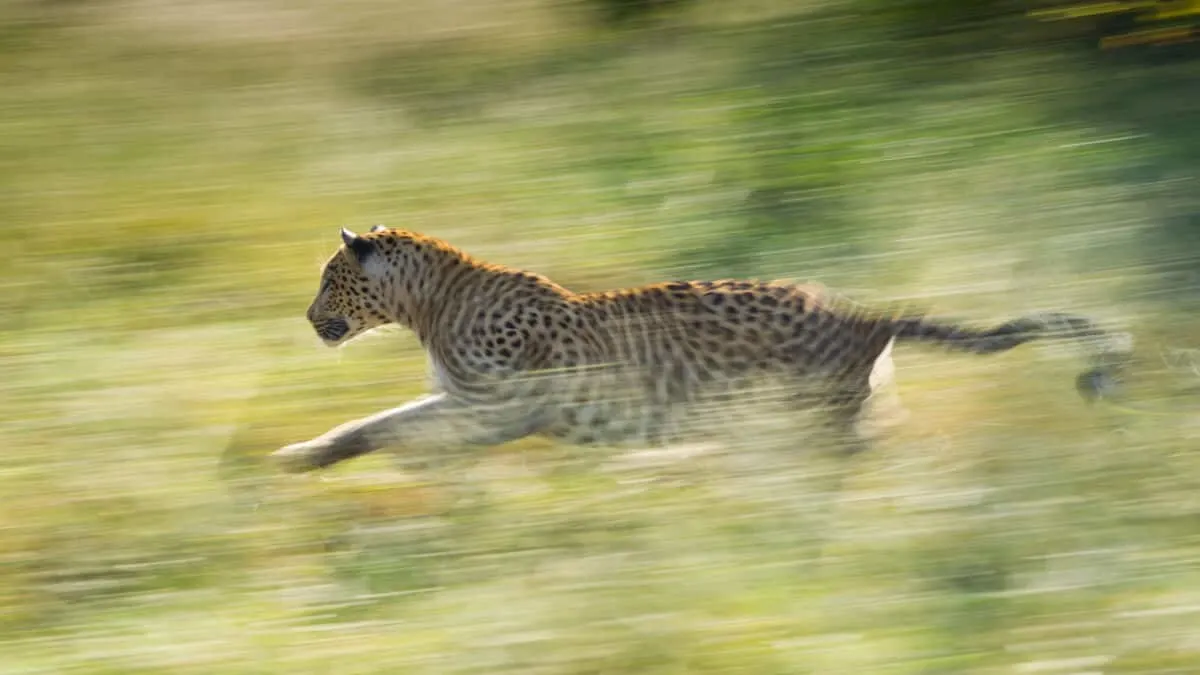
Speed represents one of evolution’s most remarkable adaptations. In the natural world, velocity can mean the difference between catching dinner or going hungry, escaping predators or becoming prey. From the lightning-quick peregrine falcon to the astonishingly swift cheetah, Earth’s speediest creatures have evolved extraordinary physical attributes that allow them to achieve remarkable speeds that would leave even our fastest Olympic athletes and vehicles in their dust. This article explores the fascinating world of nature’s fastest animals across different environments – air, land, and sea – examining not just how fast they can move, but the remarkable biological adaptations that make their speed possible.
The Need for Speed: Why Animals Evolved to Be Fast
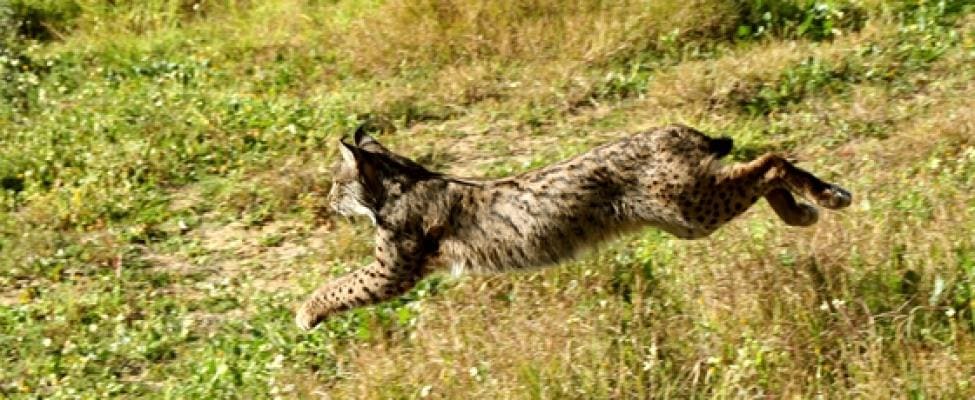
The evolution of speed in the animal kingdom is primarily driven by two fundamental needs: hunting and survival. Predators need speed to catch prey, while prey species require speed to escape predators. This evolutionary arms race has produced specialized body structures, muscle compositions, and metabolic systems that prioritize rapid movement. Fast animals typically feature streamlined bodies that reduce drag, powerful muscles optimized for quick bursts or sustained speed, and efficient respiratory and circulatory systems that deliver oxygen rapidly during high-intensity movement. Some species have evolved for short, explosive bursts of speed, while others can maintain impressive velocities over longer distances. This diversity of speed adaptations reflects the varied ecological niches and survival strategies employed across the animal kingdom.
The Peregrine Falcon: Undisputed Champion of the Skies

The peregrine falcon (Falco peregrinus) stands unchallenged as the fastest animal on Earth, capable of reaching speeds of up to 240 mph (386 km/h) during its hunting dive, known as a stoop. This remarkable bird begins its attack by soaring to heights of up to 3,000 feet before spotting prey and folding its wings against its body. The peregrine’s specialized adaptations for high-speed flight include nostrils with specialized bony tubercles that control airflow during dives, protecting the respiratory system from damage at high speeds. Additionally, its streamlined body shape and stiff, powerful wing feathers reduce drag, while specialized cone cells in its eyes allow it to track prey while moving at tremendous speeds. Perhaps most impressive is the falcon’s ability to maintain visual acuity while diving, when most creatures would experience vision distortion from the rushing air and rapid movement.
The Cheetah: Built for Bursts on the Savanna

The cheetah (Acinonyx jubatus) reigns as the fastest land animal, capable of accelerating from 0 to 60 mph (97 km/h) in just three seconds and reaching top speeds of around 70 mph (112 km/h). Unlike other big cats, the cheetah’s entire body is designed for speed rather than power. Its lightweight frame, long legs, and flexible spine allow for greater stride length, while its enlarged heart, lungs, and nostrils maximize oxygen intake during sprints. The cheetah’s semi-retractable claws function like cleats, providing crucial traction during high-speed chases. However, this specialization comes at a cost—cheetahs can only maintain their top speed for about 20-30 seconds before overheating, and they must rest for up to 30 minutes after a sprint. This limitation makes successful hunts critical, as they cannot afford multiple chase attempts in succession, highlighting the delicate balance between specialized adaptations and survival requirements.
The Sailfish: Ocean’s Velocity Champion

The sailfish (Istiophorus) claims the title of fastest marine animal, reaching documented speeds of up to 68 mph (109 km/h). These magnificent oceanic predators feature a hydrodynamically efficient body that tapers dramatically from front to back, reducing water resistance as they swim. Their most distinctive feature—the large dorsal fin or “sail”—can be folded into a groove along their back while swimming at high speeds to further reduce drag. When hunting, sailfish use this sail to herd and corral schools of smaller fish before charging through at incredible speeds, slashing their prey with their long, pointed bills. Their specialized swimming muscles contain high concentrations of red muscle fibers rich in myoglobin, an oxygen-binding protein that enables sustained powerful swimming. Additionally, their skin contains specialized dermal denticles (tiny scale-like structures) that reduce turbulence around their bodies, further enhancing their remarkable speed.
The Pronghorn Antelope: America’s Marathon Runner

While not the absolute fastest land animal, the North American pronghorn (Antilocapra americana) deserves special recognition for its combination of speed and endurance. Capable of reaching 55 mph (89 km/h) and maintaining 40 mph (64 km/h) for 30 minutes or more, pronghorns evolved alongside now-extinct American cheetahs, explaining their seemingly excessive speed relative to current predators. Their oversized heart, lungs, and windpipe allow for exceptional oxygen processing, while their lightweight, hollow hair provides insulation without added weight. Unlike cheetahs, which prioritize acceleration, pronghorns evolved for sustained high-speed running across the open plains. Their hooves feature specialized pads that absorb shock during running, and their leg structure optimizes both speed and endurance. Perhaps most remarkable is their respiratory system, which allows them to take up to 300 breaths per minute while running—a rate that would cause most mammals to become dizzy from excessive carbon dioxide expulsion.
The Brazilian Free-Tailed Bat: Unexpected Aerial Speedster

Often overlooked in discussions of fast animals, the Brazilian free-tailed bat (Tadarida brasiliensis) has been recorded flying at horizontal speeds of up to 100 mph (160 km/h), making it the fastest flying mammal and second only to the peregrine falcon among flying animals. Unlike the falcon’s diving speed, the bat achieves this velocity in level flight. These small mammals, weighing only about half an ounce, feature unusually long, narrow wings relative to their body size, providing excellent aerodynamic efficiency. Their wings have a higher aspect ratio (the relationship between wingspan and wing area) than most bats, resembling the design principles used in high-performance aircraft. Research suggests these bats achieve their remarkable speeds by flying at higher altitudes where air density is lower, reducing drag, and by taking advantage of tailwinds during seasonal migrations. Their exceptional speed allows them to feed on high-flying insects and travel long distances during migration, showcasing an impressive adaptation for such a small creature.
The Swordfish: Hydrodynamic Marvel of the Deep

The swordfish (Xiphias gladius) ranks among the ocean’s fastest creatures, reaching speeds of up to 60 mph (97 km/h). These oceanic predators possess several remarkable adaptations that enable their impressive velocity. Most notably, they feature a specialized heating system that warms their eyes and brain up to 50°F (10°C) above the surrounding water temperature, improving vision, neural processing, and muscle performance in cold deep waters. Their distinctive sword-like bill reduces water resistance by up to 20 percent by creating a field of low pressure that allows water to flow more smoothly over their bodies. Additionally, swordfish secrete a specialized oil from their skin that further reduces drag. Their powerful, crescent-shaped tail propels them through the water with remarkable efficiency, while their rigid, streamlined bodies minimize energy expenditure. These combined adaptations make the swordfish one of the most perfectly designed marine speedsters in the world’s oceans.
The Spine-Tailed Swift: Aerial Endurance Champion
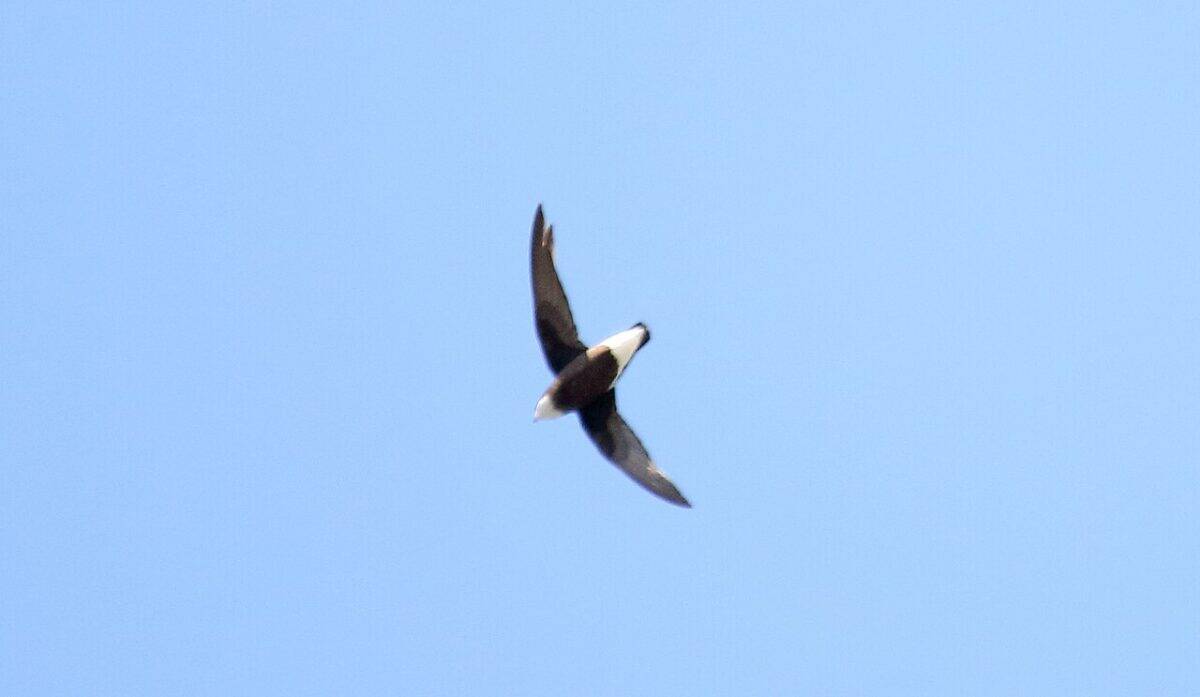
The white-throated spine-tailed swift (Hirundapus caudacutus) holds the record for fastest sustained flight in level conditions, reaching speeds of 106 mph (171 km/h). Unlike the peregrine falcon, which achieves its top speed during a hunting dive, this swift maintains its remarkable velocity during normal horizontal flight. These birds spend almost their entire lives airborne—feeding, drinking, mating, and even sleeping while flying. Their specialized wing structure features a high aspect ratio (long, narrow wings) that maximizes lift while minimizing drag. Their primary flight feathers are unusually stiff, providing rigidity that prevents deformation at high speeds. Interestingly, spine-tailed swifts have relatively small pectoral muscles compared to other birds of similar size, indicating highly efficient flight mechanics that require less muscular effort. Their streamlined body shape and specialized adaptations for reducing turbulence around their wings enable them to maintain these extraordinary speeds while using minimal energy, making them among the most aerodynamically efficient creatures on the planet.
The Black Marlin: Ocean’s Heavyweight Speedster
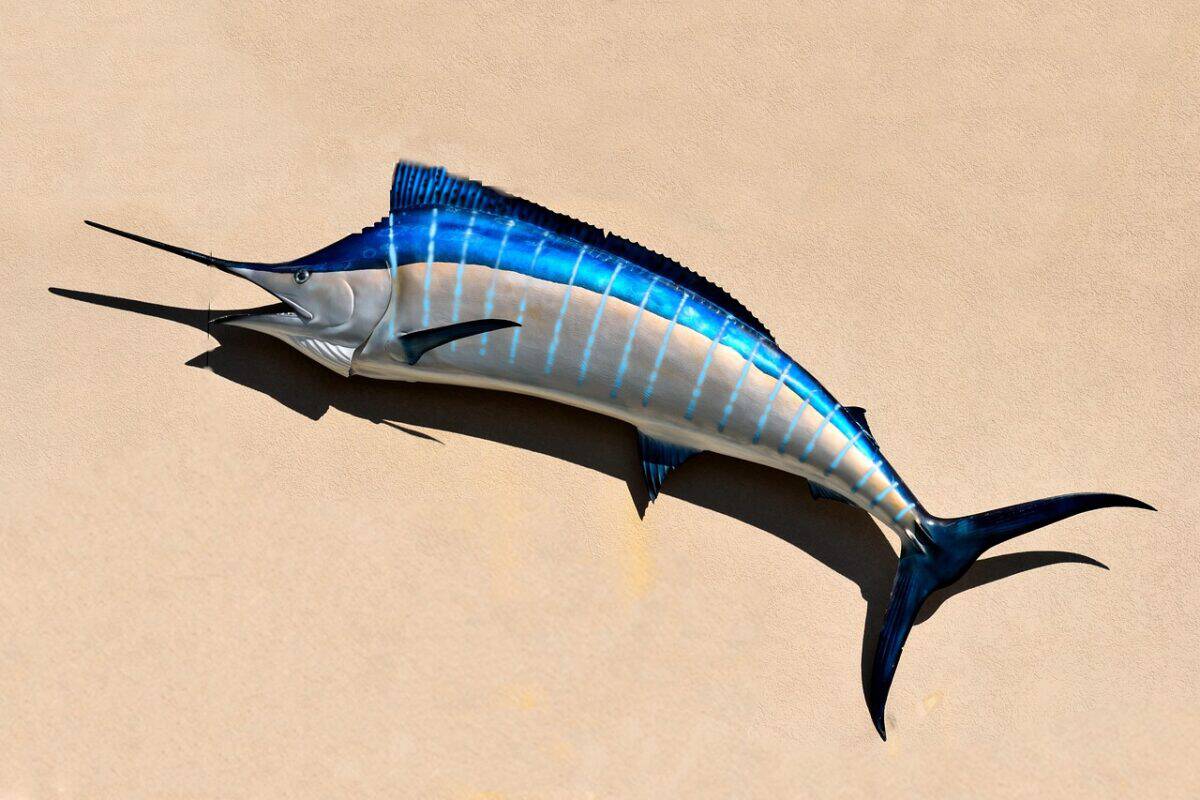
The black marlin (Istiompax indica) represents an impressive combination of size and speed, reaching velocities of up to 82 mph (132 km/h) despite weighing up to 1,500 pounds (680 kg). Unlike most billfish, the black marlin features rigid pectoral fins that cannot be folded against the body, providing exceptional stability during high-speed swimming. Their bodies are among the most hydrodynamically efficient in the ocean, with a fusiform shape that tapers at both ends to minimize water resistance. The black marlin’s specialized swimming muscles maintain higher temperatures than the surrounding water through a process called regional endothermy, allowing for more powerful contractions and faster swimming speeds. Their caudal fin (tail) has evolved into a nearly perfect hydrofoil shape that generates maximum thrust with minimal energy expenditure. Additionally, their skin contains microscopic ridges that reduce turbulence around their bodies during high-speed swimming, similar to the technology used in high-performance swimsuits that were later banned from Olympic competition for providing an unnatural advantage.
The Springbok: Master of Pronking
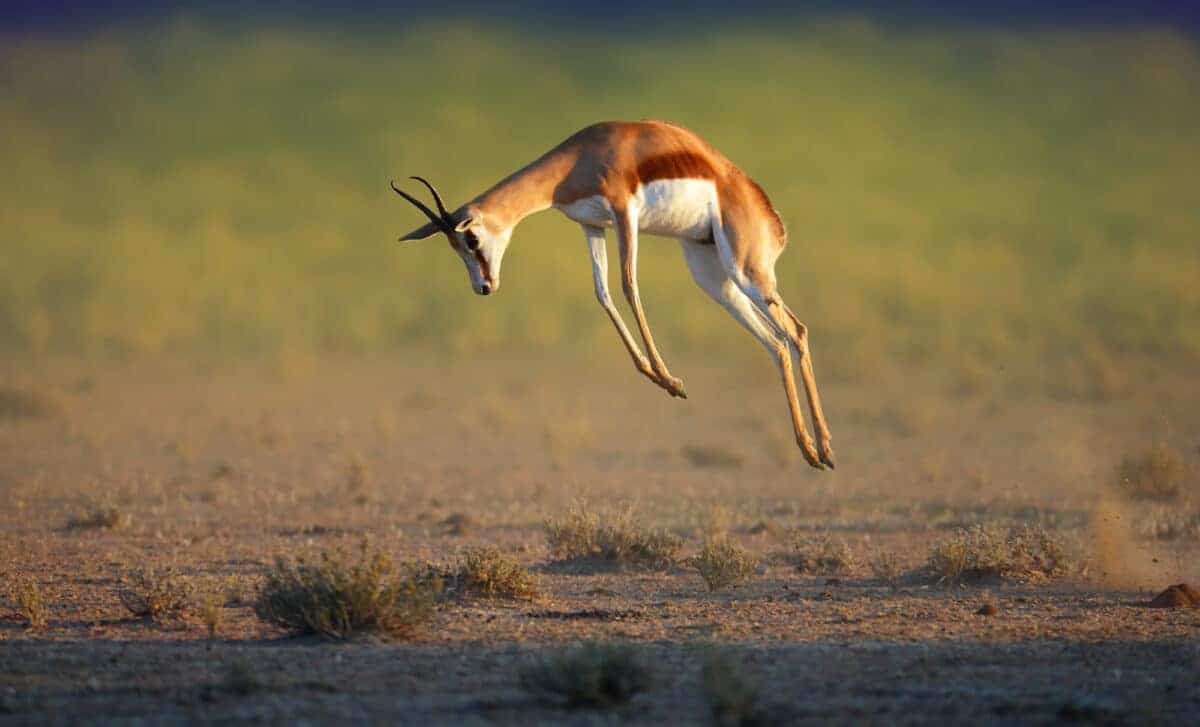
The springbok (Antidorcas marsupialis) of southern Africa combines impressive running speed—up to 55 mph (88 km/h)—with a unique high-jumping behavior called “pronking.” During pronking, springboks leap up to 10 feet (3 meters) into the air with their backs arched and legs stiffened, landing on all four feet simultaneously before immediately launching into another jump. This distinctive behavior serves multiple purposes: it confuses predators, signals danger to other springboks, and allows the animals to scan for threats while moving across tall grasslands. Springboks achieve their remarkable running speed through specialized leg muscles with high proportions of fast-twitch fibers that provide explosive power. Their lightweight frame features long, slender legs with reduced bone mass in the lower portions, decreasing the energy required to accelerate these limbs during running. Additionally, their large, efficient lungs and heart support the high oxygen demands of rapid movement, while specialized tendon structures in their legs store and release energy with each stride, acting as natural spring mechanisms that enhance running efficiency.
The Anna’s Hummingbird: Master of Aerial Maneuverability

While not the fastest animal in terms of absolute speed, the Anna’s hummingbird (Calypte anna) performs the fastest aerial maneuver relative to body size of any vertebrate. During courtship displays, males climb approximately 100 feet (30 meters) before diving at speeds reaching 61 mph (98 km/h). At the dive’s bottom, they pull up with a g-force of approximately 9g—similar to what fighter pilots experience and at the limit of human consciousness. For their tiny 4-gram bodies, this represents an unparalleled athletic feat. Their wings beat up to 80 times per second during normal flight and function more like helicopter blades than typical bird wings, rotating around the shoulder joint and creating lift on both forward and backward strokes. This unique wing structure allows them to fly forward, backward, upside down, and hover with precision. Their specialized muscle fibers and rapid-firing nervous system enable this extraordinary flight control, while their high metabolism—requiring them to consume their body weight in nectar daily—fuels their extreme energy demands.
The Mexican Free-Tailed Bat: Social Speedsters
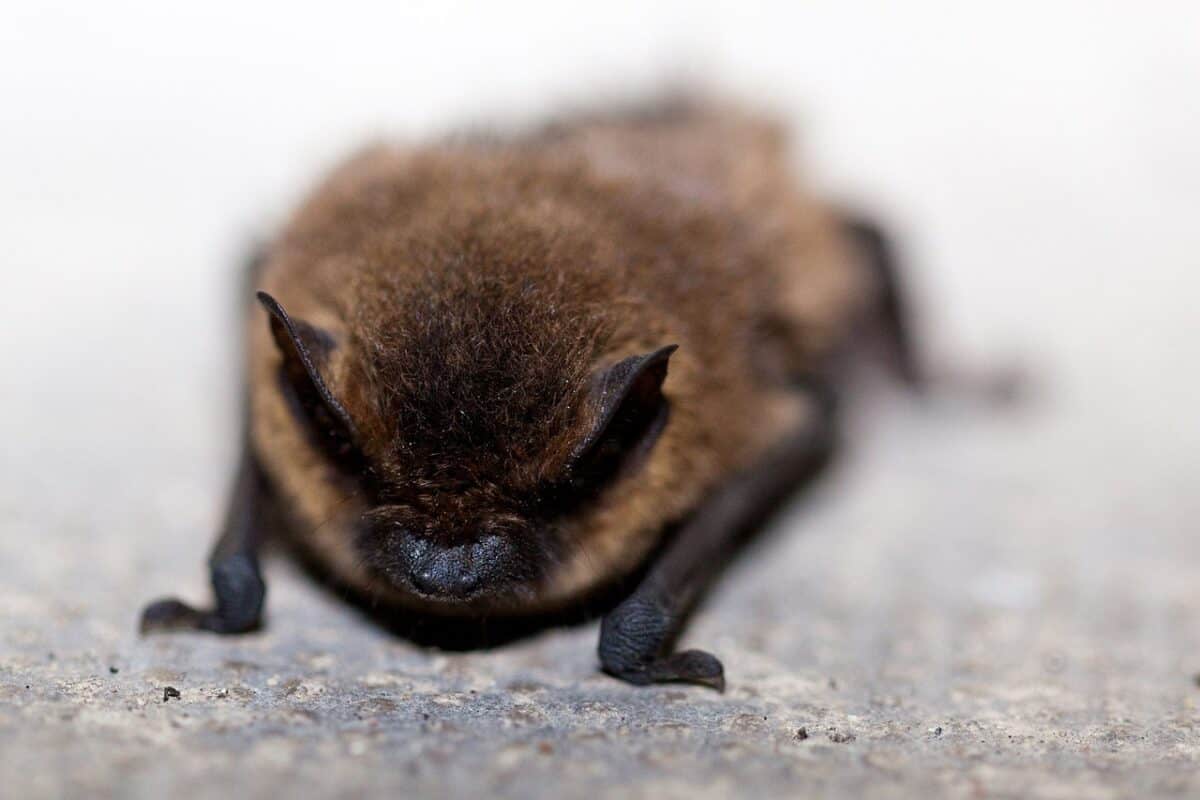
The Mexican free-tailed bat (Tadarida brasiliensis mexicana), a subspecies of the Brazilian free-tailed bat mentioned earlier, deserves specific attention due to its remarkable social behavior combined with high-speed flight. These bats form some of the largest mammalian colonies on Earth, with single caves housing up to 20 million individuals. When emerging at dusk, they create “bat tornados” as millions stream out at speeds approaching 100 mph (160 km/h). Their high-speed capabilities stem from their exceptionally high wing loading (the ratio of body mass to wing area) and low aspect ratio wings, which sacrifice maneuverability for straight-line speed. Unlike most mammals, their flight muscles attach directly to their specialized sternum, providing greater power transmission efficiency. Research has revealed that these bats employ sophisticated doppler-shift compensation in their echolocation calls, allowing them to accurately perceive their surroundings even at extreme speeds when normal echolocation would be distorted. This combination of physical adaptations and specialized sensory processing enables them to navigate and hunt while moving at velocities that would render most other flying creatures effectively blind.
The Future of Speed: Lessons from Nature’s Champions

The extraordinary speed capabilities of nature’s fastest animals continue to inspire human innovation and technological advancement. Biomimicry researchers study the peregrine falcon’s aerodynamic properties to improve aircraft design, while the cheetah’s flexible spine has influenced robotic movement systems. The specialized skin structures of sharks and sailfish have led to developments in friction-reducing materials for boats, swimwear, and even aircraft. Beyond engineering applications, these remarkable animals offer important conservation lessons. Many of the world’s fastest species face significant threats from habitat loss, climate change, and human activities. The cheetah is classified as vulnerable, with fewer than 7,000 remaining in the wild, while peregrine falcons, though recovered from DDT-related population crashes, still face threats from habitat disruption. Understanding and preserving these evolutionary marvels not only protects biodiversity but maintains a living laboratory of specialized adaptations that represent millions of years of evolutionary refinement. As we continue to develop faster vehicles and transportation systems, nature’s speed champions remind us that sustainable, efficient velocity resulted from countless generations of natural selection rather than the consumption of fossil fuels.
The breathtaking velocities achieved by the world’s fastest animals represent not just impressive statistics but profound evolutionary achievements refined over millions of years. Each species has developed specialized adaptations that balance the energy costs of high-speed movement with survival benefits, whether pursuing prey or escaping predators. These natural speed champions demonstrate that true velocity comes not just from raw power but from holistic design—streamlined bodies, specialized muscle fibers, efficient respiratory systems, and unique structures that minimize resistance. As humans continue pushing the boundaries of speed through technology, we would do well to study and preserve these extraordinary creatures whose velocity-oriented adaptations represent some of evolution’s most remarkable achievements. In the race for survival, these animals haven’t just competed—they’ve developed speed solutions that continue to inspire scientific discovery and remind us of nature’s unparalleled engineering capabilities.

- This Lizard Can Breathe Underwater - July 22, 2026
- The Wild Horses of North Carolina’s Coast - July 22, 2026
- These Creatures Can Freeze Themselves to Survive - July 22, 2026