
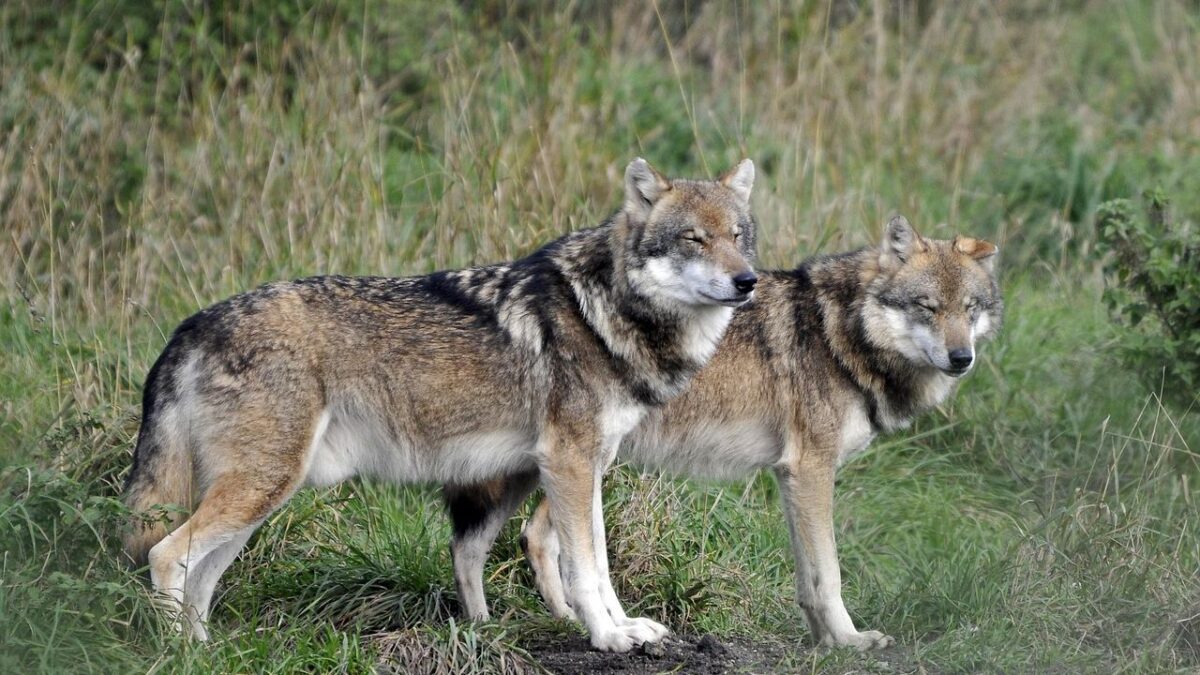
Few animals carry as much symbolic weight as the wolf. Folklore cast it as a villain, rural communities often see it as a threat, and policy debates around it rarely lack heat. Yet beneath all the noise, something quieter and more consequential has been building in the scientific literature: a growing body of evidence that wolves, wherever they are present, fundamentally shape the health of the world around them.
As apex predators, wolves are integral to ecosystems wherever they are naturally found. Their influence ripples far beyond the immediate act of hunting. From the composition of forests to the flow of streams, from the spread of disease to the balance of the carbon cycle, the wolf’s role keeps revealing itself to be wider and more intricate than most people expect.
The Trophic Cascade: How One Predator Reshapes an Entire Food Web
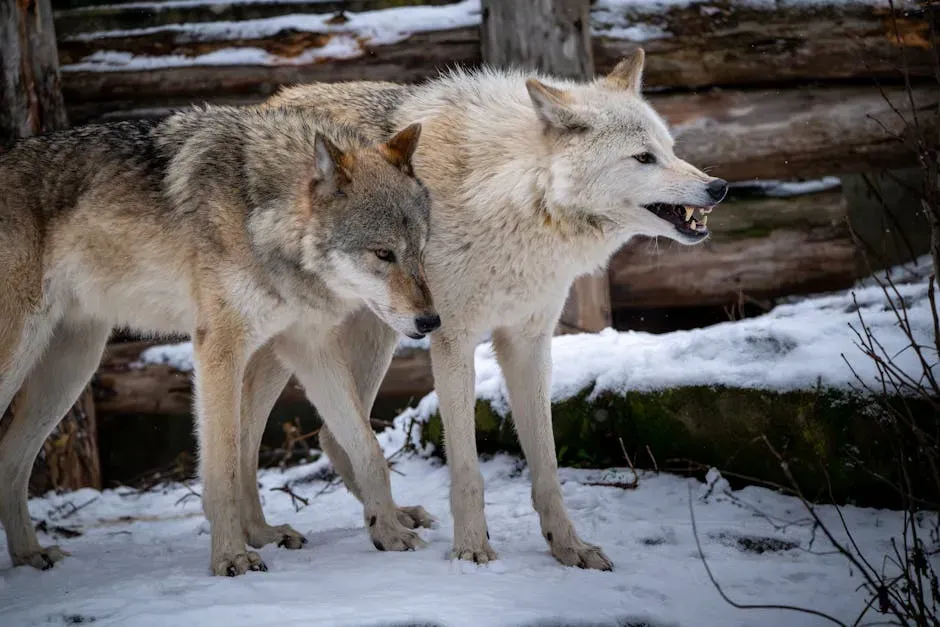
The concept most closely linked to wolf ecology is the trophic cascade, the process by which a predator’s influence travels down through the food chain, reshaping species and habitats it never directly touches. A trophic cascade is an ecological process where the effects of a top predator ripple down through the food web. Wolves, as apex predators, initiate trophic cascades by controlling prey populations, influencing their behavior, and altering vegetation patterns, ultimately affecting a wide range of species and ecological processes.
The most studied example is Yellowstone National Park, where wolves were reintroduced in 1995 after a seven-decade absence. When wolves were removed from the park during the late 1920s, populations of elk and other prey species surged, which led to overgrazing resulting in negative cascading impacts throughout the greater Yellowstone ecosystem. Wolves were reintroduced to Yellowstone in 1995. Since then, there has been a notable resurgence of woody plants like willow and aspen.
The cascade started with wolves hunting and killing elk, which did two things: it reduced the number of elk, and it changed elk foraging behavior. The fewer elk that remained could no longer spend all their time out in the open valleys, casually eating vegetation. With fewer elk eating less vegetation, woody plants like aspen and willow could now thrive, growing faster and taller. The chain of effects from there went further still, reaching beavers, songbirds, and the structure of stream banks.
Still, scientists are careful to note that the picture is not entirely straightforward. Although loss of predators can cause ecosystem-level impacts, reintroduction of carnivores, including wolves, doesn’t always fully restore degraded ecosystems. In general, sweeping claims about trophic cascades caused by wolves are context-dependent and sometimes exaggerated. The Yellowstone story is genuinely remarkable, but it is also a reminder that ecosystems are complex, and multiple forces operate at once.
What Long-Term Monitoring Is Revealing About Vegetation Recovery
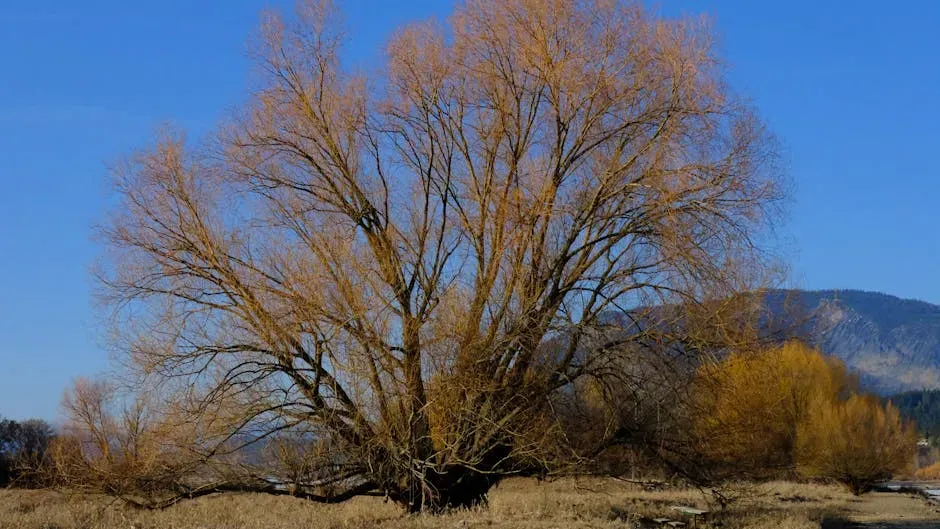
One of the more striking recent data points comes from a long-term study published in 2025 examining riparian willows in northern Yellowstone. Data from a 20-year study covering 2001 to 2020 revealed a relatively strong trophic cascade, with roughly a fifteen-hundred percent increase in average willow crown volume. That is a striking shift in plant biomass by any measure.
These results emphasize the importance of long-term monitoring to capture gradual and nonlinear ecosystem responses following predator reintroductions. They also underscore the substantial effect restored large carnivores can have on riparian vegetation. Ecosystems do not simply snap back overnight; the changes accumulate slowly and require patient observation to detect properly.
Yet even this finding has been contested. Researchers found that the reported fifteen-hundred percent surge in willow growth was based on circular calculations and questionable comparisons. After correcting for modeling and sampling flaws, the supposed ecosystem-wide boom largely disappears. This kind of scientific back-and-forth is healthy, not alarming. Recovery of aspen and willow communities in Yellowstone since wolf reintroduction has not been as strong or widespread as claimed. Still, there has been some recovery, suggesting a trophic cascade has unfolded.
Wolves, Beavers, and the Shaping of Wetlands
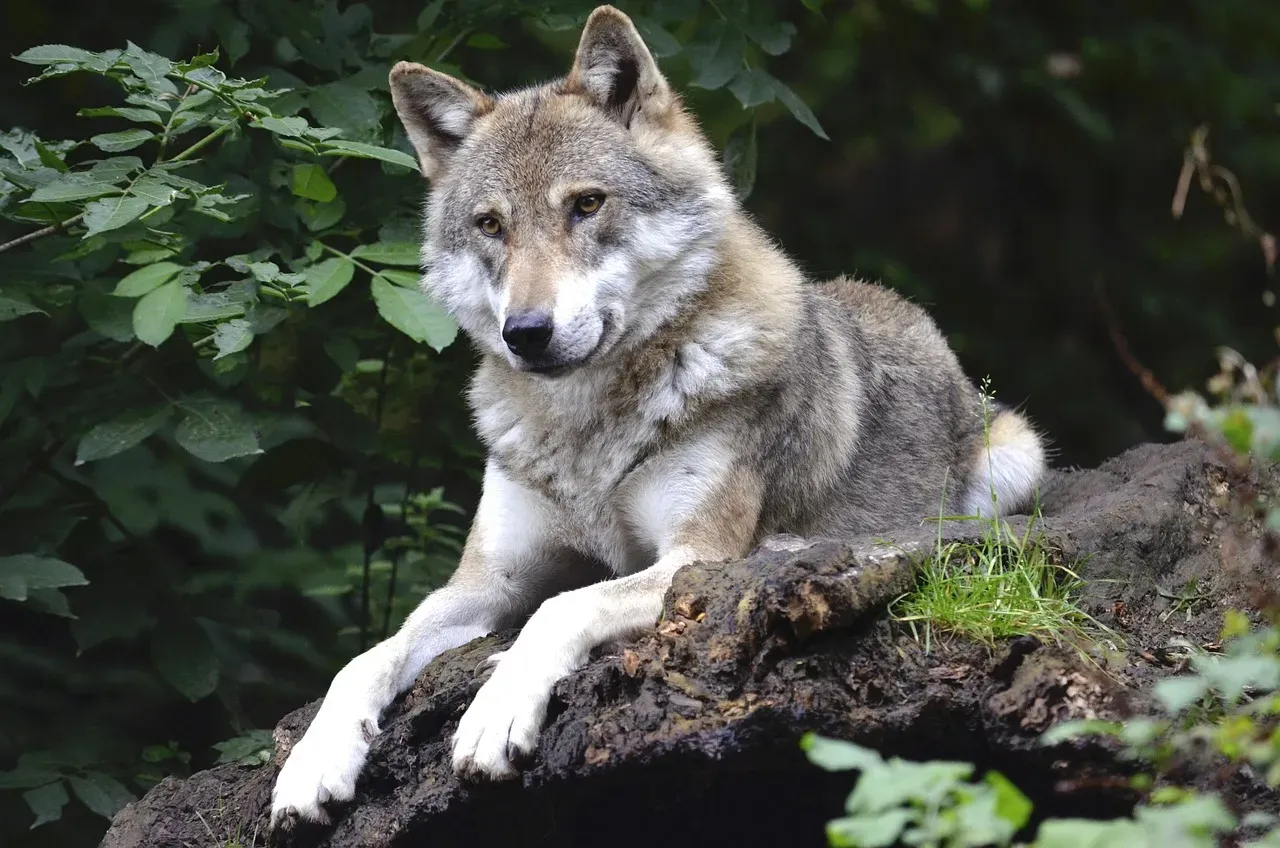
One of the more unexpected connections in wolf ecology involves beavers. Wolves alter wetland creation and recolonization by killing dispersing beavers. Beavers are ecosystem engineers that generate most wetland creation throughout boreal ecosystems. When beavers establish ponds, they create habitat for dozens of other species and directly influence water storage, nutrient cycling, and carbon sequestration.
Because of the increase in their food plants, the beaver population in Yellowstone has also increased, resulting in healthier wetlands. The relationship works in two directions. Wolves can suppress individual beaver activity by killing dispersing animals, but they can also support beaver populations indirectly by allowing the vegetation that beavers depend on to recover.
By affecting where and when beavers engineer ecosystems, wolves alter all of the ecological processes, such as water storage, nutrient cycling, and forest succession, that occur due to beaver-created impoundments. It is a quiet but consequential chain of influence, one that connects a predator’s hunting behavior to the shape of entire wetland landscapes.
Disease Control: Wolves as Natural Public Health Agents
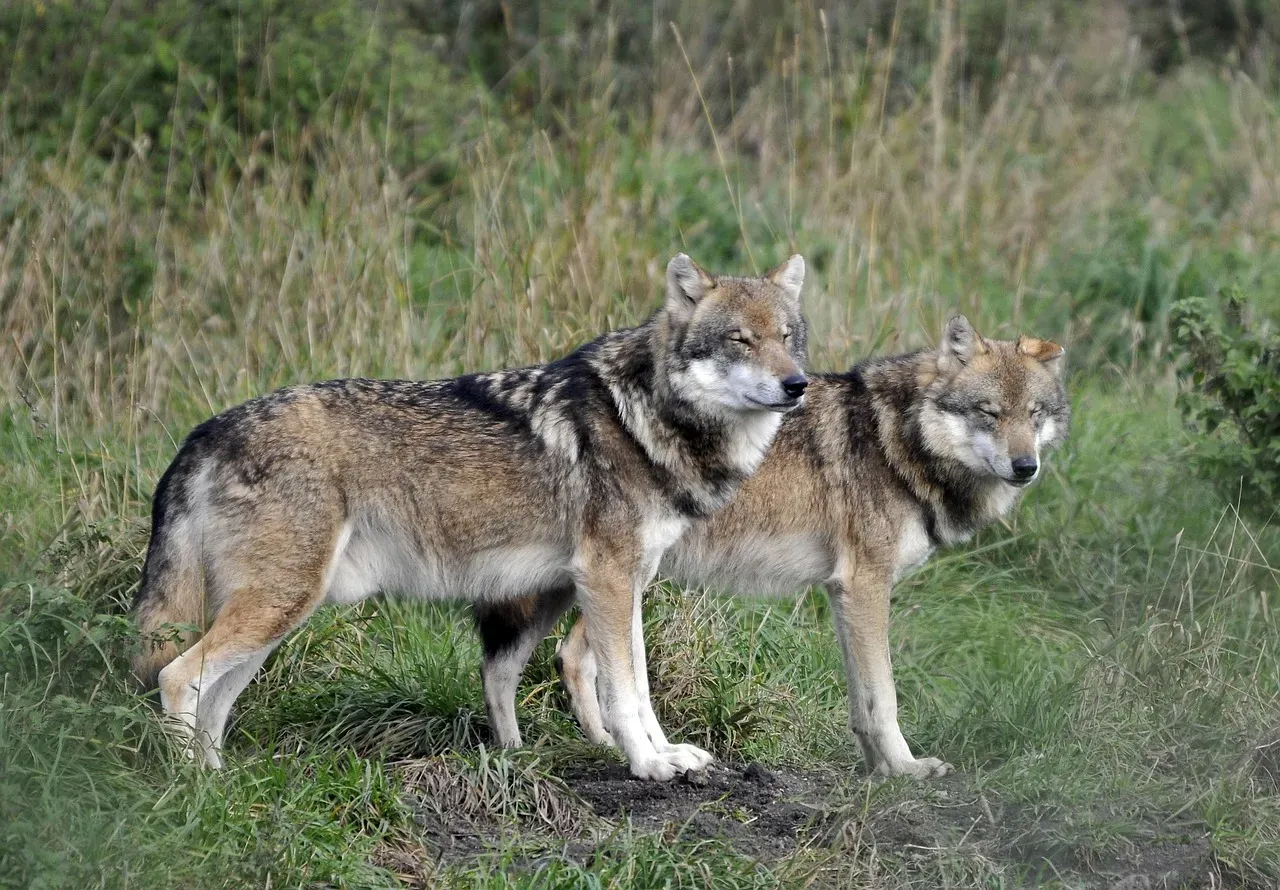
Wolves preferentially prey on sick and weak individuals, effectively removing them from the gene pool. This helps to prevent the spread of disease within the prey population and improve the overall health and vigor of the remaining animals. This selective pressure is something no human-managed cull fully replicates.
Research combining model results with field data for a system of wolves that prey on wild boar, a wildlife reservoir of tuberculosis, shows that predation can lead to a marked reduction in the prevalence of infection without leading to a reduction in host population density, since mortality due to predation can be compensated by a reduction in disease-induced mortality. A key finding is that a population harboring a virulent infection can be regulated at a similar density by disease at high prevalence or by predation at low prevalence.
The implications extend to human health as well. Higher densities of predators on the landscape caused deer and moose to use less of the same habitat, decreasing the likelihood of a parasite spilling from deer to a vulnerable moose population. The parasite in question is called Parelaphostrongylus tenuis, a brainworm mostly harmless to deer but fatal to moose. The researchers found that predator pressure by wolves changed how deer and moose used the landscape, with higher wolf pressure linked to less overlap between deer and moose and a lower risk of parasite transmission. That kind of spatial disease control is something no veterinary intervention can achieve at landscape scale.
Research suggests that wolves could substantially reduce the prevalence of chronic wasting disease in deer and elk populations with more efficiency than hunting and culling by humans. Given how seriously chronic wasting disease threatens North American deer populations, this finding deserves serious attention from wildlife managers.
Wolves, Climate, and the Case for Reintroduction
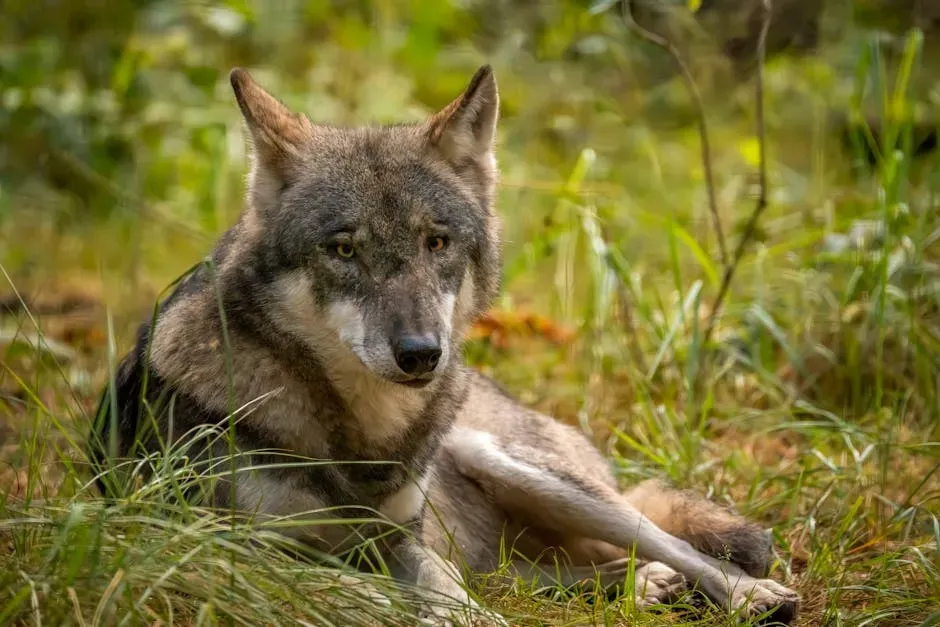
Perhaps the most striking recent development in wolf science is the connection being drawn between wolves and the climate. Reintroducing wolves to the Scottish Highlands could lead to an expansion of native woodland which could take in and store one million tons of CO2 annually, according to a new study. The mechanism is straightforward: wolves limit deer, deer stop stripping saplings bare, and trees grow.
A team of researchers led by the University of Leeds modelled the potential impact of wolves in four areas classified as Scottish Wild Land, where growing red deer populations eating tree saplings is suppressing natural regeneration of trees and woodland. They used a predator-prey model to estimate that the reintroduction of wolves to areas in the Cairngorms, South-west Highlands, Central Highlands and North-west Highlands would lead to a total population of around 167 wolves, enough to reduce red deer populations to a level that would allow trees to regenerate naturally.
One of the study’s most notable findings is that each wolf would lead to an annual carbon uptake capability of roughly six thousand metric tonnes of CO2. That makes individual wolves measurably valuable in climate terms, which is a genuinely new way of thinking about large carnivore conservation. Large-scale expansion of woodlands, facilitated through the return of wolves, can contribute to national climate targets and could provide potential economic benefits to landowners and communities through carbon finance.
The economic benefits extend further still. The financial benefits associated with carbon uptake and storage would be in addition to other well-documented economic and ecological impacts of wolf reintroduction, including ecotourism, a reduction in deer-related road traffic accidents, a reduction in Lyme disease associated with deer, and a reduction in the cost of deer culls. The case is no longer purely ecological. It has become economic, and in some respects, climatic.
Conclusion
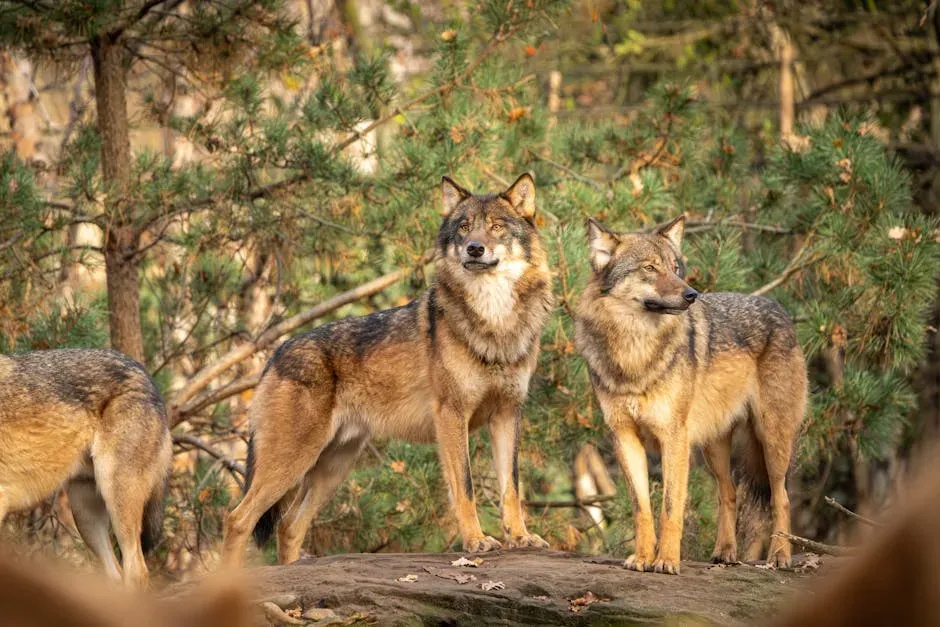
The science of wolves and ecosystem health is not simple, and it would be a mistake to present it as such. Trophic cascades are real but context-dependent. Vegetation recovery is measurable but slow, and sometimes contested. The effects of wolf presence vary depending on landscape, prey diversity, and human activity in the surrounding area.
What the evidence does make clear, consistently and across multiple continents, is that wolves matter in ways that extend far beyond their immediate role as hunters. Wolves are considered a keystone species because their presence has a disproportionately large impact on their ecosystem relative to their abundance. Their role as apex predators regulates prey populations and influences the behavior of other species, ultimately shaping the structure and function of the entire ecosystem.
The deeper lesson may be this: ecosystems that evolved with wolves are, in measurable ways, healthier with them present. Removing an apex predator does not simply create a gap. It sets off a slow unraveling that touches soils, rivers, forests, and disease dynamics. Restoring wolves does not reverse all of that instantly, but the direction of change, across most of the evidence, points toward recovery. That is worth taking seriously, whether the conversation is happening in Yellowstone, Scotland, or anywhere wolves once called home.
