
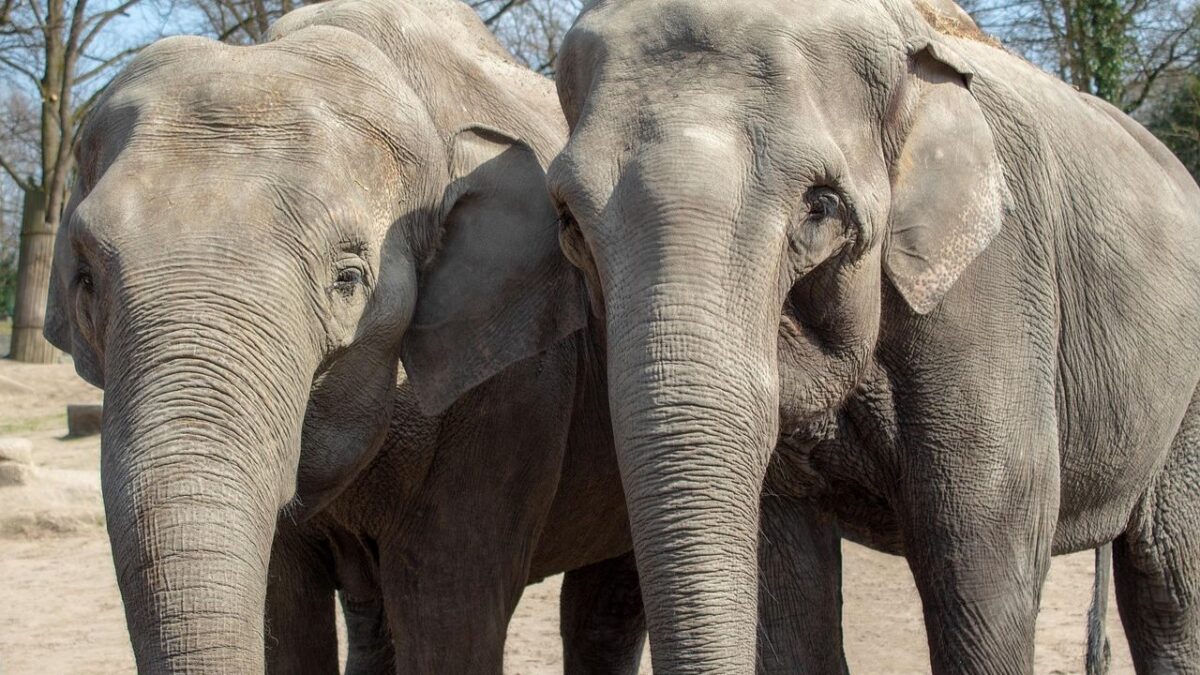
Few animals on Earth organize their lives as thoroughly around family as elephants do. Watch a herd moving across an African savanna and you’re seeing something that took decades to build: a web of relationships, memories, and shared history that stretches back generations.
What makes this remarkable isn’t just the size of the animals involved. It’s the depth and durability of what connects them. Researchers who have spent careers studying elephants consistently find social structures that challenge simple assumptions about animal cognition, emotion, and community.
The Foundation: Matriarchal Society and the Family Unit
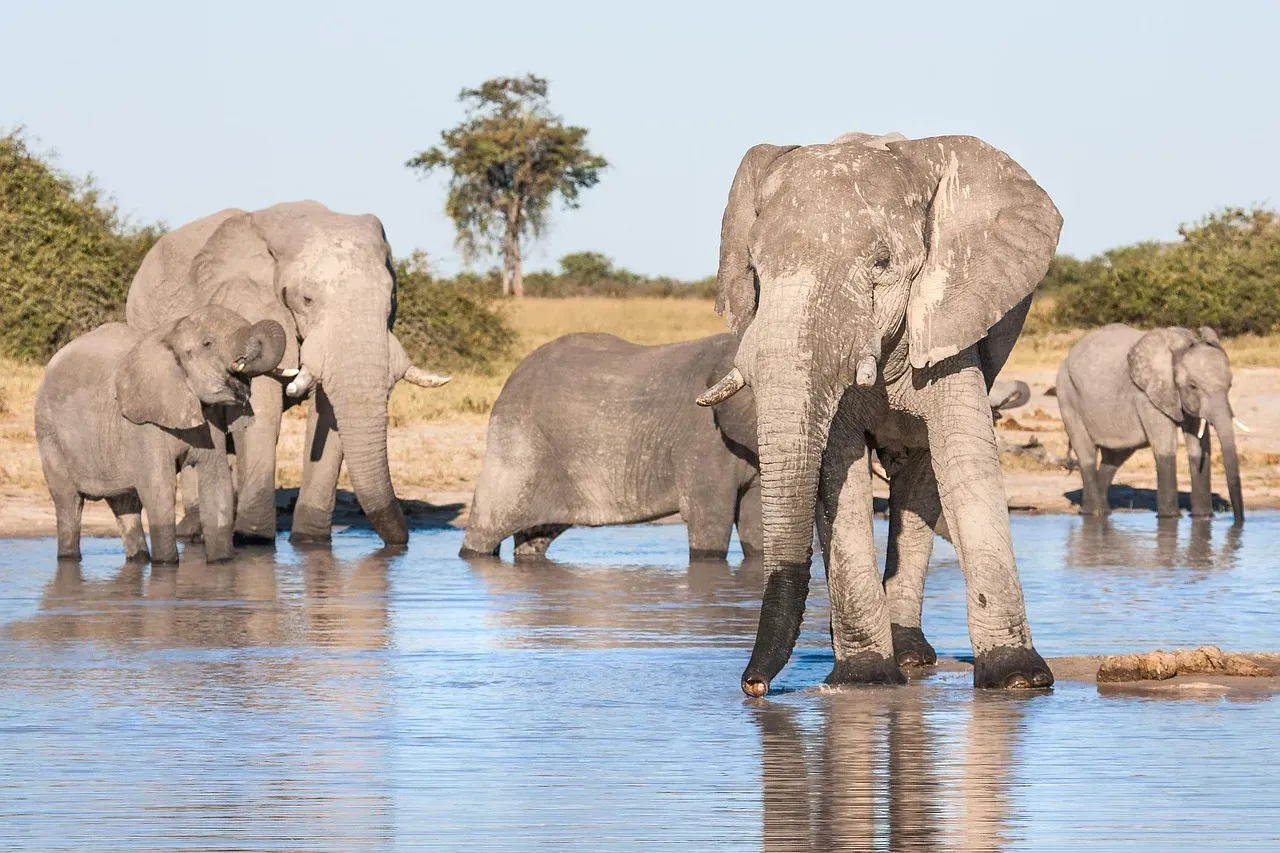
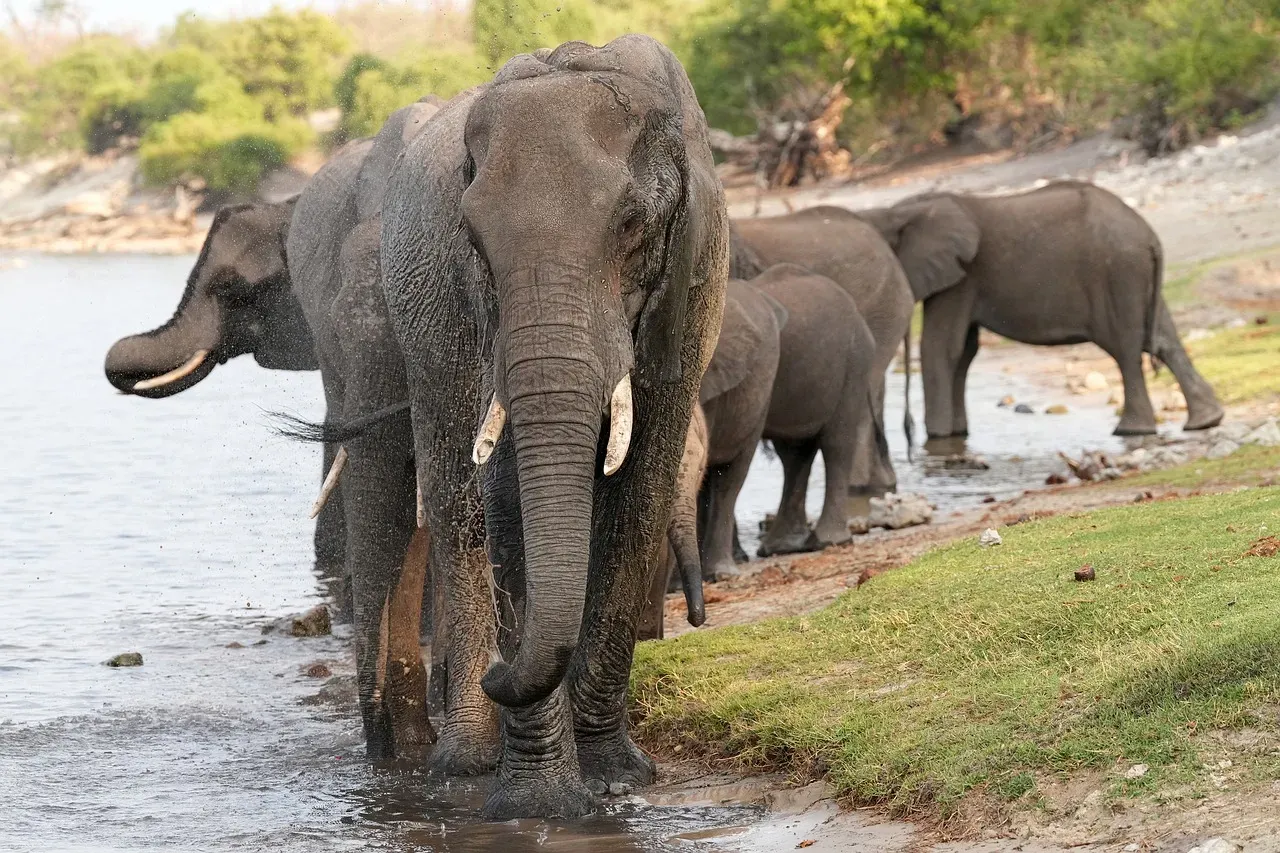
An elephant family consists of one or more usually related adult females and their immature offspring who feed, rest, move, and interact in a coordinated manner and have close and friendly ties. This tight core unit is the building block of everything else in elephant society.
At the heart of every elephant family unit is the matriarch, the oldest and most dominant female. She plays a crucial role in determining the herd’s movements, ranging patterns, and overall stability, and her experience and leadership qualities earn her the respect of the other members of the family unit.
The matriarch and her female offspring stay together for life, so the bond between elephant mothers and daughters is an extraordinarily long relationship. She not only guides the herd but also has an impressive memory, often recalling specific locations for water and food that may have been used years earlier, which is vital for the entire family unit’s survival, especially during dry spells.
She must prove herself worthy of leadership through her display of courage and wisdom in times of crisis, her memory of places and individuals in tough or dangerous times, and through her social skills to regularly build, maintain, and reinforce the close bonds within her family.
Members of a family show extraordinary teamwork and are highly cooperative in group defense, resource acquisition, offspring care, and decision-making. It’s a genuinely collaborative arrangement, not a hierarchy built on dominance alone.
Memory as the Glue: How Elephants Know Each Other
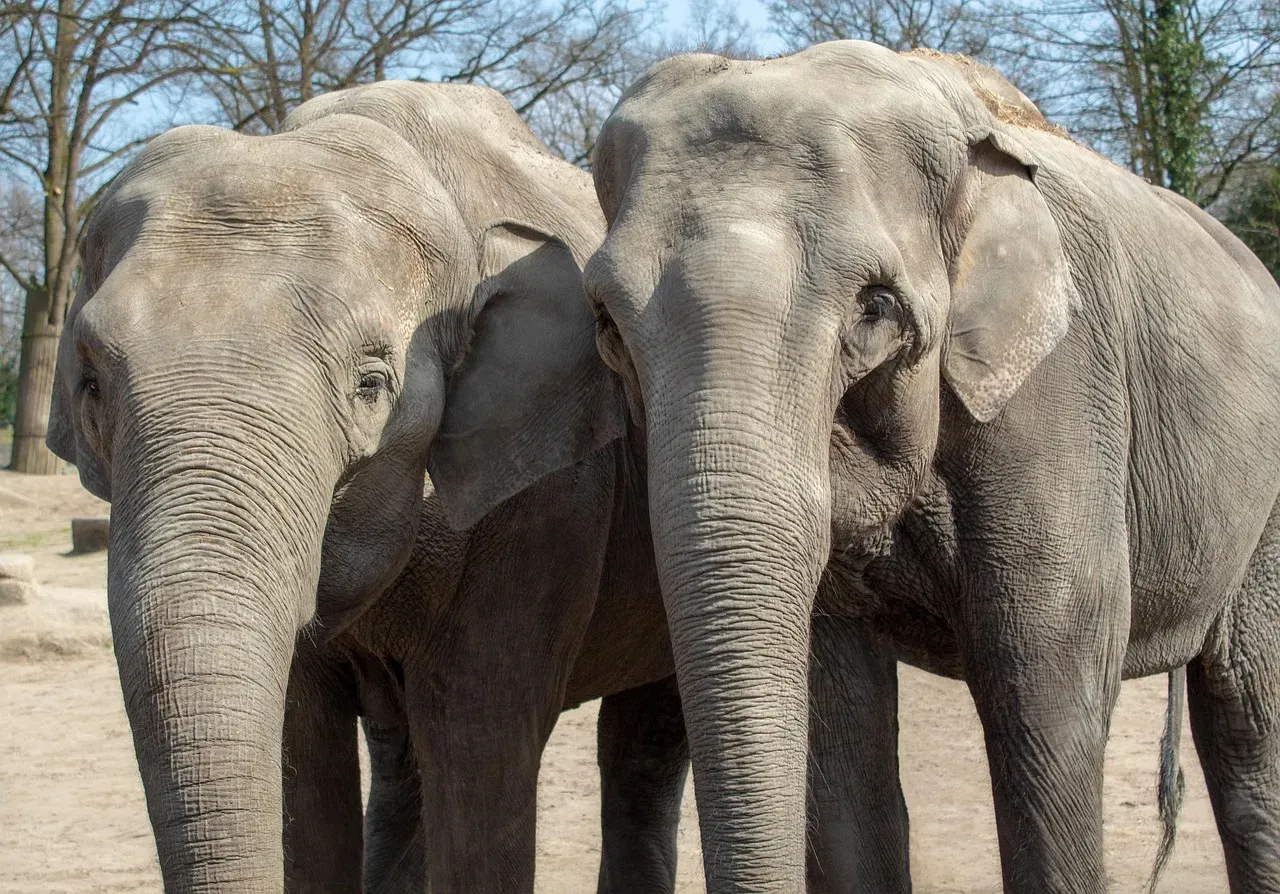
Elephants can recognize and remember hundreds of different individuals, both within their herd and from other groups, and this social memory helps them maintain complex social bonds and hierarchies. The scale of that recognition is hard to fully appreciate without pausing on it.
When experiments were conducted with wild elephants in Kenya in which the locations of fresh urine samples from related or unrelated elephants were manipulated, the elephants responded by detecting urine from known individuals in surprising locations, demonstrating the ability to continually track the locations of at least 17 family members. This remarkable ability to hold in mind and regularly update information about the locations and movements of a large number of family members is best explained by the fact that elephants possess an unusually large working memory capacity.
Research has shown that all four elephants in one study were able to recognize their separated relatives just by the scent of feces, giving empirical evidence of olfactory memory in African elephants of up to 12 years. Separation, it seems, doesn’t erase recognition.
Female elephants are able to remember and distinguish the contact calls of female family and bond group members from those of females outside of their extended family network, and can also distinguish between the calls of family units depending upon how frequently they came across them.
When researchers in Amboseli, Kenya, played the recorded call of an absent family or bond-group member, the elephants returned the call and moved towards the sound. The call of an elephant outside their bond group did not elicit a notable reaction, while the call of a stranger caused them to group together defensively and raise their trunks to smell. The distinction is precise and deliberate.
From Birth to Bond: How Connections Are Built and Carried Forward
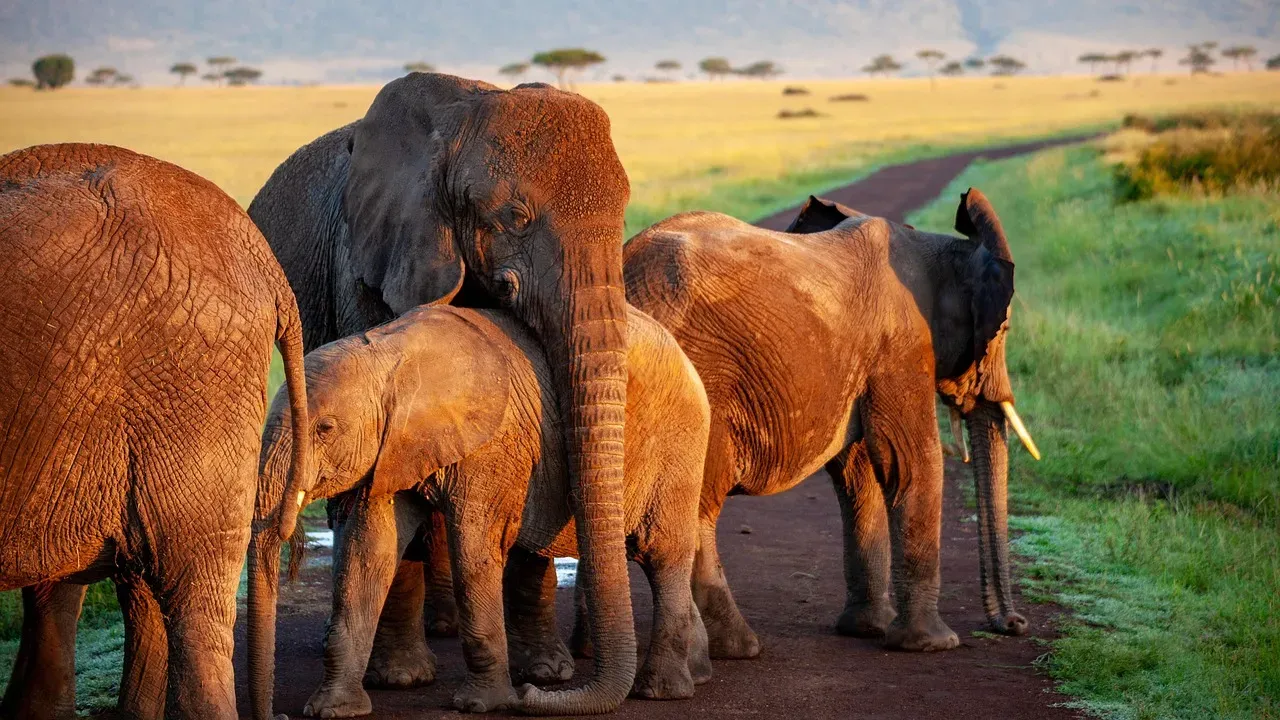
Elephant socialization begins at birth, with the first crucial bond forming between a female and her calf. The calf is completely dependent on its mother for the first few years of life, relying on her for nutrition, guidance, and protection.
The calf continues to learn important survival skills as it grows into adolescence, watching how its mother and the other members of its natal herd navigate the savanna and utilize resources. The early years are a key developmental period for calves, as this is when they also learn how to establish and build the social relationships that they will rely on for many years.
The primary function of elephant family units is the protection and rearing of calves. Adult females cooperate in the assistance of calf movements, foraging, protection, and social experiences, and calf survivability greatly increases with an increased number of females taking care of them.
Aunties and sisters watch the youngsters closely, ready to rush to their aid at the first sign of distress. This shared responsibility for young is not casual babysitting. It’s a structured system of care that reinforces the family’s collective investment in its future.
Much of elephants’ survival knowledge is passed down through direct observation. This form of learning, where younger elephants observe and replicate the behaviour of older, more experienced herd members, plays a central role in teaching critical skills such as navigating migratory routes, identifying resource locations, and responding to environmental threats.
Grief, Loss, and the Recognition of Death
Elephants have been documented stroking the bones of the deceased, guarding carcasses, burying dead calves, and even crying. Though ignoring the remains or bones of other species, elephants almost always react to those of their own.
Videos have recorded elephants patting a deceased family member with their trunks or attempting to revive it with kicks, and gathering, vigil-like, near its remains. Research findings show elephants spend significantly greater time exploring elephant remains than inanimate objects or the remains of other large herbivores.
When they encounter deceased elephants, they investigate them with their trunks, sometimes vocalize loudly, and their temporal glands may stream, indicating strong emotion. Elephants have also been observed pausing silently when walking past a place where a loved one died.
This recognition is rooted in their remarkable hippocampus, the brain structure involved in memory formation. When an elephant dies, it’s not simply the physical presence of the animal that is missed; it’s the mental and emotional connection that remains embedded in the herd’s collective memory.
Researchers have documented PTSD-like symptoms in elephants that have witnessed herd members being killed, but their fundamental commitment to maintaining social bonds allows elephant societies to recover and persist. The capacity to grieve and the drive to stay bonded appear to be deeply intertwined.
Resilience, Disruption, and What Bonds Actually Mean for Survival
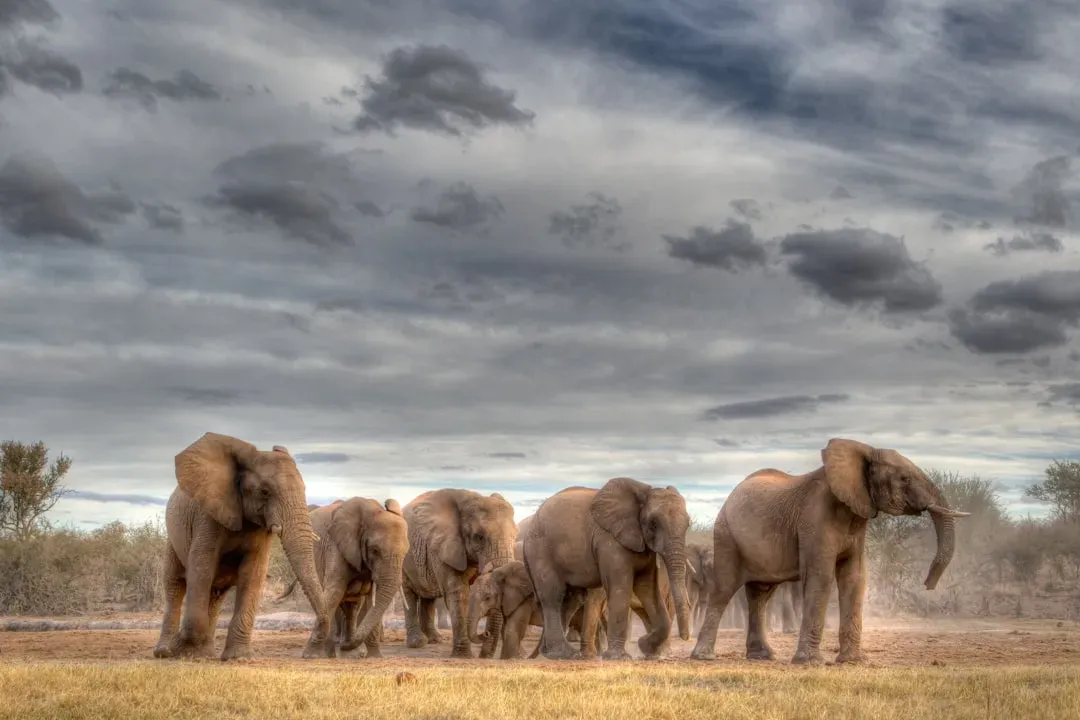
Studies of elephant populations that have experienced traumatic events like poaching waves or culling operations show that survivors form new family units, adopt orphans, and adapt their behaviors while maintaining core social principles. Research in areas heavily impacted by poaching, like Mozambique’s Gorongosa National Park, shows that despite the loss of most mature adults during civil war, younger females established new matriarchal structures, adopted non-related orphans, and reconstructed social knowledge.
Studies reveal that long-term memories and the decision-making mechanisms that rely on this knowledge are severely disrupted in elephants who have experienced trauma or extreme disruption due to management practices initiated by humans. South African elephants who experienced trauma decades earlier showed significantly reduced social knowledge, having been forcibly separated from family members and subsequently taken to new locations. Two decades later, their social knowledge and decision-making abilities were impoverished compared to an undisturbed Kenyan population.
The matriarch’s memory bank is a font of survival knowledge for a herd, so poaching is a huge threat to elephant survival as a species. Poachers kill the largest elephants with the largest tusks, and this is most often the oldest elephant and therefore the elephant with the most useful memories.
As a herd starts to get large, the elephants become constrained by available resources, and the group will need to split up. Mothers, daughters, and their closest relatives will stay together, while cousins and extended family branch off. First the herd will divide into bond groups, and as bond groups grow, they fission into a series of clan groups. The group subdivisions are determined by relatedness, and though bond and clan groups don’t spend as much time together, they do still recognize each other and interact with one another throughout their lives.
Understanding how elephants remember everything not only enriches our appreciation of these giants but also compels us to protect their future. Their survival depends on the preservation of habitats and social structures that nurture memory.
Conclusion
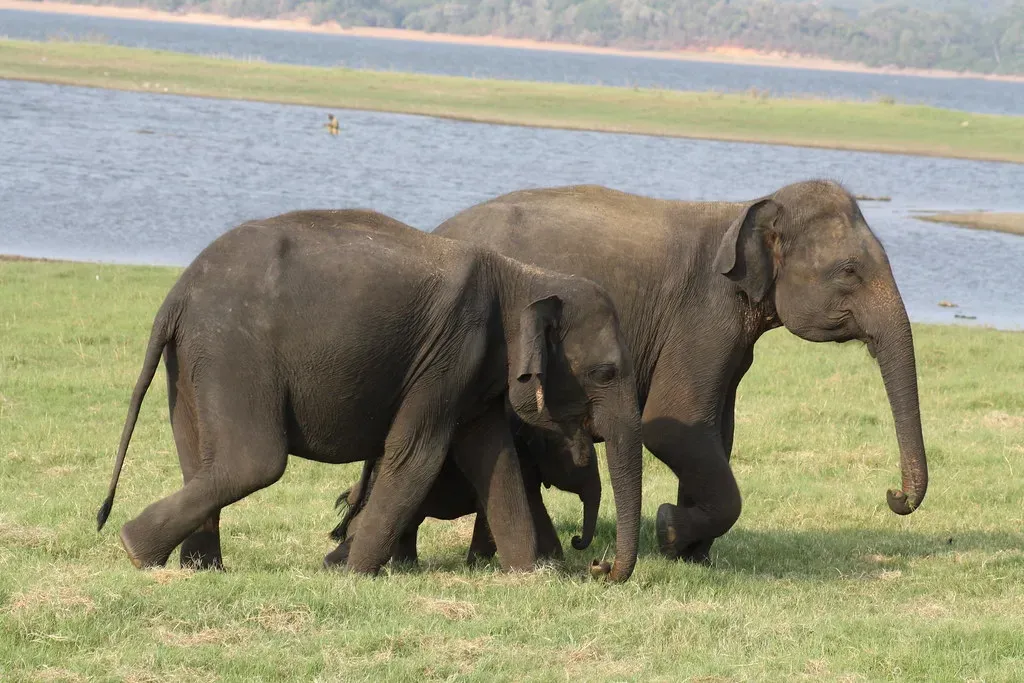
Elephant family bonds are not simply a behavioral curiosity. They are a functional architecture that makes survival across decades possible, one built on memory, shared knowledge, emotional recognition, and an enduring commitment to those closest to them.
What research continues to reveal is that disrupting these bonds carries real costs, not just in numbers but in the depth of what is lost. A family without its matriarch loses more than a leader. It loses a living library.
Perhaps the most quietly striking thing about elephants is that their social world resembles our own in ways that feel less like coincidence and more like parallel evolution arriving at a similar answer: that the connections we maintain across time are among the most important things we carry.
