

Your dog can’t send you a text. They won’t sit you down and explain that something is wrong. What they do instead is speak an entirely different language – one written in posture, behavior, and biology. The tricky part? Most of us miss it.
Many canine behaviors are commonly misunderstood and viewed as just “dogs being dogs” rather than indicators that something is wrong. A dog who chews the couch isn’t necessarily being defiant. A dog who hides behind the sofa during a gathering may not just be “shy.” There’s often something deeper going on, and learning to read the signs could genuinely change your dog’s quality of life.
Research defines abnormal stress as repeated stress signals with no real threatening trigger, and chronic stress puts a dog’s nervous system in constant fight or flight, changing their behavior and ability to cope. That’s a significant thing to sit with. Read on – because the sooner you recognize these signs, the sooner you can actually help.
Excessive Panting Without Physical Cause
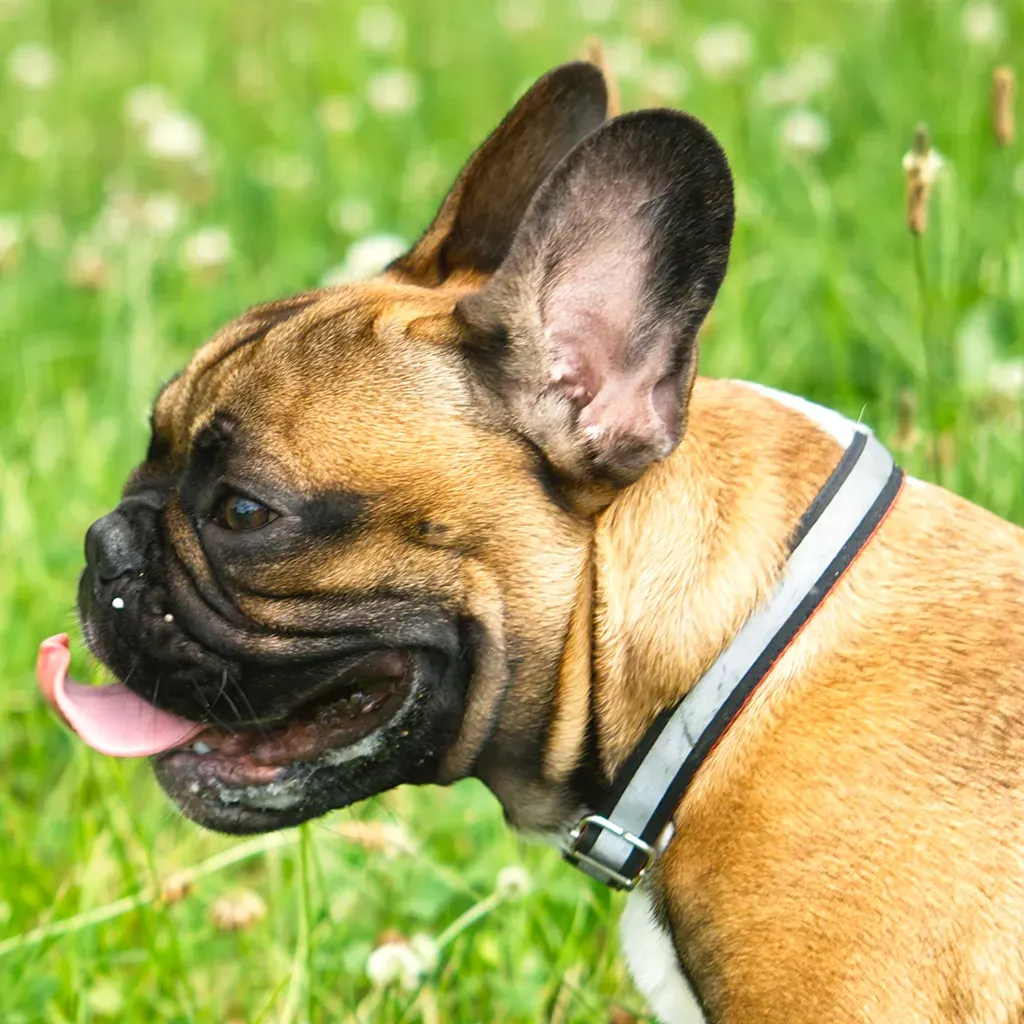
Panting is perfectly normal after a run in the park or on a hot afternoon. The concern kicks in when your dog is panting heavily and there’s no obvious reason for it. While panting is normal for dogs to regulate body temperature, excessive panting without apparent cause could indicate stress or anxiety.
When dogs feel anxious or stressed, their bodies may release stress hormones such as cortisol, which can trigger physiological changes, including increased respiratory rate and salivation. So that combination of heavy breathing and drooling you’re noticing? It may be your dog’s body reacting to something emotionally, not physically.
To help, first try to identify what was happening in the environment just before the panting started. Remove your dog from the situation if possible. If you notice signs that your dog is stressed, remove them from the stressor first and find a quiet place to regroup. Sometimes, that’s genuinely all it takes to bring the breathing back to normal.
Pacing, Restlessness, and Shaking

There’s a particular kind of unsettling energy that comes from a dog who simply cannot settle. They circle the room. They sit, then stand, then sit again. Constant movement or circling can signal an anxious state. It’s not hyperactivity. It’s closer to the way humans tap their foot or can’t stop checking their phone when something is bothering them.
A whole-body shake is quite normal after a bath or a roll in the grass, but it becomes a concern when it occurs as the result of a stressful situation. The “shake off” that dogs often do after they descend from the veterinarian’s exam table is likely triggered by stress. It’s the body’s way of releasing built-up tension.
As with humans, exercise can be a great stress reducer. For healthy dogs, physical activities such as walking or playing fetch may help both you and your dog release tension. A solid walk before a known stressor, like a vet visit or a house full of guests, can make a surprising difference.
Changes in Body Posture and Tail Position

A dog’s body is constantly broadcasting information, and posture is one of the clearest channels. Dogs normally bear weight evenly on all four legs. If a healthy dog with no orthopedic problems shifts their weight to the rear legs or cowers, they may be exhibiting stress. When scared, dogs may also tuck their tails or become rigid.
If you’ve seen your dog with its tail between its legs or its ears pinned back, these are common body language signs indicating a dog is feeling stressed, scared, or submissive. These aren’t random quirks. They’re deliberate signals your dog sends when they feel threatened or overwhelmed.
To differentiate stress signs from normal behavior, you must be familiar with your dog’s regular demeanor and pay attention to the context. That way, you can tell if they are licking their lips because they are anxious or because they want a treat. Knowing your dog’s baseline is, honestly, one of the most underrated tools a pet owner can have.
Excessive Barking, Whining, or Unusual Vocalization

Every dog has their own vocal personality. But when that personality shifts – when the barking suddenly becomes incessant or the whining shows up in places it never did before – that shift deserves your attention. Vocalization is normal self-expression in dogs but may be intensified when they are under stress.
Dogs bark for many reasons, but generally speaking, a high-pitched bark indicates distress or frustration. A very low continuous bark indicates a dog is feeling that something of theirs is under threat. These vocal distinctions actually carry meaning, and training your ear to notice them is worth the effort.
Excessive barking or whining is often seen when a dog is left alone, indicating separation anxiety. If your neighbors have mentioned your dog getting loud while you’re out, don’t brush it off as simply “boredom.” It may point to something more emotionally significant that warrants a closer look and a plan.
Destructive Behavior

Coming home to a chewed cushion or a scratched-up door frame is frustrating. The instinct is often to assume the dog is “acting out.” In reality, chewing furniture, digging at doors, or tearing up bedding can sometimes be signs of stress, not disobedience. Destructive behavior often stems from pent-up anxiety or frustration.
Anxious dogs frequently engage in destructive behaviors as coping mechanisms, including chewing furniture, particularly focusing on door frames, window sills, or escape routes, digging holes in yards, carpets, or bedding, and destroying household items. These behaviors typically intensify when the dog is left alone.
Puzzle feeders, treat-dispensing toys, and interactive games help redirect anxious energy. Giving a stressed dog an appropriate outlet for their mental and physical energy can significantly reduce the urge to destroy. It’s not about punishment – it’s about replacing one behavior with something healthier and more satisfying for them.
Avoidance, Hiding, and Withdrawal
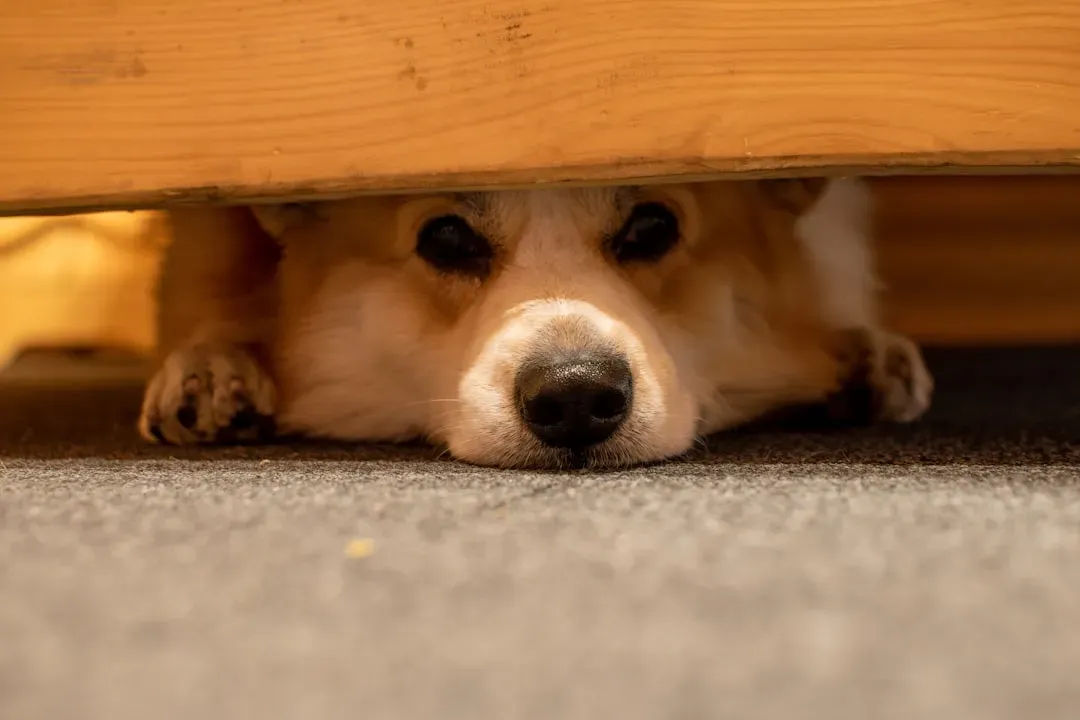
Some stressed dogs don’t get louder. They get quieter – and disappear. Hiding or escape behavior is an extension of avoidance. Some tense dogs move behind a trusted person or behind a nearby object and may even nudge or jump on their person to prompt them to move along. It’s their way of saying: please, get me out of here.
If your dog avoids interaction with other dogs or people, do not force the issue. Respect their choice. This is genuinely important advice. Forcing a visibly stressed dog into social interaction can escalate their anxiety rather than resolve it.
It is important to provide your dog with a safe place in the home where they can escape stimuli that trigger a stress response. That could be a crate with the door open, a dog bed in a quiet corner, or even a particular room they seem to gravitate toward when overwhelmed. Respect their need for space and let them approach you on their own terms.
Digestive Upsets and Changes in Appetite

Stress doesn’t just live in the mind – it travels directly to the gut. A dog’s digestive system is highly responsive to emotional states. Some studies have shown that the bacteria in a dog’s gastrointestinal tract can actually become altered by ongoing stress. That’s a striking connection, and one that many pet owners never make.
Like people, nervous dogs may experience an increased urgency to urinate or defecate. Dogs may also experience gastrointestinal upset that can include vomiting, diarrhea, and refusing food. If your dog has been having unexplained stomach issues and you’ve already ruled out dietary changes or illness, stress is absolutely worth considering as a factor.
A sudden reluctance to eat can indicate stress in dogs. Changes in their environment or emotional state may lead to a decreased interest in food. Tracking when these appetite changes occur – what happened that day, who was home, what changed – can help you identify a pattern and bring useful information to your vet.
Excessive Licking, Grooming, or Repetitive Behaviors

A dog that licks their paws occasionally is not a problem. A dog that licks them for twenty minutes straight, every single day, is sending a different message entirely. While grooming is normal for cats and dogs, excessive licking or grooming can be a sign of stress. Dogs might lick their paws or other areas excessively.
These behaviors often begin during stressful periods but can become habitual even after the initial stressor is removed. The repetitive nature provides comfort through predictability and the release of endorphins, creating a challenging cycle to break. This is one of the reasons why catching stress early matters so much – some behaviors take root and become hard to unlearn.
Behavior modification can help change the emotional response a dog has to offending situations or triggers. Through this cognitive therapy, a dog can learn to become less afraid of stressors and more calm. In some cases, behavior modification can help a dog to the point where they will no longer need to be on medications. Working with a qualified professional on these kinds of entrenched habits can be genuinely transformative.
What You Can Do: Building a Calmer Life for Your Dog

Before your dog can learn how not to be stressed, they need the space and time to de-stress. Chronic stress in a dog damages their ability to cope and learn. Before you engage in an action plan to train and help your dog, make sure you know what’s triggering them and how to avoid those situations.
Dogs find comfort in predictability. Feeding them at the same times every day and establishing a consistent schedule for walks, playtime, and bedtime helps your dog understand what to expect and reduces anxiety. Routine is not boring for a dog – it’s genuinely soothing.
When dogs experience anxiety, music or white noise can help calm them down. This provides a soothing and calming environment and can naturally reduce stress and anxiety levels. White noise or music can also drown out the unpredictable noises from thunderstorms or fireworks that trigger anxiety. Pair that with a safe space, consistent exercise, and regular vet check-ins, and you’ve built a meaningful support system.
If your dog becomes stressed often or in response to many triggers, see your veterinarian. After ensuring that your dog’s behavior does not have a physical basis, your veterinarian may refer you to a trainer or veterinary behaviorist for further assessment. A treatment plan may include behavior modification, a change in the daily routine, medications to relieve physical discomfort, and medications to reduce the emotional response to the triggers.
Conclusion

Here’s an honest opinion worth sitting with: we expect a lot from our dogs. We bring them into unpredictable environments, change their routines without explanation, and sometimes fill our homes with energy and noise that they have no way to process. The least we can offer them in return is attention – real attention, to the signals they’re doing their best to send us.
Scientific evidence has shown that stress has negative effects on health in people, and this is true in dogs as well. A study of over 700 dogs concluded that the stress of living with a fear or anxiety disorder can have negative effects on health and lifespan in the domestic dog. That’s not a minor concern. Stress is not just an emotional inconvenience – it’s a health issue with real consequences.
The good news is that dogs are remarkably responsive to consistency, care, and a little bit of informed observation. You don’t have to be a veterinary behaviorist to make a difference. You just have to be willing to listen – on their terms, in their language. That willingness alone is already half the work done.

- 12 Architectural Wonders From The Ancient World That Inspire Us Today - July 18, 2026
- 6 Beautiful Ancient Cities That Time Forgot (But Shouldn’t) - July 18, 2026
- 6 Common Animal Behaviors That Are Often Misunderstood by Humans - July 18, 2026