
There’s a phone call that seasoned obedience coaches dread more than any other. An owner on the other end, voice full of hope and wallet wide open, describes their dog’s behavior. The coach listens, asks a few pointed questions about the breed, and then, very politely, declines. Not because the money isn’t welcome. Because experience has a way of teaching things that no training manual ever quite captures.
Professional trainers consistently emphasize that prospective owners should understand breed-specific traits and needs before acquiring a dog. Mismatches, such as pairing a high-drive dog with a sedentary lifestyle, are seen as some of the most common sources of frustration and behavioral issues. What nobody tells you upfront is that some of those mismatches run so deep that even the most skilled coaches find themselves quietly referring clients elsewhere. The 16 breeds below aren’t bad dogs. They’re just genuinely, historically, sometimes spectacularly difficult to work with in a formal obedience setting.
#1. Afghan Hound
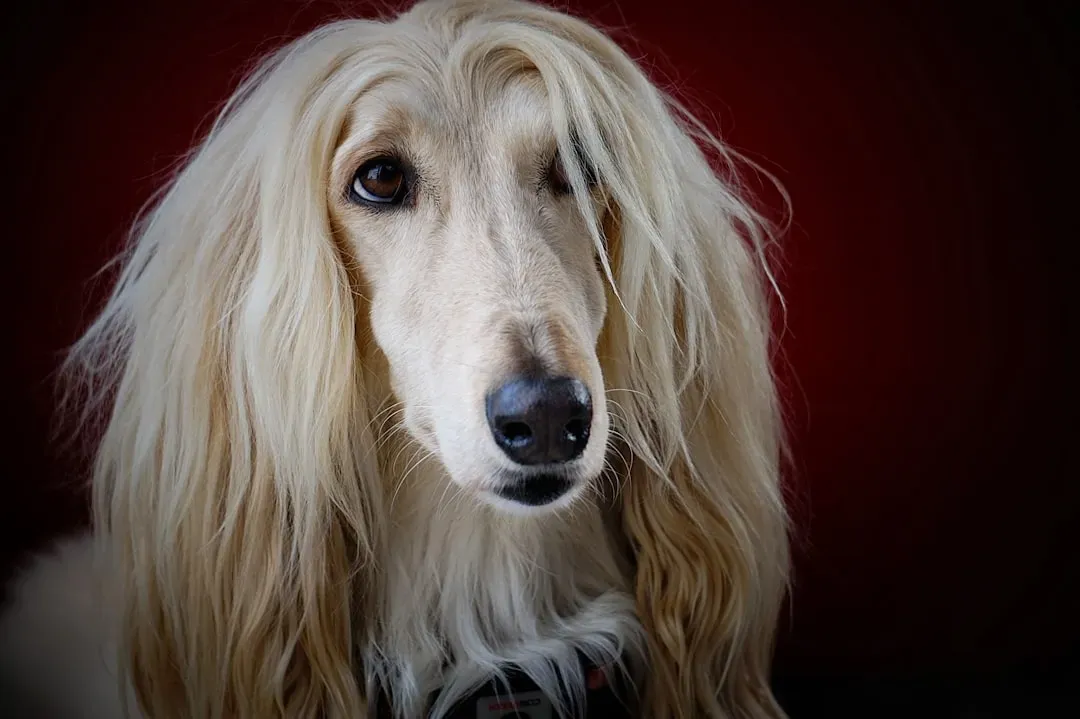
Originating thousands of years ago near modern-day Afghanistan, these elegant dogs once helped nomadic tribes flush out swift prey like rabbits and gazelles. Their noble appearance often conceals a mischievous and fiercely independent spirit, making them one of the most challenging breeds to train. They are a breed that genuinely looks like they belong on a fashion runway, not a training field, and the attitude tends to match the aesthetic.
Psychologist Stanley Coren’s research concluded that the Afghan Hound needs at least 80 repetitions to understand a new command, which may stem mainly from the fact that it is one of the most stubborn breeds, notorious for ignoring its owners’ commands. Afghan Hounds are hunting dogs from the sighthound family, a group that hunts primarily through speed and keen vision rather than scent, which means learning commands may never have been part of their genetic or evolutionary design. For an obedience coach running group classes and chasing results, that’s a tough proposition.
#2. Siberian Husky
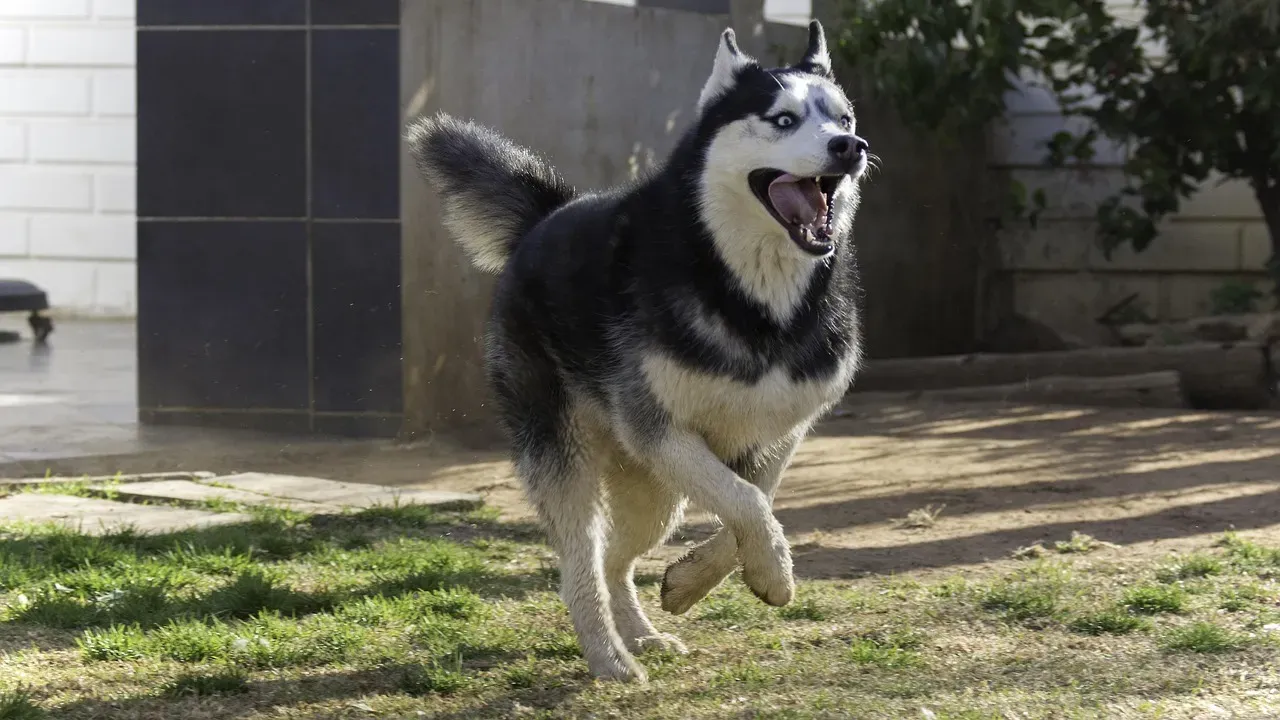
At the top of many trainers’ challenging lists sits the strikingly beautiful Siberian Husky, a breed as independent as it is energetic. Bred to pull sleds across vast icy landscapes, Huskies have endurance to spare and need constant activity to stay focused. The problem in a structured obedience class is that this dog has absolutely no evolutionary reason to stand still and wait for your approval.
Siberian Huskies are free-spirited dogs blessed with high intelligence and energy levels, neither of which is necessarily a useful asset in the home. While they are smart and can learn obedience in a domestic setting, they aren’t always quite as eager to please as we might hope. Siberian Huskies are designed to expend huge amounts of energy on a daily basis, so they can easily get bored and divert to destructive tendencies. Boredom in a Husky isn’t quiet. It’s operatic, loud, and occasionally involves a dismantled couch.
#3. Basenji
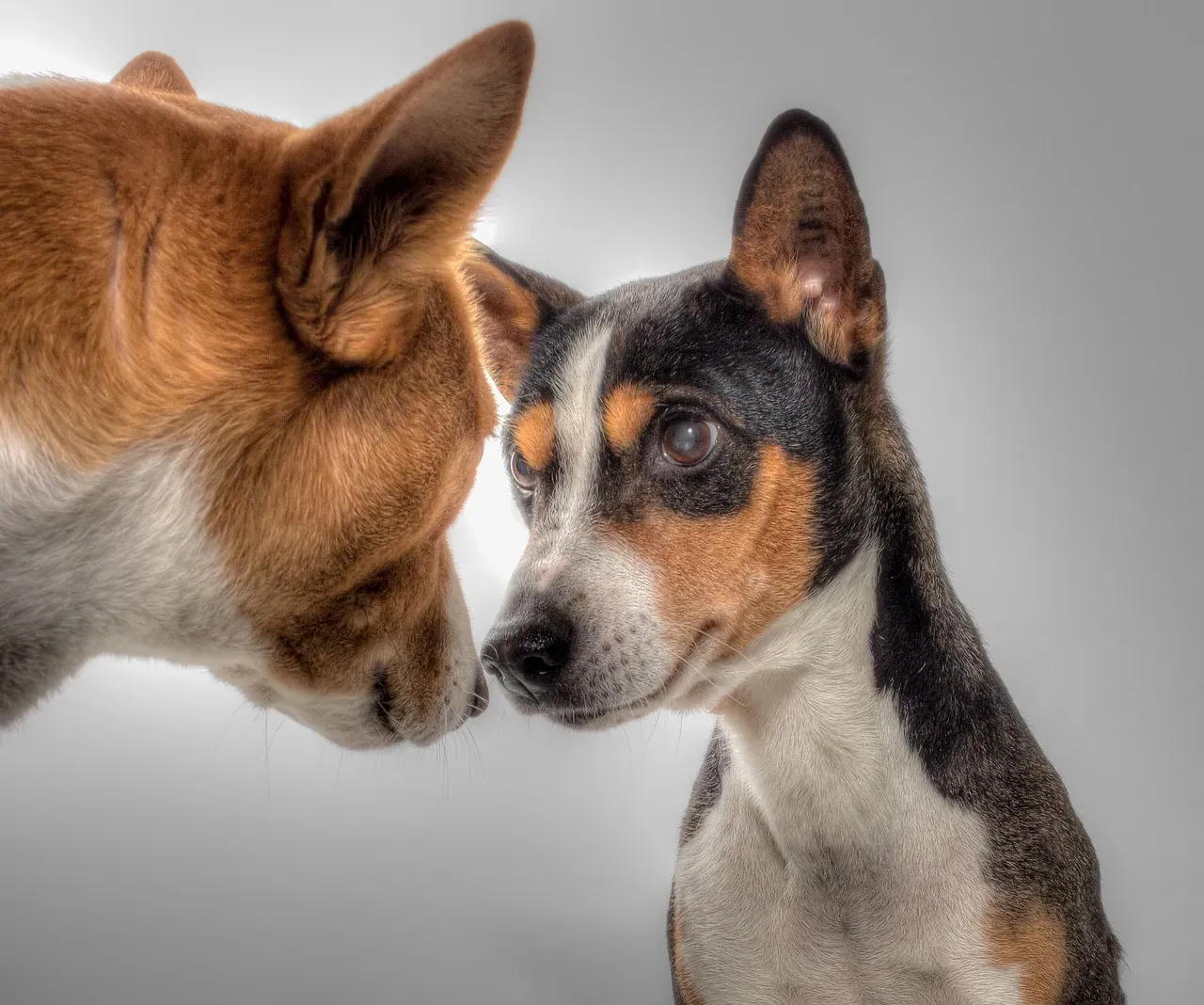
The Basenji, often called the “barkless dog,” hails from Central Africa and is known for its sleek build, tightly curled tail, and upright ears. Unlike many breeds, it expresses itself with unique yodel-like sounds rather than typical barking, adding to its distinctive personality. That personality, charming as it is, translates to a dog that views formal commands more as casual suggestions than binding agreements.
With a cat-like demeanor and a great sense of independence, the Basenji is a stubborn dog breed you will love to know. Also known as a barkless dog, this breed possesses a self-sufficient nature and is also intelligent, which is the key reason behind its non-obedience to your commands or training attempts. The Basenji is a hunting breed that relies on their instincts and doesn’t really get a convincing point to follow the command. Coaches who thrive on visible progress in their sessions tend to find the Basenji genuinely demoralizing.
#4. Chow Chow
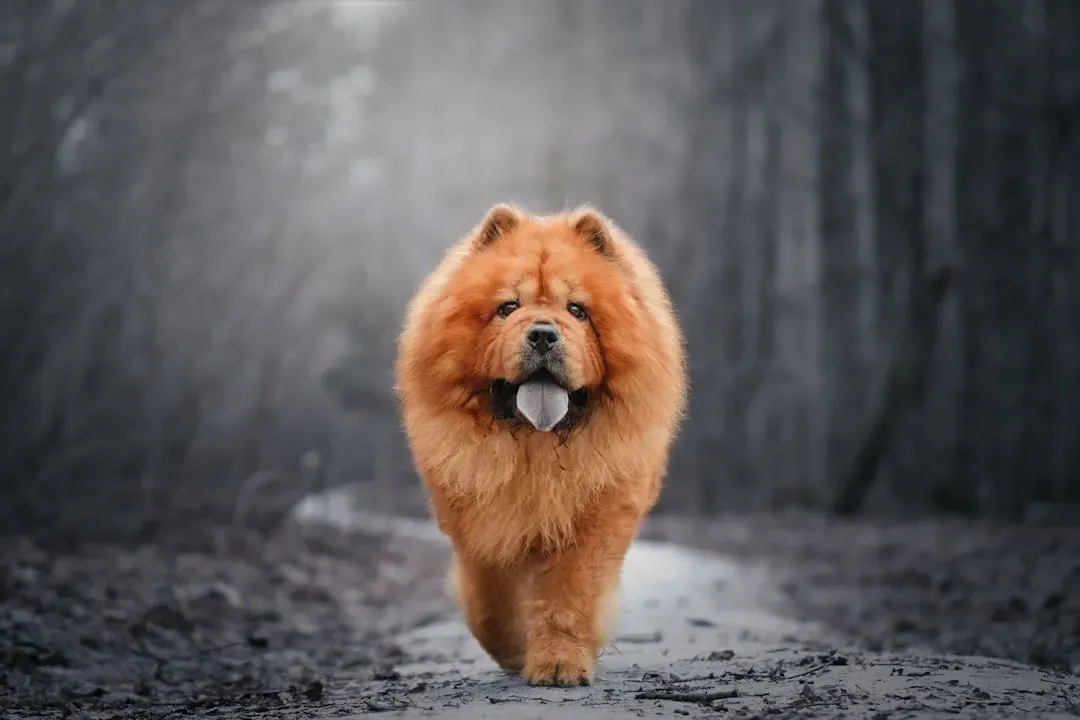
The Chow is a difficult breed to train, and notorious for its stubborn traits. Given their independent and aloof personalities, owners often have difficulty commanding their attention. Owners have to establish that they are in charge, and often take their dogs to obedience classes for proper training. The catch is that the Chow Chow has spent thousands of years doing exactly the opposite of what humans expect.
The Chow is one of the oldest breeds in the world, and like many primitive breeds, they never quite see the point in listening to humans. They are notoriously stubborn, independent, and just don’t get the same thrill out of pleasing their owners that a Golden Retriever does. Chow Chows look like big, fluffy teddy bears, but they are often obstinate and can use their intelligence against you. Given their large size and territorial tendencies, this is a breed best left to experts, who will socialize and train them appropriately from an early age.
#5. Beagle
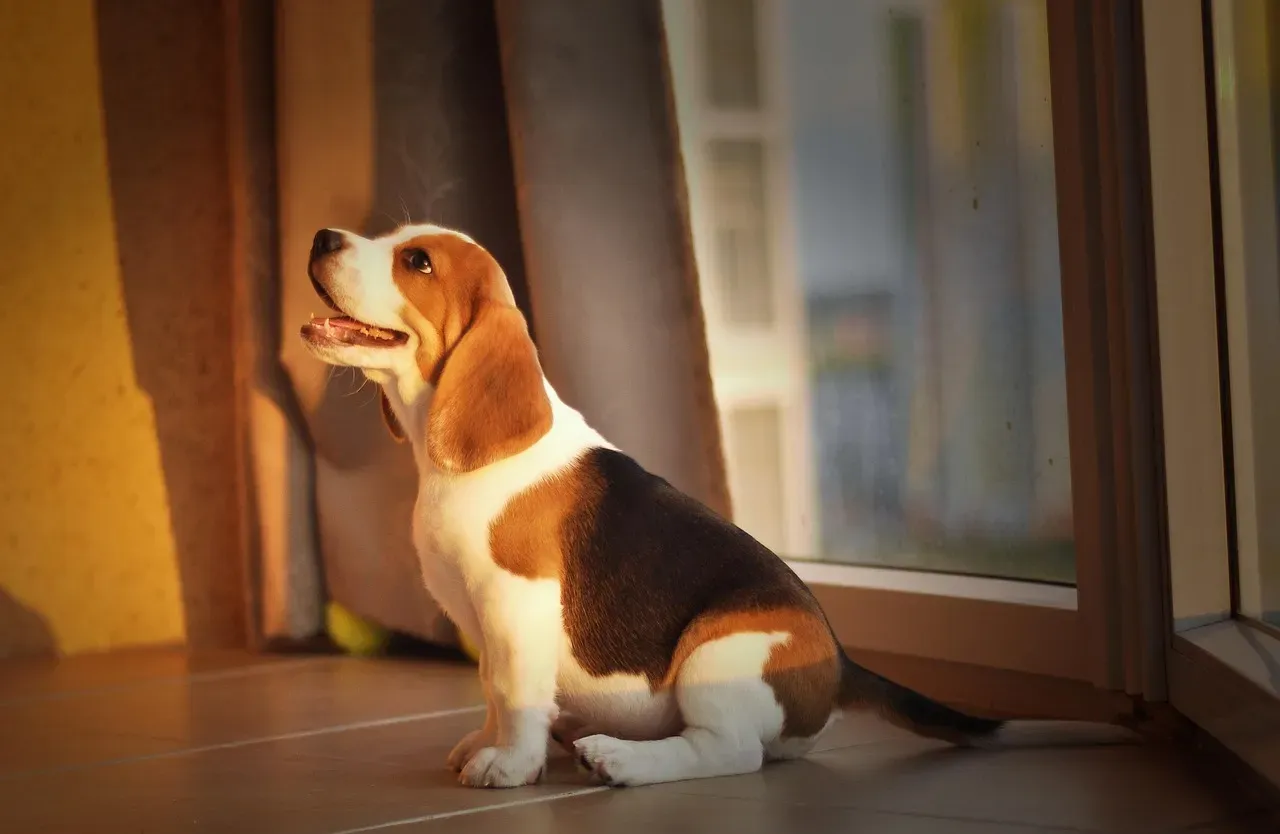
Also known as the “merry hound,” the Beagle is a compact, tricolored scent hound celebrated for its floppy ears, soulful eyes, and boundless curiosity. Though affectionate and gentle, Beagles are often guided more by their noses than by their owners’ voices, which can make obedience training a serious test of patience. Their remarkable olfactory skills, second only to the Bloodhound, give them an instinctive urge to follow trails wherever they lead. That instinct does not pause for a training session.
Beagles are excellent family dogs and even considered one of the best dogs for kids. However, these hunting dogs have a very strong focus on the smells around them and a strong genetic inclination to follow scent trails. That’s what makes them one of the hardest dogs to train. They can be a challenge during training in distracting outdoor environments, and off-leash recalls are particularly unreliable. In a group class held anywhere near grass, a Beagle’s nose will almost certainly win.
#6. Dachshund

Originally bred for hunting, these determined little dogs are strong-willed and persistent. That same tenacity, once prized for tracking badgers, often becomes a major challenge during obedience training. If not properly stimulated, Dachshunds can develop bad habits, particularly excessive barking, one of their hardest traits to manage. People consistently underestimate them because of their size, and that’s precisely where the trouble starts.
The Dachshund is well-known for their lively and independent attitude, as well as their intelligence, hunting ability, and stubbornness. Doxies like to do things their own way, and you are likely to find your Dachshund digging holes, chewing on shoes, or chasing your other pets on a daily basis. Boredom is the Dachshund’s worst enemy. Without enough activity or attention, they can become destructive and stubborn. Obedience coaches who specialize in results-focused programs often find the Dachshund’s capacity for selective hearing genuinely impressive.
#7. Chinese Shar-Pei
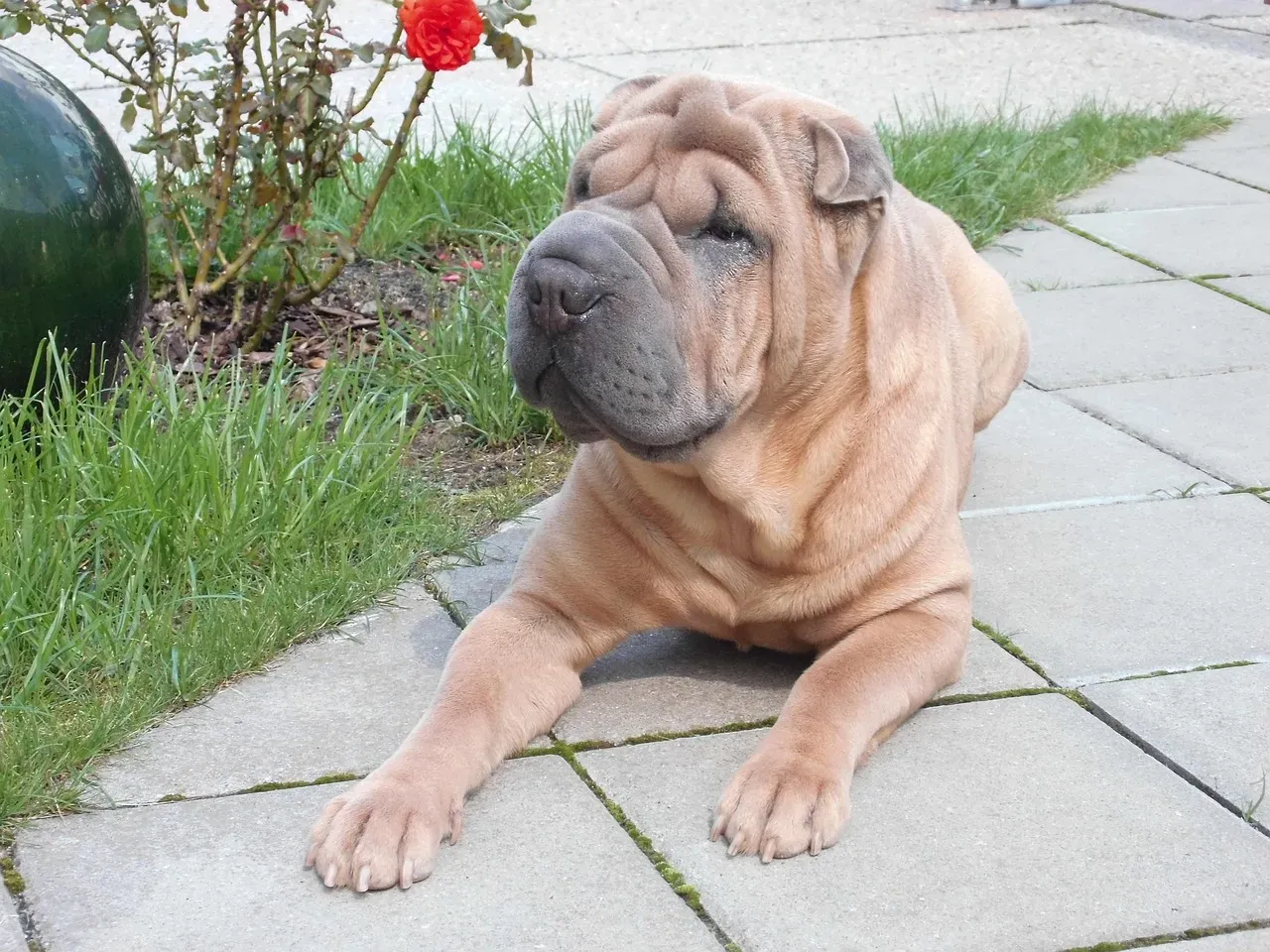
The Chinese Shar-Pei is a strong, smart, and loyal dog. Hailing from China, they have an imposing demeanor, a witty brain, and an affectionate heart. But they can also be incredibly stubborn. For centuries, this dog has been serving as a guardian, always relying on themselves. That deep-seated self-reliance doesn’t switch off when you hand over a enrollment fee for obedience class.
Shar-Pei dogs are smart, but they can be strong-willed and do best with pet parents who have experience training dogs. Starting training young and giving them positive rewards through praise and treats helps teach them how to behave politely. Ideally, a Shar-Pei should take both socialization and obedience training classes with a professional certified dog trainer. Even then, the breed’s natural wariness of strangers makes group class settings a particular challenge from the very first session.
#8. Jack Russell Terrier
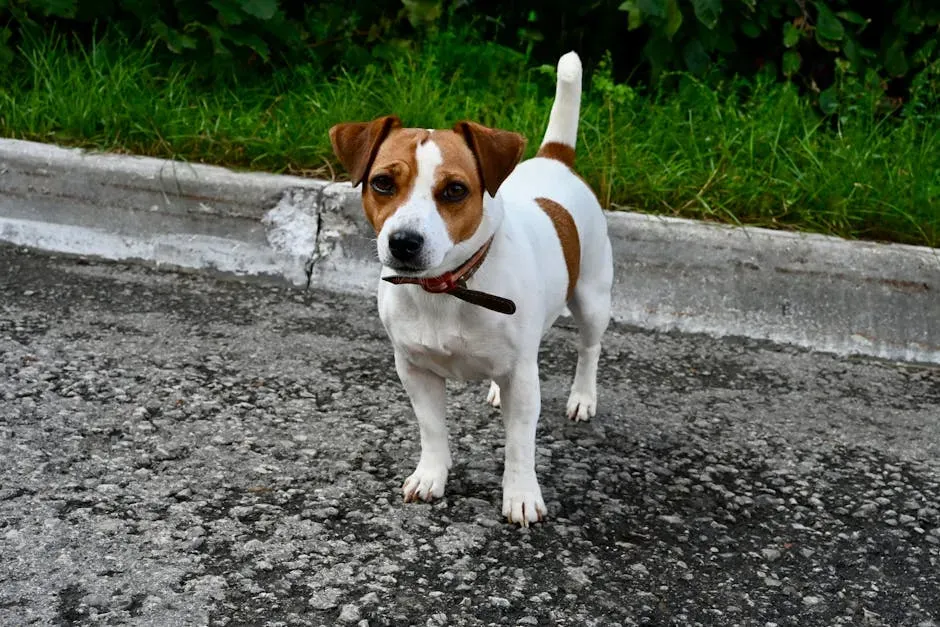
Jack Russell Terriers are small, powerful dogs that were bred to be used in fox hunting. They have a very high prey drive, which makes them one of the hardest dogs to train. What they lack in size they more than make up for in sheer, relentless willfulness. A Jack Russell that has spotted something moving across the room is essentially unreachable.
Since Jack Russells were originally bred as foxhunting dogs, they tend to have a high prey drive. This means that they tend to chase after other animals, especially ones that are smaller than them. For this reason, they often don’t do well sharing a home with cats and other small animals. Take caution during walks or when riding in a car with a window down, as they have a tendency to bolt toward other animals. Jack Russells also have a knack for picking fights, so proper socialization during training is key.
#9. Akita
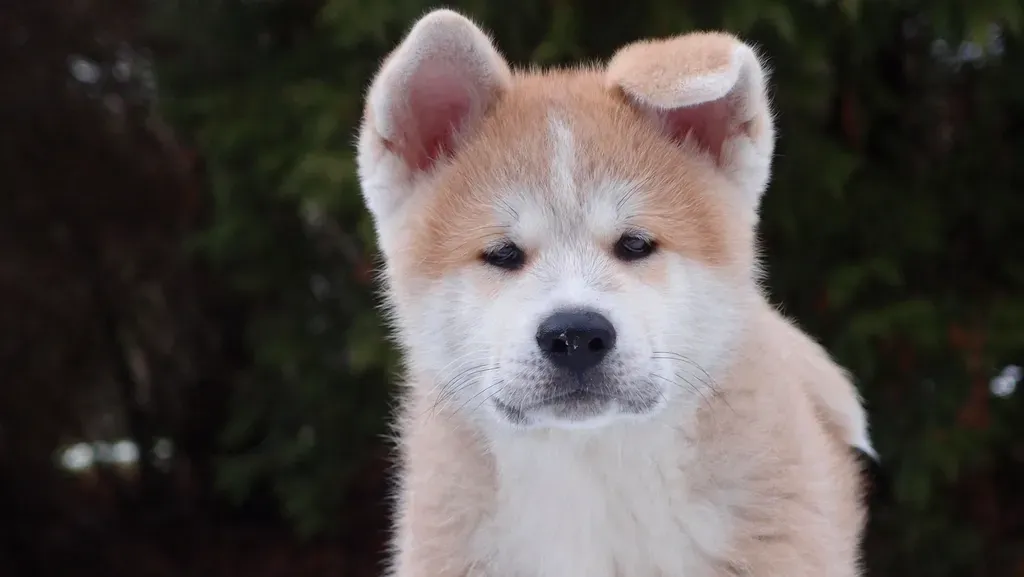
Akitas are the largest of the Japanese breeds and were originally bred for dog fighting and eventually as bear hunting dogs. They can be quite aloof and undemonstrative, and training them can be quite a challenge. They have been known to make excellent assistance and companion dogs and are very intelligent. Males tend to be dog aggressive by nature. That combination of raw intelligence and deep independence makes them one of the breeds coaches quietly flag as high-risk enrollments.
These are beautiful, strong-willed dogs that are best homed with experienced dog owners, or owners willing to go the distance to obedience train them and keep them out of inter-dog aggression situations. Akitas are known for being unusually tolerant and patient with children, but are very reserved with strangers and a well-fenced yard is a must. A group obedience class filled with unfamiliar dogs and handlers is essentially the worst possible environment for this breed to learn anything useful.
#10. Bloodhound

Similar to Beagles, Bloodhounds are hunting dogs renowned for their exceptional sense of smell. The Bloodhound is law enforcement’s go-to choice to locate fugitives and find missing individuals. However, their instincts and self-reliance can pose a challenge during training. Bloodhounds are stubborn and easily sidetracked, making standard training techniques less effective. The irony is that the very trait that makes them so valuable to search-and-rescue teams is the same trait that makes them nearly impossible to redirect in a classroom setting.
Bloodhounds are hard to train because they are distracted by smells near and far. They are gentle, easygoing dogs with strong persistence in following scent trails. Because of their powerful instinct to track, obedience training can be difficult for inexperienced handlers. Bloodhounds struggle to ignore surrounding smells long enough to stay focused on learning. Anyone raising a Bloodhound and hoping for high obedience should understand it is a lifelong process for the dog.
#11. Basset Hound
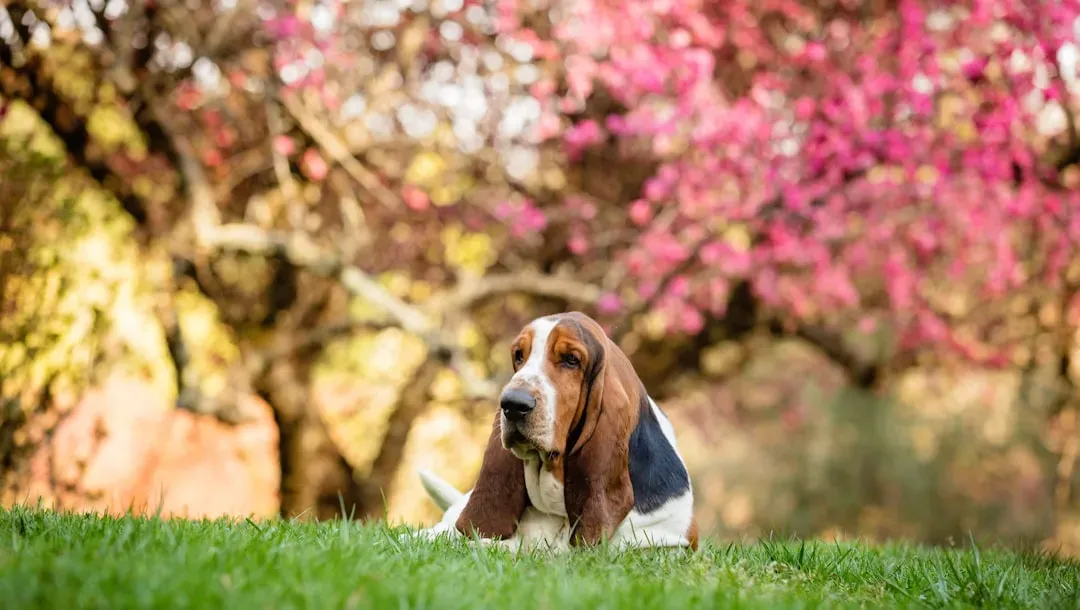
Also known as the “Hush Puppy dog,” the Basset Hound is a French breed celebrated for its droopy eyes, low-slung frame, and long velvety ears. Despite their charmingly lazy appearance, these dogs possess remarkable stamina and strength, making them far more resilient than their short legs suggest. However, when it comes to training, Basset Hounds can test even the most patient owners. Their independent streak, combined with a nose that seems to have a mind of its own, often leads them astray during obedience sessions.
Basset Hounds can also be stubborn, and like their scent hound cousins such as the Bloodhound and Beagle, they struggle to ignore surrounding smells long enough to stay focused on learning. Anyone raising a Basset Hound and hoping for high obedience should understand it is a lifelong process for the dog, lasting 12 to 13 years. That’s a long runway for a coach to commit to, especially when progress can feel glacially slow. The Basset Hound’s relaxed attitude toward urgency doesn’t transfer well to structured sessions.
#12. Bull Terrier
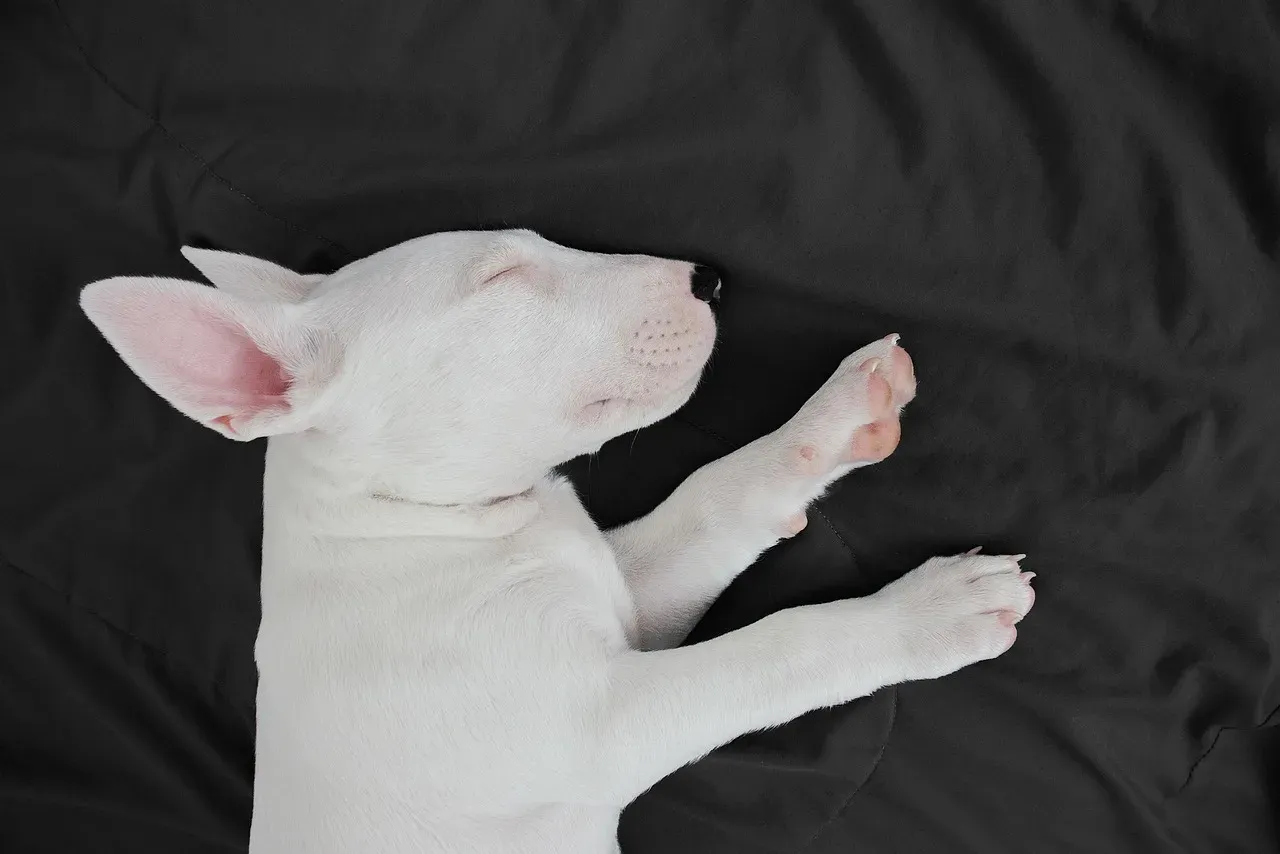
Not to be confused with the American Pit Bull Terrier, Bull Terriers are robust, big-boned terriers who move with a jaunty stride suggesting agility and power. The breed’s hallmark is a long, egg-shaped head with erect and pointed ears, and small, triangular eyes. They are genuinely striking animals. They’re also, by most trainer accounts, profoundly self-directed in a way that borders on theatrical.
The issue coaches describe isn’t aggression, exactly. It’s that Bull Terriers have an almost theatrical level of self-direction that can derail even the most carefully structured session. Bull Terriers are known for their strong personalities and determination. They can be stubborn and willful, requiring firm and consistent training. Positive reinforcement methods, such as using rewards and praise, are crucial. Early socialization and obedience training are essential to mold their behavior positively. When those early sessions are missed, recovery is significantly harder.
#13. Rottweiler
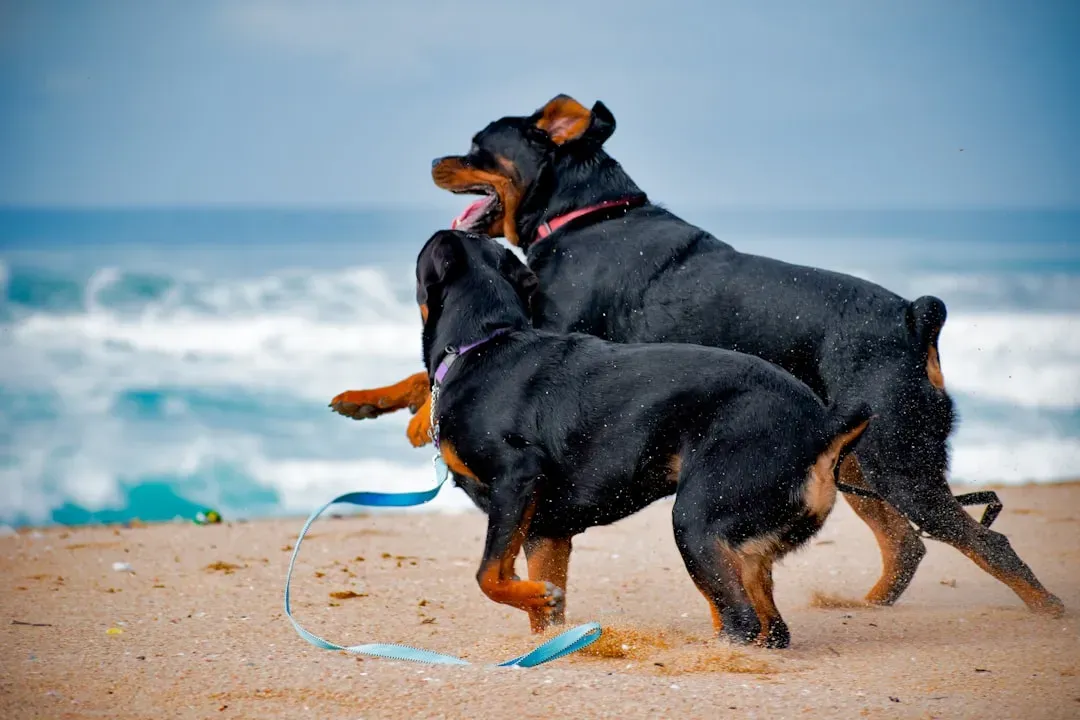
Breed experts declare that formal training and extensive socialisation are essential for all Rottweilers. According to the AKC, Rottweilers love their owners and may behave in a clownish manner toward family and friends, but they are also protective of their territory and do not welcome strangers until properly introduced. Obedience training and socialization are required. The challenge for coaches is that without early foundation work, an adult Rottweiler’s sheer physical power makes remedial obedience genuinely risky to attempt in group settings.
Rottweilers’ biggest training challenges include stubbornness, protectiveness, and loyalty to a fault, which creates difficulty listening to anyone else. The ideal situation involves an experienced, firm pet parent. Training needs involve firm boundaries, mutual respect, and a focus on socialization around strangers. One study published in 2008 found that male Rottweilers have higher confidence, sharpness, and defense and play drives than females. Research also found that while Rottweilers were average in aggressiveness towards owners and other dogs, they tend to be more aggressive than average toward strangers. That stranger-wariness matters enormously in a class full of unfamiliar people and dogs.
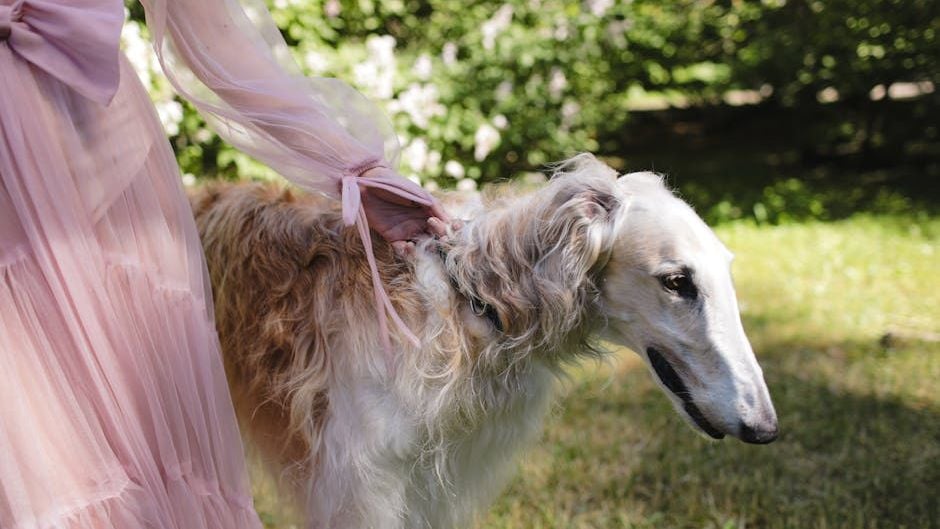
#14. Borzoi
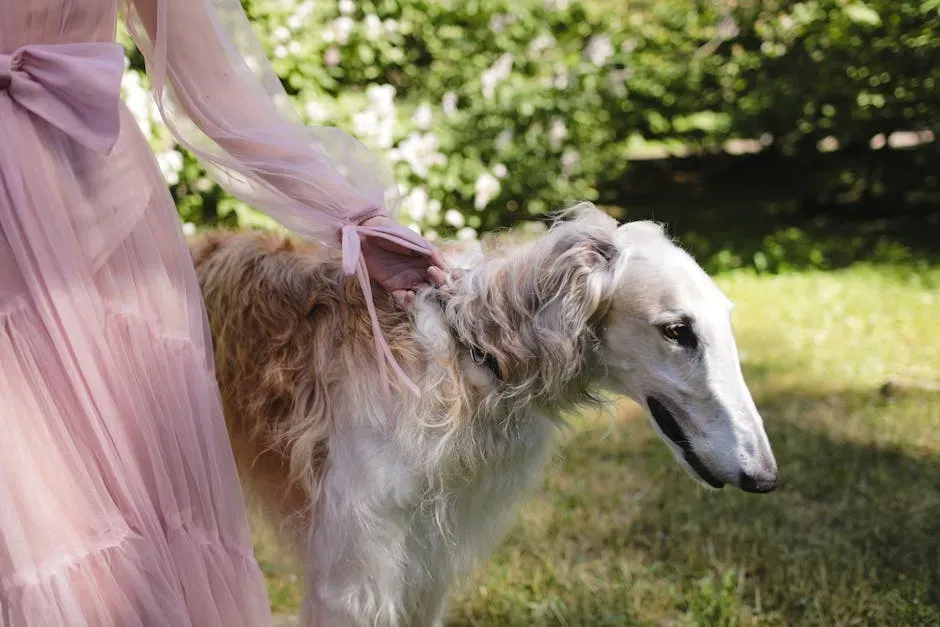
As sighthounds, Borzois are independent dogs that usually don’t see much of a point in obeying instructions. Because of their laid-back nature, this is rarely a problem in daily life. However, they do tend to chase anything that moves and ignore their owners calling. So it’s sometimes best to keep them on a leash in the park most of the time. That chase reflex is almost hardwired and can ignite within seconds, regardless of how focused the dog seemed moments before.
Borzois can be stubborn, which makes training difficult and requires patience. They do best with frequent, short training sessions rather than long hour-long lessons. They enjoy chase games where their sighthound abilities shine. Sighthounds like the Borzoi have always been bred to run fast after prey, not to obey commands. That genetic reality is simply not compatible with what most structured obedience programs are designed to deliver, and experienced coaches tend to know that before the first session even begins.
#15. Pekingese
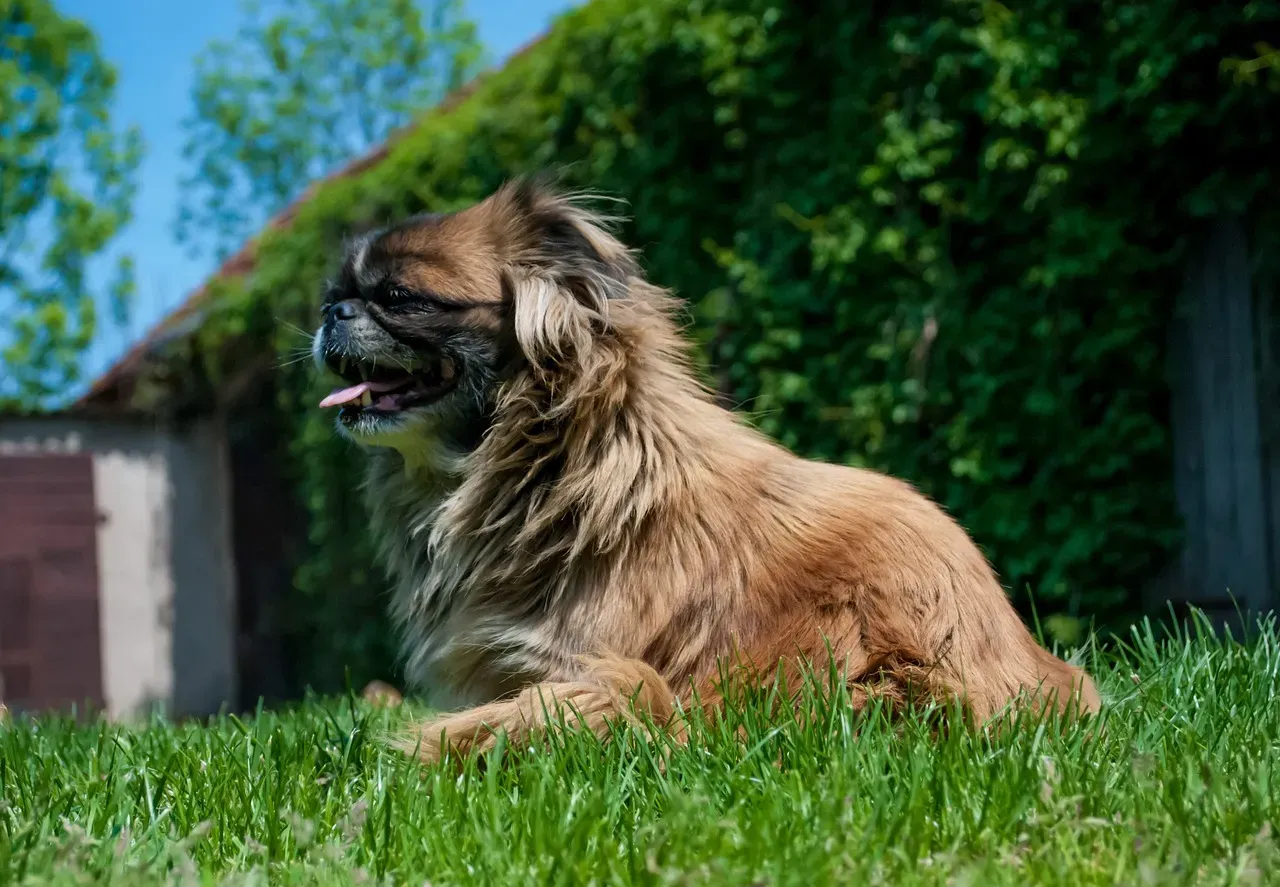
Pekingese are very intelligent. But with intelligence, often comes a stubborn personality. They want to be the one in charge and decide when they choose to listen. Without proper training, Pekingese can tend to get snappy and bitey, even with their own pet parent. They also prefer to be the focus of all your attention, so they prefer a house to themselves over sharing the space with other dogs or children.
The Pekingese is another breed that suffers from the “small dog” assumption, where owners assume that a tiny package means a manageable temperament. That assumption tends to dissolve fast in a training context. Obedience is influenced by more than just effort; genetics, temperament, and a breed’s original purpose all play huge roles. Breeds developed to work independently, like hunters or guard dogs, were never meant to wait for human approval, which can make them seem stubborn today. The Pekingese, bred for centuries as a companion to Chinese royalty, developed precisely the opposite instinct: humans wait on them, not the other way around.
#16. Australian Cattle Dog (Blue Heeler)
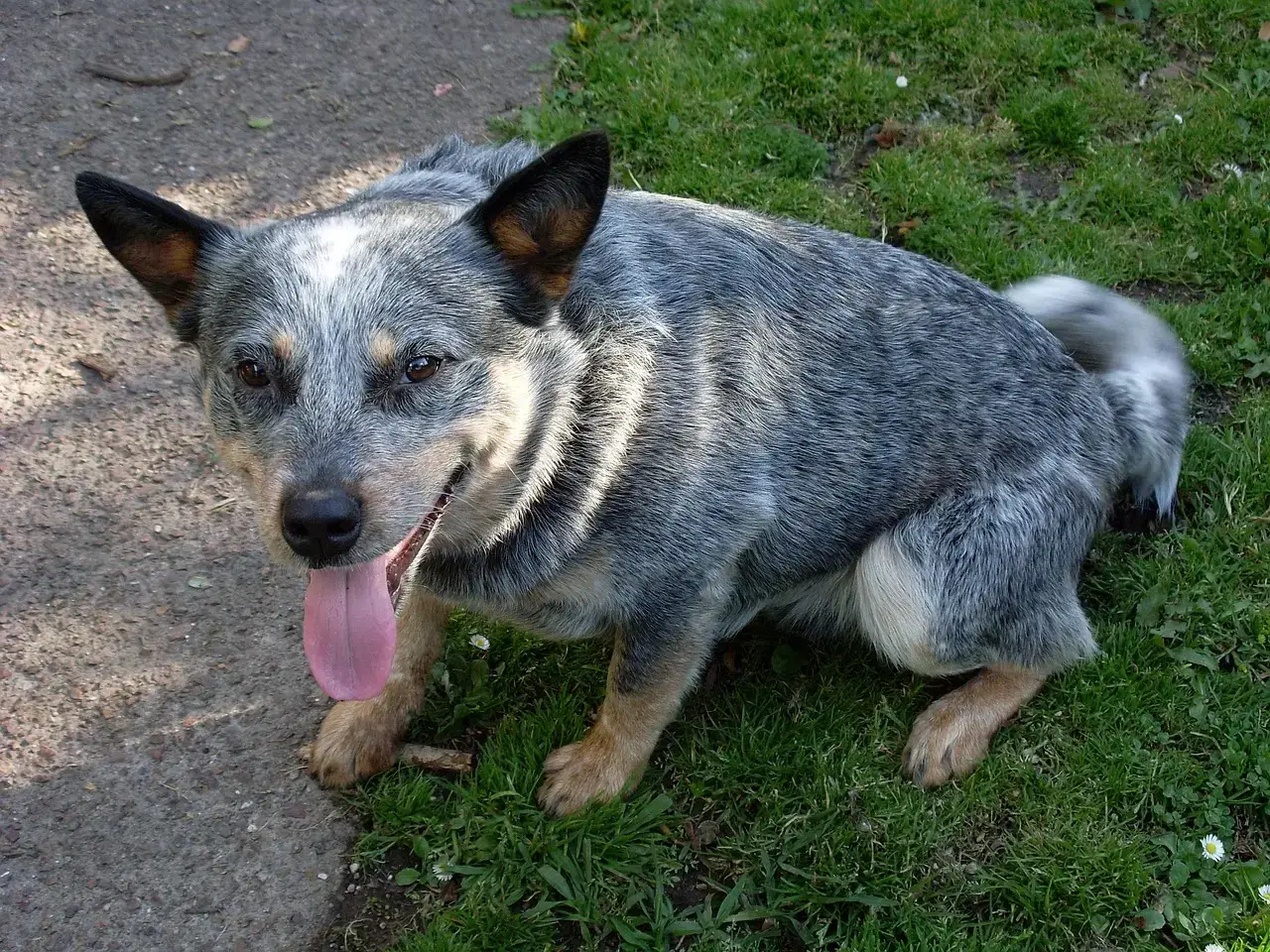
Australian Cattle Dogs, also known as Blue Heelers, are a very high-energy herding breed. Originally bred to herd, which means high-energy was a sought-after trait. If they’re not getting their long daily walks or time to run at the park, they’ll easily become destructive out of boredom. The paradox here is that they’re genuinely intelligent, which makes the challenge more nuanced than simple stubbornness.
The more intelligent a breed tends to be, the more they like to think for themselves, and choose to disobey commands and house rules. Intelligent dogs can have a very stubborn streak. They tend to choose when they want to listen, and who they want to listen to. Highly intelligent dogs often get a bit too curious at times, and figure out how to get into things they shouldn’t, or become masters of escape. The Blue Heeler’s version of intelligence is relentlessly practical and task-driven, and if the task doesn’t make sense to them, they’ll simply design a better one. That’s not a training problem. It’s a breed reality.
The Honest Takeaway
None of these breeds deserve to be written off. Despite their stubborn streak, these breeds are often incredibly clever dogs who can shine when approached with positive reinforcement techniques rather than harsh discipline. Even notoriously willful breeds can transform into well-behaved companions once their unique motivations are understood. The canine world is full of personalities, and disobedience doesn’t mean these dogs are unloving or unworthy. It simply means they require a different training approach and a little extra patience.
Obedience is influenced by more than just effort; genetics, temperament, and a breed’s original purpose all play huge roles. Breeds developed to work independently were never meant to wait for human approval, which can make them seem stubborn today. The coaches who quietly stop accepting these breeds aren’t giving up on the dogs. They’re being honest about the limits of what a standardized class format can deliver for animals that were never built for standardized anything.
If your dog made this list, that’s not a verdict on your pet. It’s a signal to seek out a specialist who understands that some of the most complex, rewarding, deeply loyal dogs in the world simply need to be met on their own terms, not ours. The money you’d spend chasing a coach who keeps declining your calls would be far better invested in one who actually understands your breed. That shift in approach changes everything.

- 23 Things Hospice Vets Wish Every Family Knew Before a Dog's Final Weeks - July 14, 2026
- 15 Most Beautiful Libraries in The World - July 14, 2026
- The American Bison’s Comeback Story Is a Testament to Conservation Success - July 14, 2026