

One morning in late August or early September, you step outside with your coffee and notice the garden feels strangely still. The hummingbirds are still there – but something is different. They’re moving with a kind of quiet urgency that wasn’t there a week ago. Most people miss it entirely. They assume the birds just vanished one day without warning, which is partly true. But in the final week before departure, hummingbirds go through a remarkable series of behavioral and physiological changes that are hiding in plain sight.
These tiny creatures are preparing to undertake one of the most demanding journeys in the animal kingdom. Each year, hummingbirds embark on two migrations – one north and one south – and these migratory journeys, which can span hundreds or thousands of miles, require immense preparation and a shocking amount of energy from some of the smallest birds in the world. If you know what to look for, the signs are there every single time. Here are the 14 things hummingbirds do in the days before they disappear – and why each one matters.
#1. They Enter a Full-Blown Feeding Frenzy Scientists Call Hyperphagia
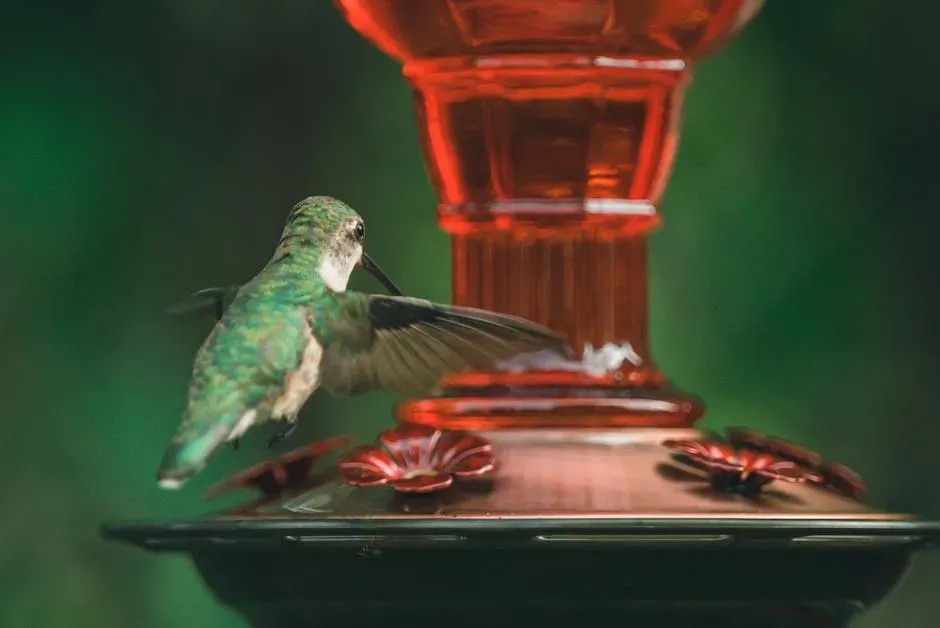
The most dramatic and observable change in the days before departure is an almost frantic increase in eating. Scientists call the pre-migration feeding frenzy hyperphagia. The tiny birds spend more time than usual lapping up nectar and eating insects. For birds about to migrate, food means survival. This isn’t casual snacking – it’s a biological imperative.
In the days leading up to their final departure, ruby-throated hummingbirds will begin to feed more often, starting to pack on extra fat reserves. Scientists have discovered that they can double their weight in just seven to ten days. If your feeders are draining faster than usual in late summer, that’s not a coincidence. You’re watching pre-migration hyperphagia happen right in front of you.
#2. They Visibly Bulk Up and Carry Extra Weight
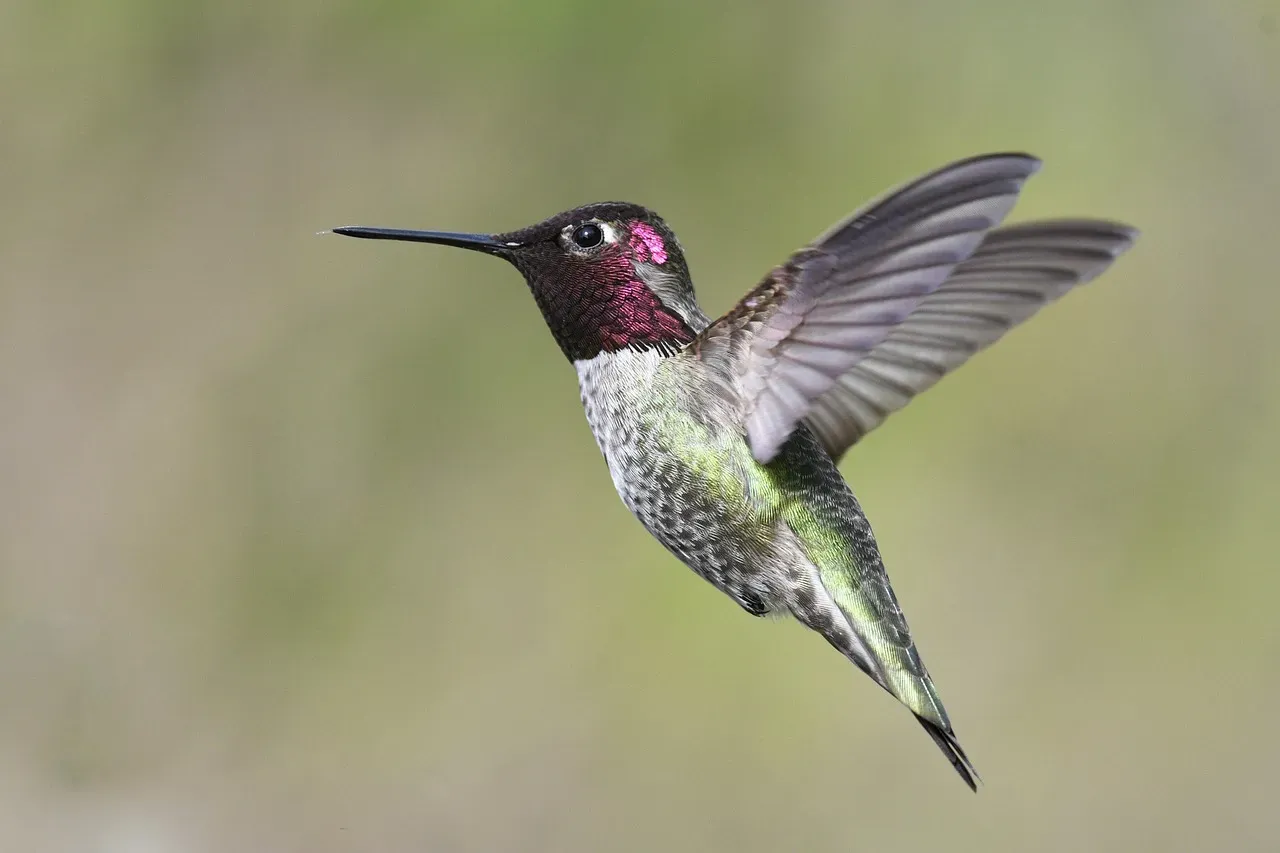
The fuel for the fall migration is stored as fat. As the birds accumulate fat, they become so rotund that they aren’t able to maneuver as easily as they could prior to their dramatic weight gain. If you held one of these birds in your hand, it would feel like a bloated sponge. This physical transformation is one of the most underappreciated aspects of pre-migration behavior.
Hummingbirds can gain substantial weight, typically increasing their body mass by 25 to 40 percent before migration. For example, a ruby-throated hummingbird might double its weight from 3 to over 6 grams. This stored fat is an efficient fuel source, providing more than twice the energy of carbohydrates or proteins, and also producing water to prevent dehydration during flight. That plump little bird hovering at your salvia flowers is essentially loading up its fuel tank for a journey of hundreds of miles.
#3. Males Quietly Disappear First – Without Any Fanfare
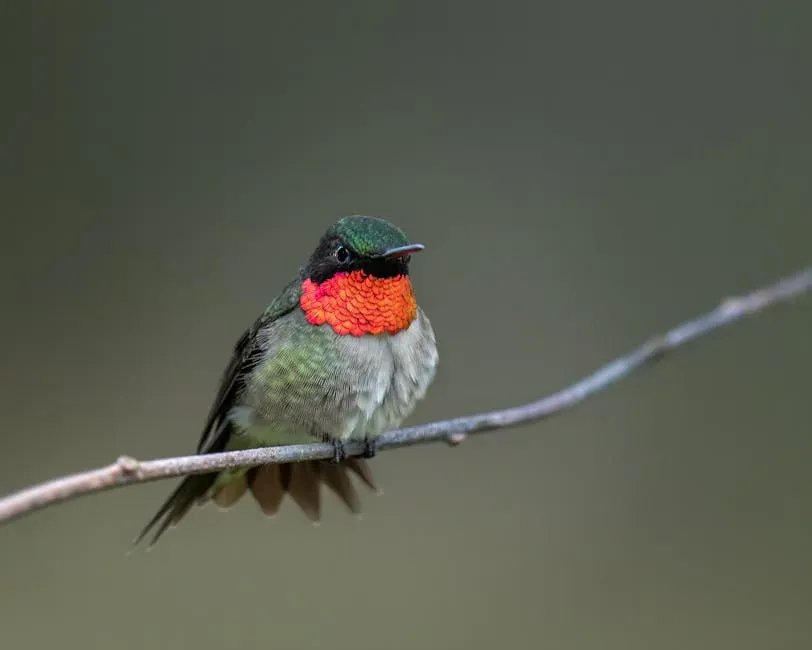
One of the most overlooked pre-departure behaviors is the staggered, gender-based exit. Ruby-throated hummingbirds migrate to and from their summer breeding grounds in waves. The migration period for their trip south to their wintering grounds begins in late July or early August. Mature male hummingbirds are the first to leave. They aren’t involved in raising their offspring, so they leave before the females and young birds.
Males don’t technically arrive first – they depart first. Males leave breeding grounds in late July or early August, establishing territories before females and juveniles follow. This staggered migration ensures males secure prime feeding spots and breeding sites for the next spring season. If you suddenly notice fewer hummingbirds at your feeder and they all seem to look female or juvenile, the males have almost certainly already left. Most gardeners think the population has simply thinned out. In reality, an entire generation of males has already begun their journey south.
#4. They Shift Their Daily Feeding Schedule to Morning and Late Afternoon
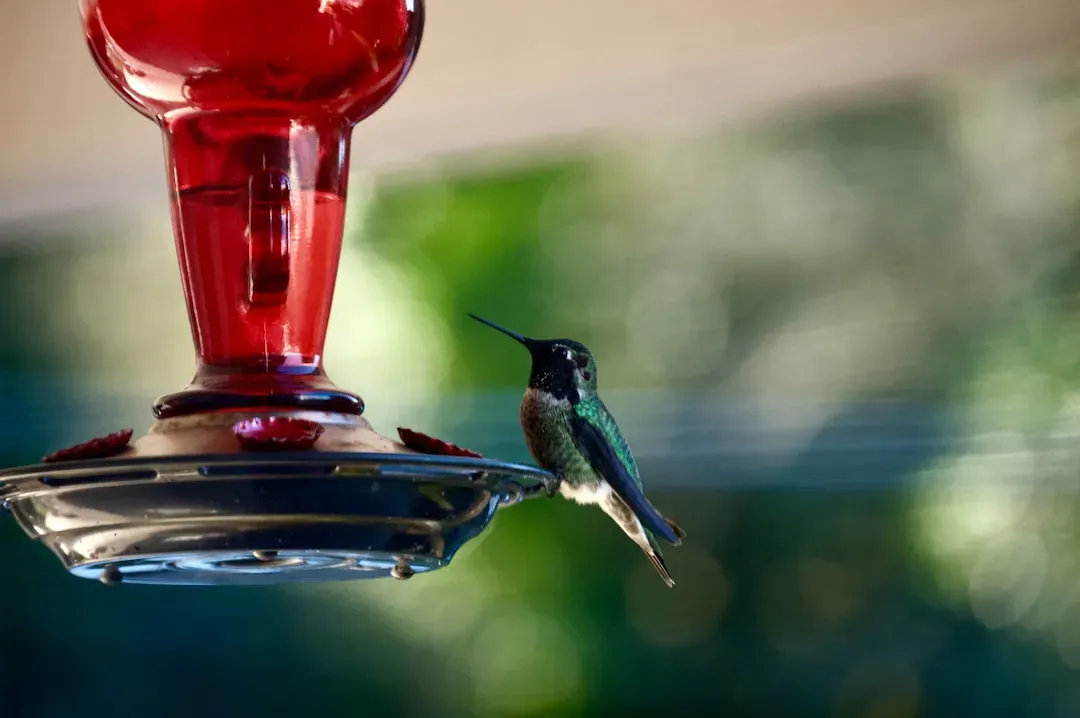
By August and September, hummingbirds are moving south, refueling their bodies in the early morning, traveling midday, and foraging again in the late afternoon to maintain their body weight. This structured daily routine is easy to miss unless you’re paying attention at specific times of day. The hummingbirds aren’t simply eating whenever they feel like it anymore.
This time-driven feeding pattern is strategic. Hummingbirds fly by day when nectar sources such as flowers are more abundant. Flying low allows the birds to see, and stop at, food supplies along the way. The morning and evening feeding surges you notice at your feeder in the final week aren’t random – they’re part of a precisely calibrated daily energy management system. If you’re only checking feeders at midday, you’re almost certainly missing the real action.
#5. Their Territorial Aggression Noticeably Softens
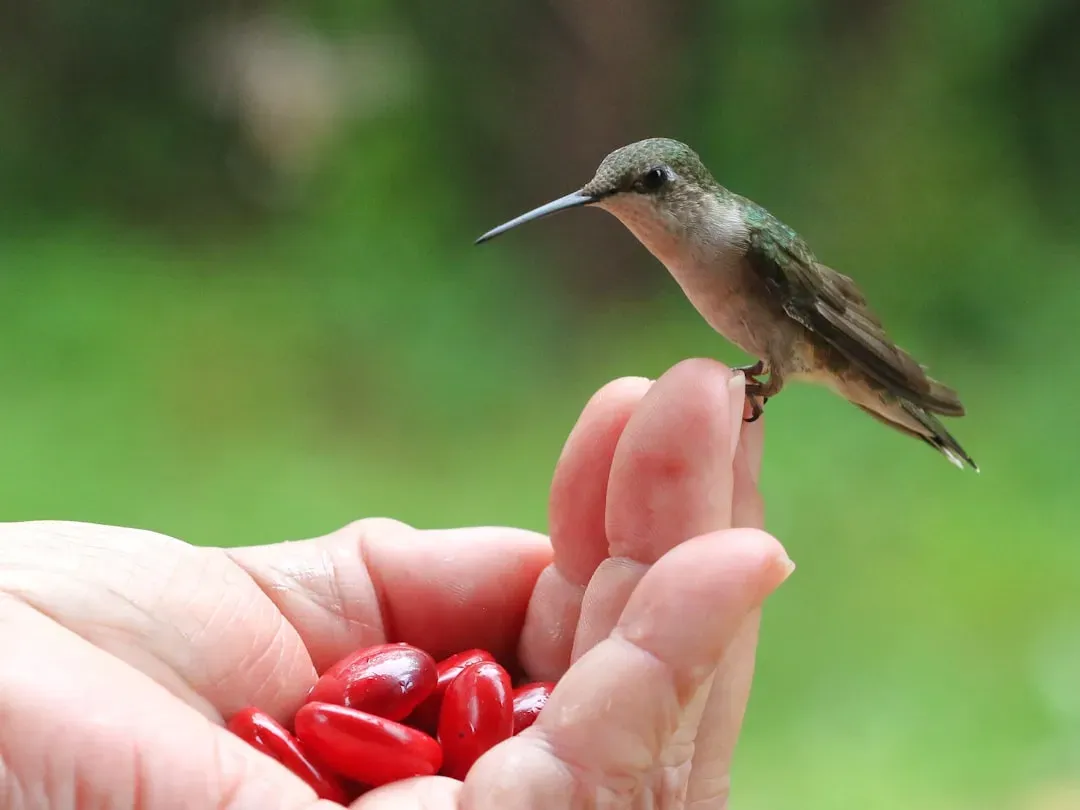
For most of the summer, hummingbirds are fiercely defensive of their feeding grounds. They arrive on their breeding grounds in spring and quickly establish non-overlapping feeding territories from which they drive away intruders, especially rival males. If a bluffing charge attack does not dispel a trespasser, the resident male may engage in a brief but intense physical battle. All that territorial energy, though, starts to fade as departure approaches.
In the breeding period, birds maintain relatively lean body compositions to optimize aerial agility, important for successful courtship displays and competitive interactions that allow them to maintain secure access to food resources. But like most long-distance migrants, ruby-throated hummingbirds substantially increase their body mass prior to migratory departure to fuel their journey. Defending a territory burns calories a bird can no longer afford to waste. You may notice multiple hummingbirds feeding at the same time with far less squabbling – a quiet but telling sign that departure is imminent.
#6. They Respond to Shortening Daylight Hours at a Hormonal Level
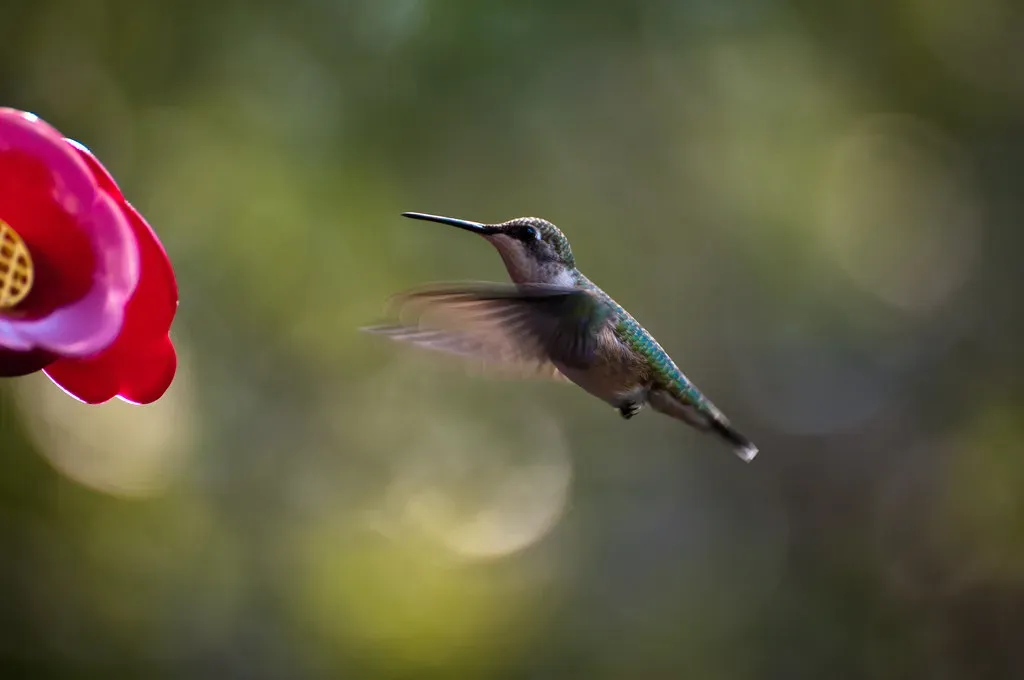
The trigger for all of this behavior isn’t conscious decision-making – it’s biology. The fall migration is triggered by declining day length. As the days grow shorter, chemical changes are triggered in the hummingbirds’ bodies. These changes manifest themselves in hummingbirds going on a feeding binge. This response to photoperiod is one of the most reliable mechanisms in the natural world.
Scientists believe that each hummingbird begins its migration in response to environmental triggers. One trigger is the changing level and angle of sunlight. Another trigger is believed to be a drop in available natural food. As these signals continue to activate, the hummingbird makes its preparations and eventually departs. This is why leaving feeders up in fall doesn’t cause hummingbirds to delay their departure. The urge to leave is written into their physiology, not into the presence or absence of your sugar water.
#7. They Begin Flying Lower and Scanning the Landscape More Carefully
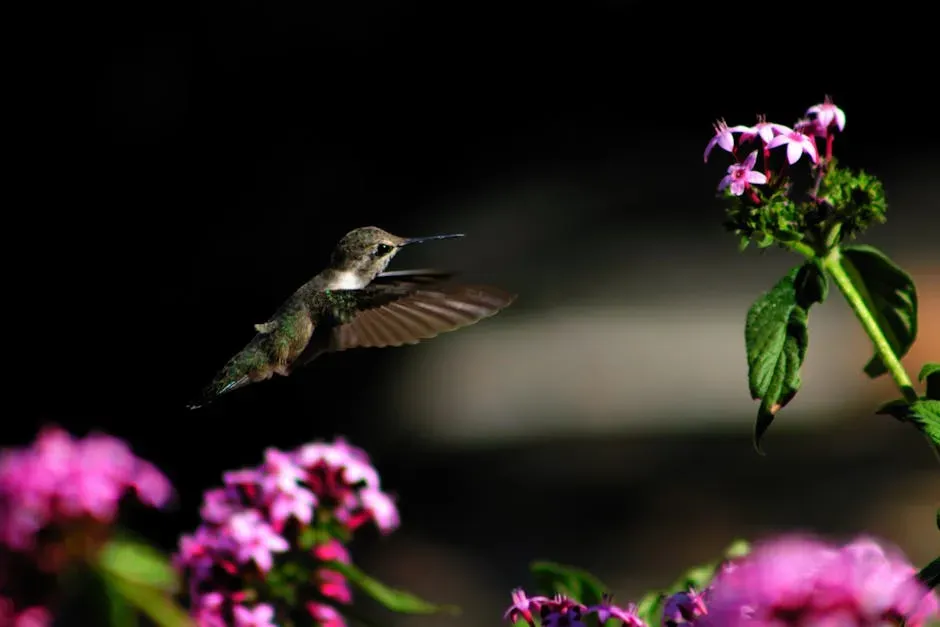
In the days before departure, you might notice hummingbirds engaging in what appears to be purposeful, low-altitude flight around the yard and beyond. They fly alone, often on the same path they have flown earlier in their life, and fly low, just above tree tops or water. This low-altitude behavior isn’t random hovering – it serves a specific navigational function.
Hummingbirds fly by day when nectar sources such as flowers are more abundant. Flying low allows the birds to see, and stop at, food supplies along the way. They are also experts at using tail winds to help reach their destination faster and by consuming less energy and body fat. In those final days, some of this low scanning behavior may reflect the bird’s internal preparation – orienting to landmarks, assessing wind conditions, and essentially running through a pre-flight checklist that no human designed and no bird was ever taught.
#8. They Drink Nectar at an Astonishing Rate – Visiting Far More Flowers
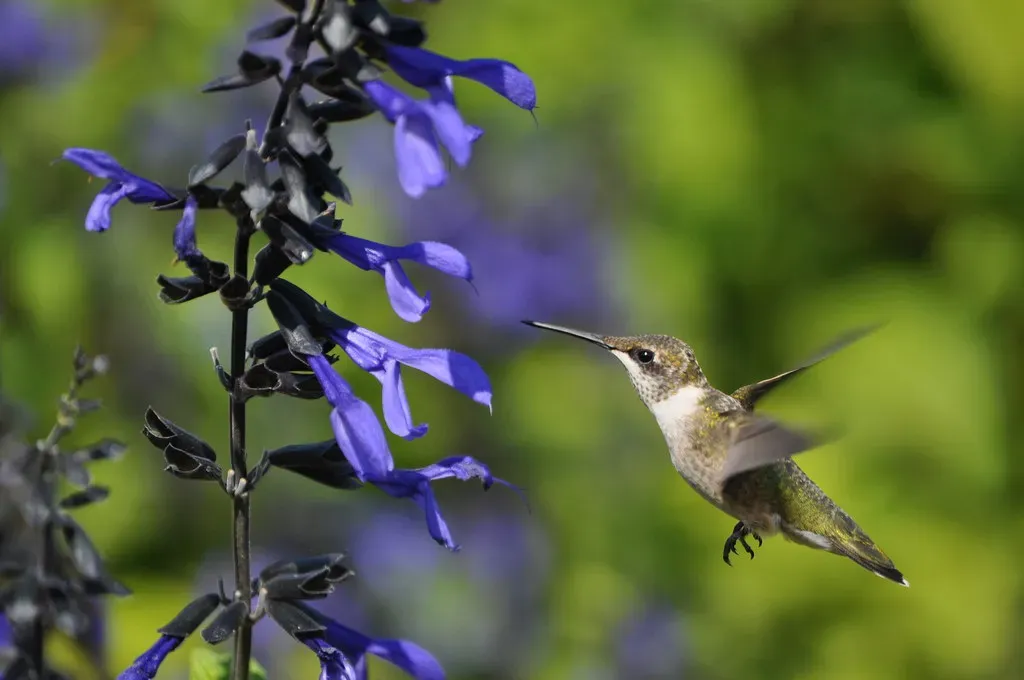
It’s not just that hummingbirds eat more in the pre-departure week. It’s that the sheer volume of visits to individual flowers and feeders becomes striking. To fuel their high metabolism, hummingbirds must eat constantly. They consume up to twice their body weight in nectar each day and also eat small insects for protein. Their high-energy diet allows them to sustain their rapid wing movement, and they visit hundreds of flowers daily to meet their energy needs.
The yellow fat that hummers store from their pre-migration feeding is rich in energy. Fat is also an easy fuel to store. A surprising amount of fat is deposited in pockets of space in the bird’s body and around organs. One area is the wishbone area, near the sternum. Another is along the flanks where the legs attach to the body. Fat stored this way keeps the bird’s weight efficiently spread around. Watching a hummingbird work your garden in those final days is watching a marvel of biological engineering at full tilt.
#9. They Consume More Insects Than Usual for Protein
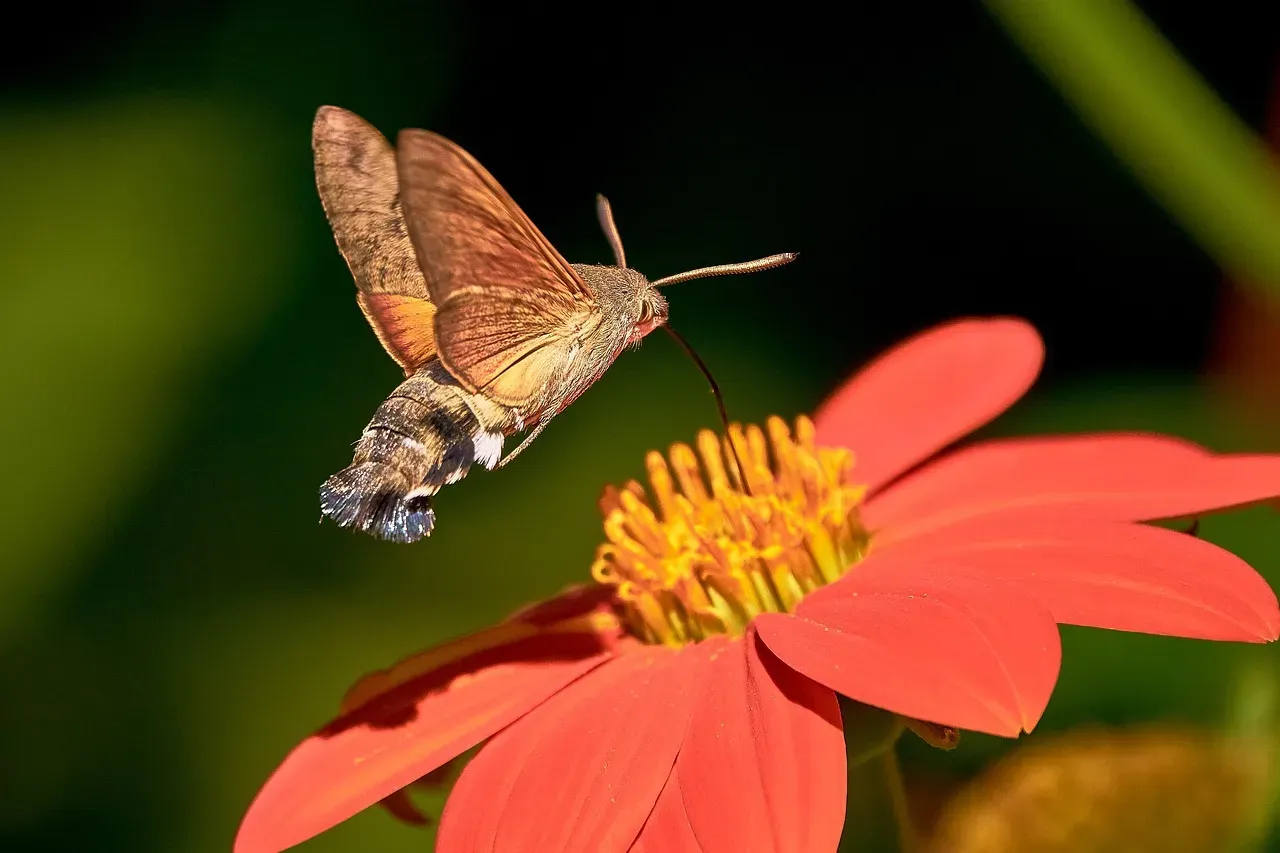
Many gardeners think of hummingbirds as purely nectar drinkers, but the week before departure reveals a more complete picture. Scientists call the pre-migration feeding frenzy hyperphagia. The tiny birds spend more time than usual lapping up nectar and eating insects. The protein from insects plays a critical supporting role in migration preparation, building muscle endurance alongside the fat stores that provide fuel.
You may notice your departing hummingbirds hawking small flies and gnats in mid-air, or probing deep into foliage for spiders and other tiny invertebrates. With the change of the seasons, their primary food sources – bugs for protein and flower nectar for carbs – become scarce, and that signals it’s time to head to warmer regions. The insect-hunting behavior is easiest to spot in the early morning light when small insects are abundant and active near garden plants.
#10. They Enter Deeper Torpor at Night to Conserve the Fat They’re Building
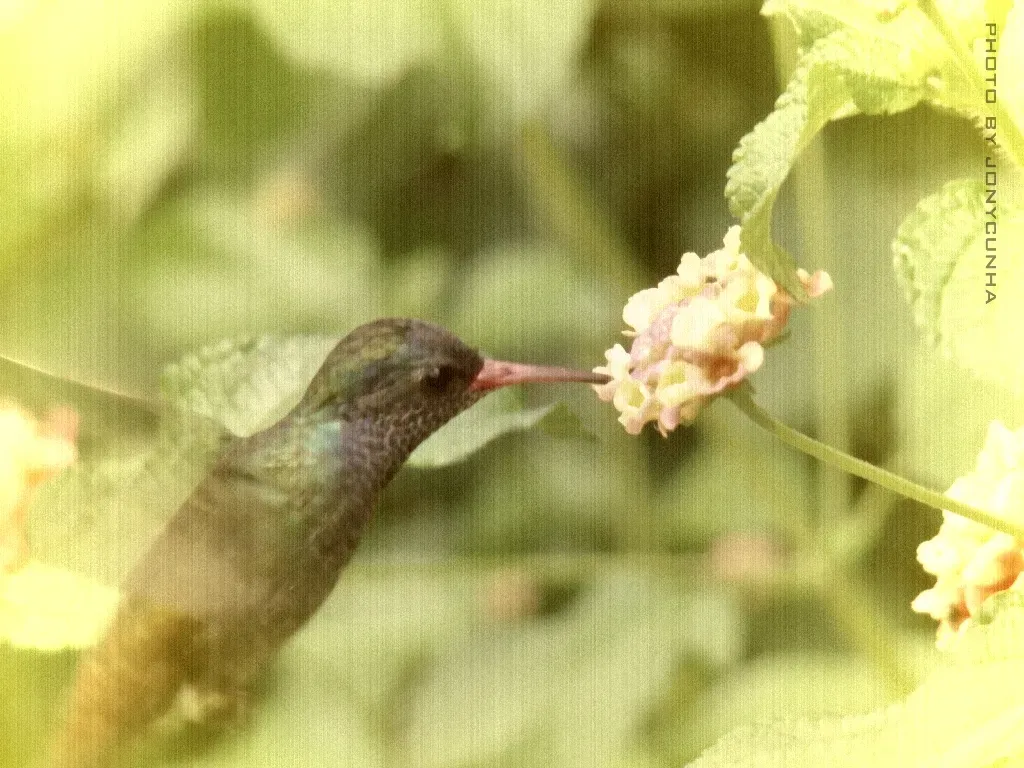
While all hummingbirds use torpor regularly throughout the warm months, the nightly energy-saving state deepens in significance during pre-departure week. To conserve energy when food is scarce and at night when not foraging, they can enter torpor, a state similar to hibernation, and slow their metabolic rate to one-fifteenth of its normal rate. Every calorie not burned overnight is a calorie available for the journey ahead.
The heart rate may slow from 500 beats per minute to fewer than 50, and breathing may briefly stop. Over the years, some concerned observers have reported seeing a hummingbird still and lifeless, hanging upside down on a branch or feeder. No need for worry – just wait and let the hummer come out of this torpor state at its own pace so that no harm is done. If you’re an early riser, you may occasionally witness a hummingbird sitting completely motionless at dawn, not yet warmed up from its nightly torpor. In the morning, a hummingbird has to warm up its body the moment it awakes. To do this, the hummer shivers, making its muscles contract and release rapidly. When a hummingbird’s body temperature is about 68°F (20°C), it takes about an hour for it to warm up enough for normal activity.
#11. They Begin Migrating Solo – No Group Departures, No Visible Goodbye
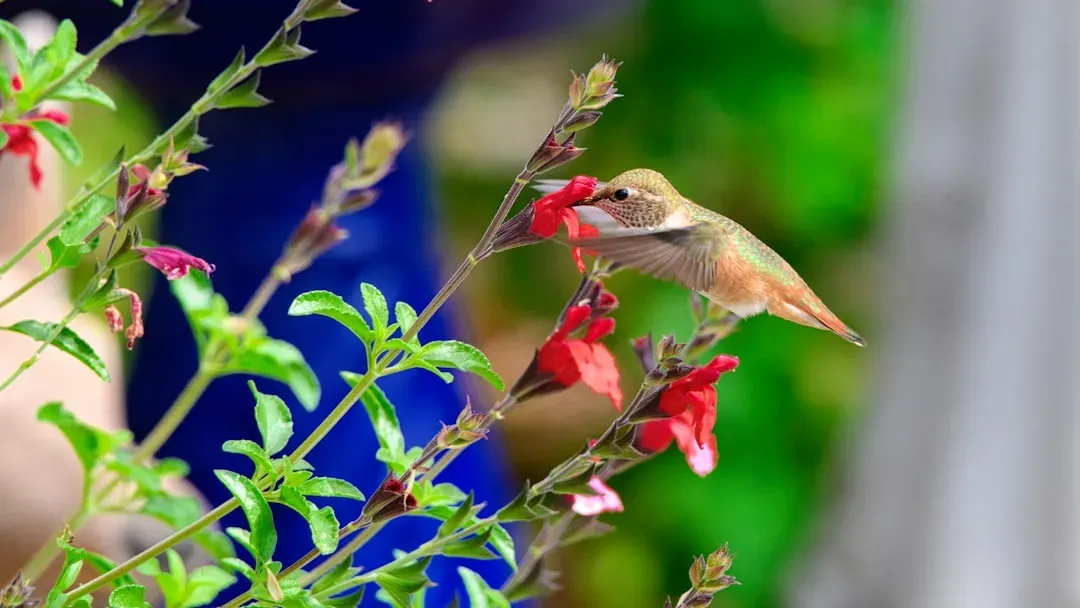
One of the most emotionally disorienting things about hummingbird departure is how solitary and silent it is. Unlike the spring migration where you start noticing hummingbirds arriving in the garden, their departure in fall takes observations over time. You won’t see them depart, of course, but instead simply notice that it has been several days or weeks since you’ve seen one and realize they must have moved on.
Ruby-throats do not travel in flocks during hummingbird migration. Instead, each bird follows its own instincts on appropriate departure times and routes. There’s no gathering, no visible choreography, no moment of collective lift-off. One morning your feeder is busy; a few mornings later, it isn’t. The bird has simply gone – alone, at its own appointed time, answering a call that has nothing to do with what we can see or understand.
#12. Young Birds Begin Their First-Ever Solo Migration With No Guide
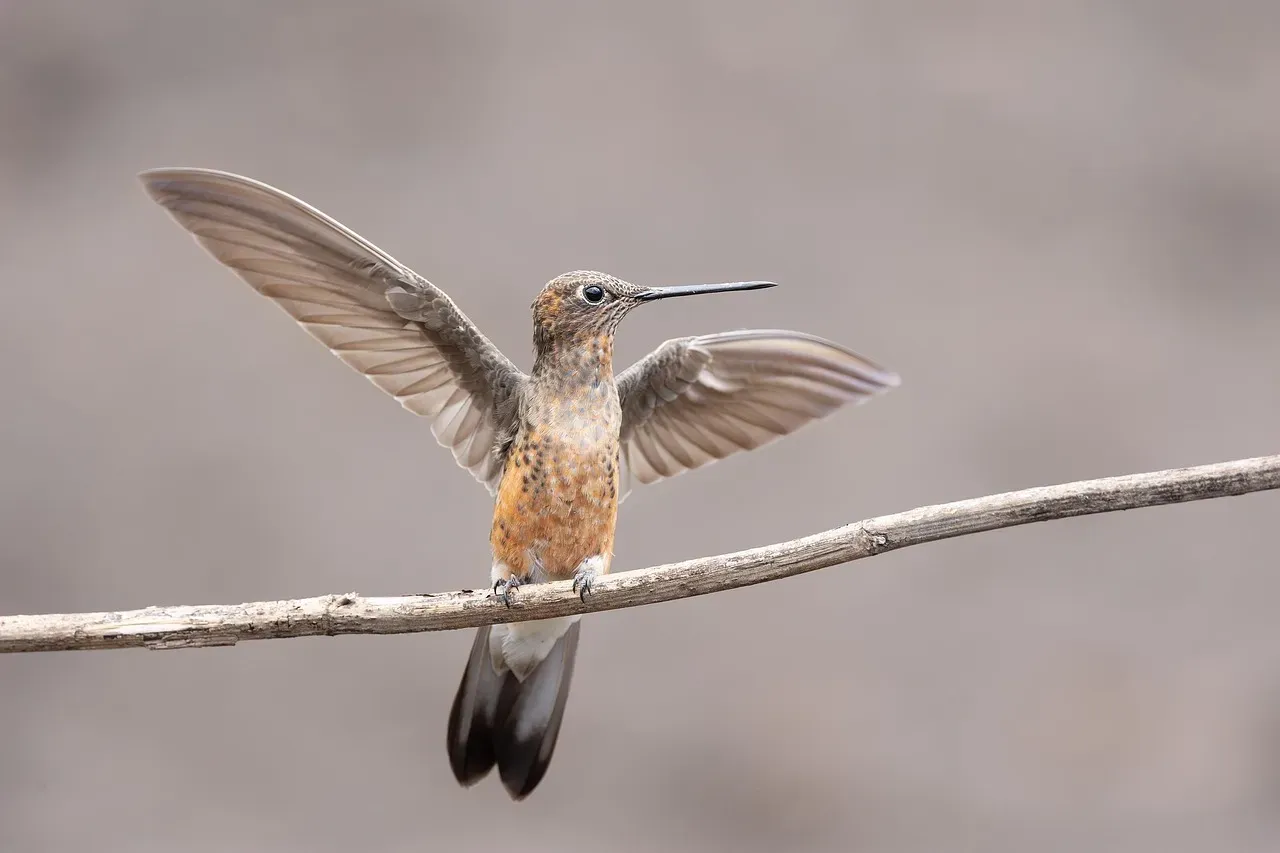
Perhaps the most astonishing pre-departure behavior belongs to the juveniles – birds hatched just weeks before in the very garden you’ve been tending. Lastly, the young hummingbirds begin their migration, for the first time, alone to navigate the long trek to their winter grounds. They’ve never made this trip. They have no parent guiding them, no older bird to follow.
Juvenile hummingbirds have an innate genetic programming that guides their first migration without having learned the route from parents or older birds. Hummingbirds possess an impressive internal compass, likely based on the Earth’s magnetic fields and environmental cues such as the position of the sun. This innate navigation ability guides them through their migratory route without needing the guidance of a flock. Even first-year hummingbirds, which have never migrated before, are capable of navigating thousands of miles on their own. That tiny bird at your feeder in September, looking a little uncertain, is about to perform one of nature’s most extraordinary feats of instinct.
#13. Feeder Activity Surges Then Goes Abruptly Quiet – A Telltale Two-Stage Pattern
Gardeners who keep a close eye on their feeders often notice a distinctive two-stage pattern in the weeks before hummingbirds fully vanish. As the fall migration moves south, you’ll have a burst of activity and then your feeders will sit unused for days. Noting all this activity is an important sign of migration. The burst represents the hyperphagia peak; the quiet is what follows after the birds depart.
August brings lots of activity, when there can be 10 to 20 ruby-throated hummingbirds at a time, with peak numbers in early September when as many as 25 to 40 hummingbirds at a time have been observed as part of the fall migration. If your feeder suddenly needs refilling every day and then goes completely untouched within the same week, you’ve witnessed the full arc of departure behavior in miniature. During the fall migration, it is recommended that hummingbird lovers leave up their feeders for about two weeks after they sight their final bird – just to feed those late-migrating hummers.
#14. They Follow Their Instincts to Return to the Same Route, Year After Year
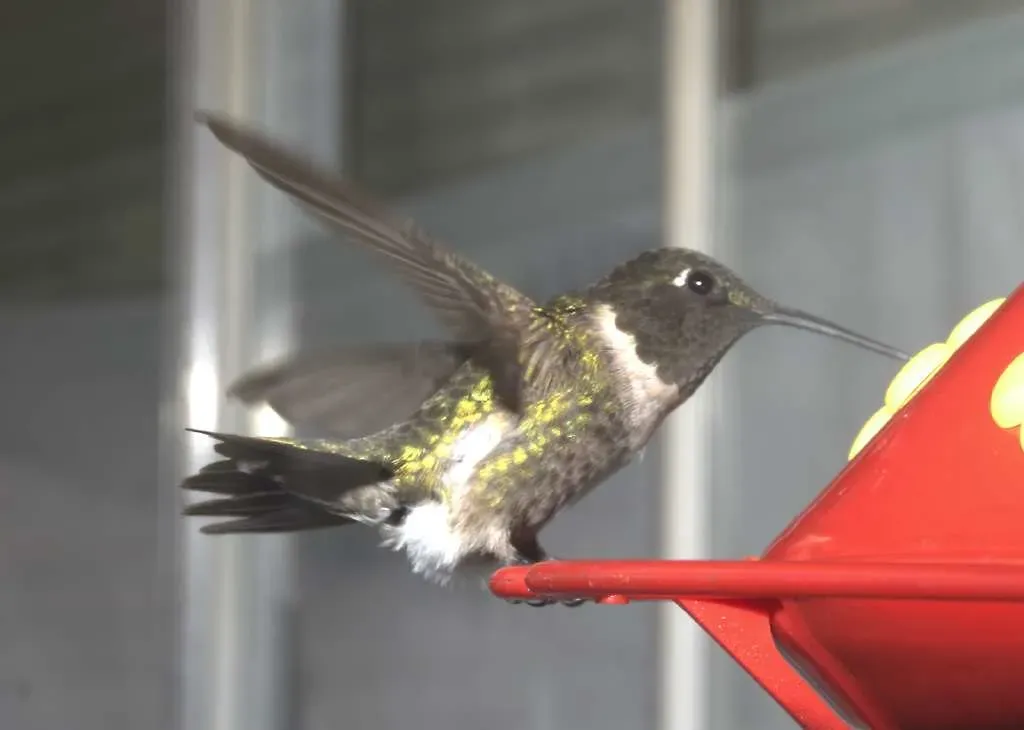
In those final pre-departure days, something else is quietly at work: memory. A hummingbird hatched in the spring instinctively knows where it is going. However, whatever path it chooses for its first migration appears to be the one it will use its entire life. The bird leaving your garden isn’t just heading south – it’s laying down a route that will define its entire migratory identity.
Yes, many hummingbirds are site-faithful, returning to the same breeding and wintering grounds year after year. They often remember specific feeding locations from previous years. Some scientists believe that they will also stop at the same feeders along their route on the same day every year during their migration journey. That hummingbird you’ve been watching all summer may already have a memory of your garden encoded somewhere in its tiny, remarkable brain. Which means that if you keep your feeder clean and filled next spring, there’s a real chance you’ll see the very same bird again.
A Quiet Season’s End – and Why It Deserves More Attention
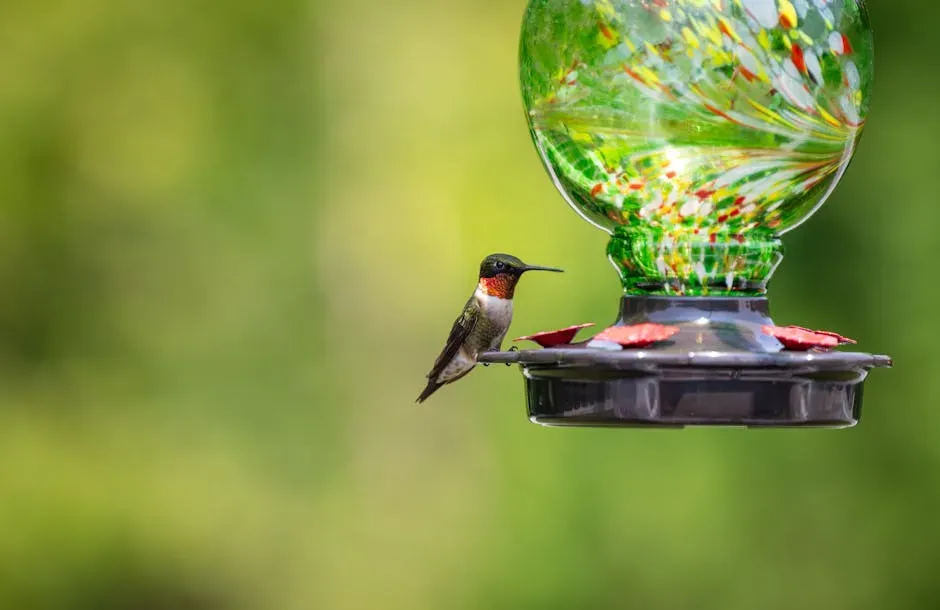
Most gardeners experience hummingbird departure as a small absence that slowly registers. The feeder sits untouched for a few days, then a week, and eventually someone takes it down without marking the occasion. That’s understandable. But knowing what’s actually happening in those final days – the hyperphagia, the hormonal shifts, the solo navigation of birds who’ve never seen a map – changes the texture of the experience entirely.
There’s something genuinely worth pausing for in the week before hummingbirds disappear. These birds aren’t simply leaving. They’re executing one of the most physiologically and instinctively complex performances in the natural world, right there among your flowers and feeders, with almost no audience. The gardeners who do catch it tend to describe a lasting sense of quiet amazement. Not wonder in an overwrought sense – just the clean, specific feeling of having paid attention to something real. That, in itself, seems like a fair exchange for a summer’s worth of nectar.

- 6 Exotic Bird Species You Can Spot in U.S. National Parks - July 19, 2026
- 11 Iconic American Birds Facing New Challenges and How You Can Help - July 19, 2026
- 10 Friendliest Animals in the World - July 19, 2026