

Traveling after 50 isn’t what it used to be, and that’s precisely the point. It looks nothing like the rushed weekend getaways of earlier decades, squeezed between school pickups and quarterly reviews. What it looks like now is deliberate, unhurried, and deeply personal. The numbers back this up entirely.
According to the AARP 2026 Travel Trends report, nearly two thirds of adults age 50 and older expect to travel in 2026, and actual travel once again outpaced expectations in 2025, when older adults took an average of 4.2 trips compared to the 3.6 they had originally planned. That gap between intention and reality isn’t confusion. It’s enthusiasm.
Reason 1: You Finally Have the Time to Travel the Right Way

Traveling in your twenties and thirties often came with an invisible countdown clock. You had to see everything, do everything, and return to the office on Monday. That kind of urgency doesn’t produce depth. It produces exhaustion and a stack of blurry photos.
After 50, the dynamic shifts. With no young children and often no mortgage or large housing costs to consider, the over-50s have more to spend on the things they love, and for many, this includes travel. More importantly, they have more time to actually inhabit a place rather than race through it.
Many travelers in this age group are redefining what a city break means by seeking more in-depth cultural experiences rather than surface-level sightseeing, drawn particularly to cities with rich historical legacies, renowned museums, vibrant art scenes, and diverse culinary offerings. Some spend weeks in a single city, enrolling in local cooking classes, attending theater performances, or joining guided historical tours that go beyond the typical tourist trails. That level of immersion simply isn’t possible when you’re rationing five vacation days a year.
Reason 2: Travel Has Measurable Benefits for Your Mind and Body
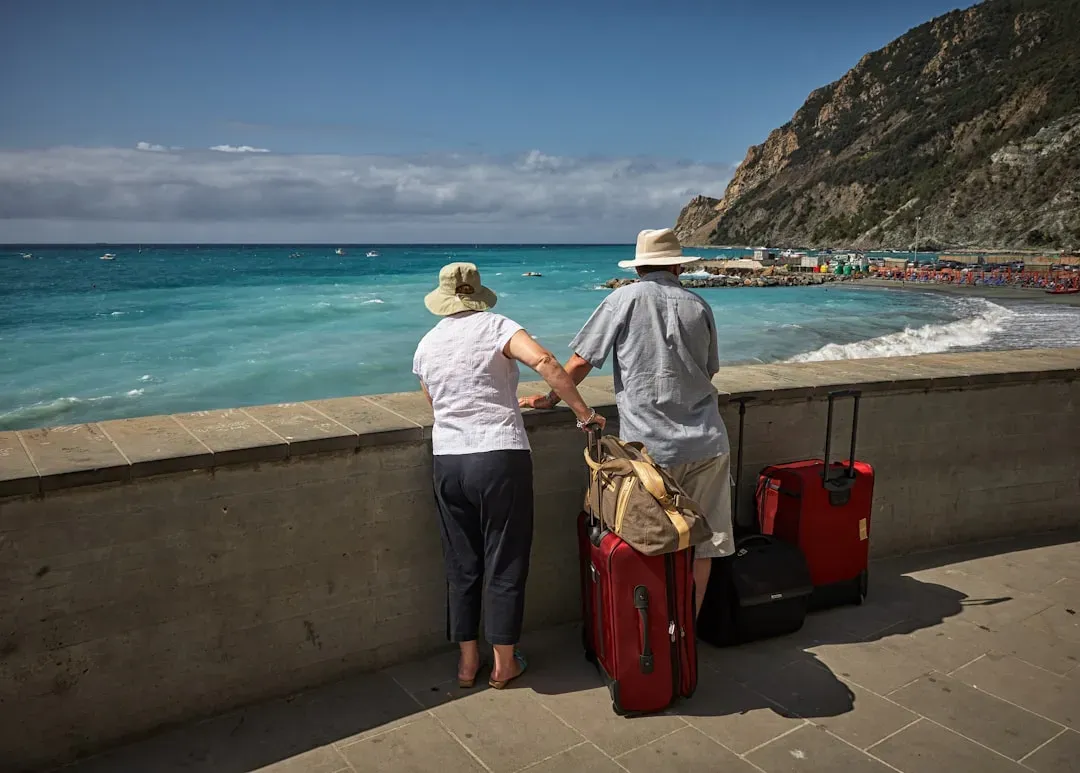
This isn’t a feel-good claim. The research on travel and older adults is growing steadily, and the findings are striking. There is agreement among travel and tourism researchers that regular travel participation benefits older adults by helping them maintain their physical and mental health, promoting longevity, and contributing to successful aging.
Long-distance travel typically involves less familiarity with the destination, requiring greater physical, mental, and cognitive engagement, and research finds that long-distance travel is specifically associated with higher cognitive function and fewer depressive symptoms. That’s a meaningful finding for anyone paying attention to brain health as the years progress.
While spending time with family and friends is the top motivation for travel, respondents in the AARP survey also noted the positive effects travel has on their overall health. Eighty-five percent agree travel is good for their physical health, while 95 percent say travel is good for their mental health. Nearly everyone. That’s not a marginal benefit. That’s a near-universal one.
Reason 3: Bucket List Travel Becomes Personal, Not Performative

In earlier life, travel was often shaped by what looked good, what was affordable, or what friends were doing. After 50, that changes. Trips stop being about external approval and start being about things that actually matter to you. There’s a real clarity that comes with that shift.
By 50, many travelers are ready to pursue experiences they’ve dreamed about for years, sometimes decades. These are not impulse trips. They are journeys that reflect long-held passions or lifelong curiosity, such as seeing the Northern Lights, walking through the ruins of Machu Picchu, visiting ancestral homelands, or exploring historic European cities. These experiences resonate deeply because they’re tied to memory, identity, or personal growth.
Intent to add international travel to the mix is increasing, with bucket list trips making up roughly one in five international trips planned in 2026. While travel to Europe, Latin America and the Caribbean continues to top international destinations, trips to Asia and the Middle East have surged from around ten percent of planned international trips to 18 percent in 2026. People are reaching farther, not pulling back.
Reason 4: Multigenerational Travel Creates Connections That Last

One of the quieter revelations of traveling after 50 is what it does for relationships. Whether it’s a road trip with adult children, a beach week with grandchildren, or a heritage journey with a sibling, trips at this stage of life carry a weight of meaning that younger travel rarely does. You’re not just going somewhere. You’re building something shared.
Family remains at the heart of leisure travel for adults over 50, with family and multigenerational trips continuing to be among the most common and most meaningful types of travel, valued for strengthening bonds, creating shared memories, and even helping manage costs and caregiving needs. These trips are often annual traditions, bringing multiple generations together around a single destination.
According to a survey by the Family Travel Association, New York University, and Edinburgh Napier University, more than half of families planned to take a multigenerational trip within a recent year. Seventy-six percent of grandparents said the top reason for taking a trip with their children and grandchildren is that it’s a great way to bond as a family, while nearly two thirds enjoy spending extended time with their grandchildren. The data reflects something many families already feel intuitively.
Reason 5: Older Travelers Are Better Equipped Than Any Previous Generation
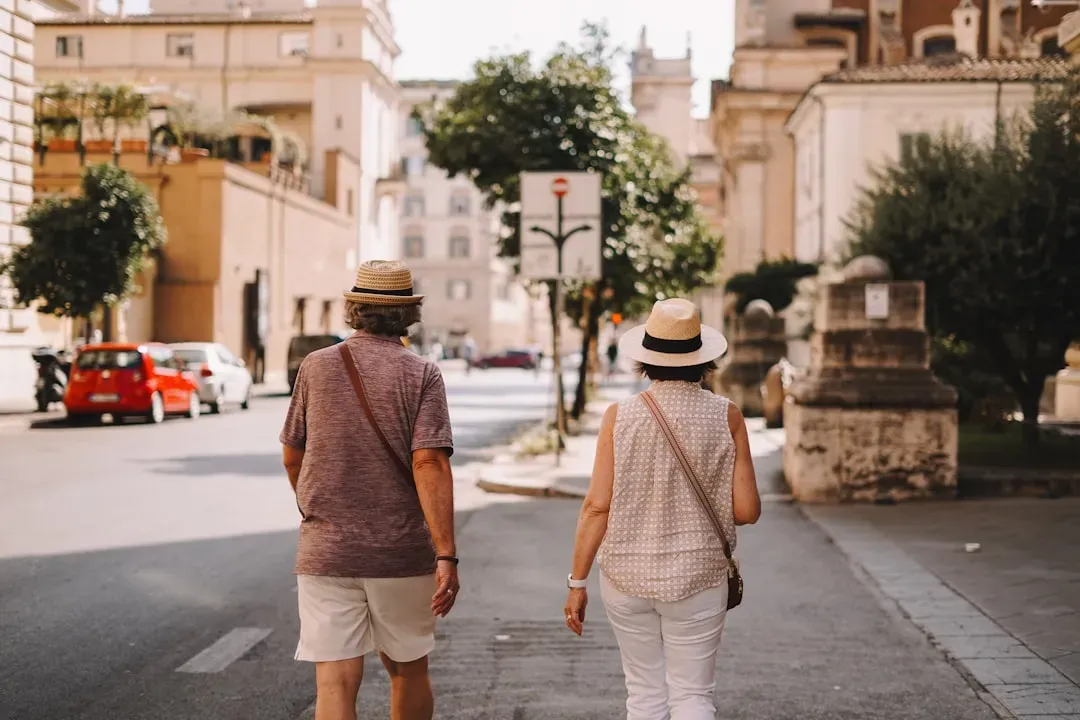
The practical landscape of travel for people over 50 has changed enormously. Tools, resources, and the travel industry itself have adapted to serve this demographic in ways that simply didn’t exist a generation ago. Today’s retirees are embracing travel with a renewed sense of purpose and adventure, seeking out more enriching experiences that offer personal growth and wellness benefits.
Despite cost concerns, nearly two thirds of adults 50 and older plan to travel, with anticipated trip volume on the rise. Rather than pulling back, travelers are adapting, planning earlier, comparison shopping, and leaning on loyalty programs and digital tools to stretch their travel dollars. The share of older adults using AI tools to find travel deals has doubled in a single year, rising from roughly one in twelve to one in six. These are not hesitant travelers. These are strategic ones.
Importantly, research underscores that health considerations and accessibility needs do not deter travel among the 50-plus population. They shape how people travel, not whether they do. That distinction matters. It means travel after 50 is about adaptation, not retreat.
The Deeper Shift: Experience Over Accumulation
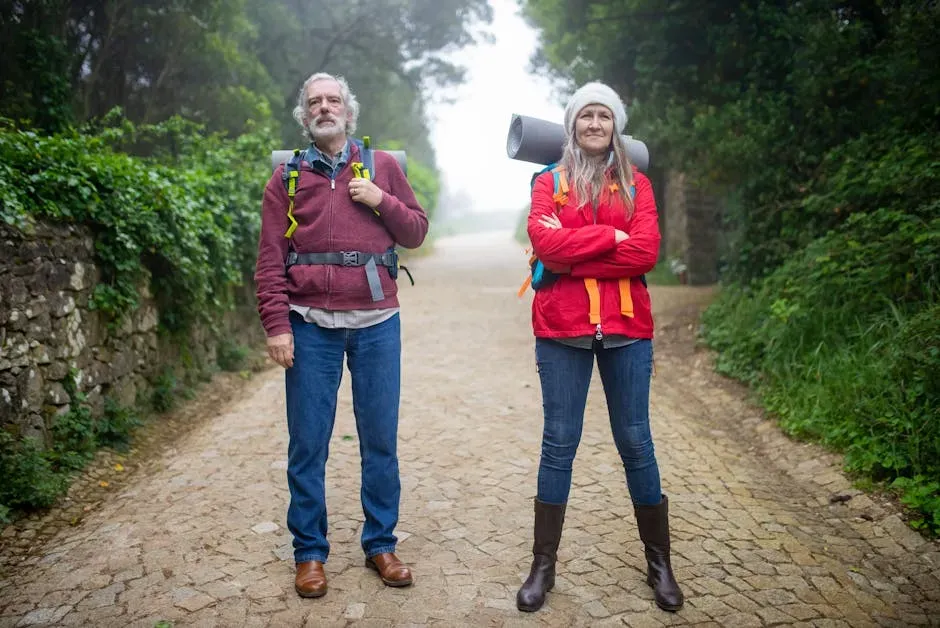
There’s a reason that researchers, economists, and travel planners all point to adults over 50 as one of the most engaged traveler groups on the planet right now. Americans aged 50 and older spend over 236 billion dollars annually in leisure travel. That figure reflects more than purchasing power. It reflects genuine priority.
Travel experiences for people in this life stage enhance personal growth and enrichment, along with the opportunity to connect with other lifelong learners. They allow for intellectual engagement, skill development, and the fulfillment of educational goals, helping people live rich and meaningful lives.
Research shows that tourism can help older adults optimize their functional abilities and maintain quality of life through physical, cultural, sporting, and recreational activities, social participation, nutrition, and positive emotions, thereby extending their healthspan. That’s a compelling case, and it’s built on evidence, not nostalgia.
Conclusion: The Best Travel of Your Life May Still Be Ahead

There’s a common narrative that travel is a young person’s game, that the best adventures happen before responsibilities pile up. The evidence says otherwise. Traveling after 50 tends to be slower, richer, more intentional, and more honest about what actually matters to the person doing it.
Leisure travel remains a top priority for adults age 50 and over according to the AARP 2026 Travel Trends survey, with nearly two thirds of respondents planning to travel in 2026 even amid economic uncertainty. That resilience isn’t stubbornness. It’s a generation that has learned, often the hard way, that time is finite and that waiting is rarely the safer choice.
The trips you take after 50 are different because you are different. You know what you want, what you can leave behind, and what’s worth the effort. You’ve earned the right to travel on your own terms. The only real question is where to go first.

- The Crow’s Mind: How These Birds Use Tools Better Than Some Humans - July 31, 2026
- 10 Flowers Associated With Christmas - July 31, 2026
- The Deep Ocean’s Most Mysterious Creatures Are Finally Revealing Their Secrets - July 31, 2026