
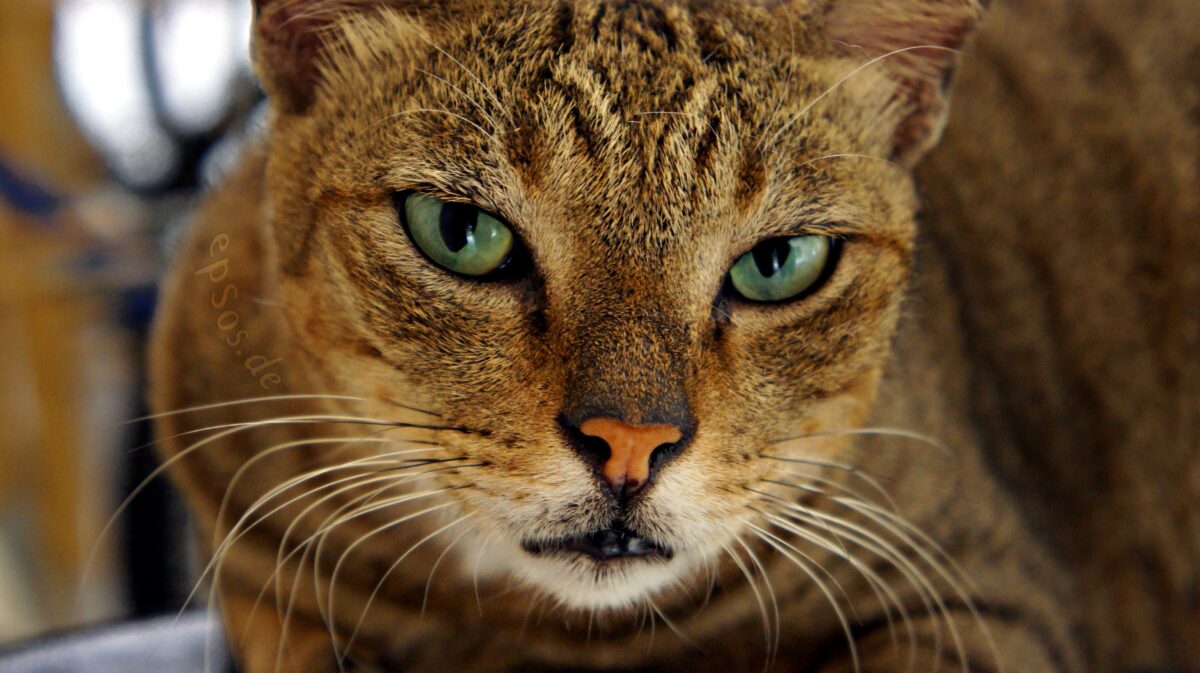
There’s something quietly revealing about the animals we gravitate toward. Most people feel a vague appreciation for nature’s creatures, but for some, wild cats occupy an entirely different category. Lions, tigers, leopards, cheetahs – they don’t just inspire admiration. They create a pull. A recognition, almost. Something that feels less like admiring a distant predator and more like looking into a mirror with teeth.
Psychological research suggests that our affinity for a specific species is often a mirror of our innermost selves. The same logic extends well beyond pets and domestic preferences. Those drawn specifically to wild cats – the apex felines, untamed and unapologetically themselves – tend to share a cluster of psychological traits that, when you line them up, tell a coherent story about who they are, how they move through the world, and what they quietly value. So what does that pull really say about you?
#1. You Have a Deeply Independent Streak
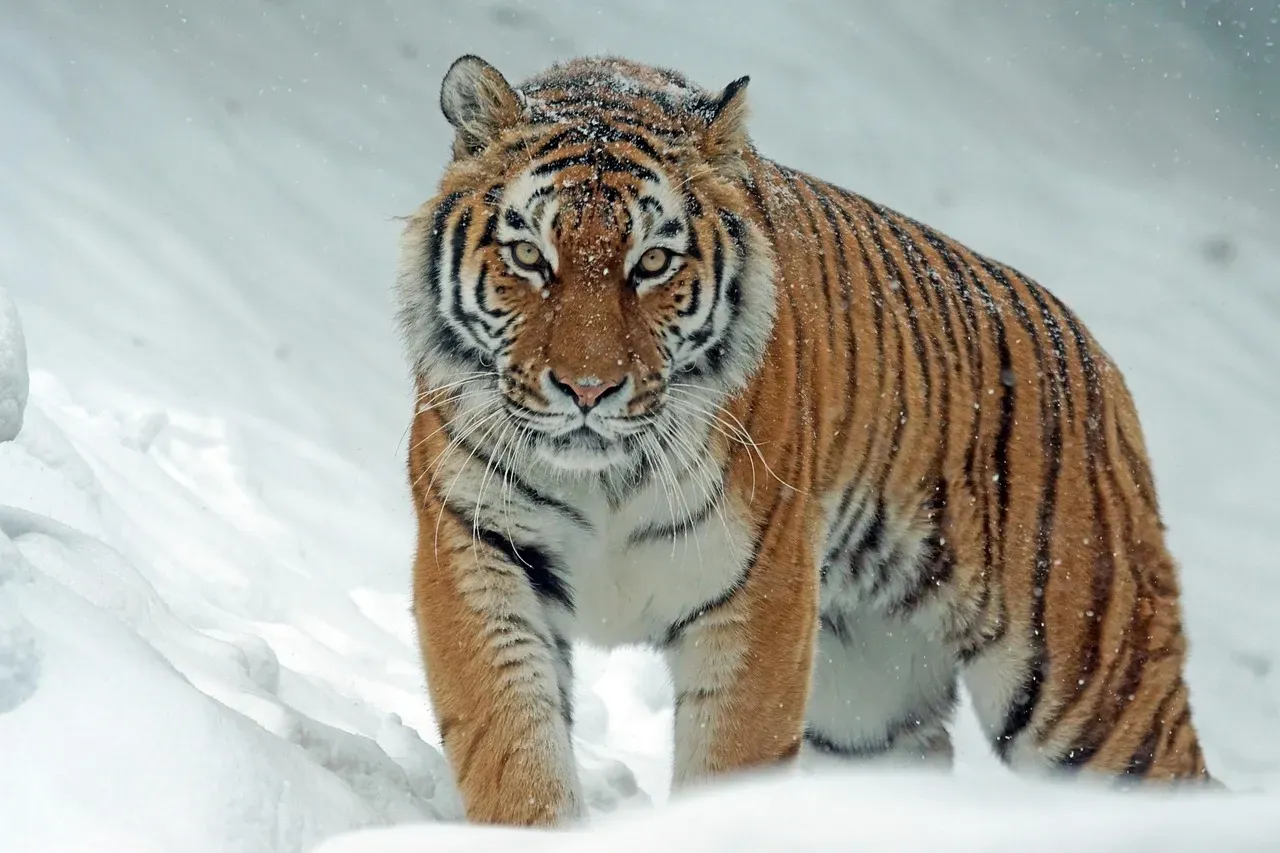
Wild cats are the definitive symbols of self-sufficiency. Tigers, for instance, are solitary and territorial animals. They don’t wait to be invited, they don’t form committees, and they certainly don’t compromise their territory to keep the peace. People who feel a strong affinity for these animals often carry a version of that same energy.
Studies have shown that people who prefer cats often have non-conformist personalities. They value their independence and aren’t afraid to challenge societal norms. When scaled up to wild cats specifically, that tendency intensifies. You’re likely someone who makes decisions on your own terms, sets your own pace, and finds prolonged dependence on others genuinely uncomfortable.
With their well-deserved reputations as creatures of comfort, wildcats jealously guard their independence while indulging in the finer things in life. Attractive, solitary, creative and curious, these individuals are quite happy to observe the world from a distance. This isn’t aloofness for its own sake. It’s a preference for depth over noise, and for meaningful engagement over constant availability.
#2. You Score High on Openness to Experience
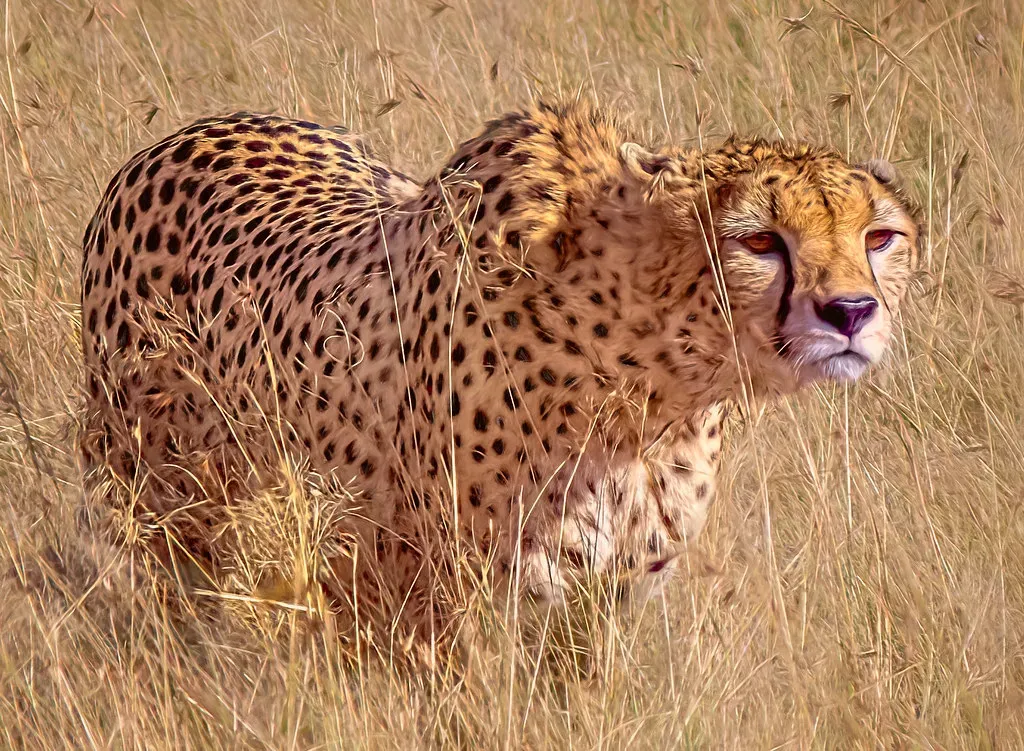
The psychological trait most consistently linked to people who feel a strong connection with the natural world, including its most powerful creatures, is openness to experience. Both connectedness to nature and connectedness to humanity shared Openness to Experience and Honesty–Humility as their main personality correlates. It appears that nature lovers are more likely to be believers in one human family, and that high levels of Honesty–Humility and especially Openness to Experience characterize such people.
Openness to Experience reflects a person’s level of imagination, curiosity, intellectual depth, and preference for variety. Individuals scoring high enjoy novelty, abstract thinking, and art, while those scoring low prefer routine, tradition, and practicality. A fascination with wild cats fits comfortably within this profile. These are not simple, predictable animals. They’re complex, layered, and capable of surprising behavior – exactly the kind of subjects a high-openness mind finds compelling.
Cat lovers often exhibit high levels of Openness to Experience, suggesting a mind filled with curiosity and a love for exploring new ideas. The attraction to wild cats, in particular, often goes hand in hand with a broader curiosity about the natural world, ecosystems, and how living things actually work beneath the surface. It’s the same impulse that drives people toward documentary marathons at midnight or deeply researched rabbit holes on animal behavior.
#3. You’re Likely More Creative Than the Average Person
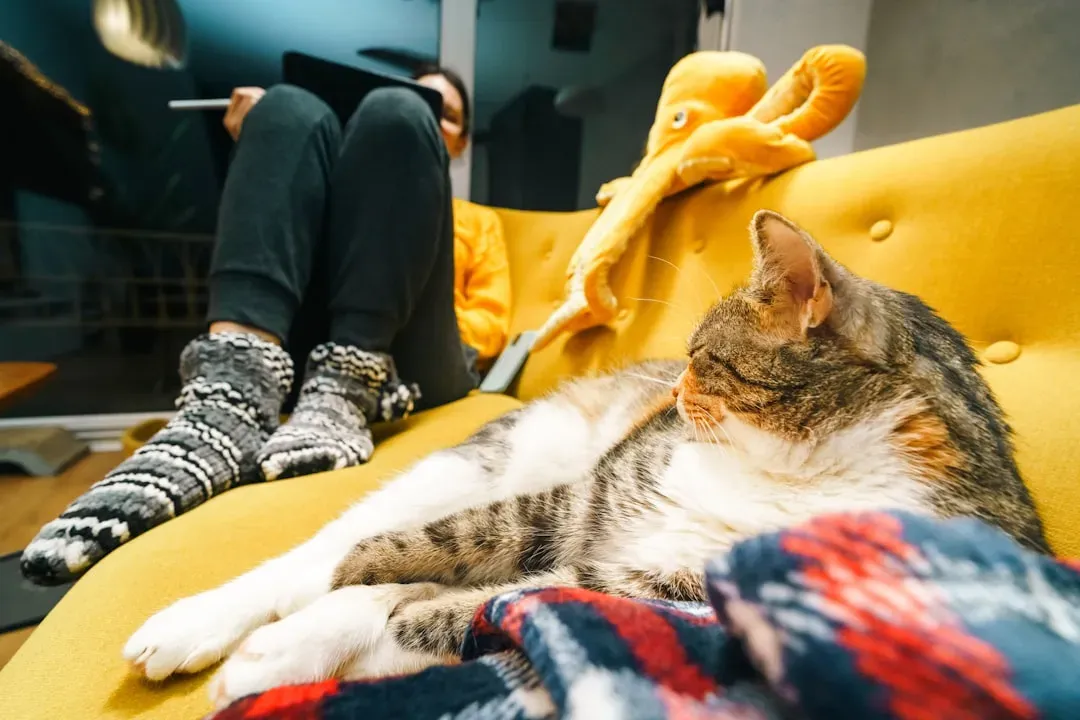
There’s a meaningful overlap between the personality traits associated with creativity and those found in people drawn to wild, solitary animals. Psychology backs this up, suggesting that cat lovers are often more creative than dog lovers. They’re seen as imaginative, open-minded, and more likely to think outside the box. That finding, while rooted in domestic cat preference research, aligns with a broader pattern in personality psychology.
Within the Big Five personality structure, Openness to Experience, defined as the disposition to be original, imaginative, intellectually curious, and open to new ideas or experiences, is undoubtedly the most important trait to creativity – past research has consistently shown that Openness is a positive predictor of creativity across a multitude of measures in diverse domains. Since affinity for wild cats correlates strongly with high openness, it follows naturally that creative tendencies cluster in the same people.
Emotional sensitivity, impulsivity, and preference for complexity combined with forcefulness and independence summarize the quintessential creative person. Intelligence, inquisitiveness, openness to experience as well as to emotions, aesthetic sensitivity, flexibility of thinking, and love of creation for creation’s sake are additionally important personality characteristics. Sounds like someone who might also spend an hour watching slow-motion footage of a leopard mid-leap and call it research.
#4. You Respect Boundaries – Your Own and Everyone Else’s
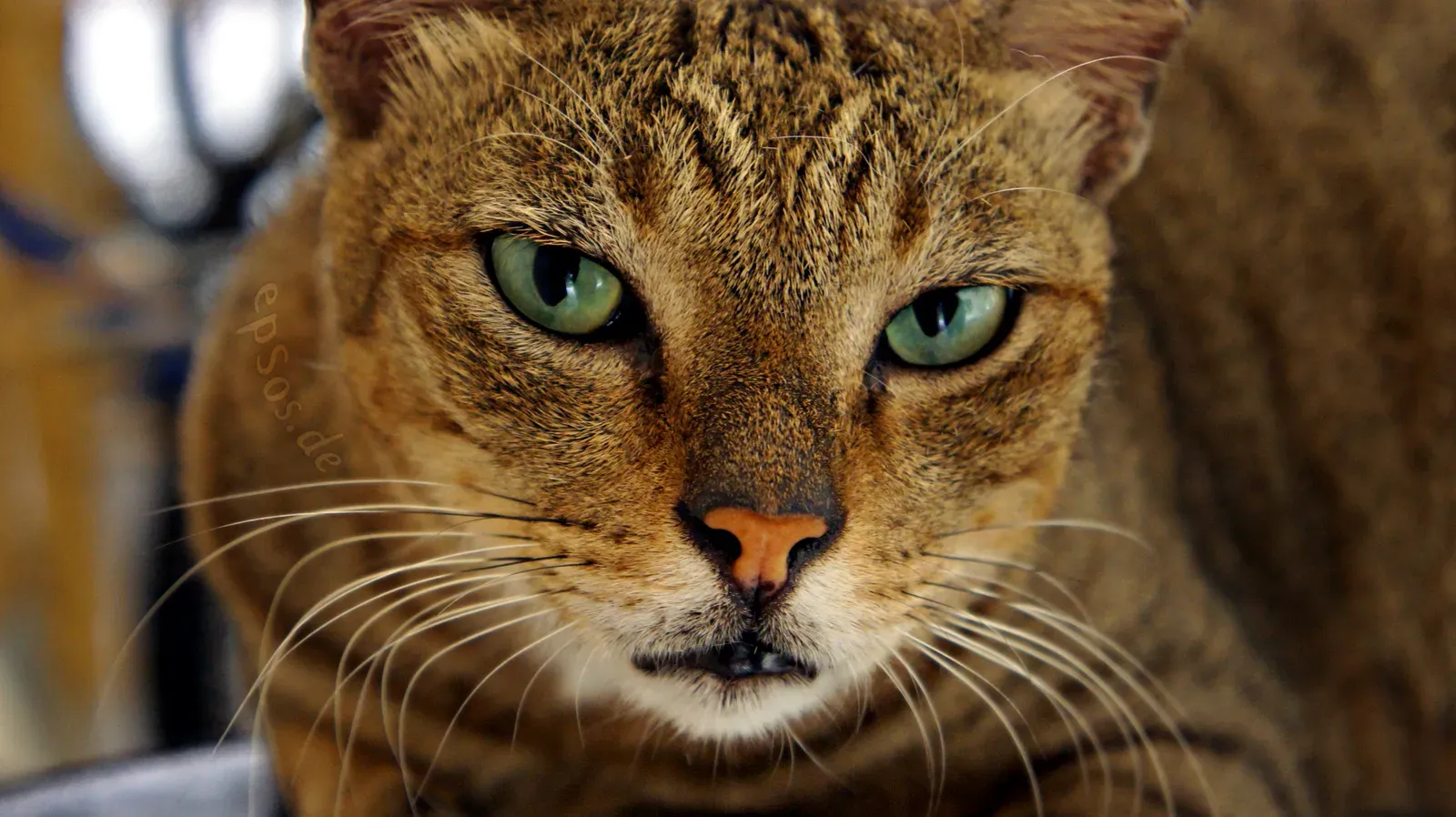
Wild cats are precision animals. As apex predators, these animals rely on a sophisticated blend of visual communication, body language, vocalizations, and scent marks to navigate their world. They communicate clearly, hold firm territory, and rarely expend energy on unnecessary conflict. Big cats rarely waste energy on unnecessary fights. They mostly use body posture and visual communication to resolve tension and avoid conflict long before any claws or teeth are involved.
People who admire these qualities in wild cats frequently mirror them in their own lives. Cats won’t compromise their nature just to please others, a trait that mirrors cat owners. You likely have clear psychological boundaries, know how to maintain a healthy distance in relationships, and aren’t afraid to say “no” to unreasonable requests. You aren’t one to follow the crowd; you care more about whether an action aligns with your personal values than whether it fits a social mold.
This isn’t about coldness. It’s about self-knowledge. People drawn to wild cats tend to understand, perhaps more than most, that respecting the space between individuals is not a sign of emotional distance but a sign of maturity. They give others room to be themselves and quietly expect the same in return.
#5. You Feel a Genuine, Rooted Connection to the Natural World
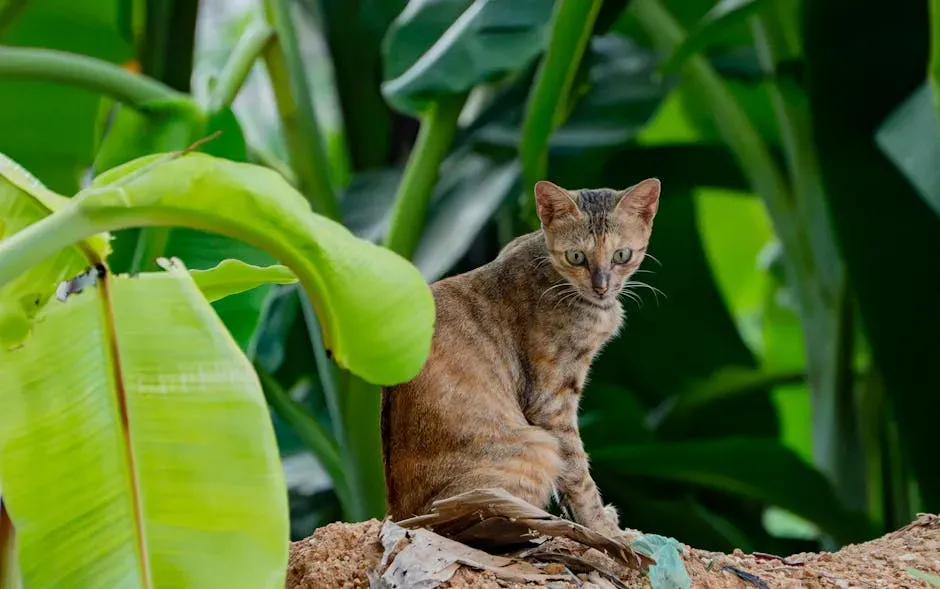
Admiring wild cats often isn’t just aesthetic. For many people, it’s tied to something deeper: a felt sense of belonging to the natural world rather than simply observing it. Several widely used conceptualizations of connection to nature build on Wilson’s biophilia hypothesis, which states that humans have an inherent affinity for nature. Those drawn to wild cats often feel this affinity acutely.
Human-animal interactions can be beneficial for humans in a number of ways, and interactions with wild animals may contribute to human mental wellbeing, partly through nature connectedness. For people fascinated by wild cats specifically, this connection tends to be tied to something they sense in the animal’s very existence: a creature that is fully, unapologetically itself. That integrity – the idea of a being that has never been asked to be anything other than what it is – resonates deeply.
Previous research has established the link between cognitions like creativity and personality traits such as openness to experience, with the trait of openness to experience associated in turn with connectedness with nature. The person who feels moved by a tiger’s solitude in the forest or a lion’s quiet authority at sunrise is not projecting fantasy. They’re experiencing a form of recognition. Something in those animals speaks to something in them – and that recognition, research increasingly suggests, is a real psychological phenomenon.
Conclusion
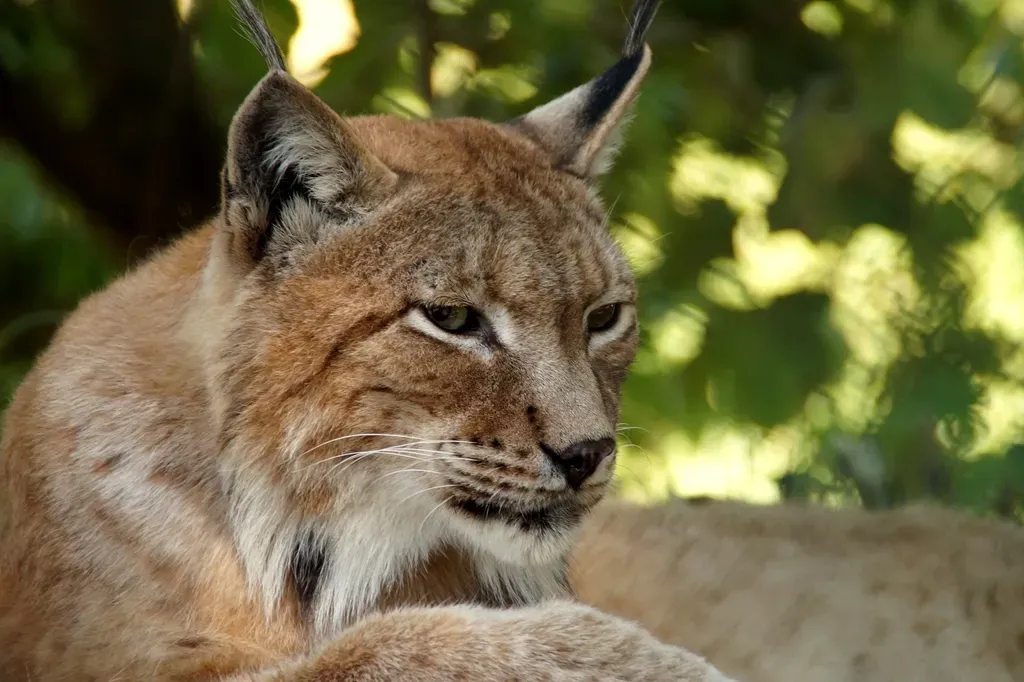
Taken together, the personality portrait of someone drawn to wild cats is surprisingly coherent. You tend to be independent, curious, creatively minded, boundaried in meaningful ways, and genuinely connected to the natural world at a level that goes beyond casual interest. These aren’t random traits – they form a consistent psychological profile, and the research supports each thread.
It’s worth being honest about the limits here, too. Attraction to wild cats is one signal among many. Personality is never reducible to a single preference, and people are always more complicated than their affinities suggest. Still, it’s notable how consistently these traits cluster.
What wild cats represent – autonomy, precision, intensity, and an absolute refusal to be domesticated – seems to matter deeply to the people who love them. Maybe what that pull is really telling you is something worth taking seriously: that somewhere in your own nature, those same qualities are waiting to be honored rather than quietly tamed.

- The Dog Breed That Mirrors Your Zodiac Sign - July 19, 2026
- 7 Ways Cats Show They're Secretly Annoyed With You - July 19, 2026
- What Small Dog Breed Are you According to Your Zodiac Sign - July 19, 2026