
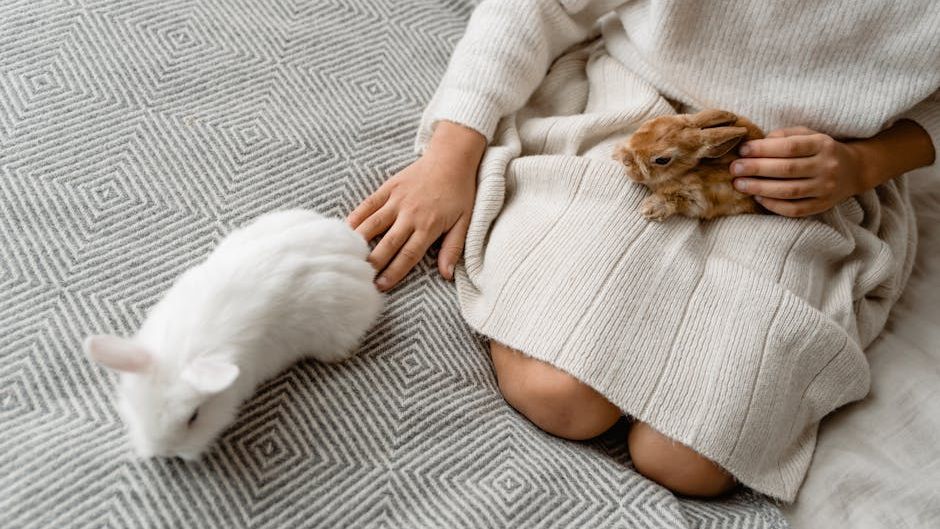
Most people assume that a rabbit living in a warm, clean hutch with a full bowl of food is a happy rabbit. It’s a reasonable assumption. The reality, though, is considerably more interesting. Rabbits are sharp, socially complex animals with instincts that go far beyond eating and sleeping, and when those instincts go unused, things can go sideways fast.
Rabbits are smart, and their minds need exercise, just like their bodies. Wild rabbits have evolved as social animals that can solve simple problems to survive, so it’s not hard to see how rabbits kept in small hutches can quickly become bored. The signals they send are often subtle, which means most owners miss them entirely until the furniture is already chewed. Here’s what to actually watch for, and what genuinely helps.
#1: The Behavioral Red Flags You Might Be Misreading
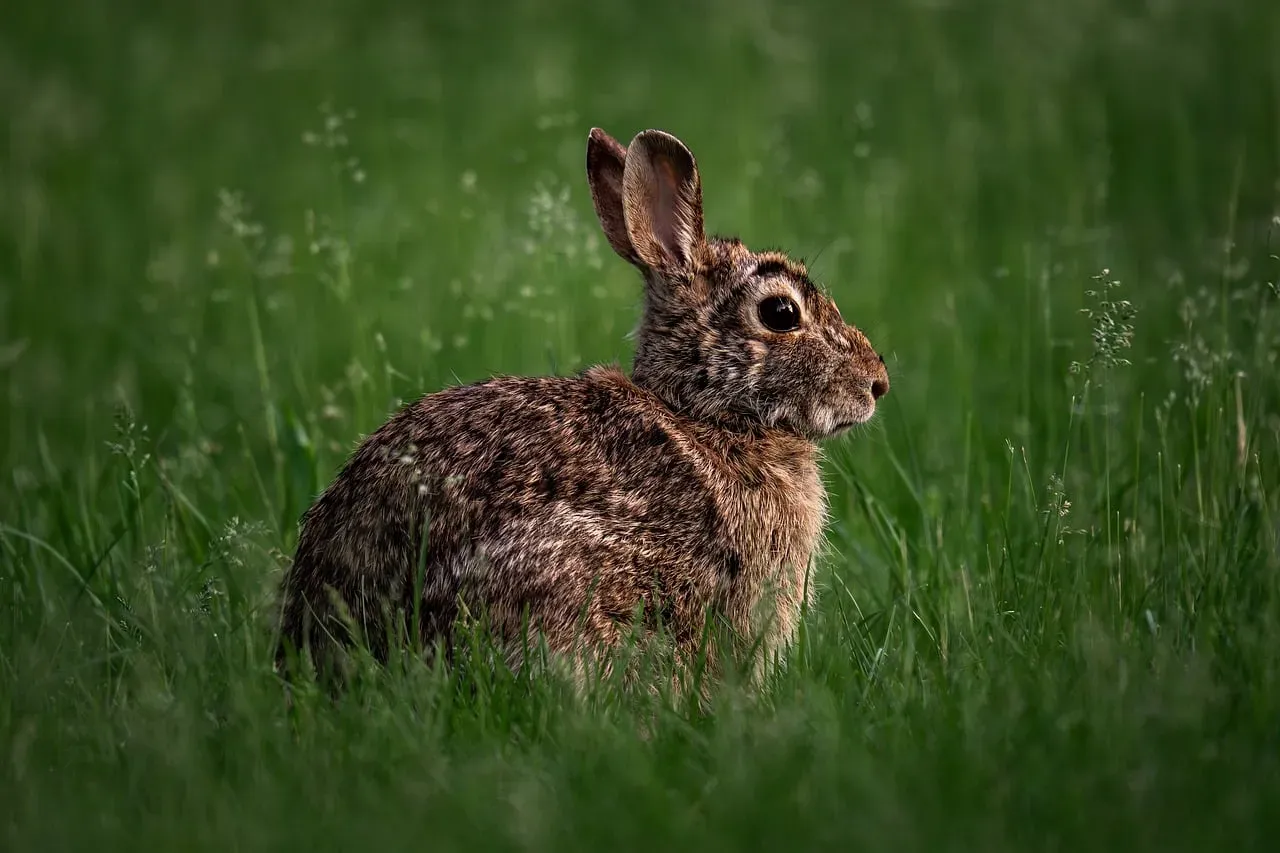
One of the trickiest things about rabbit boredom is that some of its signs look like personality quirks rather than distress signals. One of the first signs that your rabbit might be bored is a noticeable decrease in their activity levels. Rabbits are typically energetic and curious, but a bored rabbit may become lethargic and show little interest in exploring or interacting.
Bored rabbits may also engage in repetitive movements, such as pacing back and forth in their enclosure. This repetitive behavior is a sign of frustration and a lack of stimulation. Your rabbit may also perform the same actions, like chewing on the same object or digging repeatedly, in an attempt to fill the void caused by boredom.
Signs of an unhappy rabbit can include a hunched posture, not moving much, an unhealthy coat, and dull eyes. Repetitive behaviours, such as chewing at their fur, biting at water bottles or other items, and circling on the spot are also signs of unhappiness. If you’re noticing any of these patterns, it’s worth pausing before chalking it up to temperament.
Rabbits do slow down during the day and take lots of naps, so don’t mistake this for boredom. That is natural behaviour, but mornings and evenings are a very different story, as that is when rabbits become most active. Context matters. A rabbit flopped in the afternoon sun is relaxed. A rabbit flopped, unresponsive, and uninterested during its natural peak hours is something else entirely.
#2: The Destructive Side of a Bored Bunny
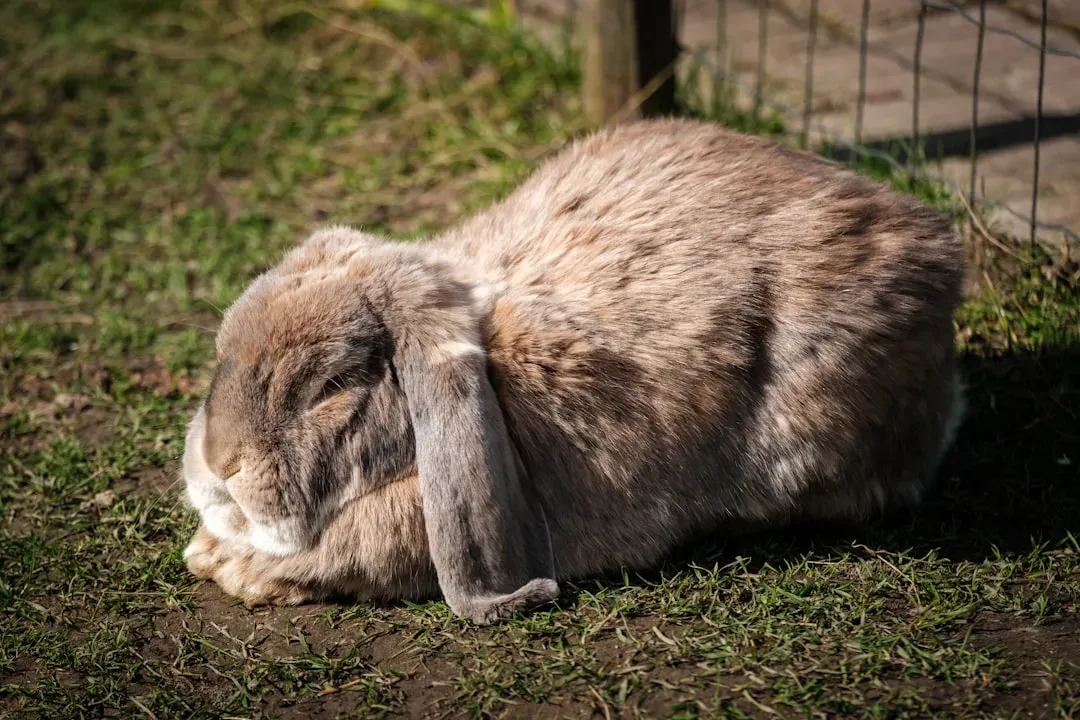
Rabbits that don’t have enough attention, space to run, or toys to play with can become bored. Boredom leads to destructive behaviors, such as chewing and digging, and can even lead to aggression or depression in rabbits. This isn’t naughtiness. It’s an animal trying to cope.
A bored rabbit doesn’t sit around waiting for entertainment, they create their own. That’s why so many owners complain about chewed-up skirting boards, carpets, furniture, and even wires. This is a direct result of frustration. Your rabbit is trying to release their pent-up energy the only way they know how.
Rabbit teeth grow continuously and need to be worn down by chewing. They need to have objects to chew on. If they don’t, or if they’re bored with the toys they have access to, rabbits will instinctively go for whatever they can get their teeth on. Often this means furniture and baseboards.
If your rabbits aren’t getting enough mental or physical stimulation, they’ll be spending a fair amount of their day sitting around, bored. Over time, this can lead to destructive behaviours like chewing. Your rabbits might also display aggressive behaviour like growling, scratching or biting when handled. They may also become obese due to inactivity. That last point often surprises people, but it makes complete sense once you understand how boredom functions in animals.
#3: The Hidden Health Consequences No One Warns You About
![#3: The Hidden Health Consequences No One Warns You About ([nivs], Flickr, CC BY-SA 2.0)](https://nvmwebsites-budwg5g9avh3epea.z03.azurefd.net/aatg/cb0a773152f92dfee59604ad2f8eb432.webp)
Boredom can cause frustration and anxiety, and that’s as bad for a rabbit’s health as it is for yours and mine. The emotional and physical are closely linked in rabbits, perhaps more than many owners expect.
Over time, boredom will affect their mental health, make rabbits very unhappy, and put them at risk of some serious health problems. Bored rabbits tend to fill their time by eating, meaning they put on weight. Obesity can cause heart problems, arthritis, liver disease, and skin problems.
Bored rabbits also tend to groom themselves too much and get hairballs, which can cause life-threatening gut blockages. That’s not a minor inconvenience. GI blockages in rabbits are a veterinary emergency, and the fact that boredom is a contributing pathway to that outcome is reason enough to take enrichment seriously.
A rabbit who’s feeling lonely or bored may also lose interest in food. Rabbits are typically grazers and enjoy eating throughout the day, so a decrease in appetite or a refusal to eat can be a red flag. If your rabbit is not eating their usual amount of food, it may be a sign of emotional distress or dissatisfaction with their environment. When that happens, a vet visit is always the right first move, but environment deserves equal scrutiny.
#4: Practical Enrichment That Actually Works
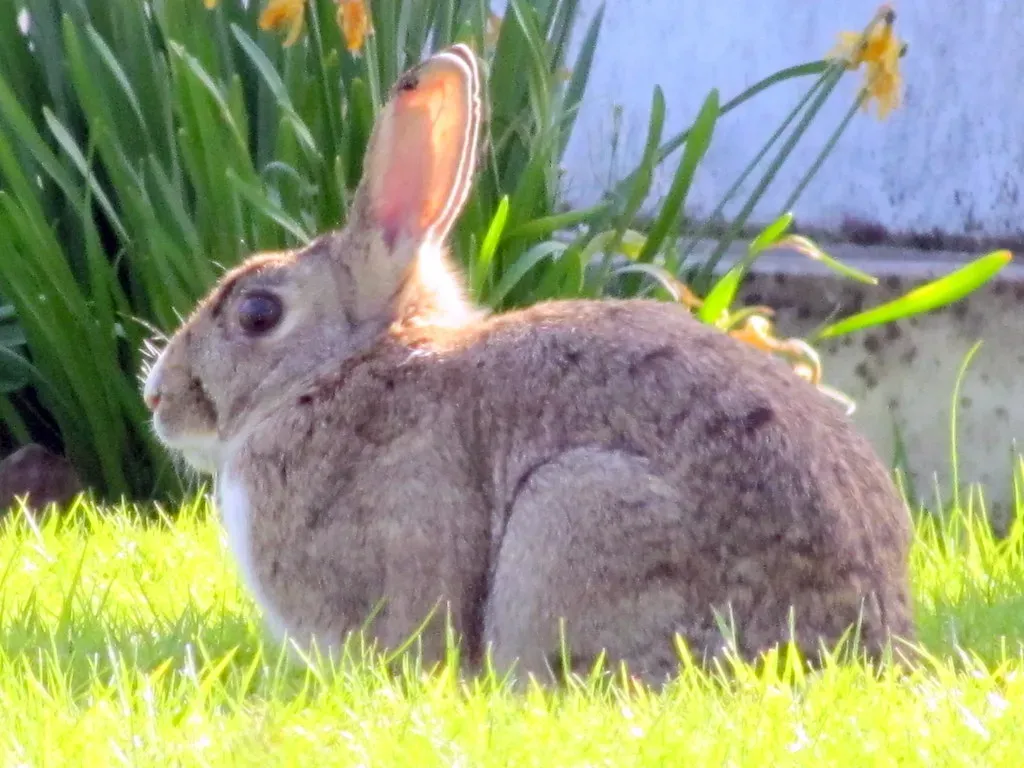
Rabbits have natural instincts that involve digging, chewing, and foraging. Without toys that allow rabbits to use these instincts, they are likely to become bored. The lack of constructive ways to dig and chew is also what leads to more destructive behaviors around your home. The fix isn’t complicated. It’s about direction, not prohibition.
Providing your rabbit with a cardboard box filled with dirt, hay, shredded paper, torn up toilet paper rolls, or other bunny-safe material can both entertain your bunny and allow them to dig somewhere other than out of their enclosure. For extra fun, bury bunny treats in the digging box. It costs almost nothing and addresses one of the most deeply wired rabbit behaviors there is.
Puzzle feeders can simply be an empty toilet paper tube or cardboard box stuffed with hay. This lets the rabbits forage in a natural way. Give a few toys to your rabbits and store some of them away. Swap the toys over after a week or two to stop them from getting bored of the same old toys.
Rabbits need a large, secure enclosure with a big floor area and a high ceiling, which means they’ll be able to run, jump, hop, and rear up on their hind legs. They also need enough room to lie fully outstretched. Space is enrichment in its own right. An environment that’s too cramped will undo every toy and treat puzzle you put inside it.
#5: The Social Factor People Underestimate
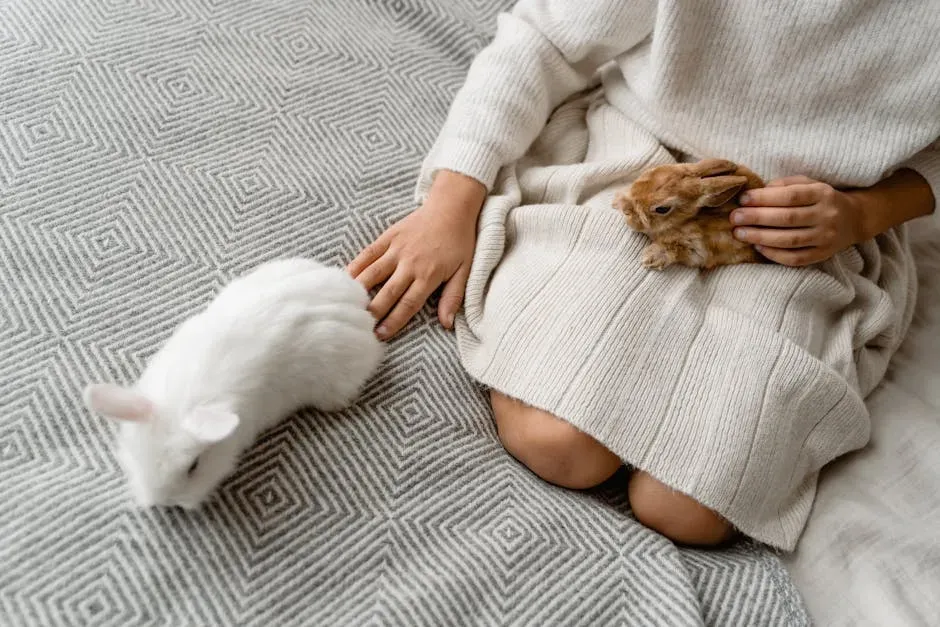
Rabbits are social creatures. In the wild, they live in groups underground. Company and communication are important for the mental health of all social animals, and this goes for pet rabbits, too. Very few rabbits prefer to live alone. Many rabbits need to be around other rabbits to be happy and to get adequate social interaction.
Bringing home a second rabbit, after proper introductions, can significantly reduce boredom. Bonded rabbits groom each other, nap side-by-side, and share playtime. It’s genuinely one of the most effective long-term interventions available, though it does require careful bonding and a willingness to expand your rabbit care commitment.
Sitting quietly with your rabbit, letting them hop over for pets, or even reading aloud can help build trust and comfort. Not every rabbit enjoys being picked up, but most will enjoy calm physical touch and soothing voices. These shared moments of connection give them emotional security, especially helpful if they’re feeling anxious or adjusting to changes in the home.
A rabbit that’s mentally stimulated will approach you, interact, and even seek out playtime. If they start running in the opposite direction or hiding when you enter the room, boredom might be the cause. Social withdrawal in a previously interactive rabbit is never a signal to ignore. It’s a quiet but meaningful shift that warrants attention.
Conclusion: Your Rabbit Is Telling You Something
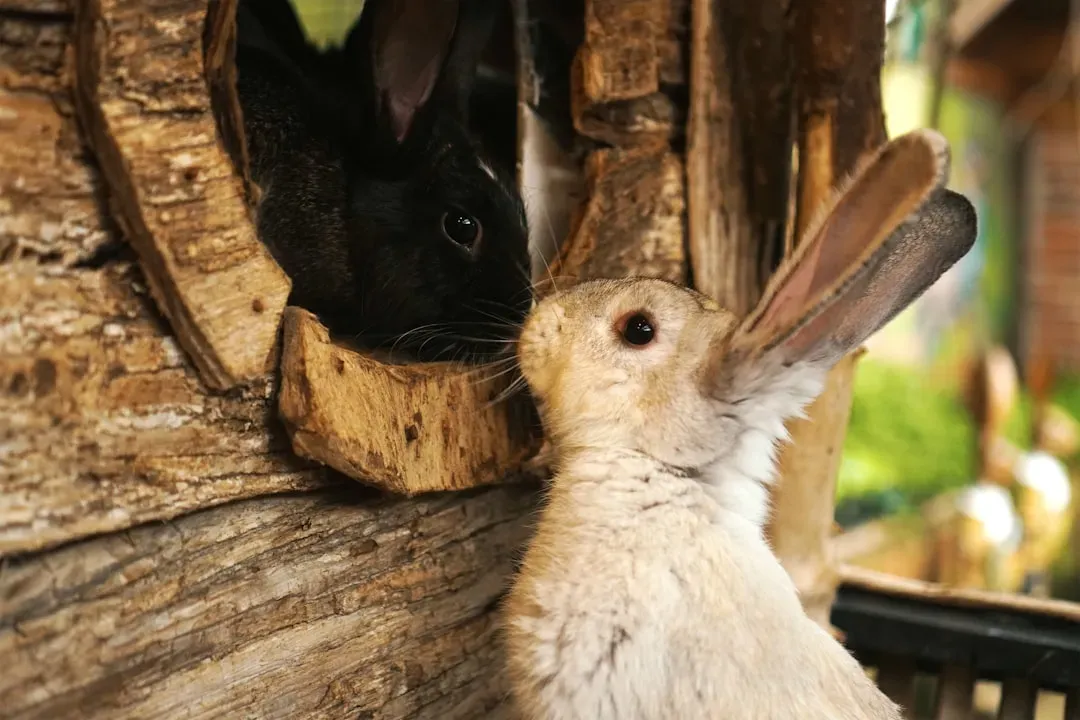
Rabbit boredom is genuinely underestimated, and that underestimation causes real harm. These are animals with complex social needs, active minds, and deeply embedded instincts for foraging, digging, and exploring. Confine those instincts long enough, and you get a frustrated, withdrawn, or physically unwell animal.
The good news is that the solutions are mostly low-cost, low-effort, and surprisingly enjoyable to implement. A cardboard box, a rotated toy, a foraging puzzle made from a toilet roll, thirty minutes of floor time with you each evening. The basics, including space, toys, hay, and affection, go a long way. Your rabbit doesn’t need perfection. They need attention, curiosity, and care.
Rabbits communicate constantly. The thumping, the pacing, the sudden destruction of your skirting boards are all part of that communication. The honest opinion here? Most rabbit boredom is preventable, and preventing it is one of the most meaningful things an owner can do. A rabbit that’s genuinely enriched doesn’t just behave better. It lives better, and that difference is visible in everything from its coat to its willingness to simply come and sit beside you.

- 10 Mind Blowing Facts About The Great White Shark - July 26, 2026
- Elephants Communicate With Each Other Using Sounds We Cannot Hear - July 26, 2026
- 10 Surprising Foods That Are Actually Good For Your Dog’s Health - July 26, 2026