

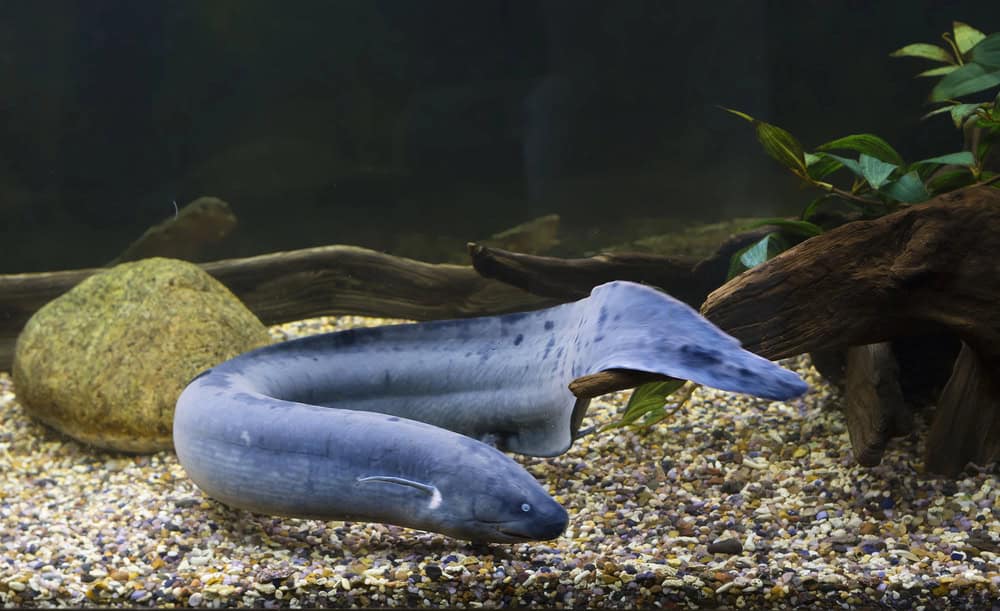
In the diverse world of aquatic life, there exists a remarkable group of fish that defy our conventional understanding of what fish can do. While most fish would quickly perish if removed from water, certain specialized species have evolved extraordinary adaptations that allow them to survive on land for extended periods—sometimes for days or even months. These amphibious fish represent fascinating examples of evolutionary adaptation, blurring the boundary between aquatic and terrestrial life. From the climbing perch that can travel across land to find new water sources to the notorious walking catfish that can invade new territories, these exceptional creatures provide a glimpse into the remarkable resilience and adaptability of life on our planet.
The Evolutionary Marvel of Amphibious Fish

The ability of certain fish to survive out of water represents one of evolution’s most impressive adaptations. These amphibious capabilities didn’t develop overnight but emerged gradually over millions of years in response to environmental pressures. Fish that could temporarily withstand air exposure gained significant survival advantages, especially in habitats prone to seasonal drying or oxygen depletion.
This evolutionary pathway demonstrates a fascinating intermediate step between fully aquatic and fully terrestrial existence—similar to the transition that likely occurred when the first vertebrates began colonizing land over 375 million years ago. Today’s amphibious fish provide living models that help scientists understand how ancient fish might have made their first tentative ventures onto land, eventually giving rise to all terrestrial vertebrates, including humans.
The African Lungfish: Champion of Terrestrial Survival
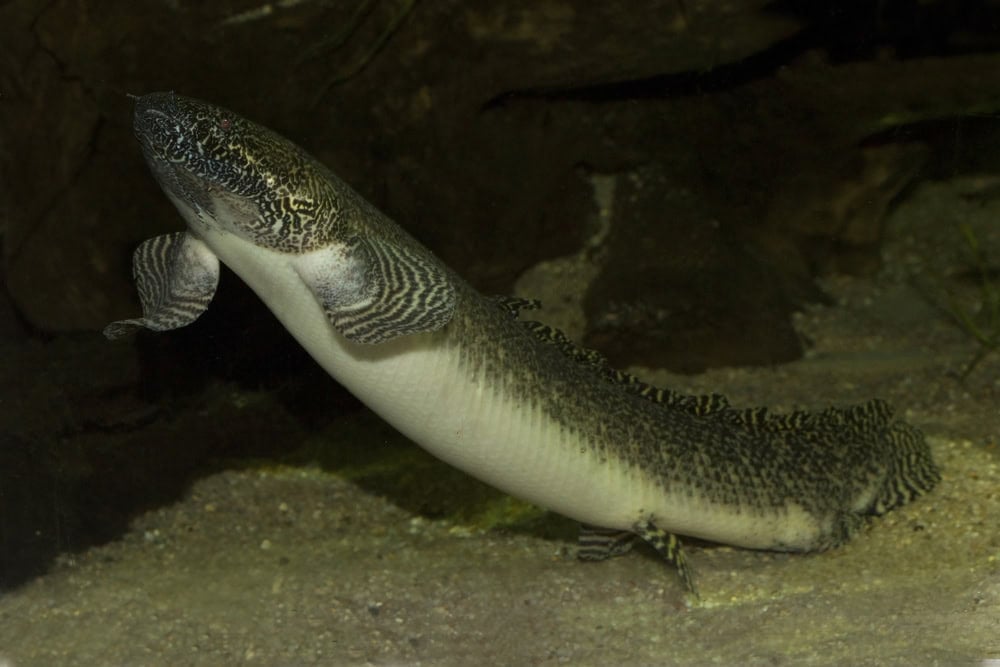
When it comes to fish that can survive out of water, the African lungfish (Protopterus spp.) stands as perhaps the most impressive example. These remarkable creatures can survive not just for days but for years out of water under the right conditions. Native to freshwater swamps and streams in Africa, lungfish have evolved specialized lung-like organs that allow them to breathe air directly. When their habitats dry up during seasonal droughts, African lungfish burrow into the mud and secrete a protective mucus cocoon around themselves.
Inside this cocoon, they enter a state of estivation—a form of dormancy similar to hibernation. Their metabolic rate drops dramatically, and they can survive for up to four years without food or water, breathing air through a small tube that connects their cocoon to the surface. When rains return and their habitat floods again, the lungfish emerge from their cocoons and resume normal aquatic life—a truly remarkable adaptation that has helped these living fossils survive for over 400 million years.
Walking Catfish: The Invasive Land Traveler

The walking catfish (Clarias batrachus) has earned its common name from its remarkable ability to “walk” across land using stiff, spine-like pectoral fins to push its body forward with a slithering motion. Native to Southeast Asia, these hardy fish can breathe air thanks to specialized structures called suprabranchial organs—accessory breathing organs located above their gills. When oxygen levels in water become too low, or when they need to find new water sources, walking catfish can emerge onto land and travel considerable distances—up to a quarter mile in a single night.
This impressive adaptation has unfortunately made them successful invasive species in places like Florida, where they were introduced in the 1960s. Their ability to migrate across land allows them to colonize isolated water bodies that would be inaccessible to other fish species, outcompeting native fish and disrupting local ecosystems. Walking catfish can survive for days on land as long as they stay moist, returning to water when they risk drying out.
Mangrove Killifish: The Fish That Lives in Trees

The mangrove killifish (Kryptolebias marmoratus) takes terrestrial living to an extreme that few other fish species can match. These tiny fish, rarely exceeding two inches in length, are found in mangrove forests from Florida to Brazil. What makes them truly exceptional is their ability to live out of water for weeks or even months at a time. When their shallow pools dry up, mangrove killifish can leave the water and take refuge in damp environments such as rotting logs, leaf litter, or even the moist bark of mangrove trees.
They can breathe air through their skin and gill chambers as long as they remain moist. Additionally, these remarkable fish can slow their metabolic rate and enter a state similar to torpor, reducing their energy needs during their time on land. Perhaps most fascinating is their reproductive strategy—mangrove killifish are self-fertilizing hermaphrodites, meaning a single fish contains both male and female reproductive organs and can produce offspring without a mate, further enhancing their ability to colonize new habitats after overland journeys.
Climbing Perch: The Fish That Climbs Trees

The climbing perch (Anabas testudineus) possesses one of the most impressive sets of adaptations among amphibious fish. Native to Southeast Asia, these fish have specialized labyrinth organs—maze-like structures above their gills that allow them to extract oxygen directly from air. This adaptation enables them to survive in oxygen-poor waters and to breathe when out of water. Climbing perch can survive on land for up to six days as long as their bodies remain moist. What truly sets them apart, however, is their remarkable mobility.
Using their gill plates, which are modified with sharp edges, and their pectoral fins, climbing perch can not only move across land but also climb trees to some extent—a behavior that has astonished observers for centuries. These determined travelers can cover significant distances between water bodies, allowing them to escape unfavorable conditions and find new habitats. Their tenacity has made them successful invasive species in several regions outside their native range, where they can outcompete local fish species.
Mudskippers: Masters of the Tidal Zone

Perhaps the most visibly adapted for life on land are mudskippers—members of the subfamily Oxudercinae. These charismatic fish spend the majority of their lives out of water, inhabiting the intertidal zones of mangrove forests, mudflats, and estuaries throughout the Indo-Pacific region. Mudskippers have evolved numerous adaptations for their amphibious lifestyle. They possess enlarged gill chambers that they keep filled with water, functioning as a kind of “water lung” that keeps their gills moist and functional when on land. Additionally, they can breathe through their skin and the lining of their mouths and throats when moist.
Mudskippers have remarkably muscular pectoral fins that function like arms, allowing them to “skip” across mud surfaces with surprising speed and even climb mangrove roots. Their forward-positioned, protruding eyes give them excellent vision in air, and they can often be seen perched on mud or mangrove roots, scanning their surroundings for prey or potential threats. Some species can remain out of water for more than two days, returning to the water only to moisten their gills and skin when necessary.
Northern Snakehead: The Invasive Predator
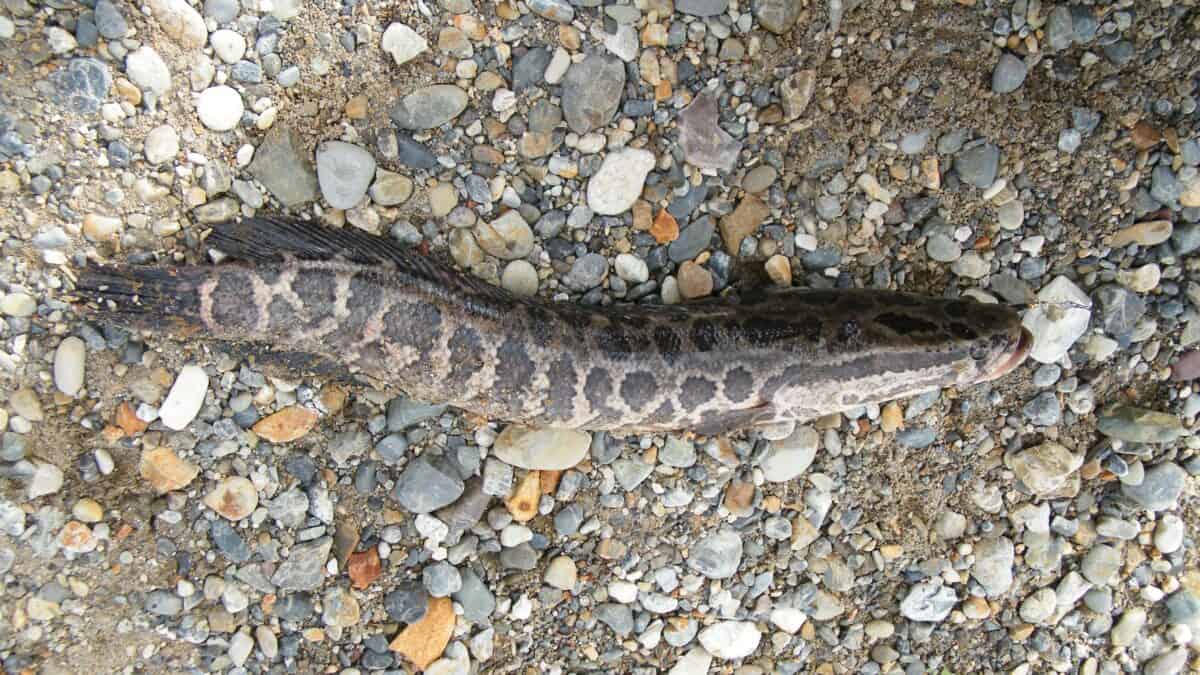
The northern snakehead (Channa argus) has gained notoriety in the United States as an invasive species with alarming terrestrial capabilities. Native to parts of Asia, this predatory fish has established populations in several American states after being released from the live food fish trade or aquarium keeping. Snakeheads possess suprabranchial organs—specialized chambers above their gills that allow them to breathe atmospheric oxygen.
This adaptation enables them to survive in oxygen-depleted waters and to breathe air when out of water. Northern snakeheads can survive on land for up to four days as long as they remain moist, and they can travel across land using wiggling motions of their body and fins. Their ability to migrate overland between water bodies has contributed to their rapid spread as invasive species, earning them the sensationalist media nickname “Frankenfish.” Additionally, their predatory nature—they feed on native fish, frogs, and even small mammals—combined with their prolific breeding has raised significant concerns about their impact on native ecosystems in areas where they’ve been introduced.
Breathing Mechanisms: How Fish Survive in Air

The key to survival on land for amphibious fish lies in their specialized breathing mechanisms. While typical fish extract oxygen from water using gills—delicate structures that collapse and become non-functional when exposed to air—land-surviving fish have evolved alternative respiratory solutions. These adaptations fall into several categories. Some species, like lungfish, have developed actual lungs or lung-like organs that can extract oxygen directly from air. Others, like walking catfish and climbing perch, possess accessory breathing organs such as suprabranchial chambers or labyrinth organs—highly vascularized structures above their gills that can extract oxygen from air.
Mudskippers employ multiple strategies, including storing water in enlarged gill chambers to keep their gills functional, breathing through their highly vascularized skin and mouth linings, and using their gills when submerged. Mangrove killifish can absorb oxygen through their skin, similar to amphibians. Additionally, many amphibious fish have modifications to their circulatory systems and blood chemistry that enhance oxygen uptake and transport when breathing air. These diverse respiratory adaptations demonstrate the remarkable evolutionary pathways that have enabled fish to temporarily escape their aquatic environment.
Mobility Adaptations for Land Travel
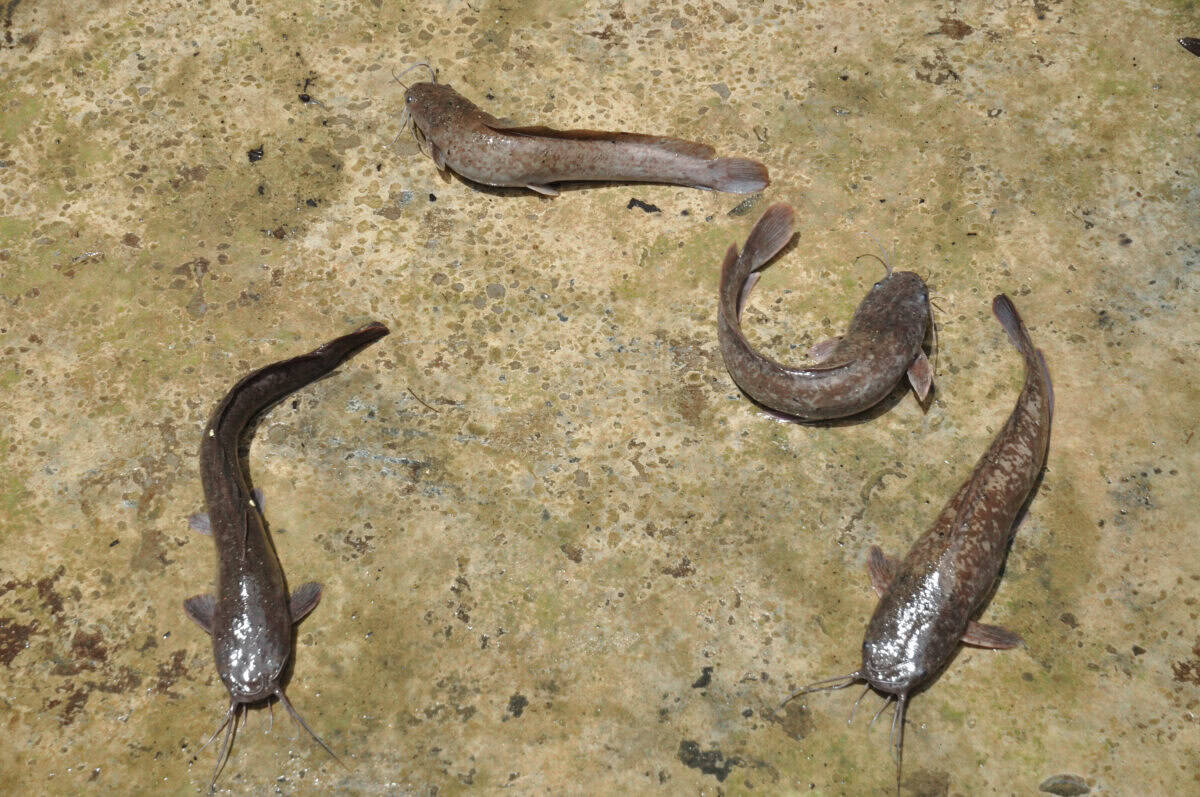
Surviving on land requires more than just the ability to breathe air—amphibious fish must also be able to move effectively outside of water. Different species have evolved various mobility adaptations to facilitate terrestrial travel. Walking catfish use their stiff pectoral fin spines as legs, pushing against the ground while flexing their bodies in serpentine movements to propel themselves forward. Mudskippers have developed muscular, arm-like pectoral fins that allow them to push their bodies forward in a series of skipping motions, giving them their common name.
Climbing perch use their sharp gill plates and pectoral fins to grip surfaces and pull themselves along, even up vertical structures like tree trunks and mangrove roots. Snakeheads employ powerful undulating body movements similar to those of snakes. Some species, like certain killifish, can perform remarkable jumping movements to traverse land quickly. These mobility adaptations are often complemented by body shapes that better support the fish’s weight on land and skeletal modifications that provide additional strength and leverage when moving outside of water. The diversity of these movement strategies highlights the different evolutionary paths that have led to successful land locomotion among fish.
Preventing Desiccation: The Moisture Challenge

Perhaps the greatest challenge for fish on land is preventing fatal desiccation—drying out. Water loss through evaporation presents a critical threat to fish out of water, as their bodies are adapted for life in an aqueous environment. Amphibious fish have developed several strategies to combat this challenge. Many species produce copious amounts of mucus that covers their bodies, creating a protective barrier that slows water loss. The African lungfish takes this approach to an extreme, secreting a hardened mucus cocoon that seals in moisture during extended dry periods.
Other species, like mangrove killifish, seek out microhabitats with high humidity, such as rotting logs or leaf litter, where evaporation occurs more slowly. Mudskippers regularly return to water to moisten their bodies or retreat to burrows where humidity remains high. Some amphibious fish have skin modifications that reduce water permeability, though they must balance this with the need for cutaneous respiration. Additionally, many species can concentrate their urine to minimize water loss through excretion. These moisture retention strategies, combined with behavioral adaptations like moving primarily during humid nights or rainy periods, allow amphibious fish to extend their time on land significantly.
Ecological Advantages of Amphibious Behavior

The ability to survive on land confers significant ecological advantages to amphibious fish. Perhaps most importantly, it allows them to escape unfavorable aquatic conditions that might otherwise prove fatal. When water bodies become oxygen-depleted due to algal blooms, pollution, or stagnation, amphibious fish can simply leave the water temporarily until conditions improve. During droughts, when water bodies shrink or disappear entirely, the ability to travel overland enables these fish to reach other aquatic habitats that remain viable.
This mobility also provides access to new territories and resources, reducing competition within overcrowded habitats. For some species, like mudskippers, the intertidal zone represents a rich foraging ground with abundant prey and fewer aquatic predators. Other amphibious fish can access terrestrial food sources unavailable to strictly aquatic species. Additionally, the ability to move between isolated water bodies facilitates gene flow between otherwise separate populations, potentially increasing genetic diversity and resilience. These ecological advantages have made amphibious capabilities a successful evolutionary strategy in certain environments, particularly in habitats that experience seasonal fluctuations in water availability or quality.
Conservation Challenges and Invasive Concerns

The remarkable adaptations that allow certain fish to survive on land present both conservation challenges and invasive species concerns. Many native amphibious fish face threats from habitat destruction, particularly in sensitive ecosystems like mangrove forests and seasonal wetlands that are rapidly being lost to development. Water pollution poses another significant threat, as many amphibious species must still return to water periodically and rely on aquatic habitats for reproduction. Climate change may further impact these species by altering rainfall patterns and increasing the frequency and severity of droughts.
Conversely, the very adaptations that make these fish vulnerable in their native ranges can make them formidable invasive species when introduced to new ecosystems. Walking catfish, snakeheads, and climbing perch have all become problematic invasives in regions outside their native ranges. Their ability to travel overland allows them to colonize isolated water bodies that would be inaccessible to other fish, potentially outcompeting native species and disrupting local food webs. This has prompted strict regulations on the transport and keeping of these species in many countries. Effective conservation and management strategies must address both the protection of native amphibious fish and the control of invasive populations.
Conclusion: Evolution’s Remarkable Boundary-Crossers

Amphibious fish stand as living testaments to the extraordinary adaptability of life and the power of evolutionary processes. These remarkable creatures, with their specialized breathing organs, mobility adaptations, and strategies for preventing desiccation, occupy a fascinating evolutionary middle ground between aquatic and terrestrial existence. They provide scientists with valuable insights into how the vertebrate transition from water to land may have occurred hundreds of millions of years ago—a transition that ultimately led to the evolution of amphibians, reptiles, birds, and mammals.
While their adaptations have made some species problematic invaders in new ecosystems, they also represent unique evolutionary lineages worthy of conservation efforts in their native habitats. As climate change and habitat loss continue to threaten aquatic ecosystems worldwide, the fate of these remarkable boundary-crossers remains uncertain, highlighting the importance of understanding and protecting the full spectrum of Earth’s biodiversity.

From exploring the marine wonders in the Azores and witnessing the vast savannas of Kenya, to delving deep into the rich biodiversity of South Africa and traversing iconic landscapes in Australia and the US like Yellowstone, Chris's experiences are vast.
With a penchant for diving alongside sharks, the ocean holds a special place in his heart.
Through his academic insights, he champions wildlife conservation, striving with 'Animals Around The Globe' to cultivate a profound connection between humans and animals, enhancing our mutual appreciation.
Connect with him at Feedback@animalsaroundtheglobe.com.
- 13 Most Bizarre Things Washed Up on American Beaches - July 26, 2026
- Why More Animals Are Moving Into Urban Areas - July 26, 2026
- The Surprising Intelligence of Octopuses Explained - July 26, 2026