
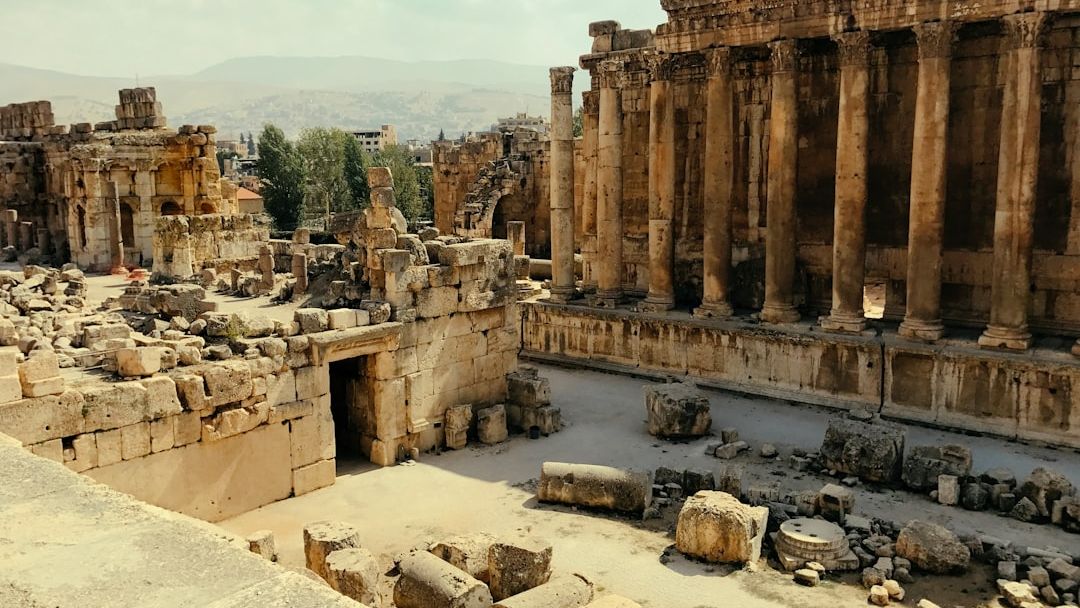
There’s a strange feeling that washes over you when you stand in front of a truly ancient structure – not just wonder, but a quiet sense of inadequacy. Modern architects work with laser-guided tools, digital blueprints, GPS alignment, and computer modeling. Yet thousands of years before any of that existed, human beings were cutting stone to tolerances measured in fractions of a millimeter, aligning temples to stars with breathtaking accuracy, and moving blocks heavier than anything our largest cranes can lift today.
The question isn’t whether ancient people were capable. Clearly, they were. The question that keeps researchers up at night is how they did it so precisely, with tools we’d consider primitive, in places and conditions that challenge imagination. These fifteen structures don’t just impress. They genuinely make you reconsider everything you thought you knew about the ancient world.
The Great Pyramid of Giza, Egypt

Of all the ancient structures humanity has produced, the Great Pyramid of Giza remains the most studied, most debated, and most astonishing. It is the largest of the Egyptian pyramids and the oldest of the Seven Wonders of the Ancient World, and the only wonder that has remained largely intact. Built around 2600 BC over a period of roughly 26 years, it initially stood at nearly 147 meters and held the title of the world’s tallest human-made structure for more than 3,700 years.
What truly staggers engineers and archaeologists alike is not its size but its precision. The accuracy of the pyramid’s perimeter is such that the four sides of the base have an average error of only 58 millimeters in length, and the finished base was squared to a mean corner error of only 12 seconds of arc. Many of the casing stones and inner chamber blocks fit together with joints, on average, only 0.5 millimeters wide. The entire structure is aligned to true north with a margin of error of just 3/60 of a degree. That’s not craftsmanship. That’s something closer to obsession.
Göbekli Tepe, Turkey
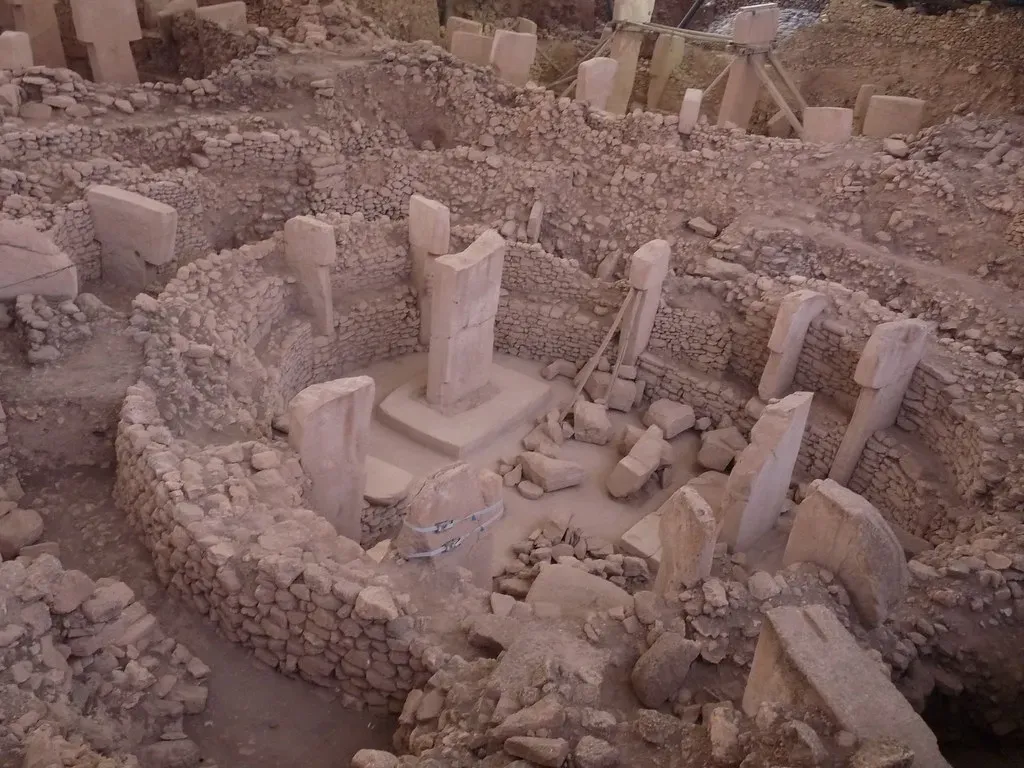
Göbekli Tepe rewrote the textbook on human civilization when it was properly excavated, and it’s still rewriting it today. The site consists of massive T-shaped pillars carved with animal figures and arranged in circular formations, predating Stonehenge by thousands of years. Radiocarbon dating places its construction at approximately 9600 to 9500 BCE, making it roughly 6,000 years older than Stonehenge and 7,000 years older than the Great Pyramid of Giza.
The unsettling part is who supposedly built it. Most scientists believe that at this point in history, humankind were hunter-gatherers living in small nomadic bands, yet the amount of tools found at the site would indicate a workforce of perhaps hundreds. The hunter-gatherer society that built Göbekli Tepe’s sophisticated temple complex challenges assumptions about social organization before agriculture, and how nomadic groups coordinated such massive construction projects and maintained the site for over 1,500 years remains unexplained. Somebody organized that effort. We just don’t know who, or how.
Sacsayhuamán, Peru
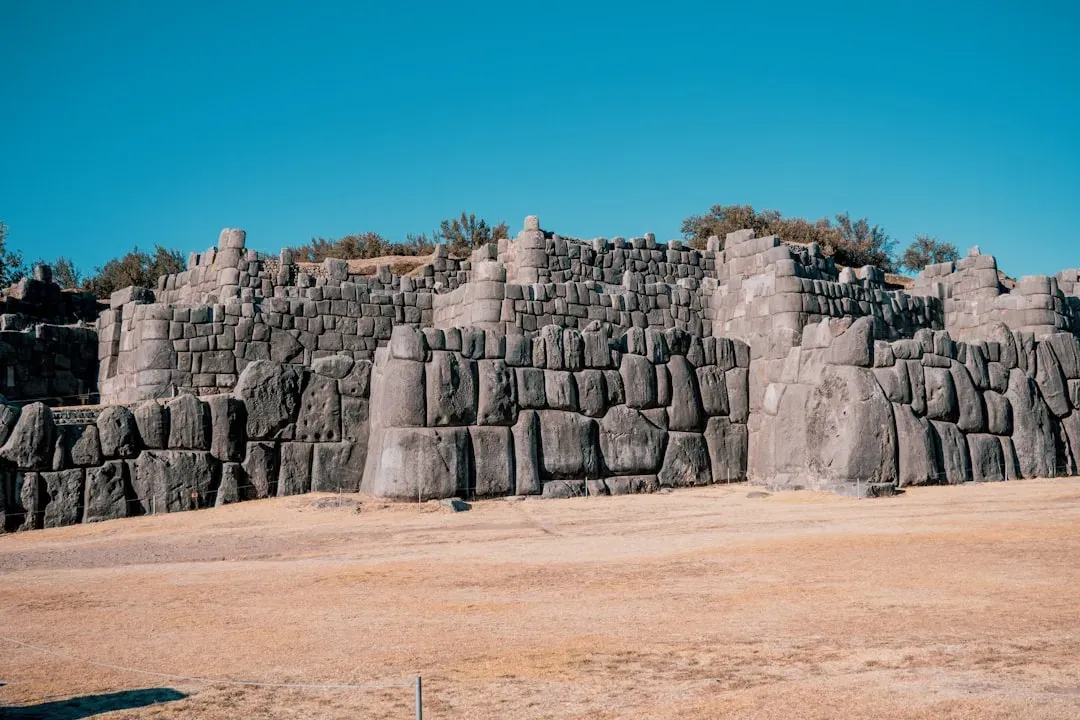
High above Cusco in the Peruvian Andes sits one of the most jaw-dropping examples of ancient stonework on the planet. This ancient fortress is constructed from enormous stone blocks meticulously cut and fitted together without mortar, with joints so precise that not even a piece of paper can fit between the stones, many of which weigh more than 100 tons. The stones were quarried, transported uphill, and positioned with an accuracy that has never been fully explained.
What makes the engineering even more remarkable is the geometry involved. The irregular shapes of these massive blocks are particularly fascinating. They’re not simple rectangles or squares but complex, multi-angled pieces that interlock like a three-dimensional puzzle. The engineering skill required to visualize how these oddly shaped boulders would fit together, then execute those cuts with such precision, is absolutely staggering. The structure has survived numerous earthquakes over 500 years, yet modern engineers cannot determine how the Incas achieved such seismic stability without mortar or metal tools.
Baalbek, Lebanon
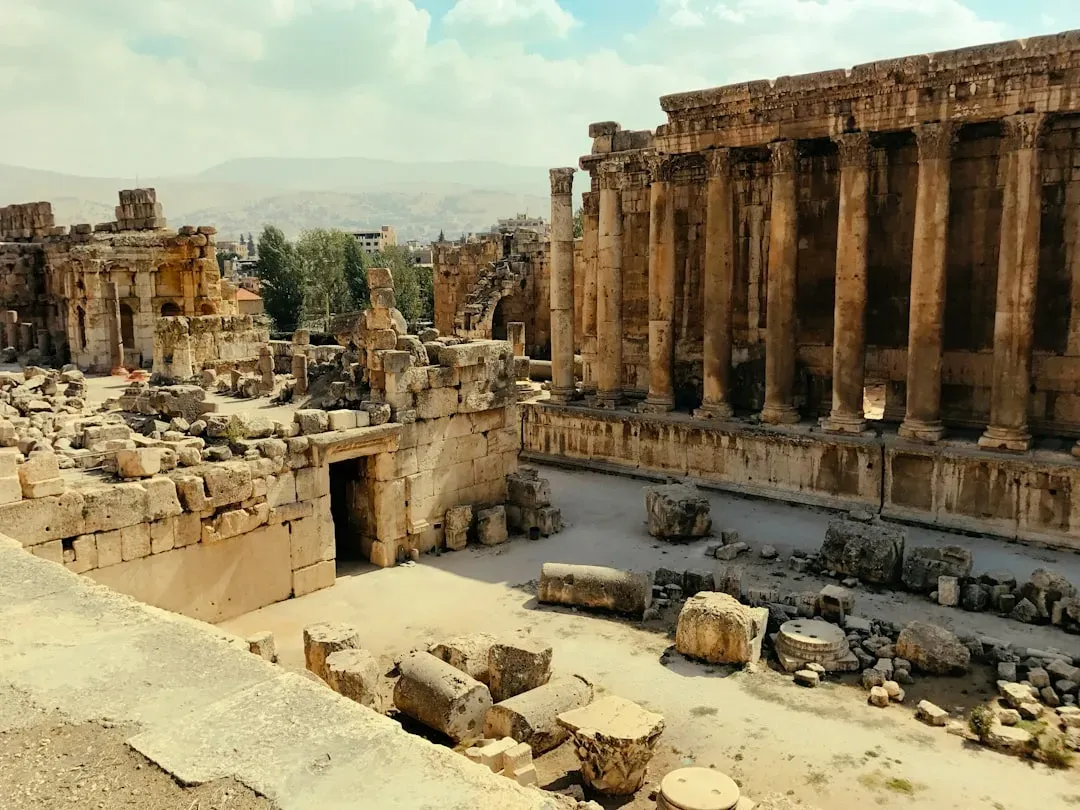
In the Beqaa Valley of Lebanon, the ruins of Baalbek contain some of the largest stones ever shaped by human hands. The ancient site contains three stones, each weighing more than 800 tons. The purpose and method behind their placement remain hotly debated, and modern cranes would struggle to lift these giants, yet ancient builders managed to set them perfectly in place. The nearest quarry site is located not far from the ruins, and one unfinished limestone monolith found there is estimated to weigh around 1,200 tons.
At the heart of the ancient city stood a grand temple complex which today consists of a massive platform built using some of the largest stones ever shaped by human hands. This immense ancient platform became the foundation for the later Roman temple complex, which includes three separate temples dedicated to Jupiter, Bacchus, and Venus respectively. It’s particularly puzzling that the builders didn’t cut the megaliths into smaller blocks for use in the general construction, which suggests very strongly that the Romans who built on top of them did not even know the massive stones were already there. The implication hangs in the air: someone built that foundation before the Romans arrived, using techniques those Roman engineers couldn’t explain and didn’t try to replicate.
Puma Punku, Bolivia
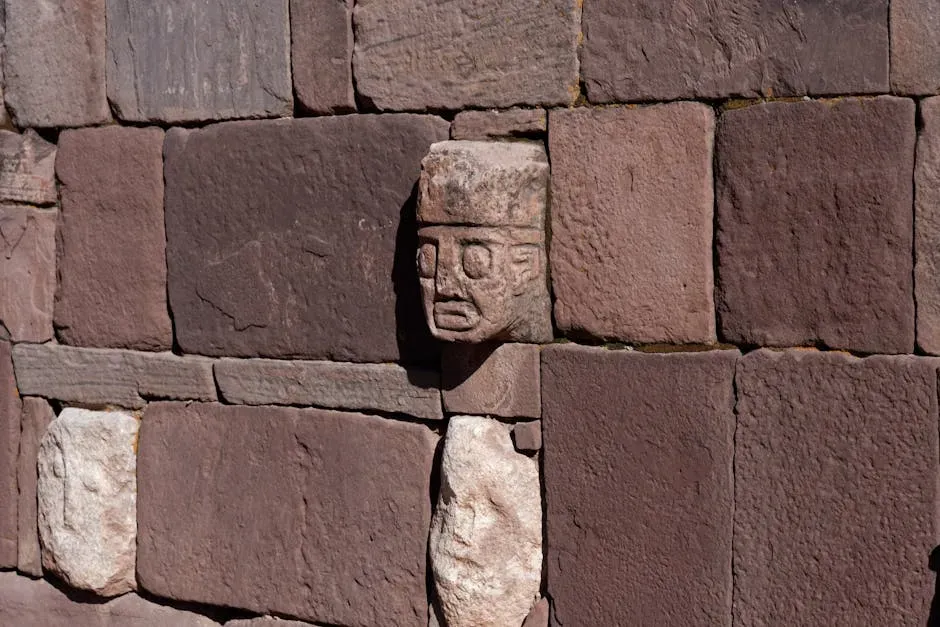
Even among the most controversial ancient sites, Puma Punku occupies its own category. Part of the Tiwanaku temple site in Bolivia, it features stonework with perfectly straight cuts, carvings, and interlocking joints, all completed without modern tools or machinery. The stones are massive, with the largest weighing about 131 tons. How the people of that time managed to move these stones remains unknown, and Puma Punku sits at an altitude of 12,800 feet, above the natural tree line, meaning wooden rollers couldn’t have been used to move the stones.
At Bolivia’s Puma Punku, megalithic stones display machine-like precision with perfectly straight lines, right angles, and smooth surfaces. The Tiwanaku civilization lacked metal tools and the wheel, yet created cuts accurate to within fractions of millimeters. Modern engineers struggle to replicate this precision using contemporary equipment. More recent archaeological studies have revealed that the builders of Puma Punku used ingenious techniques with basic tools, most likely working with stone hammers, chisels, and sand rubbed against blocks to grind and shape them with accuracy. The outcome still defies easy explanation.
Stonehenge, England
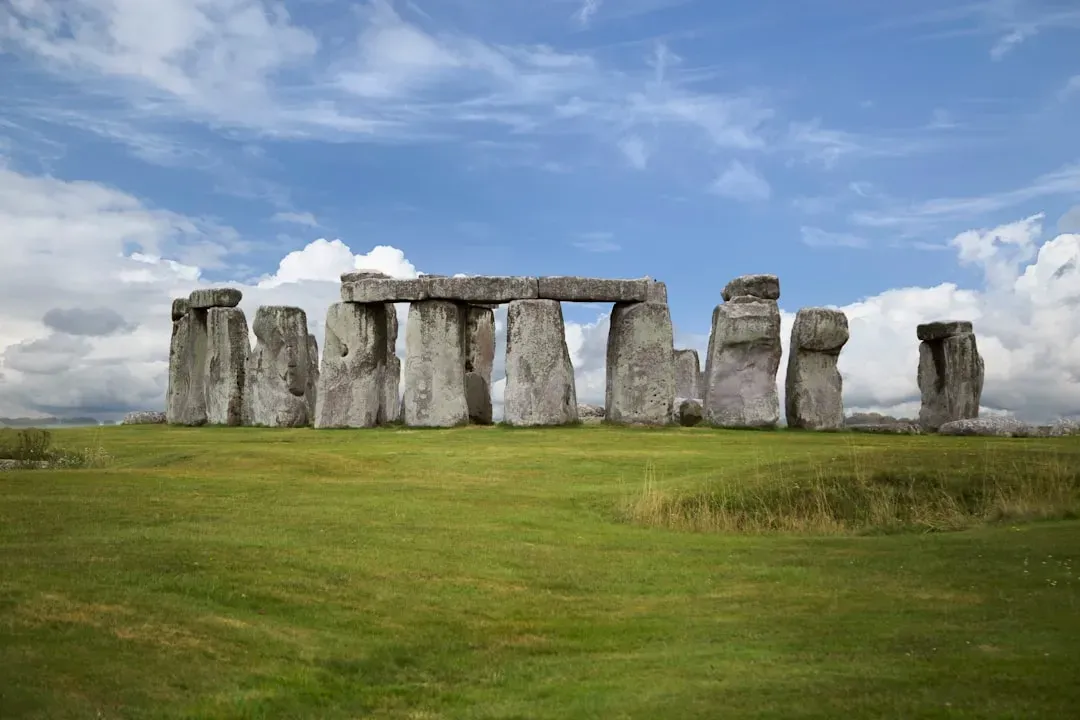
Stonehenge is perhaps the world’s most recognized prehistoric monument, and yet familiarity hasn’t made it any less mysterious. Radiocarbon dating places its earliest phase around 3000 BCE, with major stone construction occurring between 2600 and 2400 BCE. The bluestones were transported from Wales, roughly 200 kilometers away. That fact alone tells us something critical: this was not a casual project. It required planning, manpower, and social organization.
It remains unclear how builders moved the stones from Wales to Salisbury Plain, or how they cut them without the use of metal. Its alignment with the solstices strongly suggests ritual timing, which does not mean anything supernatural. It means agricultural societies were tracking seasonal cycles with precision. The builders somehow created an ancient sound chamber using precisely positioned stones, though whether this was intentional or coincidental remains unknown. The acoustic phenomenon adds another layer to the monument’s mysterious purpose.
Kailasa Temple, Ellora, India
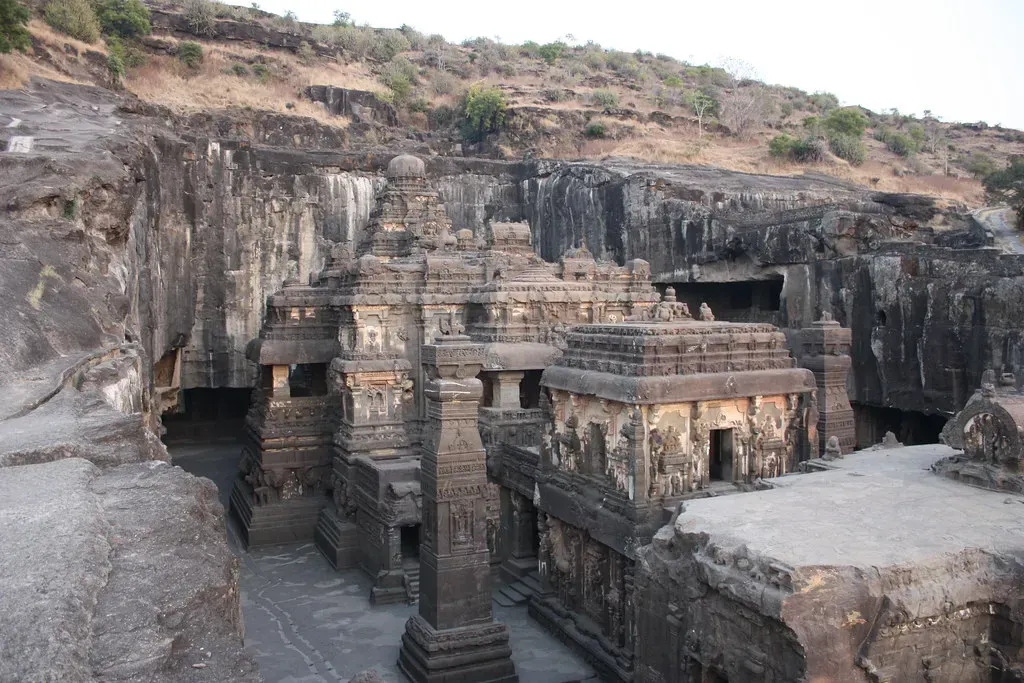
Most temples are built from the ground up. The Kailasa Temple at Ellora, India, was built in the opposite direction. It was entirely carved from top to bottom out of a single hard basalt hillside using iron hammers and chisels. There is no margin of error when removing stone from the finished product, so precise planning and layout were required, and it is estimated that 400,000 tons of stone were removed to reveal the temple and create the numerous chambers both inside and in the adjacent cliffs.
Unlike conventional structures built by stacking stones upward, this temple was excavated top-down. Artisans began at the summit of the cliff and gradually worked downward, sculpting halls, pillars, shrines, and sculptures from a single mass of volcanic rock. When they stopped carving, what remained was not just a temple, but an entire complex: courtyards, gateways, towers, and detailed reliefs, all integral parts of a single, monolithic form. Modern archaeologists estimate it would have required hundreds of laborers working continuously for decades to complete, yet the precision of the carvings was achieved using the simplest of instruments: hammers, chisels, and a profound understanding of geometry.
Nan Madol, Micronesia
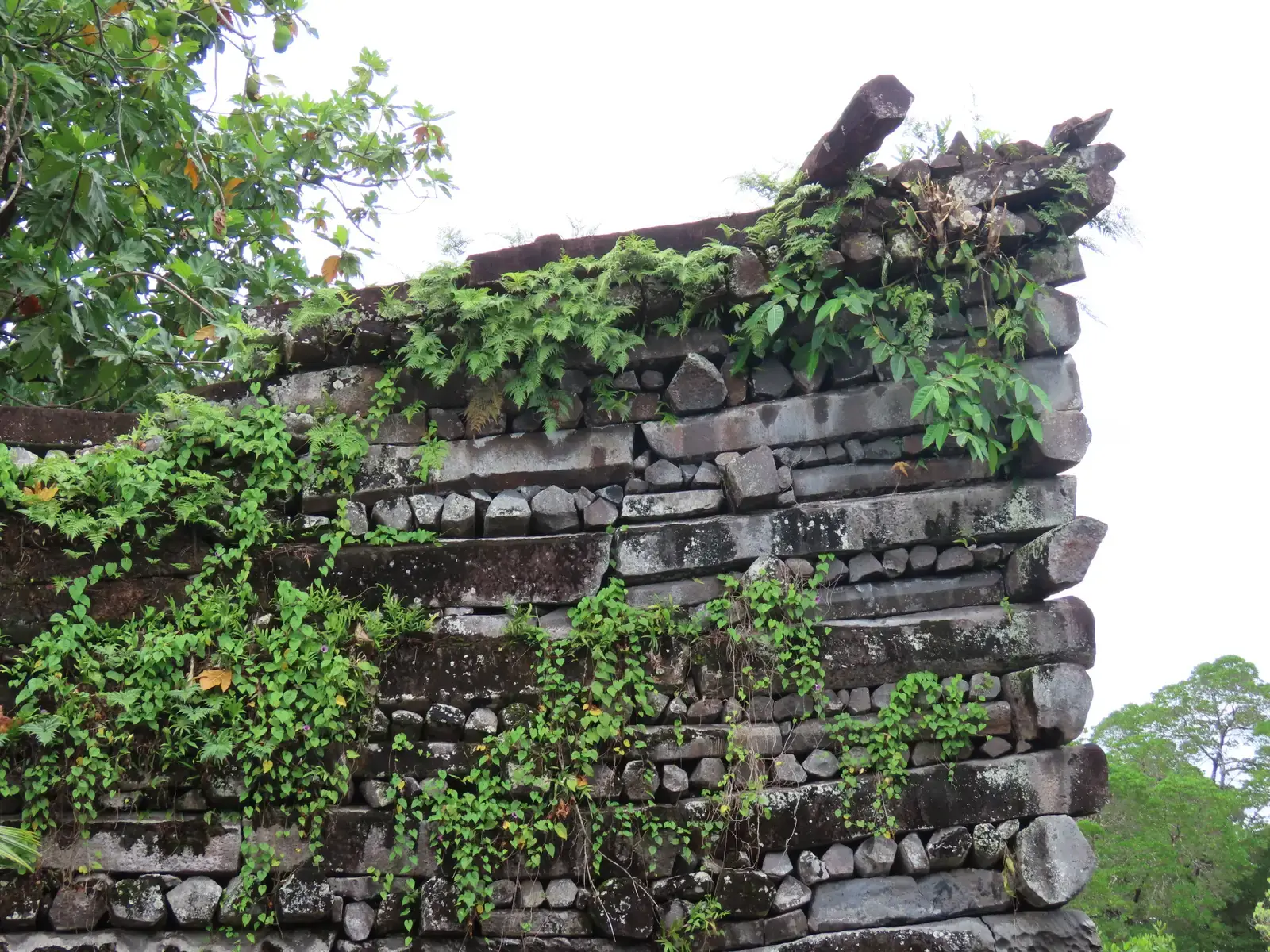
Rising from the waters off the coast of Pohnpei in Micronesia is one of the most improbable cities ever constructed. Known as the “Venice of the Pacific,” Nan Madol consists of 92 artificial islands connected by canals. The site contains an estimated 250,000 tons of basalt columns transported from a quarry 30 miles away, and how a Bronze Age civilization moved such massive stones across water remains unexplained.
Located on a lagoon near Pohnpei, it features around 100 artificial islets spread across 150 acres. This city could house over 1,000 people and is believed to have been a ceremonial and political center for the Sau Deleur dynasty chiefs, active between roughly 1100 and 1628 CE. This lost city built atop a coral reef features giant basalt columns stacked like logs into mysterious ocean structures. The logistics of quarrying, transporting, and stacking those columns across open water, without any mechanical advantage we’d recognize today, remains genuinely baffling.
The Longyou Caves, China
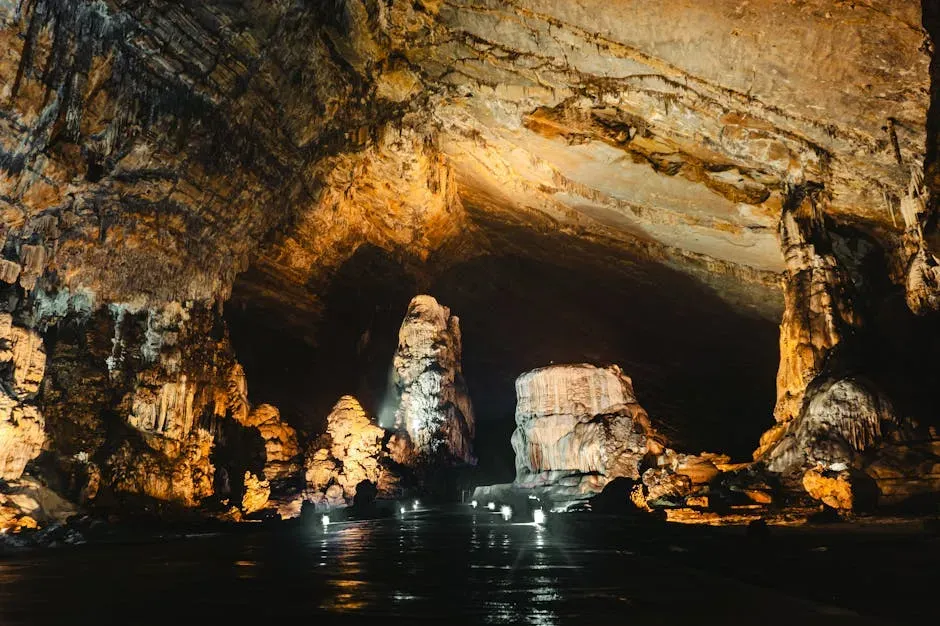
In 1992, a farmer in China’s Zhejiang province drained a pond and discovered something that archaeology still hasn’t fully reconciled. Deep beneath the province, the Longyou Caves feature massive underground chambers carved into solid rock. Unlike natural cave formations, their walls and ceilings are covered in intricate tool marks, as if chiseled with unknown technology. No records mention their construction, and the sheer volume of excavated material remains unaccounted for.
Eventually, 27 grottos were discovered in all, containing rooms, bridges, and pools. The largest grotto covers an area of 21,500 square feet and is 98 feet tall, resembling a great hall. All the grottos were found to be close together, in some cases separated by only a thin rock wall. The precision and planning that went into their construction were incredible. The construction of these caverns still eludes modern archaeological examination. Considering the rate at which an average human would dig with tools of the time, it would take 1,000 skilled artisans working around the clock over many years to complete such a project. Even more mysterious is how they managed to move the rubble, as there has not been a single trace of the one million cubic meters of stone removed from the caves.
The Rock-Hewn Churches of Lalibela, Ethiopia
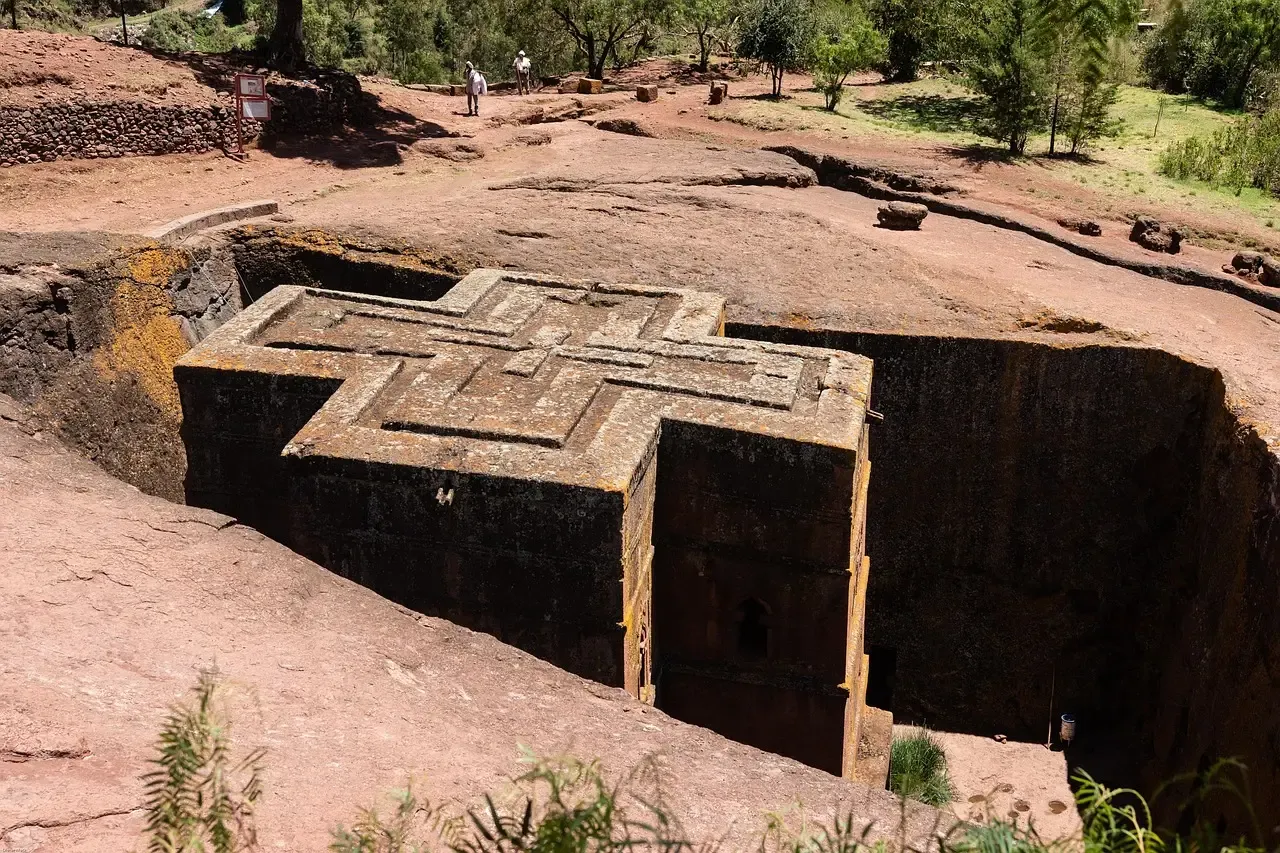
In the mountains of northern Ethiopia, eleven churches were carved directly from solid volcanic rock, and they remain active places of worship to this day. Lalibela’s eleven ancient rock-hewn churches highlight Christianity’s long history in Ethiopia. Carved as monolithic structures, they reach depths of 40 to 50 feet below the earth’s surface. Cross-shaped openings serve as windows, ventilation, and drainage.
Ellora in India and the Zagwe-built Lalibela in Ethiopia provide some of the most famous examples of such structures. The area contains numerous Orthodox churches in three dimensions, carved out of the rock. These structures, which date from the 12th and 13th centuries CE, rank among the most magnificent examples of rock-cut architecture in the world, with both interior and exterior fully realized. One popular theory suggests King Lalibela of Ethiopia ordered their construction in the 12th century, and local worshipers believe King Lalibela, with the aid of angels, completed the eleven churches in a single night. The legend aside, the engineering reality is extraordinary enough on its own.
Tiahuanaco (Tiwanaku), Bolivia
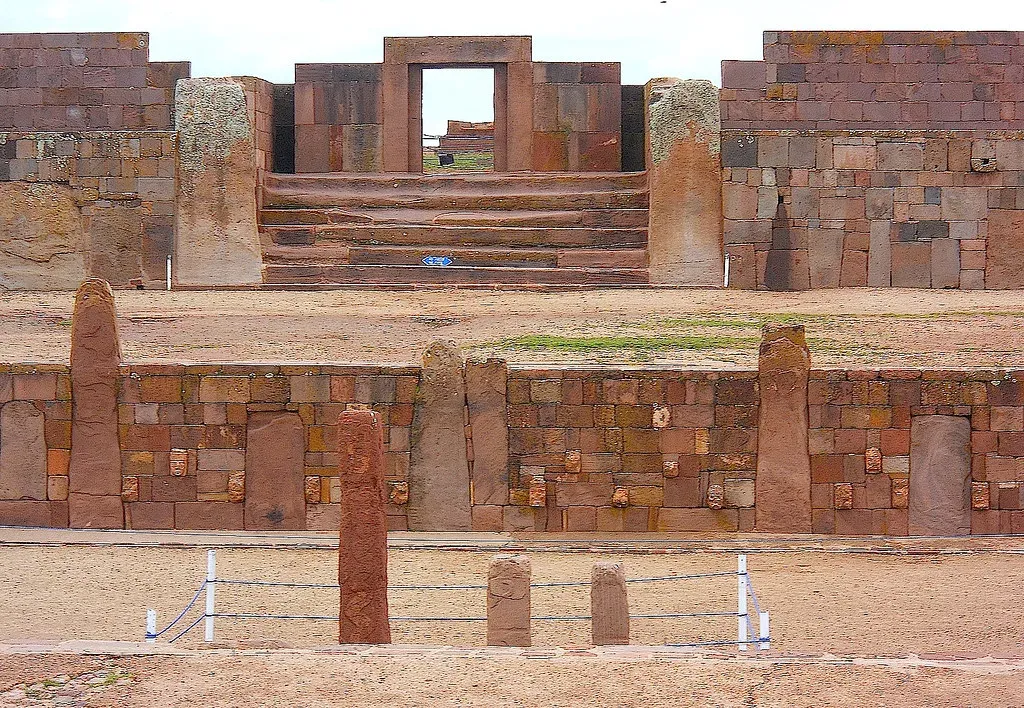
Near the southern shore of Lake Titicaca, the ruins of Tiwanaku represent one of the most significant pre-Columbian civilizations in the Americas, and one of the most confounding. Near Lake Titicaca, the ruins of Tiahuanaco feature precision-cut stonework and intricate carvings that seem out of place in their time period. Some stones appear to have been cut with interlocking notches suggesting a level of craftsmanship rivaling modern engineering. The lack of records leaves historians grasping for explanations.
Many megalithic structures at the site feature tightly fitted stones without the use of mortar, and this precision indicates an advanced understanding of geometry and measurement. What makes Tiwanaku particularly compelling is the evidence of long-distance transport: massive stone blocks were moved from quarries across Lake Titicaca, a logistical challenge that required organized labor, sophisticated watercraft, and careful planning. Far from being primitive, these builders demonstrated remarkable knowledge, planning, and cooperation, and their achievements continue to challenge modern assumptions about ancient technology.
Machu Picchu, Peru
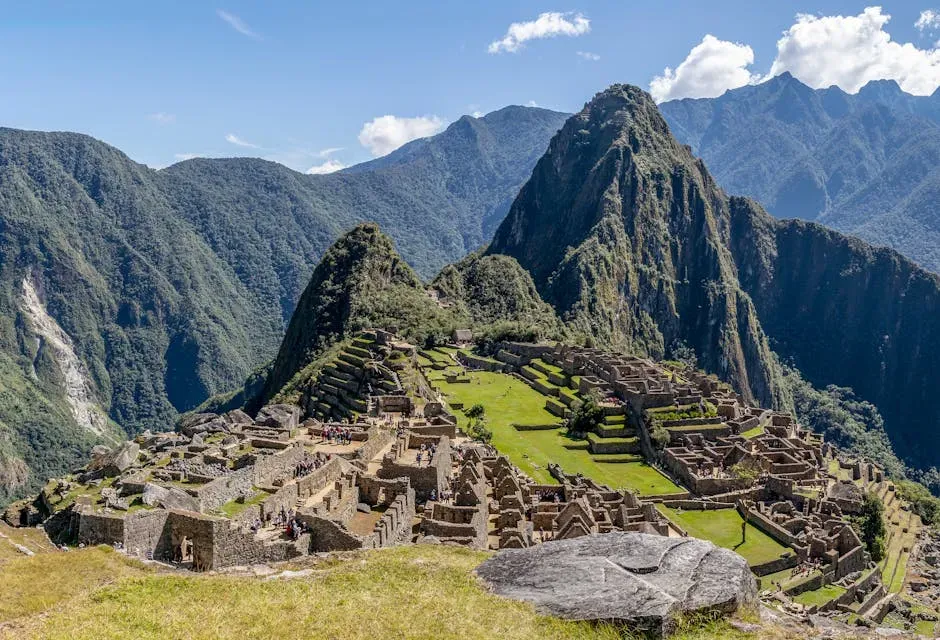
Perched on a mountain ridge more than 2,400 meters above sea level, Machu Picchu was constructed by the Inca Empire around the 15th century and remains one of the most iconic archaeological sites in the world. This remarkable Incan citadel, built around the 15th century, boasts breathtaking views and intricate stone architecture that blends seamlessly with the surrounding natural landscape. What’s less commonly discussed is how the Inca managed to build so precisely on terrain that would challenge modern construction crews with full access to machinery.
At Machu Picchu and nearby Ollantaytambo, some stones exceed 100 tons, and the polygonal fitting is so precise that a blade cannot pass between blocks. The Incas worked without iron tools, without the wheel, and on slopes that made every movement of stone a serious undertaking. Experimental stone shaping using hammerstones and sand abrasion has replicated similar surface finishes, suggesting the stones look impossible because we tend to underestimate what disciplined manual labor can achieve over time. Impressive doesn’t quite cover it.
The Moray Terraces, Peru
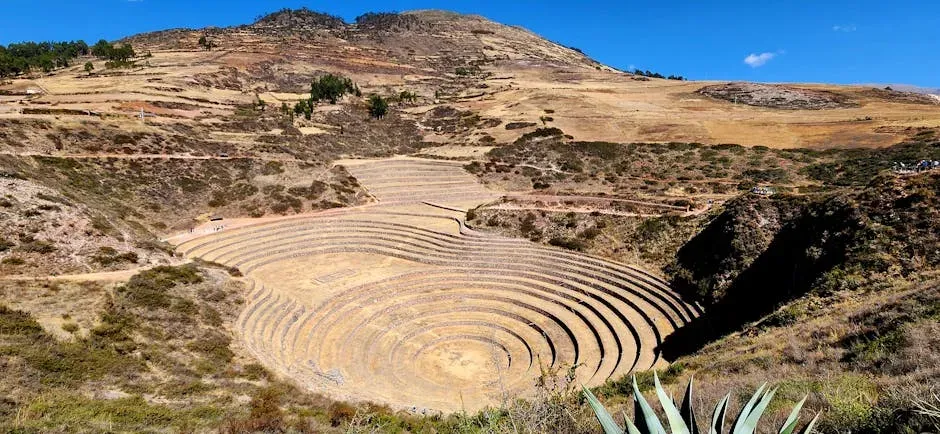
Not far from Cusco, in a natural depression in the Andean landscape, the Inca created something that looks less like a fortress and more like an experiment. Moray, about 50 kilometers northwest of Cusco, Peru, is home to one of the most mysterious and stunning Inca ruins. The ruins are of an ancient amphitheater-like structure with concentric terraces that run around the depression. The biggest of the terraces are at the center and descend approximately 150 meters to a circular bottom. One of the most intriguing features of this structure is that the bottom is so well-drained that no rainwater can collect in it.
Archaeologists have theorized that the terraces created a range of microclimates, potentially serving as an agricultural testing ground where different crops could be cultivated at varying temperatures. The engineering required to produce such consistent drainage across a large circular depression, and to build terraces with that degree of uniformity, speaks to a level of hydrological planning that feels remarkably sophisticated. This kind of precision indicates an advanced understanding of geometry and measurement, and these builders clearly considered weight distribution and stability to ensure their structures could withstand time, weather, and natural forces.
Borobudur, Indonesia
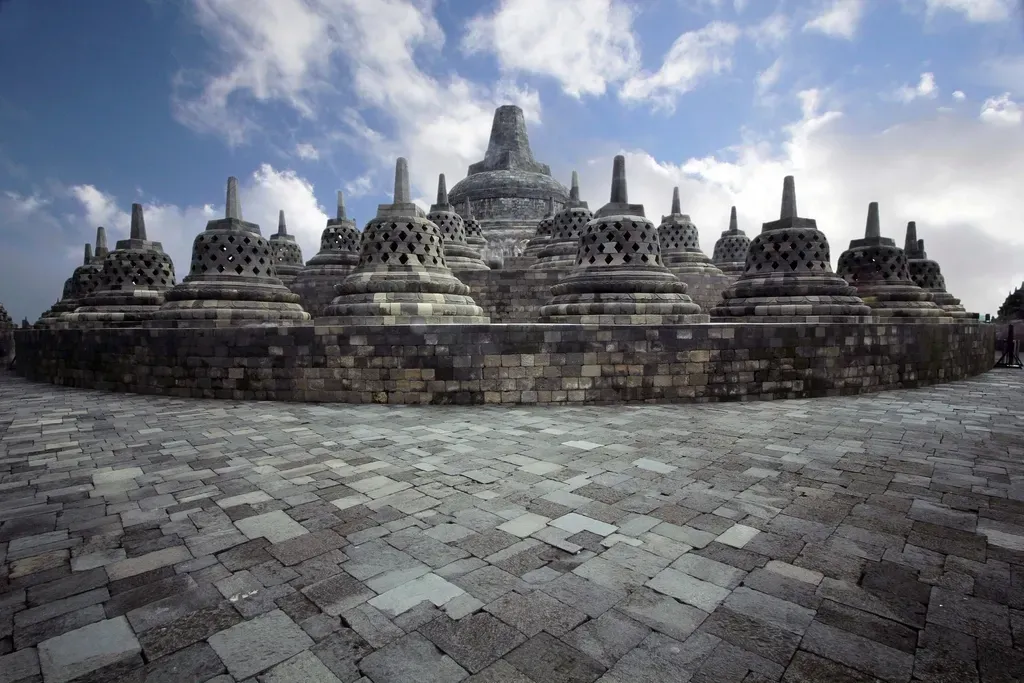
On the island of Java in Indonesia stands the largest Buddhist temple in the world, and it was built without a single drop of mortar. The temple at Borobudur leaves big question marks about its construction. Historians estimate it to have been built in the 8th century by the Shailendra dynasty, and estimate that construction would have taken a whole century to complete due to its vast size and artwork.
Over 504 statues adorn the temple. The central dome has 72 stupas surrounding it, each with a statue placed inside. An equally mysterious unfinished Buddha sculpture lies inside the main stupa. Archaeologists suggest that the structure’s initial design was one giant stupa built around five balustrades, and the builders later altered the design to feature three stupa levels around one great stupa due to fear that it would collapse. The fact that ancient builders could recognize a structural failure risk mid-construction and redesign accordingly shows a degree of engineering intuition that is genuinely hard to dismiss.
The Monoliths of Asuka, Japan
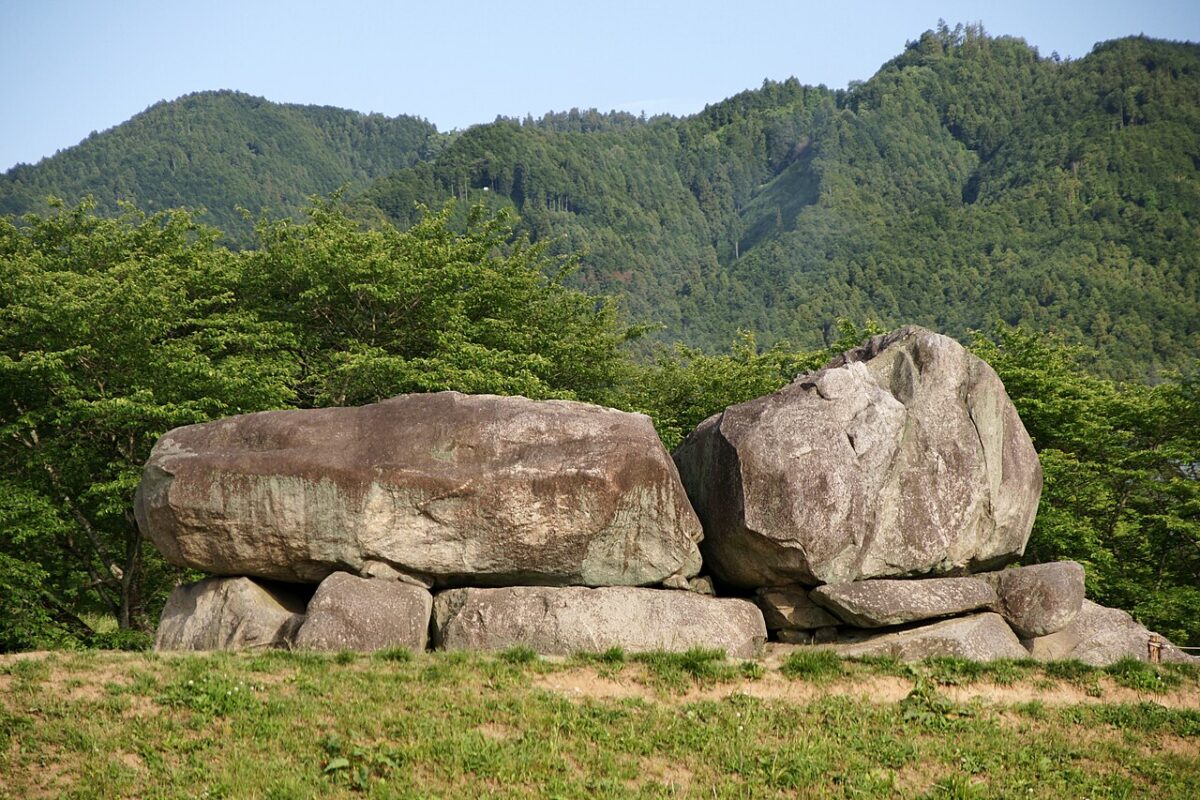
663highland, CC BY-SA 3.0, via Wikimedia Commons
In the village of Asuka in Japan’s Nara Prefecture, a collection of carved stone objects from the Kofun period has puzzled historians for generations. The village of Asuka, dating back to the Kofun Jidai period of 250 to 552 AD, contains twenty famous stone structures of unknown origin. The stones are cut with sharp-edged precision, shaped into forms that include geometric platforms, carved basins, and mysterious saddleback shapes, none of which have been definitively explained.
What makes Asuka particularly intriguing is the combination of high-precision carving with total historical silence on the subject. No written records explain the stones’ purpose, no oral traditions have fully decoded their meaning, and the techniques used to produce their characteristic flat surfaces and crisp edges remain a subject of ongoing debate. Archaeology has solved many mysteries of the ancient past, but sometimes the evidence to explain the existence of an ancient structure simply isn’t there. How a society with limited technology managed to construct precise structures can have experts scratching their heads, and the how and why for many ancient structures remains a mystery that can only be answered by conjecture and limited evidence.
Conclusion: The Respect We Owe the Past
There is a temptation, when confronting structures like these, to reach for extraordinary explanations. Lost civilizations, forgotten technologies, extraterrestrial intervention. The pull is understandable. When the evidence is genuinely thin, the imagination rushes in to fill the gap.
The more honest response, though, is also the more humbling one. Far from being primitive, the builders of these structures demonstrated remarkable knowledge, planning, and cooperation, and their achievements continue to challenge modern assumptions about ancient technology. What these fifteen sites collectively suggest is that human ingenuity, when directed with focus, patience, and communal organization, is capable of precision that still escapes our full understanding thousands of years later.
We may never fully explain how these structures were built. Some techniques are gone. Some records were never made. But perhaps that’s fitting. Even though there may not be definite answers about how these structures originated, they still serve as incredible reminders of ancient human capabilities. The greatest thing these sites do is remind us that intelligence, creativity, and ambition are not modern inventions. They’re the oldest things about us.

- 9 Touching Stories of Animal Loyalty That Redefine Family Bonds - July 25, 2026
- 8 Unique Dog Breeds That Are Perfect for Older Owners - July 25, 2026
- The Way You Pet Your Dog Can Make All the Difference to Their Comfort - July 25, 2026