
The Arizona desert is one of those places that makes you feel alive. Wide open skies, towering saguaros, and sunsets that look like they’re painted by hand. It’s beautiful, wild, and absolutely unforgiving. While people move here for the weather and the scenery, they quickly realize they’re sharing the landscape with some of the most venomous and dangerous creatures in North America.
Let’s be real, Arizona isn’t just cacti and roadrunners. Arizona is home to a wide variety of venomous creatures, earning it the title of the “venomous creature capital” of the United States. Step outside at the wrong time, reach into the wrong place, or accidentally disturb something hiding in the shadows, and you might end up with a painful story to tell. The creatures here aren’t out to get you, but they won’t hesitate to defend themselves if they feel threatened. So let’s dive in.
Arizona Bark Scorpion
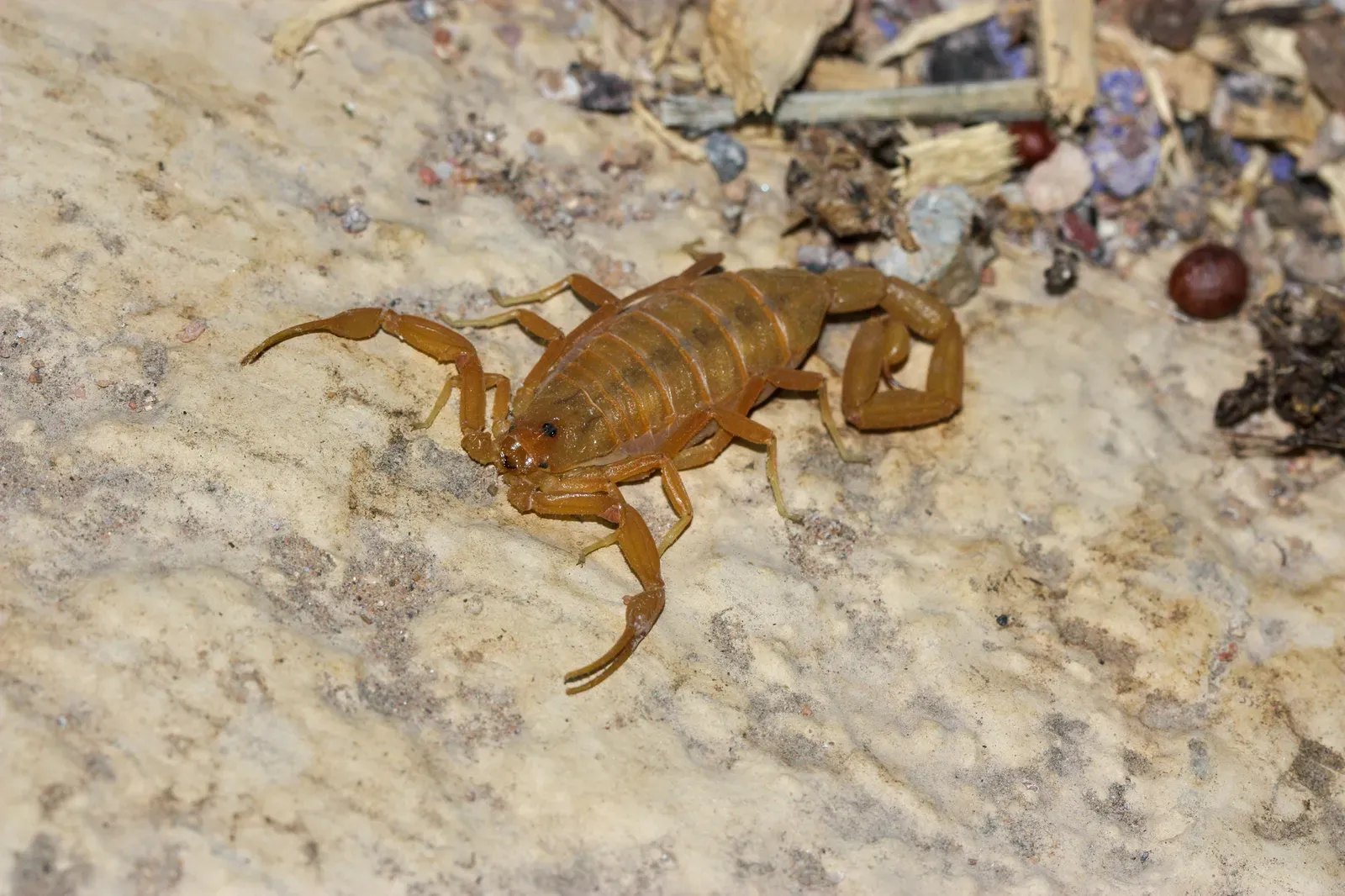
When most people think of Arizona, scorpions usually come to mind first. There are dozens of species scuttling around the state, but only one really deserves your respect and caution. The Arizona bark scorpion is the most venomous in North America. It’s smaller and skinnier than other scorpions, which almost makes it worse because it can squeeze into tight spaces you’d never expect.
What makes this little nightmare even more problematic? It’s also the best climber. That means it can scale walls, hang from ceilings, and hide in shoes or folded towels waiting in your bathroom. The Arizona Bark Scorpion is the most venomous scorpion in North America, and its sting can be painful and potentially dangerous. The venom can cause intense pain, numbness, and respiratory distress, particularly in sensitive individuals or children.
Healthy adults usually survive a sting without major issues, though it’s still incredibly painful. While fatalities are rare, a sting to a small child, a senior citizen, or a person with a compromised immune system can be fatal. People shake out their shoes here for a reason. It’s not paranoia, it’s survival.
Western Diamondback Rattlesnake
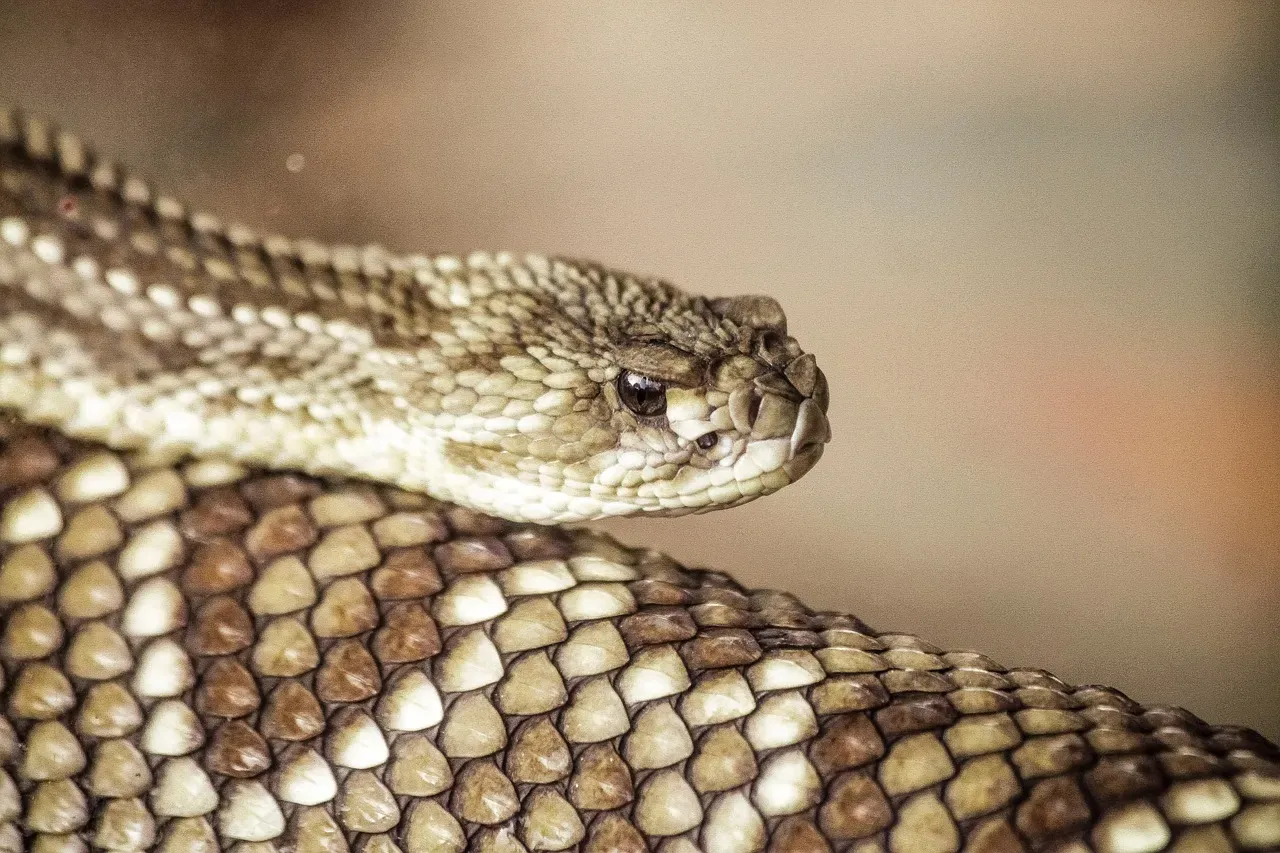
Arizona is home to more than a dozen rattlesnake species, but the Western Diamondback takes the crown as the most common and the most dangerous. While not the only species of rattlesnake in the Arizona desert, the Western Diamondback Rattlesnake is the largest and most common. It is also one of the most venomous snakes in North America. This snake grows anywhere from four to six feet long and weighs up to 15 pounds.
In Arizona’s deserts, rattlers hunt rabbits, gophers, lizards, and ground-dwelling birds in the underbrush at night, sensing their body heat with a pit located behind each nostril. They’re patient hunters and rarely aggressive unless you get too close or accidentally step near one. The good news? It’s a dangerous animal indeed, more than capable of biting and killing a human, but bites are very rare. They certainly don’t hunt or chase humans.
Still, the venom from a Western Diamondback is no joke. Because the venom can damage the tissue in the area of the bite, snake bite recovery can take anywhere from a week to a few months, depending on the amount of venom injected. Snake bites can also lead to long-term consequences like tissue loss, nerve damage and, in rare cases, amputation. That distinctive rattle is your warning, so if you hear it, freeze and back away slowly.
Gila Monster
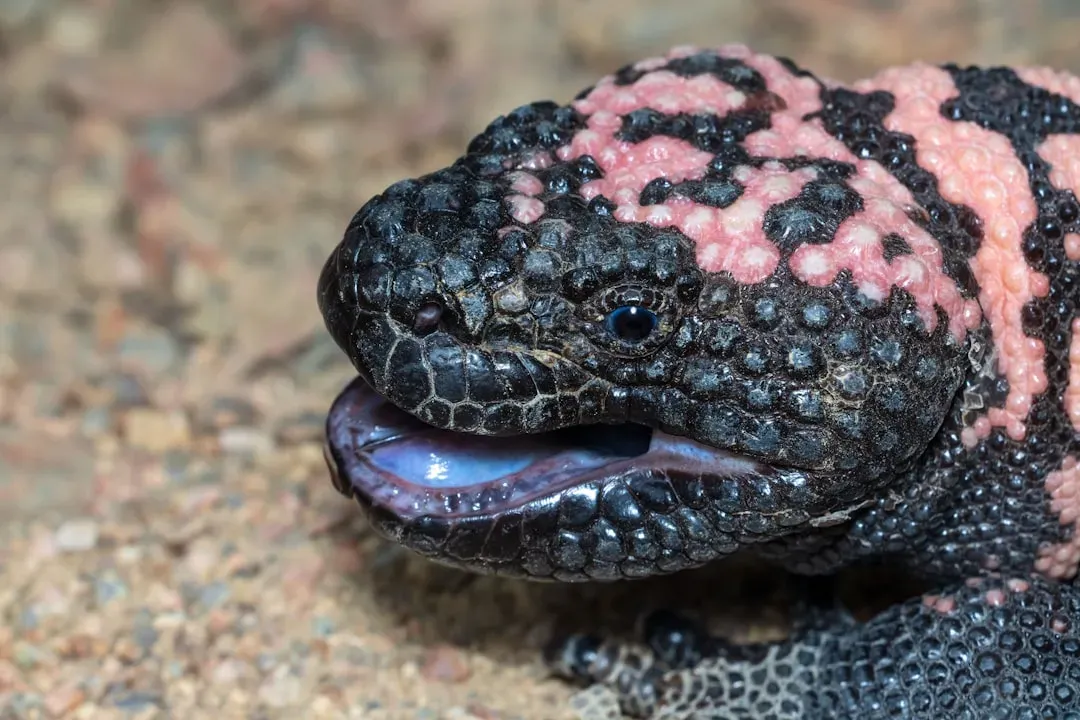
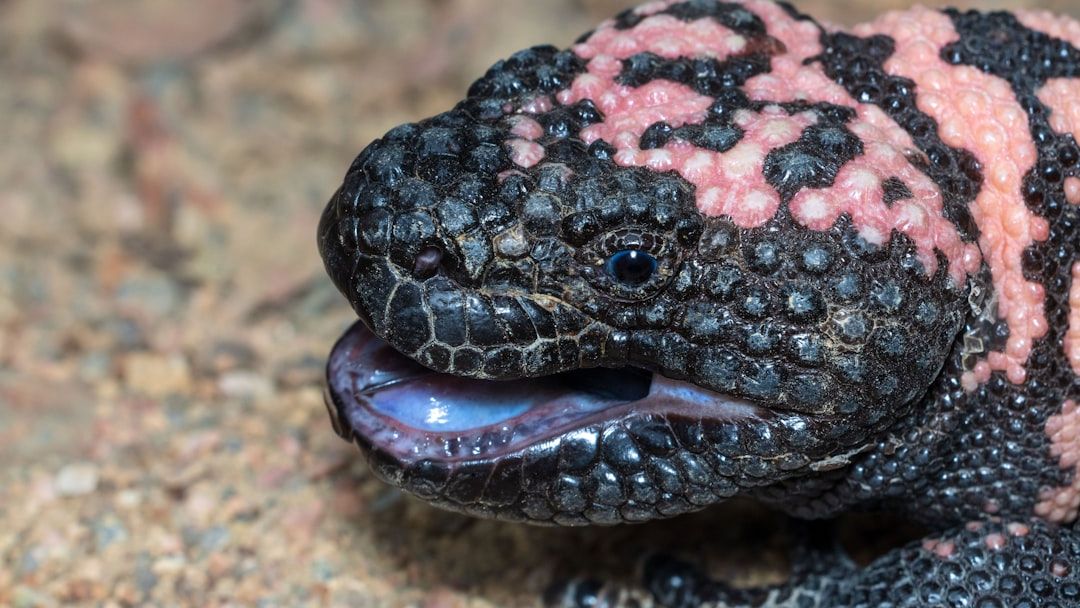
There’s something almost prehistoric about the Gila monster. Slow, heavy, and covered in beaded scales that look like they belong on a dinosaur. It is a heavy, slow-moving reptile, up to 56 centimetres (22 in) long, and it is the only venomous lizard native to the United States. They’re rare to spot, which makes encounters with them feel oddly special, until you remember they’re venomous.
Unlike snakes that inject venom through fangs, the Gila monster has to chew on you. Gila monsters produce venom in their lower jaw, delivering them through chewing on their victim; the more they bite, the more venom they excrete into their prey. When they bite, it is often hard to get them to release without the use of a hard object. These large reptiles have a well-deserved reputation for clamping down on a victim with their teeth and not letting go. Most serious bites occur when the Gila monster’s lower jaws secure a firm hold on the victim that lasts for several minutes. The bite is described as extremely painful, although initial pain is generally confined to the area of the bite.
Honestly, though, bites are incredibly uncommon because Gila monsters are sluggish and shy. The Gila monster is sluggish in nature, so it is not generally dangerous and very rarely poses a real threat to humans. If you leave them alone, they’ll leave you alone. But don’t test it.
Black Widow Spider
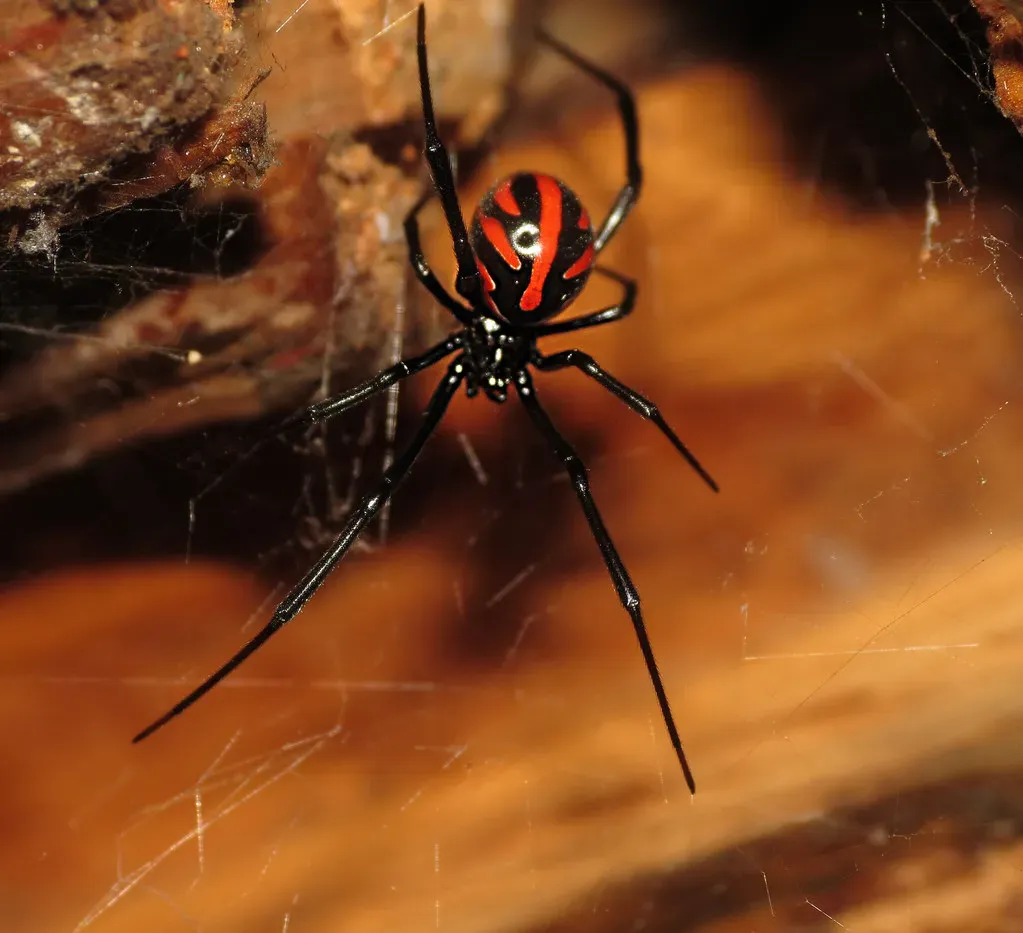
Small, shiny, and lethal looking, the black widow is arguably the most recognizable dangerous spider in Arizona. The black widow is the most venomous spider in North America. The female black widow, marked by the distinctive red hourglass shape on its underside, is aggressive and has a powerful bite. What’s even more unsettling is this: Black widow venom is 15 times stronger than a rattlesnakes.
That being said, most people who get bitten don’t end up in the hospital. Despite its potency, most people bitten usually don’t suffer serious injuries, according to National Geographic. A black widow bite can lead to severe pain, difficulty breathing, and cramping, but very effective antivenom is widely available in medical centers throughout the state. They like dark, undisturbed places like garages, sheds, and piles of wood.
Deaths from black widow bites are extremely rare nowadays. In the US, 2,500 black widow bites are reported annually. However, fatalities from black widow bites are extremely rare, with the last reported fatality in 1983. Still, if you see that red hourglass, don’t reach for it.
Tarantula Hawk Wasp
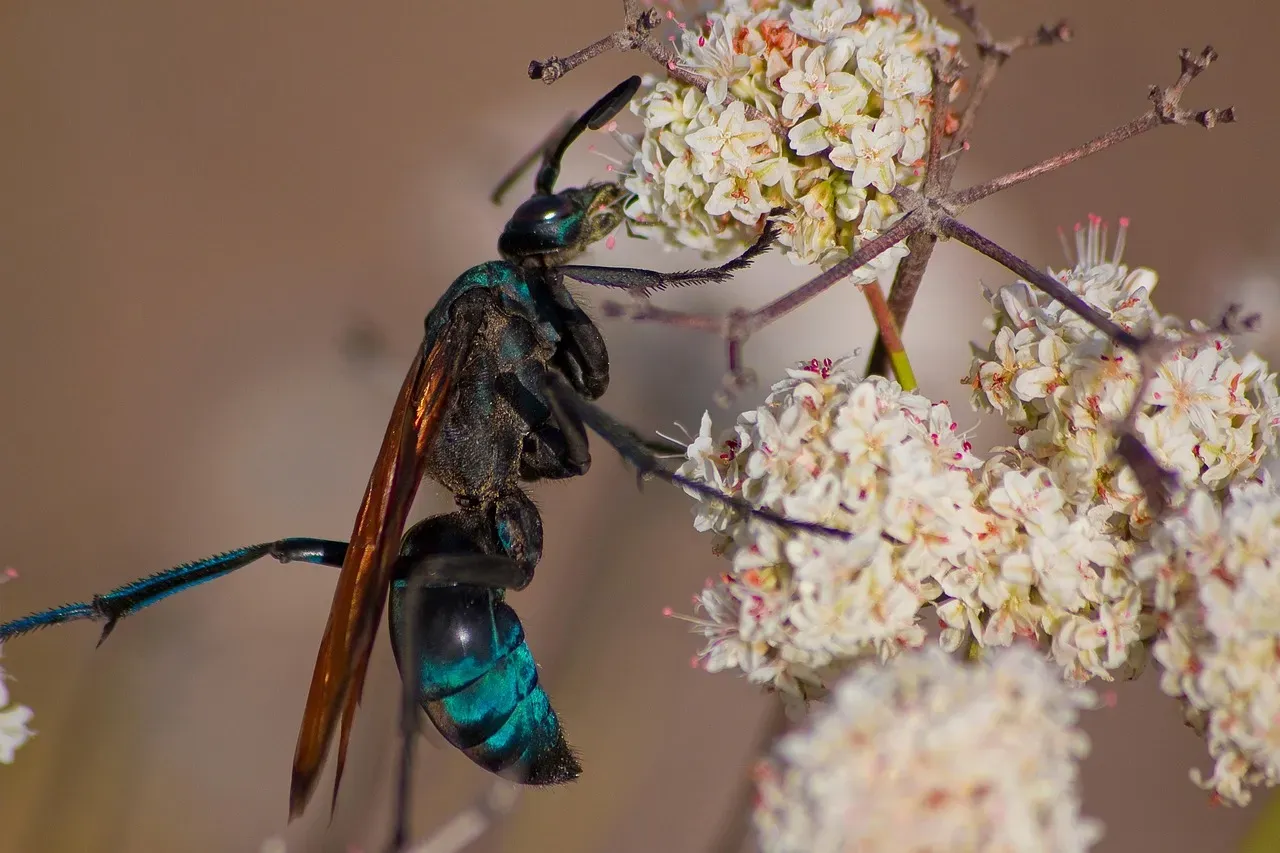
Here’s the thing, tarantula hawk wasps look terrifying. Tarantula hawks in Arizona are undeniably intimidating with their large size, shiny blue-black bodies, and vivid orange wings. They can grow up to two inches long, making them one of the largest wasps you’ll ever see. The good news is they’re not aggressive toward humans.
The bad news? If you accidentally provoke one, you’re in for a world of pain. In terms of scale, the wasp’s sting is rated near the top of the Schmidt sting pain index, second only to that of the bullet ant, and is described by Schmidt as “blinding, fierce[, and] shockingly electric”. Not only are these wasps deadly to tarantulas, they produce the most painful insect sting recorded in North America. The sting from one of these wasps can leave a full grown adult screaming and writhing on the ground in pain for several minutes.
Tarantula hawks hunt tarantulas to use as living incubators for their eggs, which is equal parts fascinating and horrifying. The female tarantula hawk wasp stings a tarantula between the legs, paralyzing it, and then drags the prey to a specially prepared burrow, where a single egg is laid on the spider’s abdomen, and the burrow entrance is covered. Aside from the possibility of triggering an allergic reaction, the sting is not dangerous and does not require medical attention. Local redness appears in most cases after the pain, and lasts for up to a week. Still, you definitely don’t want to experience it.
Arizona Brown Spider
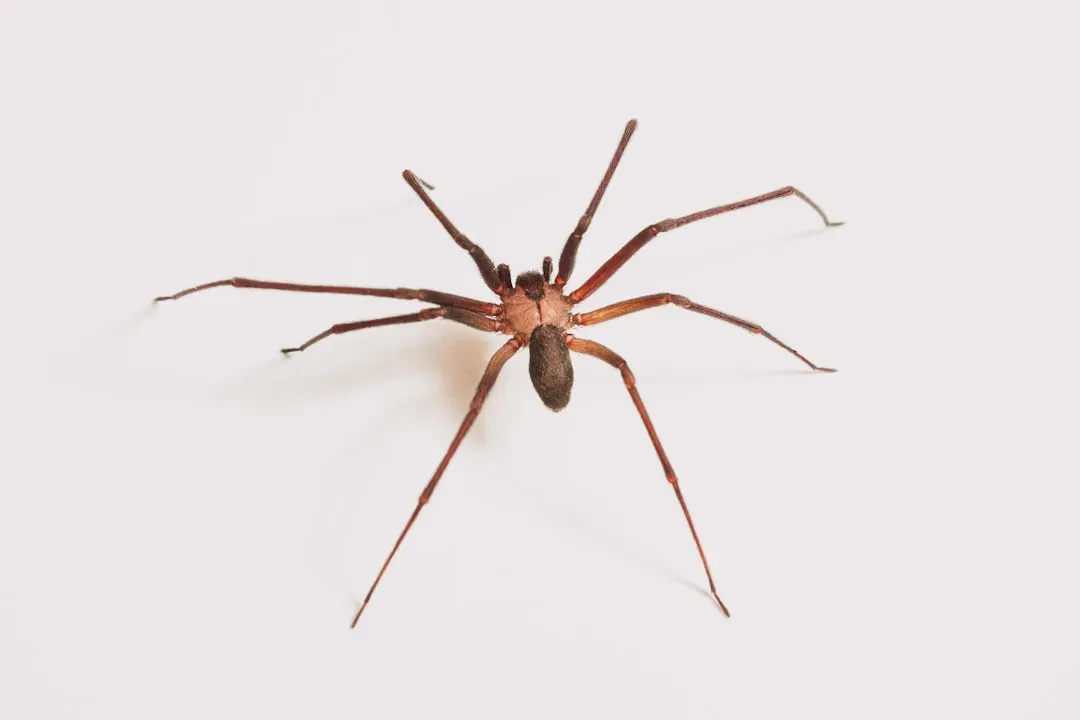
Sometimes called the Arizona brown recluse, this spider is small but packs a nasty bite. It has markings that look like a violin on its back, but trust me, there’s nothing musical about what happens if it bites you. According to the Arizona-Sonora Desert Museum, the bite of a brown recluse spider is very dangerous to humans and can result in amputation or death.
Brown recluse bites cause tissue necrosis, meaning the flesh around the bite dies and leaves behind an open wound that can take weeks or even months to heal. The brown recluse spider bite is much more venomous and leaves behind an open sore that may take weeks to heal. These spiders prefer quiet, undisturbed areas like closets, woodpiles, and storage boxes.
They’re not out looking for trouble, but if you accidentally put your hand somewhere they’re hiding, they’ll bite defensively. You won’t always feel it right away either, which makes it worse. The pain and damage develop over hours and days.
Giant Desert Centipede
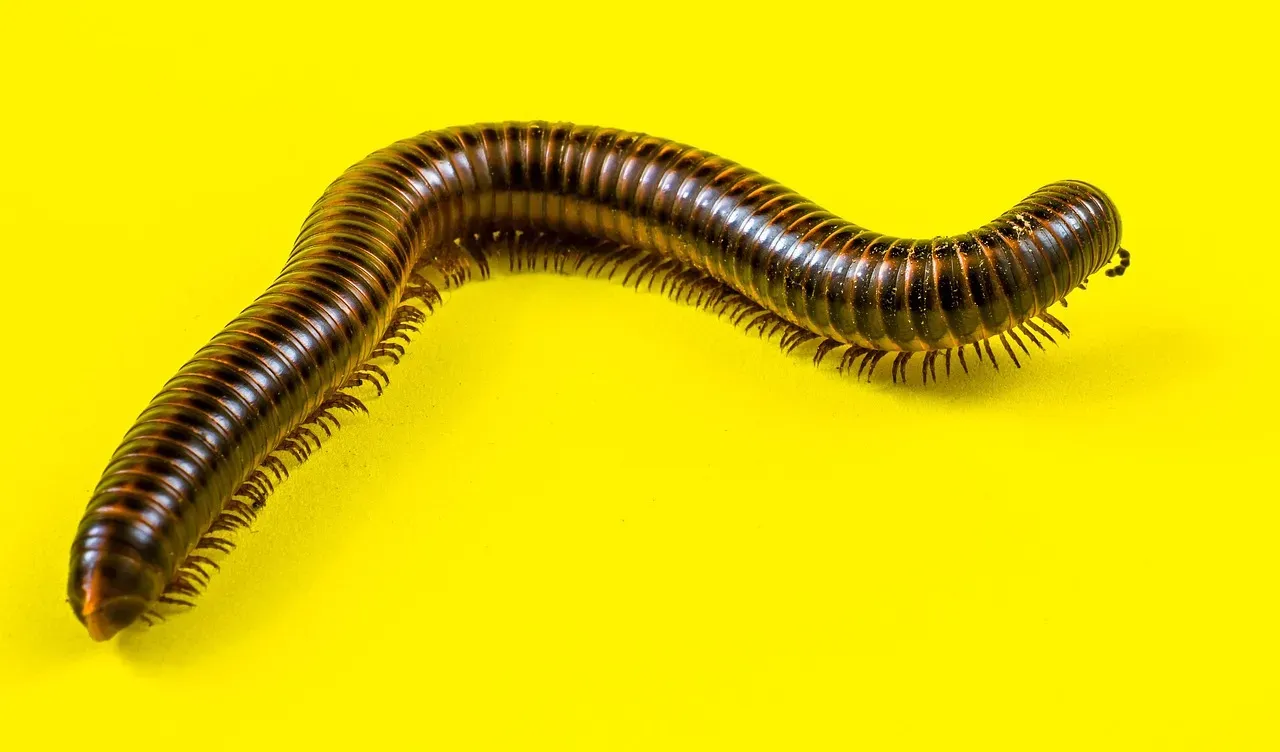
If you’ve never seen a giant desert centipede in person, picture something that looks like it crawled straight out of a nightmare. The desert centipede can grow up to eight inches in length. They’re fast, aggressive when cornered, and they have dozens of legs that make them look like they’re gliding across the ground.
This fascinating creature walks on 42 legs and uses pinchers to grip its unfortunate insect, frog, and rodent victims before injecting venom. It’s not venomous enough to harm humans, but the pinch is incredibly painful, so take care to avoid them. While giant desert centipede stings are not fatal, they’ve been described as one of the most painful stings in the world.
These centipedes hunt at night and hide under rocks or debris during the day. These massive brown centipedes are preyed on by owls, coyotes, and bobcats, so they hide under rocks during the day and emerge to hunt at night. Most bites happen when people are gardening, moving rocks, or walking barefoot outside after dark. Keep your shoes on.
Africanized Honey Bees
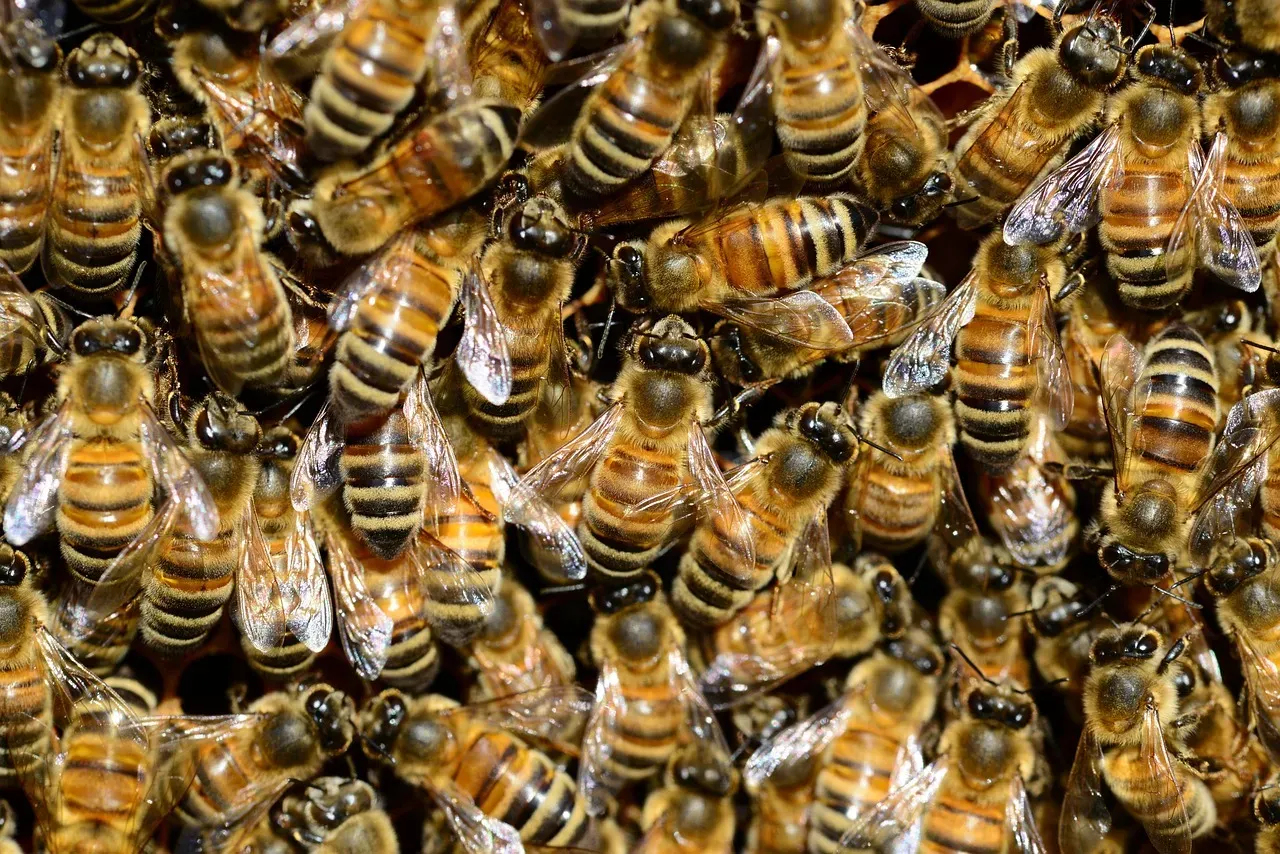
You might know them better as killer bees, and honestly, the name isn’t entirely inaccurate. They’re so mean that they are better known by another name: killer bees. Every year, these bees attack in swarms, killing people, especially when they feel their hive is under threat. Africanized honey bees look almost identical to regular honey bees, but their behavior is wildly different.
These bees are hyper-defensive. If they think their hive is in danger, they’ll chase you for hundreds of yards. They attack in massive numbers and don’t give up easily. The venom from one bee isn’t more toxic than a regular bee, but when you’re dealing with hundreds or even thousands of stings, the sheer volume becomes life-threatening.
If you encounter a swarm, don’t swat at them. If you accidentally disturb a hive, seek shelter from the swarm. If you are stung and experience an allergic reaction or hypersensitivity to the sting, go to the hospital immediately. Run in a straight line toward shelter, cover your face, and get indoors as quickly as possible. They’re one of the few creatures in Arizona that can actually chase you down.
Mojave Rattlesnake
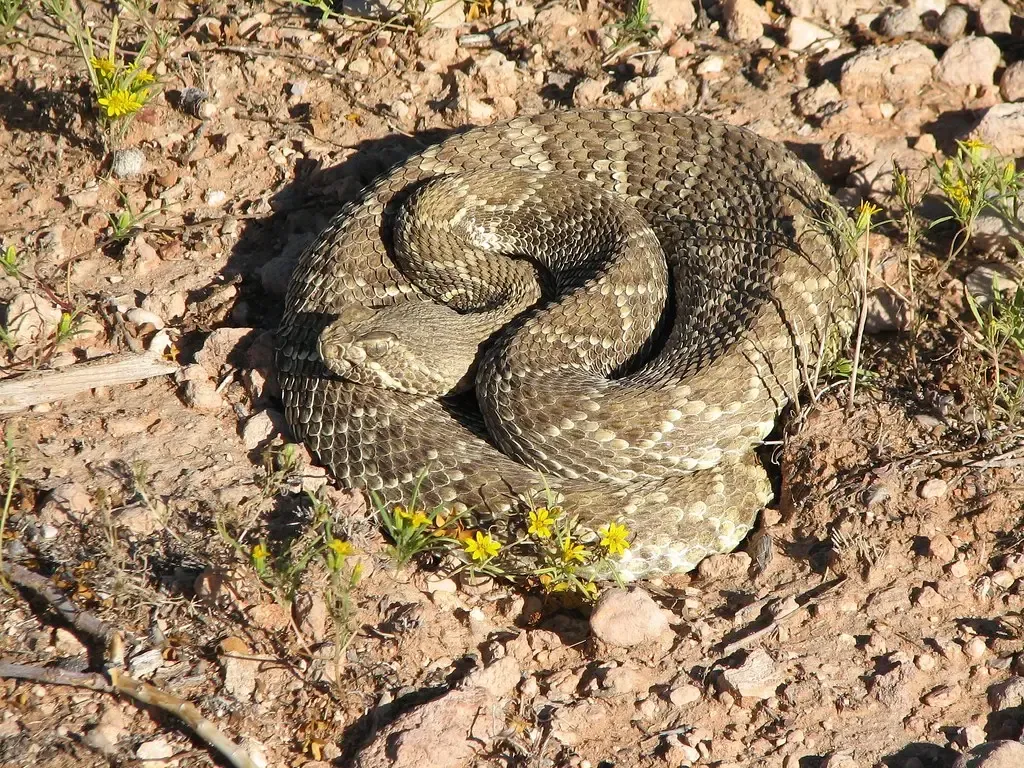
If the Western Diamondback is the most common rattlesnake in Arizona, the Mojave is the most dangerous. Many experts consider this particular rattlesnake species the most dangerous venomous snake living anywhere throughout the entire state of Arizona currently. Mojave rattlesnakes possess a unique venom that combines neurotoxic and hemotoxic properties, attacking both the nervous system and blood cells simultaneously. That dual-action venom makes bites from this snake far more serious than other rattlers.
Victims often experience difficulty breathing, vision problems, and severe pain that spreads rapidly from the bite location to other body areas. The symptoms can progress quickly, and without immediate medical treatment, things can go south fast. Mojave rattlesnakes prefer open desert terrain with sparse vegetation, which means they’re often found in areas where hikers and outdoor enthusiasts spend time.
Their coloring ranges from greenish-gray to brownish-tan, helping them disappear into desert backgrounds where unsuspecting hikers might accidentally step too close. They blend in perfectly with the desert floor, making them incredibly hard to spot until it’s almost too late. If you’re hiking in Arizona, especially in the Mojave Desert region, keep your eyes on the ground and watch where you step.
Conclusion
Arizona’s desert is a place of extremes. Stunning beauty, brutal heat, and creatures that demand respect. The animals here aren’t monsters, they’re survivors adapted to one of the harshest environments on Earth. They don’t want to hurt you, but they will if they feel cornered or threatened.
The truth is, most people who get bitten or stung in Arizona made a simple mistake. They reached into a dark space without looking, stepped off the trail without paying attention, or tried to handle something they shouldn’t have. Awareness and caution go a long way. Shake out your shoes, watch where you sit, and give wildlife space.
Have you ever had a close call with any of these creatures? What would you do if you came face to face with a tarantula hawk or heard a rattlesnake’s warning rattle? Share your thoughts in the comments below.
