

You step outside on an ordinary Tuesday morning with your coffee, maybe thinking about what to make for breakfast. Then you freeze. There’s something large and dark moving near the fence. It’s a bear, sniffing your trash can like it owns the place. Your heart rate doubles before your brain even has time to catch up.
Encountering a bear in a backyard is a common occurrence in some areas, because bears are often attracted to bird feeders, trash, pet food, and similar items. What’s surprising to most people isn’t that bears wander in occasionally. It’s how quickly the situation can shift depending on what you do next. The right response, made in seconds, matters more than most homeowners ever expect.
#1. Stay Calm and Don’t Run – Your First Instinct May Be Wrong
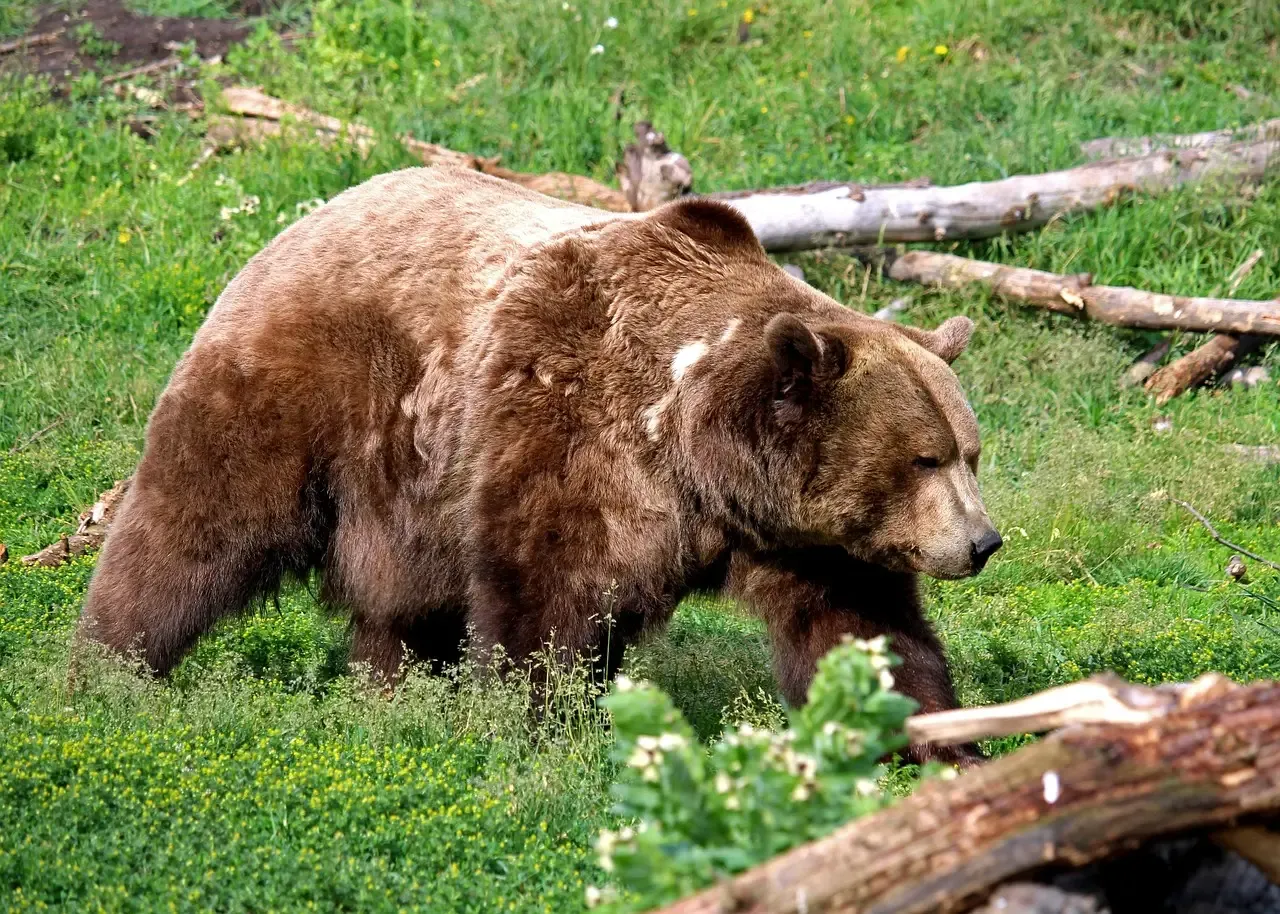
The very first thing your body wants to do when you see a bear is bolt. Resist that completely. If you encounter a bear that’s aware of you, don’t run, as running may trigger a chase response. Back away slowly in the opposite direction and wait for the bear to leave. This is one of the most critical pieces of advice from wildlife authorities, and it’s worth repeating: running tells the bear something is prey.
Bears can run as fast as a racehorse both uphill and down, and like dogs, they will chase fleeing animals. That casual-looking bear in your yard is far quicker than it appears. Standing your ground, staying composed, and moving away deliberately creates a much safer dynamic than sprinting for the porch door.
Identify yourself by talking calmly so the bear knows you are a human and not a prey animal. A low, steady voice does more than quiet the situation; it signals to the bear that you’re not something small and panicked. That distinction matters to a bear making a split-second assessment of whether you’re a threat or a meal.
#2. Make Yourself Big and Make Some Noise

Once you’ve committed to not running, shift your posture and your volume. Try to appear large by holding up your arms and jacket, and stand on a rock or stump if possible. Intimidate the bear by making yourself look bigger and making noise, whether that’s waving your arms, shouting, clapping, or banging a stick. The goal here is to present yourself as something not worth messing with.
High-pitched, panicky noises can make you sound like prey to a hungry bear. Keep the volume up but the tone firm and controlled. There’s a real difference between a shriek of fear and a commanding shout. Bears respond to confidence. If you’re inside the house and looking out at a bear on your deck or near a window, from a safe distance you can make loud noises, shout, or bang pots and pans together to scare the bear away.
Using a low-pitched but strong voice, telling the bear to go away communicates a take-charge tone. The actual words don’t much matter. What you’re trying to project is that this yard is not a comfortable place to linger. Most of the time, that message gets through.
#3. Understand Why the Bear Is There in the First Place

Most conflicts between people and bears can be traced to human food, garbage, pet food, bird seed, or other attractants. When people, intentionally or unintentionally, leave food out for bears to find, a bear’s natural drive to eat can overcome its wariness of humans. Bears that get too comfortable around people can destroy property or even become a threat to human safety. In other words, the bear in your backyard is almost certainly following its nose, not looking for trouble.
Bears have acute eyesight and hearing, and their sense of smell is seven times greater than a bloodhound’s. They have a keen ability to detect pet food, garbage, barbecue grills, and bird feeders, and once they locate a food source, they remember where it is. That last part is the piece homeowners often underestimate. A bear that finds something good once will return, sometimes repeatedly, until there’s a reason not to.
Throughout the spring and early summer months, black bears have depleted fat reserves and will search extensively for easily obtainable, calorie-dense foods, which can lead to an increase in the potential for human-bear conflicts near homes and residential areas, especially before the spring green-up when natural food sources for bears are scarce. Knowing when bears are most likely to wander into residential neighborhoods gives you a real seasonal advantage. Spring and early summer are when vigilance at home matters most.
#4. Keep Pets and Children Protected Immediately

Check your yard for bears before letting out your dog. This sounds simple, but it’s a step many pet owners skip entirely until something goes wrong. A dog that rushes at a bear, even a curious or non-aggressive one, can escalate a non-event into a dangerous confrontation within seconds.
Do not attempt to separate the bear and your dog. Make loud noises such as shouting and clapping. The instinct to protect a pet is completely natural, but physically inserting yourself between a dog and a bear is genuinely dangerous. Noise is your tool here, not proximity. If available, spraying the bear with a hose while remaining at a safe distance is another option worth keeping in mind if the bear lingers near your animals.
Your dog could be injured, or could come running back to you with a bear on its heels. Always supervise your pet when outside, especially at dawn or dusk when wildlife are most active. Children should be brought inside calmly and quickly as soon as a bear is spotted. The backyard can wait. The curiosity can wait. Getting everyone inside cannot.
#5. After the Bear Leaves: Remove What Attracted It and Report the Encounter
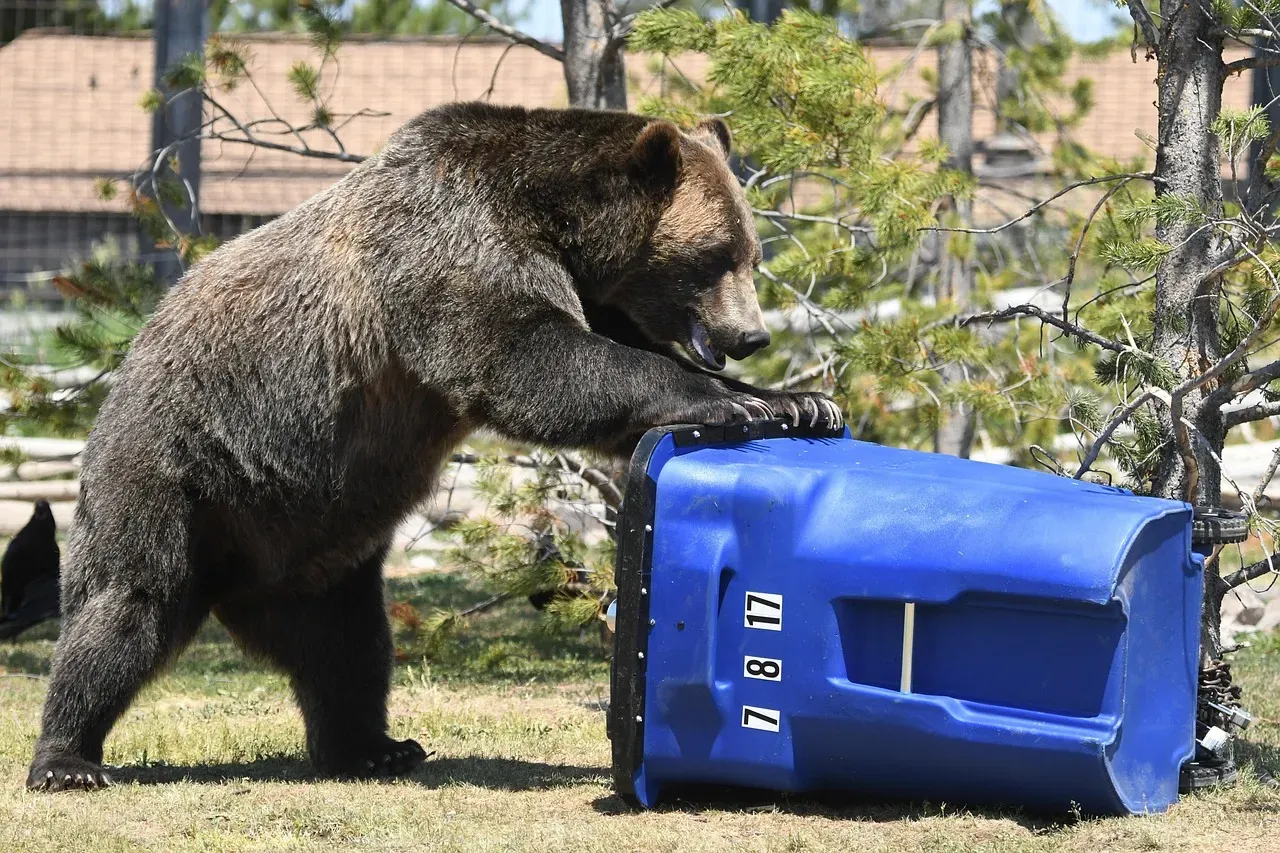
After the bear leaves, be sure to keep trash in a secure container or locked in an outbuilding, bring in bird feeders and pet food, and remove any other potential attractants. This is arguably the most important step of all, because it determines whether this visit was a one-time event or the beginning of a pattern. A bear that finds nothing won’t bother coming back. A bear that finds food will have the location memorized.
Wildlife experts advise emptying feeders and cleaning spilled seed, securing or storing garbage and recycling cans in a sturdy building, cleaning and removing residual grease and food from grills and smokers, and keeping pets and livestock food indoors. These aren’t major lifestyle changes. They’re simple habits that make your yard boring to a bear, and a boring yard is exactly what you want.
Bears are normally wary of people, but if a bear finds food without getting frightened away, it may come back for more. Each time this happens, it can become less fearful, and this habituation can lead to problems. Reporting the sighting to your local wildlife agency is also worth doing. Once you and your household are safely away, reporting the encounter to a local wildlife organization helps authorities track patterns, identify food-conditioned bears, and take action before a situation becomes dangerous for both residents and the animal.
Final Thought

Here’s the honest reality: bear attacks are rare and, in most cases, preventable. Most conflicts occur when bears are startled or food-conditioned. The bear in your backyard is not on a mission. It’s hungry, opportunistic, and following instincts that have kept its species alive for thousands of years. Respect that, respond correctly, and remove the food sources that drew it in, and the odds of a true emergency are very low.
What deserves more concern than the bear itself is the slow creep of complacency. Leaving the grill dirty, the garbage unsecured, or the dog food on the porch might seem harmless. But each small lapse is an open invitation. The encounter may have ended peacefully this time. Whether it stays that way is largely up to you.
