
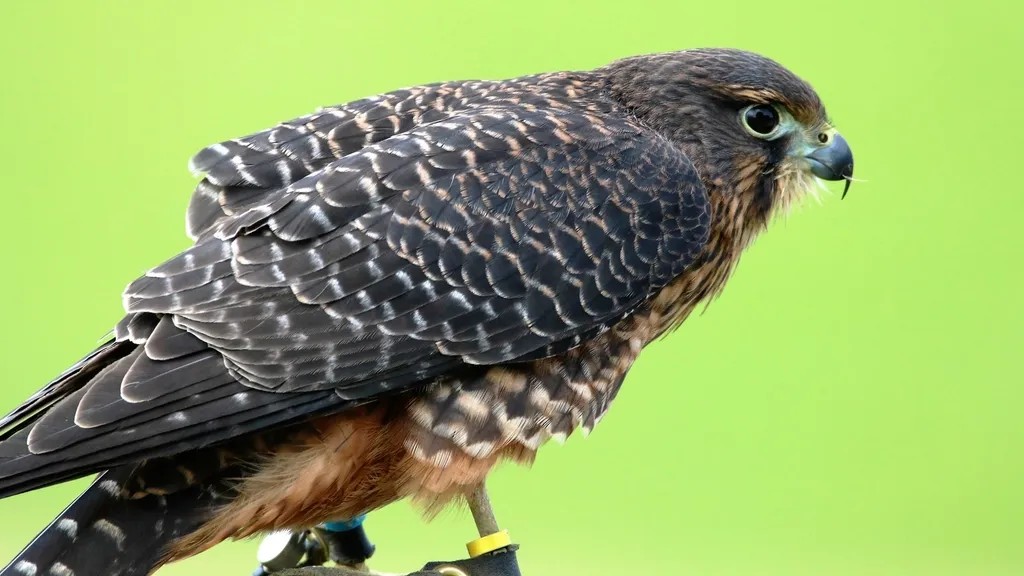
There’s something quietly remarkable about looking up and seeing a bald eagle soar overhead. Just a few decades ago, that sight was nearly impossible across most of the continental United States. The story of how several of America’s most iconic birds clawed their way back from the edge of extinction is one of the most compelling environmental narratives of the past century – and it’s still being written.
North America has lost nearly 3 billion breeding birds since 1970, roughly one out of every four birds. That number is staggering. Yet within that broader crisis, there are genuine reasons for hope. A handful of bird species have made dramatic recoveries, proving that focused, science-driven conservation really does work when it’s properly supported and sustained.
#1: The Bald Eagle – America’s Greatest Comeback Story
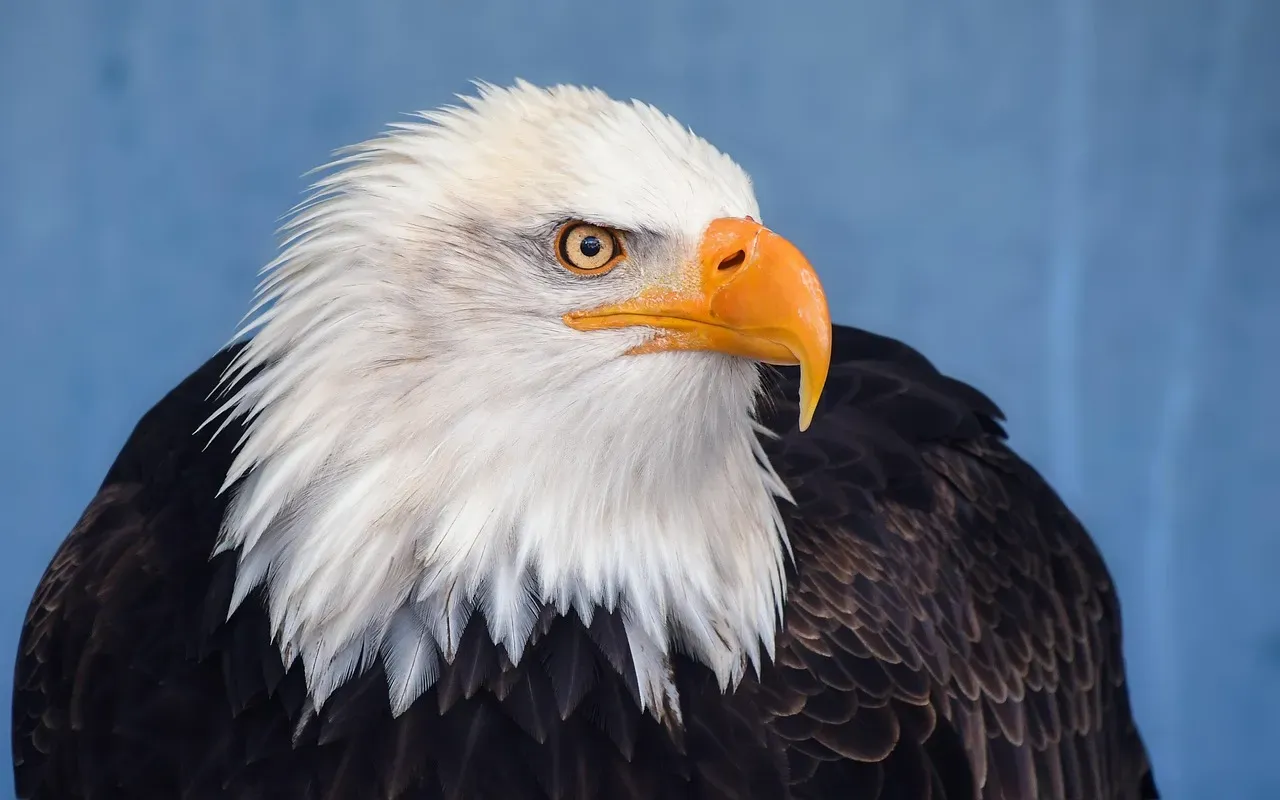
Few conservation stories are as satisfying, or as instructive, as the bald eagle’s return. Long a symbol of national pride, the bald eagle came to the brink of extinction throughout much of its range in the 1960s, following a long-term decline coinciding with a reduction in prey species and the introduction of the egg-thinning pesticide DDT, which nearly wiped out bald eagles from the lower 48 states.
In 1962, Rachel Carson’s landmark conservation science book Silent Spring brought to light the detrimental effects of DDT on birds and the environment, and under mounting pressure, the EPA largely banned the use of DDT in 1972. That ban, combined with the protections of the Endangered Species Act, proved to be a turning point.
In 1963, when the species was at its lowest ebb, there were only an estimated 417 breeding pairs of bald eagles in the lower 48 states. By 1997, this number had increased to more than 5,000. In 2007, the Interior Department officially declared the bald eagle fully recovered and removed it from the endangered species list. As of 2021, the bald eagle population climbed to an estimated 316,700 individuals.
#2: The California Condor – Back From 27 Birds to Hundreds
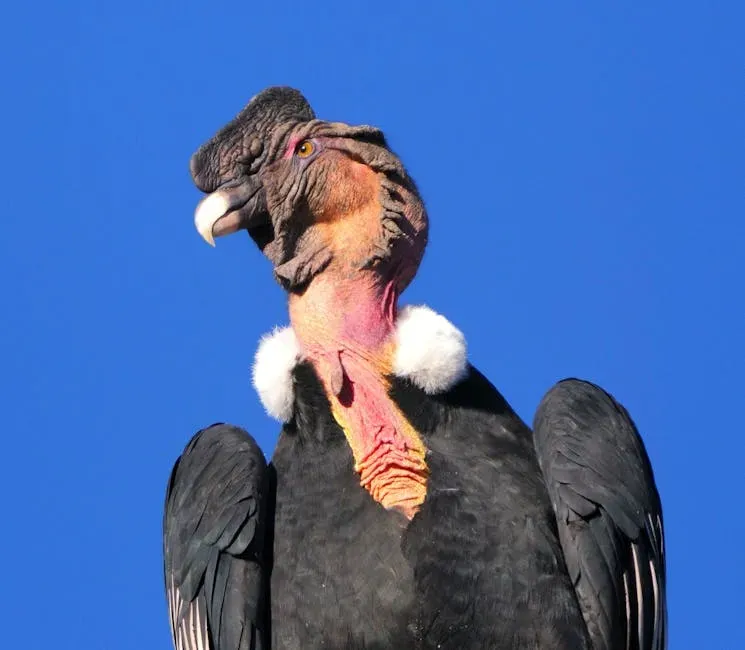
North America’s largest land bird also claims one of the continent’s most incredible conservation success stories. Poaching, lead poisoning, and habitat destruction nearly drove the California condor to extinction by the late 20th century. The species reached a point where extinction seemed not just possible, but imminent.
In 1987, with fewer than 25 individual condors left in the wild, all remaining birds were captured and brought into captive breeding programs at the San Diego Wild Animal Park and the Los Angeles Zoo. It was a drastic, controversial move – but it worked. Breeding efforts were successful, and in 1991 the condor recovery program began to release the birds back into the wild. As of 2018 there were an estimated 537 California condors living in the wild or captivity, and in 2019 the 1,000th chick hatched since the launch of the recovery program.
In December 2025, the Fish and Wildlife Service updated the world population to 607. In July 2024, the LA Zoo reported that a record-setting 17 California condor chicks hatched during the year’s breeding season, crediting the surge on novel breeding and rearing techniques developed by their condor team. The condor’s story remains fragile – lead poisoning from ammunition is still a persistent threat – but the trajectory is one of hard-won, measurable progress.
#3: The Whooping Crane – Tall, Rare, and Still Rising
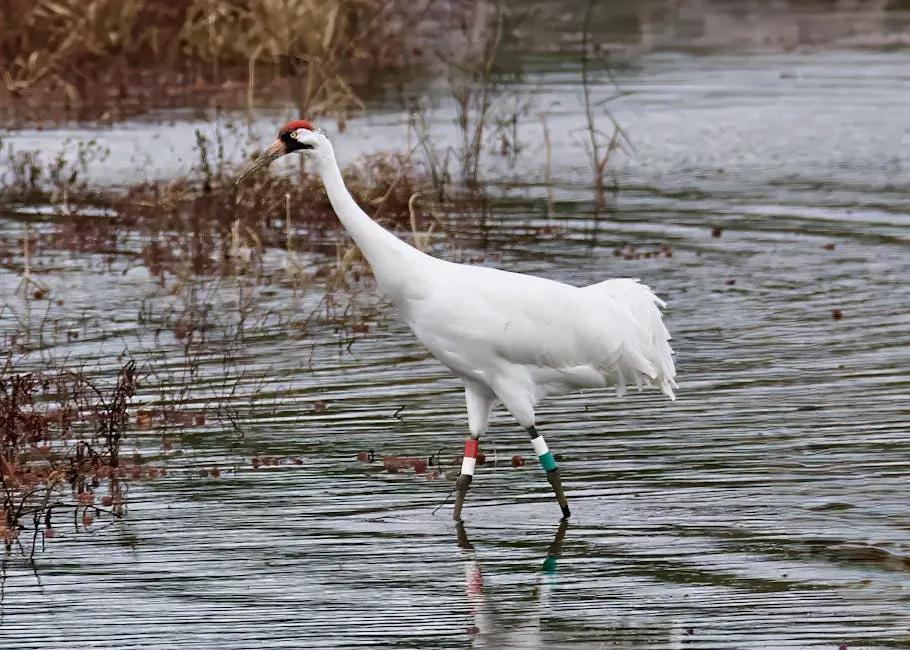
There are many remarkable stories of species that have teetered on the brink of extinction and managed to stave it off, but not many are as amazing as that of the endangered whooping crane. Whooping cranes used to number in the tens of thousands across North America, but following English settlement and westward expansion, there were only an estimated 1,400 left in 1860. The freefall continued for decades after that.
By 1941, the migratory population had dropped to 16 birds, their numbers declining because of collisions with power lines, illegal shooting, human disturbances, and conversion of nesting and migratory stopover habitat for agriculture. A captive breeding and intensive recovery program were established in order to reintroduce whooping cranes into the wild, and over time the designation of critical habitat has also protected the nesting habitats and migratory corridors of whooping cranes.
With the long-term population growth rate holding steady at 4.33 percent, the expanding whooping crane population is increasingly utilizing habitat outside the designated survey area on the Texas coast, with service staff, conservation partners, and community scientists reporting an additional 68 sightings beyond the refuge – another record. Their presence in new areas means that America’s tallest bird is expanding its winter range.
#4: The Peregrine Falcon – Speed Merchant Saved by Science
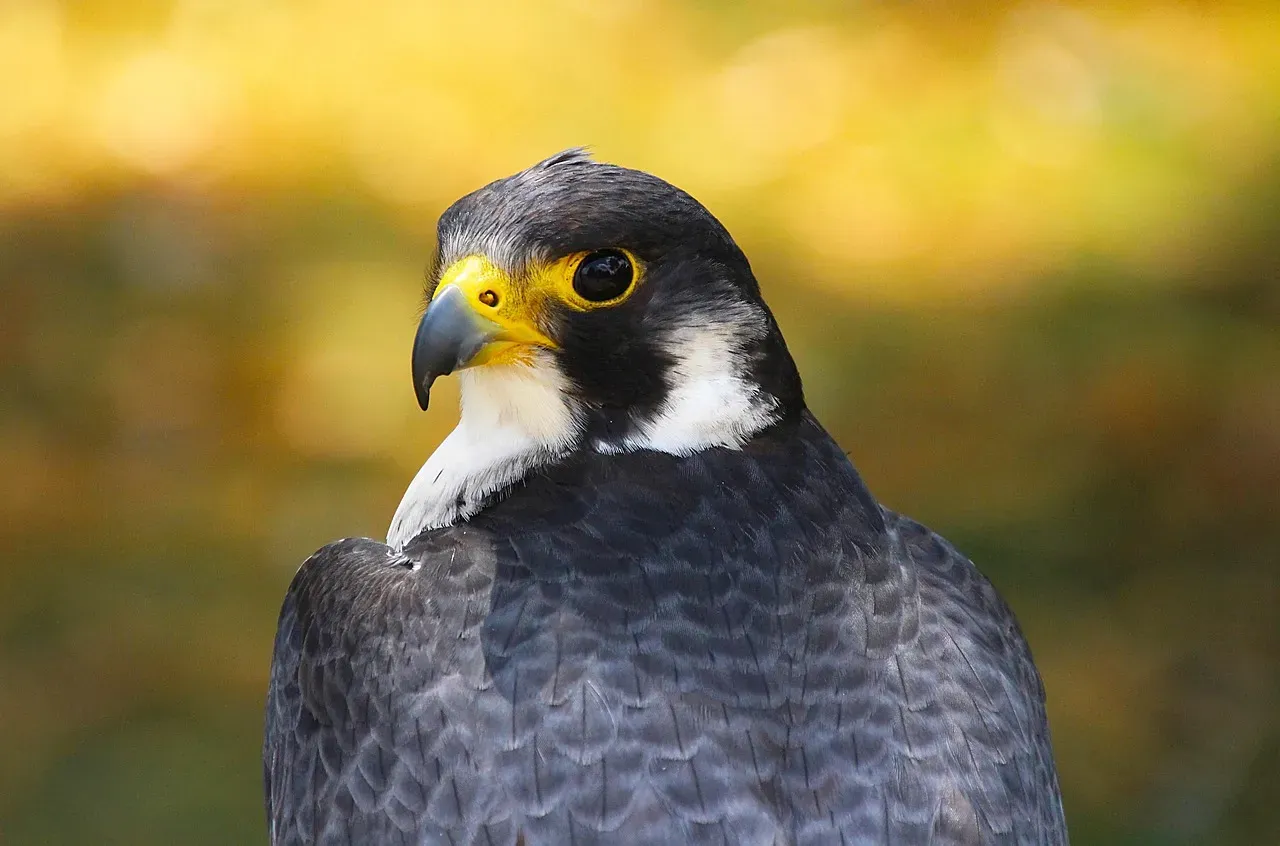
It is estimated that prior to the 1940s, there were approximately 3,875 nesting pairs of peregrines in North America. From the 1940s through the 1960s the total population dropped dramatically, due in large part to the introduction of synthetic pesticides to the environment. By 1975, there were only 324 known nesting pairs of American peregrine falcons in the United States.
This incredibly fast hunter was listed as endangered in 1970 but made a remarkable recovery due to the banning of the pesticide DDT and conservation efforts. It was removed from the list of endangered species in 1999. Once listed as endangered, the peregrine falcon population increased in response to reintroduction and habitat protection, as well as the elimination of other threats such as pesticide use. Today there are an estimated 1,650 breeding pairs in North America. The peregrine now nests on city skyscrapers and coastal cliffs alike – a bird that refused to disappear.
#5: The Kirtland’s Warbler – A Tiny Bird With a Giant Recovery Story
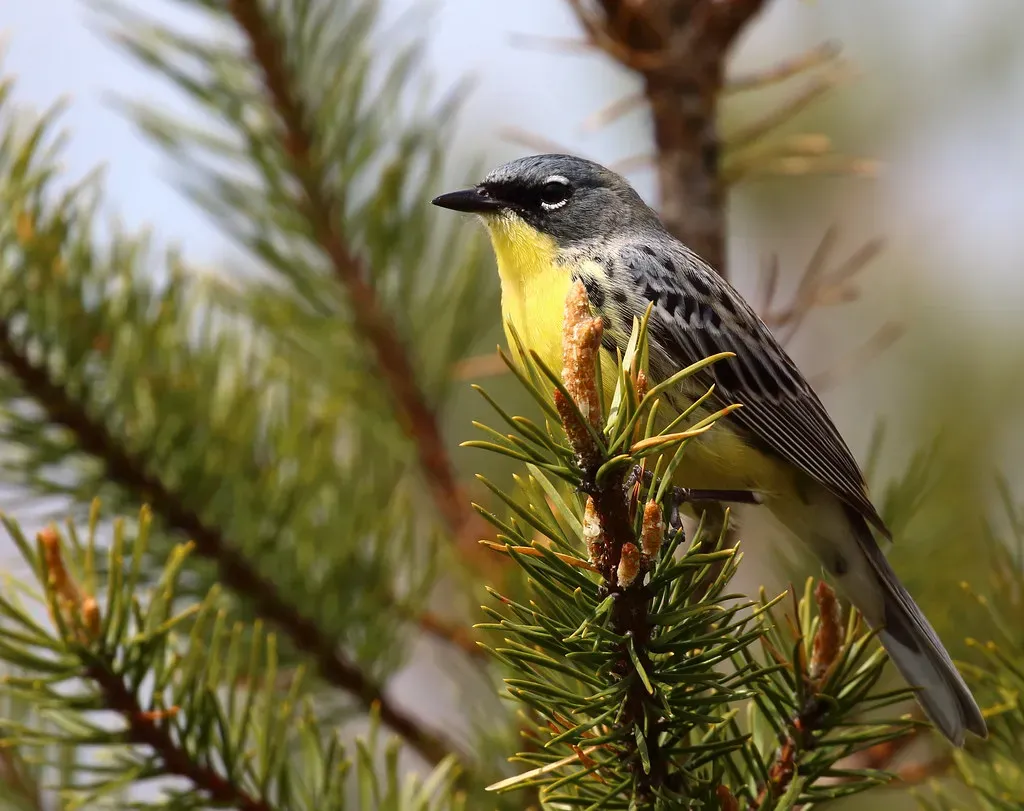
When it comes to biodiversity, every tree tells a story – and some sing, like the comeback of the Kirtland’s warbler, a small gray-and-yellow songbird once teetering on the edge of extinction. The Kirtland’s warbler is one of the rarest songbirds in North America, and one of the pickiest. The early-successional habitat favored by the Kirtland’s warbler was historically created and maintained by naturally occurring periodic wildfires, but fire suppression programs reduced the amount of young jack pine, resulting in the near-extinction of the species.
After bottoming out at 167 breeding pairs in 1974 and again in 1987, the spunky songbird’s numbers have grown steadily, thanks to rigorous, hands-on management. Its population blew past the recovery goal of 1,000 pairs back in 2001, and today totals more than 2,300 pairs. Between 2018 and 2025, the Arbor Day Foundation planted more than 33 million trees with the Michigan Department of Natural Resources to restore not only the warbler’s nesting grounds, but the health of the broader ecosystem around them.
In 2019, the U.S. Fish and Wildlife Service officially removed the species from the Endangered Species List, making it the first songbird ever to be delisted due to successful recovery efforts. That distinction matters. It proves that songbirds – small, easily overlooked, dependent on very specific habitats – can be brought back when people commit to the long, unglamorous work of restoring forests.
The Bigger Picture: What Conservation Success Actually Requires
Private lands programs and conservation partnerships such as conservation ranching, coastal restoration, forest renewal, and seabird translocation show how concerted efforts and strategic investments can recover bird populations. None of the recoveries described here happened by chance. They required funding, legislation, multi-agency cooperation, and sustained public will over decades.
In a piece of good news for birds and other wildlife, on January 23, 2026, a funding package for essential conservation programs was passed with overwhelming bipartisan support in both the House and Senate. Working with an expansive network of partners that includes Migratory Bird Joint Ventures, the American Bird Conservancy has conserved more than 9.9 million acres of priority habitat in dozens of states and countries since 2007; in 2025, these efforts conserved no fewer than 208,000 acres.
In its first 50 years, the Endangered Species Act has been credited with saving 99% of listed species from extinction, thanks to the collaborative actions of federal agencies, state, local and Tribal governments, conservation organizations, and private citizens. That statistic deserves far more attention than it typically gets. Still, the 2025 State of the Birds report, a joint effort spearheaded by a coalition of science and conservation organizations, found widespread population decline across nearly all habitats and that over one third of species require conservation help. The work is far from over.
A Closing Thought
The birds that have come back – the eagles, condors, cranes, falcons, and warblers – didn’t recover on their own. They recovered because enough people decided they mattered. That might sound simple, but in practice it required banning pesticides, passing landmark legislation, building captive breeding programs, replanting millions of trees, and sustaining those commitments across administrations, budget cycles, and generations.
In my view, these recoveries are among the most underappreciated achievements in modern American environmental history. They demonstrate that ecological decline is not inevitable. What the success stories share is not luck – it’s the deliberate, collaborative, science-led decision to intervene before it was too late. The question worth sitting with is this: for the hundreds of species still waiting for that same commitment, how much longer are we willing to wait?

- 7 Signs Your Dog Thinks You're Family - July 21, 2026
- These 6 Animals Have the Most Bizarre Mating Rituals on Earth - July 21, 2026
- 7 U.S. States That Have the Best Sunsets in the Country - July 21, 2026