
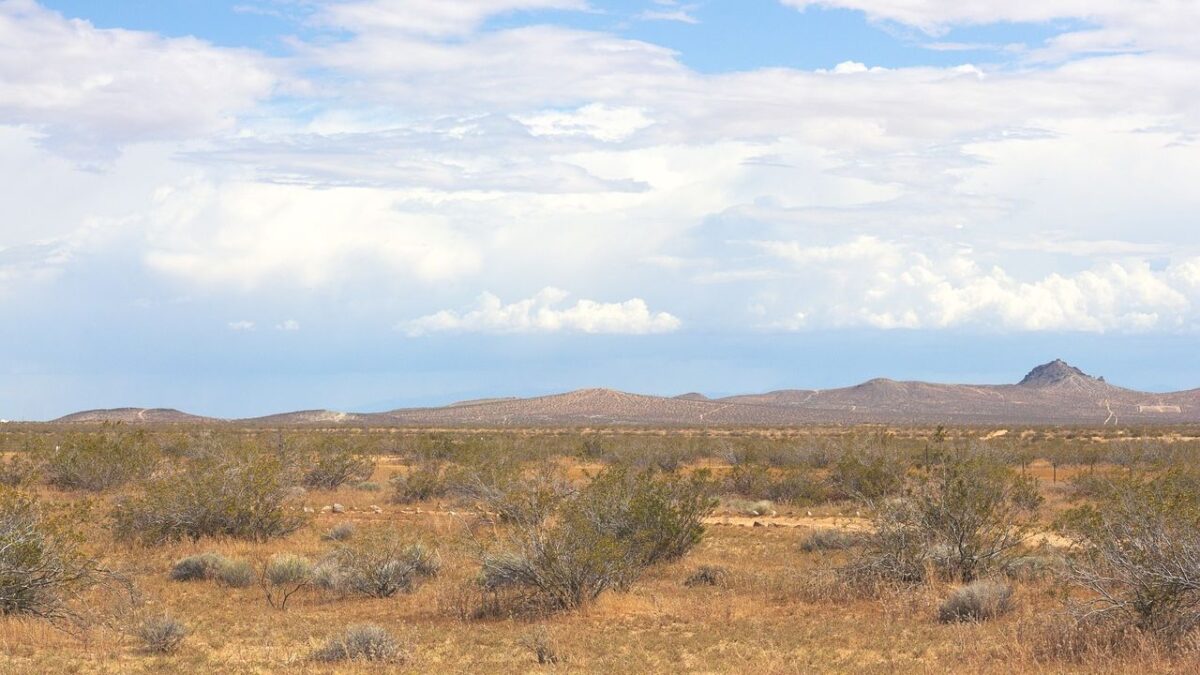
A Desert With Deep Ocean Roots
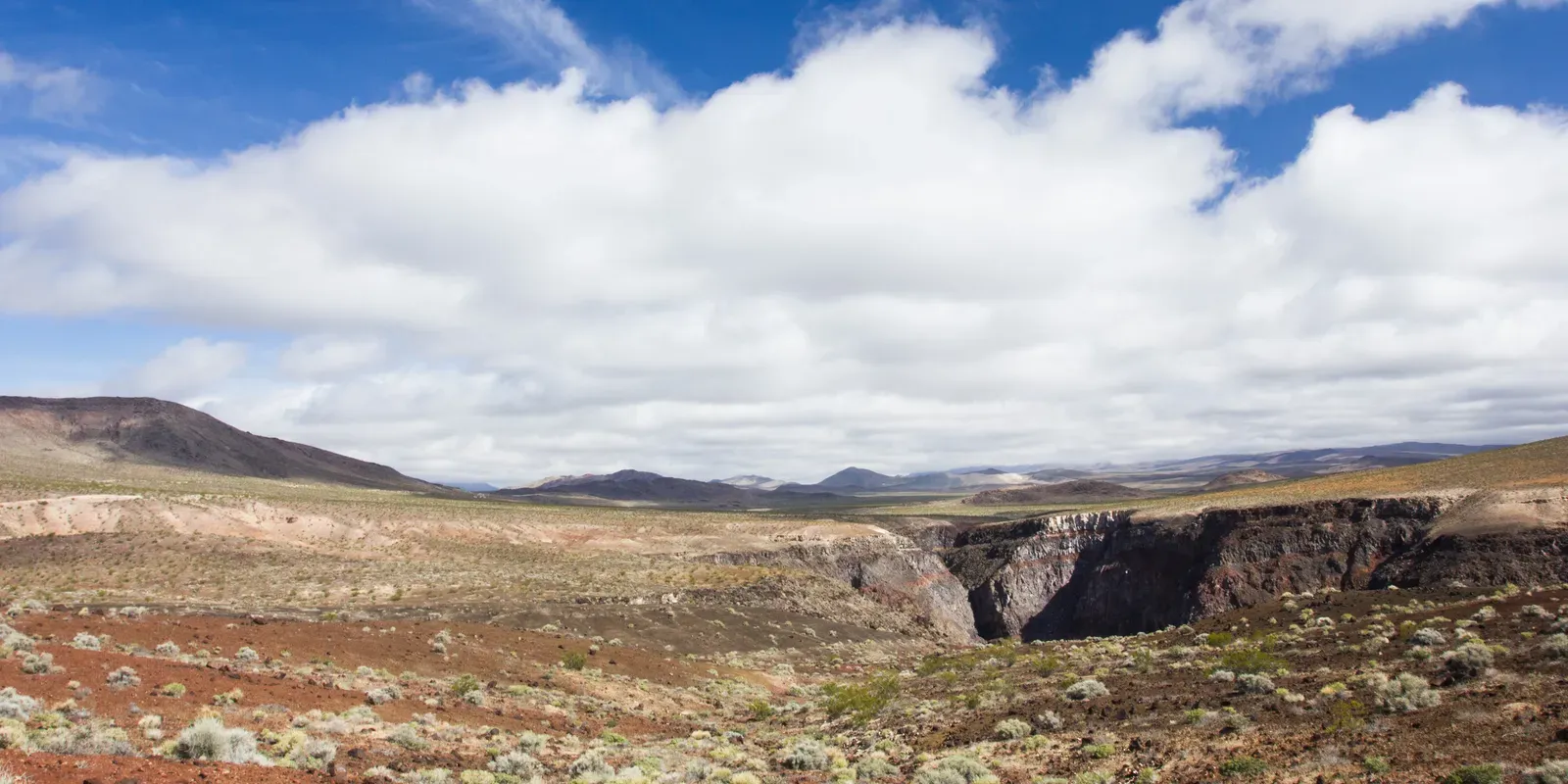
The Mojave Desert spans parts of California, Nevada, Arizona, and Utah, and is widely regarded as the smallest and driest desert in the American Southwest. It sits in the rain shadow of the southern Sierra Nevada mountains and Transverse Ranges, located primarily in southeastern California and southwestern Nevada. Today it receives only a handful of inches of rain each year. Its identity as a desert feels permanent, almost geological itself.
Yet the geological record tells an entirely different story about this land’s origins. The rock that forms the Mojave Desert was created under shallow water in the Precambrian, forming thick sequences of conglomerate, mudstone, and carbonate rock topped by stromatolites. Those rocks are not metaphors or abstractions. They are the literal hardened remains of an ancient seafloor, now sitting in one of the hottest places on the continent.
The Shallow Sea That Covered Western North America
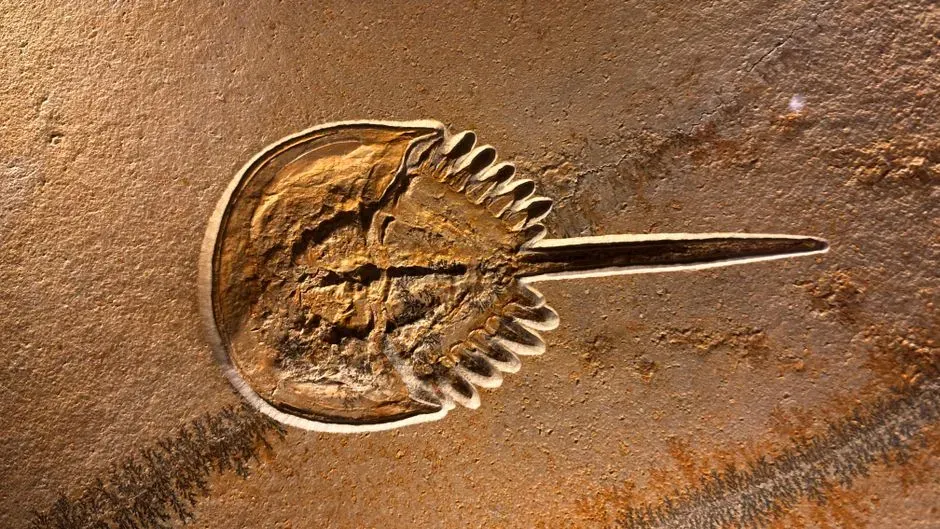
During the Paleozoic, from the Cambrian through the Permian periods, roughly 550 to 250 million years ago, western North America was covered by a shallow sea, and trilobites reigned as one of the most abundant life forms. This was not a brief incursion of water. It was a sustained marine environment that persisted across hundreds of millions of years, layering organism after organism onto the seafloor in what would eventually become California desert.
The edge of the North American continent gradually sank beneath the ocean surface, and a thick sequence of sedimentary rocks began to accumulate on the continental margin. This passive continental margin setting persisted for nearly 800 million years, starting in the late Proterozoic and lasting through all of Paleozoic time. That is a timeframe almost too vast to feel real. For reference, the entire age of the dinosaurs spans only a fraction of that window.
What Lived in the Desert’s Ancient Ocean
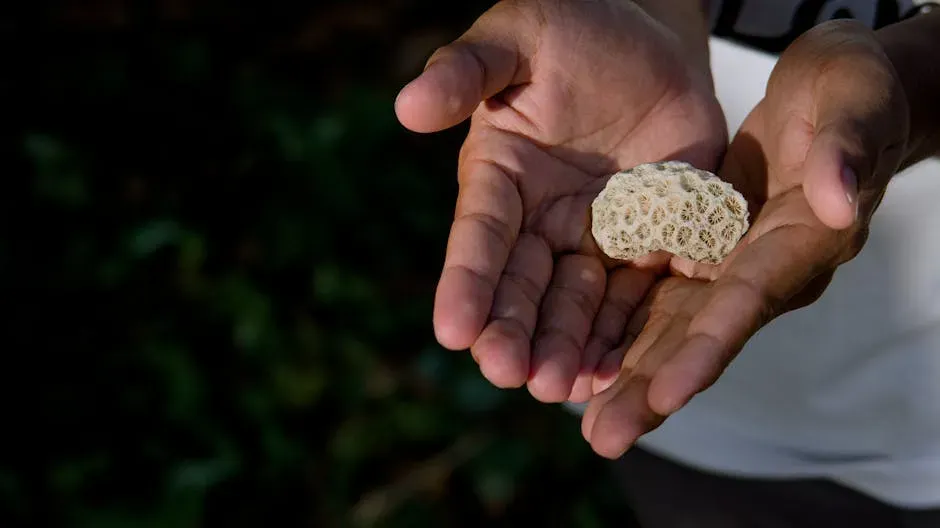
The creatures that once occupied what is now Mojave desert sand were astonishingly diverse. The fossil assemblage found in the region includes corals, sponges, bryozoans, brachiopods, bivalves, ammonoids, nautiloids, snails, trilobites, ostracodes, crinoids, and possibly echinoids. That list reads less like a desert field guide and more like a catalog from a thriving tropical reef ecosystem.
During that roughly 300-million-year period, the spent bodies of diatoms, trilobites, corals, and a myriad of other organisms rained down to cover the floor of the shallow sea. Over millions of years, sea-floor sediments compacted to form mudstones, siltstones, and limestone, sedimentary rocks comprised of calcium and carbon-rich shells and exoskeletons. Every limestone outcrop scattered across the desert today is essentially a compressed record of ancient marine life, locked in stone and waiting to be read.
The Fossil Evidence Hidden in Plain Sight
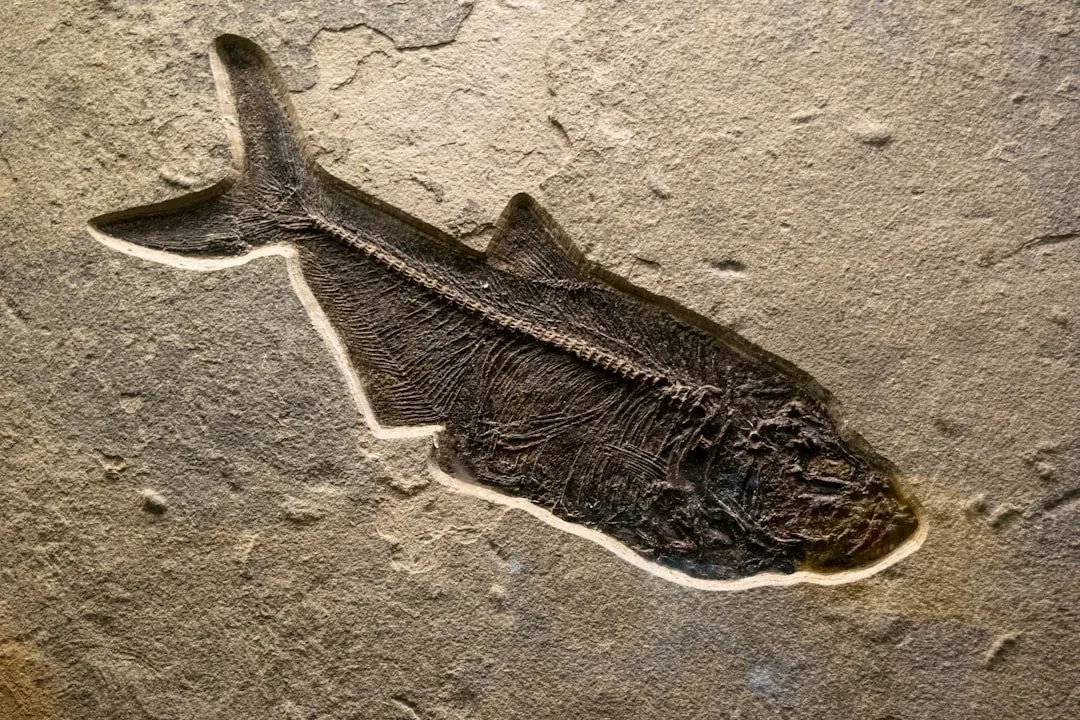
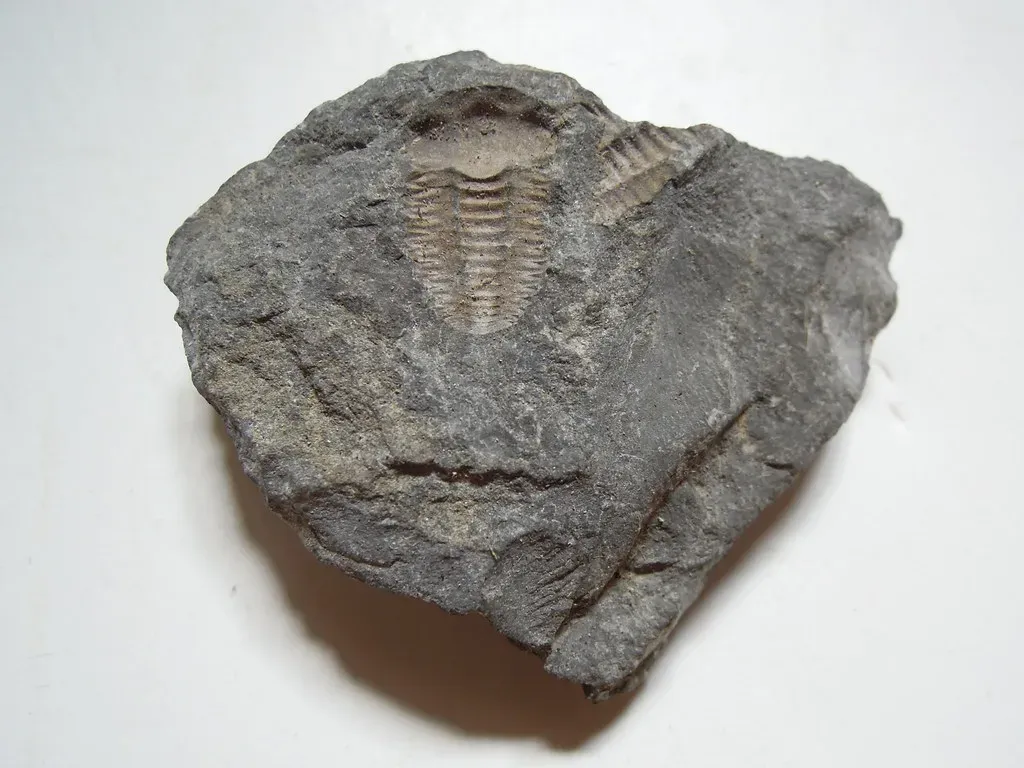
You don’t have to be a geologist to find traces of this vanished ocean. Because some of the mountain ranges did not undergo as much heating and pressure, the seafloor bedding is still evident. In some, like the Providence and Cadiz Mountains, one can find mudstone outcrops with clear trilobite fossils. These are not obscure or difficult sites. They are accessible parts of the landscape, carrying the same matter-of-fact weight as any other desert rock.
There are also marine fossil deposits in the Coachella Valley, associated with a 3 to 5 million year old Pliocene-Pleistocene incursion of the sea from the south, like but predating the current Gulf of California. There are marine mussel beds in the Indio Hills and, near the mouth of Whitewater Canyon, a nearly complete whale skeleton was once excavated. A whale skeleton in the desert. It’s the kind of discovery that reframes everything you thought you understood about a place.
How Plate Tectonics Drained the Sea
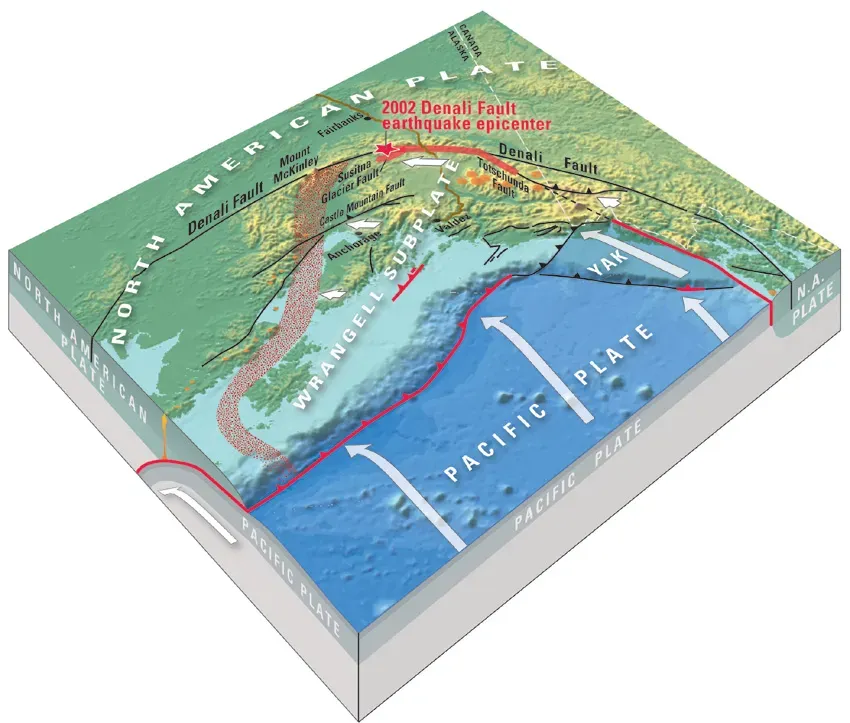
The disappearance of this ancient ocean was not the result of a single catastrophe. It was a slow, relentless geological process driven by shifting tectonic plates. Beginning around 250 million years ago, the western margin of North America went from being a passive to an active continental margin. The western margin of the continent began to override and subduct the adjacent oceanic crust beneath the Pacific Ocean. Along with subduction of oceanic crust, uplift of the continental margin began, and erosion started to strip away the exposed rocks and sediments.
As the land rose, the sea had nowhere left to go. When tectonic plates collide, landmasses once at the ocean bottom can be pushed upwards, forming mountains or elevated plateaus over millions of years. Tectonic uplift elevates Earth’s crust. As these ancient seabeds uplift, they become exposed to the atmosphere. Erosion by wind and water wears away overlying rock layers, exposing buried marine fossils. What was once a calm seafloor became a mountain range, then an eroded plain, and eventually the scorched basin of the modern Mojave.
The Rock Record That Geologists Still Study
Mojave National Preserve is located in the Mojave Desert of southern California and hosts an extensive geologic record, with units ranging in age from the Paleoproterozoic, 2.5 to 1.7 billion years ago, to the Quaternary. That staggering depth of geological time means that researchers are still piecing together exactly what happened here, and new discoveries continue to sharpen the picture with each field season.
The fossils preserved within the preserve span from the Proterozoic Eon, at least approximately 550 million years ago, to the Holocene. Abundant and diverse marine fossils are preserved in units dated from the late Proterozoic through most of the Cambrian, as well as from the Devonian through the early Permian. These discoveries help reconstruct Earth’s long-term climate changes, including past ocean temperatures and sea levels. Analyzing fossil shell chemical composition allows scientists to infer ancient ocean conditions and predict how Earth’s systems might react to future climate change.
What the Desert Still Tells Us Today
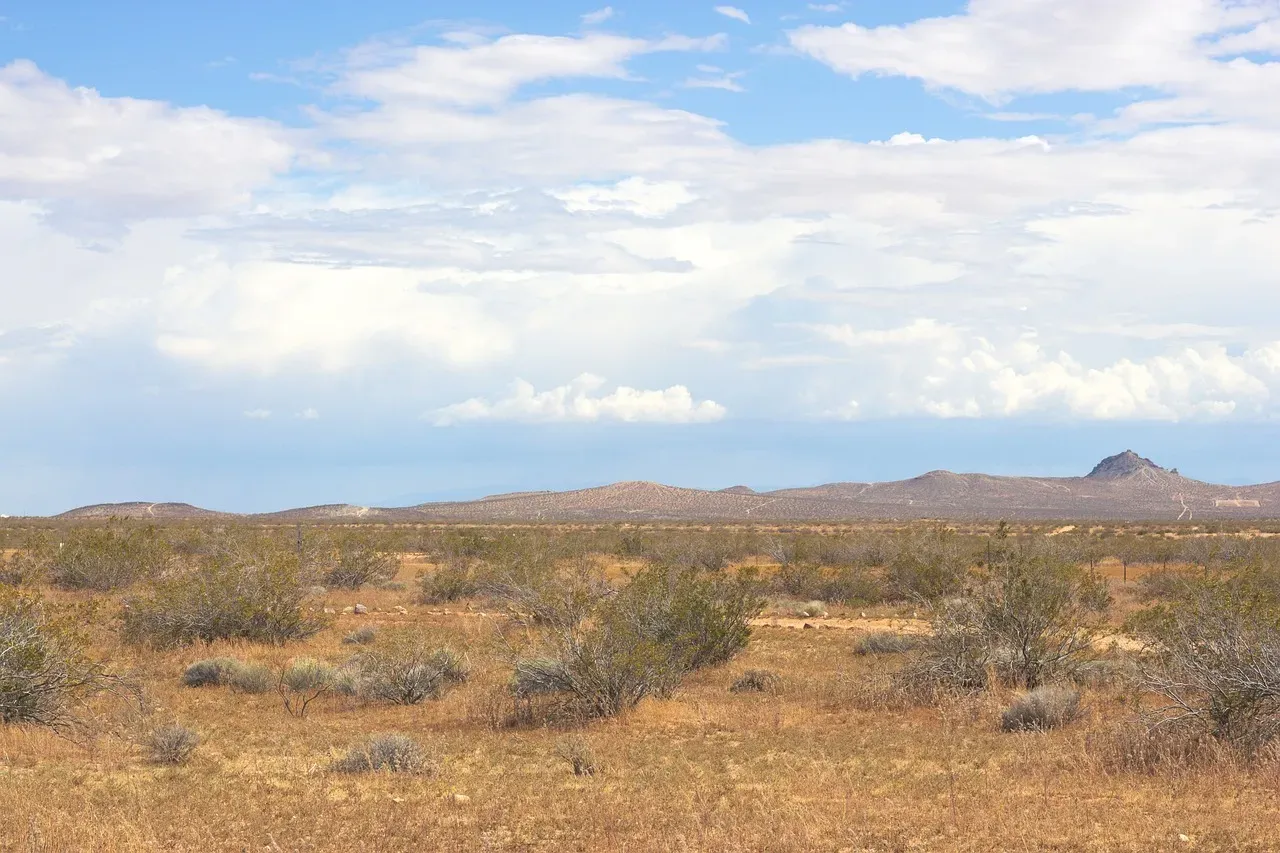
There is something quietly extraordinary about standing in one of America’s most arid places and knowing that the ground beneath you was once covered in warm, tropical saltwater. Mojave Desert geology tells a story that stretches back hundreds of millions of years, shaping one of the most fascinating landscapes in North America. From rugged mountain ranges to dry lake beds that were once underwater, the Mojave holds visible clues to ancient oceans, volcanic activity, and shifting tectonic plates.
Finding marine fossils in arid landscapes serves as tangible evidence of profound environmental change. These fossils act as invaluable clues, offering a glimpse into Earth’s dynamic past and suggesting that regions now barren were once submerged under vast oceans or seas, allowing scientists to reconstruct vastly different landscapes. The desert, in other words, is not the end of the story. It is simply the latest chapter in one that has been unfolding for over half a billion years.
Conclusion: A Desert That Remembers the Sea
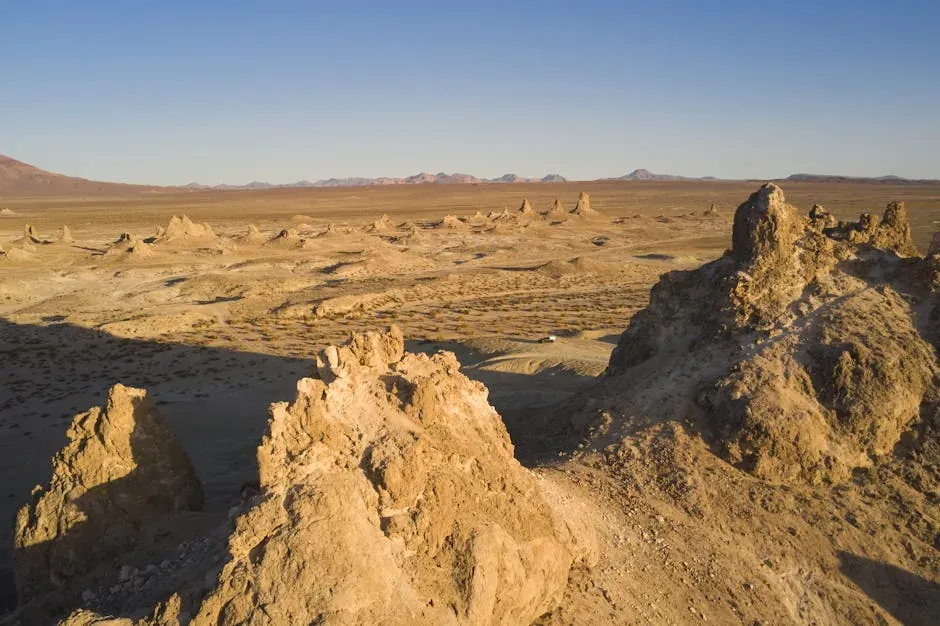
We tend to think of deserts as permanent. Ancient, fixed, immovable things. The Mojave is certainly ancient, but fixed it is not. Its rocks carry the chemical signatures of ocean water. Its ridgelines hold the compressed skeletons of marine creatures that lived before the dinosaurs ever appeared. These fossils tell a story of change created by geologic upheavals and collapses, by dramatic climate shifts, and by time.
What the Mojave ultimately teaches us is that landscapes are not conclusions. They are stages of a much longer process, and the conditions we see today, however extreme, are temporary on a geological timescale. The desert was once an ocean. The ocean floor became a mountain range. The mountain range eroded into a basin. Each transformation left evidence for those willing to look.
If that doesn’t inspire a certain humility about the permanence of the world we inhabit, it probably should. The Mojave’s sand may be baking in the sun right now, but somewhere in its ancient rocks, the memory of the ocean is still perfectly preserved.
