
There’s something quietly astonishing about realizing that the patch of ground behind your house, however modest, can become a thriving refuge for birds, bees, butterflies, and creatures you’d normally only spot on a nature trail. Most of us don’t think of our backyards that way. We think of them as spaces to mow, tidy, and maintain. Over two million habitat acres are lost annually to development and agriculture, which makes what happens in private yards far more consequential than it might seem. The good news is that creating a wildlife-friendly backyard doesn’t require a landscape architecture degree or a sprawling estate.
Doing so doesn’t even require a big yard. Small spaces, such as patios and balconies, can easily be transformed into havens for wildlife. What follows are five practical, well-grounded tips that can genuinely shift the ecological value of your outdoor space, one small decision at a time.
#1: Plant Native Species as Your Foundation
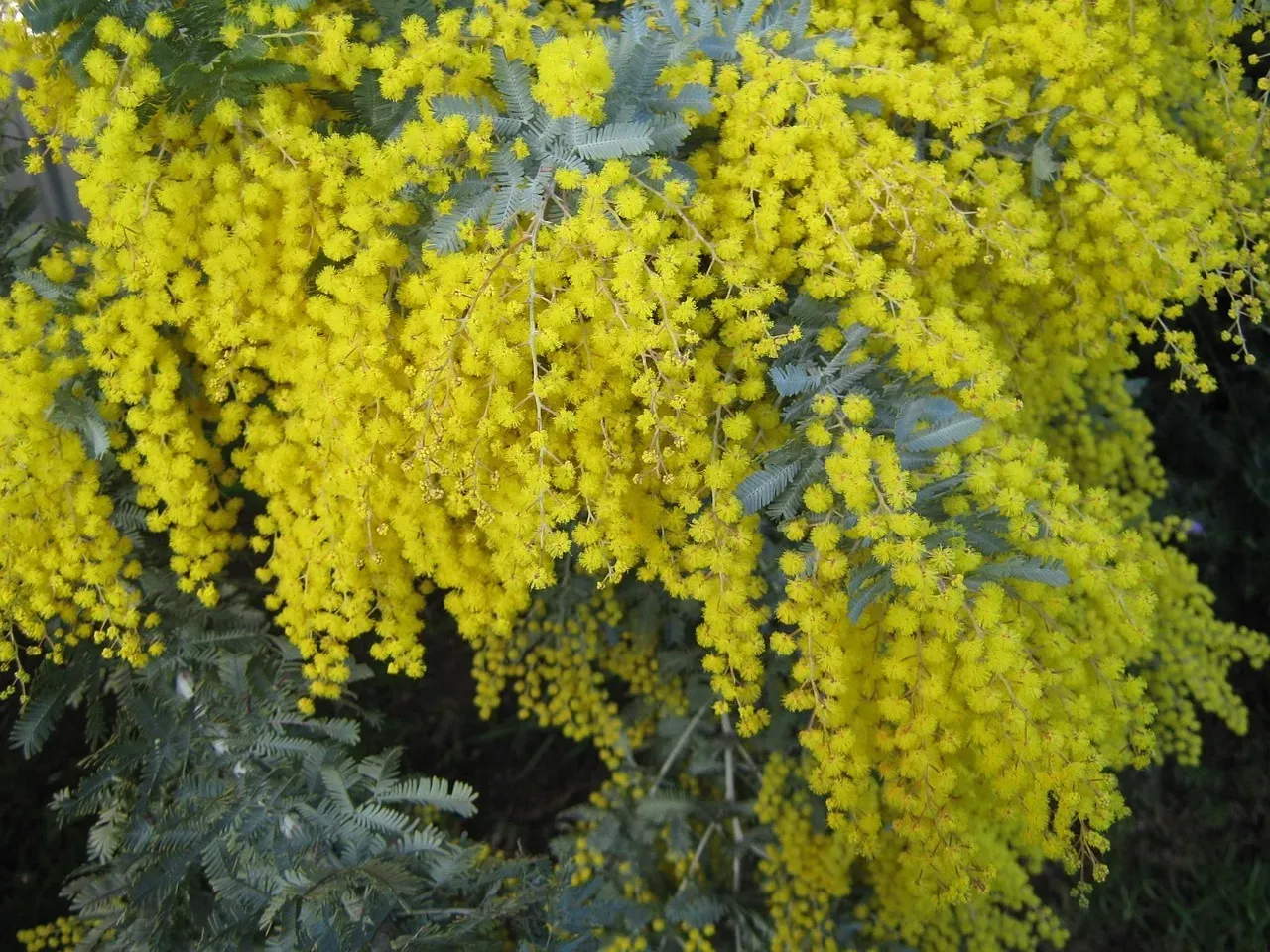
If there’s one change that delivers the greatest return for wildlife, this is it. Planting and managing trees, shrubs and herbaceous plants that are beneficial to wildlife is usually the most important thing you can do to improve habitat around your home landscape. Native plants are the species that evolved alongside local wildlife over thousands of years, which means the insects, birds, and other animals in your area are biologically wired to depend on them.
Native habitat gardens can support two times the amount of wildlife when compared to properties with primarily turf lawn. That’s a significant difference, and it comes simply from choosing the right plants. Native insects evolved to feed on native plants, and by and large, backyard birds raise their young on insects. Take the Carolina Chickadee: a single clutch of four to six chicks will gobble up more than 9,000 caterpillars in the 16 days between when they hatch and when they leave the nest. So thriving insects mean thriving birds.
Aim for a minimum of 70% native plants, including flowers that bloom in various seasons, plus keystone species. A keystone plant is one that has a substantial impact on its local biodiversity by providing food and shelter to a large number of species. Depending on your location, this might include oaks, asters, sunflowers, alders, saguaros and others. A good starting point is to check Audubon’s native plants database or the National Wildlife Federation’s native plant finder, both of which let you search by zip code.
Another great reason to choose native plants is they are less maintenance and more cost-efficient than non-native plants. Natives return year after year without needing fertilizers, pesticides, extra watering or mowing. You’re essentially doing less work while doing more good, which is a rare combination in any area of life.
#2: Provide a Reliable Water Source
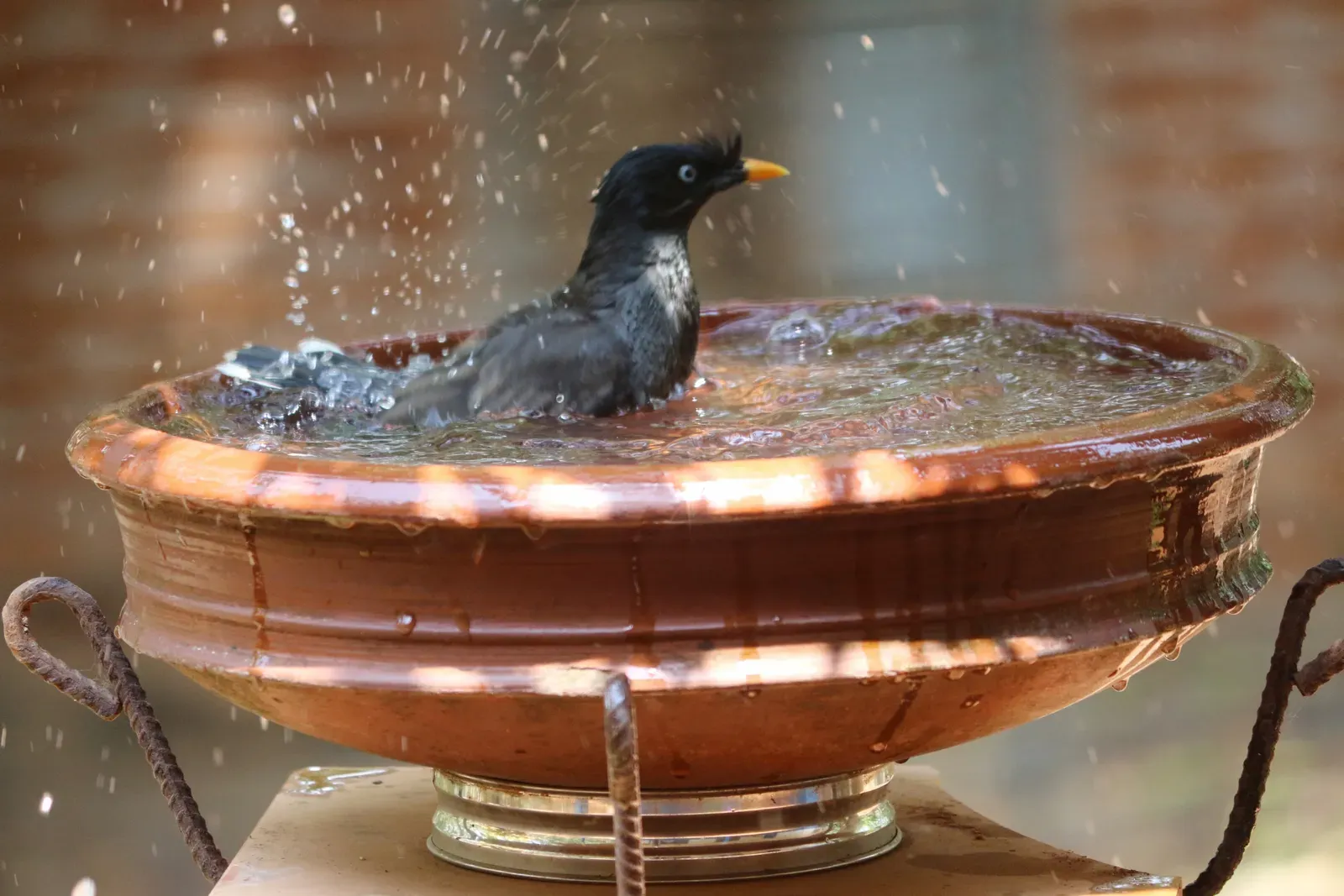
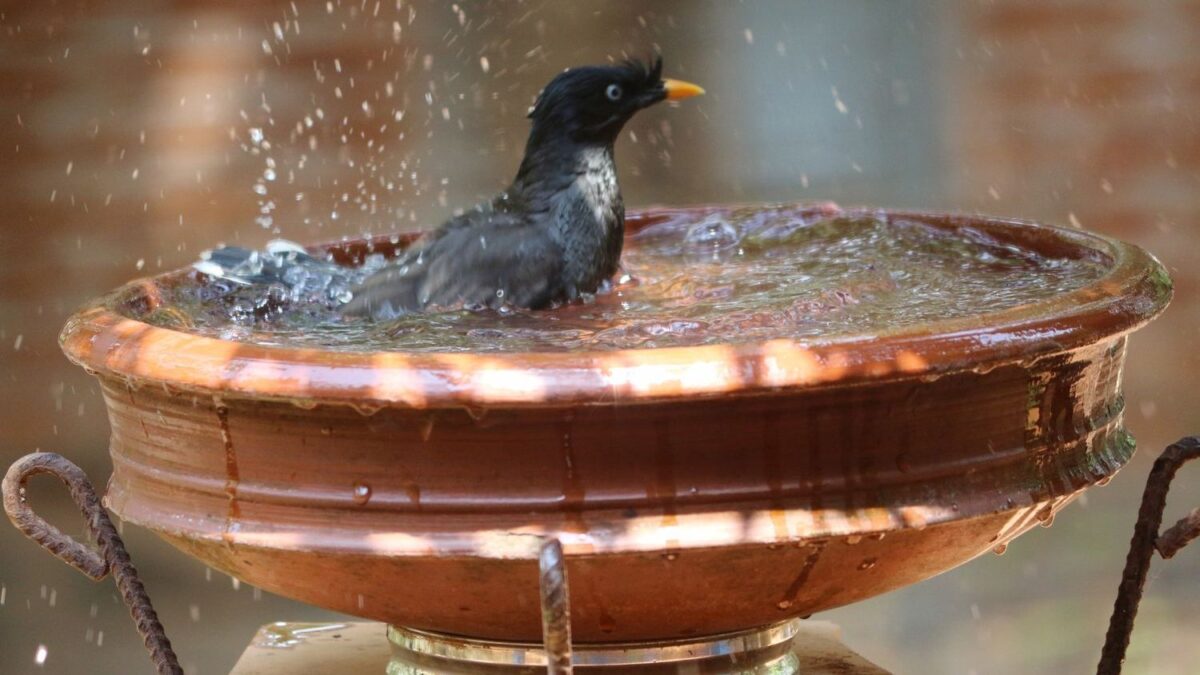
Water is an essential ingredient for a healthy backyard habitat. Just a small amount in a birdbath can offer birds and other small creatures a place to drink and bathe. Wildlife needs fresh water for far more than drinking, though. Butterflies get valuable minerals and salts from puddling about in shallow, slightly muddy sections of water. Salamanders and newts, frogs and toads, and even dragonflies use water as shelter and breeding grounds during different parts of their life cycles.
With a larger water source such as a small pond, you can attract a greater diversity of wildlife that may use it as a place to live and raise young as well. Even a very small pond may accommodate local wildlife residents such as frogs, toads, salamanders, dragonflies, or water bugs, each providing diversity and value to your habitat. If a pond feels too ambitious, a simple birdbath works beautifully as a starting point. A recirculating fountain can be even better: it conserves water, keeps it moving, which birds love, and helps keep mosquitoes away.
Birds require water not only for drinking but maintaining the oil in their feathers to help them fly, provide a form of waterproofing and to keep them warm in winter. One often overlooked detail: birds and insects have such small feet that the texture of most slippery birdbaths and fountains can make the difference between a space being usable for wildlife, or a spot they’ll have no choice but to ignore. Birds and pollinators such as bees simply can’t grip onto glass and other smooth surfaces. A roughened texture provides a place for them to grip while they drink and bathe.
Keep whatever water source you choose consistently clean. Replace the water every day or two to keep the water fresh and clean. Birds often leave feces or feathers in the water, which can grow bacteria and can spread to other birds. It’s a small maintenance step that makes a real difference.
#3: Leave the Leaves (and Embrace a Little Mess)

This one goes against decades of tidy-yard conditioning, but the science is clear. Leaf litter provides food and shelter for earthworms, pill bugs, millipedes and a multitude of smaller life such as eggs and larvae of insects and spiders of many kinds. These creatures are all essential components of the food web providing sustenance to toads, frogs, lizards, and countless other animals. The pile of leaves you’re tempted to bag up is, in ecological terms, a functioning habitat.
The vast majority of our backyard birds rely on butterfly and moth caterpillars as the primary food source for their babies during nesting season. If you remove all of your fallen leaves, there will be fewer of these insects in and around your yard and likely fewer birds, too. The vast majority of butterflies and moths don’t migrate. Instead, they overwinter in the landscape as an egg, caterpillar, chrysalis, or adult, and use leaf litter for winter cover. For example, luna moths and swallowtail butterflies disguise their cocoons and chrysalises as dried leaves, blending in with the “real” leaves.
The “leave the leaves” approach doesn’t have to mean a completely unkempt yard. Leaving the leaves does not mean ignoring them and leaving them where they fell. You can move them to places in your yard where they are out of the way, will not kill your turf, and will still help wildlife. Leaves also prevent soil erosion, retain moisture, act as a natural mulch by providing ground cover, and improve soil fertility by adding essential nutrients as they decompose. It’s a win for wildlife and a win for your garden’s soil health at the same time.
#4: Add Shelter and Nesting Opportunities
Attracting birds, butterflies, and other wonderful animals requires restoring their natural habitat, which is as simple as providing for their basic needs: food, water, cover, and places for them to raise their young. Shelter comes in many forms, and layering different types throughout your yard creates genuinely diverse opportunities for different species. Planting native species in clusters of three, spaced two to three feet apart works well because wildlife prefers dense clusters over single plants, and triangular groupings create natural-looking drifts while providing better shelter and more reliable food sources.
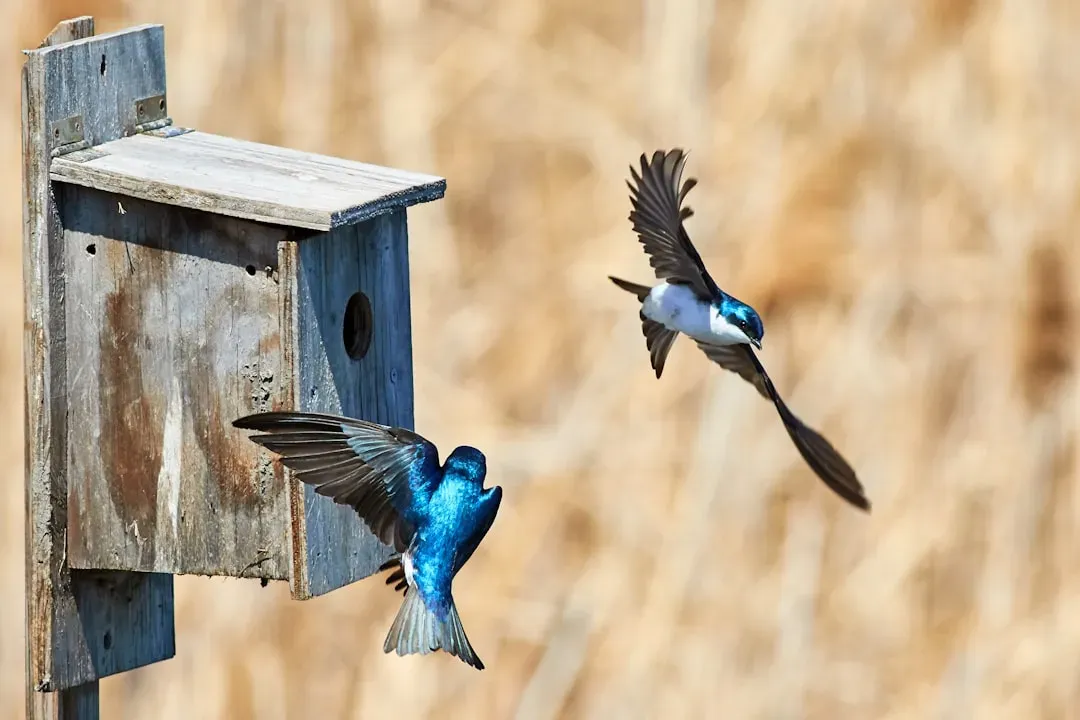
Nest boxes not only provide habitat for native birds, but they also help keep your backyard ecosystem in balance. Cavity-nesting species like Eastern Bluebirds and Carolina Wrens love birdhouses and can help control insect populations, especially if you’re a gardener dealing with garden pests. Owl nest boxes are often used by Eastern Screech-owls and Barred Owls, who both help control prey like rodents. Attracting native raptors to your yard is an incredibly effective method of pest control.
Bats pollinate plants, disperse seeds and help keep the insect population in check. Return the favor by giving them a safe place to roost. A bat house mounted on a south-facing wall can attract a colony that consumes enormous numbers of insects each night, naturally reducing the need for any chemical pest control in your garden. Start by looking at what your backyard already offers and then gradually add what’s missing. The key is to be a bit less tidy: leave some leaves on the ground, let your native plants go to seed, and avoid using synthetic pesticides or fertilizers. You will be amazed at how quickly wildlife reclaims your backyard once you provide these basic elements.
#5: Ditch the Pesticides and Garden Chemically-Free
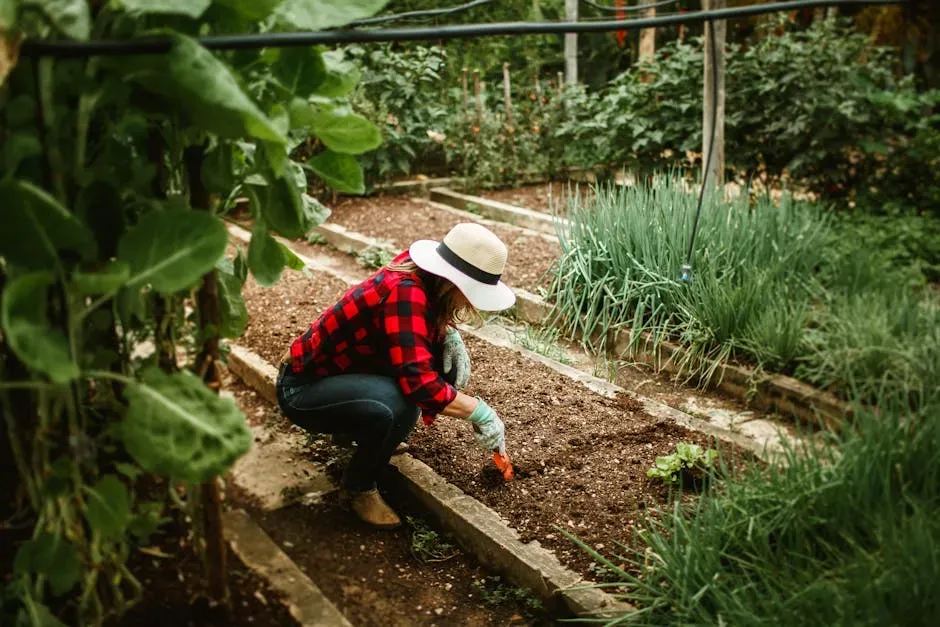
This tip is arguably the most important one to get right, because it can quietly undo everything else on this list. One of the most vital sustainable gardening practices for creating a healthy habitat is avoiding pesticides and herbicides, including neonicotinoids. These chemicals don’t just eliminate the pests you’re targeting. They cascade through the food web in ways that are difficult to predict and even harder to reverse. Chemicals and pesticides quickly move up the food chain and impact far more than just the first animal that comes into contact with them.
A thriving native garden isn’t just about what you plant, it’s also about what you don’t use. Pesticides and herbicides don’t just target weeds and pests; they wipe out essential food sources for birds, including caterpillars and insects. Without these, birds and any butterflies you’re hoping to attract won’t stick around. Most beneficial insects are sensitive to pesticides, so providing year-round habitat for them and eliminating pesticide use is the best way to control pests in an ecologically friendly way.
In a diverse and balanced garden ecosystem, predators and parasitoids will keep pests in check. These beneficial insects need fallen leaves to survive the winter, and actually benefit from having at least a few pest insects around to eat. Nature has its own checks and balances, and a pesticide-free yard allows those systems to function the way they were designed to. Insects make up the vast majority of the animal kingdom, and most of them are harmless or even helpful. Attracting beneficial insects to your yard and looking for eco-friendly approaches to insect control is one of the smartest things a wildlife gardener can do.
The Bottom Line: Your Yard Is More Powerful Than You Think
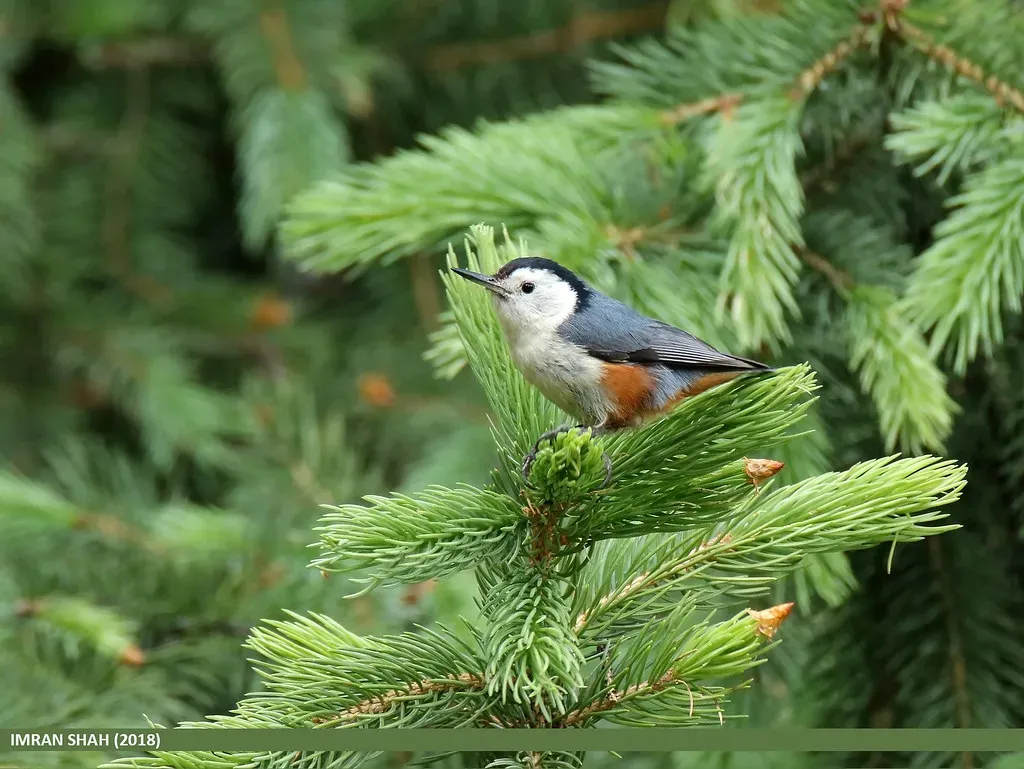
We tend to underestimate the impact a single backyard can have. Creating home habitats is a rising trend, as a growing movement of home gardeners embrace sustainable practices that help birds, amphibians, invertebrates and many other animals. That movement matters, because when individual yards start connecting with one another across neighborhoods, they form corridors that allow wildlife to move, feed, and breed across landscapes that would otherwise be impenetrable for them.
Individuals helping maintain the biodiversity around their homes and neighborhoods is a key part of the health of our overall ecosystem. These five tips aren’t complicated, and they don’t demand perfection. You don’t need to overhaul everything at once. Plant one native species. Put out a birdbath. Leave a corner of leaves undisturbed this fall. Small, consistent actions compound over time into something genuinely meaningful.
Honestly, the wildlife was here first. We’ve borrowed their habitat, reshaped it, and in many cases diminished it beyond recognition. Creating a wildlife-friendly backyard isn’t just a gardening project. It’s a quiet act of reciprocity, and once you start paying attention to what shows up, you may find that the wildlife you invited in ends up giving you far more than you gave them.
