
When most people think about the strongest bite force in the animal kingdom, predators like the great white shark, crocodile, or lion typically come to mind. These apex predators have earned fearsome reputations, with documentaries and popular media often highlighting their powerful jaws. However, the animal with the truly strongest bite force might surprise you—it’s not the creature you’re likely picturing.
The measurement of bite force is expressed in pounds per square inch (PSI) or newtons, and while the usual suspects certainly pack impressive power, recent scientific research has revealed unexpected champions. Understanding bite force requires looking beyond size alone and considering factors such as jaw structure, muscle arrangement, and evolutionary adaptations that have developed for specific ecological niches.
Understanding Bite Force Measurement
To properly compare animals’ bite forces, scientists use standardized measurements. The most common unit is PSI (pounds per square inch), though researchers also use newtons (N) or kilograms of force. These measurements are typically taken at the animal’s molars or the strongest point in their bite, where maximum force is generated. For context, the average human bite force ranges from 120-160 PSI, which helps put these animal measurements in perspective.
Measuring bite force in living animals presents significant challenges. Scientists use specialized pressure-sensing equipment when possible, but for many species, especially dangerous predators, researchers must rely on biomechanical models. These models analyze skull structure, jaw muscle size, and attachment points to calculate theoretical maximum bite forces. This approach allows scientists to estimate bite forces even for extinct animals like dinosaurs.
The Saltwater Crocodile: Runner-Up in the Bite Force Competition

The saltwater crocodile (Crocodylus porosus) has long been celebrated for its devastating bite force. These massive reptiles can exert a crushing 3,700 PSI with their jaws, making them the strongest-biting reptiles on the planet. This immense power allows them to grip and drown large prey, including water buffalo and wild boar, before performing their signature “death roll” to tear apart flesh.
Saltwater crocodiles have evolved specialized jaw muscles that generate tremendous force when closing, though they have relatively weak muscles for opening their mouths. This adaptation explains why wildlife handlers can often keep a crocodile’s mouth shut with just tape—the muscles used to open the jaws are comparatively weak. Despite their impressive strength, saltwater crocodiles don’t claim the top spot for bite force in the animal kingdom.
Great White Sharks: Formidable but Not Supreme

Great white sharks (Carcharodon carcharias) possess bite forces estimated at approximately 4,000 PSI, placing them among the most powerful biters in the ocean. Their jaws are lined with multiple rows of serrated teeth that can number up to 300 at any given time. These iconic predators use their powerful bite to incapacitate prey such as seals and sea lions with a single, devastating chomp.
What makes the great white’s bite particularly effective is not just its raw power but the combination of force with razor-sharp teeth and a unique hunting strategy. Great whites often strike from below, using momentum to enhance their bite force on impact. Despite these impressive adaptations, the great white shark still doesn’t take the crown for the strongest bite in the animal kingdom—although they come closer than many would expect.
Hippopotamuses: Unexpected Contenders
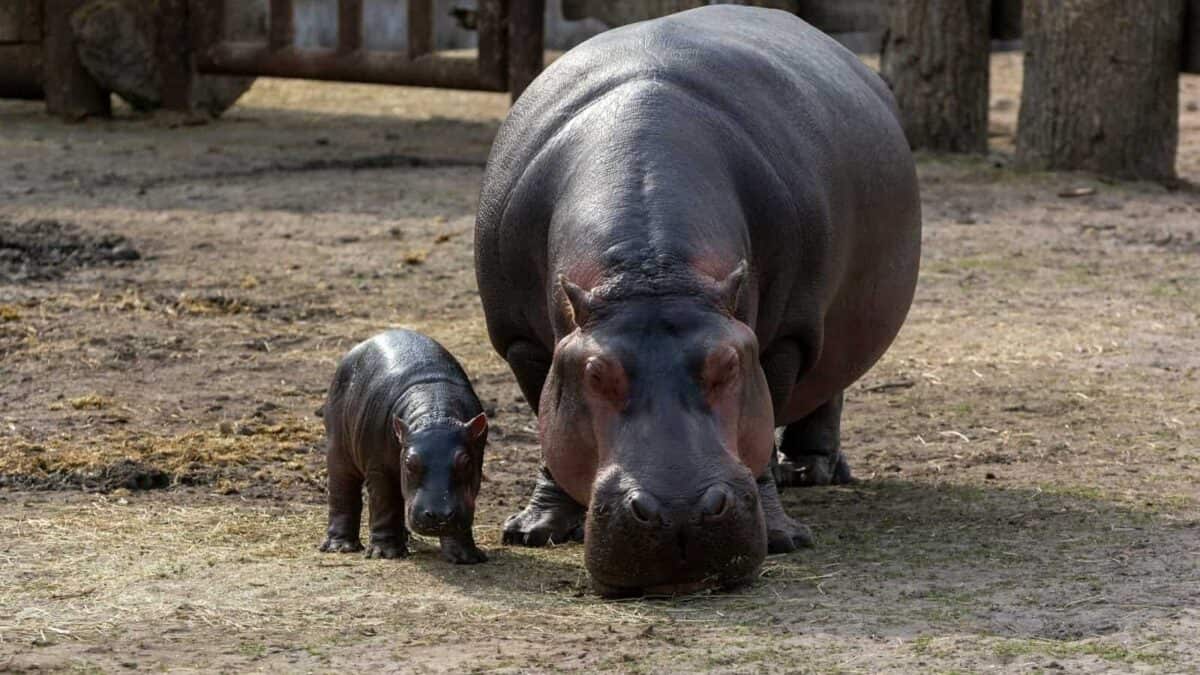
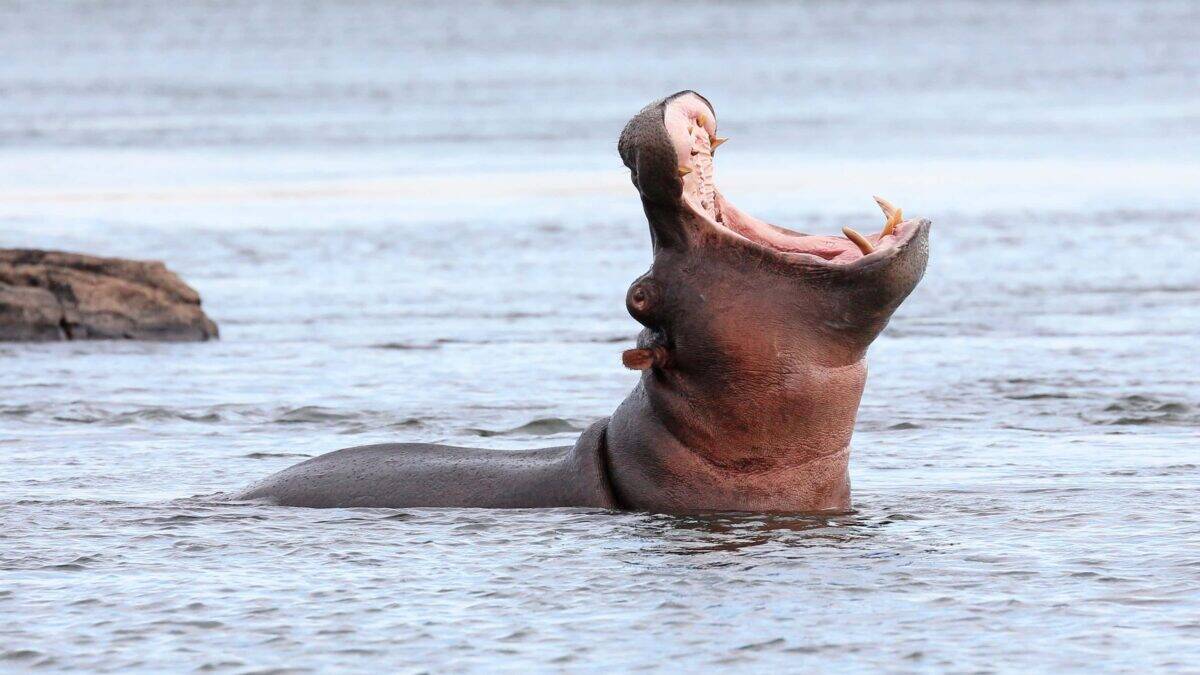
Hippopotamuses might seem like gentle giants, but they’re actually responsible for more human deaths in Africa than any other large animal. Part of what makes them so dangerous is their surprisingly powerful bite. Hippos can open their mouths to an impressive 180 degrees and exert a bite force of about 1,800 PSI. While this doesn’t put them at the very top of the list, it’s remarkable considering they’re primarily herbivores.
Hippos use their powerful jaws and large canine teeth primarily for fighting other hippos over territory and mates, not for feeding. Their teeth can grow up to 20 inches long and continuously sharpen themselves as upper and lower canines rub against each other. This combination of massive teeth and strong bite force makes hippos capable of biting a small boat in half—a sobering thought for anyone who might underestimate these territorial animals.
The Unexpected Champion: The Nile Crocodile

While the saltwater crocodile often gets the spotlight for its size, the Nile crocodile (Crocodylus niloticus) actually demonstrates a slightly stronger bite force relative to its size. With a bite force measured at approximately 5,000 PSI, the Nile crocodile’s bite is extraordinarily powerful. These prehistoric predators use their crushing jaws to subdue everything from fish to large mammals that come to drink at the water’s edge.
The secret to the Nile crocodile’s powerful bite lies in its specialized jaw anatomy. They possess enlarged jaw-closing muscles that generate tremendous force through a mechanical advantage created by their skull structure. While impressive, even the mighty Nile crocodile doesn’t claim the title of strongest bite in the animal kingdom—surprising, given their fearsome reputation and ancient lineage that has survived since the time of dinosaurs.
Hyenas: Underrated Bite Force Champions

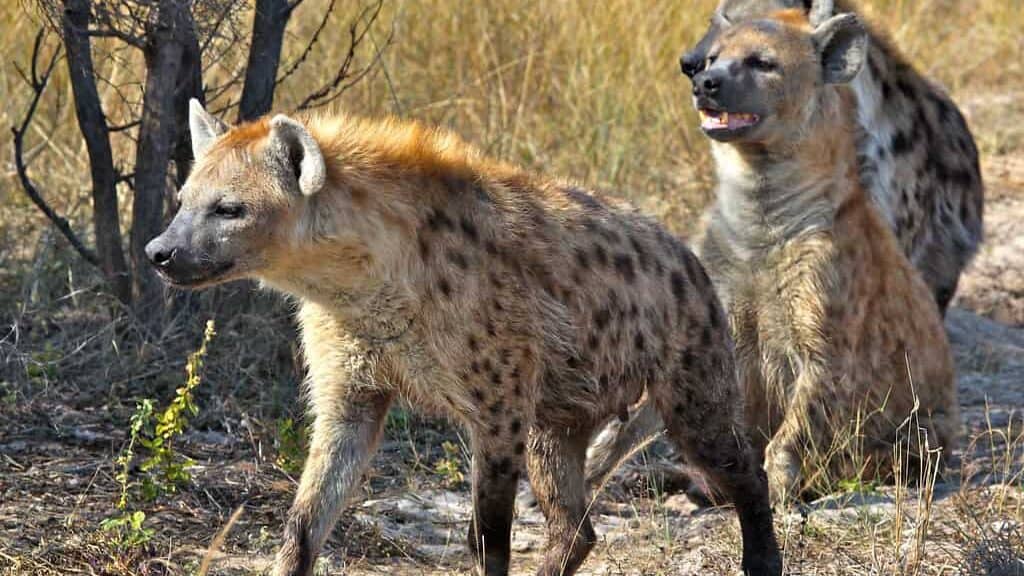
Spotted hyenas possess one of the most powerful mammalian bite forces relative to their size, measuring around 1,100 PSI. This exceptional strength allows them to crush bones that other predators leave behind, accessing nutritious bone marrow that few other animals can reach. Their specialized premolar teeth, called carnassials, are particularly adapted for this bone-crushing behavior.
What makes hyenas’ bite force particularly impressive is how it compares to their body size. Pound for pound, hyenas have stronger jaws than many larger predators. Their powerful bite enables them not just to scavenge but to be effective hunters in their own right, capable of bringing down prey as large as wildebeest. Despite these impressive credentials, hyenas still don’t claim the top spot for the strongest bite force in the animal kingdom.
Jaguar: The Surprising Feline Champion
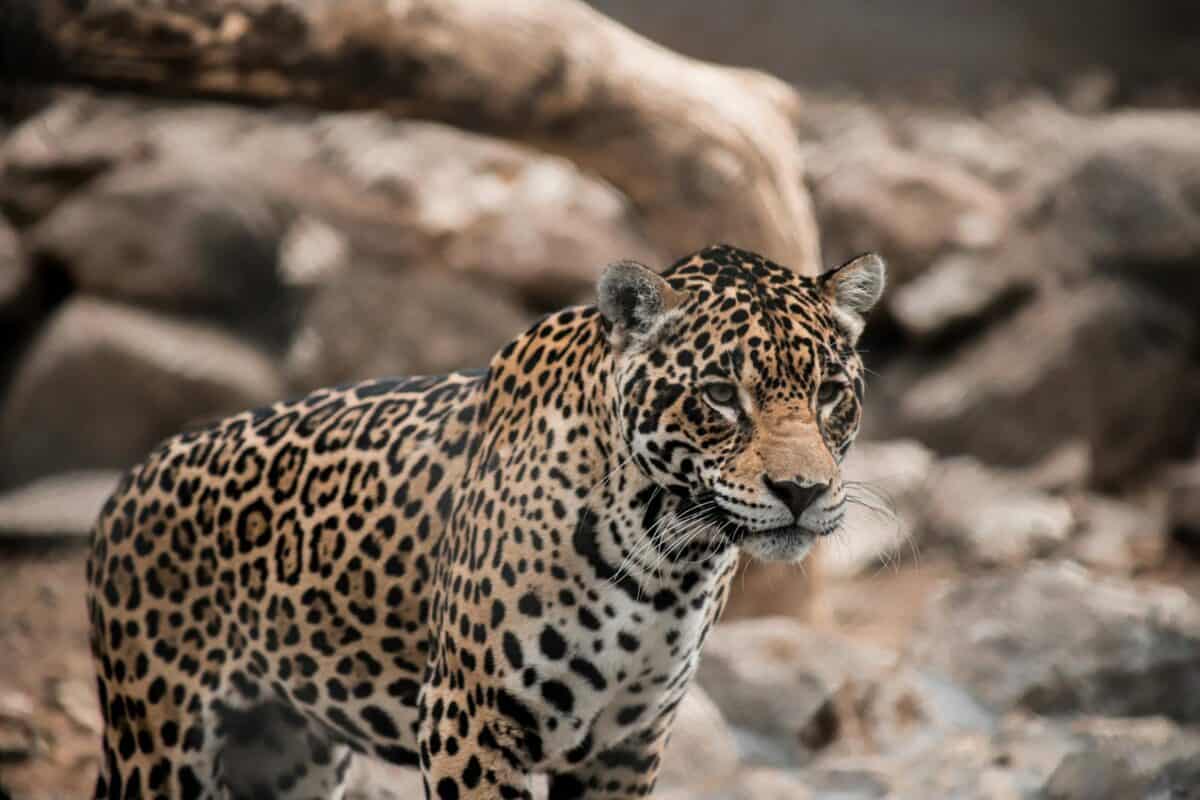
Among big cats, the jaguar (Panthera onca) possesses the strongest bite force, not the larger tiger or lion as many might expect. With a bite force of approximately 1,500 PSI, jaguars can pierce turtle shells and crunch through caiman skulls. This remarkable power allows them to employ a unique killing method—they often dispatch prey by biting directly through the skull into the brain, rather than the throat-bite method preferred by other big cats.
The jaguar’s exceptional bite force comes from its relatively short, broad skull that accommodates larger temporal muscles for more powerful jaw closure. Their canine teeth are also proportionally shorter and thicker than those of other big cats, allowing them to withstand the stresses of bone-crushing without breaking. Despite these impressive adaptations, the jaguar’s bite force, while remarkable for its size, doesn’t come close to our ultimate champion.
Extinct Contenders: T. Rex and Megalodon

No discussion of powerful bites would be complete without mentioning some extinct titans. The Tyrannosaurus rex is estimated to have had a bite force of around 8,000 PSI, which would place it far above any living creature. This incredible power, combined with serrated teeth the size of bananas, allowed T. rex to crush bones with ease. Recent research suggests T. rex may have even evolved specific teeth designed to withstand the forces generated by bone-crushing.
Even more impressive was the prehistoric megalodon shark, which may have had a bite force exceeding 40,000 PSI according to some estimates. With teeth reaching over 7 inches in length, this ancient shark could have easily bitten through the hardest bones of prehistoric whales. While these extinct creatures would certainly dominate any bite force competition, they’re no longer around to claim the title among living animals.
The True Champion: The Tiny But Mighty Mantis Shrimp

Surprisingly, the animal with the most powerful strike force relative to its size isn’t a large predator at all, but the mantis shrimp—specifically the peacock mantis shrimp (Odontodactylus scyllarus). While not technically a bite, the mantis shrimp’s striking limbs can accelerate with the same velocity as a .22 caliber bullet, generating forces exceeding 1,500 newtons. This force, coming from a creature just a few inches long, produces a pressure impact equivalent to thousands of PSI at the point of contact.
The mantis shrimp achieves this remarkable feat through a unique mechanism called “power amplification.” The shrimp’s specialized appendages contain a spring-loading system where energy is stored and then released suddenly, like a compressed spring. This allows the mantis shrimp to strike so quickly that it creates cavitation bubbles in the water which collapse with enough force to stun prey even if the strike misses. The collapsing bubbles briefly reach temperatures nearly as hot as the sun’s surface and produce a flash of light—a phenomenon called sonoluminescence.
The Real Record Holder: The Obscure Coconut Crab

While the mantis shrimp boasts the most impressive strike, when it comes to actual bite force relative to body size, the coconut crab (Birgus latro) reigns supreme. These land-dwelling arthropods, the largest in the world, can grow to more than three feet across and weigh up to nine pounds. Their bite force has been measured at an astonishing 3,300 newtons (equivalent to about 740 pounds of force)—remarkable for an invertebrate and comparable to the bite force of large predatory mammals many times their size.
Coconut crabs earned their name from their ability to crack open coconuts with their powerful claws and jaws. Native to islands in the Indian and Pacific Oceans, these crabs are primarily scavengers but are capable predators when opportunity arises. Their incredible bite force is made possible by their exoskeleton, which provides strong anchor points for their jaw muscles. Scientists believe the coconut crab’s powerful bite evolved as they transitioned from ocean-dwelling to land-dwelling creatures, requiring stronger tools to access novel food sources like coconuts.
Understanding Why Bite Force Evolved

The evolution of bite force across different species illustrates fascinating adaptations to ecological niches. Predators that need to quickly dispatch struggling prey, like big cats, evolved moderately strong bites focused on precision. Scavengers like hyenas developed extreme bite forces to access nutrients in bones that other animals leave behind. Animals that feed on hard-shelled prey, like mantis shrimp and coconut crabs, developed specialized striking or crushing mechanisms to access well-protected food sources.
These diverse adaptations showcase evolution’s remarkable problem-solving abilities. Rather than a simple “stronger is better” approach, natural selection has favored specialized bite mechanisms tailored to specific ecological roles. The strongest biters aren’t necessarily the largest or most formidable-looking creatures, but rather those whose survival most depends on powerful jaws or striking appendages. This explains why the champions of bite force are often not the animals we might expect.
The Surprising Truth About Bite Force Champions

The animal kingdom’s bite force champions demonstrate that nature often defies our expectations. While fearsome predators like crocodiles and sharks certainly possess impressive bite strength, it’s the unassuming coconut crab and the diminutive mantis shrimp that truly demonstrate nature’s engineering marvels when it comes to generating force. This reveals an important lesson about how we understand animal adaptations—size and appearance don’t always correlate with capability.
These unexpected champions also highlight the importance of considering relative strength rather than absolute numbers alone. The mantis shrimp’s strike and the coconut crab’s bite represent remarkable achievements of evolutionary engineering, generating forces that would seem impossible for creatures of their size. By looking beyond the obvious contenders, we gain a deeper appreciation for the incredible diversity of adaptations that have evolved across the animal kingdom, reminding us that nature’s most impressive feats often come in surprising packages.

- The Secret Language of Dolphins Decoded by Researchers - July 20, 2026
- 7 Animals That Can Survive Extreme Environments You Couldn’t - July 20, 2026
- The Longest Snake Ever Found in the U.S. - July 20, 2026