
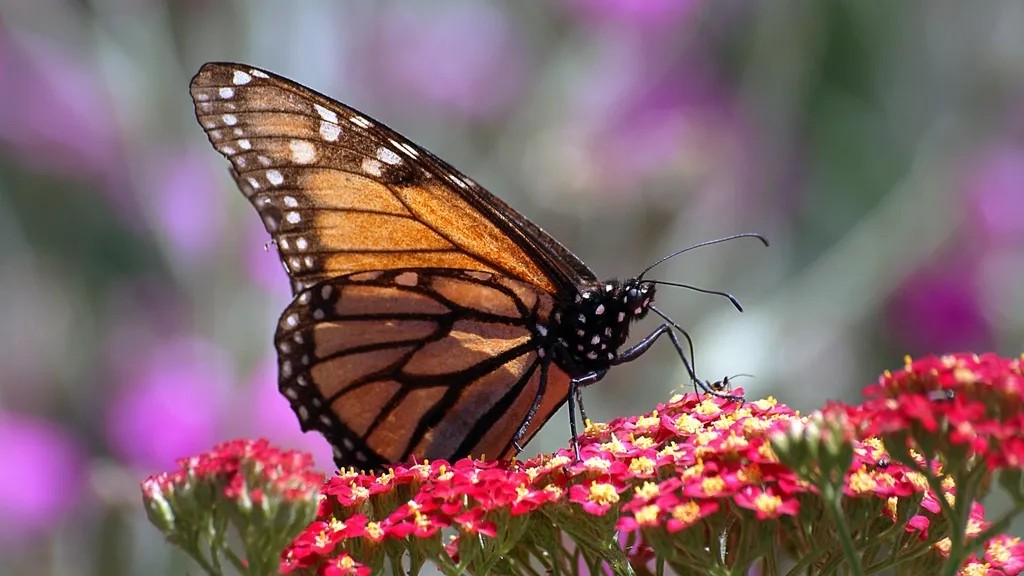
There’s something genuinely disorienting about learning that the orange butterfly you spotted in your backyard last September had never, in its entire short life, been to Mexico. Yet it was heading there anyway, across thousands of miles of unfamiliar terrain, navigating with a precision that still baffles neuroscientists. Monarch butterflies are one of nature’s most studied insects, and somehow, the more we learn about them, the stranger and more astonishing they become.
Their story isn’t just about a pretty insect taking a long trip south for the winter. It’s about biology that defies intuition, a species teetering on the edge of a historic crisis, and a migration so complex that it unfolds across multiple generations and entire lifetimes. Every fact you’re about to read earns its place.
#1: The Migration Spans Up to 3,000 Miles Each Way
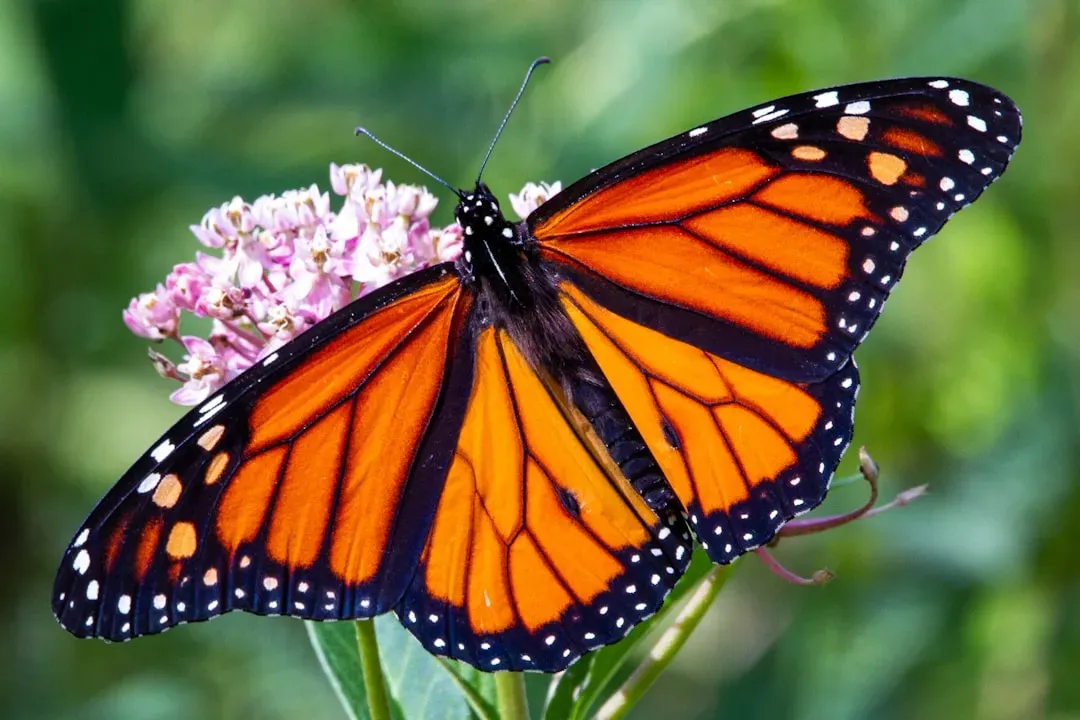
Each fall, North American monarchs travel from their summer breeding grounds to overwintering locations. East of the Rocky Mountains, monarchs travel up to an astonishing 3,000 miles to central Mexico, whereas the shorter migration west of the Rockies leads to the California coast. To put that in perspective, a butterfly weighing less than a gram is traveling a route comparable to flying from New York City to Los Angeles, then back, all within a single lifespan.
Monarchs can travel between 50 and 100 miles a day, and it can take up to two months to complete their journey. The farthest-ranging monarch butterfly on record traveled 265 miles in a single day. They don’t do this blindly, either. Monarchs use a combination of air currents and thermals to travel long distances, with some flying as far as 3,000 miles to reach their winter home.
#2: It Takes Multiple Generations to Complete the Round Trip
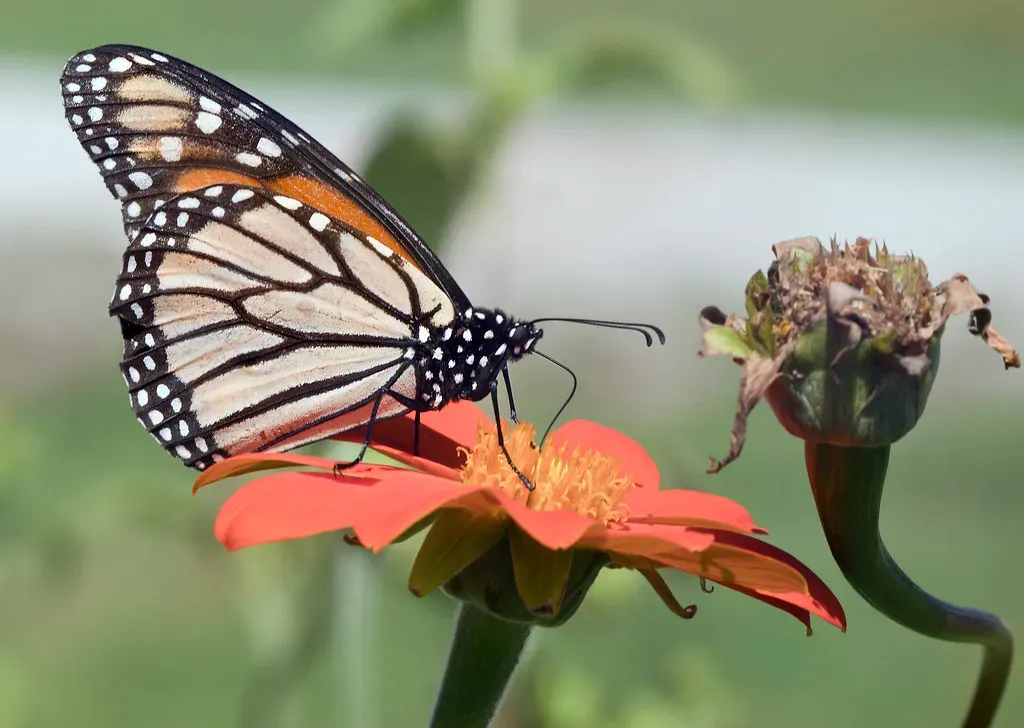
Monarch butterflies undergo a spectacular multi-generational migration. There are approximately four generations of monarch butterflies that will emerge throughout the year: the first generation is tasked with migrating from Mexico to the southern United States; the second and third generations emerge and lay many eggs in the north but do not have any role in migration; and the fourth generation must trek south towards the forested mountains in central Mexico.
Think of it like a relay race run across an entire continent, with each team member handing the baton to offspring they’ll never meet. It’s important to remember that monarch migration consists of several generations – the butterflies that finish a migration are not the butterflies that began it. Although one generation makes the long journey south to overwintering sites, it takes multiple generations of monarchs to repopulate habitat across North America.
#3: The “Super Generation” Lives Up to Nine Times Longer Than Normal
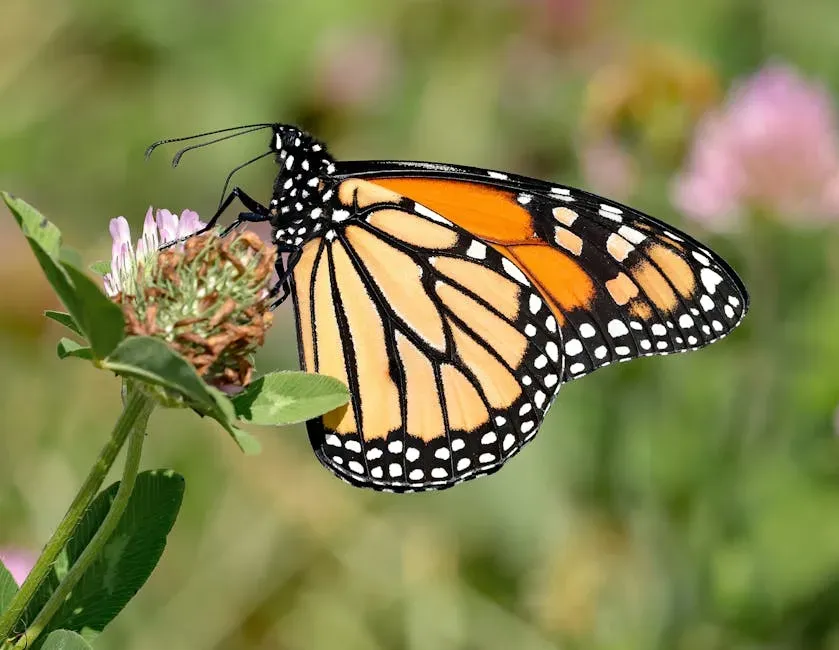
The final generation of the year, which emerges in late summer and early autumn, is known as the “super generation” due to its extended lifespan and unique behavioral characteristics. These butterflies are non-reproductive when they first emerge. They enter a state of reproductive diapause, which is a temporary suspension of reproductive development. This non-reproductive state allows the super generation to live for up to eight or nine months, significantly longer than the summer generations.
They live eight times longer than their parents and grandparents, up to eight months, and travel ten times farther. To do this, they must conserve energy by storing fat in both the caterpillar and butterfly life stages and waiting to mate until spring. The primary environmental trigger is the decreasing photoperiod, or shortening day length, which signals the approach of autumn. This change in daylight, along with cooler temperatures, initiates the switch from reproductive development to migratory behavior in the developing butterfly.
#4: They Navigate Using a Built-In Sun Compass and Backup Magnetic Sense
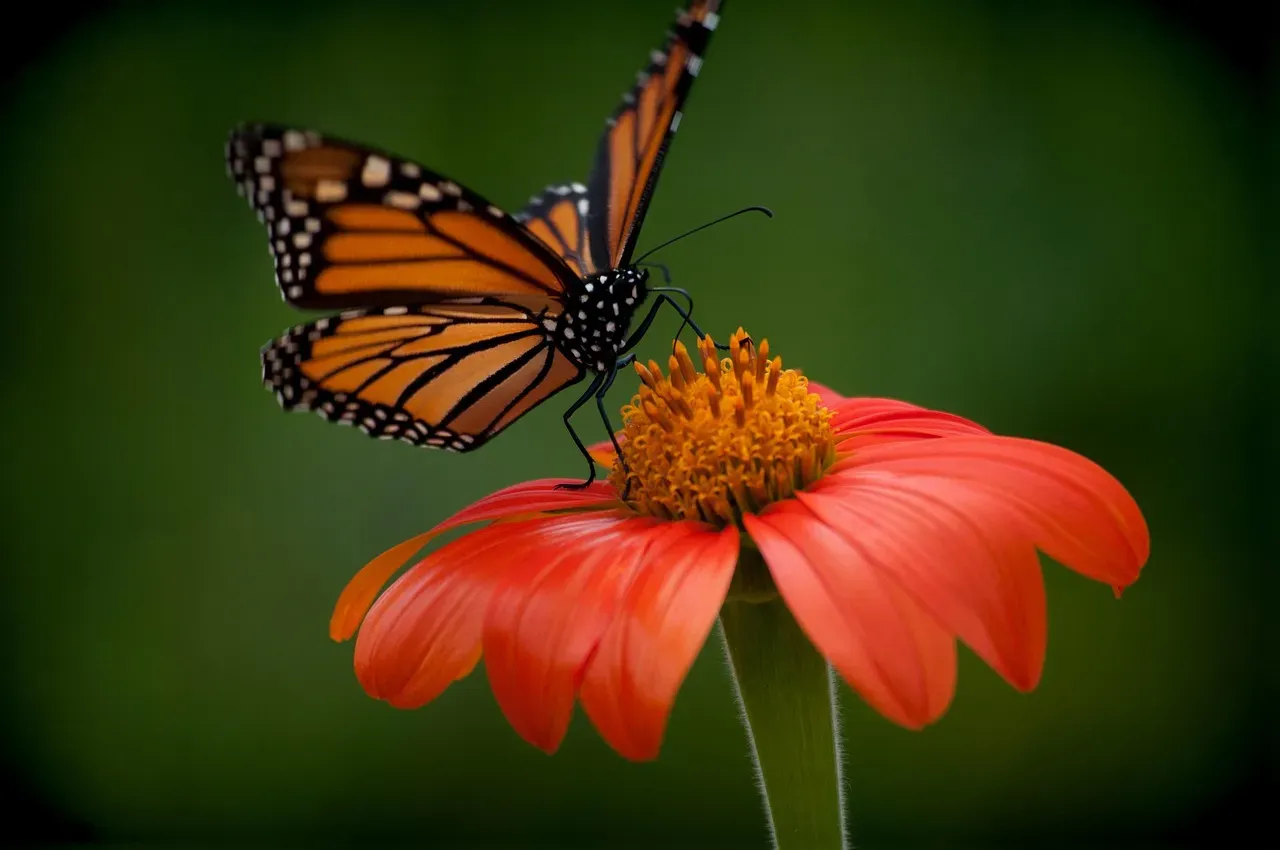
Monarch butterflies use a “time-compensated sun compass” to maintain direction, an internal magnetic compass for backup, and genetic programming honed over generations to guide them on their incredible multi-generational migrations across thousands of miles. The sun compass is housed partly in the antennae, a discovery that surprised researchers who had long assumed the brain was the primary timekeeping organ.
While the sun compass is the primary navigation tool, monarchs also possess a magnetic compass that serves as a backup system. This magnetic sense allows them to orient themselves using the Earth’s magnetic field, especially on cloudy days when the sun is not visible. How an insect with a brain smaller than a grain of rice finds the same forests year after year is a question researchers are still actively working to fully answer, and it remains one of the most compelling open questions in insect neuroscience.
#5: They’ve Never Been to Mexico, Yet They Know Exactly Where to Go
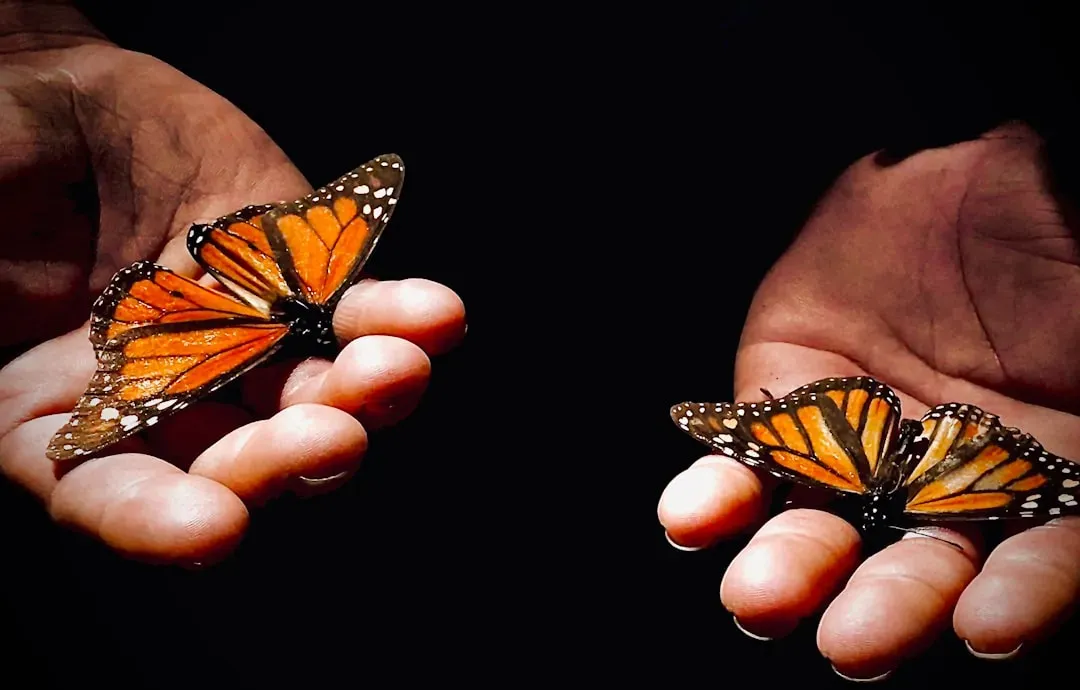
Eastern North American monarchs fly south using several flyways, then merge into a single flyway in Central Texas. It is truly amazing that these monarchs know the way to the overwintering sites even though this migrating generation has never before been to Mexico. This navigational feat is encoded somehow in their biology, passed down not through learned experience but through genetics.
Although each monarch only migrates once, it can find the exact overwintering groves its ancestors used, probably using magnetism and sunlight to help it navigate. The precision is extraordinary. Generation after generation, the butterflies arrive at the same narrow mountain forests in Michoacán, Mexico, clustering on the same oyamel fir trees their great-great-grandparents used before them.
#6: The Overwintering Sites in Mexico Are at Almost Two Miles Above Sea Level
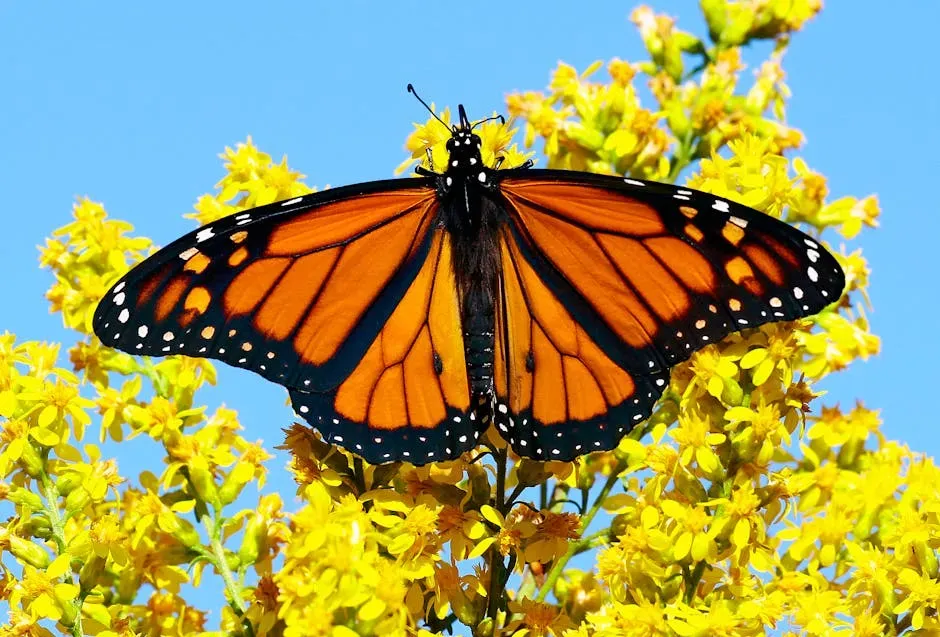
Monarchs roost for the winter in oyamel fir forests at an elevation of 2,400 to 3,600 meters, nearly two miles above sea level. The mountain hillsides of oyamel forest provide an ideal microclimate for the butterflies. Here, temperatures range from 0 to 15 degrees Celsius. If the temperature is lower, the monarchs will be forced to use their fat reserves. The humidity in the oyamel forest ensures the monarchs won’t dry out, allowing them to conserve their energy.
Monarchs cluster together to stay warm. Tens of thousands of monarchs can cluster on a single tree. Although monarchs alone weigh less than a gram, tens of thousands of them weigh a lot. The sheer spectacle of this overwintering colony is difficult to describe. Branches bend under the weight of living butterflies, and when the morning warms, the trees seem to dissolve into an airborne river of orange and black.
#7: At Peak Population, an Estimated 380 Million Monarchs Overwintered in Mexico
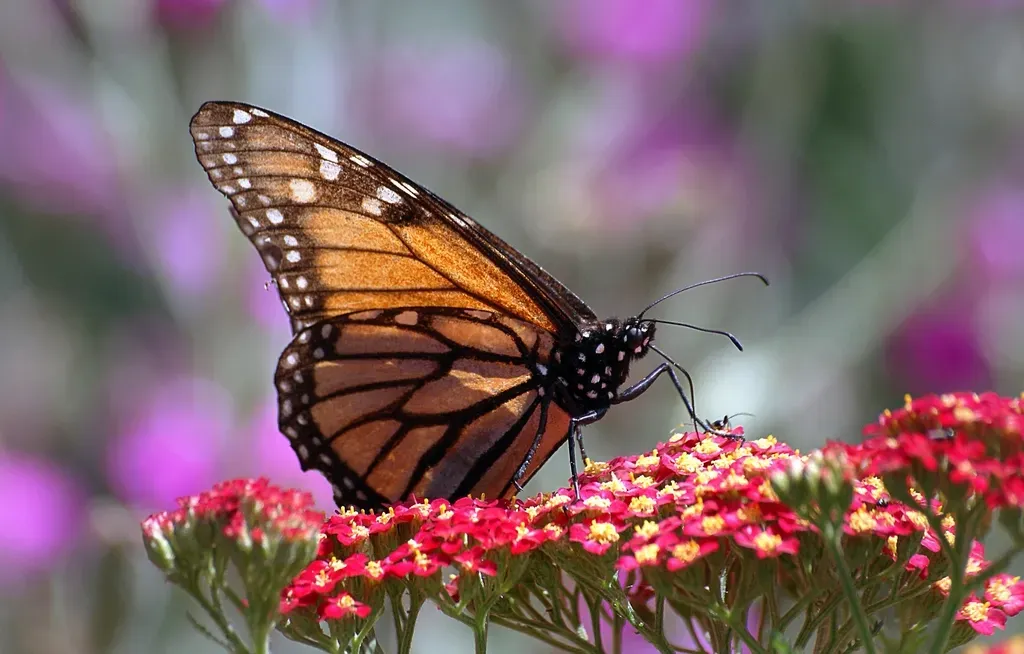
Researchers have estimated that there are approximately 21.1 million butterflies per hectare, although this number varies with the time of the winter as colonies contract, expand, and move. It also varies with the density and size of the trees in the colony. Based on this estimate, the largest population of monarchs occurred in 1996 to 1997, when the colonies covered over 18 hectares and contained an estimated 380 million butterflies. To date, the lowest population recorded was in 2013 to 2014, with 0.67 hectares and approximately 14 million monarchs.
The contrast between those two numbers tells a story worth sitting with for a moment. While monarch populations rise and fall slightly year over year, the eastern population of the monarch butterfly has been in a steady decline, on average, over the last two decades. Nearly 45 acres of forest were covered with monarchs in the winter of 1995 to 1996, and from that time, their populations fluctuated annually until 2003 to 2004, when scientists recorded 27.5 acres of forest coverage. Since then, surveys have documented a continued downward average trend.
#8: The Western Population Has Faced Near Collapse
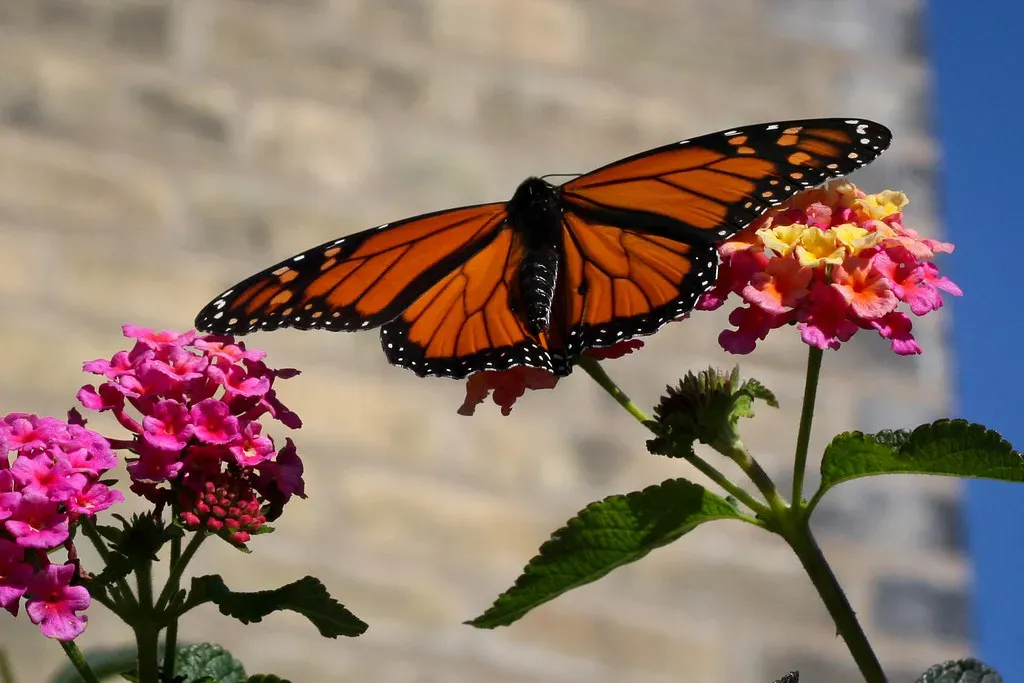
Following efforts by hundreds of volunteers to count overwintering monarch butterflies in California, the 28th annual Western Monarch Count reported a peak population of just 9,119 butterflies during the 2024 to 2025 winter. This is the second lowest overwintering population ever recorded since tracking began in 1997 and coincides with monarch butterflies being proposed for protection under the U.S. Endangered Species Act.
The western population is at greatest risk of extinction, having declined by an estimated 99.9 percent, from as many as 10 million to under 2,000 butterflies between the 1980s and 2021. The larger eastern population also shrunk by 84 percent from 1996 to 2014. The eastern monarch population’s extinction probability ranges from 48 to 69 percent within the next 60 years, while the predictions for the western monarch are even more dire, with a 98 to 99 percent probability of extinction within 60 years.
#9: The 2025 to 2026 Season Brought Cautious Reason for Hope
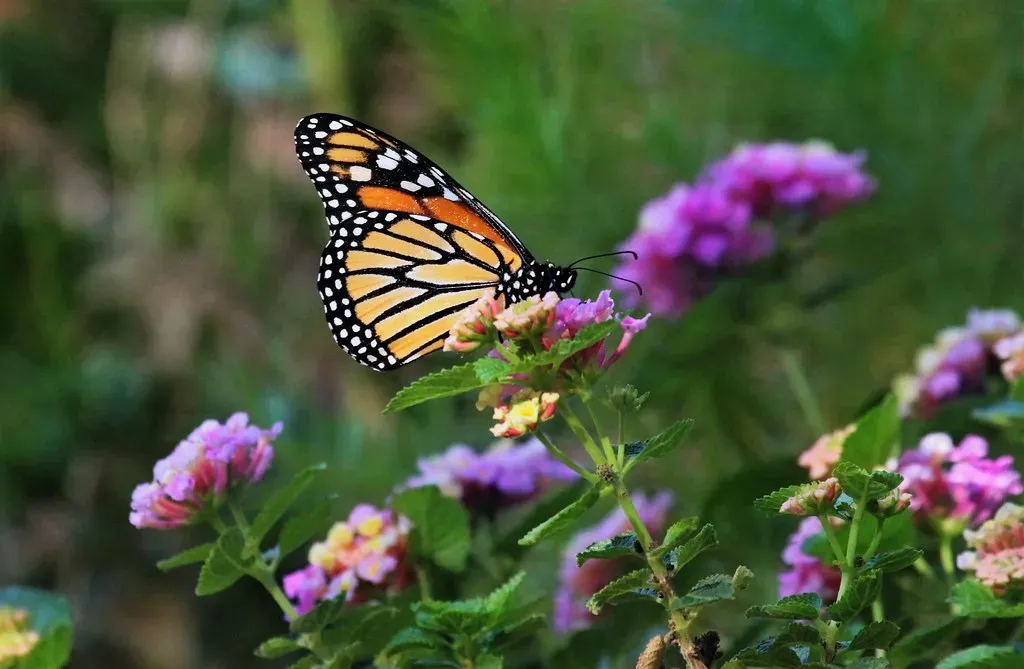
Two new reports estimate a 64 percent increase in species population and a significant decrease in forest degradation in the butterfly’s winter home. On the eve of spring, the eastern migratory monarch butterfly showed promising signs of recovery. The reports, both released by WWF Mexico and its partners, estimate a 64 percent increase in species population and a significant decrease in forest degradation within their critical winter habitat.
Scientists found monarchs occupied 7.24 acres of forest compared to 4.42 acres the previous winter, indicating a 64 percent increase of monarchs during this period. Still, context matters. While monarchs occupied nearly twice as much forest habitat as they did during the previous year, populations remained far below the long-term average. Recovery is possible, but it isn’t guaranteed, and a single good season doesn’t erase decades of decline.
#10: Milkweed Is the One Plant They Cannot Live Without
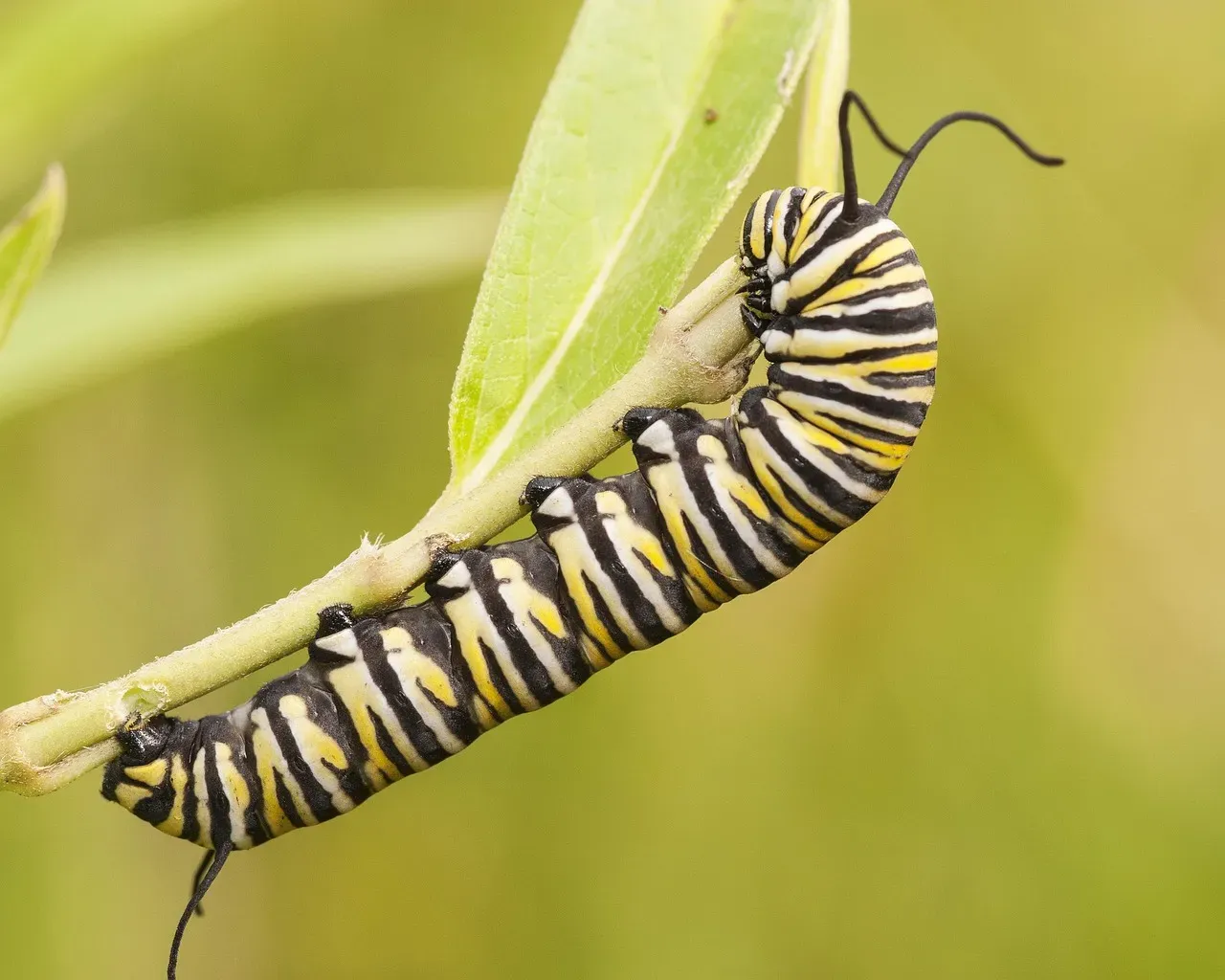
Monarch caterpillars feed on milkweed plants, which contain toxins that make them unpalatable to predators. The caterpillars store these toxins, making them distasteful and toxic to potential predators. Furthermore, milkweed plants are crucial for the reproduction and survival of monarchs, as it is the only plant that monarch caterpillars can feed upon.
Some scientists suggest that climate change is allowing monarchs to forgo their migration and spend their winters in warmer parts of the U.S. Due in part to warmer temperatures and increased planting of nonnative tropical milkweed, these year-round resident monarchs don’t need to travel all the way to Mexico. Ironically, well-meaning gardeners planting the wrong variety of milkweed may actually be disrupting the migration cycle rather than helping it. Tropical milkweed produces different cardenolide profiles than native species, and there’s evidence that year-round tropical milkweed plantings in southern states can disrupt the migration cycle itself.
#11: A Parasite and Captive Breeding May Be Quietly Undermining the Migration
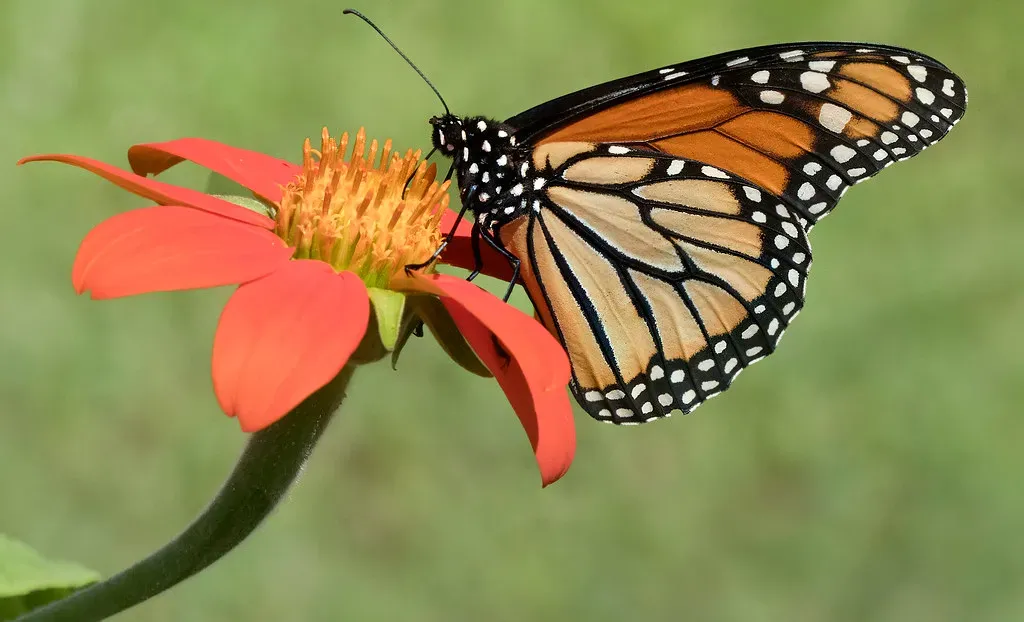
Published by the Proceedings of the National Academy of Sciences, a University of Georgia study suggests that monarchs are dying off during their fall migration south to Mexico. Migrating monarchs don’t fly at night, so they spend their evenings in bunches on trees or shrubs, known as roosts. The study relied on 17 years of data from more than 2,600 citizen scientist observations of monarch roosts along the butterfly’s migration route.
Nonnative milkweeds have longer growing seasons, and as a result these plants may lead to more monarchs becoming infected with a protozoan parasite because the infectious parasite spores can build up on their leaves. The second possible driver is the release of captive-reared butterflies by well-meaning people who are hoping to help the monarchs. Heavily infected monarchs emerge with crumpled wings, reduced body mass, weaker flight ability, and significantly shortened lifespans. The lesson here is sobering: good intentions without good information can make things worse.
#12: The Monarch’s Migration Has Deep Cultural Significance in Mexico
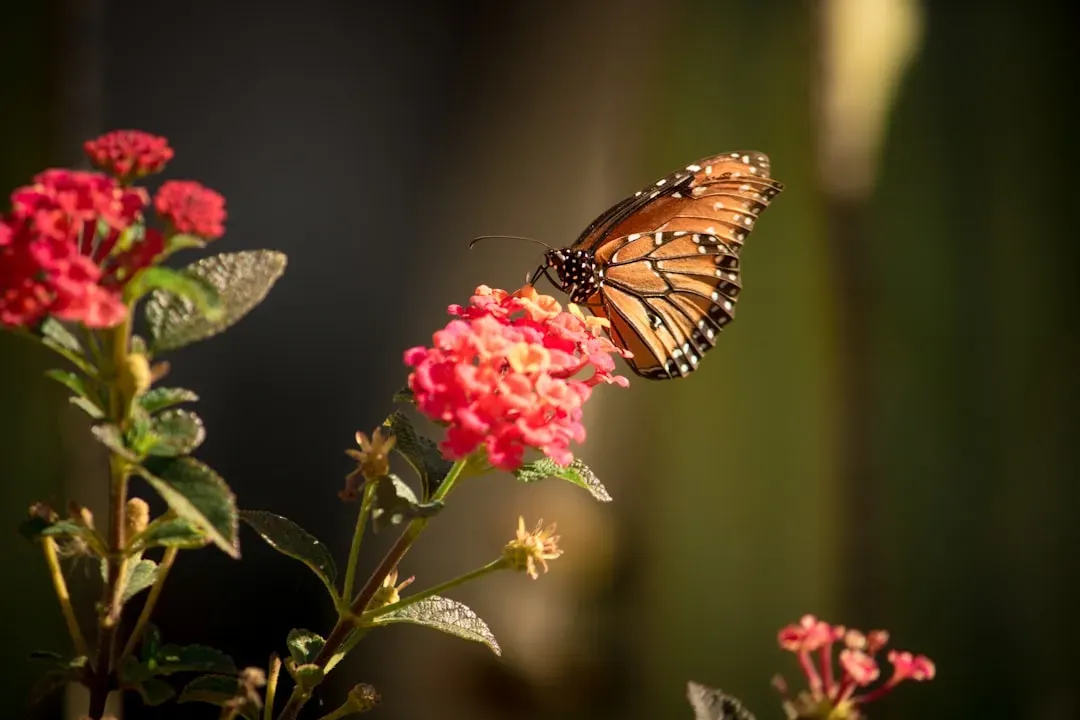
In Mexico, the beloved butterflies arrive for the winter during Day of the Dead celebrations, where they symbolize the souls of the departed. Eastern population monarchs arrive at their overwintering sites in the Transvolcanic mountains of central Mexico around the beginning of November, often coinciding with Día de los Muertos. For many communities in Michoacán, this annual arrival is not just a wildlife event. It’s a spiritual one.
WWF contributed to an analysis of the monarch colonies resulting in a Presidential Decree that extended the protected area in the year 2000 from 40,000 acres to 139,000 acres, calling it the Monarch Butterfly Biosphere Reserve. The protected area includes a buffer zone of 105,533 acres and a core zone of 33,500 acres, where monarchs have historically established their colonies. Local communities in the region have become some of the most important stewards of this habitat, with conservation and cultural identity becoming genuinely intertwined over generations.
A Migration Worth Protecting
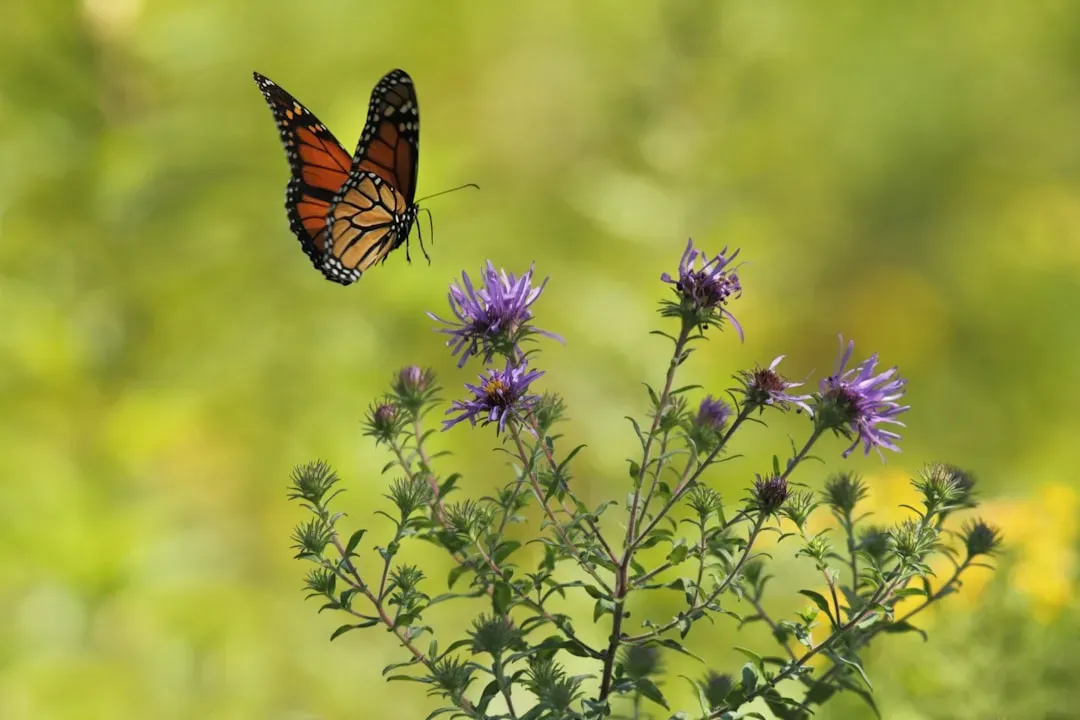
The monarch butterfly migration is not just a natural spectacle. It’s a barometer. When it falters, something broader is wrong: with how we manage land, use pesticides, and respond to a changing climate. Monarchs’ decline is a harbinger of widespread environmental change. The plummeting population of these familiar butterflies, along with the decline of other butterflies and bees, threatens peoples’ wellbeing too, since our food security depends on the ecological services pollinators provide.
The 2025 to 2026 population increase is genuinely encouraging. But one good season doesn’t undo decades of habitat destruction, and the structural problems haven’t gone away. In my view, this species represents one of those rare conservation battles where individual action genuinely connects to the larger outcome. Planting the right native milkweed, reducing pesticide use in your garden, supporting protected forest areas in Mexico – none of these are grand gestures. Collectively, though, they’re exactly what a multigenerational journey like this one needs: multigenerational commitment in return.
The monarch doesn’t know it’s endangered. It just keeps flying south by the sun, as it has for thousands of years, trusting some ancient biological instruction to carry it home. The least we can do is make sure that home is still there when it arrives.

- 14 Quiet Signs Your Dog Knows Its Time Is Near and Wants You Close - July 22, 2026
- 10 Falcon Facts That Will Blow Your Mind - July 22, 2026
- 5 Incredible Migratory Journeys Animals Make Every Year - July 22, 2026