

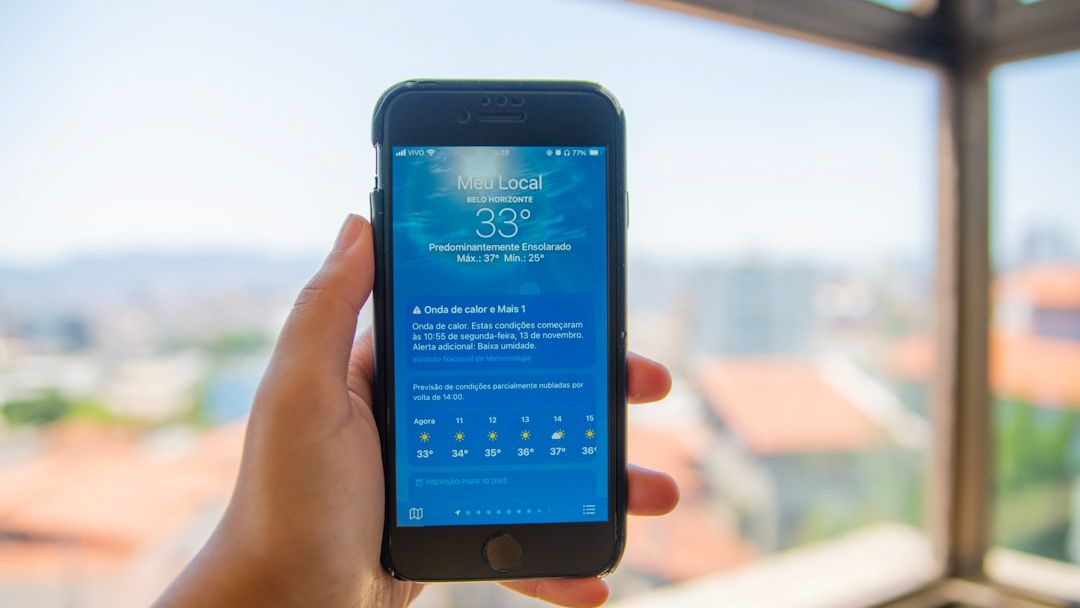
What To Expect as El Niño Approaches – Image for illustrative purposes only (Image credits: Unsplash)
Scientists reported this week that a developing El Niño pattern is likely to intensify heatwaves, droughts and floods through the rest of the year. The natural climate oscillation, which warms parts of the Pacific Ocean, tends to shift rainfall and temperature patterns worldwide. Yet researchers stress that this event is not the dominant force behind the most severe climate extremes now unfolding.
Expected Shifts in Weather Patterns
El Niño conditions typically bring drier weather to some regions and heavier rains to others. In the coming months, this could translate into prolonged dry spells across parts of Southeast Asia and Australia, while increasing flood risks in parts of South America. Heatwaves may also become more frequent or intense in areas already prone to high temperatures.
These changes do not occur in isolation. They interact with existing atmospheric conditions, which can either dampen or amplify the effects. Forecasters continue to monitor sea-surface temperatures closely to refine their outlooks as the pattern strengthens.
Why Climate Change Remains the Larger Driver
Long-term warming from greenhouse gases has already raised baseline temperatures and altered moisture levels across the globe. This background trend makes extreme events more likely even without an El Niño. The current pattern may add to those risks, but it does not create them from scratch.
Analyses of recent decades show that many record-breaking heat events and intense rainfall episodes have occurred outside of strong El Niño years. The steady rise in global temperatures provides the underlying conditions that turn ordinary weather into disasters more often.
Implications for Planning and Response
Communities and governments are advised to review existing heat and drought preparedness plans now rather than wait for peak impacts. Early actions such as water conservation measures and heat-health alerts can reduce harm when conditions worsen. International agencies also recommend strengthening flood defenses in vulnerable river basins.
Continued monitoring by climate centers will help track how the El Niño evolves and whether its influence peaks as expected. This information supports more targeted advisories for agriculture, water management and emergency services.
Looking Ahead
The interplay between natural variability and human-driven warming will shape weather outcomes for years to come. While El Niño adds a temporary layer of risk, addressing the root causes of climate change offers the most durable path to reducing extremes. Ongoing research aims to improve seasonal forecasts so societies can adapt more effectively.

As a little kid, I fell in love with nature, wildlife, and animals. Living in the USA, South Africa, Italy, China and Germany gave me the opportunity to discover the world's Wildlife. My favorite animals are Mountain Gorillas, Siberian Tigers, and Great White Sharks.
I'm a certified PADI Open Water Diver, went to Everest Base Camp and Trekked Gorillas in Uganda. I hold a Master of Science in Economics and Finance.
Please send any feedback to feedback@animalsaroundtheglobe.com
- 13 Cat Breeds That Get Along with Dogs - July 20, 2026
- The 12 Largest Dog Breeds That Still Love to Cuddle - July 20, 2026
- 12 Pet Habits That Secretly Mean They Love You - July 20, 2026