
There’s a strange contradiction in how we think about cats. On one hand, they curl up on laps, purr at inconvenient volumes, and knock things off shelves for no apparent reason. On the other, they are some of the most efficient killing machines evolution has ever produced. Every domestic cat, no matter how docile, carries the blueprint of a predator. Scale that blueprint up, or pull it a generation or two closer to its wild source, and something genuinely formidable emerges.
This list spans the full spectrum. Some entries are creatures that share living rooms with humans, teetering between pet and predator depending on the day. Others are wild animals that have killed people in recorded history. All of them deserve respect, and several deserve considerably more caution than they typically receive.
#1: Tiger
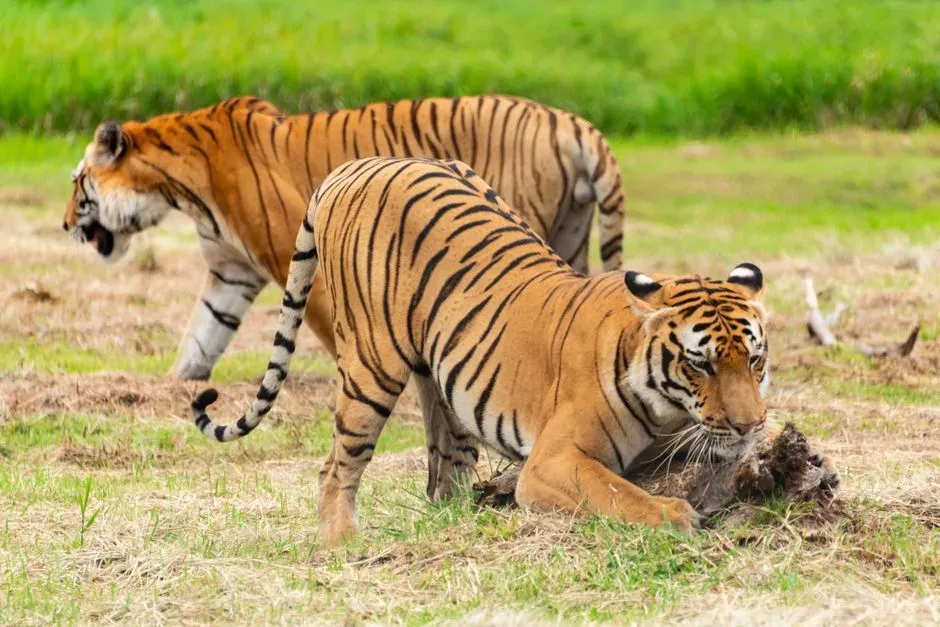
Tigers are the largest cat species , known for their powerful build and sharp instincts. They are solitary hunters that rely on stealth and ambush rather than sustained pursuit, making them a threat that arrives without warning. Though they have a relatively low hunting success rate, their sheer size and power make them formidable, capable of taking down buffalo, deer, and wild boar.
Tigers are statistically the deadliest and most dangerous big cats on the planet, responsible for a staggering number of human deaths recorded over the course of two centuries. In the Sundarbans, a river delta region spanning India and Bangladesh, the local tigers are unusually aggressive and regularly collide with dense populations of locals who collect firewood, honey, or fish from small boats. It is a sobering reminder that for people living on the edge of tiger habitat, this is not an abstract threat.
#2: Lion
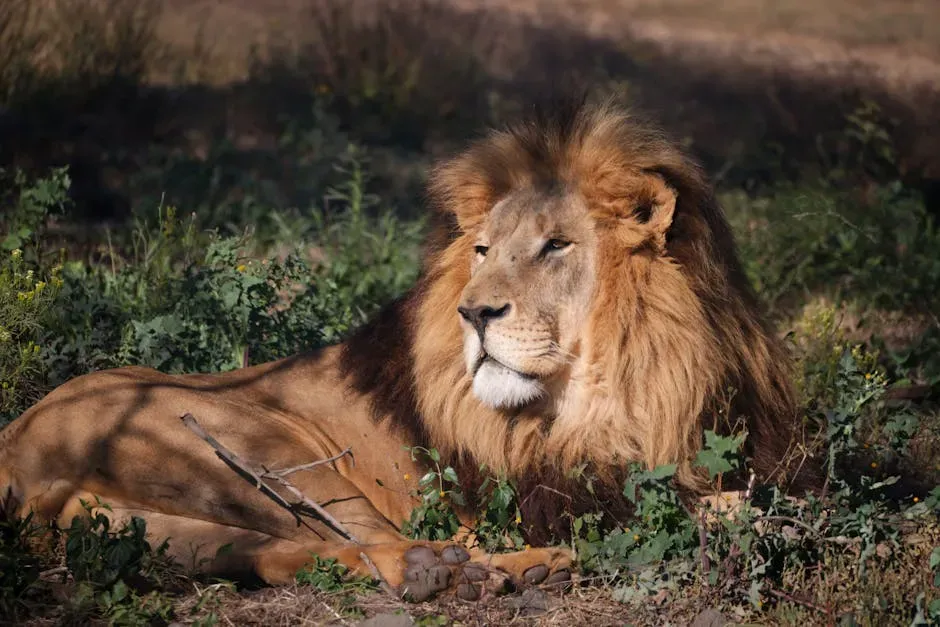
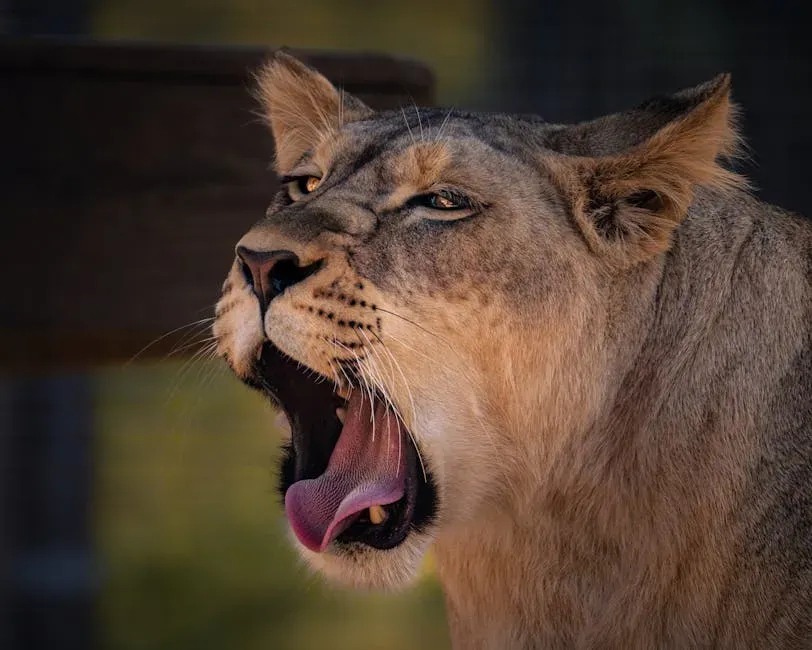
Lions are responsible for hundreds of human fatalities each year, especially in regions where human populations live near lion territories. These big cats typically attack humans when they feel threatened or when food is scarce. Unlike most other large predators, lions are social animals, which changes their dynamic with humans entirely.
African lions live in prides among grassy savannahs, woodlands, and sometimes deserts. They are not the most successful hunters, but they are also not afraid to steal a kill from fellow carnivores like hyenas and wild dogs. Solitary male lions or those operating within prides can become especially aggressive, making lions a deadly and persistent threat in the wild. The social structure amplifies the danger in a way no solitary predator can match.
#3: Leopard
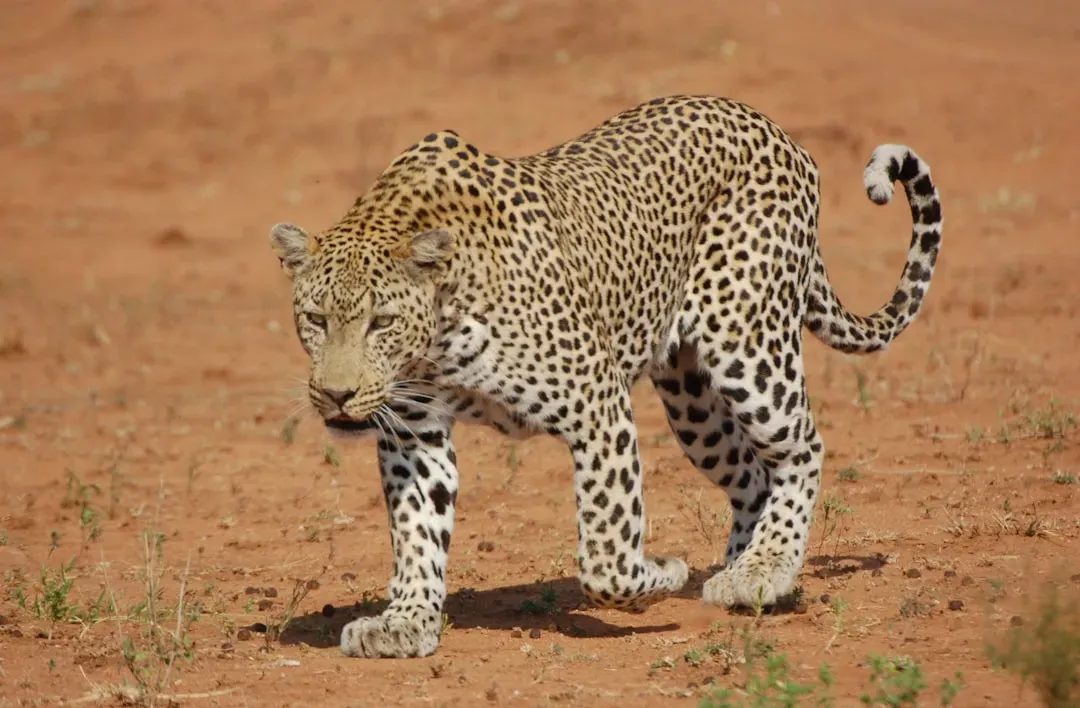
Solitary and territorial, leopards are on the “Big Five” list of African wildlife, not for their size but for the difficulty and danger they presented historically. What makes the leopard particularly unsettling is its adaptability. Leopards are opportunistic hunters who primarily chase ungulates like impalas and gazelles, but they are not above going after mice, birds, venturing into water to fish, or even snacking on cheetah cubs when the opportunity strikes.
Leopard attacks on humans happen in Africa but are far more commonplace in India where habitat loss leads to an increase in human-wildlife conflict. The IUCN estimates roughly 350 to 450 leopard attacks per year, with ten to fifteen percent ending in human fatality. Though not the biggest cats on the planet, these felines have powerful bodies capable of dragging carcasses weighing over a hundred pounds straight up a tree trunk. That kind of raw strength, paired with their preference for ambush, makes them exceptionally dangerous.
#4: Jaguar
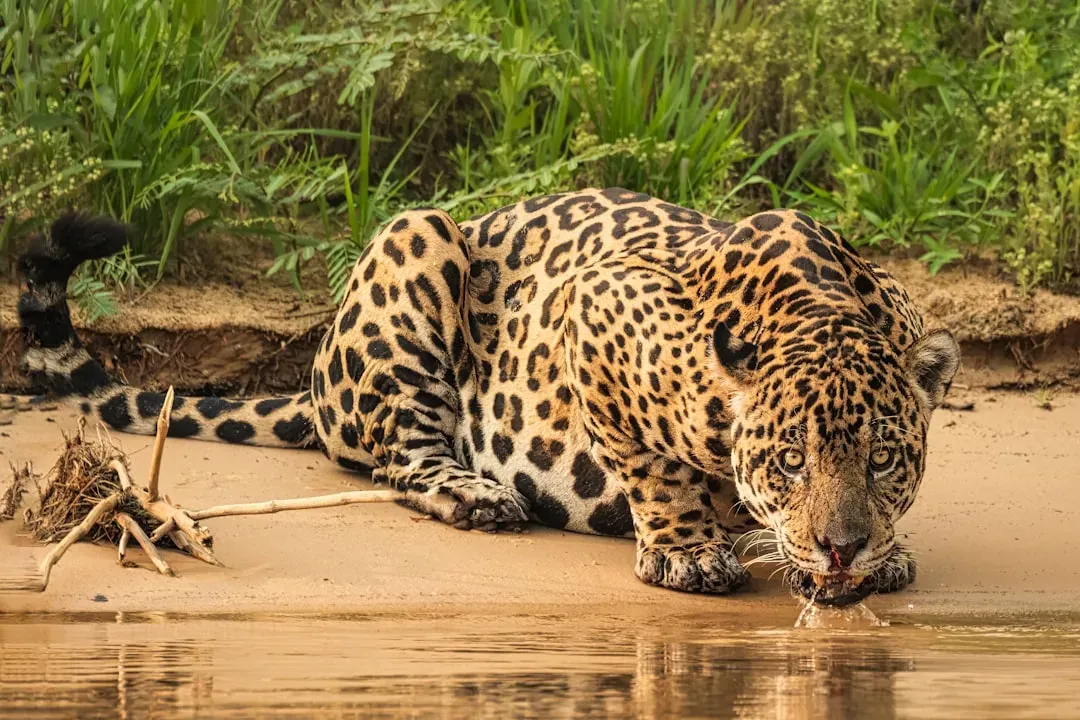
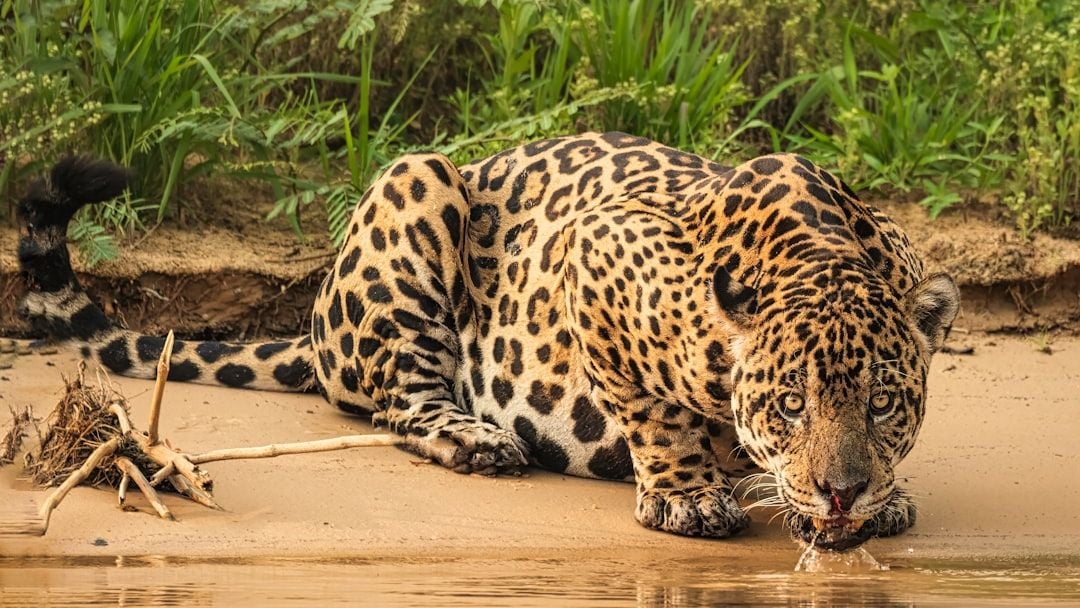
The jaguar, found in the Americas, is one of the most powerful big cats, with the strongest bite force relative to body size of any feline. Jaguars can crush bones with a single bite and are known for their ability to hunt a wide variety of prey, including large animals like deer. Their jaws are specifically engineered to pierce skulls, which is a hunting style unlike any other large cat.
Jaguars are the only big cats found in the Americas and inhabit the rainforests of Central and South America. They are solitary hunters capable of taking down large prey, including caimans and deer. Attacks on humans are very rare, and jaguars will usually only attack if provoked. If they do attack, however, it is likely to be a fatal encounter for the human. The bite force alone makes that an understatement.
#5: Black-Footed Cat
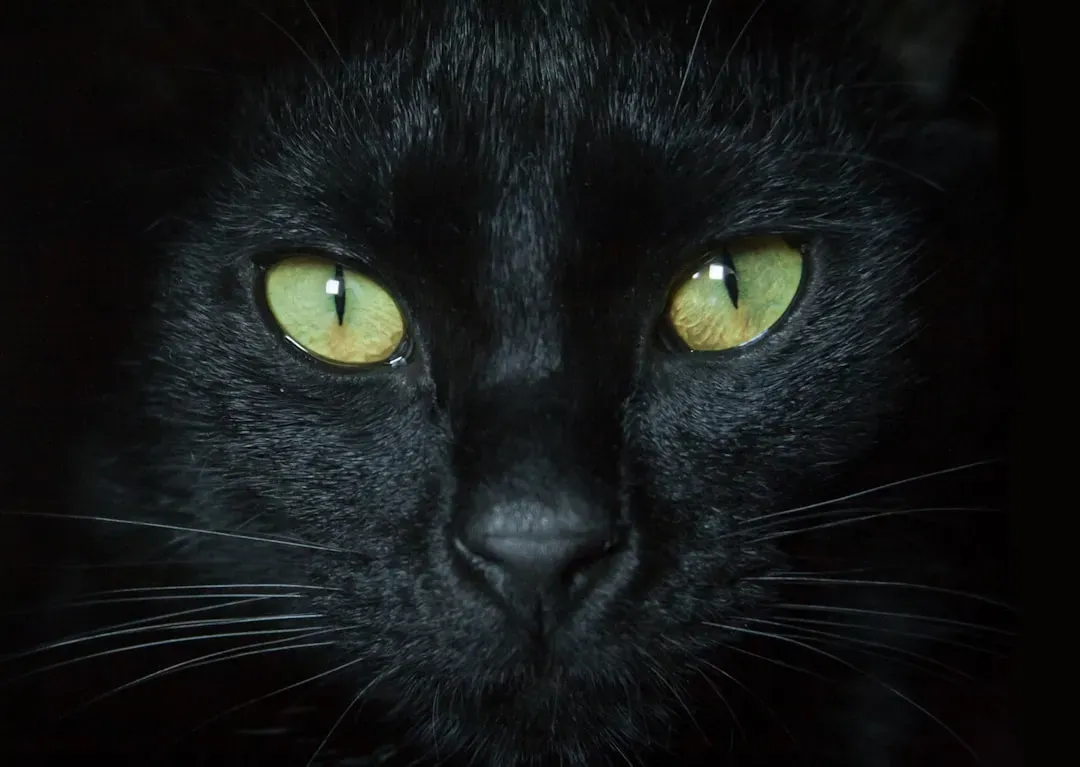
Size is not the whole story when it comes to danger. The world’s deadliest cat in terms of kills is also one of the smallest felines . Standing at just 20 to 25 centimetres and weighing about 2 kilograms, this diminutive cat is the most successful of its kind with a 60 percent kill rate. Black-footed cats live in southern Africa, primarily in Botswana, South Africa, and Namibia, and hunt rodents, small birds, insects, reptiles, and the occasional hare.
Much of their success comes from skill, but some of it can be attributed to sheer frequency. Black-footed cats spend approximately 70 percent of the night hunting, often managing a kill every 50 minutes. Perhaps unsurprisingly, these little cats pose no real threat to humans despite their impressive kill count. Still, as a demonstration of what pure predatory efficiency looks like in a compact package, nothing on this list comes close.
#6: Savannah Cat
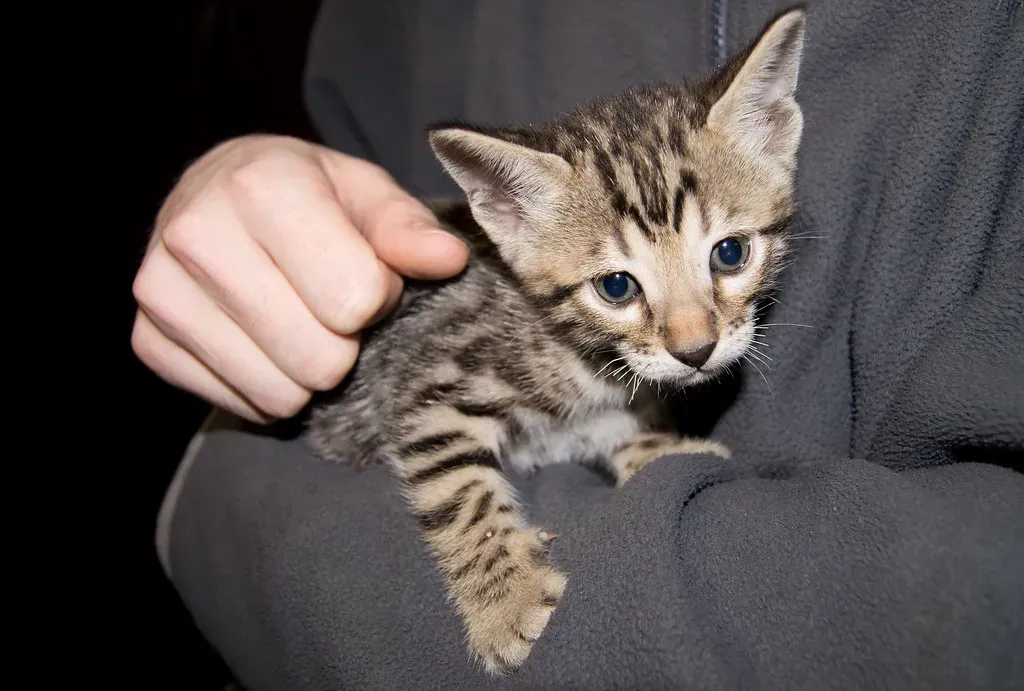
The Savannah cat is a hybrid breed, a cross between a serval wild cat and a domestic cat. Most offspring are large and lanky with athletic bodies and spotted coats. Savannah cats descend from African servals and retain strong wild instincts. They require extensive enrichment and space. Without proper training and stimulation, they may display dominance, chasing behavior, and aggressive reactions.
Savannah cats are not naturally aggressive animals, but the closer a cat is related to its wild ancestors, the more likely it will be to display unpredictable tendencies and aggression in response to triggers. For this reason, F1 first-generation Savannah cats are considered the most aggressive of all the subsequent generations. Their strong prey drive makes them potentially dangerous to small pets like hamsters, birds, rabbits, and guinea pigs. These animals should be housed separately in secure locations. Several jurisdictions have placed ownership restrictions on early-generation Savannahs for exactly these reasons.
#7: Bengal Cat
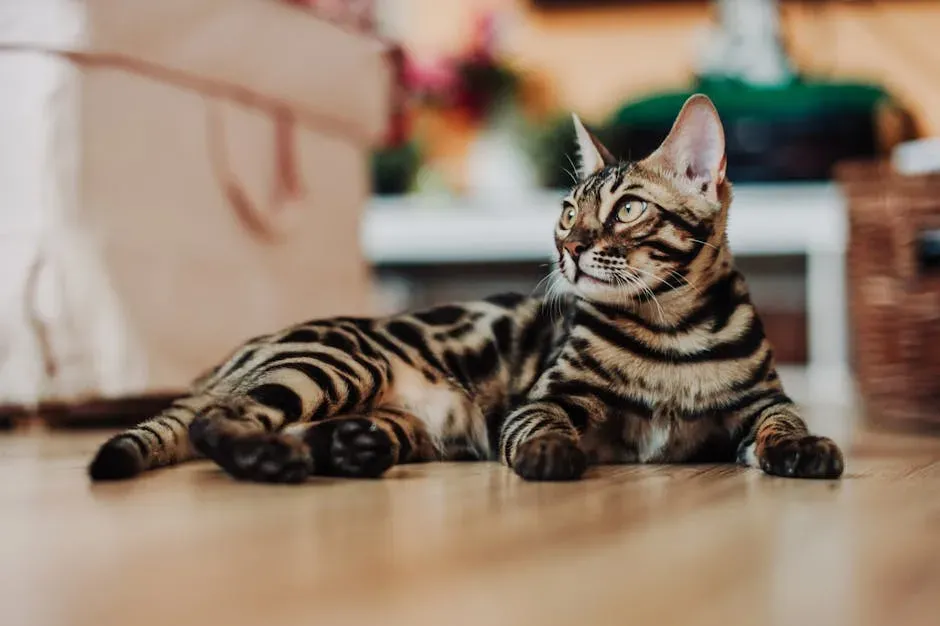
Bengals carry strong hunting instincts from their Asian leopard cat ancestry. They display high energy, dominance, and territorial behavior. Without daily stimulation and structured play, they may act out through biting, scratching, or chasing. The spotted coat is not just aesthetic. It is a reminder of something closer to the wild.
Bengal cats are reported to display more vocalizations directed to the owner, be more playful, show significantly more predatory behavior, like to interact with water, often show aggressive behaviors toward members of the family, and tend to mark territory. It is recommended that pet Bengals be at least an F4, fourth generation from the domestic cat and leopard cat mating, as earlier generations can retain many characteristics of the leopard cat, including a wilder temperament. Proper socialization genuinely matters with this breed in a way that goes beyond typical cat ownership.
#8: Caracal
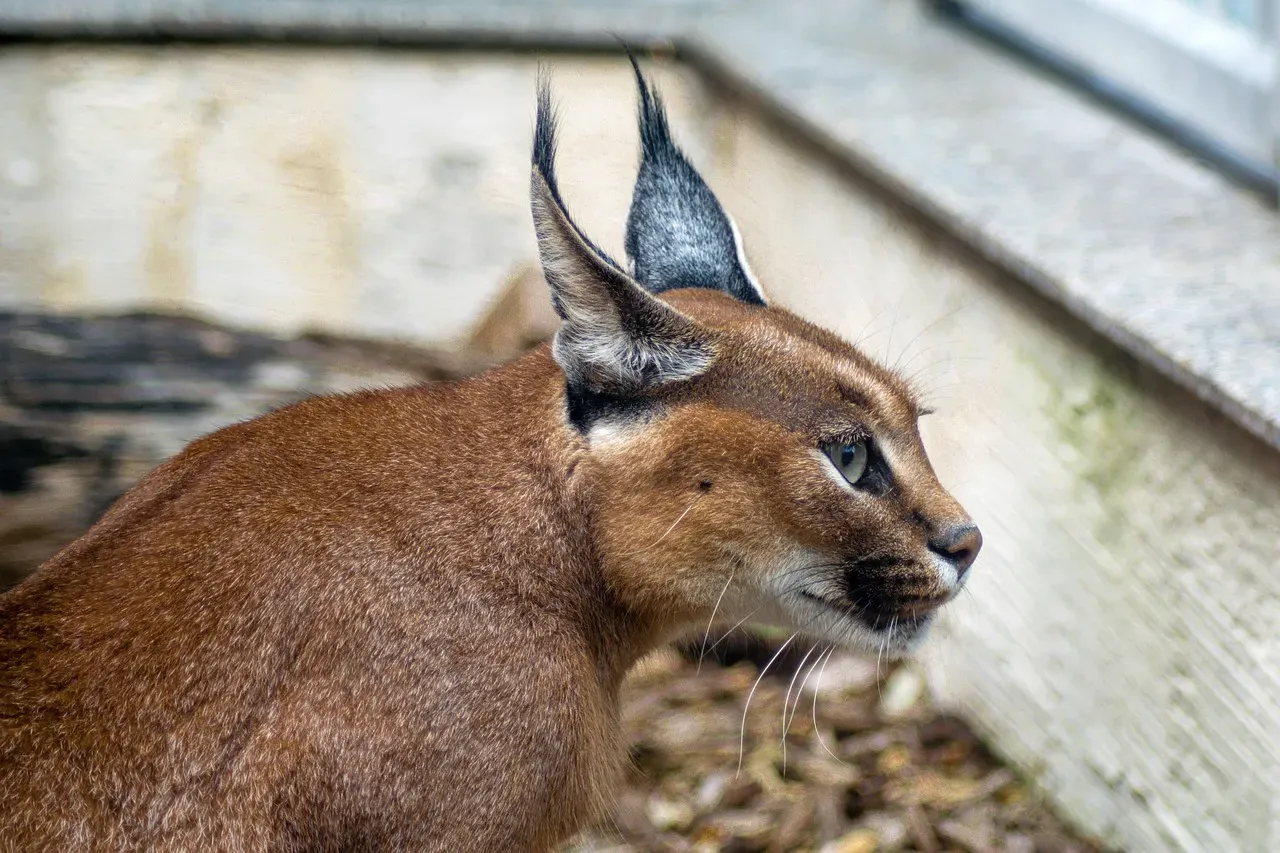
The caracal, also known as the desert lynx, has incredible jumping abilities and can leap up to 10 feet vertically to catch birds in mid-flight. While caracals generally avoid humans, they are known to be aggressive if threatened. With sharp claws and teeth, they can cause serious injury, though fatalities are rare. Their reflexes are extraordinary for their size, and a startled caracal reacts before most people can register what is happening.
Caracals can weigh up to 42 pounds and can be very dangerous if approached by humans. Some people do keep caracals as exotic pets in regions where it is permitted, but the animal’s temperament remains fundamentally that of a medium-sized wild predator. Their hunting skills make them effective predators, and the athletic capability that makes them remarkable to observe is the same capability that makes an unwanted encounter genuinely risky. They deserve far more caution than their smaller frame tends to suggest.
A Final Thought
What stands out across this entire list is how consistently “dangerous” tracks back to context rather than species alone. Some feline breeds show more aggressive behavior because genetics shape temperament, drive, and sensitivity. Breeds developed for hunting or with recent wild ancestry often carry stronger prey drive, sharper reflexes, and higher territorial instincts. That applies whether you are talking about a Bengal sharing a city apartment or a tiger sharing a river delta with fishing communities.
The honest conclusion is this: danger in cats is rarely random. It is almost always the outcome of an environment that fails to meet the animal’s needs, a human who underestimated what they were dealing with, or a wild animal pushed by hunger or habitat loss into proximity with people. Big cats like tigers and lions launch the deadliest attacks, with roughly two thirds proving fatal. That demands respect, not just fascination. The most dangerous thing a person can do around any of these animals is assume the situation is under control simply because it has been fine so far.

- 8 Amazing Landmarks To See When Visiting Dakota - July 14, 2026
- 23 Things Hospice Vets Wish Every Family Knew Before a Dog's Final Weeks - July 14, 2026
- 10 Unique Facts About The ‘Lost World’ of Madagascar - July 14, 2026