


When people think of dangerous animals, images of predators like lions, sharks, and bears may come to mind. However, some of the most surprisingly dangerous animals in the wild are actually herbivores. While they primarily eat plants, these animals can be highly defensive, territorial, or aggressive when threatened or during certain periods. In this article, we’re exploring nine herbivores that you should be cautious of due to their potentially perilous behaviors.
1. Hippopotamus
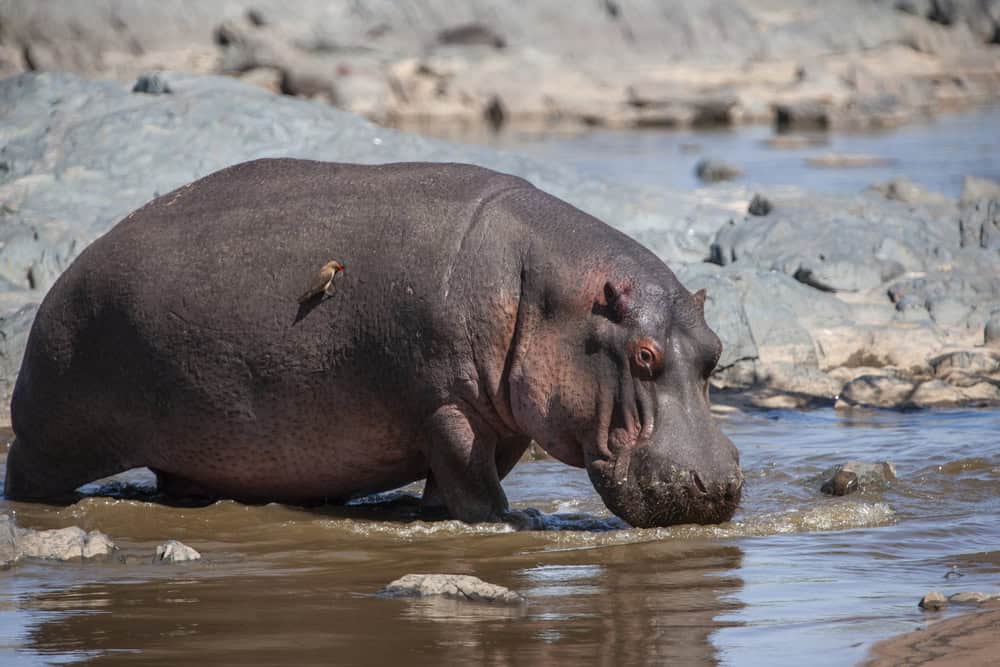
Ranking among Africa’s most dangerous animals, the hippopotamus is responsible for more human fatalities on the continent than any other large animal. Despite their seemingly docile appearance, hippos have extremely aggressive temperaments, particularly when protecting their territory. Weighing up to 4,000 pounds, a hippo can easily outrun a human on land, clocking speeds up to 19 miles per hour. Their powerful jaws and sharp teeth can slice through a boat with ease, making these semi-aquatic giants one to avoid.
2. Cape Buffalo
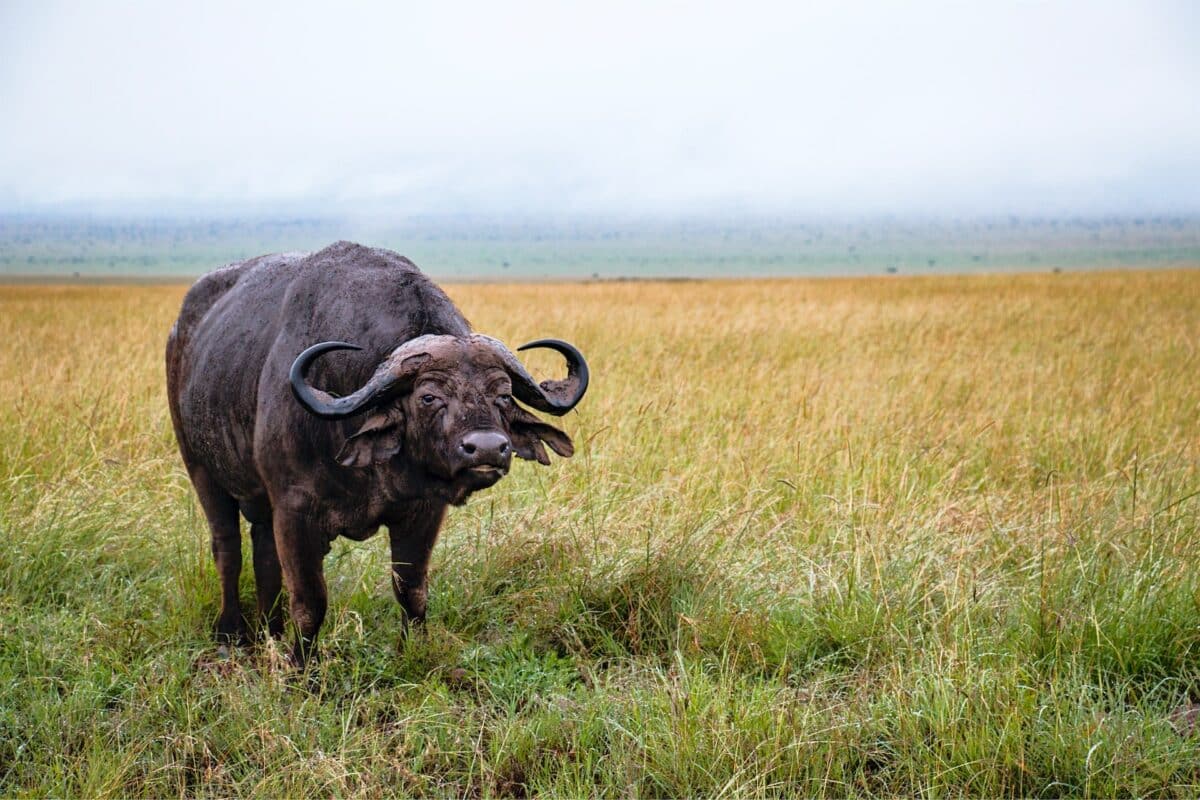
The Cape buffalo, often dubbed “Black Death” by hunters, is another formidable African herbivore. Though they live in large herds, an individual buffalo can be aggressive when isolated or injured. Weighing over 1,500 pounds, their robust bodies and sharp horns make them incredibly dangerous. They are known for their unpredictable nature and will charge humans and vehicles without warning, often making them a less desirable target for big game hunters.
3. Cassowary

Native to the tropical forests of New Guinea and northern Australia, the cassowary resembles a modern-day raptor. What makes cassowaries dangerous are their powerful legs equipped with dagger-like claws that can grow up to 5 inches long. In territorial displays or when feeling threatened, cassowaries can deliver lethal kicks capable of disemboweling a human. Their aggressive nature, combined with their ability to run up to 31 miles per hour, makes them an animal to respect from a distance.
4. Rhinoceros

While herbivorous rhinos seem similar to the gentle giant category, they have a strong disposition and can be unpredictably aggressive. Rhinos have poor eyesight and often charge at perceived threats out of confusion. Weighing up to 5,000 pounds and armed with a longhorn, they can easily topple vehicles and inflict severe injuries. These animals, particularly black rhinos, should be viewed from afar in the wild to avoid provoking a charge.
5. Bison

North America’s largest land mammal, the bison, can weigh up to 2,000 pounds and run at speeds of 35 miles per hour. Often seen peacefully grazing in national parks, they can become dangerously aggressive if approached too closely. Human-bison interactions frequently occur because people underestimate their speed and strength, resulting in injuries when bison feel threatened, especially during the calving season when mother bison is particularly fierce.
6. Moose
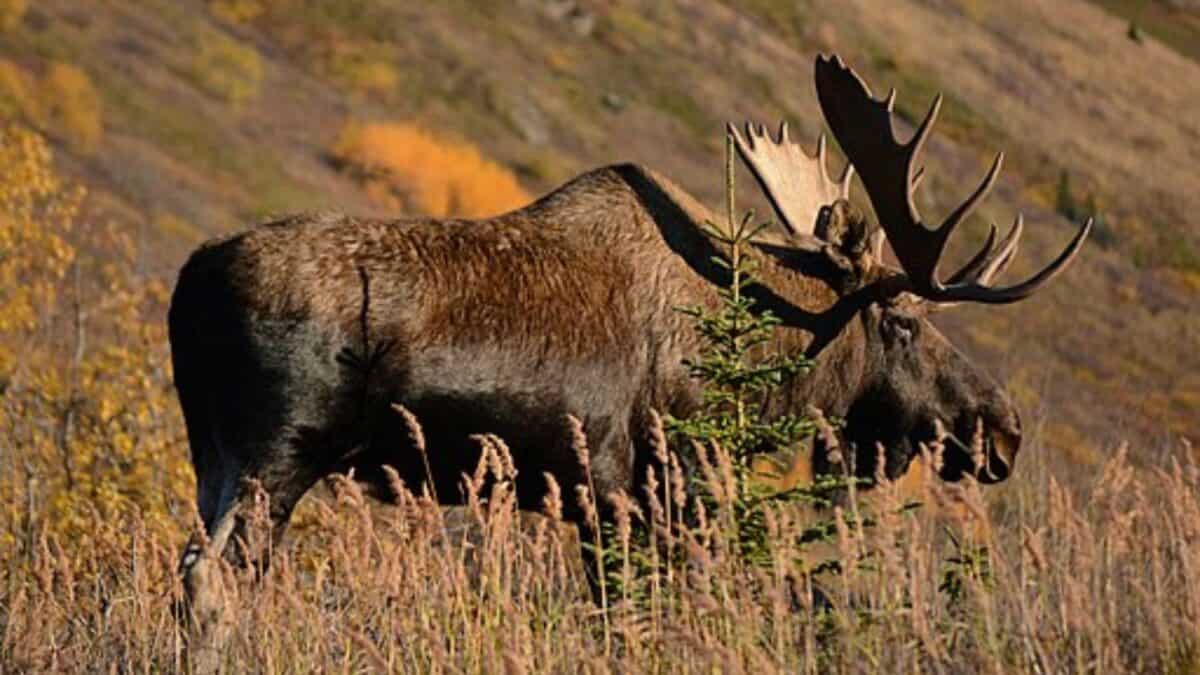
The moose, an imposing figure in the northern forests, is one of the most dangerous animals in North America. Typically solitary and non-aggressive, a moose can become extremely belligerent when threatened or during the autumn mating season. Towering up to 7 feet at the shoulder and weighing over a ton, a moose can cause severe harm by charging with its powerful antlers. People are often deceived by their appearance and find themselves at risk by getting too close.
7. Elephants

Often characterized as gentle giants, elephants can be incredibly dangerous when provoked. Both African and Asian elephants can exhibit aggression under stress, especially males in musth—a period of heightened testosterone levels. Weighing up to 14,000 pounds, an enraged elephant can cause tremendous damage by charging, trampling, or using its tusks as weapons. Human and elephant conflicts often result from habitat encroachment, increasing the potential for aggressive encounters.
8. Ostrich

The ostrich, the world’s largest bird, resides mainly in Sub-Saharan Africa and is deceptively fierce. Though they are flightless, ostriches can sprint at 43 miles per hour and deliver powerful kicks with their long legs. During the breeding season, males, in particular, become very territorial and can attack using their sharp claws. The combination of speed, power, and aggression makes these birds potentially dangerous to humans who venture too near.
9. Wild Boar

Often overlooked for their potential danger, wild boars are widespread across many continents. Their natural shyness can quickly turn to aggression when they feel threatened or cornered. Equipped with sharp tusks and a robust body, a wild boar can charge rapidly at speeds of 25 miles per hour. Human encounters with boars are on the rise due to their increasing numbers and habitat overlap, making it vital to exercise caution around them.
Conclusion

While these herbivores mainly feed on plants, their size, speed, and strength make them forceful adversaries when provoked. Understanding and respecting the behaviors and habitats of these animals is crucial for coexistence. Whether you’re exploring the savannas of Africa or venturing into the forests of North America, maintaining a safe distance can ensure that these surprisingly dangerous herbivores do not pose a threat during your encounter.

As a little kid, I fell in love with nature, wildlife, and animals. Living in the USA, South Africa, Italy, China and Germany gave me the opportunity to discover the world's Wildlife. My favorite animals are Mountain Gorillas, Siberian Tigers, and Great White Sharks.
I'm a certified PADI Open Water Diver, went to Everest Base Camp and Trekked Gorillas in Uganda. I hold a Master of Science in Economics and Finance.
Please send any feedback to feedback@animalsaroundtheglobe.com
- The Amazing Reasons Behind a Prairie Dog’s “Jump Yip” - July 11, 2026
- 13 Common Birdwatching Mistakes and How to Fix Them - July 11, 2026
- 12 Most Affectionate Cat Breeds - July 11, 2026