
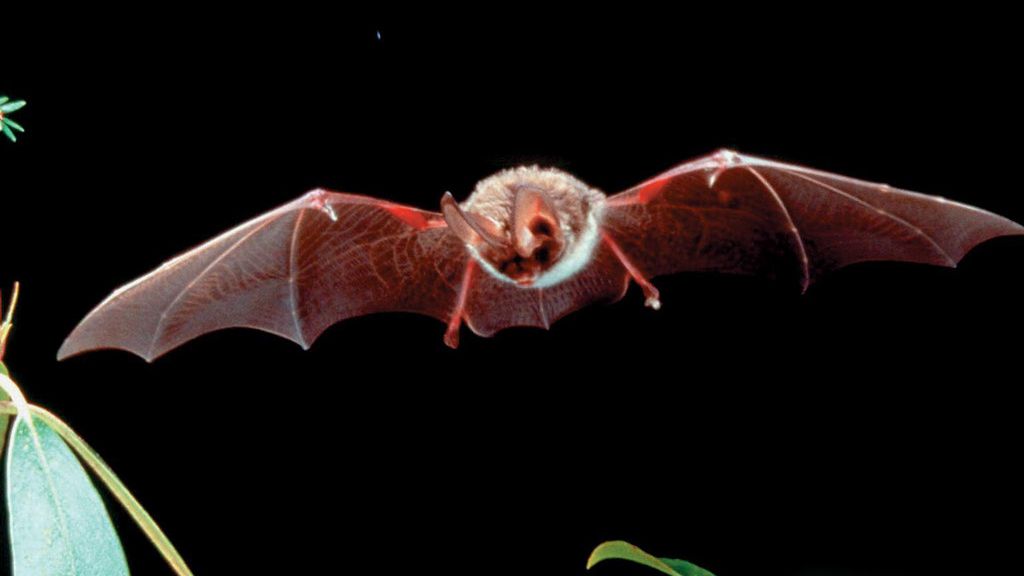
Most people know bats as shadowy figures flickering past a streetlight at dusk. They register briefly, then disappear. What almost nobody considers is that those small, silent animals are among the most ecologically significant, biologically extraordinary, and genuinely misunderstood creatures on Earth.
Bats have been here far longer than we have. They’ve outlasted mass extinctions, adapted to nearly every corner of the planet, and developed capabilities that still puzzle scientists. The more you look, the stranger and more impressive the story gets.
#1: Bats Are the Only Mammals on Earth Capable of True Flight
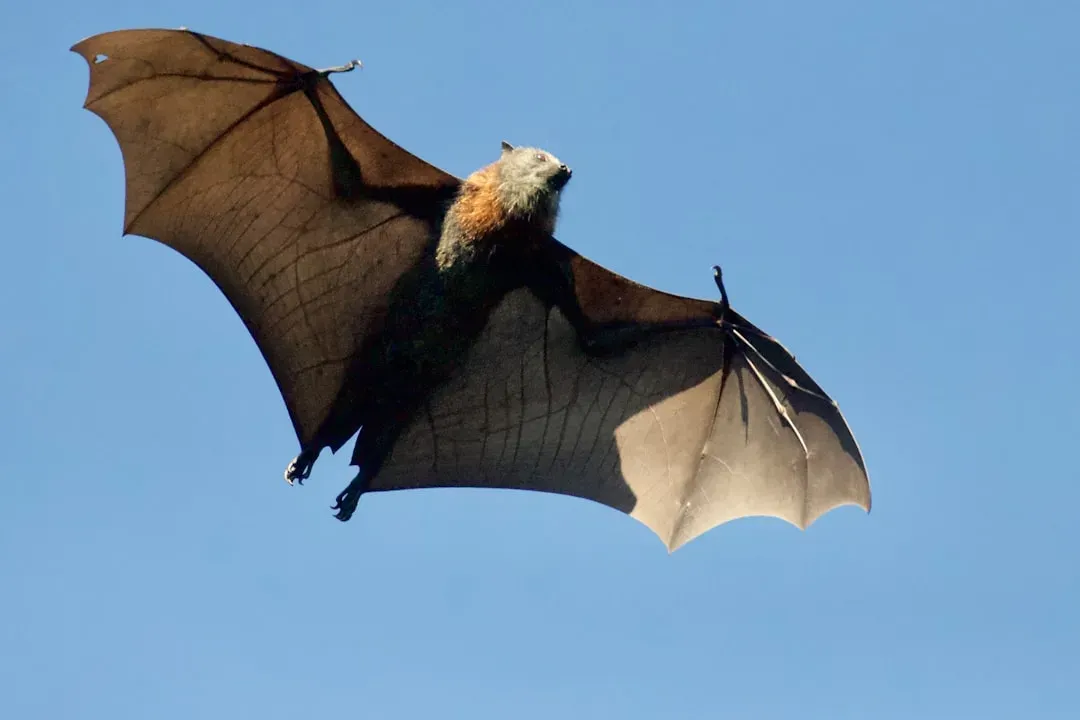
Bats are the only mammals on the planet that are capable of flight. This isn’t a minor distinction. While flying squirrels and sugar gliders are often described as flyers, no other mammal can fly like a bat can, as “flying” squirrels and similar mammals can only glide at best.
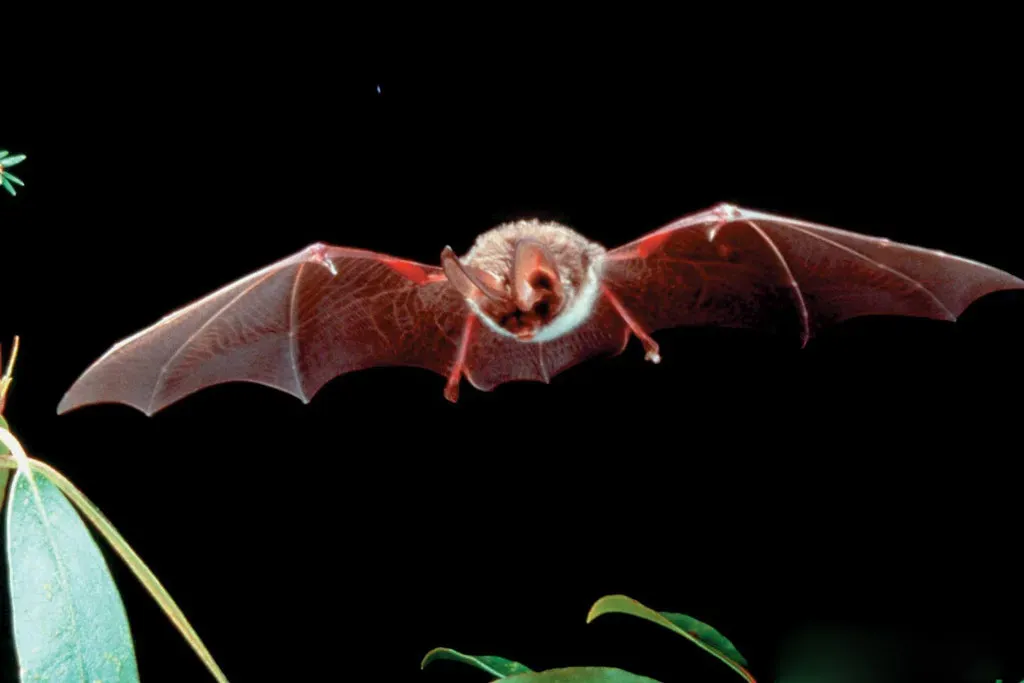
Bat wings have touch-sensitive receptors on the surface, which detect changing airflow, allowing them to improve mid-flight adaptation and prey-hunting success rate. That’s an active, real-time system, not just a passive wing. Based on fossils, their wing structure hasn’t changed much for 50 million years, which tells you something about how perfectly the design was refined.
#2: There Are Well Over 1,400 Species of Bats Worldwide
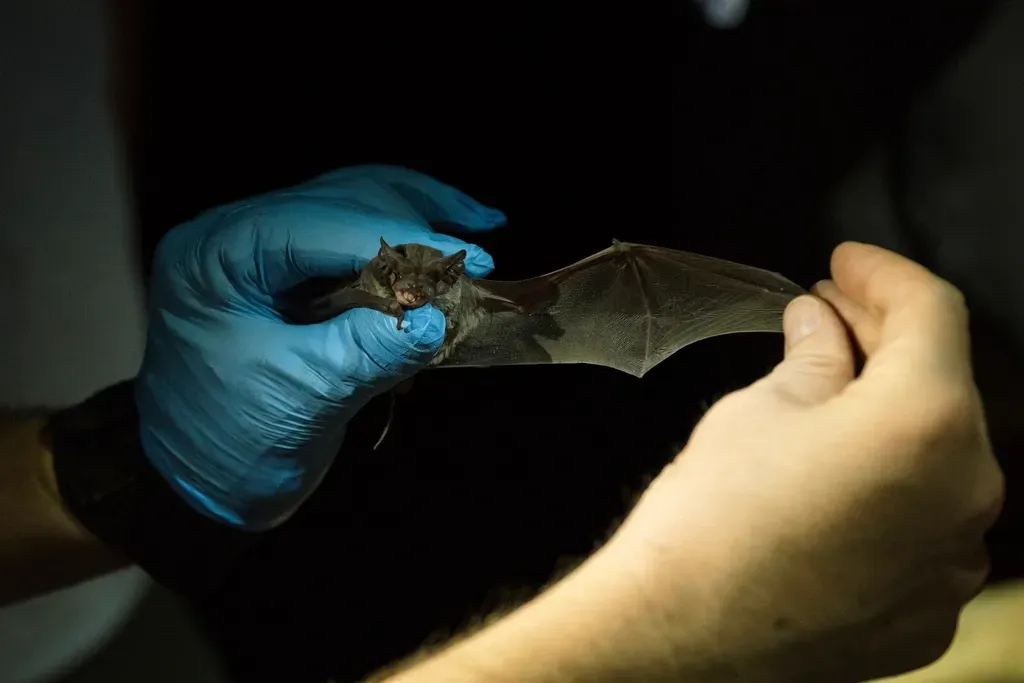
There are over 1,400 species of bats on the planet. To put that in perspective, though small in physical size, bats have a large footprint, making up one-quarter of the world’s mammals. That’s an astonishing share of mammalian diversity concentrated in one order.
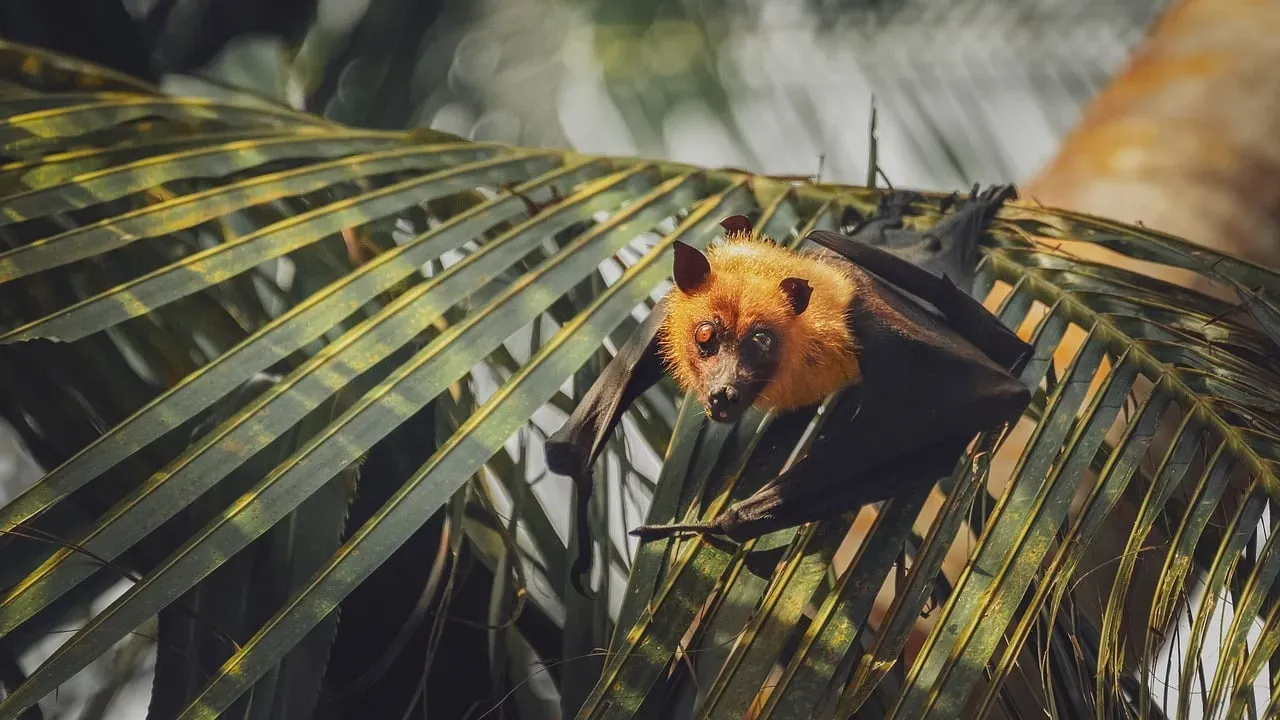
Bats range in size from the Kitti’s hog-nosed bat, which is the world’s smallest mammal weighing less than a penny, to the flying fox, which has a wingspan of up to 6 feet. The two extremes of that spectrum are so different they barely seem to belong to the same group. Bats can be found on nearly every part of the planet, except in extreme deserts and polar regions.
#3: Their Echolocation System Is Astonishingly Precise
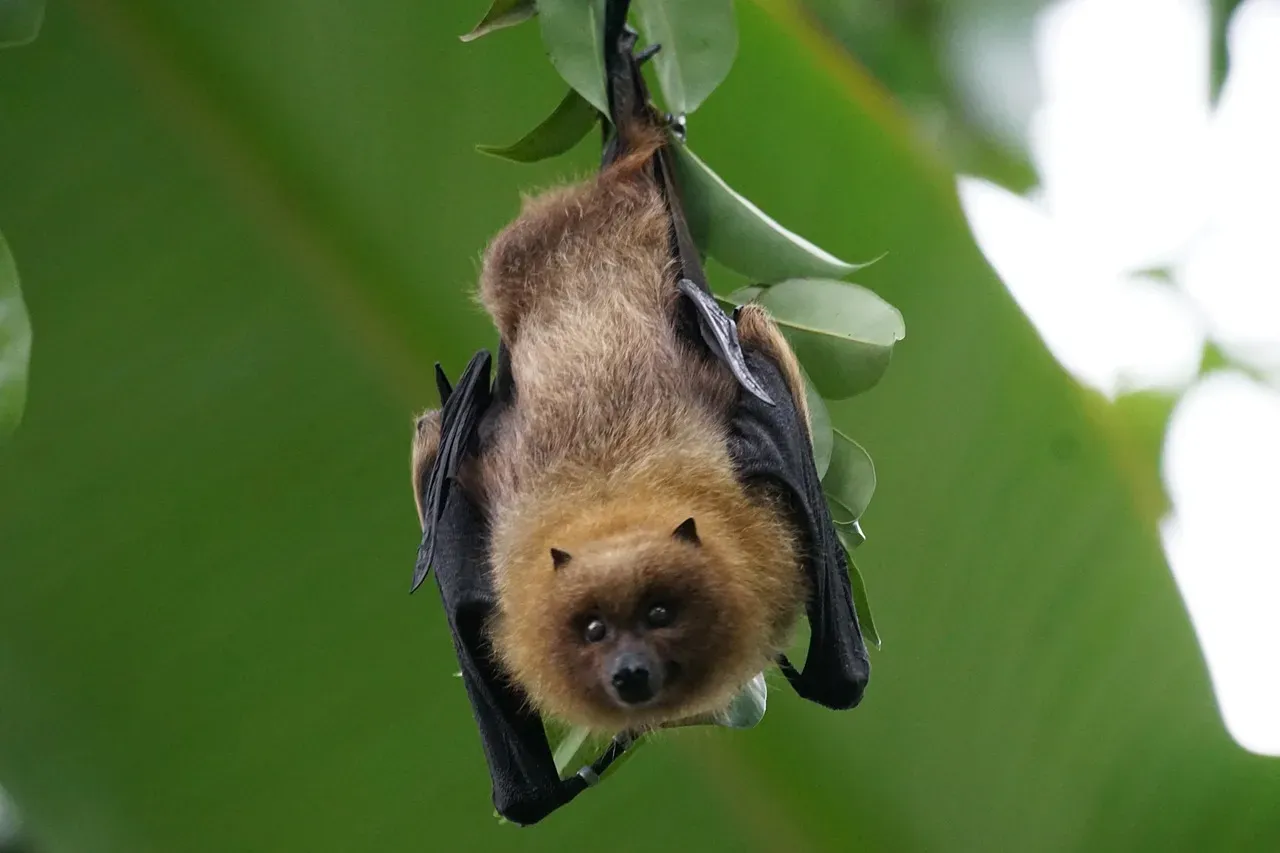
Bats use echolocation to “see with sound,” allowing them to navigate through a cluttered landscape and locate food in absolute darkness. The mechanics behind it are remarkable. The returning echoes help the bat determine the size, shape, texture, distance, and direction of prey or objects. At up to 140 decibels, the shrieks are incredibly loud. Just before calling, the bat contracts its middle ear muscle, effectively dialing down its hearing so the mammal is not deafened by its own cries. The situation is then reversed almost instantly so the echoes can be detected.
Bat navigation systems are believed to be, on an ounce-per-ounce, watt-per-watt basis, billions of times more efficient than anything similar developed by humans. That figure is worth sitting with for a moment. Some bats can detect slender objects rising just 1 mm above water, which helps them catch prey. Precision doesn’t begin to cover it.
#4: Bats Live Surprisingly Long Lives for Their Size
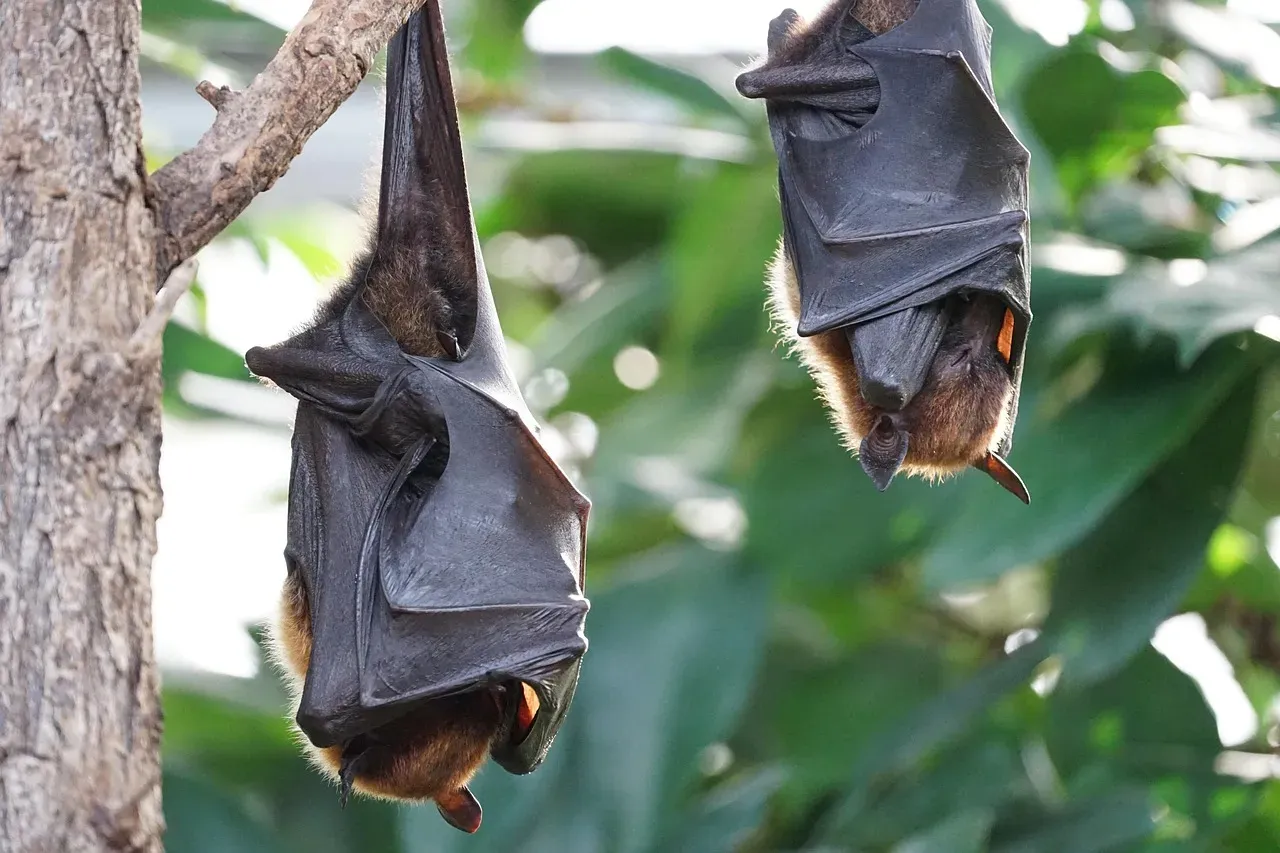
It’s said that the smaller the animal, the shorter its lifespan, but bats break that rule of longevity. Although most bats live less than 20 years in the wild, scientists have documented six species that live more than 30 years. Some push that further still.
Bats can live up to 41 years in the wild, still able to chase down flying insects for dinner, the equivalent of a human living to be 100, still able to hear well and run obstacle courses. Researchers studying bat longevity believe their hibernation habits play a role. Hibernating species outlive others, possibly due to lower metabolic rate and predation risk. It’s a genuinely unusual biological exception that scientists are still working to fully understand.
#5: Bats Are Worth Billions of Dollars to Agriculture
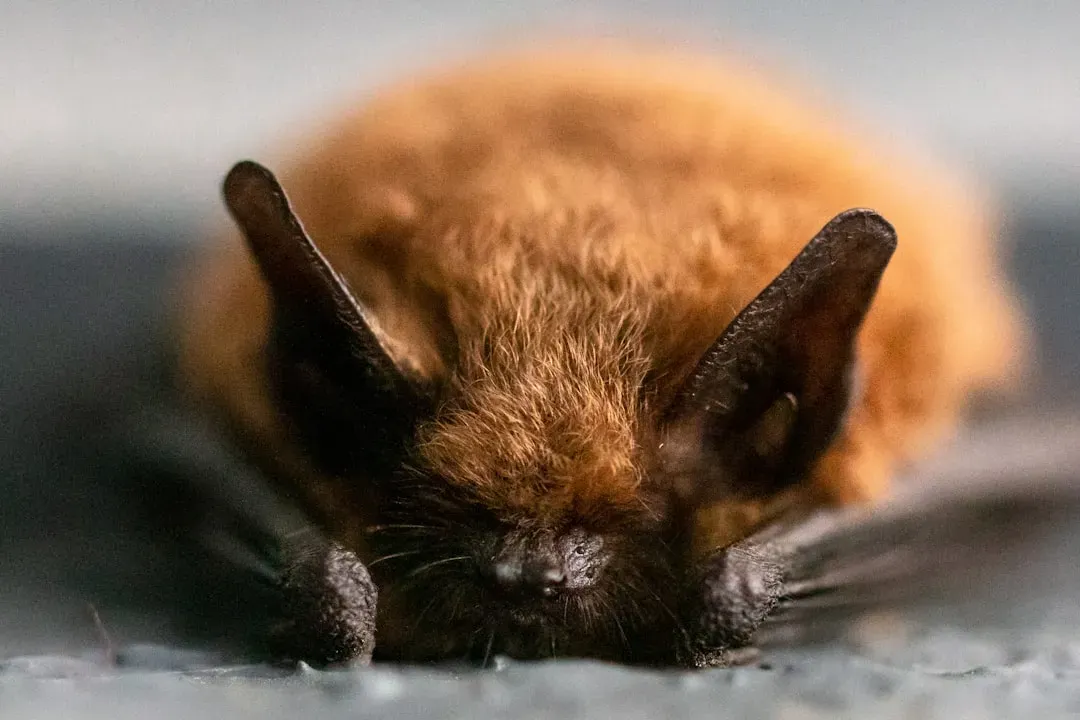
By eating insects, bats save U.S. agriculture billions of dollars per year in pest control. Some studies have estimated that service to be worth over 3.7 billion dollars per year, and possibly as much as 53 billion dollars per year. That wide range reflects just how difficult it is to quantify a service that happens invisibly, every single night.
A single colony of 150 big brown bats in Indiana was estimated to eat nearly 1.3 million insect pests annually. That’s one colony. Multiply that across millions of colonies worldwide, and the scale becomes almost incomprehensible. Pregnant or nursing mother bats of some species feed more aggressively, consuming up to their body weight in insects every night.
#6: They Are Critical Pollinators for Plants Humans Depend On
Bats are the primary pollinators of numerous tropical plants. More than 130 genera of trees and shrubs are already known to rely on bats for pollination, and many more such relationships await discovery. That’s a list still growing as researchers explore tropical ecosystems more carefully.
Seed dispersal activities of bats can be critical to reforestation of clear-cut areas, and many of the tropics’ most economically important plants depend on bats for propagation. The nearly endless list of valuable products from these plants includes many grocery store fruits such as peaches, bananas, and avocados. About 80 medicines come from plants that rely on bats for their survival. That connection between bats and human health is rarely discussed.
#7: The Fastest Mammal on Earth Is a Bat
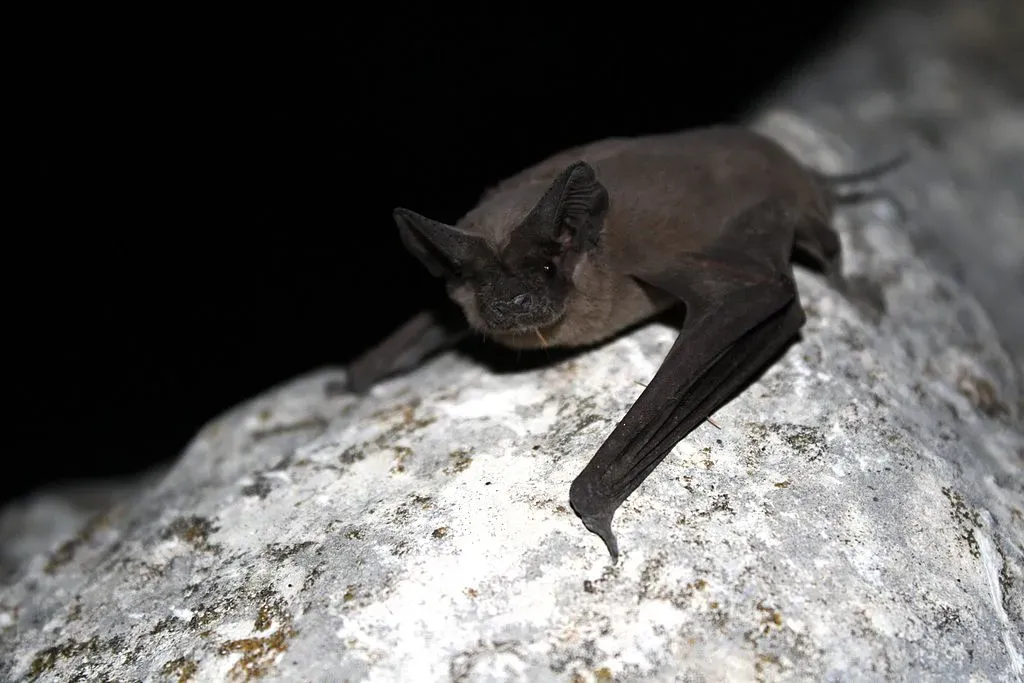
University of Tennessee researchers found that the Mexican free-tailed bat could reach speeds up to 100 mph, making it by far the fastest mammal on Earth. That’s faster than a cheetah at full sprint, and the bat sustains that speed in the air during actual foraging, not just in a controlled dash.
Free-tailed bats fly thousands of feet above ground and rely on tail winds to carry them long distances at nearly 100 miles per hour, both to reach feeding areas and to migrate. They’re essentially using the atmosphere the way a surfer uses a wave. Mexican free-tailed bats can fly 10,000 feet high, operating in conditions most other species would never attempt.
#8: Vampire Bats Share Food With Hungry Roost-Mates
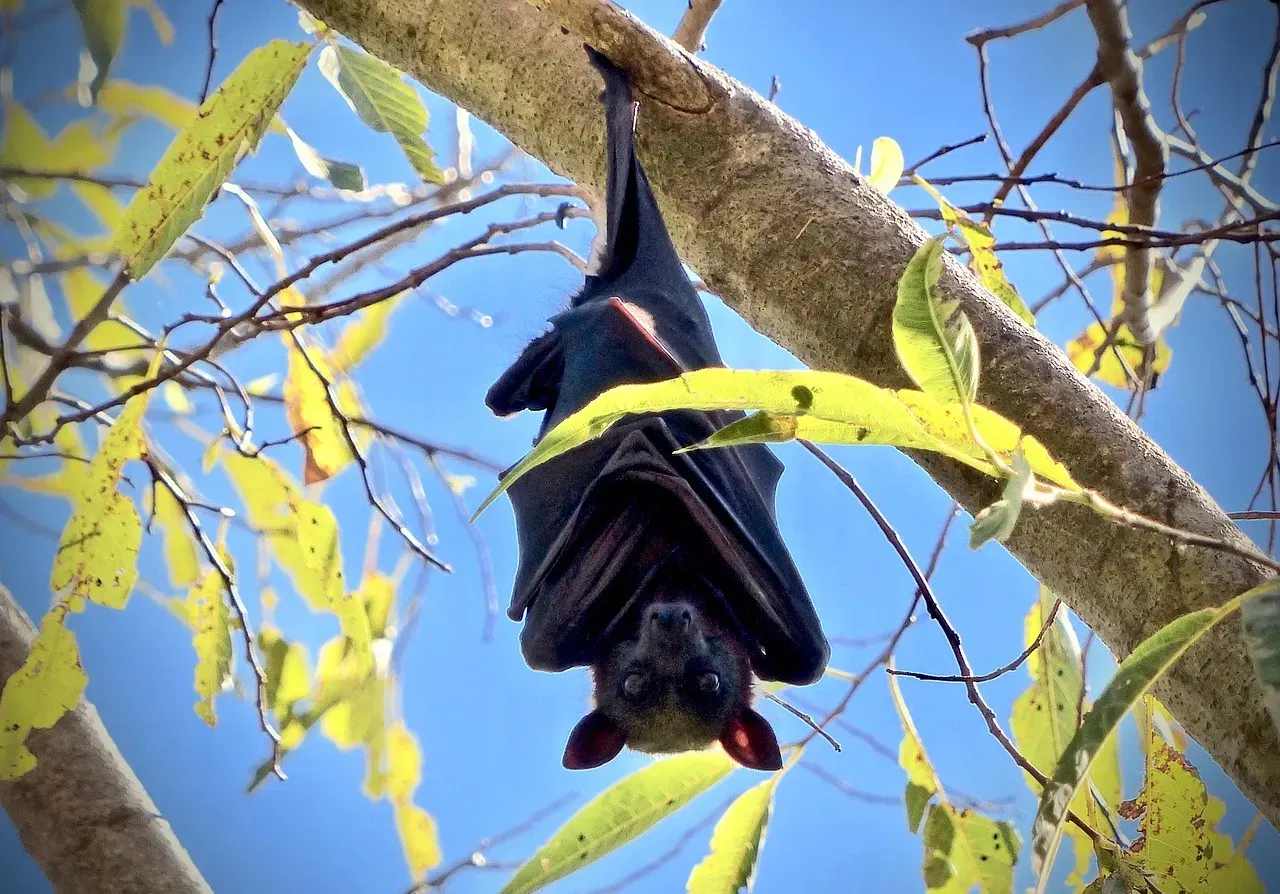
Forget the horror movie image. Vampire bats are, behaviorally speaking, some of the most socially cooperative mammals studied. Research showed that donors initiated food sharing more often than recipients, and food received was the best predictor of food given, being 8.5 times more important than relatedness. In other words, they prioritize reciprocity over family ties.
Nearly two thirds of sharing pairs were unrelated, which is striking in the animal world, where most cooperative behavior is rooted in kinship. The common vampire bat has an extraordinarily large brain and neocortex for its body size. That neural complexity appears to underpin their nuanced social world, which includes grooming, bonding, and long-term memory of past favors.
#9: Some Bats Are Immune to Scorpion Venom
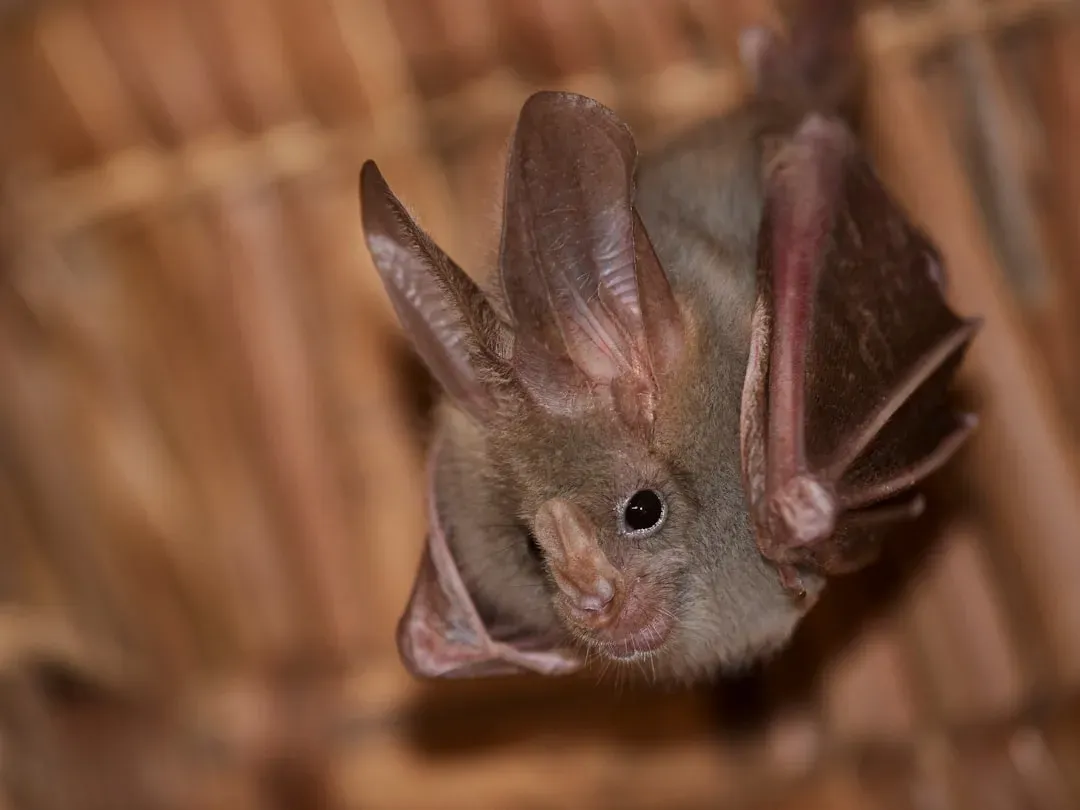
Pallid bats appear to be immune to scorpion stings, even from the most venomous scorpion in North America, the Arizona bark scorpion. Up to 70% of a pallid bat’s diet can be scorpions at certain times of the year. This immunity isn’t incidental. It’s a deeply evolved adaptation that lets the pallid bat exploit a prey source almost nothing else dares touch.
Pallid bats are immune even to the deadliest stings of scorpions and centipedes on which they feed. Remarkably, bats can also survive freezing temperatures, even after being encased in ice. The physiological resilience bats have developed across different species is genuinely without parallel among mammals of their size.
#10: Bats Hang Upside Down for a Very Clever Reason
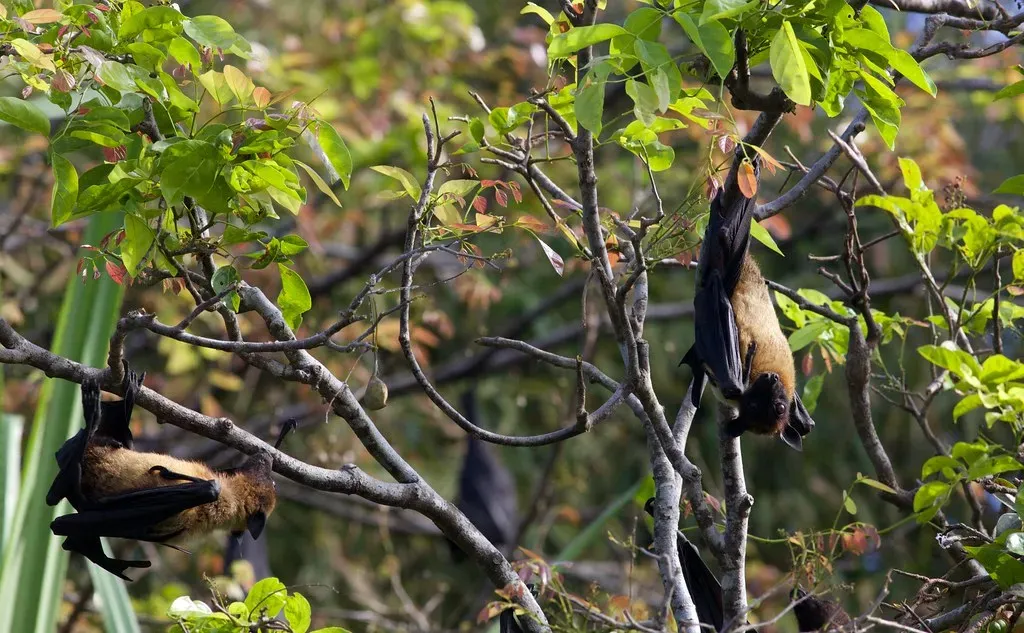
Their feet have evolved to be relaxed in a clenched position. When they’re ready to fly, they let go and gain momentum from falling, since their little legs and wings can’t give them the kind of lift birds get. It’s an elegant solution to a mechanical problem. Hanging requires almost zero muscle energy, making it one of the most efficient resting postures in the animal kingdom.
Hanging upside down also allows bats to hide from predators, especially at night. Still, the rule has exceptions. There are six species of bats that don’t hang upside down. Most of these bats have suctioning pads on their limbs that let them stick to leaves or other surfaces. Nature, as usual, finds more than one way to solve the same problem.
#11: Bat Guano Shaped Human History
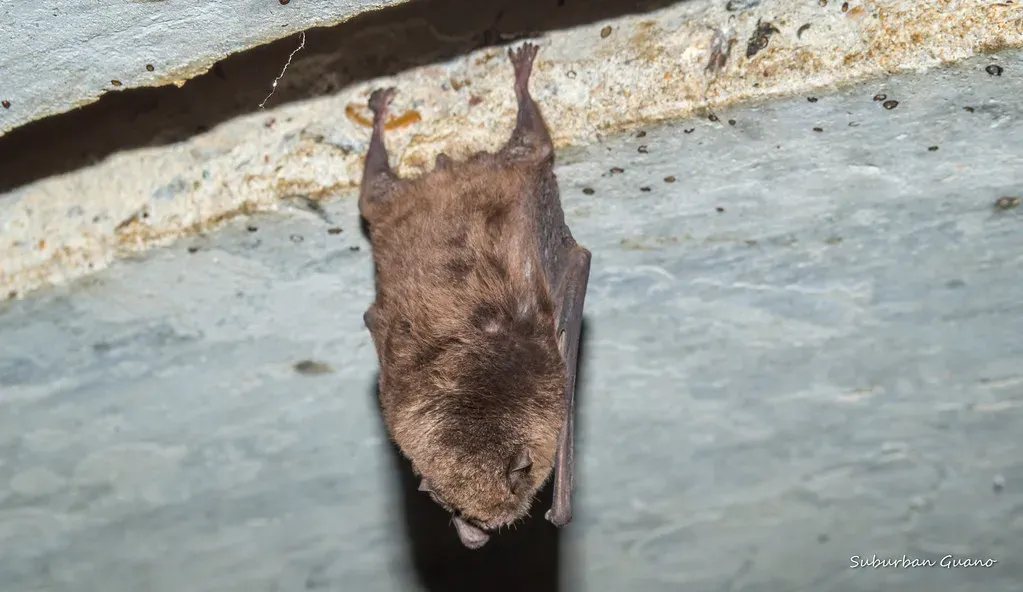
Bat droppings, also known as guano, are high in potassium nitrate and are often used as fertilizer. The saltpeter can also be extracted for use in gunpowder and explosives, and bat guano was an important resource for that purpose during the American Civil War. Caves full of roosting bats were essentially strategic assets.
These droppings were commonly harvested during the 18th century from caves and were used to manufacture gunpowder. During the 1860s, caves in the southern Confederate states were used to mine bat droppings to produce saltpeter. Bat guano has also been found to preserve fossils, adding yet another unexpected dimension to what these animals leave behind.
#12: Bats Are Quick Learners With Remarkably Long Memories
Bats are quick learners with long memories. Frog-eating bats can identify frogs by their calls, can learn new calls in just minutes and remember them for at least two years without further repetition. That’s the kind of retention that would impress any researcher studying animal cognition.
While bats are not blind, studying how bats use echolocation has helped scientists develop navigational aids for the blind. The practical applications flowing from bat biology continue to expand. Bats are complex mammals with advanced navigation systems, highly specialized diets, and diverse survival strategies, and science is still uncovering just how deep that complexity runs.
Conclusion: A Creature Worth A Second Look
Bats occupy a strange place in the cultural imagination, simultaneously feared and overlooked. The reality sitting just beneath that surface is far richer. They are ecologically indispensable, biologically extraordinary, and socially sophisticated in ways that continue to surprise researchers.
Every fruit you’ve eaten that was pollinated in the dark, every night you weren’t bitten by a swarm of insects, owes something quiet and unacknowledged to bats. They’ve been quietly holding ecosystems together for tens of millions of years. Perhaps the more interesting question isn’t what’s fascinating about bats, but why it took us so long to notice.

- 12 Architectural Wonders From The Ancient World That Inspire Us Today - July 18, 2026
- 6 Beautiful Ancient Cities That Time Forgot (But Shouldn’t) - July 18, 2026
- 6 Common Animal Behaviors That Are Often Misunderstood by Humans - July 18, 2026