

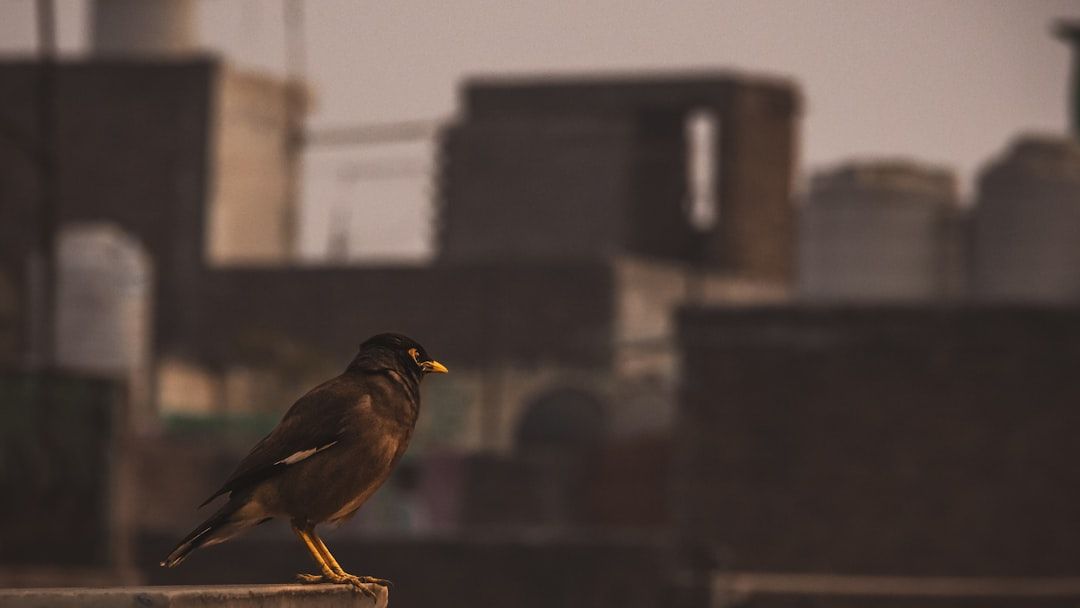
How city life changes bird song and why many species do not adapt – Image for illustrative purposes only (Image credits: Unsplash)
City expansion continues to reshape natural spaces around the world, bringing new pressures to the animals that live alongside people. Among the most subtle yet significant changes is the way many birds adjust, or fail to adjust, their songs in response to constant human activity. These vocalizations serve as vital tools for finding mates, defending territory, and raising young, making any disruption a matter of survival rather than simple preference.
Noise and Light Alter Everyday Melodies
Birds in urban areas often encounter steady background sounds from traffic, construction, and machinery that can mask their natural calls. Over time, some species shift the pitch or timing of their songs to cut through the din, allowing them to communicate more effectively in crowded settings. Others maintain their traditional patterns, which leaves them at a disadvantage when trying to attract partners or signal threats.
Artificial lighting at night adds another layer of interference. It can extend the hours when birds remain active, leading to changes in when they sing and how loudly they perform. These adjustments, while helpful for a few adaptable types, create uneven conditions across different populations sharing the same parks and green spaces.
Why Many Species Struggle to Keep Pace
Not every bird possesses the flexibility needed to thrive amid rapid environmental shifts. Smaller or more specialized species often lack the genetic variation or learning capacity to modify their songs quickly enough. As a result, they may experience reduced breeding success and lower numbers in city-adjacent habitats.
Habitat fragmentation plays a supporting role in these difficulties. When green corridors shrink or become isolated, birds have fewer opportunities to learn new vocal strategies from neighboring groups. This isolation compounds the challenge, leaving some populations increasingly out of sync with the demands of their surroundings.
Key factors limiting adaptation include limited genetic diversity, reduced learning opportunities from fragmented habitats, and competition from more flexible species that dominate available resources.
Consequences Reach Beyond Individual Birds
Changes in bird song ripple through local ecosystems in ways that affect pollination, seed dispersal, and insect control. When certain species decline, the balance of urban wildlife communities can tilt, sometimes favoring generalist birds that tolerate noise better. This shift influences everything from plant growth patterns to the presence of other animals that depend on birds for food or nesting sites.
Researchers tracking these trends note that the effects accumulate gradually rather than appearing overnight. Long-term monitoring shows measurable differences in song structure between city and rural populations of the same species, highlighting how human development leaves lasting marks on natural behaviors.
Looking Ahead for Urban Wildlife
Conservation efforts increasingly focus on creating quieter zones and preserving connected green areas that support a wider range of bird species. Simple measures such as reducing nighttime lighting and managing noise levels near parks can give more birds the space they need to maintain effective communication. These steps recognize that healthy urban ecosystems depend on supporting the full spectrum of wildlife already living there.
Continued attention to these patterns helps cities grow while keeping room for the sounds that have long defined natural spaces. The outcome depends on choices made today about how development and nature coexist in shared environments.
