
Birds have been kept as companions for thousands of years, yet they remain one of the most misunderstood pets in any household. Their beauty and intelligence draw people in immediately. Their fragility, though, is a different story entirely.
What makes bird ownership genuinely different from keeping other pets is how easily harm can be caused by things that seem completely ordinary. A frying pan. A bowl of guacamole. A cigarette smoked in another room. The list of everyday hazards is longer than most people expect, and some of them are quietly invisible. Whether you’re a first-time bird owner or someone who’s had parrots for years, there’s a good chance at least one of these will surprise you.
#1: Never Cook with Non-Stick Cookware Nearby
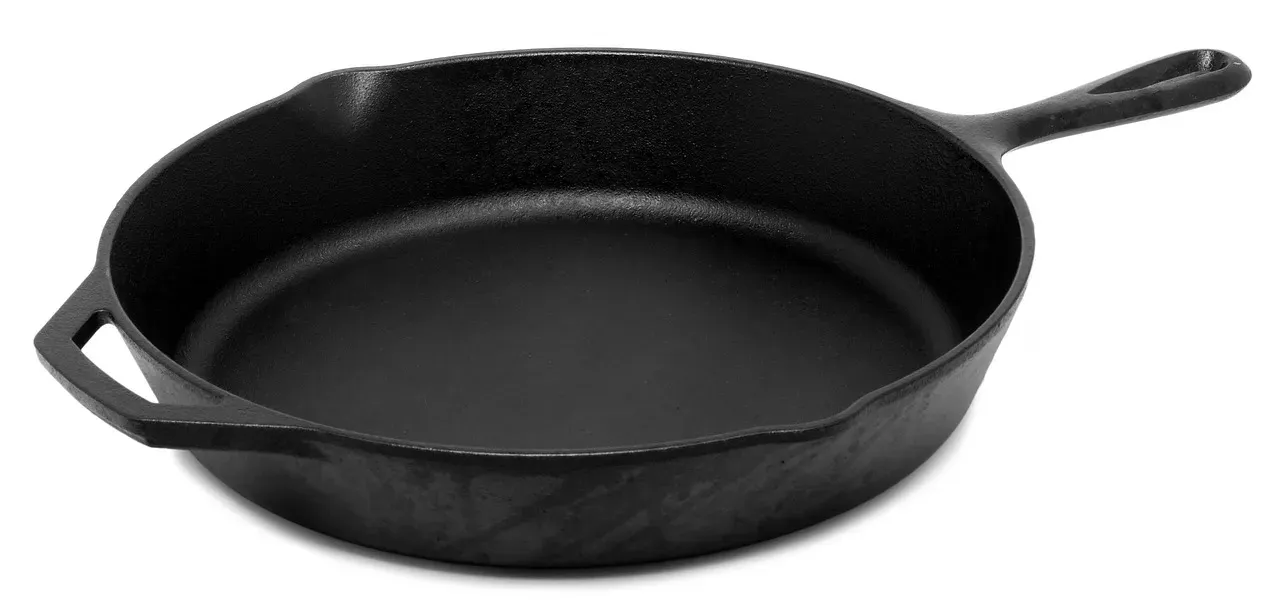
This one is at the top of the list because it kills birds quickly and without warning. Polytetrafluoroethylene, better known as Teflon, is used as a non-stick coating on cookware, and when heated to high temperatures it releases toxic particles and gases that are lethal when inhaled. These gases are colorless and odorless, meaning owners are often completely unaware their bird has been exposed.
Birds are more at risk for airborne toxins like PTFE, which will kill a small bird within a few minutes of exposure when overheated. Some PTFE products will outgas even at normal temperatures. Inhalation of these fumes will lead to pulmonary congestion and liver failure. Because birds breathe via a system of air sacs, it allows for a more prolonged exposure to inhaled toxins due to the way air moves through their bodies. For bird owners, the key phrase to look for when buying cookware is PTFE-free, not just PFOA-free. Switching to stainless steel or cast iron is the safest practical choice.
#2: Never Feed Them Avocado
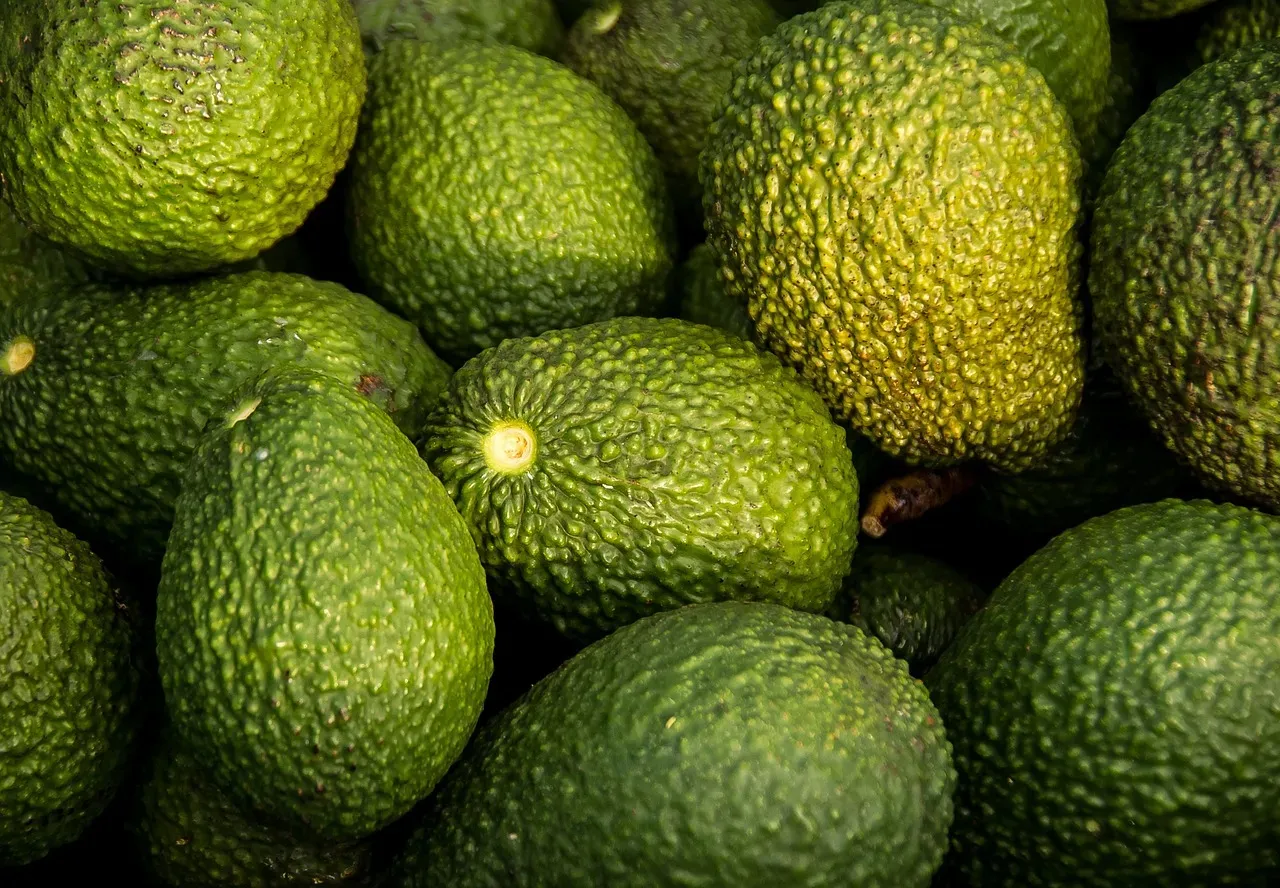
Avocado leaves, fruit, stems, bark, and seeds are all highly toxic to birds. The specific toxin in avocado is called persin, and it causes heart conditions, respiratory distress, and death. This applies to the whole plant, not just the fruit itself, which catches many well-meaning owners off guard.
Clinical signs like respiratory distress usually develop twelve hours after ingestion, and death can occur within one to two days. It is also unclear how much avocado a pet bird would have to eat to be affected, which is exactly why it’s best to simply avoid feeding avocado and avocado-containing foods like guacamole entirely. That popular brunch dip sitting on the counter is a genuine danger to any bird in the room.
#3: Never Expose Them to Cigarette Smoke or Vaping
Exposure to secondhand smoke can have pronounced ill health effects on pet birds. A smoke-filled environment can lead to pneumonia, secondary bacterial infections, conjunctivitis, and it can even cause some cancers. Even cigarette butts left within reach can be appealing to a curious parrot, leading to possible nicotine poisoning.
Birds can get sick not only from breathing in smoke but also from ingesting nicotine off smokers’ hands or clothing. Birds perching on a nicotine-coated hand can end up with irritated feet, beaks, and mouths. Birds whose feet are irritated by nicotine may chew on their toes until they bleed. Birds also may ingest nicotine when they preen feathers on which secondhand smoke has landed. Even smokers who smoke nowhere near their birds have nicotine and other chemicals deposited on their clothes. The exposure is surprisingly hard to avoid without deliberate effort.
#4: Never Use Aerosol Sprays or Strong Cleaners Around Them
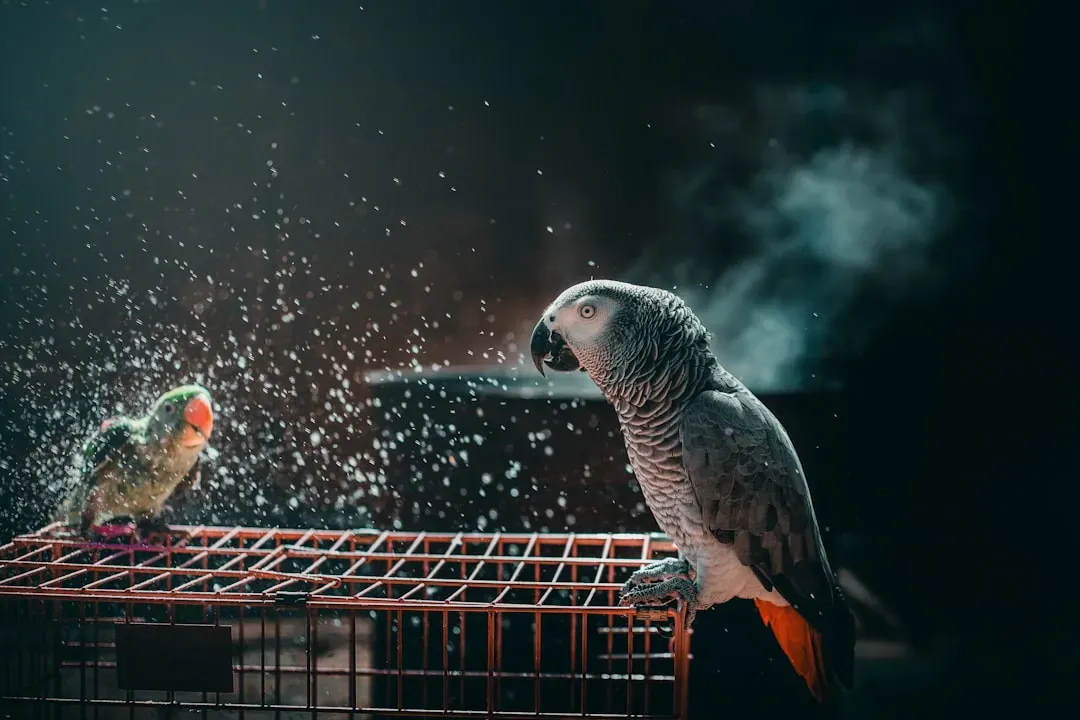
Spray cleaners, hair spray, perfumes, incense, and even candle fumes can irritate birds’ lungs and air sacs. Smoking is unhealthy enough for people, but it’s even worse for birds, whose airways actually inhale and exhale simultaneously with every breath and who are extremely sensitive to smoke and other aerosols. These products should never be used around birds.
Many cleaning sprays and all scented products, such as air fresheners, aerosolized deodorants and perfumes, scented candles, and scented plug-ins, contain chemicals that are extremely harmful to birds and should never be used around them. When cleaning, consider using natural alternatives like white vinegar diluted with water, baking soda for scrubbing and deodorizing, or a mild unscented dish soap for general cleaning. Small changes to your cleaning routine can make an enormous difference for a bird’s long-term health.
#5: Never Feed Them Chocolate, Caffeine, or Alcohol
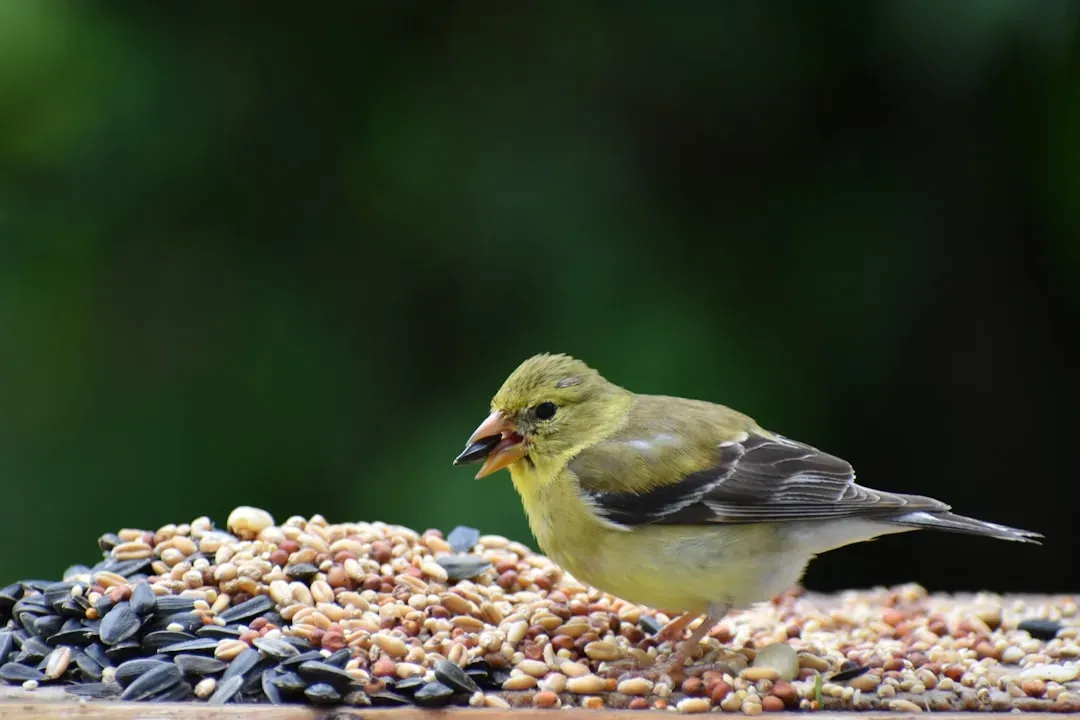
Foods containing chocolate, caffeine, and alcohol are toxic to birds and should never be offered to them, even in small amounts. In addition, avocadoes, garlic, onions, and salty foods can also cause serious illness. Avocadoes can cause birds’ lungs to fill with fluid, while garlic and onions can cause birds to develop potentially fatal anemia. Ingestion of large quantities of salt can upset a bird’s electrolyte and fluid balance, potentially resulting in cardiac problems.
A daily coffee or tea may be a welcome ritual for you, but for your bird, that’s a solid no. Birds shouldn’t have any caffeine at all. Coffee, tea, soda, coffee beans, and grounds all could make your bird quite sick, causing increased heart rate, arrhythmia, hyperactivity, and even cardiac arrest, so never leave your favorite caffeine-fueled drinks unattended. These are foods that taste fine to us but operate very differently inside a bird’s metabolism.
#6: Never Let Other Pets Interact With Them Unsupervised
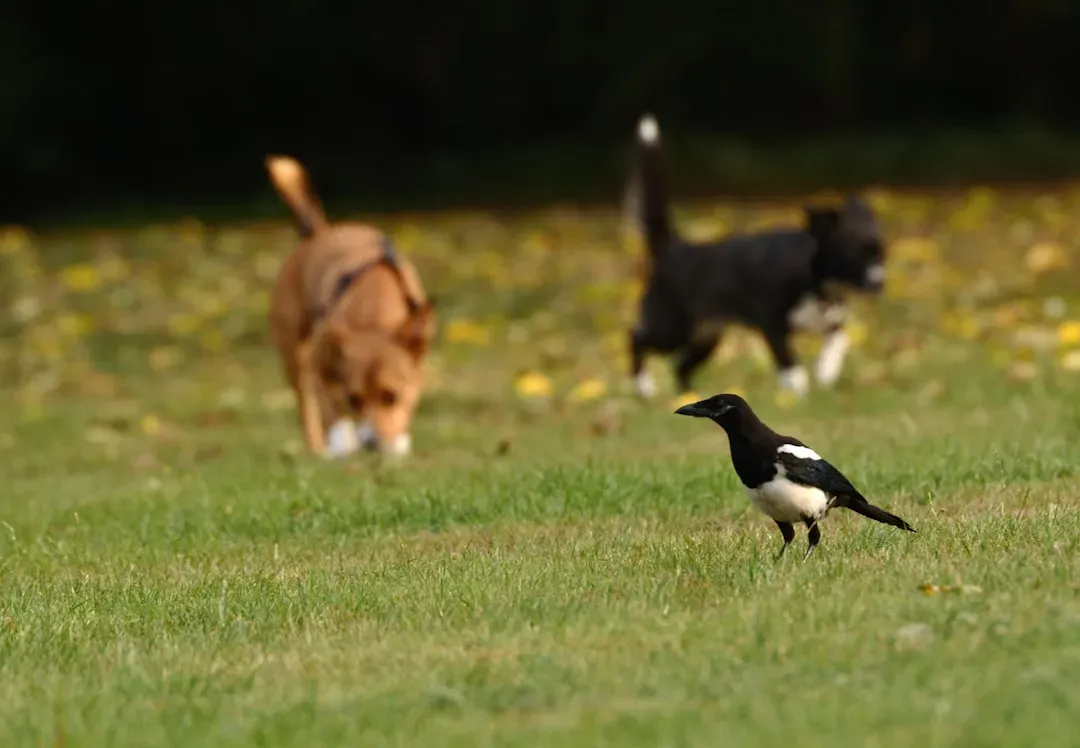
Cats and dogs are natural predators, and birds generally are prey. Dogs and cats instinctually want to run after and catch a flying or moving bird, and often these pets go after birds with their mouths and claws. Teeth and nails can easily puncture a bird’s skin, and the force of jaws grasping a bird is often enough to injure or kill it. Furthermore, the bacteria and other germs inside a cat’s or dog’s mouth are foreign to a bird and, if introduced through a wound, can lead to serious and often fatal infections.
Even a well-intentioned cat or dog who merely wants to pick up the bird and play with it can cause serious injury. Consequently, dogs, cats, and birds should never be allowed to play together unsupervised and should never be trusted together, no matter how docile they seem. That calm, seemingly indifferent household cat is still a predator at heart. Never underestimate it.
#7: Never Allow Them to Roam Unsupervised in Unsafe Spaces
Pet birds can fly out of open windows and doors or directly into mirrors and ceiling fans. If they land on top of doors without their owner’s knowledge, they can be crushed when the door is shut. They can fly into hot foods and liquids like coffee, tea, and soup, or into open flames. They can also land on the floor and be inadvertently stepped on, or fall into open toilet bowls and drown.
Ceiling fans pose a real danger to flying birds, with serious injuries and even deaths occurring when birds fly into them. Birds also tend to be nervous about things moving above them, so a ceiling fan running near their cage can cause ongoing stress. Before letting a bird out to fly freely, a proper room-by-room check is not being overly cautious. It’s just good ownership.
#8: Never Share Food Directly from Your Mouth
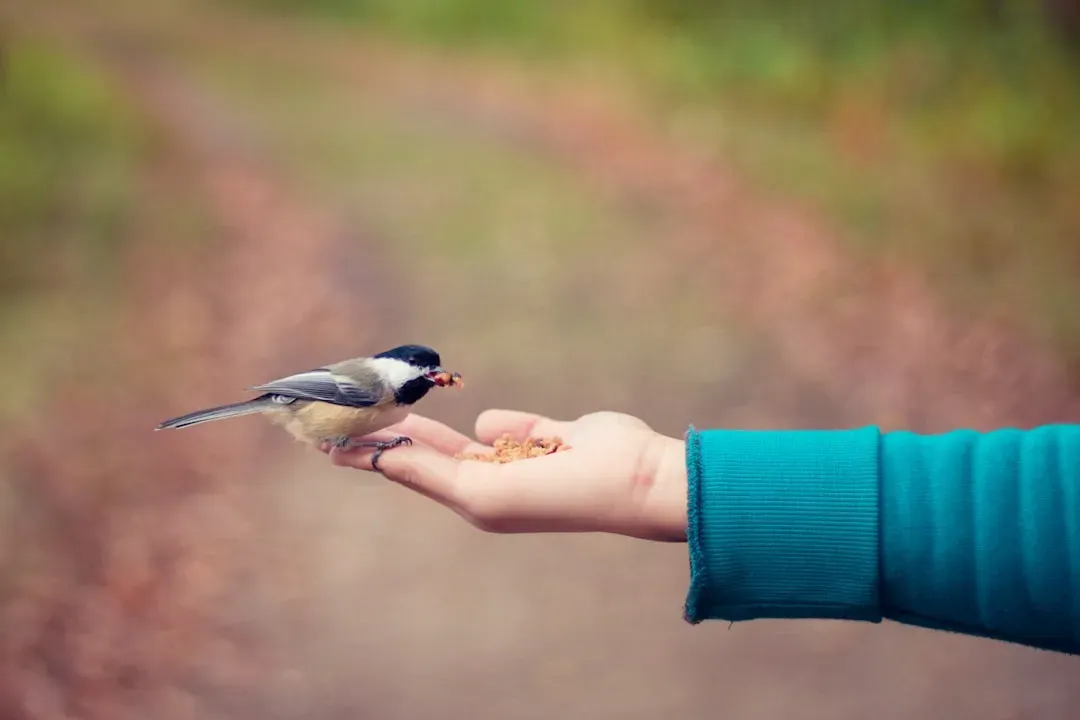
It might feel like a natural bonding gesture, especially when a bird begs for a bite, but the risk is real. While birds feed each other in the wild by regurgitating food to share, this is not something pet owners should replicate, as humans have bacteria, yeast, and other organisms in their mouths that are not found in birds and that can cause serious infections.
Many of the bacteria in humans’ mouths can cause serious, potentially life-threatening infections in birds. Consequently, bird owners should never share food from their mouths with their pet birds and should be careful about using utensils that have been in their mouths to cut food for their birds. It’s one of those rare situations where affection and danger share the exact same gesture. Keep the boundaries clear.
#9: Never Let Them Chew on Electrical Cords or Heavy Metals
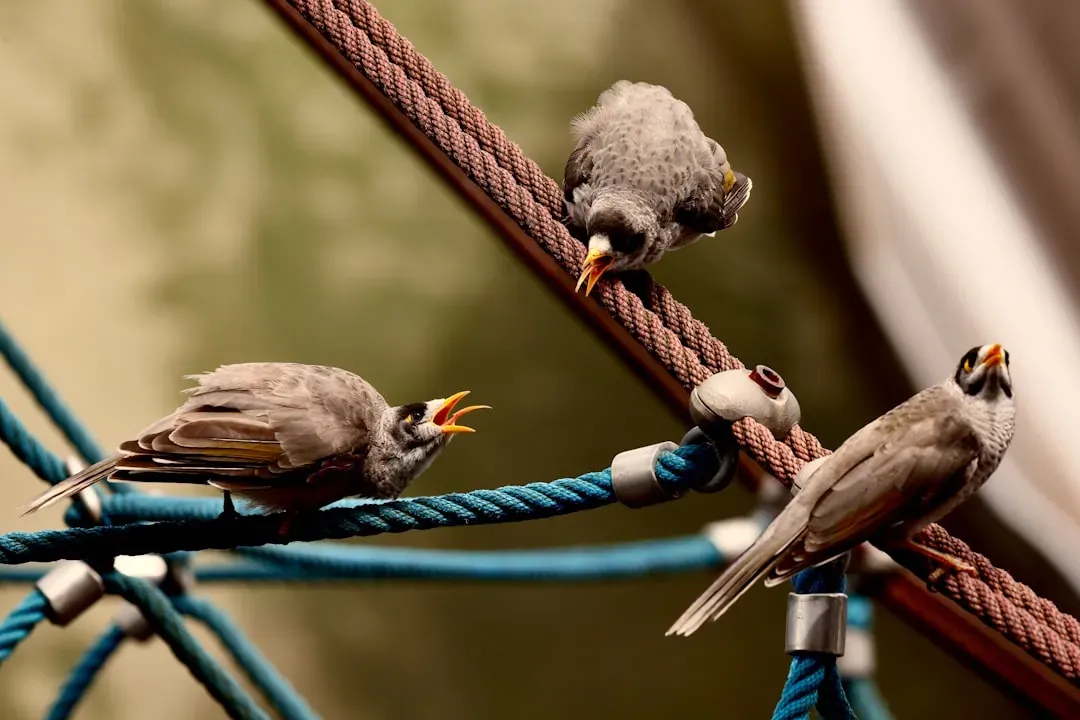
Birds explore with their beaks, and exposed electrical cords pose a danger if bitten. Keep cords and appliances away from the bird’s cage, and conceal cords as much as possible. Covering exposed cords with corrugated plastic tubing may help reduce the danger. The risk isn’t just electrocution. It’s also ingestion of materials that accumulate toxically over time.
Metals can be found in paint, linoleum, soldering, wire, zippers, twist ties, and many other objects on which birds love to chew. Even some older bird toys, especially the clappers on metal bells, have been found to contain lead. Birds who chip away at a lead-painted windowsill, lick a metal bell toy, or nibble on the soldering of a stained glass lamp are constantly ingesting heavy metals and can potentially become intoxicated. When ingested in large enough quantities, these metals can damage nerves and cause vomiting, maldigestion, neurologic signs such as imbalance and clenched toes, and even seizures.
#10: Never Ignore the Signs That Something Is Wrong
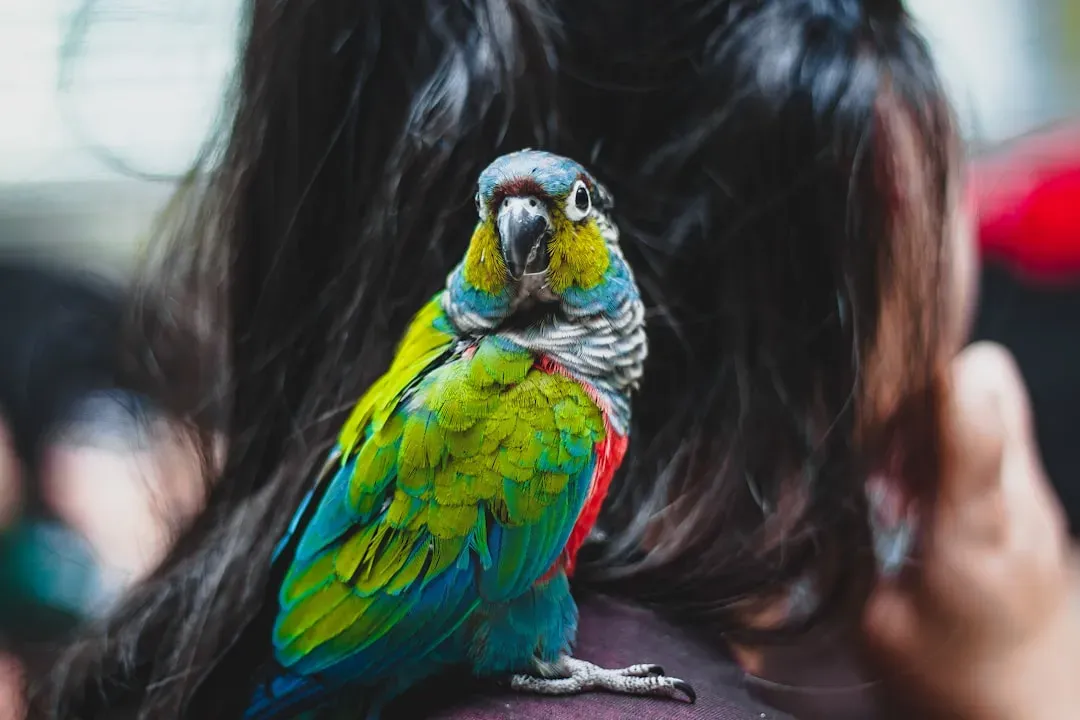
Pet birds are extremely susceptible to a wide variety of household dangers. There are numerous reasons for this, including their small size, rapid metabolism, and sensitive respiratory systems. With parrots, there is also an intense curiosity and need to explore everything with their beaks. The compounding problem is that birds are also instinctively wired to hide illness for as long as possible.
Pet birds are not humans and do not process food like humans or other pets. Some human foods are highly toxic to birds. Pet parents should use extreme caution to never feed a pet bird anything that could cause it illness. The same principle extends beyond food to the entire environment. Birds’ respiratory systems are much more sensitive and delicate than ours, so they will succumb much quicker to toxins than we do. Waiting to see if a bird “bounces back” is rarely a safe strategy. When in doubt, an avian vet visit is always worth it.
A Final Thought
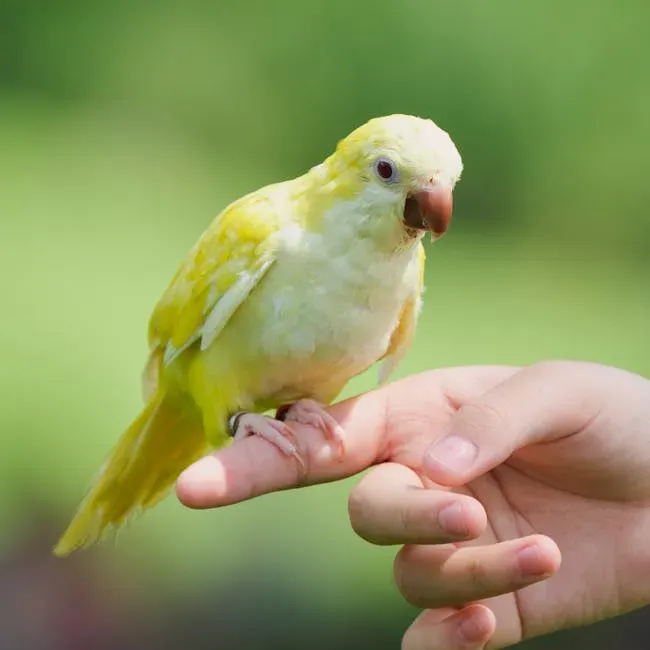
Birds don’t communicate distress the way a dog does. They won’t whine, limp visibly toward you, or make it obvious something is wrong until it often already is. The responsibility that comes with owning a bird is partly about being proactive, not reactive.
Most of the dangers on this list aren’t exotic or hard to fix. They’re ordinary things sitting in ordinary homes. The difference between a bird that lives a long, healthy life and one that doesn’t often comes down to the small habits of its owner. It’s worth getting those habits right.
