

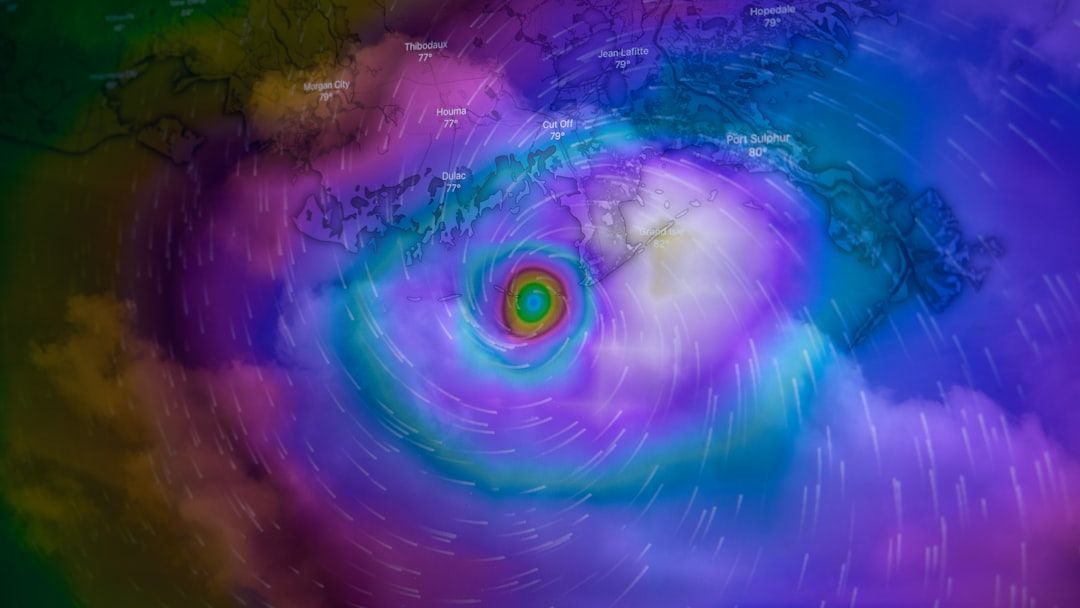
GOOD: NEWS: NOAA predicts a below-normal 2026 Atlantic hurricane season – Image for illustrative purposes only (Image credits: Unsplash)
Residents along the U.S. East Coast and Gulf of Mexico often begin hurricane preparations well before June arrives. This spring, forecasters offer a somewhat reassuring outlook for the months ahead. The Atlantic basin faces a higher likelihood of quieter activity than in a typical year, though officials continue to stress that readiness remains essential regardless of the overall numbers.
Projected Storm Counts and Odds
NOAA’s National Weather Service released its seasonal outlook on May 21. The agency assigns a 55 percent chance that the 2026 season will finish below normal, a 35 percent chance it will land near normal, and only a 10 percent chance it will exceed normal levels. These probabilities reflect the expected influence of developing El Niño conditions in the Pacific.
The numerical forecast calls for 8 to 14 named storms, of which 3 to 6 could strengthen into hurricanes and 1 to 3 could reach major hurricane status. An average season produces 14 named storms, 7 hurricanes, and 3 major hurricanes. NOAA places roughly 70 percent confidence in the stated ranges.
| Category | 2026 Forecast | Seasonal Average |
|---|---|---|
| Named Storms | 8–14 | 14 |
| Hurricanes | 3–6 | 7 |
| Major Hurricanes | 1–3 | 3 |
Why Activity May Stay Lower
El Niño patterns typically increase wind shear across the Atlantic, disrupting the organization of tropical systems. Warm water that builds in the eastern Pacific during these events tends to suppress the upward motion needed for storm development farther west. Forecasters note that this atmospheric setup often leads to fewer named storms overall.
Still, the outlook carries built-in uncertainty. Seasonal predictions improve as summer progresses, and unexpected shifts in ocean temperatures or wind patterns could alter the final tally. Officials have emphasized that the forecast represents the most likely range rather than a guarantee.
Readiness Remains Critical
Even a below-normal season can produce destructive landfalls. A single major hurricane making landfall can cause widespread flooding, power outages, and costly damage to homes and infrastructure. NOAA continues to urge households to review evacuation routes, assemble emergency kits, and secure property well before the season begins on June 1.
Communities in hurricane-prone areas have learned that advance planning reduces both risk and recovery time. Local emergency managers often use the quiet periods between storms to test communication systems and stock shelters. Those steps prove valuable whether the season ends up quiet or active.
What Residents Should Monitor
Key developments to watch include updates on El Niño strength and any early-season tropical waves moving off Africa. The National Hurricane Center will issue regular two-day and seven-day outlooks once the season starts. Residents can also follow local National Weather Service offices for region-specific guidance.
Preparation checklists typically cover water, nonperishable food, medications, flashlights, and important documents. Families with pets or mobility needs benefit from extra planning. Checking insurance coverage for wind and flood damage provides additional peace of mind before any system forms.
Seasonal forecasts offer useful context, yet they cannot predict the exact path or intensity of any individual storm. Coastal residents who treat every hurricane season with the same level of preparation stand the best chance of staying safe when the first system approaches.

Tara enjoys writing about marine animals like whales, sharks, dolphins and nudibranchs.
Please send any feedback to feedback@animalsaroundtheglobe.com
- Did You Know That Alligators Can Survive Being Frozen? - July 20, 2026
- 45 Incredible Migrations of North American Wildlife - July 20, 2026
- Nocturnal Animals of America - July 19, 2026