

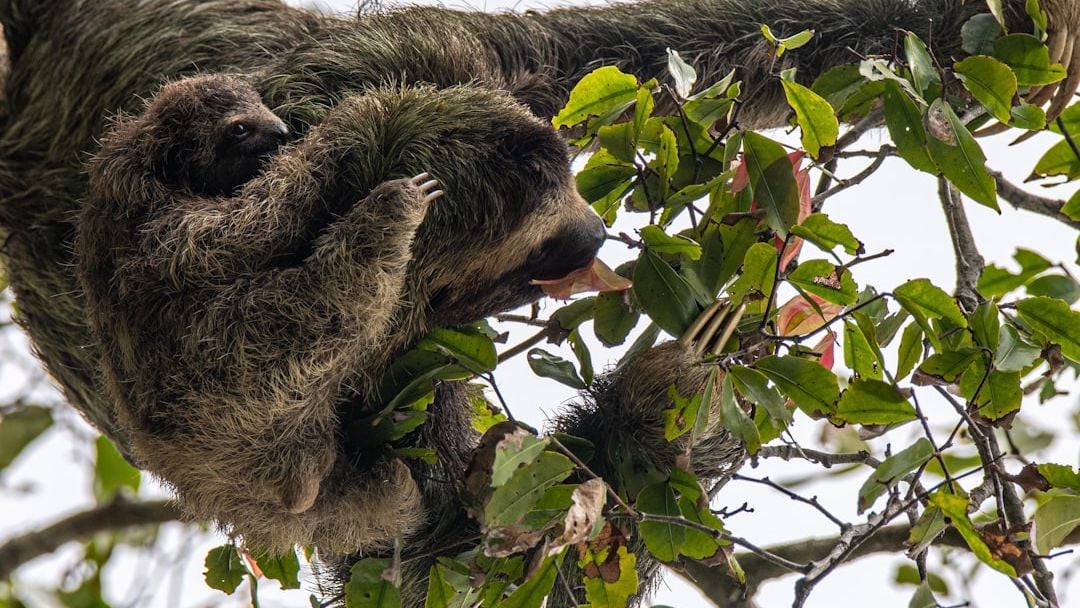
Slow lorises struggle to survive in the wild after captivity – Image for illustrative purposes only (Image credits: Unsplash)
Only two of nine confiscated Bengal slow lorises were still alive six months after researchers released them into Lawachara National Park in Bangladesh. The rest died within days or weeks, most from wounds inflicted during fights with resident animals. These primates, the world’s only venomous species, proved especially vulnerable once returned to the forest.
Tracking the Released Animals
Researchers followed the nine individuals closely after their release. They recorded movements, health checks, and eventual outcomes for each loris. The project aimed to test whether confiscated animals could reintegrate successfully into a protected area.
Four of the deaths showed clear signs of venomous bites on the head, face, and digits. These injuries pointed directly to territorial disputes rather than disease or starvation. The pattern matched what scientists already knew about slow lorises as highly territorial primates.
Why Most Releases Failed
Longer periods in captivity appeared to reduce an animal’s chances once freed. Individuals held for extended times showed poorer adaptation to wild conditions. Shorter rehabilitation periods, by contrast, aligned with stricter health and behavioral standards before release.
The two survivors established noticeably larger home ranges than those that died. This allowed them to avoid direct clashes with established residents. The difference suggests that space and movement play critical roles in post-release success.
Lessons From the Data
Conservation groups have long viewed any return of rescued wildlife as a net positive. The Bangladesh results challenge that assumption for species with rigid social structures. Reintroduction carries real risks when territorial boundaries are already occupied.
| Factor | Outcome Observed | Implication |
|---|---|---|
| Time in captivity | Longer stays linked to lower survival | Release as soon as criteria are met |
| Home range size | Survivors used larger areas | Avoid core territories of wild lorises |
| Cause of death | Venom bites from fights | High risk in occupied habitat |
Experts note that each case still requires individual assessment. Not every confiscated loris will face the same pressures, and some sites may offer better conditions than others. Further monitoring will help clarify which variables matter most.
Next Steps for Conservation
Organizations involved in rehabilitation now emphasize rapid evaluation and release where possible. They also stress the need for suitable release sites that minimize immediate conflict. Continued research will track additional animals to build a clearer picture of long-term viability.
The findings do not rule out reintroduction entirely. They do show that success depends on timing, location, and the animal’s prior experience in the wild. Careful planning remains essential for any future efforts.

- Remembering Sirius, The K9 Hero of 9/11 Who Fell in The Line of Duty - July 26, 2026
- 15 of the Most Beautiful Towns in the World - July 26, 2026
- 15 Dog Gadgets Every Smart Pet Owner Will Own by the End of 2025 - July 26, 2026