
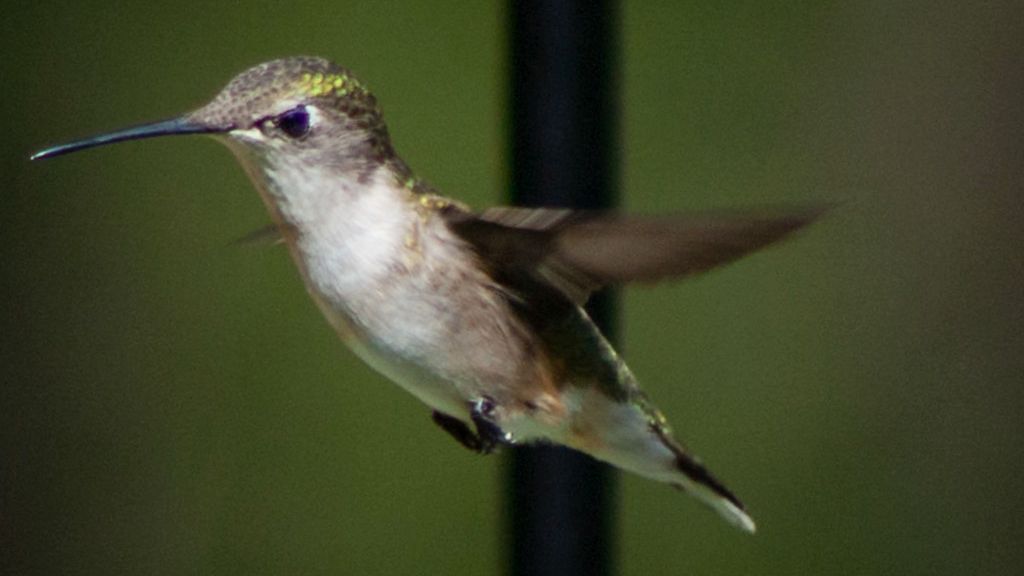
There’s something almost unreal about a hummingbird. It hovers in midair with the precision of a helicopter, its wings a blur you can barely track with the naked eye, its colors shifting like a jewel catching sunlight. For a creature that weighs less than a coin, it does things that seem to defy ordinary biology.
Most people have seen one at a garden feeder or darting between flowers. Far fewer know the full story of what’s actually happening inside that tiny, furiously alive body. The science is genuinely startling, and it only deepens the wonder.
#1: Their Hearts Beat Over 1,200 Times Per Minute
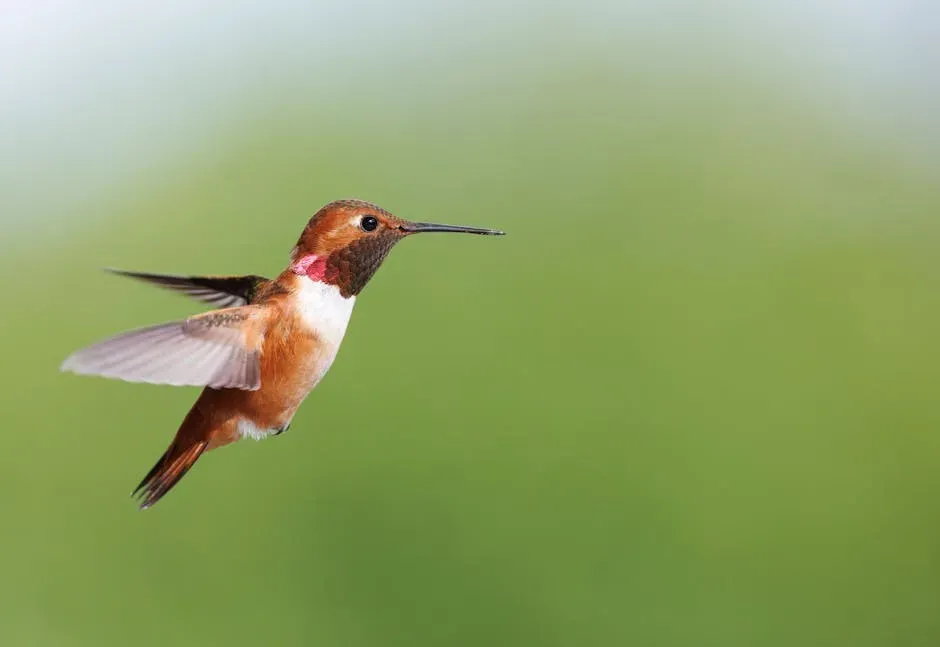
The human heart averages somewhere between 60 and 100 beats per minute at rest. A hummingbird in full flight is operating in a completely different universe. During active flight, the heart can beat at rates often exceeding 1,200 times per minute, with the highest recorded rate reaching an astounding 1,260 beats per minute in some species.
A hummingbird’s heart is relatively the largest of all animals at around two and a half percent of its body weight. That oversized engine is not an accident. Their blood also contains a higher concentration of red blood cells compared to other birds, which enhances their oxygen-carrying capacity and supports their extraordinary heart rate.
#2: They Can Slow Their Heart to a Near Standstill at Night
The flip side of that blazing daytime heart rate is what happens after dark. Hummingbirds are one of the few groups of birds known to go into torpor, a very deep sleep-like state in which metabolic functions are slowed to a minimum and a very low body temperature is maintained. Unlike hibernation, hummingbirds can enter torpor any night of the year when temperature and food conditions demand it.
During nighttime torpor, body temperature in a Caribbean hummingbird was shown to fall from 40 to 18 degrees Celsius, with heart and breathing rates slowing dramatically, dropping from a daytime rate of over 1,000 beats per minute to just 50 to 180 beats per minute. Some hummingbirds may even stop breathing for short periods of time to conserve energy. It’s one of the most dramatic physiological shifts in the entire animal kingdom.
#3: They Have the Fastest Metabolism of Any Bird on Earth
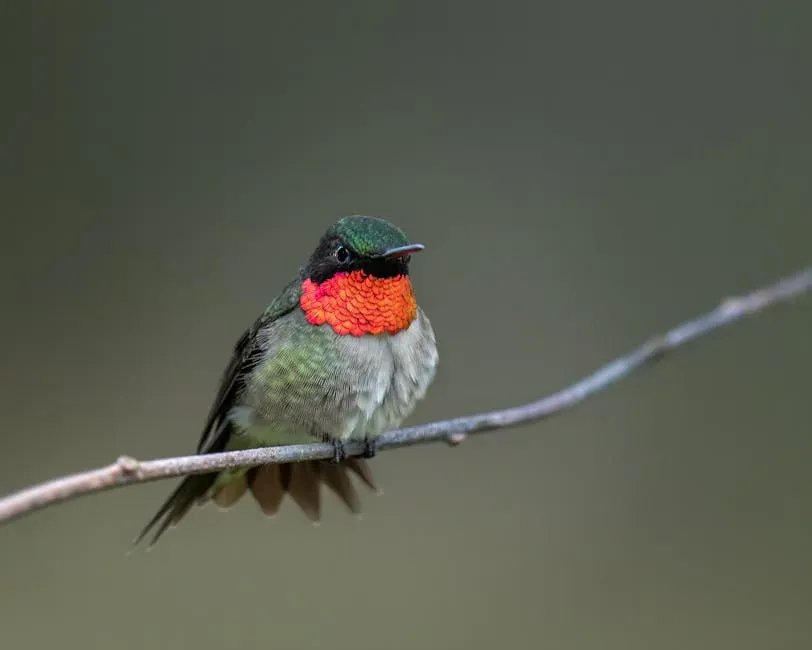
The Journey North research team at the University of Wisconsin-Madison reports that ruby-throated hummingbirds have the fastest metabolisms not only in the bird world, but in the whole of the animal kingdom. A hummingbird’s metabolism is about 100 times faster than an elephant’s. That comparison alone is worth sitting with for a moment.
According to the San Diego Zoo, hummingbirds require around three to eight calories per day. That doesn’t seem like much at first, but translating it into human terms, it would mean consuming 155,000 calories a day. Because they eat so much, hummingbirds also have to digest extremely quickly, moving a spider through their system in less than 15 minutes, which is roughly 70 times faster than our digestion.
#4: They Are the Only Birds That Can Fly Backwards
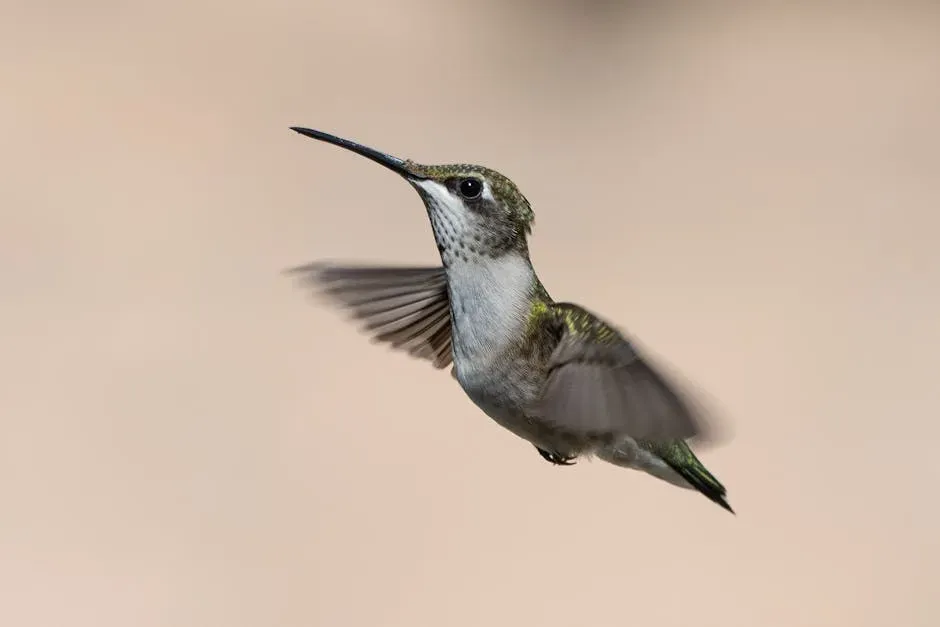
Hummingbirds are the only vertebrates capable of sustained hovering, and they can fly backward and upside-down as well. This is not a party trick. It’s the result of a uniquely engineered wing structure that no other bird possesses. It is the only living bird that can rotate its wings in a circle, which is what allows it to fly both forwards and backwards, up or down, sideways, or hover completely still in one spot.
When most bird species flap their wings, they create lift and drag only on the downstroke of the wingbeat. At around 40 beats per second, hummingbirds create lift and drag during both the downward and upward stroke of each wingbeat. That dual-action stroke is the secret behind their remarkable aerial control. Nothing else in the bird world comes close.
#5: Their Wings Beat Dozens of Times Every Single Second
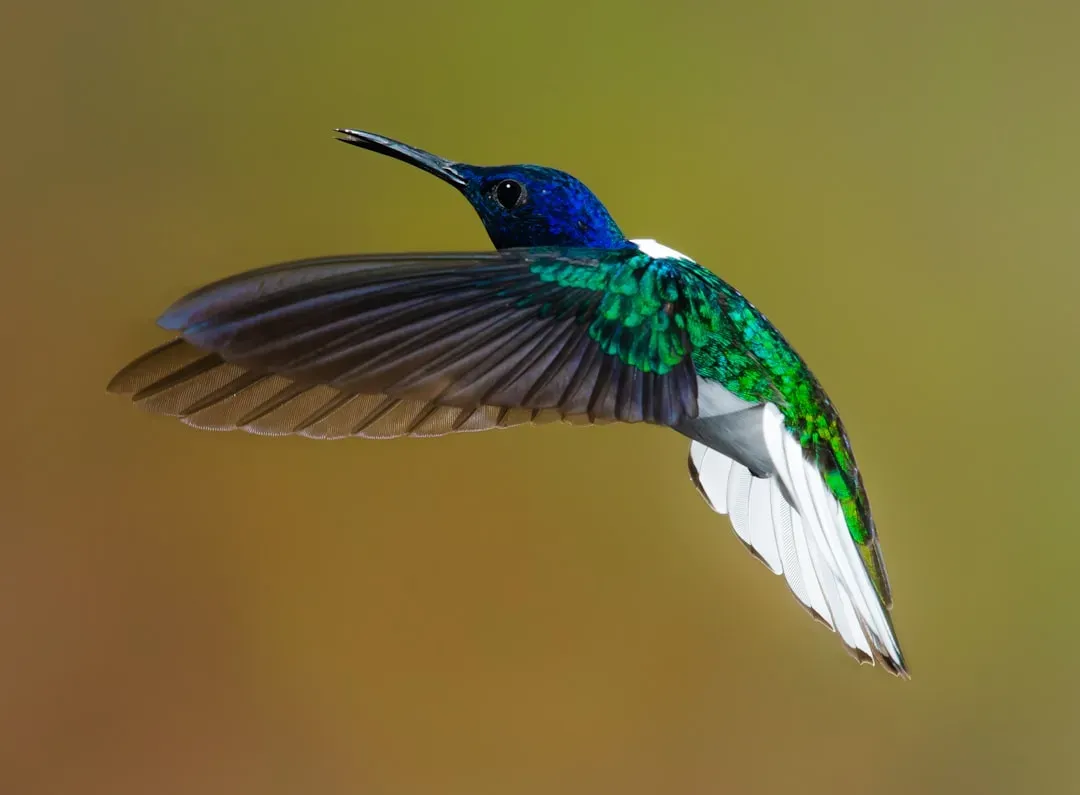
The number of times a hummingbird’s wings beat varies from one species to another and ranges from 720 to 5,400 times per minute when hovering. That upper end of that range is difficult to even picture. A ruby-throated hummingbird’s wings beat about 70 times per second in direct flight and more than 200 times per second while diving.
The humming sound we hear comes not from their voice, but from the sound of the hummingbird’s wings as they flap. The force and volume of these wingbeats makes the familiar humming noise that earned the hummingbird its name. It’s a name born entirely out of physics, which feels oddly appropriate for such a mechanically precise creature.
#6: They See Colors That Humans Cannot Even Imagine
Like most primates, humans are trichromatic, meaning our eyes have three types of color-sensitive receptors or cones: blue, green, and red. Birds, however, have four color cones, making them tetrachromatic. That fourth cone opens up a spectrum of color entirely invisible to us. This fourth cone is sensitive to ultraviolet light, meaning hummingbirds see a world of colors and patterns that are completely hidden to human eyes.
Researchers found that hummingbirds would be able to see roughly 30 percent of bird plumage colors and 35 percent of plant colors in what are called nonspectral hues, colors that humans cannot even imagine. While humans perceive just one kind of nonspectral color, purple, birds can theoretically see up to five, including ultraviolet combined with red, green, yellow, and purple. The garden you see when a hummingbird visits is a much simpler picture than the one the hummingbird is actually looking at.
#7: Their Memory Is Surprisingly Sophisticated
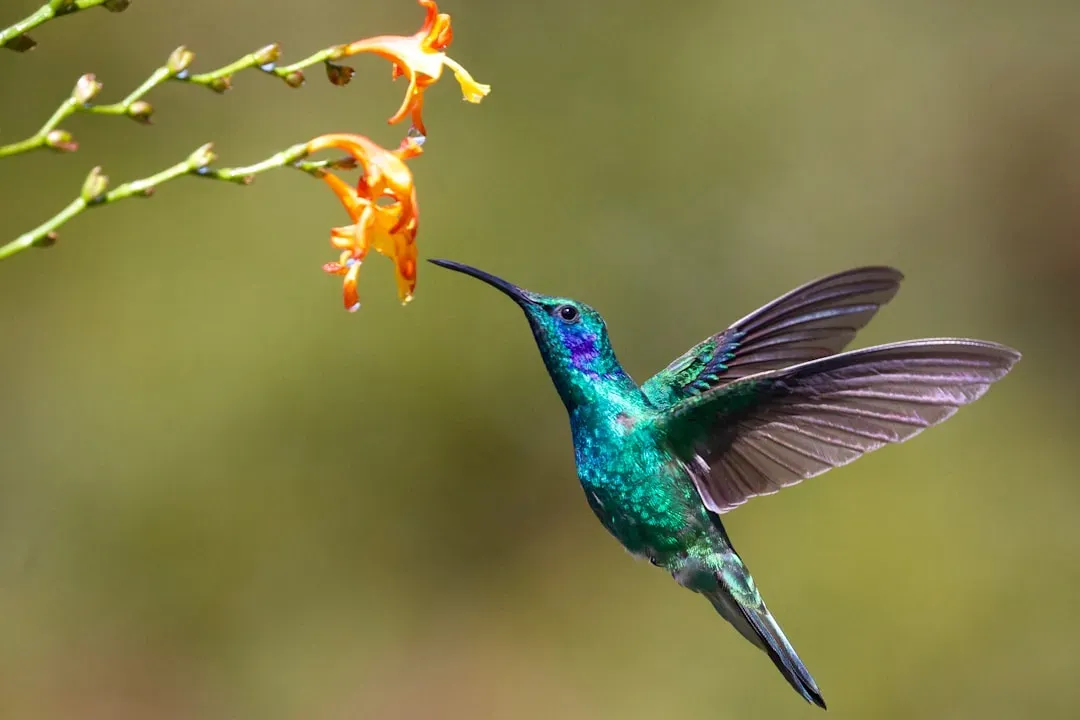
Hummingbirds have a remarkable memory. They remember every flower and feeder they’ve been to, and how long it will take a flower to refill. The hummingbird brain makes up about 4.2 percent of its body weight, which is the largest proportion in the wild bird group. A brain that large relative to body size is a real biological investment, and the payoff is clear.
Through their enhanced vision, hummingbirds build a color-coded understanding of their territories, enabling precise flight patterns and efficient foraging. These color cues let hummingbirds return to specific feeders, flowers, or nesting sites with incredible accuracy, even after long migrations. There’s something quietly impressive about a creature the size of your thumb navigating the world with that level of spatial intelligence.
#8: They Eat Constantly and Consume Double Their Body Weight Daily

Hummingbirds consume about half their body weight in bugs and nectar, feeding every 10 to 15 minutes and visiting somewhere between 1,000 and 2,000 flowers throughout the day. In addition to nectar from flowers and feeders, these birds eat small insects, beetles, ants, aphids, gnats, mosquitoes, and wasps. Nectar provides the fuel, but insects supply the protein.
A hummingbird drinks nectar by protracting and contracting its tongue around 13 times per second. In general, they will digest the sugar they get from nectar in as quickly as 20 minutes. Around 97 percent of the sugar they consume is converted into energy. That kind of digestive efficiency makes every feeding session count.
#9: Their Nests Are Among Nature’s Most Ingenious Constructions
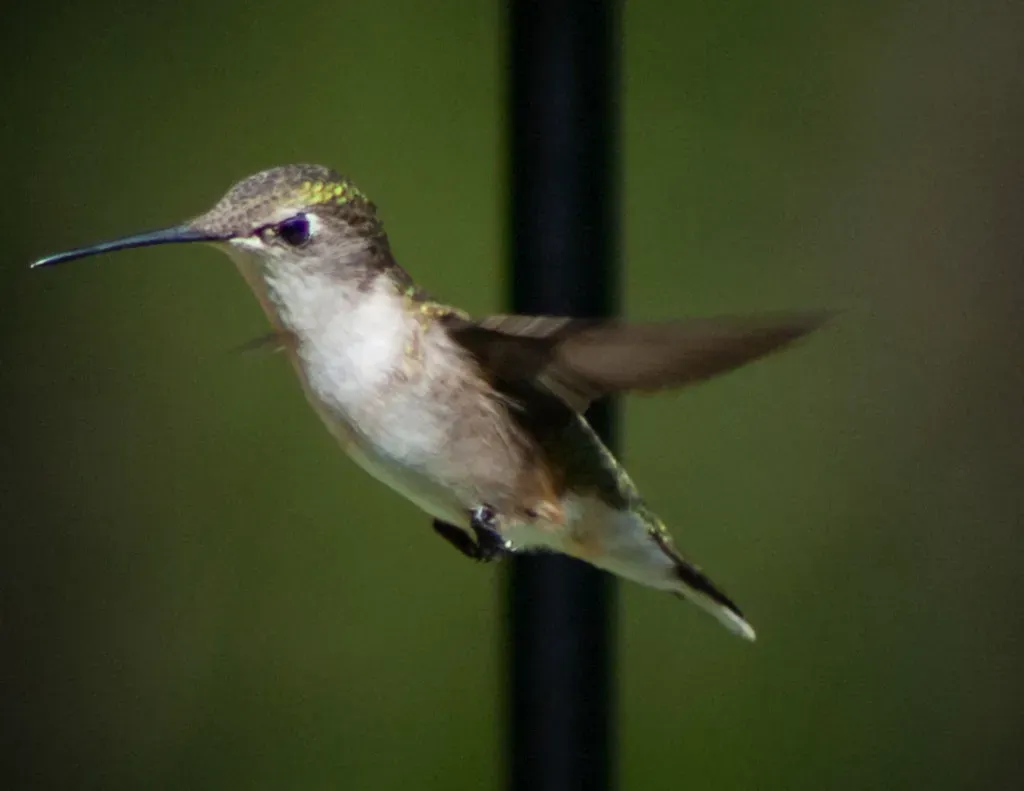
Many hummingbird species use spider silk and lichen to bind the nest material together and secure the structure. The unique properties of the silk allow the nest to expand as the young hummingbirds grow. That’s not improvisation. That’s engineering. The outer layer of a nest is often lichens, moss, or bark, which causes it to blend seamlessly with the branches or leaves where it is placed.
It would be logical that if hummingbirds are the smallest birds, they would also have the tiniest eggs. A ruby-throated hummingbird’s egg is about the size of a pea and its nest is roughly the size of half a walnut shell. The female does all the nest building, incubating, and caring for the babies herself, and a male hummingbird will mate with any females he can attract to his territory. The workload falls entirely on her.
#10: Some Species Migrate Over 3,700 Miles
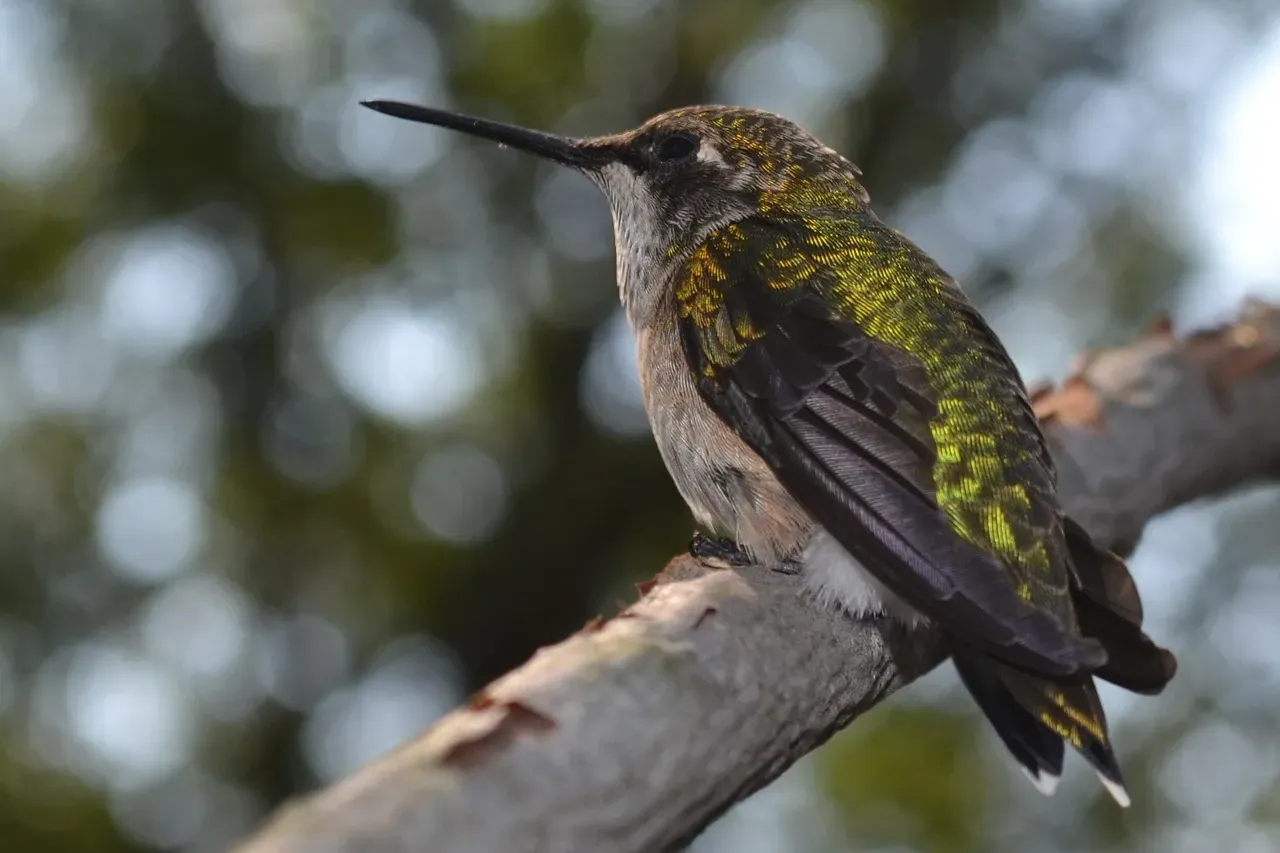
Ruby-throated hummingbirds can travel around 500 miles nonstop when they cross the Gulf of Mexico, a feat that can take at least 20 hours. Even more remarkable is the migratory flight of the Rufous hummingbird. These little birds will travel over 3,700 miles on their journey from Mexico to Alaska. For a creature that weighs a few grams, that distance is almost incomprehensible.
Hummingbirds will typically gain between 25 and 40 percent of their body weight before they start migration in order to fuel their trip. They generally fly alone, often on the same path they’ve flown earlier in their life. They fly by day when sources of nectar are most abundant, and they fly low, which allows them to see and stop at food supplies along the way.
#11: Their Iridescent Colors Come From Light, Not Pigment
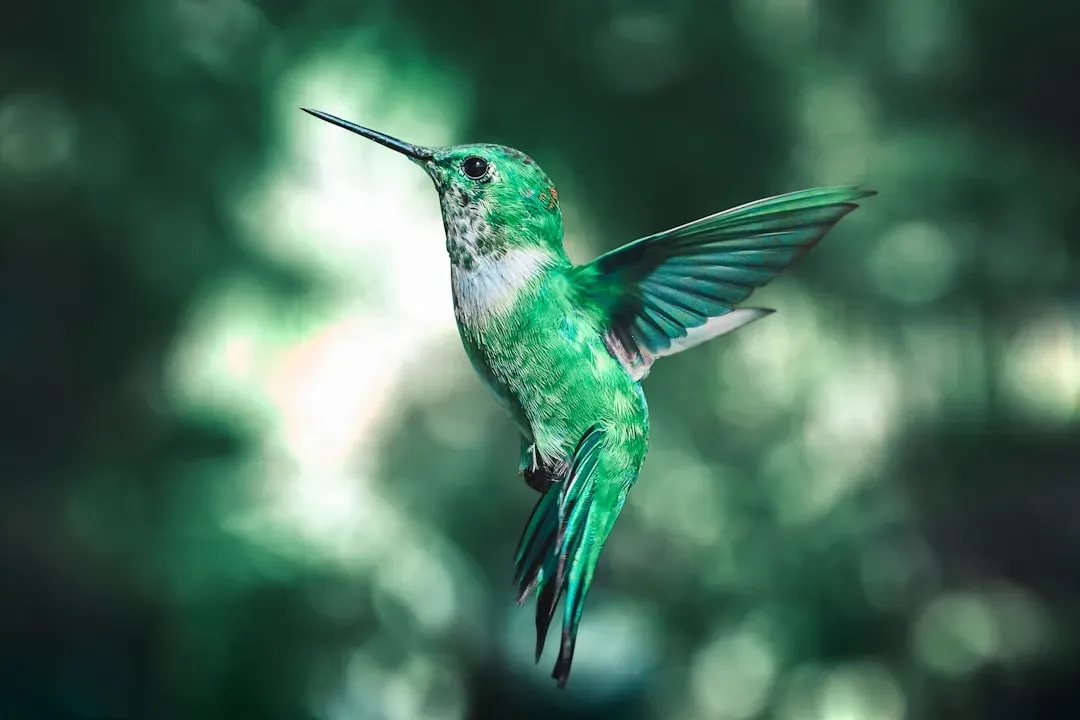
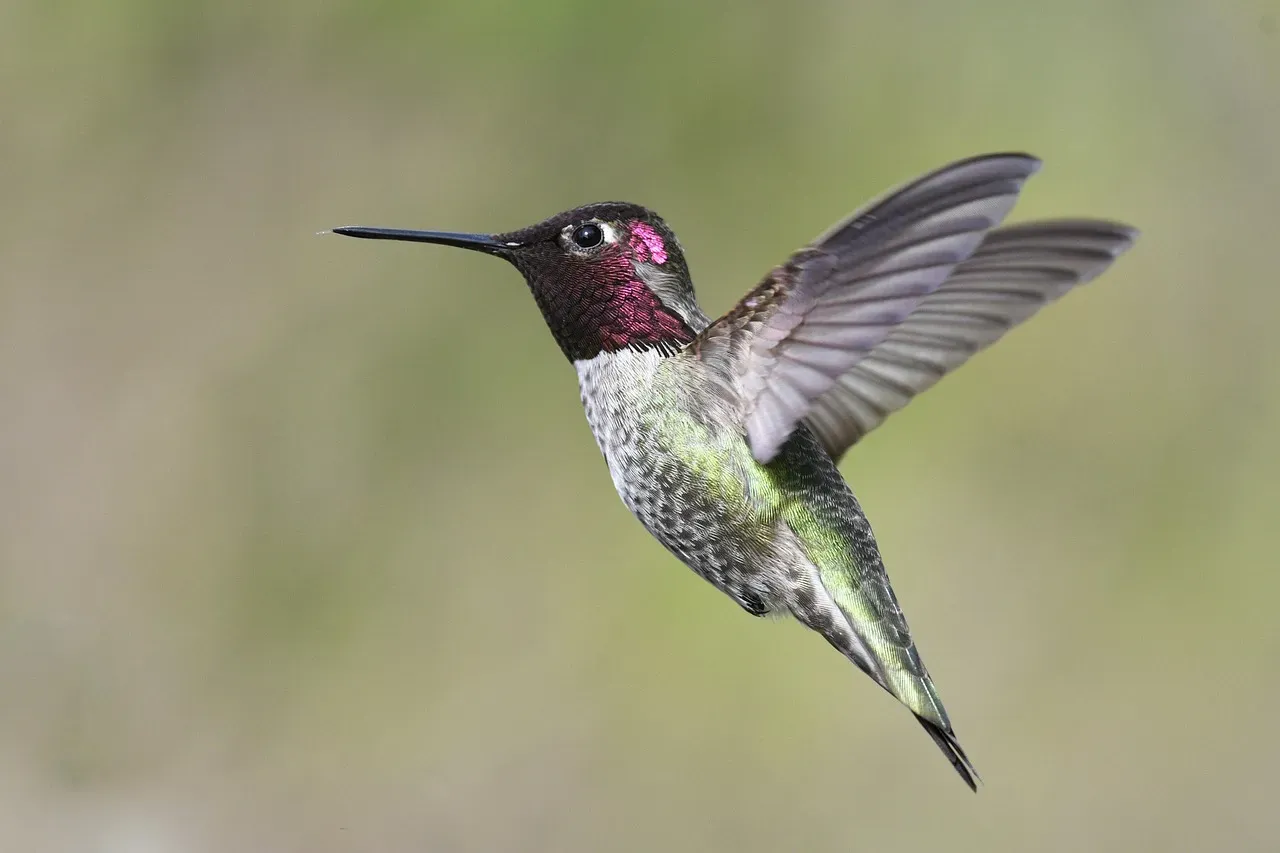
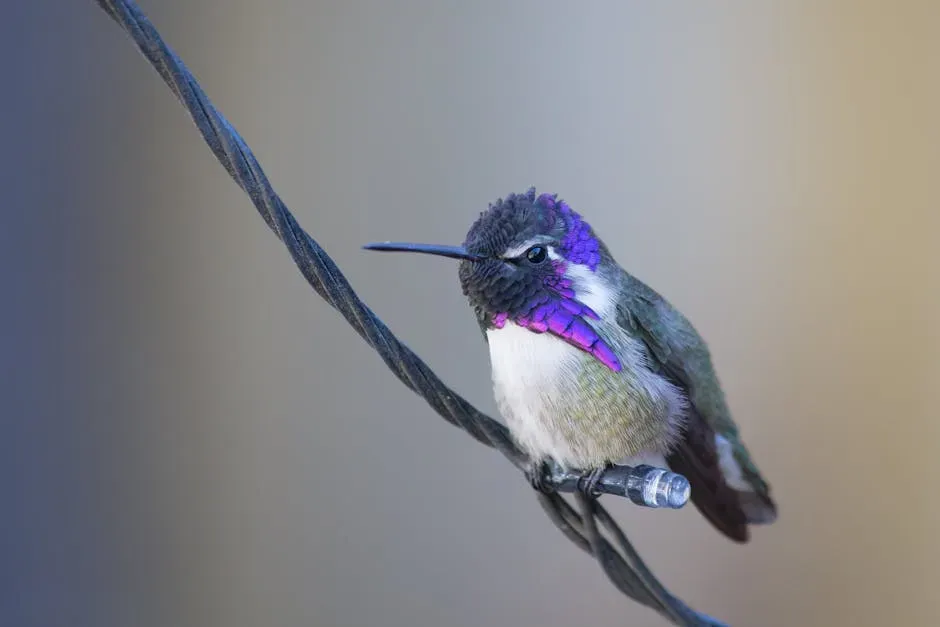
The dazzling colors of hummingbirds come from the feather structure rather than pigmentation. Each iridescent feather has tiny spikes that are densely packed with many layers of microscopic structures filled with air bubbles. The iridescence of hummingbird feathers is the result of prism-like microstructures that fragment light into components of the spectrum, through a process of absorption and angle of light.
With just a turn of its head, a hummingbird explodes in iridescent radiance. Its gorget, the patch of colorful feathers covering its throat, instantly blazes in shades that span the color spectrum, depending on the species. The color doesn’t change because the feathers change. It changes because the angle of light changes. It’s physics performing as fashion.
#12: They’re Tiny Beyond Belief, Yet Surprisingly Long-Lived

Hummingbirds are some of the smallest birds in the world, and the bee hummingbird is by far the smallest at just one inch in length, weighing two grams. The bee hummingbird of Cuba weighs only about 1.95 grams, or about as much as a quarter teaspoon of sugar. It is, remarkably, a warm-blooded vertebrate with a complex brain, a beating heart, and a precise memory.
The average lifespan of a hummingbird is around five years, but they have been known to live for more than 10 years. One banded ruby-throated hummingbird was documented to have lived for nine years and two months. For an animal burning through energy at such an extreme pace, that longevity is a quiet testament to just how finely tuned these creatures really are.
A Final Thought
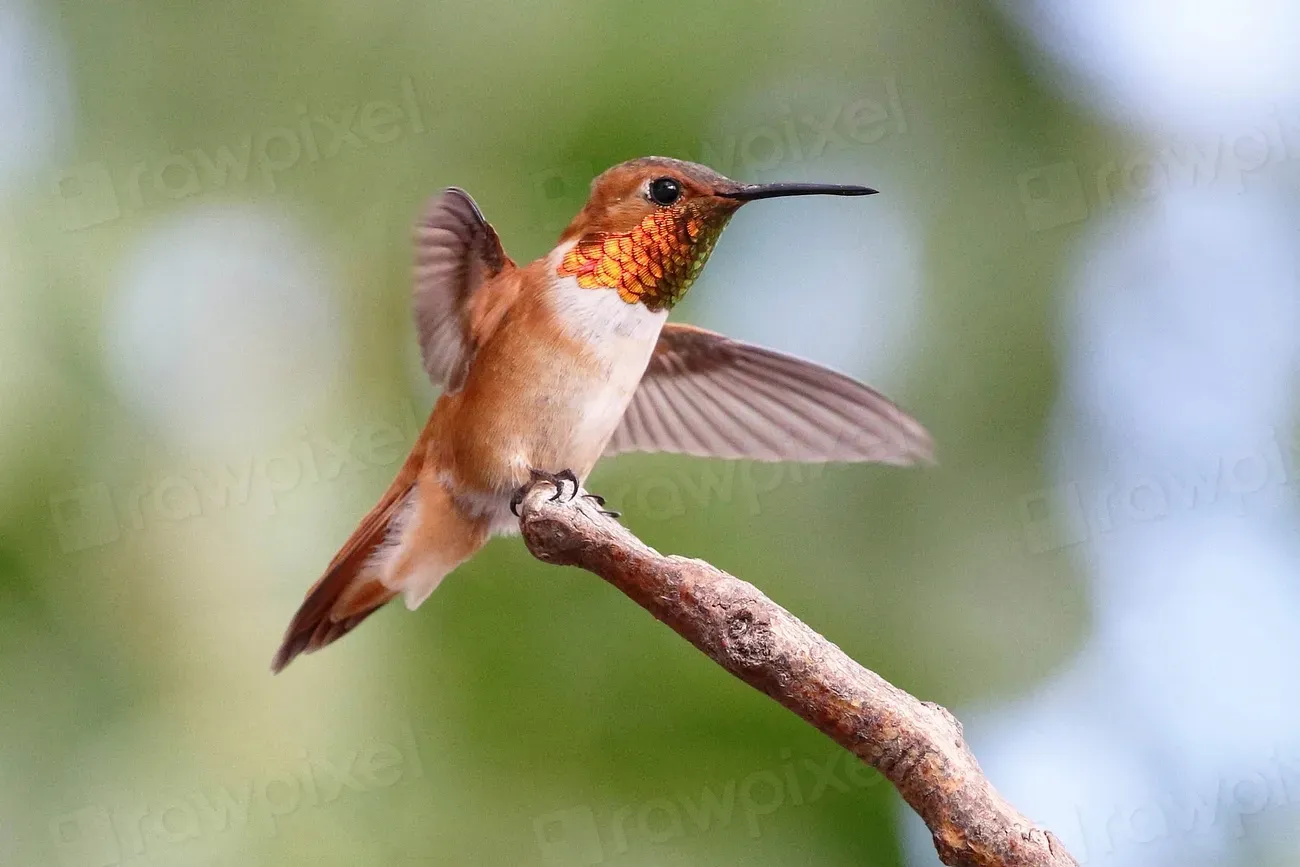
Hummingbirds occupy this strange place in the natural world where everything about them seems slightly exaggerated. The heart rate, the metabolism, the vision, the migration distances. None of it fits neatly into what we’d expect from something so small.
What’s perhaps most striking is that science keeps revealing new layers. The color vision research alone reshaped how biologists think about animal perception. There’s almost certainly more to discover. In the meantime, the next time one appears at a feeder near you, it’s worth pausing. That blur of wings represents millions of years of extraordinarily precise evolution, all packed into a body lighter than a nickel.
