
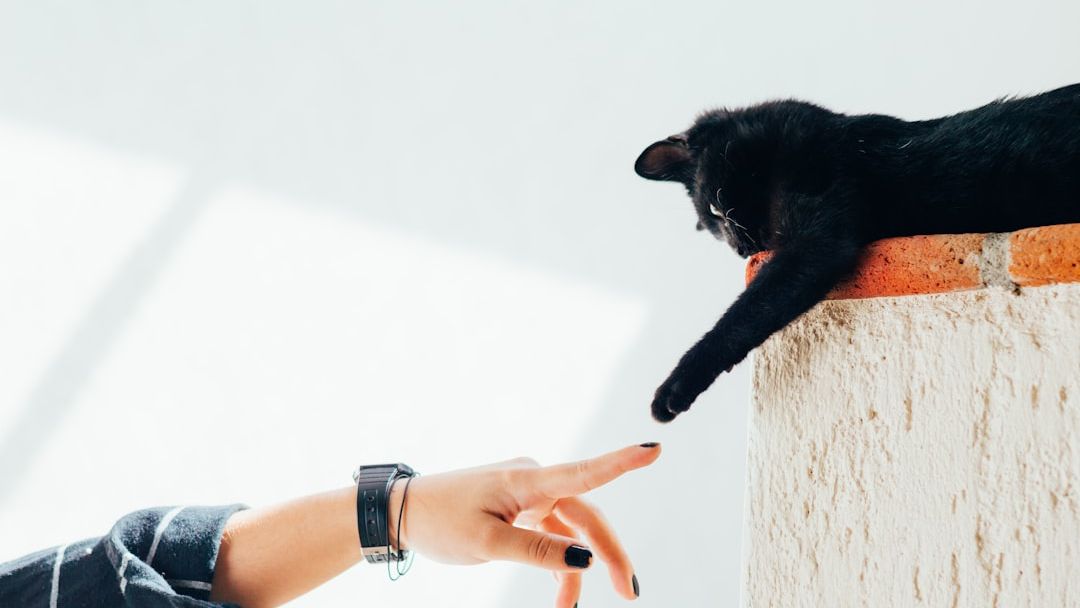
Cats have a reputation for being mysterious. They seem self-sufficient, low-drama, and endlessly unbothered. So it’s easy to assume that what you’re doing is fine, or even enjoyable for them, when in reality you may be quietly stressing them out. The truth is, cats can be difficult to read, and it’s often hard to know when something in their environment is making them uncomfortable. Even small changes can have a big impact on their well-being.
What makes this especially tricky is that cats are masters at hiding their discomfort. Unlike dogs who might whimper or seek comfort, cats often express stress through subtle changes that we’ve learned to accept as part of their mysterious nature. Some of the things on this list are habits that even experienced cat owners do every single day, completely convinced their cat enjoys it. Read on, and you may be surprised.
#1 Forcing Physical Contact When They Haven’t Asked for It
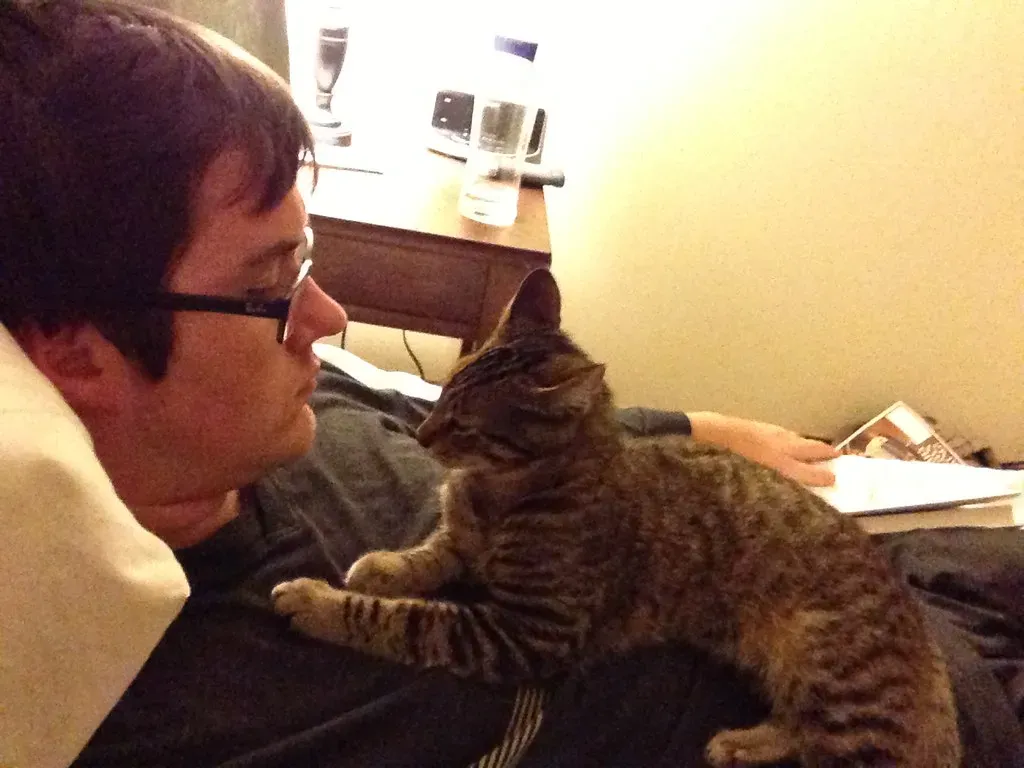
There’s something almost irresistible about a cat sitting nearby, looking soft and warm. Most people reach out and pull them in for a hug without a second thought. The problem is, cats are autonomous creatures who value their personal space, and forcing them into unwanted hugs, holds, or excessive handling can lead to stress, fear, and aggressive behavior.
The science behind this is pretty clear. Recent research reveals that two fundamental interaction errors are surprisingly common, even among experienced cat enthusiasts. These mistakes involve misunderstanding where cats like to be touched and failing to respect their need for personal space.
When cats experience forced affection or inappropriate touching, it can lead to various stress-related problems. Chronic stress from poor interactions may manifest as changes in eating habits, litter box avoidance, or increased hiding behavior. Some cats may develop defensive responses, including swatting, biting, or running away when humans approach. The fix is simple: let them come to you.
#2 Rubbing Their Belly (Yes, Even When They Roll Over)
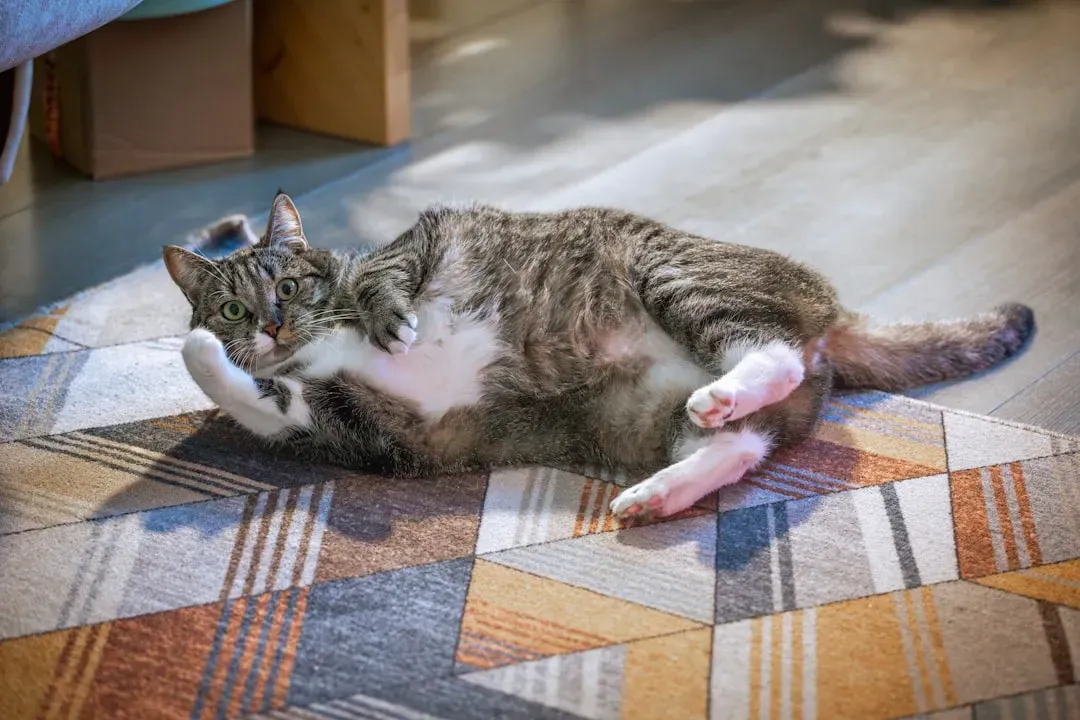
This one catches people off guard every time. A cat rolls onto its back, stretches out, looks completely relaxed. It feels like an obvious invitation. It usually isn’t. “When cats allow their belly to be touched, it is the ultimate sign of vulnerability, and so most cats won’t go for it.” Over time, they can even start to associate certain touches with stress.
If you want to show your cat affection, many cats usually adore being petted on spots like the head, neck, and back. The belly roll is more of a display of trust and comfort in your presence than an invitation for a tummy rub. Treating it as a petting signal is one of the most common misreadings in cat ownership. Respect the display without acting on it, and your cat will keep showing it.
#3 Using Punishment to Correct Behavior
Punishing your cat can damage the trust and bond you share with them and may result in additional behavioral problems. Cats respond poorly to punishment because they don’t associate the punishment with their actions. This is a fundamental difference between cats and dogs, and it trips up a lot of owners who’ve previously lived with both.
Physical punishment, yelling, or aggressive responses to unwanted behavior are never appropriate for cats. These actions can create fear, anxiety, and lasting behavioral issues. Instead, use positive reinforcement techniques to encourage good behavior and redirect unwanted actions. Remember that cats don’t understand punishment the way humans do. What might seem like discipline to you could be traumatizing for your pet and damage your relationship permanently.
#4 Squirting Water at Them as a Deterrent
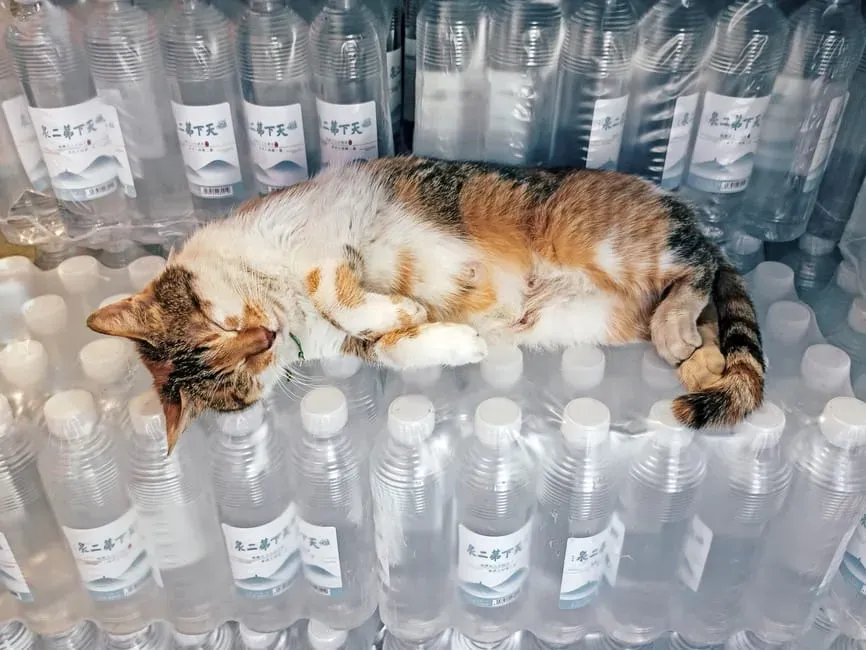
The spray bottle has become almost a cultural shorthand for disciplining a cat. It seems harmless enough, a little spritz, they stop doing the thing, problem solved. Except it isn’t that simple. Squirting water at your cat to stop them from doing something only works because it’s unpleasant for them. Unfortunately, they may associate that with you rather than with what they were doing, which can affect your relationship.
Over time, this erodes trust in a way that’s hard to rebuild. It’s far better to see things from your cat’s perspective and find a better way to resolve the issue. A better environment, more enrichment, and training may all be part of the solution. The spray bottle feels satisfying as a quick fix, but it consistently creates a cat that becomes more anxious and less trusting of the person they live with.
#5 Letting Them Get Bored
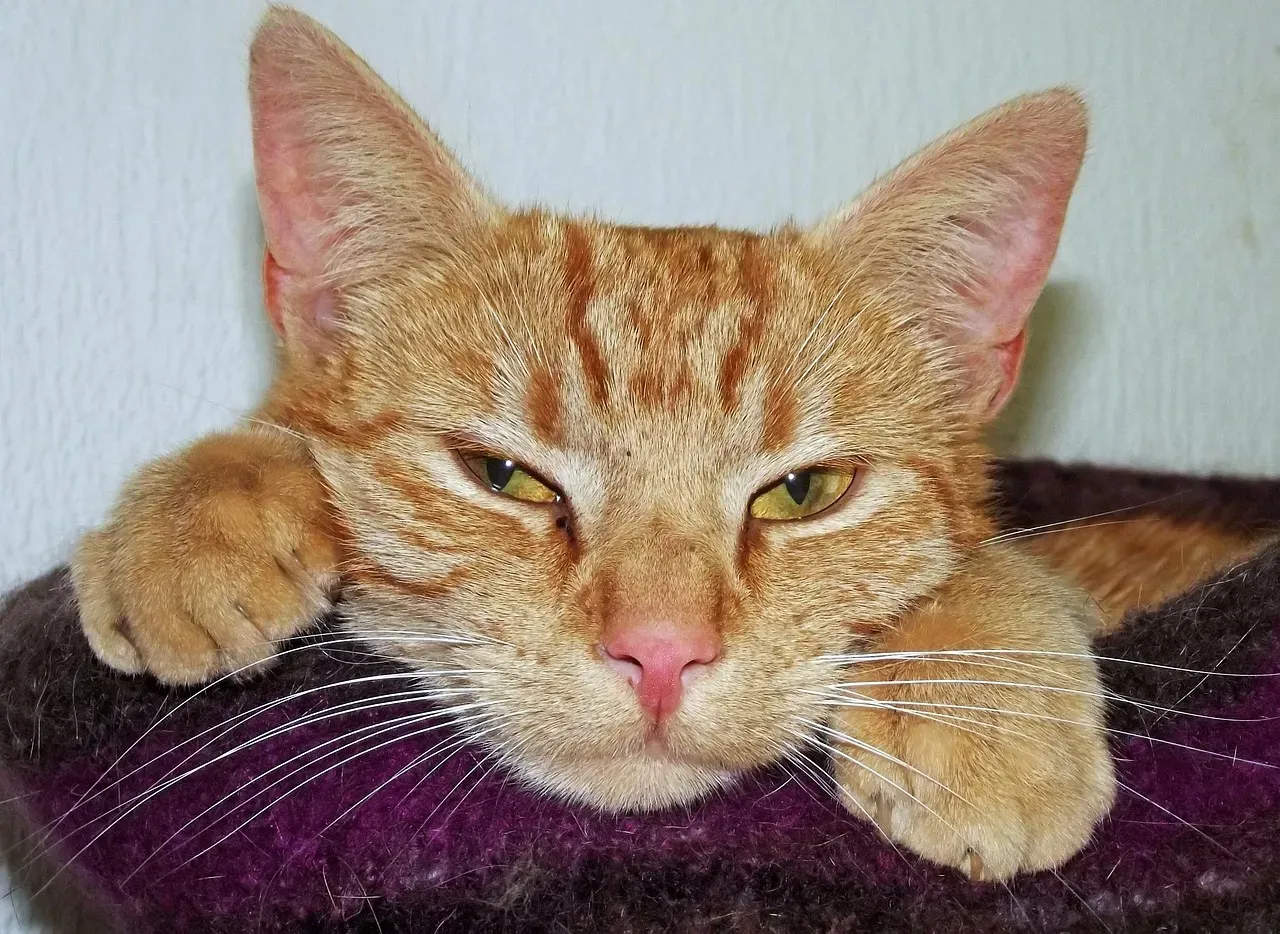
Cats sleep a lot, which makes it easy to assume they don’t need much stimulation. That assumption is wrong. Cats require regular mental and physical stimulation to prevent boredom and associated behavioral issues. Never leave your cat without appropriate toys, scratching posts, climbing opportunities, and interactive playtime. Setting aside dedicated play sessions each day helps keep your cat mentally engaged and physically active, and prevents obesity, depression, and destructive behaviors.
As well as food puzzle toys, cats should have a selection of toys for individual play and need time to play with their owners every day. A wand toy is perfect because it can be moved around like an actual mouse or bird. Other fun activities include training with positive reinforcement and scent games. A bored cat isn’t just inconvenient. It’s genuinely an unhappy one, and the behavioral fallout can be significant.
#6 Overfeeding Them Out of Affection
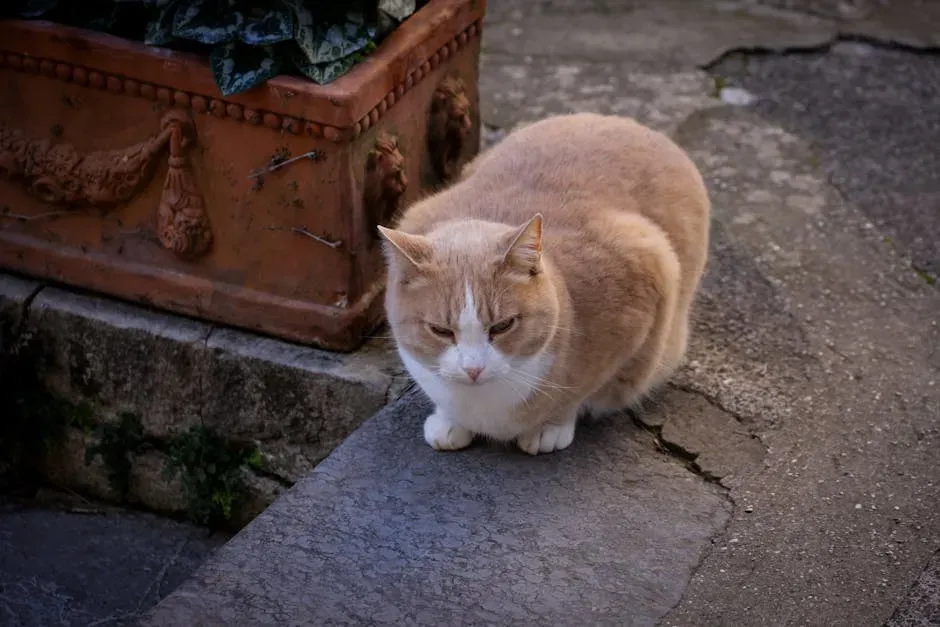
Food is love in a lot of households. When a cat meows insistently at meal time, the easiest response is to give them a little more. It feels kind. In practice, it causes serious harm. The most common mistake veterinarians see is cat owners feeding their cats too much food per day. Over half the cats seen each day are overweight, and this trend is only increasing as cat parents overfill the food bowl, leave it available all day, and forget that treats contribute to the cat’s total daily calorie intake.
Feeding is a huge part of your relationship with your cat and, from a cat’s point of view, there’s no such thing as too much. Being overweight significantly reduces a cat’s quality of life, making them more prone to developing diseases. Even being moderately overweight can shorten their lifespan. Saying no to persistent begging isn’t cruel. It’s one of the most genuinely caring things you can do for them.
#7 Ignoring Their Scratching Needs
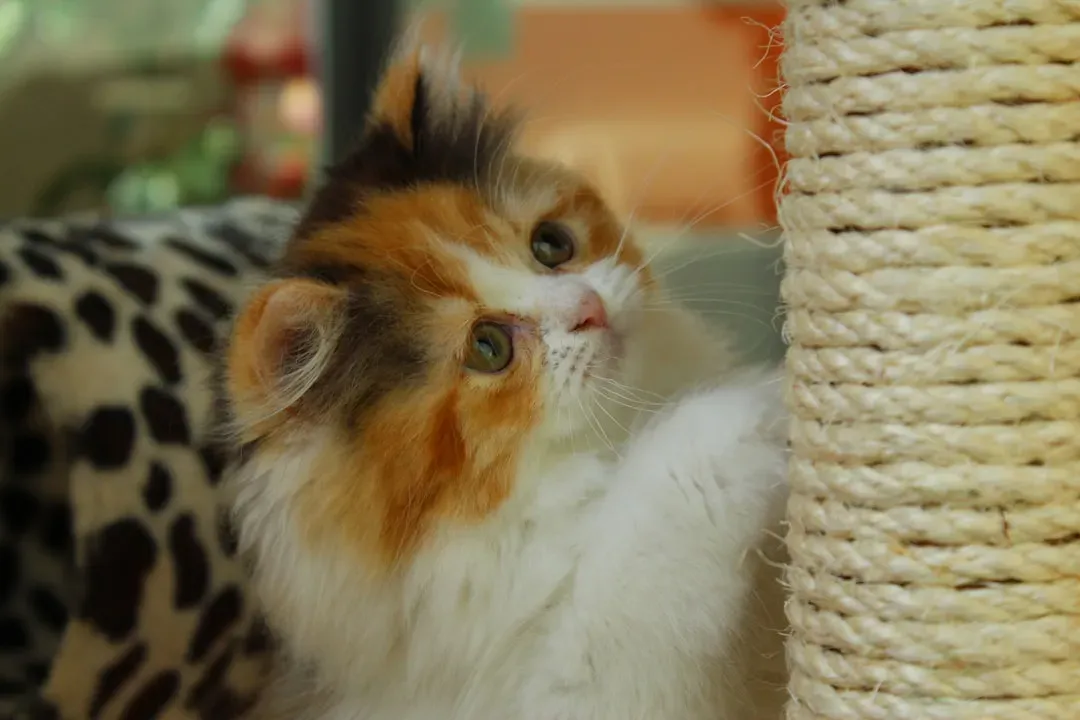
Scratching isn’t bad behavior. It’s a biological necessity that cats cannot simply be trained out of, and owners who try to eliminate it entirely are fighting a losing battle. Cats have to scratch; it’s a natural behavior that helps to keep their claws in good condition. Cats need tall, sturdy scratching posts, but unfortunately, many people provide ones that are too short and flimsy.
You also have to consider your cat’s preferences for both the surface, whether rope, wood, carpet, or cardboard, and the direction of scratching posts, whether vertical or horizontal. When a cat scratches furniture, it’s usually because no acceptable alternative has been provided. Giving them proper options and rewarding them for using those options will redirect the behavior far more effectively than any form of scolding.
#8 Disrupting Their Routine
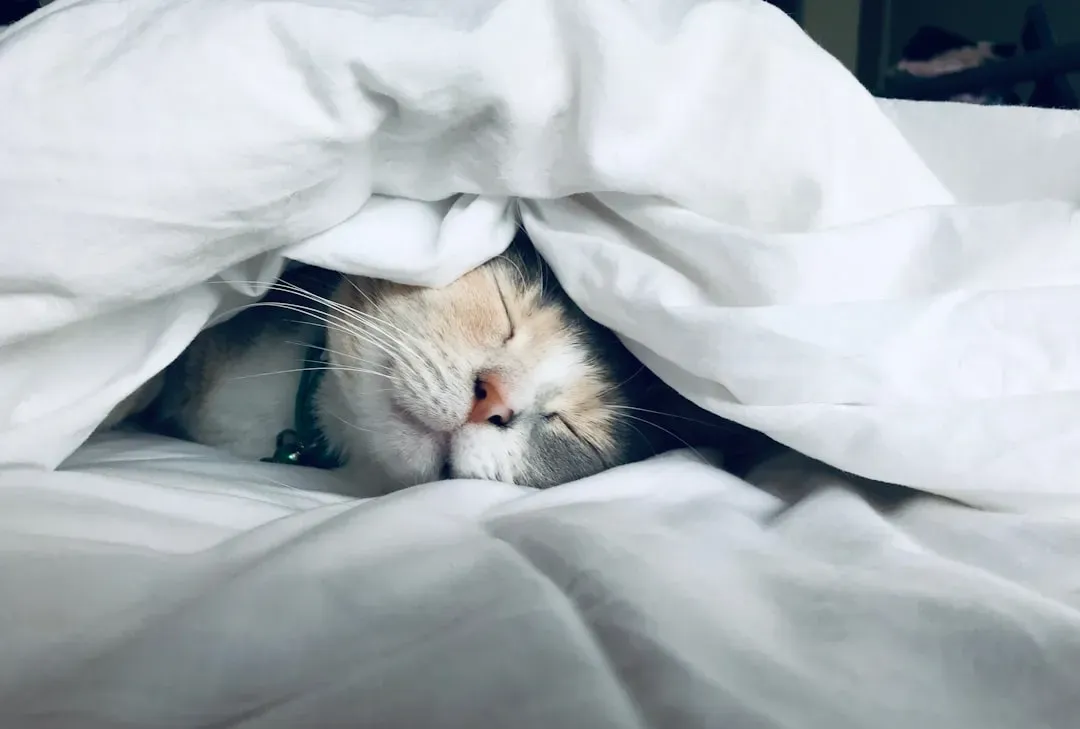
Cats are creatures of deep habit. They notice everything. Feeding times, your schedule, the position of their bed, when you come home. Constantly changing your cat’s routine creates real problems. Cats prefer predictability, and for many felines, changes in routine can lead to stress, which can result in negative side effects, like vomiting, decreased food intake, and increased eliminations outside the litter box.
Maintaining a predictable routine, with regular feeding and playtimes, reduces stress, which can help your cat stay healthier and mesh better into a shared life with humans. This doesn’t mean your life has to revolve around a rigid cat schedule, but being aware of how much routine means to them can help you make transitions more gradual and less jarring when changes are unavoidable.
#9 Neglecting the Litter Box
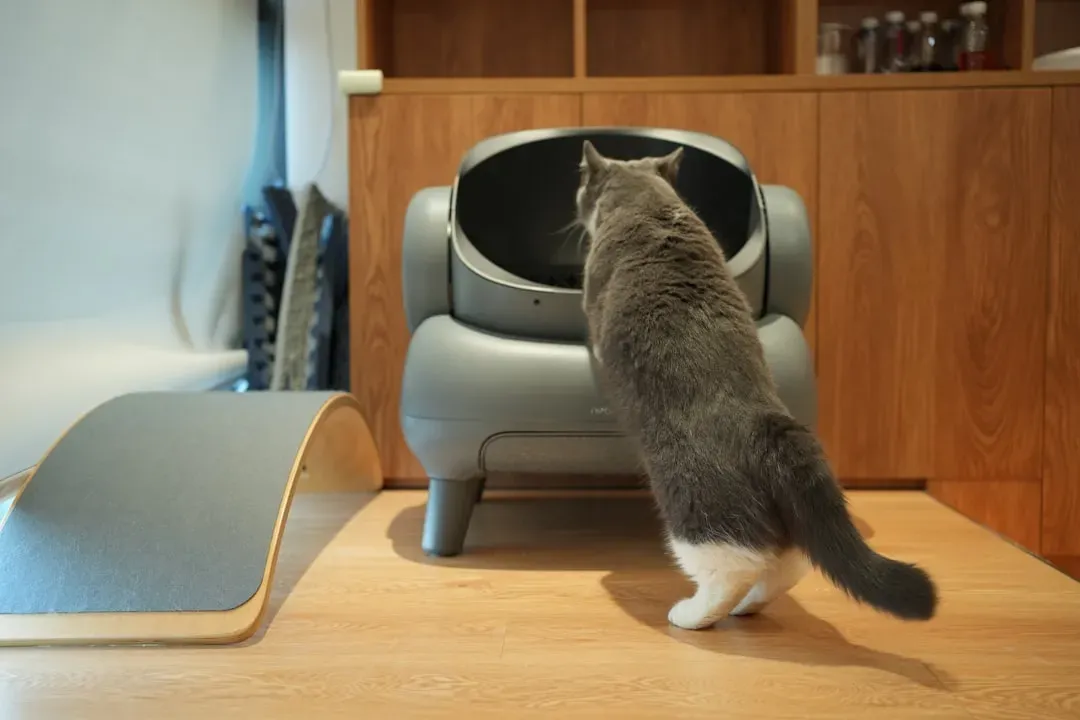
It’s not glamorous, but litter box hygiene is one of the most direct ways you affect your cat’s daily well-being. A clean litter box is crucial for a cat’s health and happiness. Cats are fastidious creatures, and a dirty litter box can lead to behavioral issues or even health problems like urinary tract infections. Regular cleaning and maintenance are necessary.
Location matters just as much as cleanliness. Many cat owners place the litter box in a place where it’s most convenient for humans rather than the cat. Cats favour quiet, accessible, low-stress locations, and a litter box placed beside loud appliances or in a busy area may discourage your cat from using it consistently. In multi-cat households, a good rule of thumb is one litter box per cat, plus one additional box. Getting this right removes one of the most common sources of feline stress in the home.
#10 Bringing Toxic Plants into the Home

This one sits in the “things people genuinely don’t know” category, and the consequences can be severe. Having houseplants or flowers that are toxic to cats is a real risk if your cat tries to eat them. One that many people don’t know about is lilies. They look lovely and smell gorgeous, but lilies are highly toxic to cats and can cause serious kidney issues. This applies to all kinds of lilies and daylilies.
Those lilies might look beautiful on your coffee table, but they won’t be so pretty if your cat eats them. The American Society for the Prevention of Cruelty to Animals lists hundreds of plants that are toxic to cats, and bringing them into the house could be a danger to nibbling kitties. Before adding any new plant to your home, a quick search against a reputable toxicology list is a small effort that can prevent a very serious outcome.
The Bigger Picture
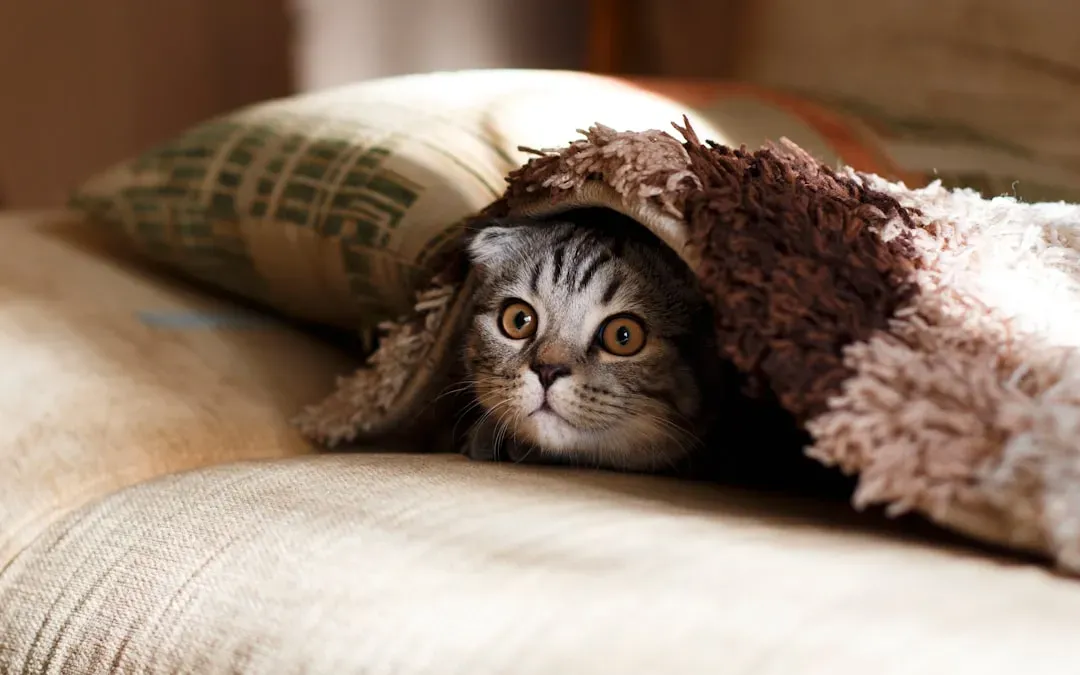
Most of these habits come from a good place. Affection, convenience, a genuine belief that your cat is enjoying themselves. Cats vary widely in how they respond to stress. While some cats are resilient and seem to take changes in their stride, others are more sensitive and may become anxious at the slightest disruption. Stress in cats can build up over time and may be the result of multiple stressors accumulating.
Consistently making interaction mistakes can erode the trust between cats and their owners. Cats have excellent memories and will associate human contact with discomfort if these patterns continue. This can make routine care activities like grooming, nail trimming, or medical examinations much more challenging.
The relationship between a human and a cat is built on a surprisingly delicate form of mutual respect. Understanding what your cat actually needs, rather than what feels natural from a human perspective, is what separates a stressed animal from a genuinely content one. The good news is that most of these are easy to change once you know about them. And knowing is already most of the work.
