
There’s something genuinely beautiful about a senior and a dog sharing a quiet afternoon together. The research backs this up too. Studies have shown that seniors who have pet dogs tend to be in a better mood overall and experience enhanced health and well-being benefits as a result of having the daily attention and unconditional love that pets offer. It’s a bond worth pursuing.
The catch, though, is that not every dog is built for that kind of life. While it’s easy to be charmed by wagging tails and soulful eyes, the reality is that not every dog breed aligns with a senior lifestyle, and a mismatched pet can unintentionally add stress or even create safety risks in daily life. The five breeds below are ones that animal behaviorists and veterinary professionals consistently flag as poor choices for older adults, and understanding why might save someone from a very difficult situation.
#1. The Siberian Husky
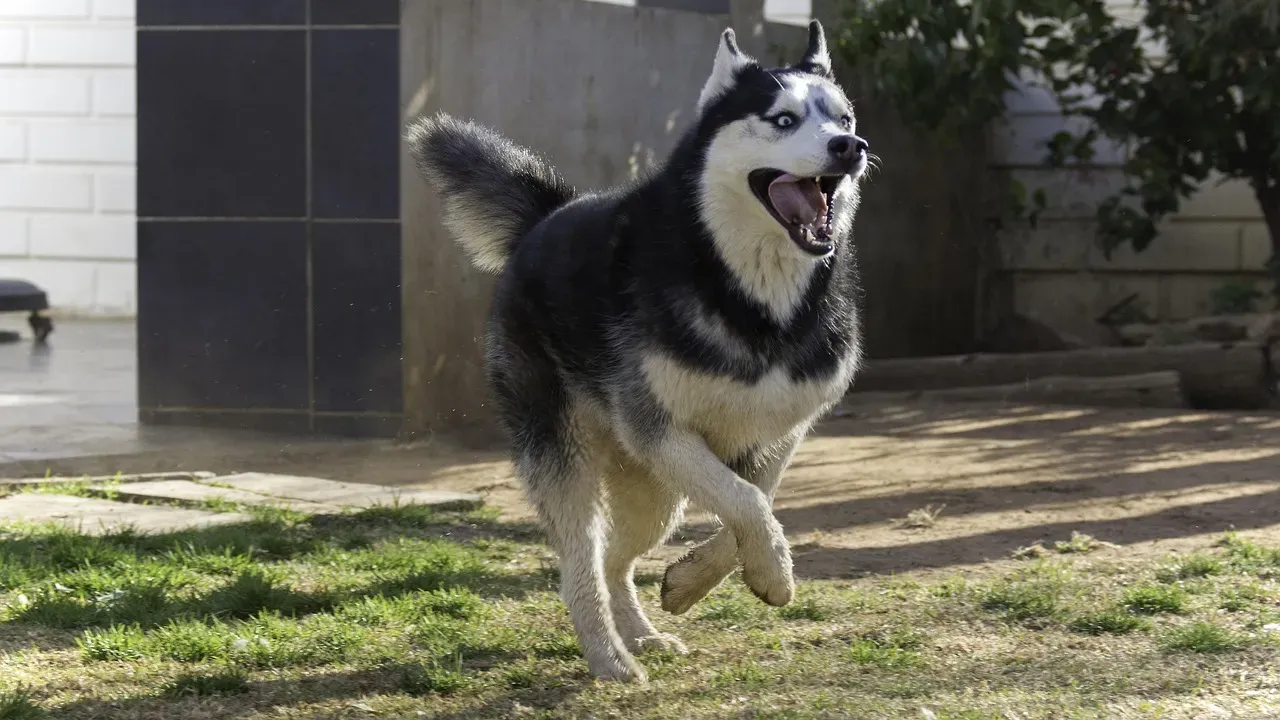
There’s no gentle way to put this: a Husky and a senior citizen is almost always a mismatch. Huskies are large, energetic, high-strung firecrackers, and if you’re looking for a relaxation buddy, this dog will never give you rest. They require mental and physical stimulation every day, and if they don’t get it, bad things happen. That’s not hyperbole from enthusiasts. That’s a consistent warning from trainers and rescue organizations alike.
Huskies require extremely secure fencing since they can dig and jump out of almost anything, they need to be mannerly on a leash but are difficult to train, and they have a huge wanderlust potential, meaning they can and will get away from their owners to go explore. For a senior who might have limited mobility or slower reflexes, the physical and logistical demands of owning a Husky are genuinely serious concerns, not just minor inconveniences.
#2. The Rottweiler

For elderly homeowners, the Rottweiler’s vigilant nature can become a challenge, as it requires consistent training and strong leadership to prevent overprotectiveness or reactive behaviors, and their sheer strength can be difficult for seniors to manage during daily walks or unexpected lunges. These are powerful animals, and their physical capabilities don’t diminish just because their owner is calm and gentle.
Without enough exercise, Rottweilers can become restless, destructive, or domineering, demanding firm and consistent guidance that may be strenuous for older individuals. Training a Rottweiler is not optional, it is essential. If they sense any weakness, they may try to take control, which can become unsafe given their size. This strong-willed nature makes them unsuitable for most senior owners despite their intelligence and quick learning abilities.
#3. The Border Collie
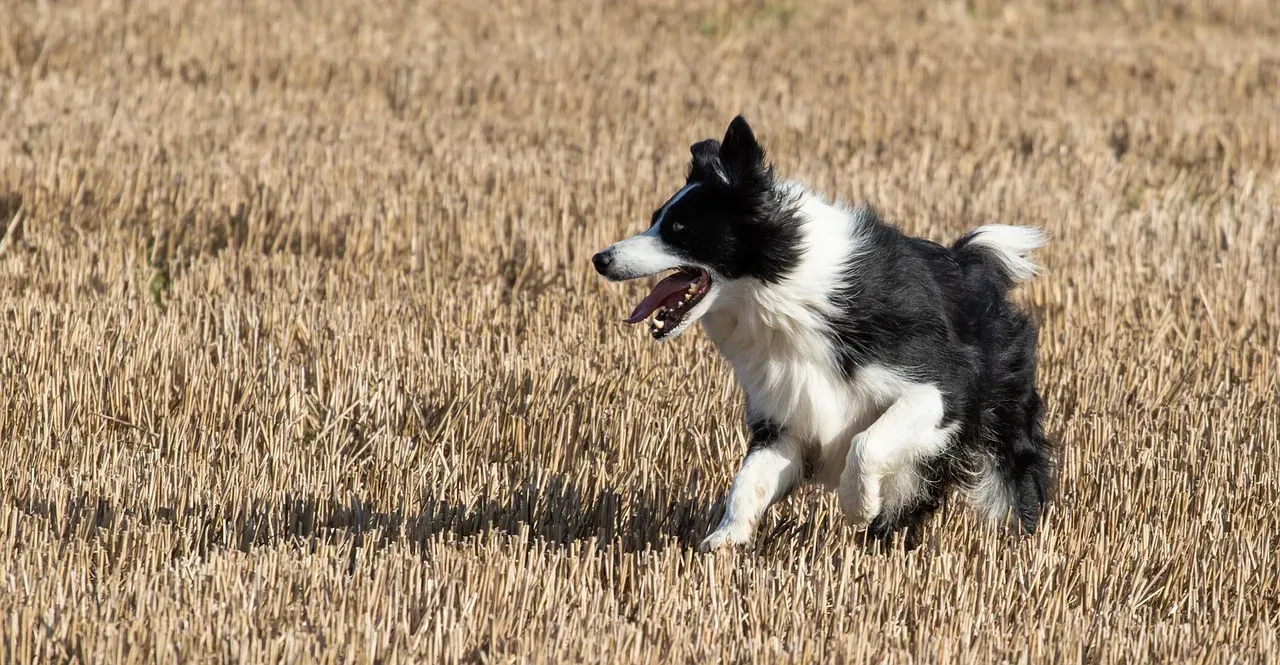
Also called the “Scottish Sheepdog,” the Border Collie is a medium-sized working breed originally developed in the border regions between Scotland and England. These dogs are very intelligent, so they need plenty of mental stimulation to stay engaged and happy. With their sharp minds, boundless energy, and trademark intense stare, they were bred to herd livestock and remain one of the most agile and intelligent breeds today. Intelligence in a dog sounds appealing until you realize what feeding that intelligence actually demands.
Border Collies are very energetic and require daily exercise, and to burn off their high energy levels, a minimum of two hours of exercise daily is recommended. That’s a steep ask for any owner, let alone someone managing arthritis, limited stamina, or reduced mobility. Without the proper exercise, Border Collies can become mischievous when there is nothing else to do. When training a Border Collie, it’s important to socialize them early with other people or other dogs, which can be challenging for seniors who are unable to take them to social environments or outings.
#4. The Belgian Malinois
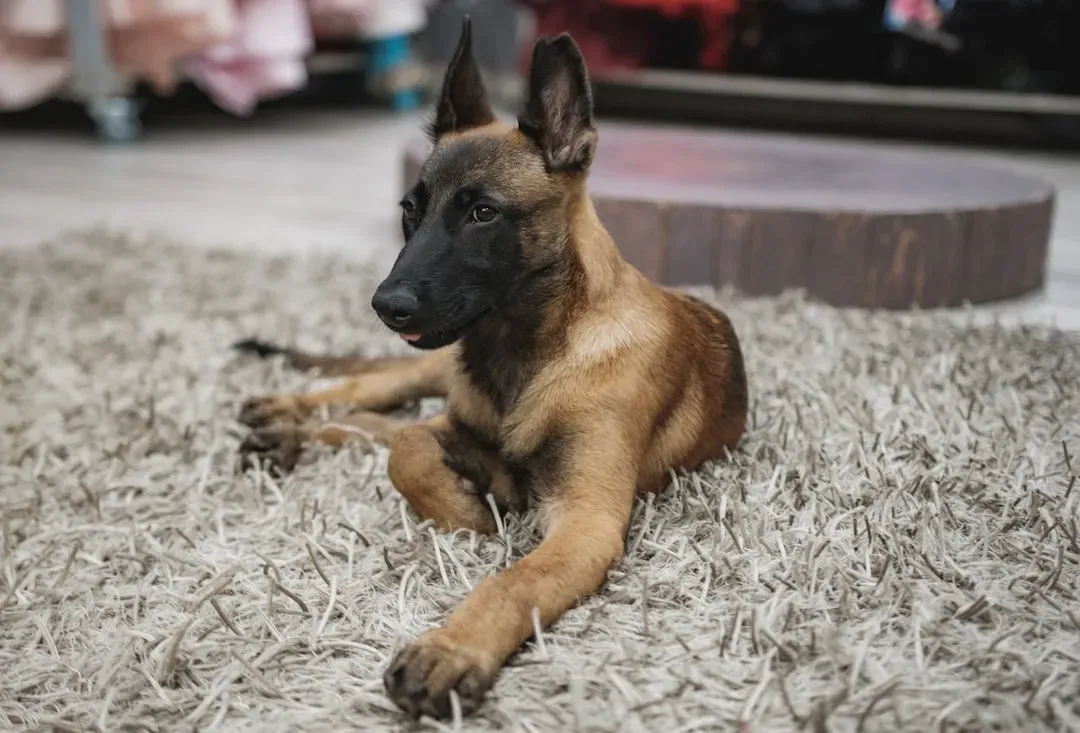
The Belgian Malinois is a Navy SEAL in dog form. It is brilliant, athletic, and always switched on. Its brain runs at full speed, meaning boredom turns into chaos quickly. For seniors looking for peace and a steady walking buddy, this breed’s energy and drive to “work” might be way more than they bargained for. This isn’t a breed that settles into retirement alongside its owner.
The Belgian Malinois holds a strong prey drive, an immensely protective nature, and herding instincts. For this reason, the Belgian Malinois is better suited with adults or older children that can understand its boundaries. These laborious canines need consistent training with positive reinforcement at an early age, and their intelligence is frequently utilized in agility sports, tracking, and the police force. The same qualities that make them extraordinary working dogs make them deeply unsuitable companions for a quieter senior lifestyle.
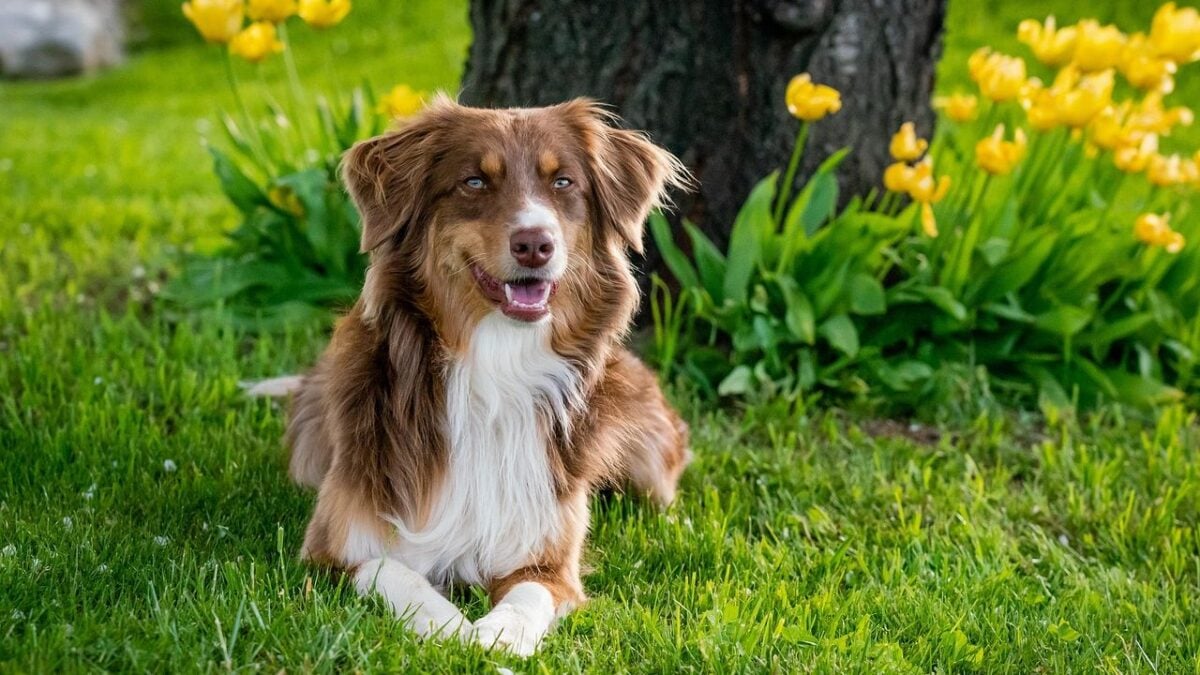
#5. The Australian Shepherd
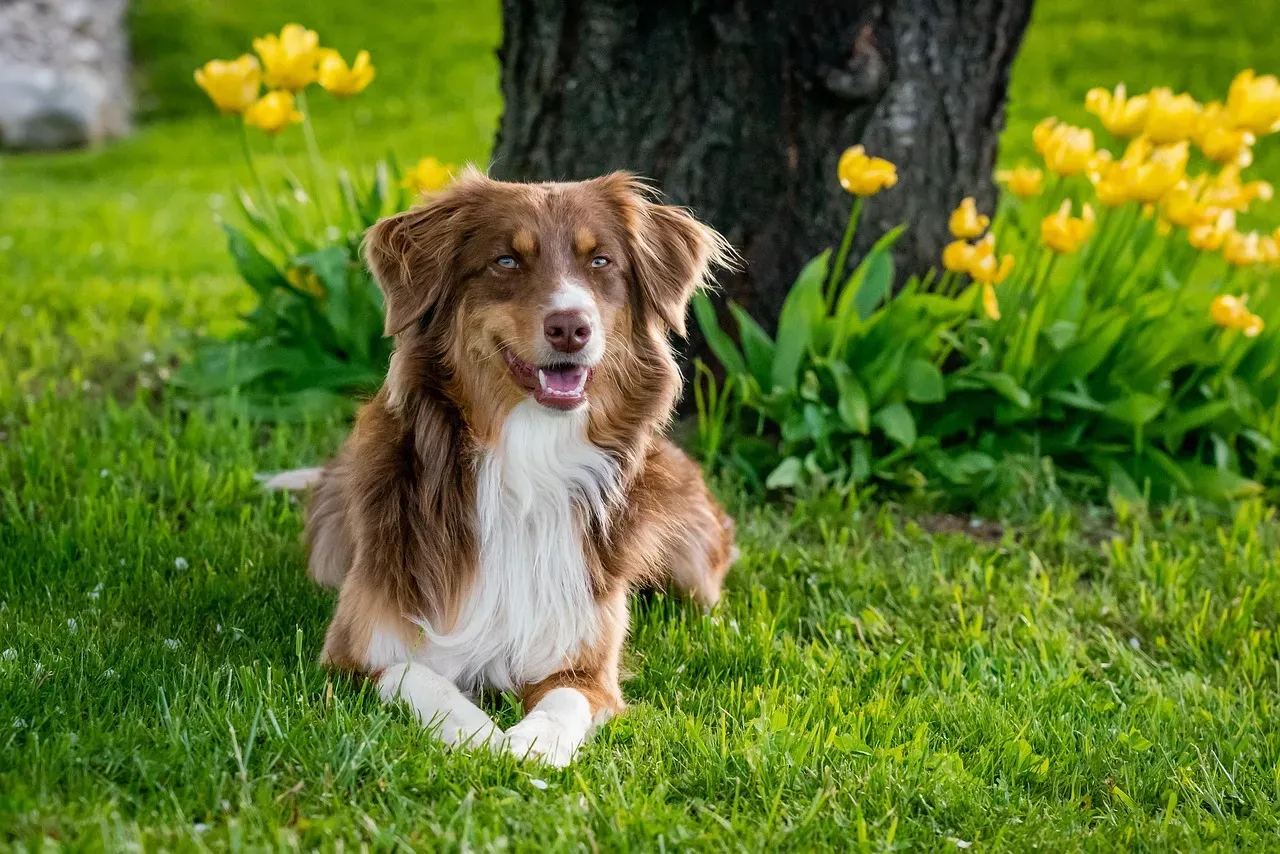
Australian Shepherds are pretty high maintenance. They require daily grooming and tons of exercise, have long double coats that shed considerably so owners need to prepare for lots of clean-up, and they need at least an hour of strenuous physical activity a day, which can be hard to commit to. That combination of physical and grooming demands adds up fast, especially for someone managing their energy carefully.
Without proper training and attention, an Australian Shepherd can become nervous and destructive, and providing these dogs with something to do throughout the day is essential to keep them busy and channel their energy. Aussies can take off like a bolt of lightning. Since these dogs are a herding breed, one scampering squirrel can trigger their prey drive, and if they get away from their owner, it can be pretty dangerous for other pets and the dog itself. That split-second bolt is all it takes for a leash to become a real hazard.
What Seniors Should Consider Instead
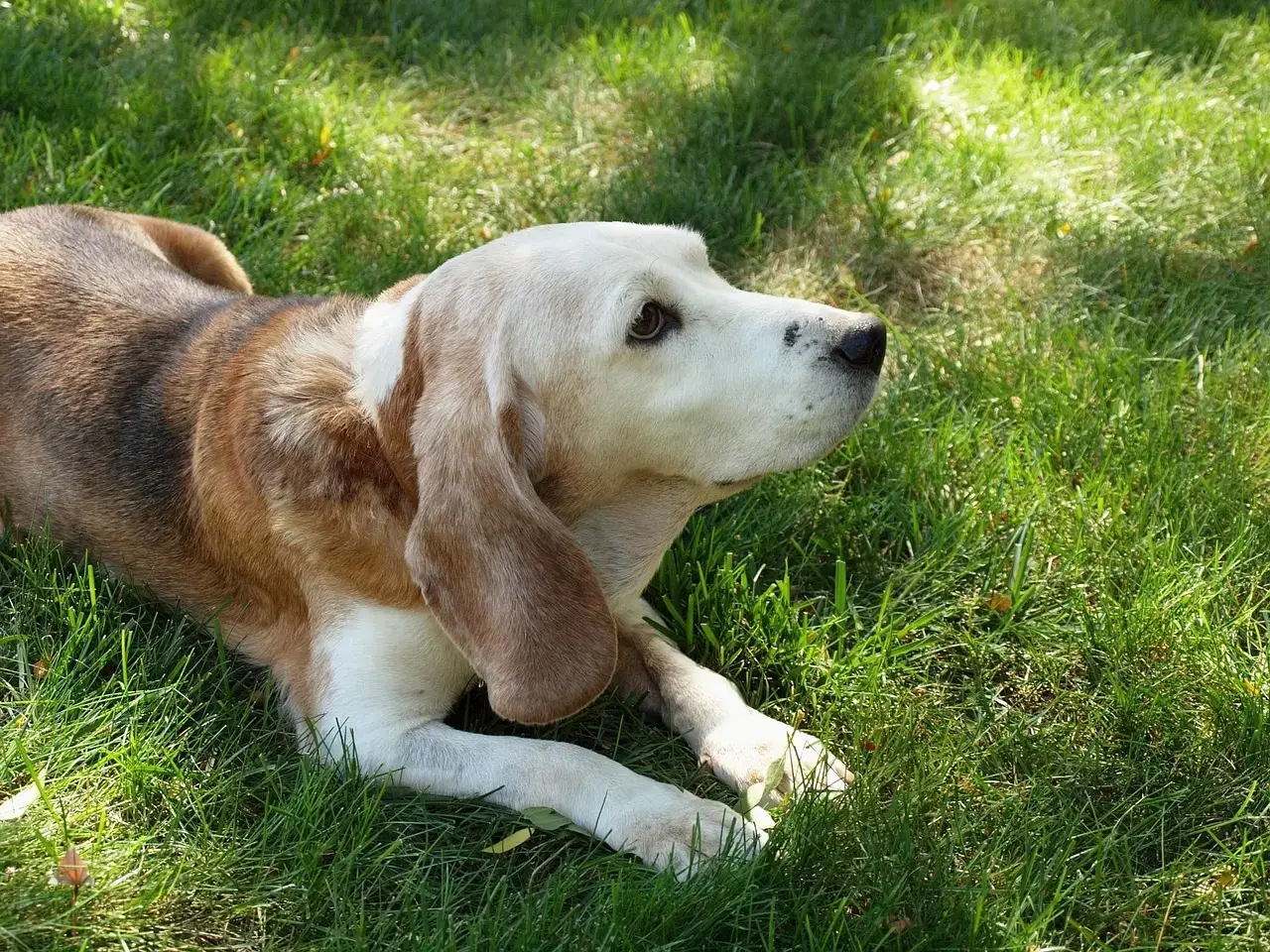
The point here isn’t that seniors shouldn’t own dogs. It’s the opposite. Adopting a canine companion can be a wonderful idea for seniors, especially for those who live alone. There are real consequences to getting a dog that could accidentally cause an injury or requires more exercise than a senior can provide. The decision simply deserves a closer look than impulse or nostalgia might allow.
The best fit often comes from looking at individual personality and adopting adult or senior dogs rather than just puppies. Before getting a dog, seniors should evaluate activity level, physical limitations, financial preparedness, living arrangements and how much time they can devote to training and care. A thoughtful, personalized approach helps ensure safety, compatibility and a rewarding long-term bond.
As routines shift and priorities change, retirees often prefer dogs that are easier to manage and fit comfortably into a more relaxed lifestyle. Large or high-energy breeds can require more time, strength, and activity than many people are looking for at this stage of life. A calmer, smaller, already-trained adult dog from a local shelter might just be the most rewarding adoption decision a senior ever makes, for both of them.
