
Most people assume a horse greets everyone the same way – a nose over the fence, maybe a whinny at feeding time. But anyone who has actually lived with a horse knows there’s a completely different greeting, one that only comes out for a single person. It’s quieter than you’d expect, weirdly specific, and honestly a little unsettling the first time you notice it.
Casual riders miss these signs constantly. They write them off as “he’s just calm” or “she’s lazy,” when really they’re watching something closer to how a dog greets its one favorite human than how a 1,200-pound prey animal is supposed to behave at all. Behaviorists and longtime owners see it over and over, and once you know what to look for, you can’t unsee it.
#12 – The “You’re Here Already?” Invisible Radar
A horse that’s truly bonded to one person usually doesn’t wait to see them before reacting. The greeting starts the second your car crunches onto the gravel or your boots hit the barn aisle. Watch the field from a distance and you’ll catch it: his head pops up, ears lock hard in your direction, before anyone else has even noticed you’ve arrived.
This isn’t generic curiosity about a new noise. He’s already decided it’s you, specifically, before the rest of the barn has clocked a thing. Often he’ll break away from hay or friends – something prey animals are normally reluctant to do – just to plant himself at the closest point to where you’ll appear. Longtime owners will tell you this only happens for one person, and everyone else who walks by simply doesn’t register.
#11 – Leaving the Herd Without Looking Back
Horses are hardwired to stay with the group. Safety in numbers isn’t a nice idea for them, it’s survival law. So when a horse peels off the second you call his name, that’s not just obedience talking. It’s a relationship flex – he’s choosing you over the exact instinct that’s kept horses alive for millions of years.
Watch closely and you’ll see the difference between compliance and connection. A bonded horse walks out with a loose body and a swinging tail, not constantly spinning back to check on the herd. Some will even ignore a bossy pasture-mate’s pinned ears just to come find their person, which in horse politics is a genuinely risky move. That’s how much weight the “you and me” contract carries.
Fast Facts
- Horses evolved as prey animals, and herd cohesion has long served as their primary defense against predators.
- A lone horse is far more vulnerable than one surrounded by the group, which is why voluntarily leaving it means something.
- Wild and feral herds typically stay close to a lead mare or stallion for safety cues.
- Even generations of domestication haven’t erased this deep-rooted instinct to stick with the group.
#10 – The Soft-Eyed “Parking” at Your Shoulder
Trainers love to talk about respecting a horse’s personal space. A horse in love with one human quietly throws that rulebook out. Instead of fidgeting or crowding, he simply parks beside you – head level with your shoulder, body aligned, asking for nothing at all.
That soft, half-closed eye while he stands in your bubble is basically the equine version of falling asleep on someone’s lap. You’ll see it most clearly when absolutely nothing is happening – no food, no grooming, no work, just you standing around talking to someone else while your horse chooses to stay close enough that you can feel his breath on your arm. Sometimes he’ll lean a little weight into you, or rest his muzzle against your back. Horses don’t hand over that kind of vulnerability to just anybody.
#9 – The Secret, Ultra-Gentle Muzzle Check
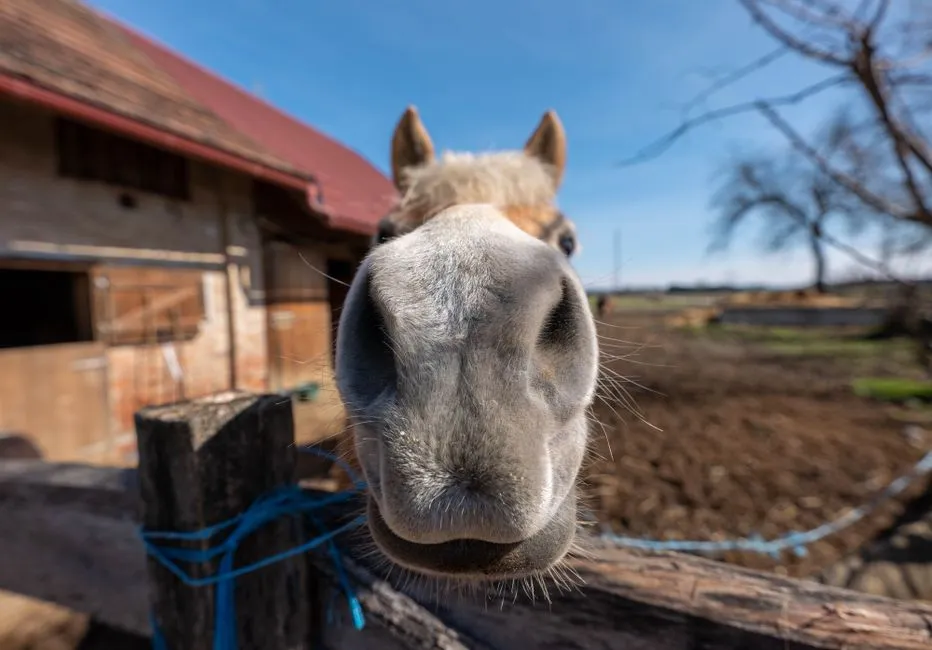
Everyone knows horses sniff people. What almost nobody notices is how different that sniff gets for a favorite human. Instead of one quick snort and a move-on, you get a slow, deliberate scan – hairline, cheek, neck, even your clothes – like he’s literally mapping your scent the way a dog memorizes its favorite person.
The pressure is feather-light, and he might exhale softly across your face, which is an intimacy signal in horse language, not an accident. Two tells separate this from ordinary curiosity: he closes his eyes or blinks slowly while doing it, and he tunes out everything else, including another person waving a treat. This usually happens the moment you step into the stall, no bribery involved. He’s confirming it’s really you, then relaxing once he’s sure.
#8 – The Low, Private Nicker That No One Else Gets
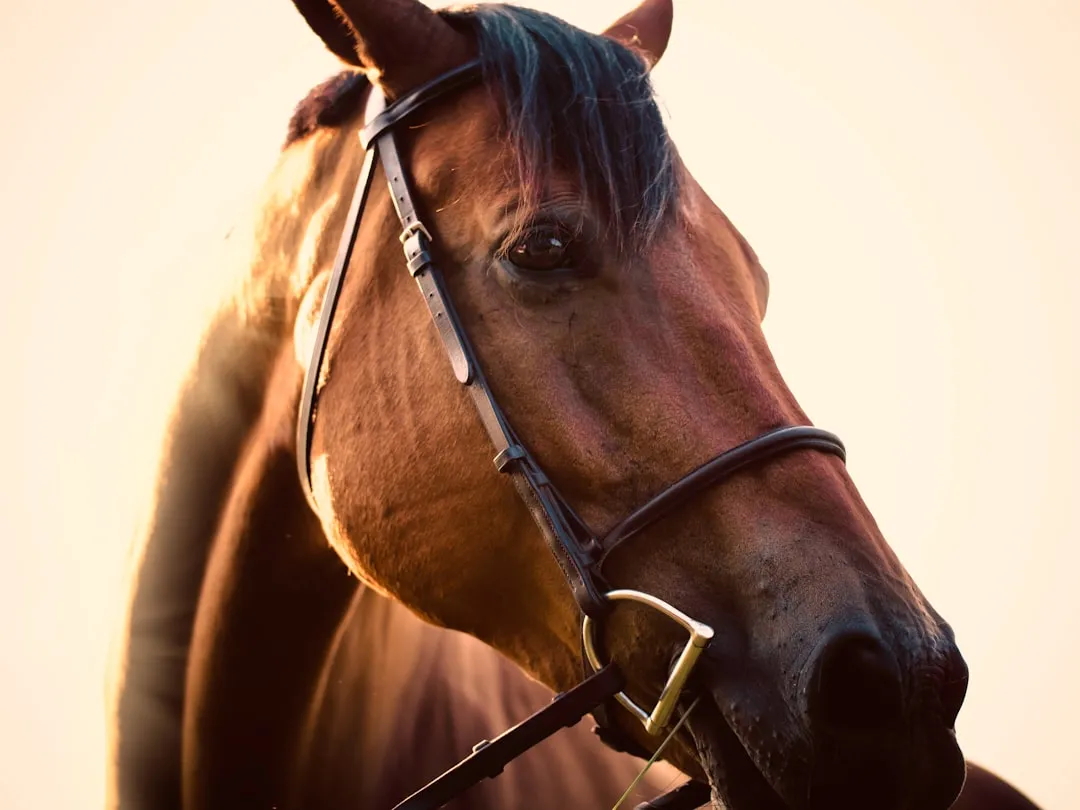
Not all nickers sound alike. The sharp, demanding feed-time nicker is loud and honestly a little rude. The greeting nicker reserved for a beloved human is the exact opposite – low, almost swallowed, with the lips barely moving.
Owners swear their horse has a special “voice” that only comes out for them, and they’re not imagining it. You’ll hear it most when you show up at odd hours, or when you speak before you’re even visible and he recognizes your voice alone. Sometimes it’s less a nicker than a rumbling exhale you can feel in his throat. The tell that separates it from a hungry reflex is simple: it happens even when your hands are empty.
Quick Compare
- Feed-time nicker: loud, urgent, repeated – triggered by hunger, aimed at whoever holds the bucket.
- Greeting nicker: low, soft, almost breathy – reserved for one familiar, trusted person.
- Feed-time nicker: stops the second food shows up.
- Greeting nicker: keeps going with empty hands, driven by recognition rather than reward.
#7 – The Grooming Offer: Nibbling Your Sleeve Like You’re a Horse
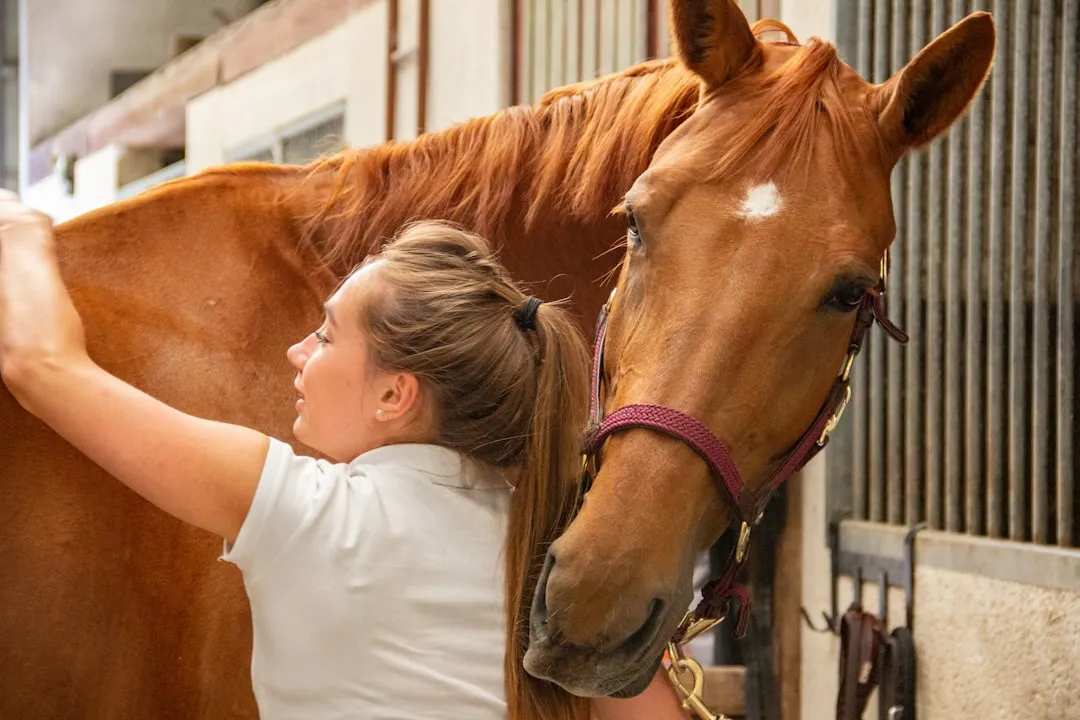
Mutual grooming is one of the most important bonding rituals in horse society, and horses do not do it with strangers. So when yours turns his neck and starts gently “nibbling” your sleeve or shoulder, that’s not bad manners – that’s him promoting you to herd-mate status.
Human skin is thinner than horse hide, so what feels like a soft grooming nip to him can sting a little to us. But intention matters here, and it usually shows up in two ways:
- He only does it while you’re scratching an itchy spot on him.
- His ears stay relaxed and his eyes go soft, not pinned or wary.
Most behaviorists suggest grooming back rather than scolding – find his favorite wither spot and return the favor. To him, that exchange is the closest thing to a hug.
#6 – The “Follow-You-With-No-Rope” Shadow Mode
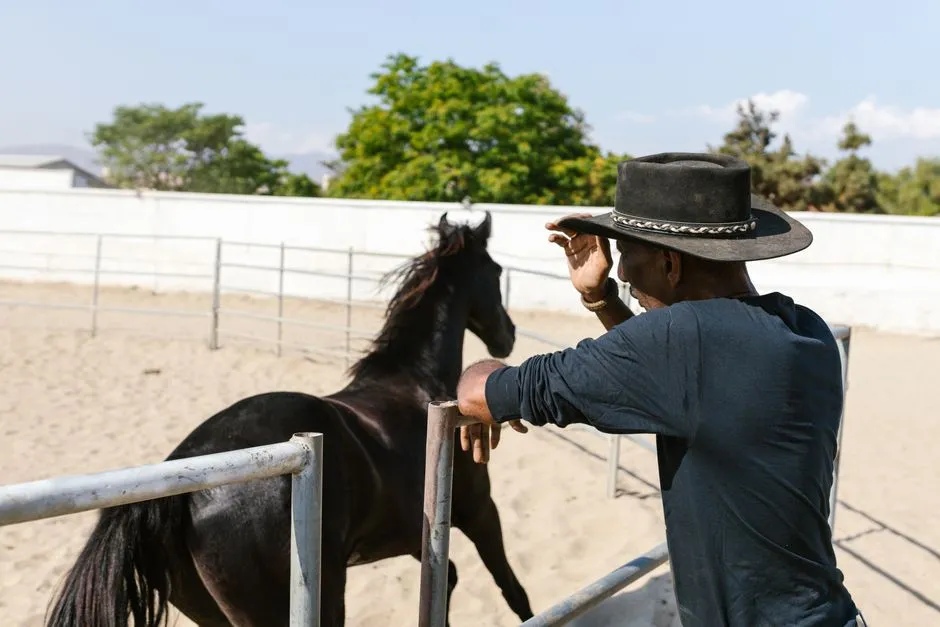
Any horse can be led with a halter on. The real test is what happens the second that halter comes off. Deeply bonded horses often slip into what owners call “shadow mode” – following you at liberty, matching your pace and direction with no visible cue at all.
This isn’t basic training kicking in; it’s voluntary attention, and it’s one of the clearest love-greetings there is. Change direction suddenly and he curves to stay at your side. Stop walking and his nose settles just behind your shoulder instead of barging into you. He could walk off, graze, or bother a pasture friend instead. He chooses to keep you in his focus, and that choice is the greeting.
#5 – Dropping His Guard: Yawning, Licking, and Heavy Sighs
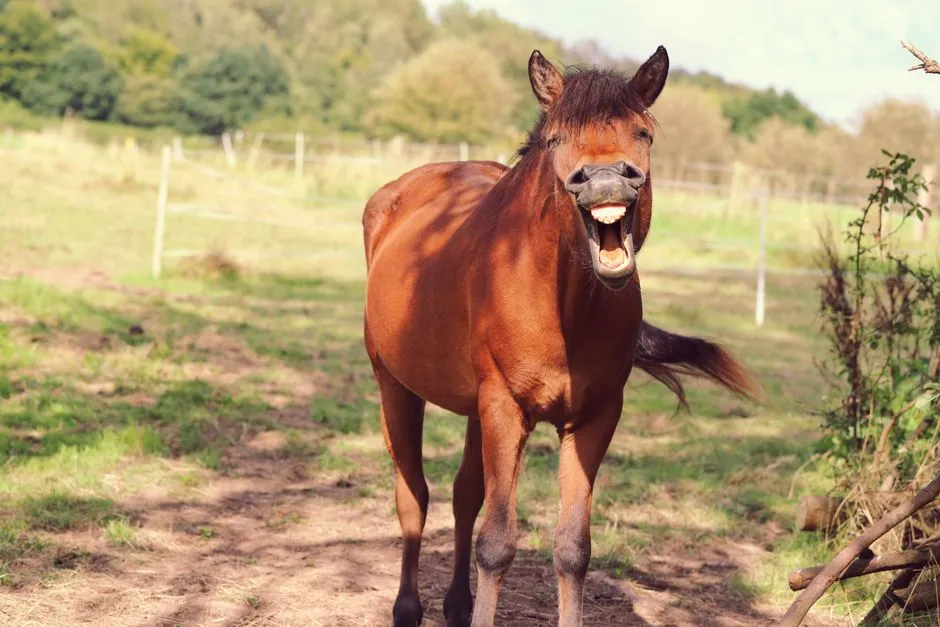
Most people mistake yawns and lip-licking for boredom. Around a beloved person, they usually mean the opposite – the nervous system finally letting go. After you arrive and start talking or scratching, some horses ease into big, slow yawns, licking and chewing, and deep, rib-shaking sighs.
This greeting is quiet, but it’s a big deal, because prey animals don’t casually switch off vigilance. Watch for the tight muscles around his eyes softening after you touch him, or a locked jaw melting into those slow licks. Ask the barn staff and they’ll often describe him as “serious” or “on edge” – right up until his person walks in and he turns into a puddle. That contrast is the whole story.
Worth Knowing
- Yawning in horses is often tied to a shift from tension to relaxation, not fatigue.
- Licking and chewing are classic release signals trainers watch for once a horse processes stress.
- A deep, audible sigh usually means the nervous system is downshifting out of alert mode.
- These signals tend to show up in clusters, not alone, when a horse genuinely feels safe.
#4 – The “Reserved Only for You” Playful Side
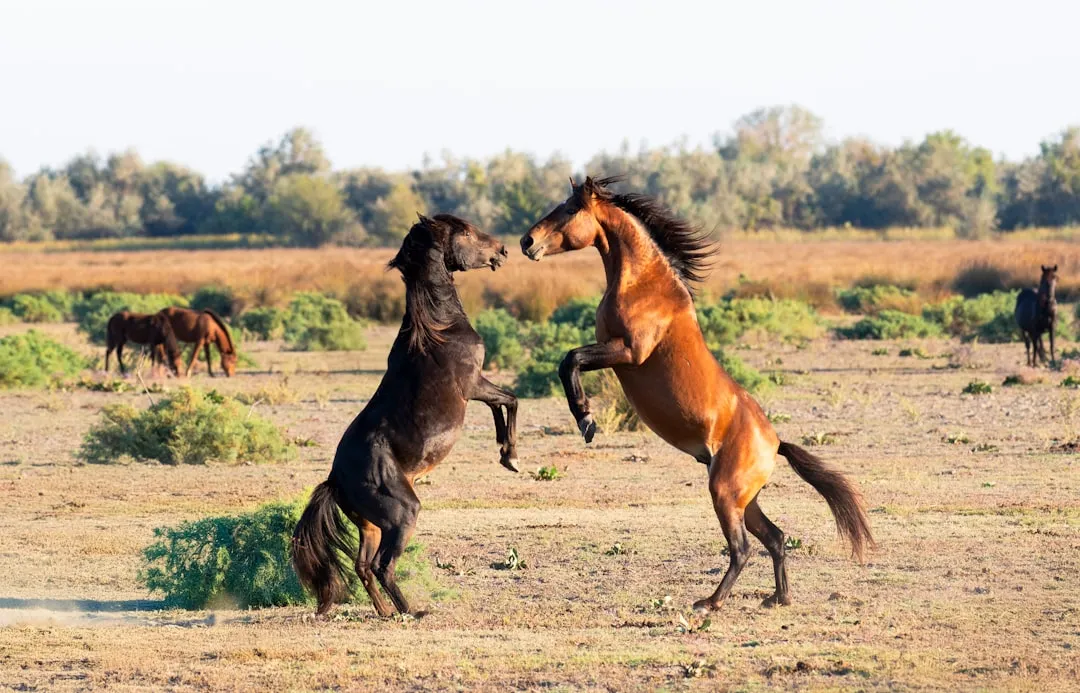
Horses don’t play when they feel unsafe, and they definitely don’t play with just anyone. If your horse greets you with a tossed head, a little half-rear at a distance, or that goofy sideways prance, that’s not disobedience. That’s joy, and it’s specifically for you.
There is something about the outside of a horse that is good for the inside of a man.
Winston Churchill
Plenty of owners quietly admit their horse behaves better for everyone else but gets more playful and expressive around them, and that’s not a flaw – it’s trust showing through. It can look like trotting up with extra spring and a showy snort, or nudging you with his muzzle and stepping back like he’s inviting a game. To outsiders it can look like spoiling. In reality, he’s dropped the polite, guarded version of himself just for you.
#3 – Ignoring Treats and Choosing Touch Instead
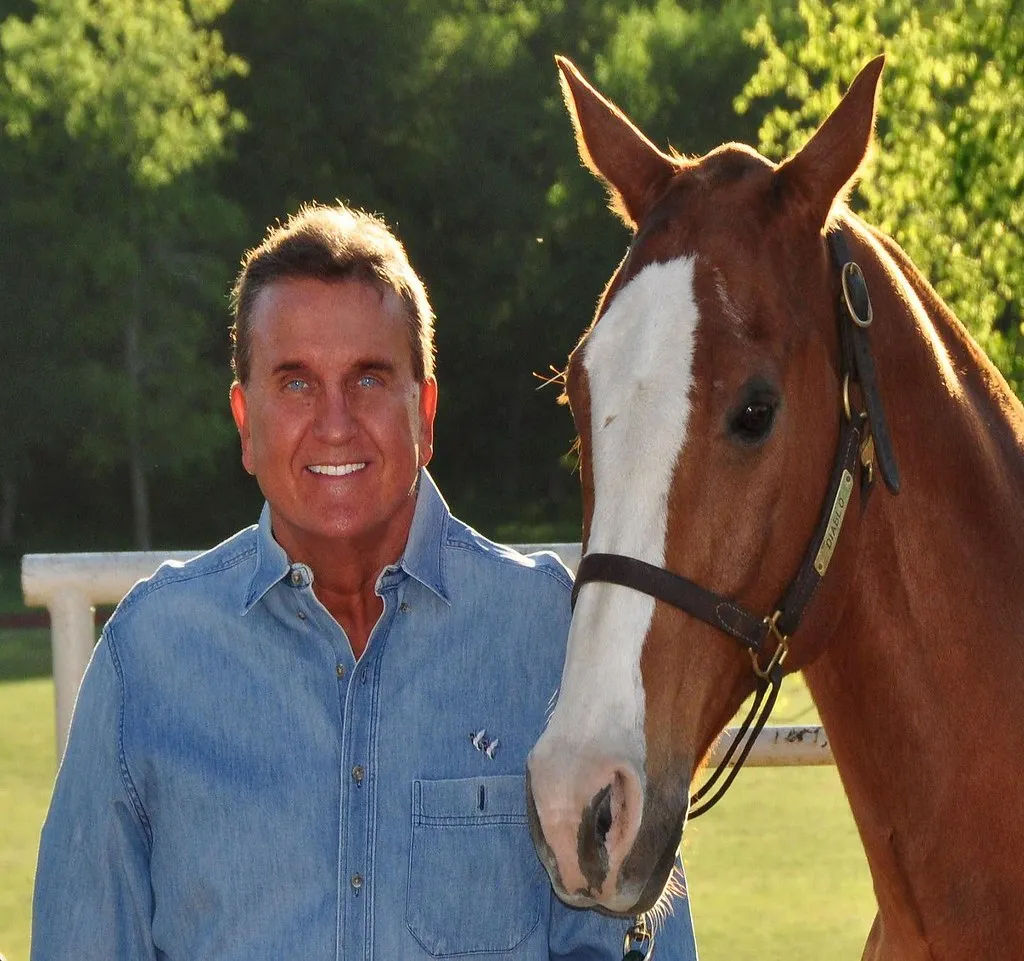
Food is one of the strongest motivators a horse has, except when it isn’t. One of the most surprising love-greetings is a horse walking away from hay or ignoring an offered treat just to stand near you instead. When a prey animal skips calories to seek contact, that’s a massive statement about where you rank.
You’ll notice it especially when someone rattles a treat bag nearby and he doesn’t budge from your side, or when you walk into the paddock empty-handed and he beelines over anyway. He might eventually take the treat once it’s under his nose, but his first move was toward you, not the food. A horse who’d rather rest his nose in your hand than in a feed bucket is telling you exactly where he stands.
#2 – The “I Match Your Mood” Emotional Mirror
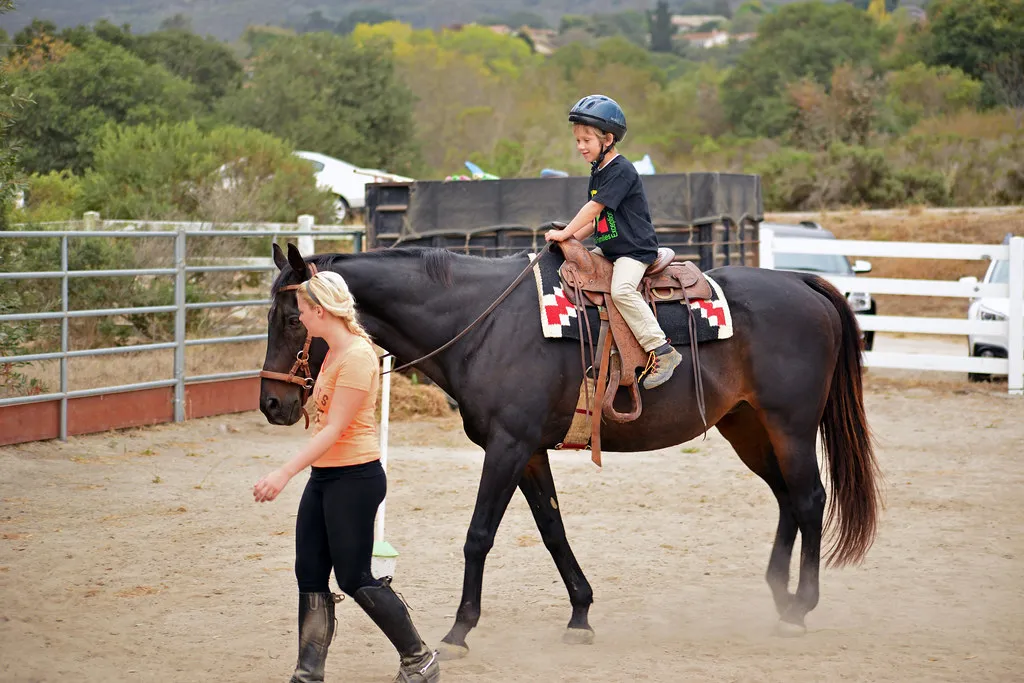
Some horses seem wired straight into one human’s nervous system. They greet you by mirroring your state – calm and slow when you’re tired, quietly hovering close when you’re sad, brighter and more animated when you’re genuinely happy.
This isn’t wishful thinking. Horses are extremely sensitive to heart rate, breathing, and micro-expressions, and some form intense one-on-one attachments because of it. On hard days he might approach slowly and just rest his head near your chest. On good days he trots up snorting, looking almost bigger, like he’s feeding off your energy. Barn staff might see a perfectly ordinary horse. You see a partner checking in on you the moment you walk through the gate.
#1 – Choosing You When He’s Scared or in Pain
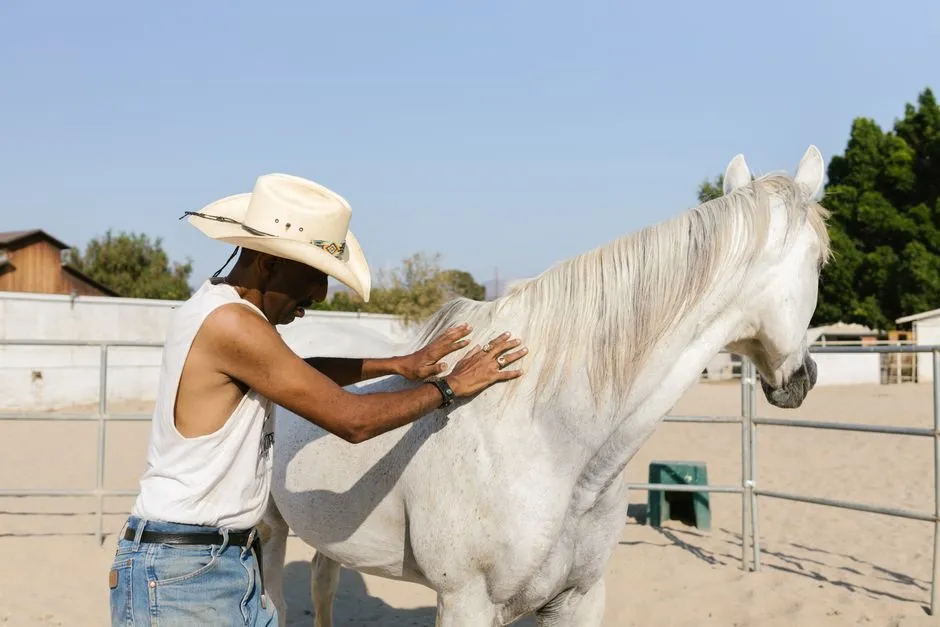
The clearest, most emotional greeting a horse saves for its one true person doesn’t look sweet at all. It shows up when everything is going wrong – when he’s injured, colicking, or spooked out of his mind. That’s the moment his survival brain reveals exactly who he runs to.
You’ll see it in crisis: he presses his head against your chest instead of bolting, or he scans the environment and keeps looking back to you for direction. Longtime owners can usually name the exact emergency – a bad fall, a storm, a trailer accident – when they realized their horse wasn’t just tolerating them. They were his safe place. You cannot train that on a lunge line. It’s built slowly, through every small, fair, respectful moment that came before it.
At a Glance
- Pressing his head or body against a trusted person instead of fleeing.
- Repeatedly looking back to that person for cues during a stressful moment.
- Settling faster in that person’s presence than with anyone else nearby.
- Seeking physical contact instead of distance when frightened or injured.
The Bottom Line
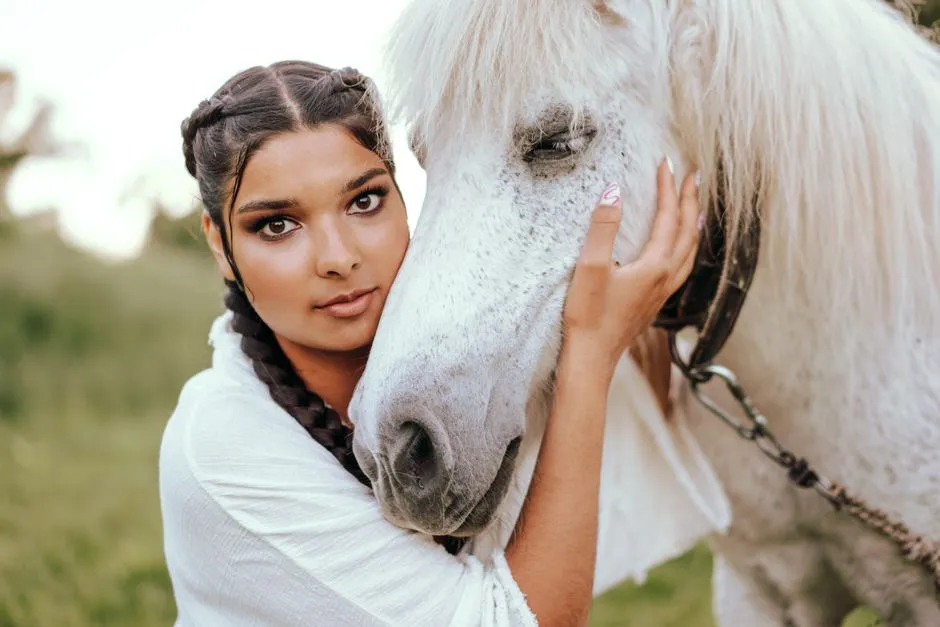
People will argue all day about whether horses “really” love humans, but the behavior tells a pretty blunt story. A horse that leaves the herd for you, skips food for you, drops his guard around you, and runs toward you when he’s terrified isn’t just responding to a training cue.
He’s reorganizing his instincts around one specific person, and calling that “just good groundwork” sells the relationship short. None of these greetings come from a clinic, a gadget, or a quick fix. They come from time, fairness, and consistency most casual riders never bother to put in.
Some people will call this anthropomorphizing. The rest of us have felt a half-ton prey animal press his forehead into our chest instead of running, and we know exactly what that is. If you live with horses, which of these have you actually seen – and which one are you still quietly hoping for?

- 12 Ways a Horse Greets the One Human It Truly Loves and No One Else - July 30, 2026
- The 14 Habits Only Border Collie Owners Will Ever Fully Get - July 30, 2026
- 19 Odd Habits Only Great Dane Owners Would Instantly Recognise - July 30, 2026