

Most rabbit owners share their homes with an animal that is genuinely fragile in ways that aren’t obvious at first glance. Your bunny might look perfectly content exploring the living room floor, but the truth is that a surprisingly large number of ordinary household objects, surfaces, and substances can cause serious injury or death. Some dangers act within minutes. Others quietly damage organs over weeks.
Rabbits are wonderful companion pets and are increasingly found in family homes, with many litter-box trained and given access to the entire house. They’re curious by nature, and that curiosity leads them straight toward things that can hurt them. The list of threats isn’t exotic or hard to find. Most of them are sitting in plain sight, right now, in rooms you consider perfectly safe.
#1: Electrical Cords and Charger Cables

Cardiogenic shock from chewing electric cords is the most immediate danger to a free-roaming rabbit. Rabbits have an instinct to quickly and casually sever any cord or string. It doesn’t matter whether it’s a lamp cord, a phone charger, or a laptop cable. To a rabbit, a wire looks a lot like a root or twig in the wild.
If a rabbit bites into a live electrical cord, there is a serious risk they’ll electrocute themselves. At best this will cause burns around the rabbit’s mouth, but at worst it can be immediately fatal. To protect your rabbit and your cords, it’s a good idea to get the cords up and out of reach, and also use wire covers. Split loom wire tubing around all of your cords will prevent your rabbit from chewing into the actual wire.
#2: Scented Sprays, Air Fresheners, and Essential Oils

Rabbits have delicate respiratory systems. No scented sprays, diffusers, oils, Febreze, incense, or perfume should be used around your rabbit. Some may cause respiratory irritation while others may cause liver damage, kidney damage, neurological problems, or cancer.
It may be tempting to use scented sprays and oils around your rabbit’s litter box to cover up urine odor, but this can cause respiratory irritation in the short term, and some scents can cause liver damage. This doesn’t mean you can never use essential oils in your home, but you do want to use them in areas farthest from your rabbit’s living space, only in large rooms, and only for short periods of time.
#3: Houseplants

All houseplants, as well as garden plants, should be considered potentially toxic to rabbits, including ivy, philodendron, and most evergreen trees. Ingesting certain plants like lilies, rhododendrons, and elder can cause serious health issues, including heart problems, gastrointestinal issues, and salivation in rabbits.
In an outdoor garden, most rabbits would ignore poisonous plants, but they may choose to eat a poisonous houseplant simply because it’s the only thing available. Many house rabbits don’t have the greatest instincts for which foods to avoid, since they’re used to only being given food that’s healthy. Keeping plants on high shelves or in separate rooms entirely is the only reliable solution.
#4: Household Cleaning Chemicals

Household cleaning supplies and insecticides are potentially lethal if a rabbit comes into contact with them. Rabbits have delicate respiratory systems, and the fumes from these chemicals can cause severe irritation or worse. Ingesting any of these substances is even more dangerous, often leading to poisoning or death.
Rabbits have sensitive respiratory systems, so avoid harsh cleaning chemicals such as sprays, carpet powder, and air fresheners when they are around. If you need to use these, put your rabbits in a secure space until the air indoors has cleared. Remember, anything that ends up on your rabbit’s fur will end up in their body after they have groomed themselves.
#5: Thin Plastic Bags and Soft Packaging

Thin plastic bags and soft rubber plastics are another potential danger to rabbits. The first is the danger that your rabbit will try to eat it. Many rabbits try to chew on thin plastic, especially the kind used as packing material. This is not great for a rabbit’s digestion and can cause serious issues if the rabbit eats enough of it.
The other danger is suffocation. Just like with young children, if a rabbit curiously explores the inside of a plastic bag and can’t figure out how to get out, there is a risk of suffocation. While this is not common, it’s still an added reason to keep plastic away from your rabbit’s living area. Shopping bags, zip-lock bags, and packaging materials left on the floor all present this dual risk.
#6: Cedar and Pine Wood Furniture or Shavings
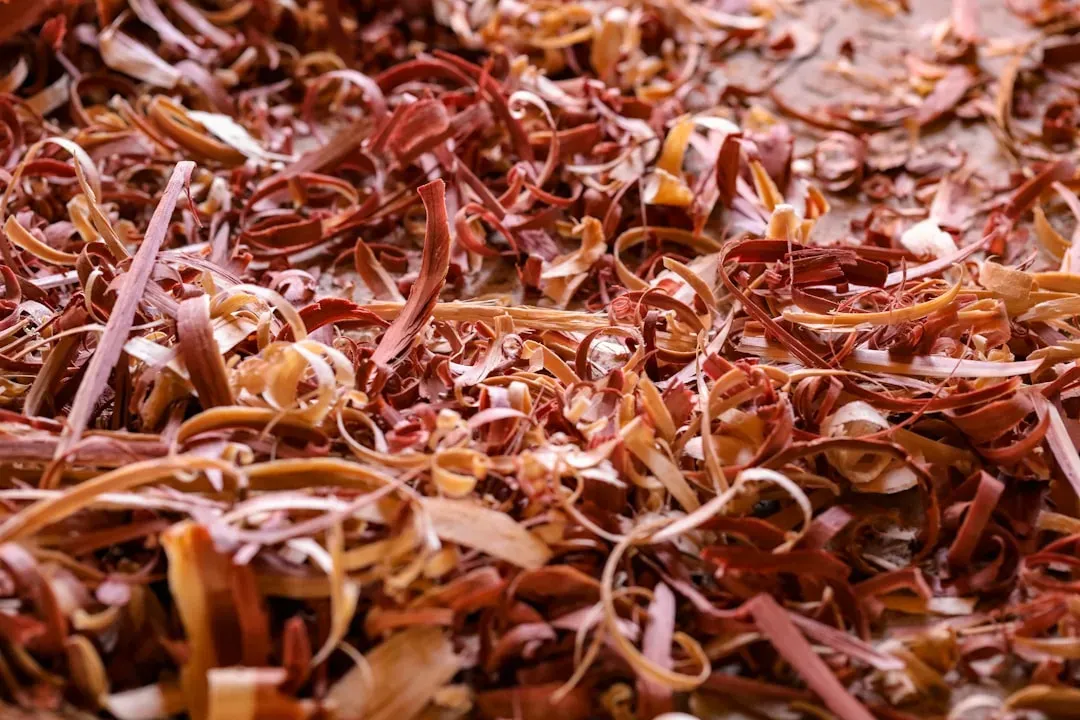
Cedar wood is the most dangerous wood for rabbits. It contains high levels of phenols that can be inhaled, causing liver complications. Rabbits should be protected from all forms of cedar, including furniture. Cedar shavings in litter boxes and enclosures are equally dangerous.
Pine litter and cedar bedding can be dangerous for your bunny. Pine and cedar give off phenols, which are caused by the processing of the wood. Over time, this odor can harm the liver. It’s one of those hazards that builds up silently. There are no sudden dramatic symptoms in the early stages, which makes it easy to overlook until real damage has been done.
#7: Slippery Floors

Rabbits have difficulty gaining traction on slippery floors, and they have a fragile bone structure. If a rabbit gets scared or even extremely excited and runs quickly on a slippery floor, it could lead to a back injury and becoming paralyzed in their back legs.
Rabbits do not have pads on the bottom of their feet, and because of this they may slip on a polished or tiled floor. If a rabbit runs away on a slippery surface in a panic, it could lead to serious spinal injury. Using carpet and area rugs wherever possible can significantly reduce this risk. It’s a hazard most owners don’t think twice about until after an accident occurs.
#8: Carpet Fibers
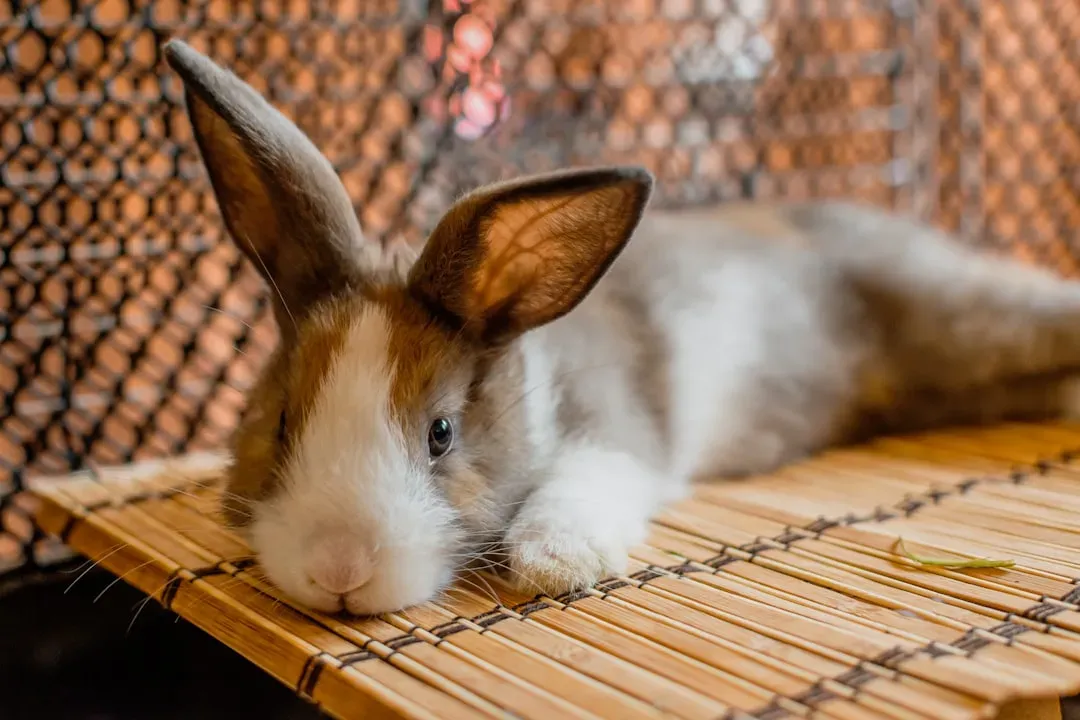
Carpet, if ingested in substantial quantities, can cause serious blockages, even death. Rabbits that chew on carpet aren’t just being mischievous. Their teeth are constantly growing, and they instinctively need to gnaw on things. Unfortunately, carpet fibers satisfy that urge while quietly posing a life-threatening risk.
Synthetic materials, carpet in particular, if ingested in large quantities have the potential to block the rabbit’s digestive system. Unlike dogs or cats, rabbits don’t vomit. So once something goes in, it stays in. This makes avoiding inappropriate materials even more important. A blockage in a rabbit’s gut is a veterinary emergency that progresses fast.
#9: Medications Left Within Reach

You may have medications that you use yourself or use on other pets in the house. It’s important to keep your rabbit away from these and not use them without veterinary advice. Some antibiotics such as amoxicillin are fatal if given to rabbits, as are some flea treatments like fipronil.
A dropped pill on the floor is not just a nuisance for rabbits. Since rabbits are prey animals, they often hide symptoms of distress, making it harder for owners to notice early signs. The effects of poisoning vary depending on the substance and how much was eaten. In some cases, it can take several days for symptoms to appear, which is why prevention and early intervention are key.
#10: Human Food Left on Counters or Floors

Introducing the wrong foods, even in small amounts, can disrupt the digestive balance and cause major issues like gas, diarrhea, or GI stasis. Unlike dogs or cats, rabbits don’t vomit. So once something goes in, it stays in. Avocados are a particularly well-documented example. All parts of an avocado, including the skin, pit, leaves, and flesh, contain persin, a compound that can be extremely toxic to bunnies.
Onions and garlic pose a different kind of danger. Rabbits are much smaller than dogs or cats, and a very small amount of either food could cause anemia by affecting the red blood cells. If your rabbit has access to the kitchen or trash, they could find dangerous food scraps. It’s easy to slip up and offer something from your own plate, but not all “people food” is bunny-safe. Even crumbs matter with an animal this sensitive.
#11: MDF Boards and Treated or Painted Furniture

MDF board is made up of condensed wood fiber and shavings sealed together with wax and resin, and is commonly used for bookcases and cabinets. MDF boards contain formaldehyde, which is toxic to rabbits if they inhale dust particles from it or chew on it.
Painted, treated, or stained wood is toxic to rabbits. This includes hutches, toys, and furniture they may choose to chew on. DIY toys are a popular option among rabbit owners, but it’s essential to avoid using any materials coated with glue, paint, or other chemicals, as these could be harmful if ingested. Budget flat-pack furniture, in particular, tends to be built from MDF, so its position in a rabbit’s roaming area deserves a second thought.
#12: Small Appliances and Space Heaters

Rabbits are curious and often do not have the instinct to stay away from unsafe appliances like fans and heaters. Being conscious of where you place such items is an important part of rabbit-proofing a space. Portable heaters with exposed elements present a burn risk, and fans with accessible blades are equally hazardous to a small animal that will investigate anything within nose’s reach.
Heat and heatstroke kill many bunnies each year. When temperatures rise over 85 degrees Fahrenheit, you must ensure there’s someone there to cool the room and the bunny by turning on air conditioners or fans. Every summer, many rabbits die of heatstroke. Whether inside the house or outdoors, when the temperature rises to more than 30°C, it’s too hot for them to handle. A space heater left on in a small room with a rabbit can cross that threshold faster than most owners realize.
Keeping Your Rabbit Truly Safe

Keeping your small pet safe doesn’t require perfection. It takes awareness, small changes, and being a few steps ahead of their curious nature. Rabbit-proofing a home is genuinely similar to child-proofing one. The difference is that a toddler will cry or show signs of distress. Rabbits often won’t.
Since rabbits are prey animals, they often hide symptoms of distress, making it harder for owners to notice early signs. By the time something looks clearly wrong, the situation may already be serious. The protective steps for most of these hazards are simple, low-cost, and take very little time to put in place.
A rabbit sharing your home is depending entirely on the choices you make about its environment. That’s not a burden so much as a useful frame. Walk your home once with fresh eyes, see it at ground level, and you’ll likely spot at least a few things on this list that need immediate attention. The good news is that nearly every hazard here is fixable.
