

There’s something almost uncanny about the moment a dog senses you’re unwell. You don’t have to say a word. You haven’t moved differently or changed your routine much. Still, there they are, pressing closer than usual, resting their chin on you, watching you with those steady, knowing eyes. It’s not coincidence.
Dogs have an extraordinary ability to sense illness in humans, often before we even notice the symptoms ourselves. Some dogs can detect changes in a person’s scent when they are ill, and may react by staying close or providing comfort. Scientific studies have shown that dogs read human facial expressions, tone of voice, and even our scent to determine how we feel, and this ability is what allows them to sense distress, provide comfort, and take action when their person is in trouble.
Not every breed responds the same way, though. While most dogs offer some warmth when you’re down, certain breeds take it to another level entirely. These are the ones that seem to have an unspoken contract with their humans: when things get hard, they show up. Here are eight breeds that make that contract feel absolutely real.
#1 Golden Retriever

Golden Retrievers are renowned for their steadfast loyalty, which shines most during difficult times. Their empathetic nature allows them to sense human emotions and offer comfort, making them reliable therapy and assistance dogs. This isn’t just a pleasant personality trait. It’s a deeply wired behavioral tendency that makes them one of the most sought-after breeds for emotional support work.
Golden Retrievers are synonymous with warmth and kindness, embodying a natural gift for empathy and compassion. Their friendly and tolerant nature makes them excellent family pets, and their sensitivity to human emotions allows them to excel in therapeutic settings. Goldens are keen observers and can often be found quietly sitting by their owner’s side during difficult times, offering silent support. Their intuitive nature enables them to adapt their behavior to the emotional state of their human companions, whether it’s engaging in playful activities to uplift spirits or providing calm companionship during moments of solitude. When you’re sick, a Golden doesn’t panic or pace. They just settle in beside you, as if that’s exactly where the day was always meant to take them.
#2 Labrador Retriever

What sets Labs apart in times of need is their unshakable devotion to their people. They are affectionate yet steady, forming deep emotional bonds with their families and offering reliable companionship during both joyful and challenging moments. Their loyalty is often coupled with an intuitive sense of their owner’s emotions, which helps them provide comfort when it’s most needed.
One of the things that makes Labs so special is their incredible capacity to form deep emotional bonds with their owners. These dogs are well-known for their loyalty and dedication. They’re in tune with human emotions and are always ready to provide comfort after a tough day. Labs pick up on changes in human emotions and respond in an almost human-like way. Interacting with Labrador Retrievers can lower stress levels and provide a sense of comfort. Their intelligence and trainability have also made them popular choices for therapy and assistance dog roles, where they excel in providing aid to those in distress. That warmth isn’t performative. It’s steady, reliable, and exactly what you need when you’d rather not be alone.
#3 German Shepherd
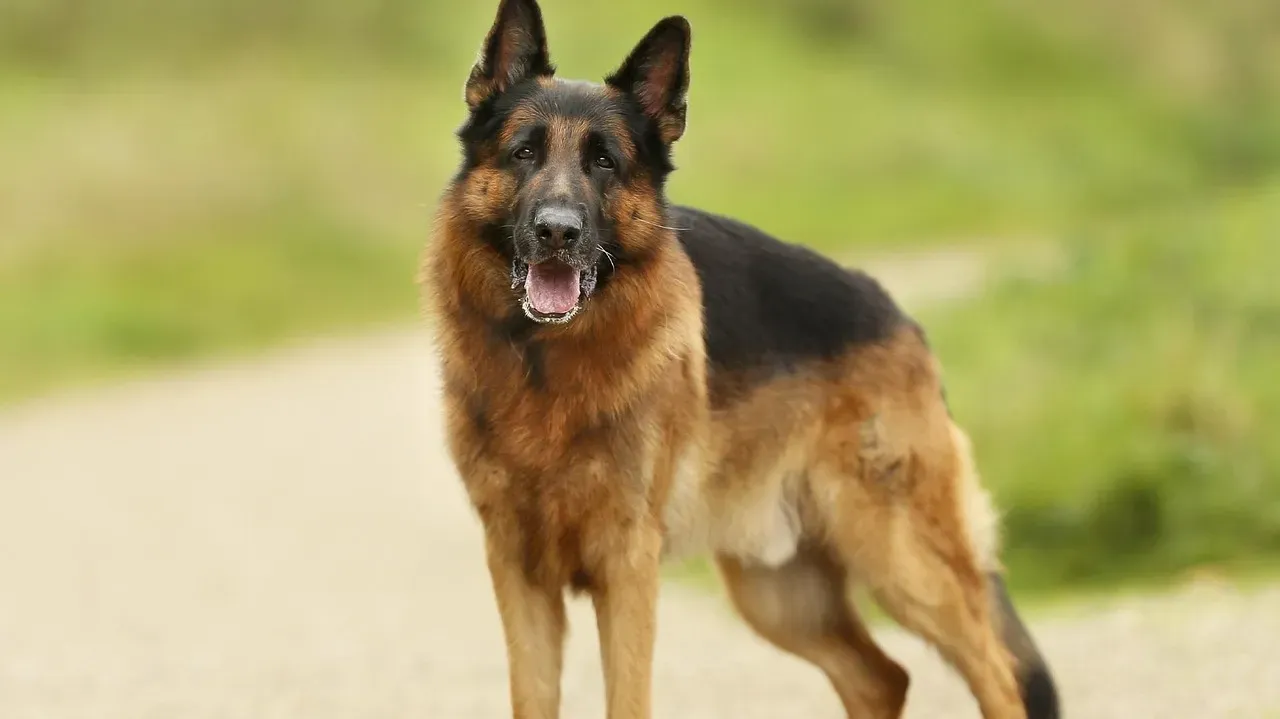
Originally bred to guard and herd sheep, German Shepherds have earned a reputation as one of the most dependable and fiercely loyal dog breeds. Their instinct to protect runs deep, and they will often put the safety of their owners above all else. That protective drive doesn’t switch off when there’s no visible threat. It simply redirects inward, toward the person they love most.
Whether at home or out in public, German Shepherds stay close to their owners. Yet beyond their guarding instincts, they also thrive on close companionship. These dogs are happiest when they can participate in daily life alongside their humans, whether that’s playing, training or simply being nearby. They are incredibly observant and can detect subtle changes in behavior or physical condition. When you’re under the weather and barely moving from the couch, a German Shepherd takes up their unofficial post nearby, patient and present, with no agenda other than you.
#4 Cavalier King Charles Spaniel

Cavalier King Charles Spaniels were bred to warm laps in drafty castles and on chilly carriage rides. The friendly dogs have a gentle nature that makes them an excellent choice for first-time dog parents. That centuries-old purpose as a lap companion isn’t just historical trivia. It’s literally in their DNA, and it shows most clearly when their person is feeling low.
This breed is known for its affectionate nature and its ability to form deep, emotional connections with its owners. Cavaliers are particularly sensitive to their environment and the emotional state of those around them, often mirroring the mood in their behavior. Their small size and gentle demeanor make them perfect companions for cuddling and comfort, providing a sense of warmth and security. Whether residing in a lively household or serving as a companion to someone with health challenges, Cavaliers bring a touch of gentle understanding and compassion to every interaction. Cavalier King Charles Spaniels need human interaction and companionship to thrive and should not be left alone for long periods of time. Being needed is genuinely part of their nature, and being needed by a sick owner is something they seem to take quite seriously.
#5 Bernese Mountain Dog
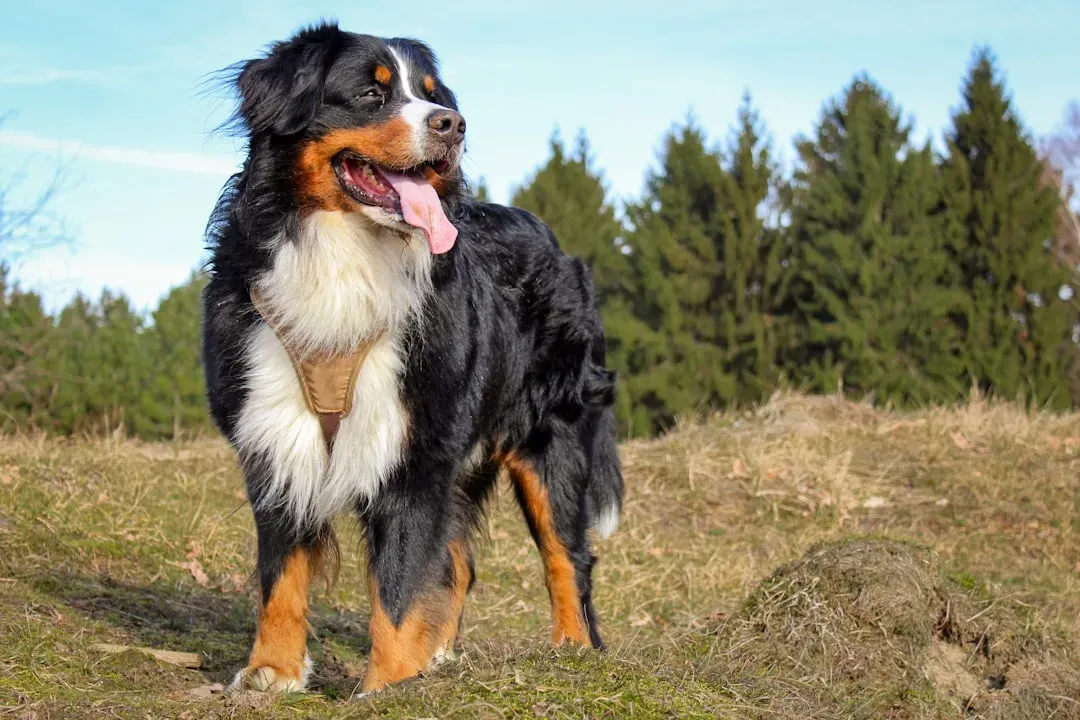
Bernese Mountain Dogs are sometimes called Velcro dogs for good reason, and they are one of the best dog breeds for companionship. They are very devoted to their family and want to be with them all the time, moving room to room as the owner moves. Their devotion is steady without being clingy, serving as a quiet, constant presence that brings comfort and companionship to those around them.
That particular quality, present without being overbearing, makes them especially well-suited for difficult moments. They don’t crowd you or demand attention. They simply exist near you in a calm, grounding way that reduces the feeling of isolation that often comes with illness. While nearly all dogs are capable of forming loyal bonds, certain breeds have earned a reputation for their extraordinary dedication. Whether it’s staying close to their favorite person, guarding their families with quiet determination, or offering comfort during tough times, these breeds display a rare kind of commitment. Their loyalty often stems from generations of breeding for roles that require cooperation and mutual trust with humans. The Bernese is a textbook example of that kind of earned, generational devotion.
#6 Dachshund

Don’t let the small frame fool you. Dachshunds may be small in size, but their ability to sense human illness is mighty. These loyal sentries have a strong bond with their owners and are highly attuned to their needs. They tend to follow their person from room to room with a determination that would be almost comical if it weren’t so genuinely touching.
Dachshunds have been known to alert their owners to various health issues, such as heart problems or respiratory distress. Their keen sense of smell and acute hearing allow them to detect changes in their owner’s condition, providing early warnings and peace of mind. With their unwavering devotion and watchful nature, Dachshunds are always ready to stand guard over their human companions. They’re playful, lively, and have a well-developed sense of humour, making them great for keeping spirits high. Not just that, they’re also great comforters, instinctively curling up next to you on a down day. With their appealing blend of affection, loyalty, and spunk, Dachshunds can quickly become an inseparable part of your family, forming deeply emotional connections. There’s a reason they’ve been beloved as household companions for generations.
#7 Boxer

Boxers have a reputation for being boisterous and energetic, which is fair. What tends to get overlooked is how perceptive and emotionally responsive they actually are. Their energetic yet attentive nature allows Boxers to sense shifts in their owners’ moods, responding with comforting affection or playful distraction when needed. This intuitive quality helps them provide emotional support during high-stress situations, offering stability through their presence alone.
Boxers are one of the most empathetic dog breeds despite their muscular build. Known for their loyalty, protective nature, and ability to sense emotions, Boxers are particularly good with children, displaying patience and gentleness. These dogs have an uncanny ability to read and respond to the emotional well-being of their family members. When you’re sick and lying still, the Boxer adjusts entirely. That high energy settles into something warmer and more attentive. They seem to understand, in their own way, that this isn’t the time for play. This is the time to stay close.
#8 Cocker Spaniel

Cocker Spaniels are known for their sensitive nature, making them attuned to their owner’s emotions. They seemingly sense when you need them most, never failing to provide comfort and understanding. Known for their loyalty and affection, they make a wonderful emotional companion for people of all ages. There’s a quiet perceptiveness to this breed that owners often describe as almost telepathic.
Cocker spaniels first showed loyalty as hunting companions, though they also excel at sports like agility, tracking, trick dog training, rally and obedience competitions. These floppy-eared dogs sport beautiful coats that require a fair bit of grooming. Beneath all that silky fur, though, is a dog with a remarkable emotional range. There are certainly individuals who appear to be more empathetic than others, which is no different than humans. Dog breeds that are bred to interact closely with humans, which tend to be genetically more sociable, would likely display more empathy towards others as well. The Cocker Spaniel fits that description precisely. They were shaped by centuries of close human partnership, and that history lives in every quiet moment they spend watching over you.
What Science Says About Dogs and Illness
It’s worth stepping back and asking whether all of this is simply affectionate behavior or something more deliberate. The science leans toward something genuinely more complex. Research provides evidence that dogs not only feel empathy towards people, but in some cases also act on this empathy. This happens especially when they are able to suppress their own feelings of distress and can focus on those of the human involved.
Scientific research has confirmed that dogs can detect serious medical events like hypoglycemia and seizures through changes in human body odor. This means that dogs trained in seizure and diabetic alert work aren’t just responding to visual cues, they are literally smelling an oncoming medical emergency. Their empathy and keen sense of smell make them powerful allies for individuals managing complex medical conditions. Biological changes produced during the domestication process may have allowed dogs to use their inherited empathic capacities to synchronize with humans and predict their behaviour more flexibly than their ancestors. Breed diversification and selection for increasingly complex cognitive capacities may have led to increasingly complex forms of empathy that now resemble certain traits of human emotional communication. In short, the dog sleeping at the foot of your bed while you recover isn’t just being sweet. There’s a long, shared evolutionary story behind that act of quiet loyalty.
The breeds on this list are not simply affectionate. They are, in their own measurable ways, tuned in to you. On the days when you feel worst, that may be worth more than you’d ever expect from an animal. Dogs have been refining this particular gift for thousands of years, and some breeds simply took it further than others.

- 14 Signs the Backyard Birds That Left Your Yard Are Quietly Coming Back - July 21, 2026
- 12 Cat Breeds Vets Refuse To Recommend to First Time Owners - July 21, 2026
- 6 US States With the Most Alligators - July 21, 2026