
California is one of those rare places where you can realistically spot a bear in the mountains in the morning, watch sea otters floating off the coast in the afternoon, and hear coyotes howling through a suburban neighborhood by nightfall. The sheer ecological range of the state, from coastal bluffs and redwood forests to sun-scorched deserts and alpine meadows, creates the kind of biodiversity that most of the world can only read about.
What makes it even more compelling is that these aren’t remote, once-in-a-lifetime sightings reserved for seasoned naturalists. Many of these animals show up in backyards, on hiking trails, at the water’s edge, and sometimes in places you’d never expect. Here are the ten wild animals you’re most likely to cross paths with across the Golden State, and what you should know about each one.
1. American Black Bear
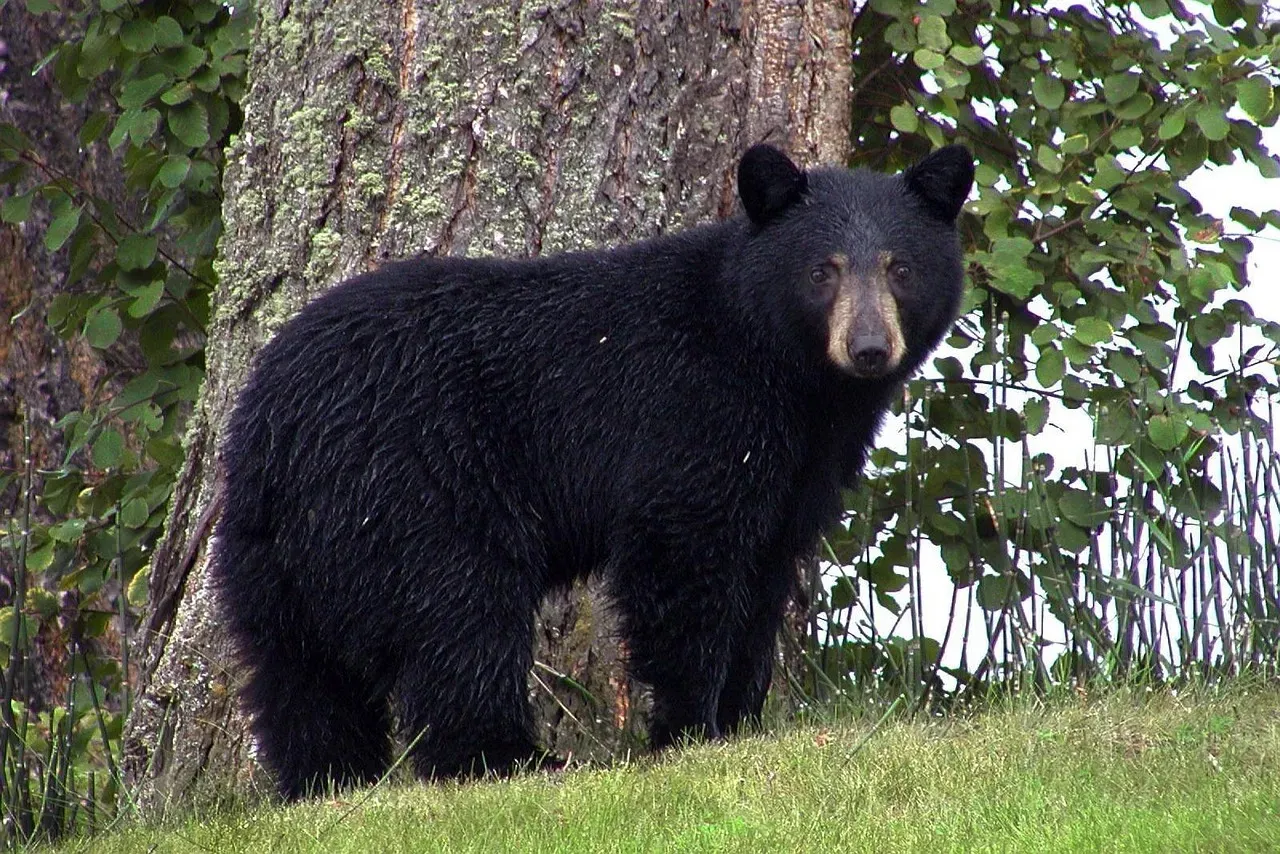
From the hidden redwood groves of the Lost Coast to the tall, arid peaks of the Sierra Nevada, black bears flourish. The California Department of Fish and Wildlife estimates put their statewide population between 65,000 and 80,000 individuals. That’s a lot of bears for one state, and their numbers have grown considerably in recent decades. Due to the population density reaching carrying capacity, these bears are spreading into areas where they were not seen 50 years ago, including the Central Coast and Transverse mountain ranges of Southern California.
While some black bears are dark in color, black bears in the western United States feature a surprising range of colors, including brown, blonde, cinnamon, and dark black. Despite these different colorways, all American black bears are members of the same species. Black bears can lose their natural fear of humans when they are given access to human food and garbage, and can become habituated to feeding in residential and recreational areas, creating increased human-bear encounters. If you’re camping anywhere in bear country, secure your food. No exceptions.
2. Coyote
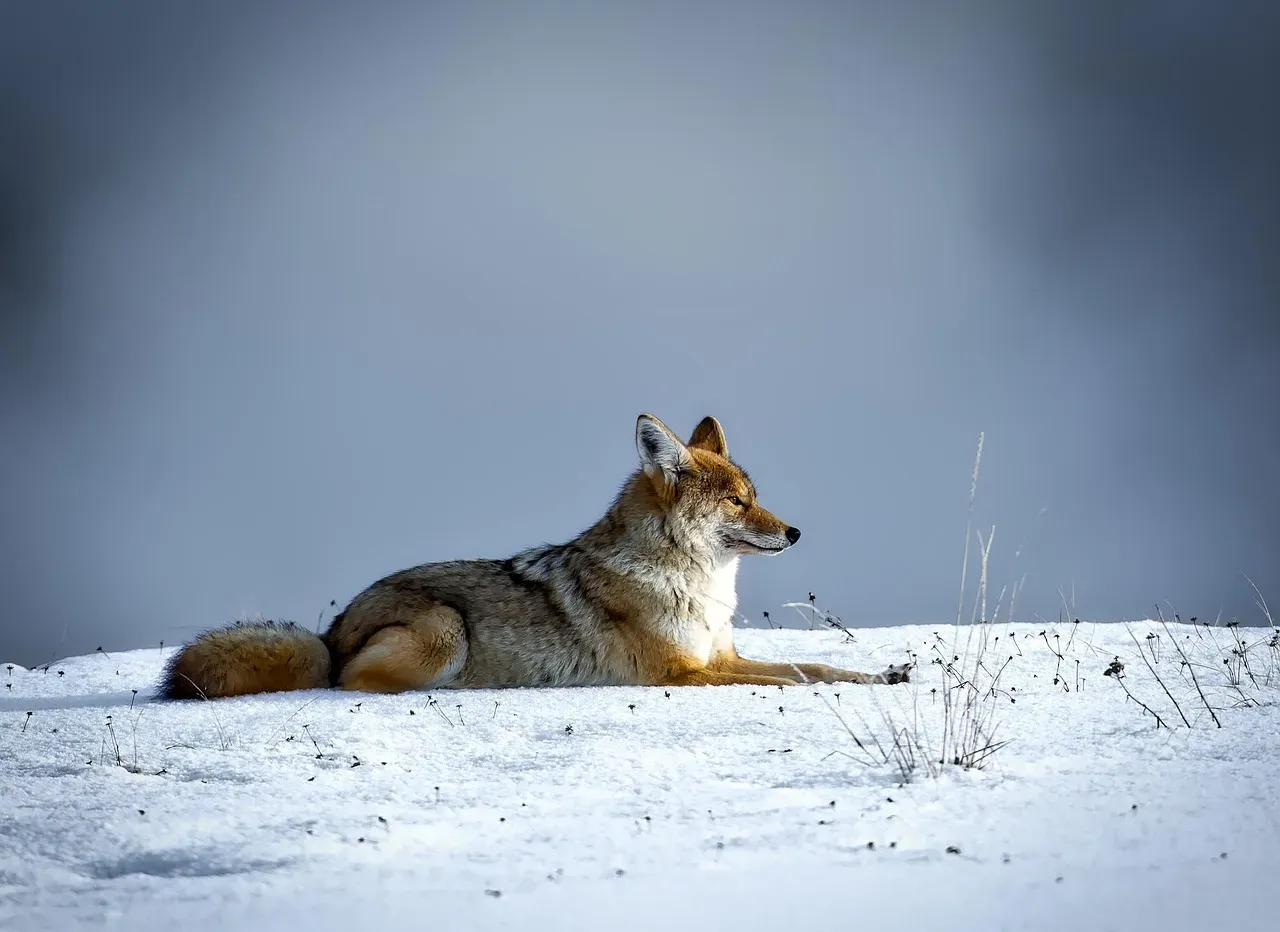
Common animals that live throughout all the state include raccoons, weasels, otters, beavers, hawks, lizards, owls, coyotes, skunks, snakes, cougars, black bears, deer, squirrels, and whales. Of that list, the coyote might be the most universally encountered. These adaptable canines have fully colonized California’s urban edges, making them as familiar in Los Angeles neighborhoods as they are in the backcountry of the Sierra Nevada.
Adapting to urban areas as natural habitat shrinks, coyotes can change their breeding habits, diet, and social dynamics to survive. They’re opportunistic in the truest sense. Coyotes are not wild dogs, but a closely related species, and they often mate with domestic dogs, leading to hybrid “coydogs” which have the same hunting instinct, without the aversion to humans. Seeing one at dusk near a park or trail is entirely routine across most of the state.
3. Mountain Lion (Puma)
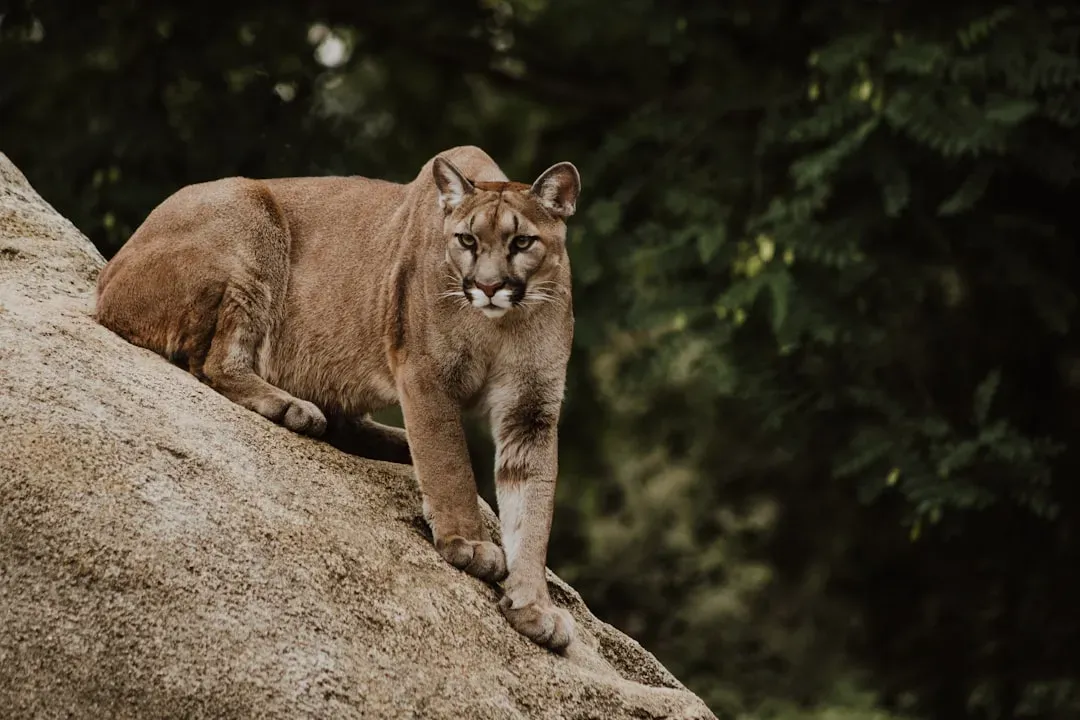
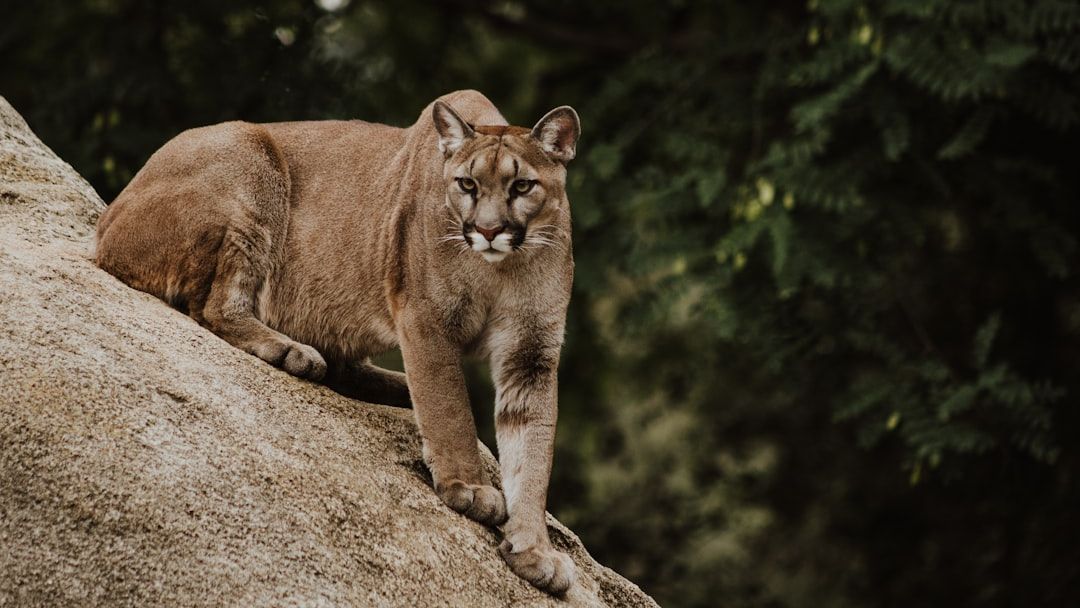
Also known as cougars or pumas, mountain lions are solitary apex predators that roam California’s forests, hills, and deserts. These elusive big cats help regulate deer populations and maintain ecological balance, and despite being shy around humans, they can leap up to 40 feet in a single bound. Most people never see one, even when they’re sharing the same hillside. That’s how good these animals are at staying hidden.
Most people have actually seen a bobcat, deer, domestic cat, or coyote when they think they’ve sighted a mountain lion. Still, sightings do happen, particularly at dawn and dusk along wildland-urban edges. The predators are also at high risk of ingesting rat poison that humans introduce to their food chain, which has sickened and killed several mountain lions in just the past few years. It’s a quiet crisis playing out in California’s own backyard.
4. Mule Deer
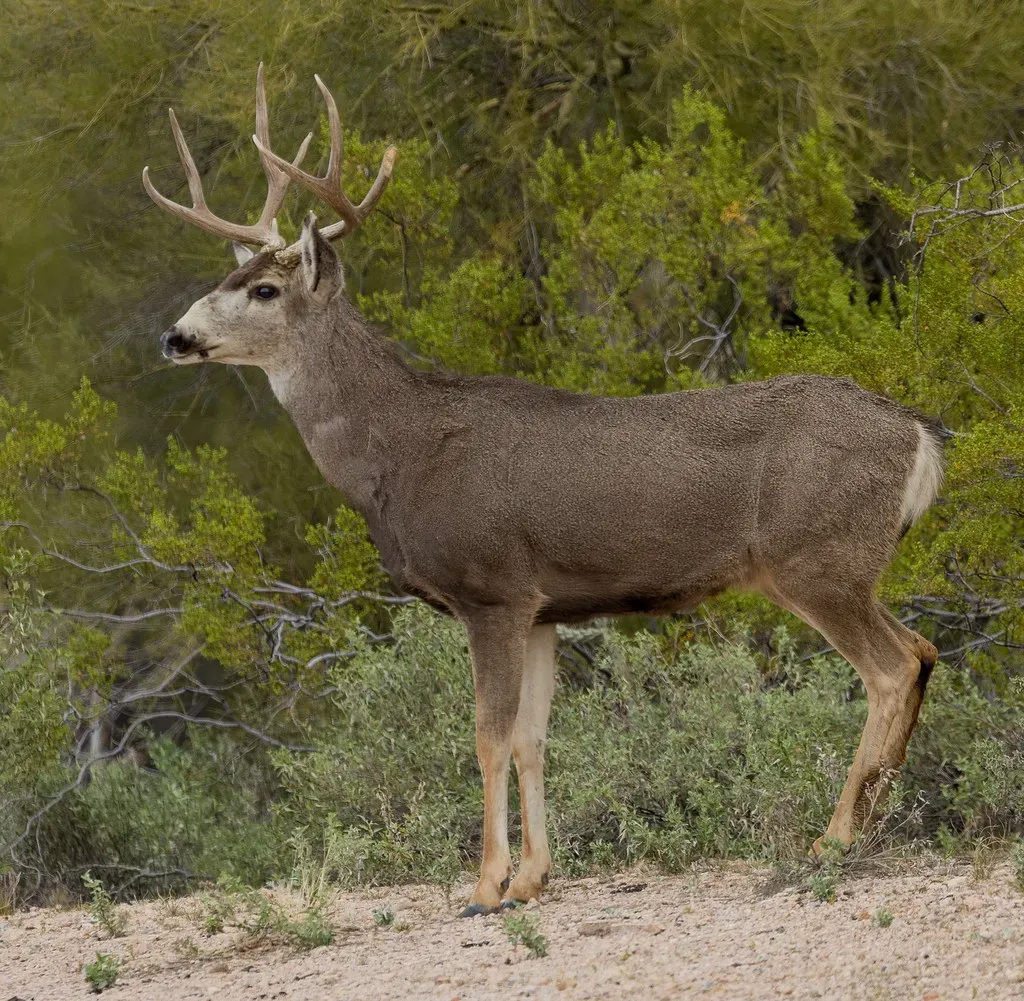
California is home to approximately 500,000 mule deer, named for their large, mule-like ears. Mule deer live in a range of habitats throughout the state, extending west to the Pacific Ocean, north to Canada, east to the Great Plains, and south to Baja California and northern Mexico. They’re the most commonly seen large mammal in California for most visitors and hikers, grazing calmly alongside trails and roads throughout the year.
While deer are not perceived as dangerous animals in California, there are more injuries caused annually in Yosemite by deer than by black bears. Deer are wild and unpredictable, so be sure to stay away at a safe distance. In the fall, you might see bucks with giant antlers, which is such an incredible experience. Rutting season brings them out in full display, and watching a large buck move through a meadow at first light is genuinely hard to forget.
5. Bobcat
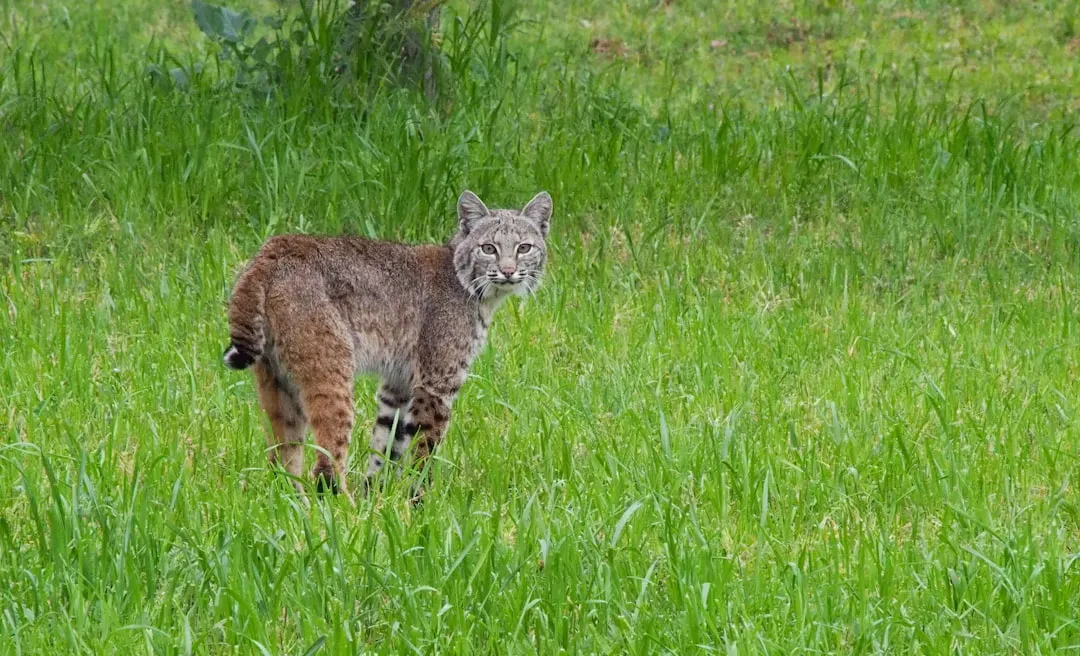
Bobcats are a type of wild cat that originated in North America, and their name comes from their short, stubby tail. These are solitary animals that avoid humans and do not wish to be encountered. Despite that preference for solitude, bobcats are spotted more often than people expect, particularly near parks, coastal scrubland, and the wildland edges of cities. Healthy bobcats are usually not an immediate threat to humans; they are only about the size of a cocker spaniel.
Bobcats have also been hemmed in by local roadways, which has led to inbreeding, lower genetic diversity and many getting killed by cars. It’s one of the less-discussed pressures on California’s wildlife, the way infrastructure quietly fragments habitat over time. Because they primarily prey on rodents, bobcats are very valuable to the environment, helping to keep the rodent population down. In that sense, a bobcat in your neighborhood is doing you a genuine favor.
6. California Sea Lion
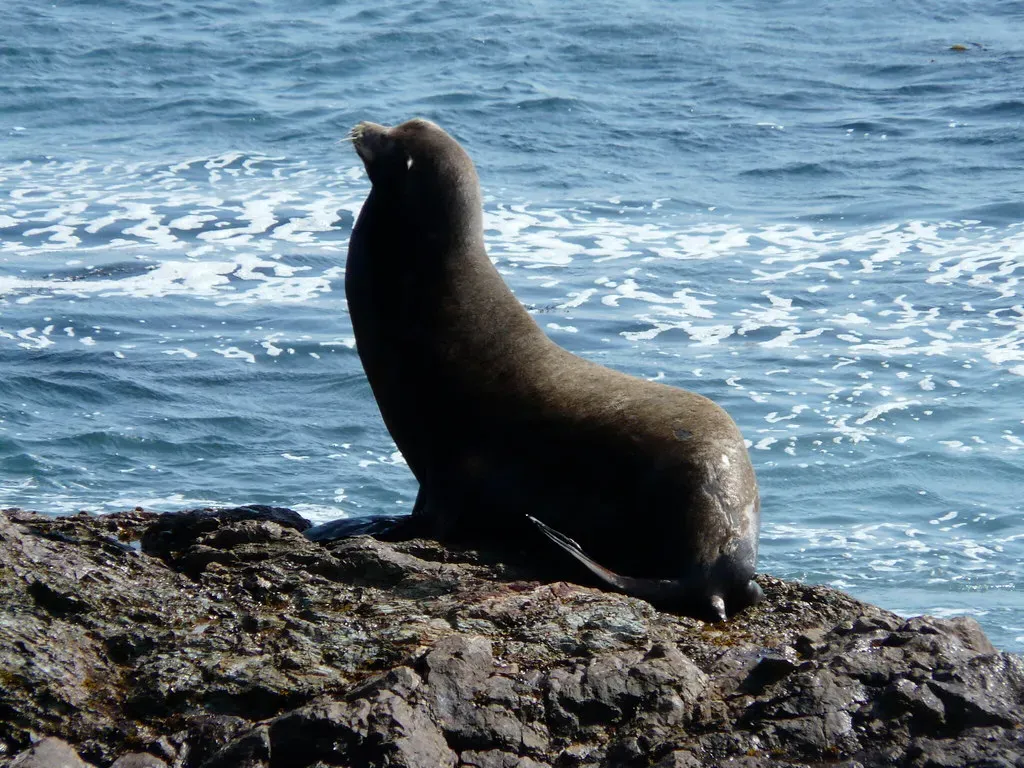
The California sea lion is a marine mammal found along the coast of the western United States. In Southern California, these animals can be seen at popular tourist destinations such as Venice Beach and Santa Monica Pier. California sea lions are easily recognizable by their brown or tan fur, and their long bodies and flippers. They’re loud, social, and entirely unbothered by human observers, which makes them one of the most accessible wildlife encounters in the state.
Female California sea lions can reach 6 feet long and weigh up to 240 pounds, while males can grow to 7.5 feet in length and weigh as much as 700 pounds. Their carnivorous diet includes anchovies, squids, sardines, mackerel, and rockfish, and their natural habitat is shallow ocean water, rocks, and beaches. Watching a colony of them bark and jostle on a pier is pure coastal California energy, chaotic, confident, and completely wild.
7. Northern Elephant Seal
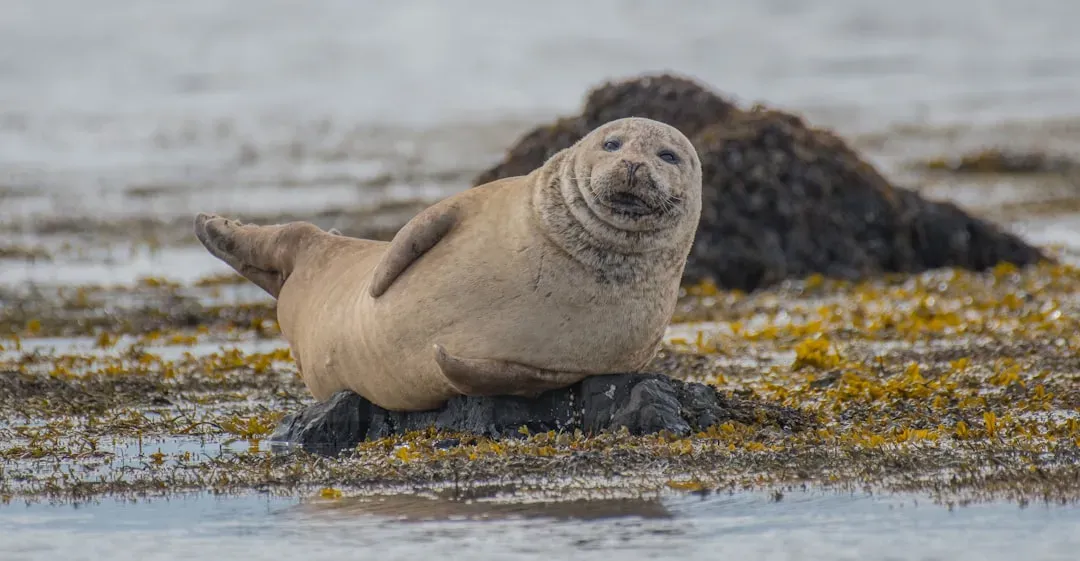
Massive and noisy, northern elephant seals haul out on beaches from central to southern California, including Año Nuevo and Piedras Blancas, to breed and molt. Males can weigh up to 5,000 pounds and engage in dramatic fights for mating rights. Once hunted to near extinction, they now number over 200,000 and are protected by law. The recovery of this species is one of conservation’s genuine success stories.
Northern elephant seals reach 10 to 13 feet in length and weigh from 1,300 to 4,400 pounds, and mature male seals develop a large, inflatable nose, called a proboscis, that hangs down past their lower lip. The Elephant Seal Viewing Point is a must-see stop for those heading on a Big Sur road trip and is free and open year-round, making it one of the most popular locations for watching wildlife in California. Getting within viewing range of a bull seal announcing himself is an experience that’s hard to put into words.
8. Sea Otter
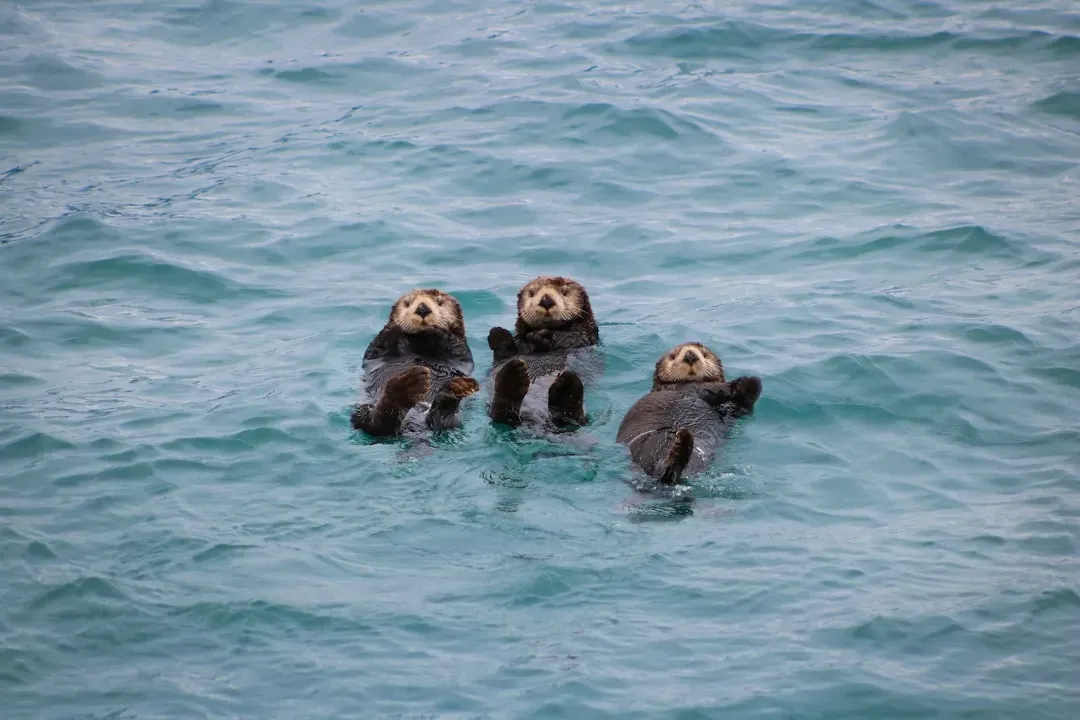
California is home to many wild animals, but few are as captivating as the sea otters. These adorable marine mammals are known to be very playful and reside on the Central Coast near marinas and preserves full of kelp forests and seafood for feeding. Southern sea otters range along the mainland coastline of California from San Mateo County to Santa Barbara County, and San Nicolas Island. Spotting one floating on its back, cracking open a clam on its chest, is a moment that tends to stop conversations cold.
Sea otters are a keystone species, meaning they have a disproportionate impact on their environment. As top predators, sea otters are critical to maintaining the balance of nearshore ecosystems. Without sea otters, sea urchins can overpopulate the seafloor and devour the kelp forests that provide cover and food for other marine animals. The average adult sea otter has to actively forage and eat 20 to 30 percent of its body mass in food each day just to meet its energy requirements, which is why they are often seen resting on their backs on the water’s surface when they are not foraging.
9. Rattlesnake
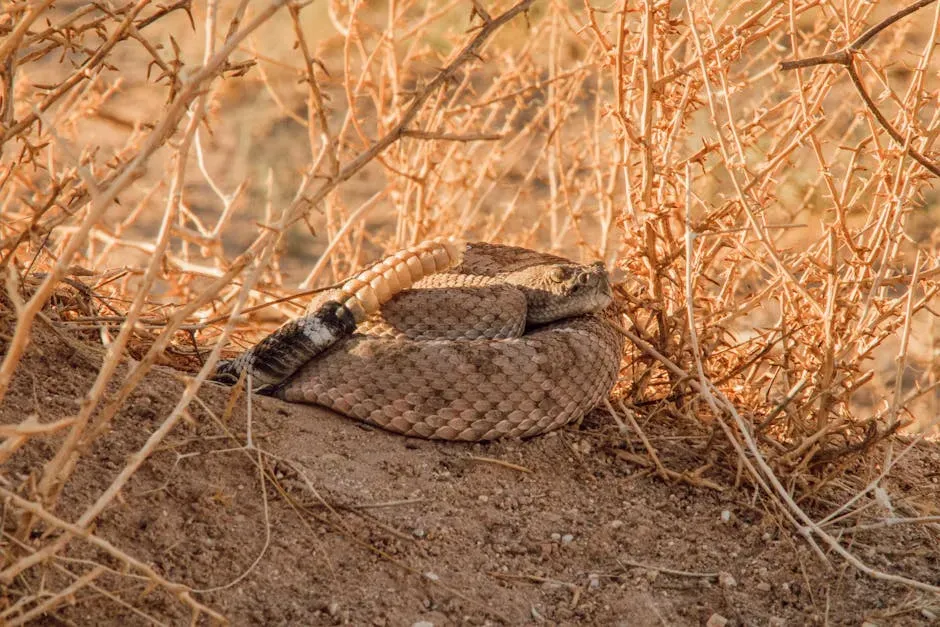
Several varieties of rattlesnakes are indigenous to California. While only the Pacific Northwest rattler makes its home in Northern California, almost a dozen rattlesnakes make their home in the deserts of Southern California, including the western diamondback and Mojave rattlesnake. They’re not looking for trouble. Most encounters happen because someone got too close without looking, which is exactly why paying attention to where you step and sit matters enormously on any California trail.
In warm months, rattlesnakes use sunny edges and rocks, which are precisely the kinds of spots that hikers also gravitate toward for rests and views. Animals in the Mojave Desert include the Mohave rattlesnake, desert tortoise, glossy snake, common side-blotched lizard, California kingsnake, giant hairy scorpion, stripe tailed scorpion, and the desert iguana. The desert southwest corner of the state hosts the highest rattlesnake diversity anywhere in California, so if you’re exploring Joshua Tree or the Mojave, eyes down and awareness up.
10. Raccoon
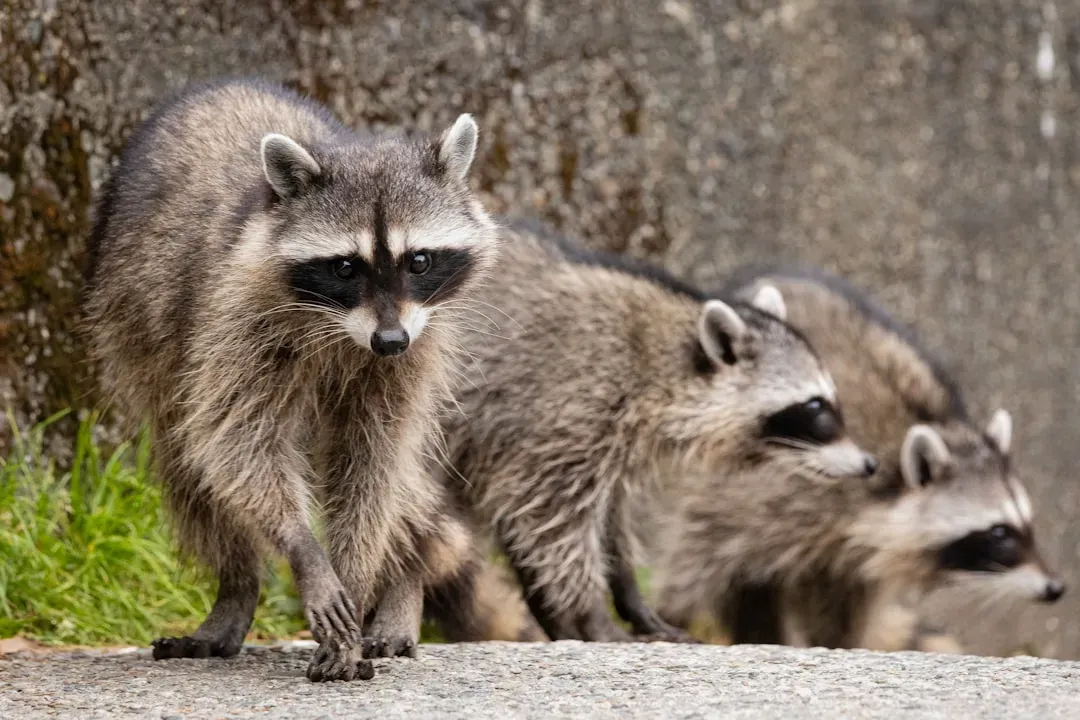
Raccoons, opossums, skunks, and foxes are common in yards along with insects, birds, lizards, and squirrels. Of that group, raccoons are the most audacious. They’ve thoroughly integrated themselves into California’s urban and suburban landscape, raiding trash cans with a confidence that borders on theatrical. They are great at controlling rodent and insect populations, and also act as nature’s vacuum by removing carrion from around homes.
They’re clever in a way that keeps surprising people. Bears have been known to open car doors and unscrew the lids off jars, but raccoons operate with a similarly dexterous persistence in residential settings. Urban raccoons in California have learned to navigate pet doors, open cooler latches, and time their raids perfectly around human schedules. Frustrating? Often. But there’s something undeniably impressive about an animal that has managed to thrive in one of the most densely developed states in the country.
Final Thoughts
California’s wildlife isn’t something you have to seek out in remote corners of the state. Much of it is right there, whether you’re walking a city park at dusk, paddling a kayak along the Central Coast, or driving through the Sierra Nevada. The density and variety of species here is genuinely unusual for a place this populated.
What that really demands, though, is a certain kind of awareness. These animals are wild, regardless of how comfortable they appear around people. Under rare circumstances, facing a threat, hunger, or extreme provocation, all animals can turn dangerous. Taking precautions and relying on common sense ensures that intrusions are avoided and animals remain safe in their habitat.
California’s wildlife is one of its most underrated gifts. The state flag may still carry the image of an extinct grizzly, but the living version of this ecosystem is very much alive around us, and paying attention to it costs nothing but presence of mind.

- 14 Quiet Signs Your Dog Knows Its Time Is Near and Wants You Close - July 22, 2026
- 10 Falcon Facts That Will Blow Your Mind - July 22, 2026
- 5 Incredible Migratory Journeys Animals Make Every Year - July 22, 2026