
An Animal Like No Other: What Makes the Red Wolf Distinct
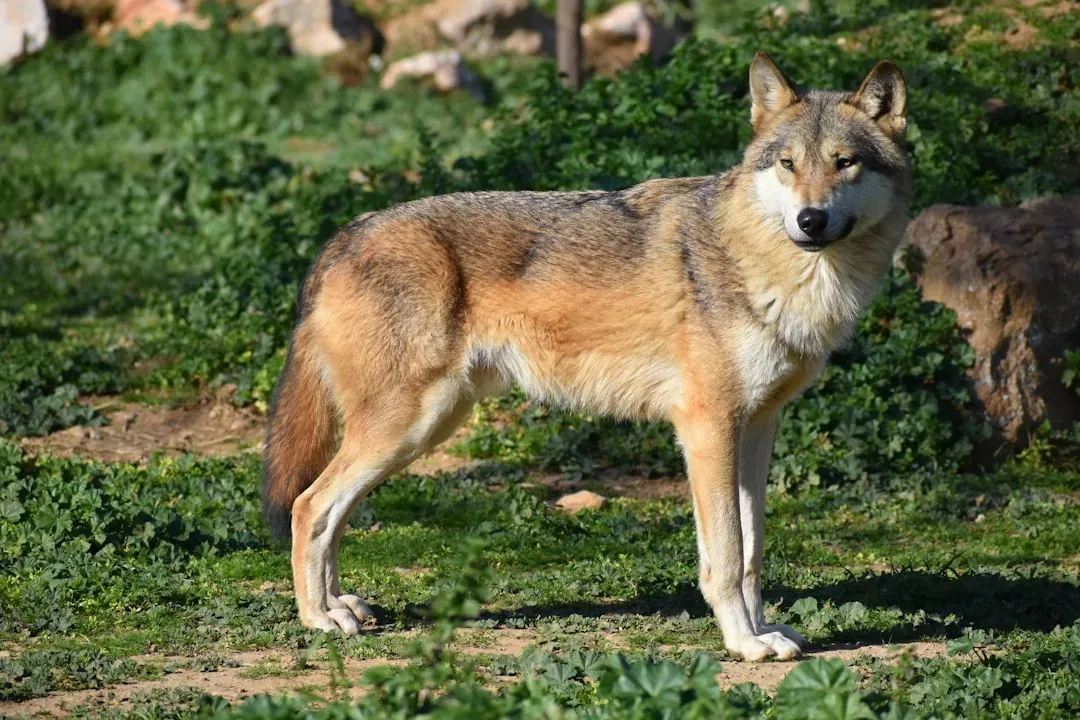
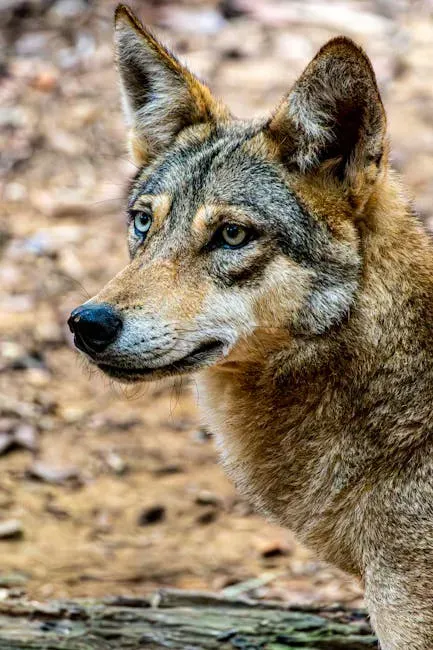
The red wolf is a smaller, thinner cousin of the gray wolf, named for its distinctive reddish coat. That description only tells part of the story. Red wolves are known for the characteristic reddish color of their fur, most apparent behind the ears and along the neck and legs, but are mostly brown and buff colored with some black along their backs. Intermediate in size between gray wolves and coyotes, the average adult red wolf weighs 45 to 80 pounds, stands about 26 inches at the shoulder, and is about 4 feet long.
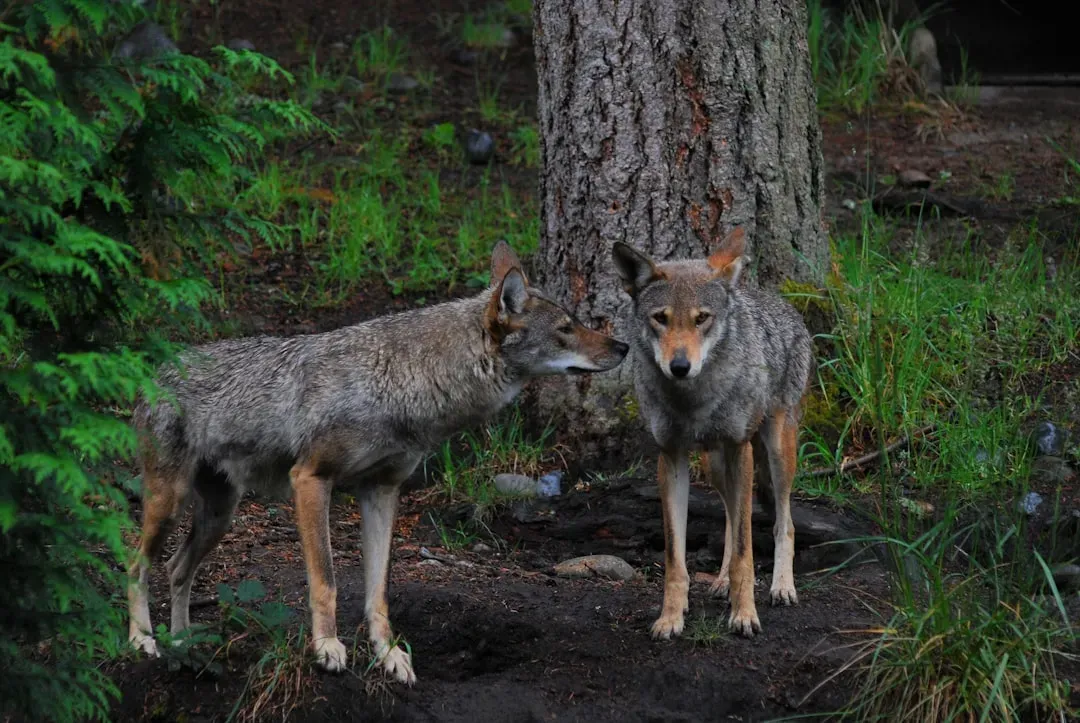
Red wolves are social animals that live in packs consisting of a breeding adult pair and their offspring of different years, typically five to eight animals. They prey on a variety of wild mammals such as raccoon, rabbit, white-tailed deer, nutria, and other rodents. Most active at dusk and dawn, red wolves are elusive and generally avoid humans and human activity. There’s something quietly remarkable about that last detail. An animal clinging to the edge of existence, and still it chooses to stay out of sight.
How a Species Fell to the Edge of Extinction
Once common throughout the Eastern and South Central United States, red wolf populations were decimated by the early 20th century as a result of intensive predator control programs, as well as the degradation and alteration of the habitat the species depends upon. These weren’t passive losses. They were the direct result of deliberate human campaigns.
Once abundant across the eastern seaboard, aggressive predator control and habitat loss reduced the wild American red wolf population to a mere 14 wolves by the late 1970s. People relentlessly persecuted them, to the extent that in 1980, after the capture of the last remaining red wolves for a captive-breeding program, the species was declared extinct in the wild. Extinct in the wild. Those four words carry a weight that’s easy to read past, but shouldn’t be.
North Carolina’s Alligator River: The Last Wild Home
In 1987, eight red wolves, four breeding pairs, were released into the Alligator River National Wildlife Refuge in northeastern North Carolina, reestablishing a wild population. This was the first “rewilding” experiment of its kind. The decision to choose this particular stretch of eastern North Carolina wasn’t arbitrary.
In eastern North Carolina, the red wolves are found in a five-county area of Beaufort, Dare, Hyde, Tyrrell, and Washington Counties, covering about 1.7 million acres. It’s only this specific place because this is where the reintroduction of red wolves first happened in 1987. It was the most ideal location based on a number of factors, the biggest one being that there’s a lot of habitat and not a lot of people. There is also a lot of land owned by the federal government and by the state that is managed for wildlife and habitat. For a species this fragile, that combination of wildness and federal protection was everything.
The Harrowing Boom, Bust, and Cautious Comeback
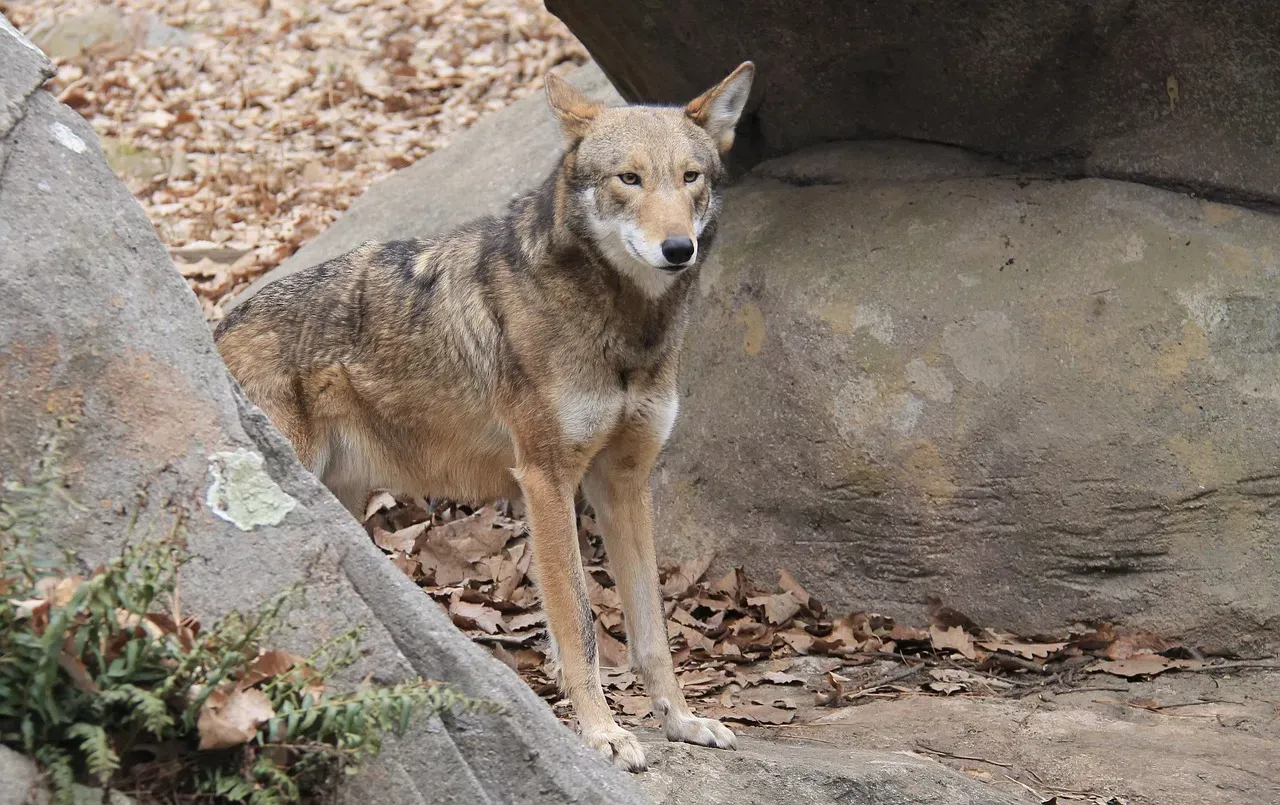
The red wolf reintroduction program was considered one of the world’s most innovative and successful efforts to restore a critically endangered carnivore, and by 2006 the wolves’ population had reached 130. Unfortunately, since then their population declined, drastically. In 2011 and 2012, a sharp uptick in illegal gunshot mortality, plus some unfortunate management decisions by USFWS, caused the population to plummet.
Tragically, this progress came to a screeching halt and the population crashed due to a dramatic spike in illegal poaching and vehicle collisions, along with devastating management failures. By 2020, only seven wolves were left in the wild. Then, slowly, things began to turn. Thanks to successful, court-ordered reintroductions, the wild population has since grown significantly, with an estimated 25 red wolves roaming North Carolina’s Albemarle Peninsula today. It’s a fragile number, but it’s a real one.
The Threats That Still Linger in the Landscape
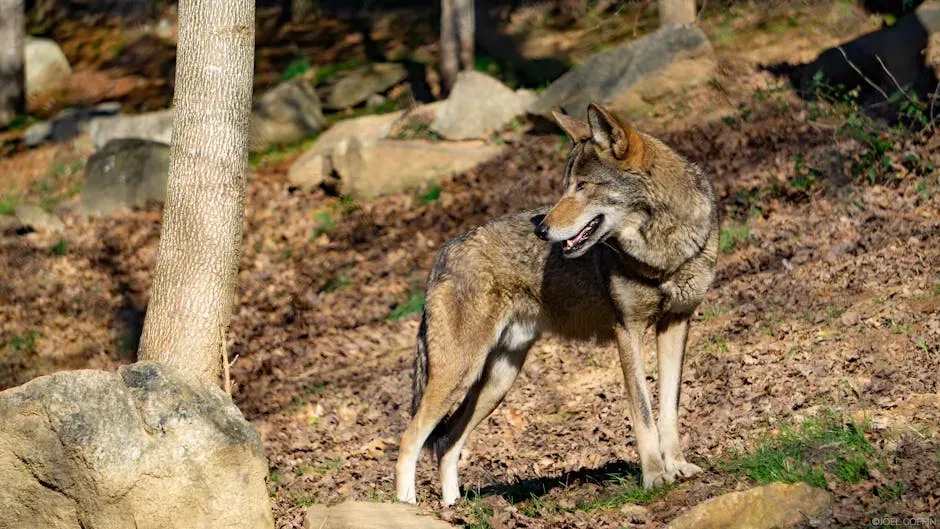
Political shifts, vehicular strikes, gunshot mortality, hybridization, habitat degradation, and lack of education and acceptance all threaten red wolves. These wolves used to outcompete coyotes, but when they were pushed out of the wild, the coyotes moved in on their former territory. Not only are red wolves now mating with coyotes, they’re often mistaken for coyotes and shot.
Human-caused mortality events, specifically gunshots and vehicle strikes, are the leading cause of death and population decline amongst wild red wolves. Their entire habitat in the Albemarle Peninsula rests just three feet above sea level, and as a result climate change also poses a serious threat. The combination of human carelessness, rising seas, and shrinking genetic diversity makes the red wolf’s position feel precarious at every turn. North Carolina’s wild red wolves, the last of the species remaining in the wild, are currently at the center of a legal debate about whether they should be considered an “essential” population under federal law, a designation that would unlock significant new protections.
The Science of Saving: Captive Programs and Cross-Fostering
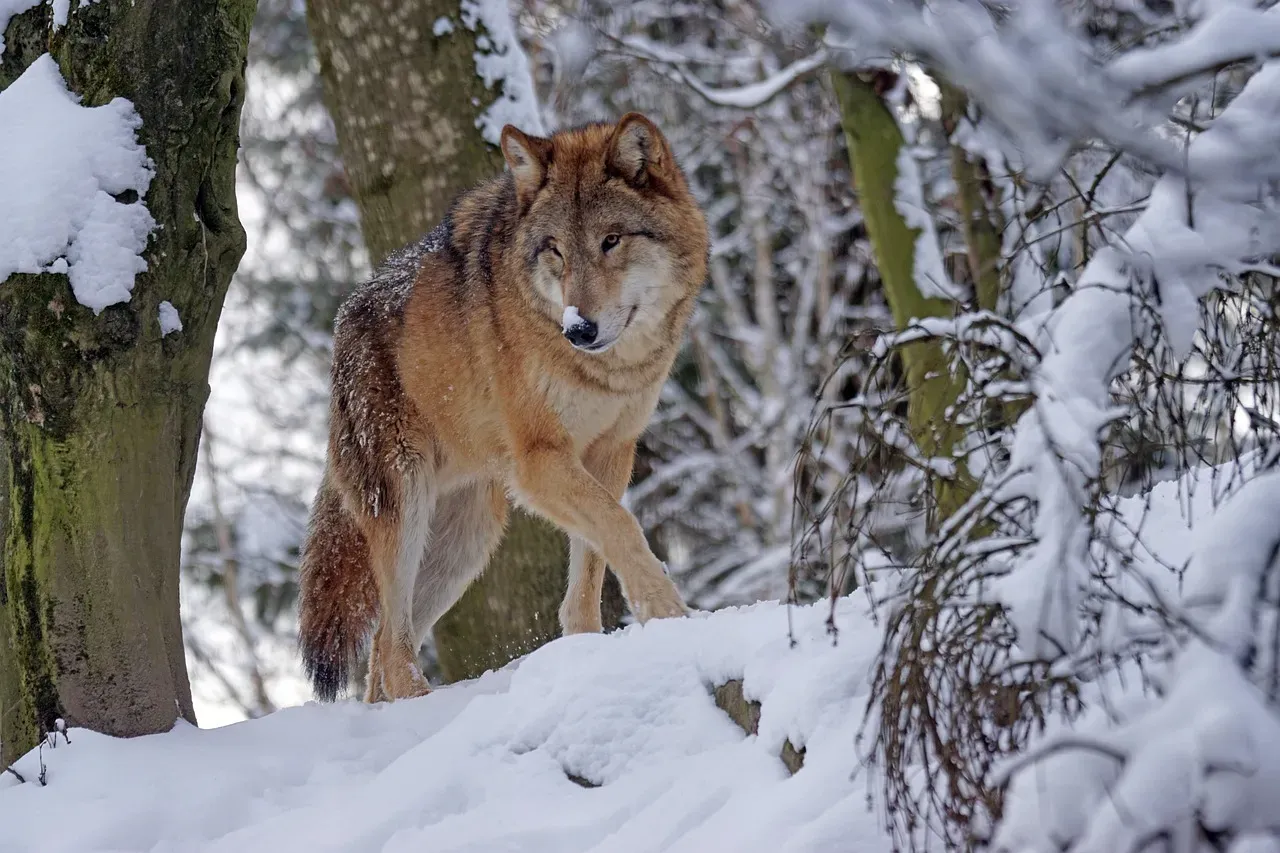
The Red Wolf Recovery Program works closely with 52 zoo and wildlife centers across the country as part of the Saving Animals From Extinction, or SAFE, program, an initiative of the Association of Zoos and Aquariums, which currently cares for 280 captive red wolves. Part of the program’s goal is to increase the SAFE population to 400. In August 2025, 16 red wolf pups were documented on the landscape in the eastern North Carolina wild population. By January 2026, the survival of 10 of those pups was confirmed.
The American red wolf reintroduction effort was the first ever reintroduction of a large carnivore in human history. The creative and innovative scientific approach to this program not only helped save the American red wolf but also laid the foundation for other reintroduction efforts like the gray wolf in Yellowstone, the Mexican wolf in the southwest United States, and other endangered species recovery efforts. Put simply, every technique used to bring back wolves elsewhere was first tested and refined on behalf of this one modest, reddish creature in coastal Carolina.
What the Red Wolf Means for the Wild World Around It
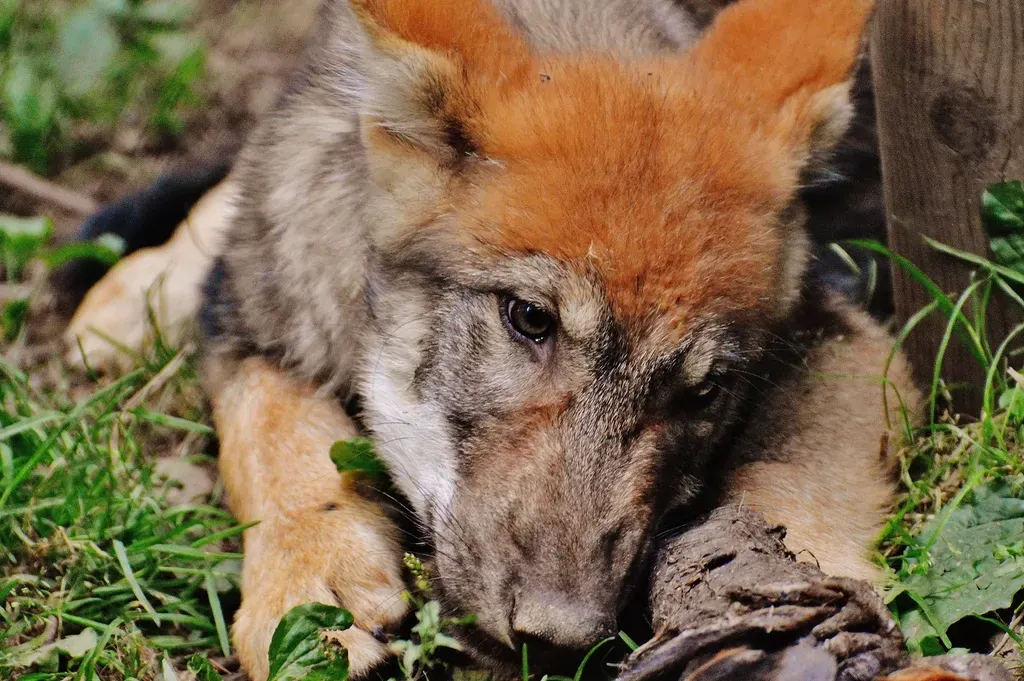
American red wolf packs generally hunt white-tailed deer but also hunt other prey, including raccoons, feral hogs, and even small rodents. In turn, this greatly benefits ground-nesting birds, like quail and turkey, by reducing their predator populations. Like all natural predators, ecosystems are healthier and more in balance with their presence. The red wolf isn’t just a symbol. It’s a functioning part of the food web, doing quiet but essential work every night.
Within their ecosystem, red wolves play a valuable role in keeping numbers of prey like deer in check. In turn, smaller prey populations are less likely to balloon out of control and consume all available nutrients in their habitat. There is a recovery plan in place that states the goal of adding additional release locations for red wolves, which means that North Carolina, for now, carries the full ecological weight of a species that once shaped half a continent.
A Conclusion Worth Having an Opinion About
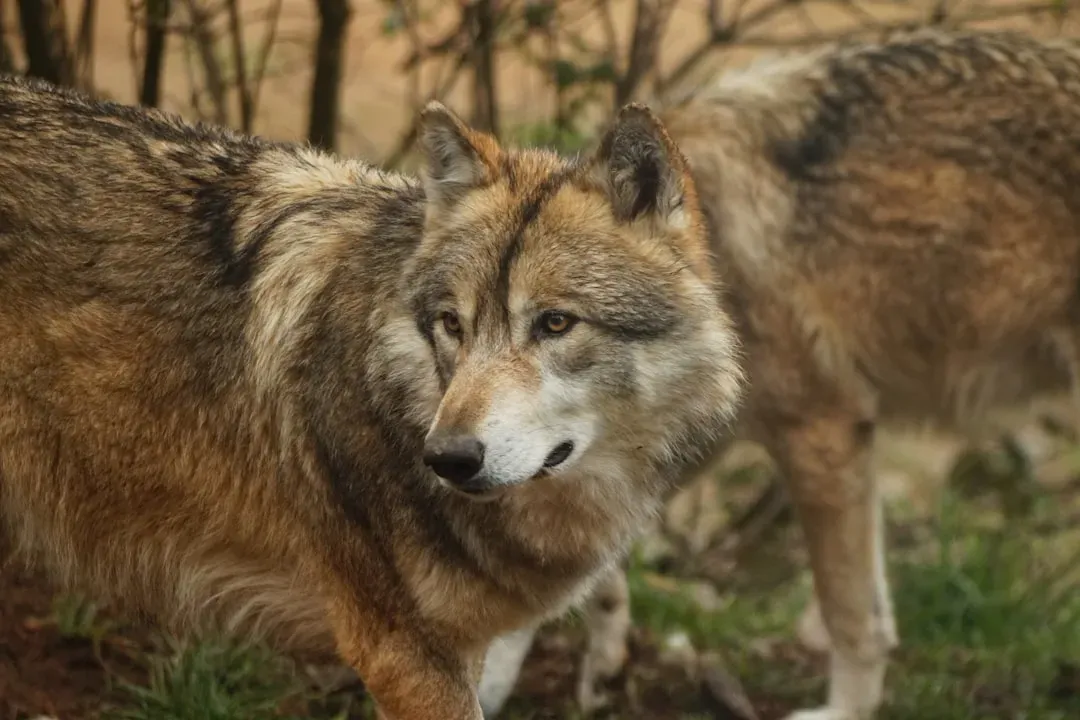
Here’s the honest truth: the red wolf should not have to exist in a single five-county strip of the American Southeast, clinging on by a thread, collared in orange so it doesn’t get struck on a highway. That’s not recovery. That’s barely survival. This creature has lost more of its historical territory than any other large carnivore on Earth, including lions, tigers, and snow leopards, shedding 99.7 percent of its range.
The good news is real, even if it’s modest. Red wolf populations in northeastern North Carolina are still far from recovered, but there are optimistic signs the highly endangered species now has a solid chance. More wolves are breeding, more pups are surviving, coyote hybridization has been cut, and there are fewer mortalities from vehicle strikes and gunshots.
The red wolf’s story is ultimately a story about choices. Humans made choices that erased it from the wild. Humans made choices that brought it back, at least partially. And humans are making choices right now, through federal recovery plans, legal battles, captive breeding programs, and community outreach, that will decide whether this animal gets a genuine future or a graceful decline. North Carolina didn’t ask to be the last refuge of a species. But it is. That responsibility deserves to be taken seriously, loudly, and without compromise.

- Your Dog Doesn't Love You for the Food – 14 Signs You're Its Whole World - July 21, 2026
- 10 Myths About Horses That Owners Keep Falling For - July 21, 2026
- 13 Ways a Shelter Dog Shows It Has Decided to Trust You for Good - July 21, 2026