

There’s something quietly remarkable about a person who walks into a shelter, looks into the eyes of a frightened, abandoned creature, and says, “I’ll take them.” It’s not just compassion in action. According to psychological research, it may reveal something far deeper about who that person is at their core.
People drawn to rescuing animals often carry within them an unusually attuned emotional intelligence, one shaped, in many cases, by their own encounters with vulnerability, loss, or pain. The connection between the rescuer and the rescued is rarely one-directional. It’s a bond that reflects, heals, and teaches in ways that are only recently beginning to receive serious scientific attention.
#1. Empathy Isn’t Just a Trait in Animal Rescuers – It’s a Way of Seeing the World
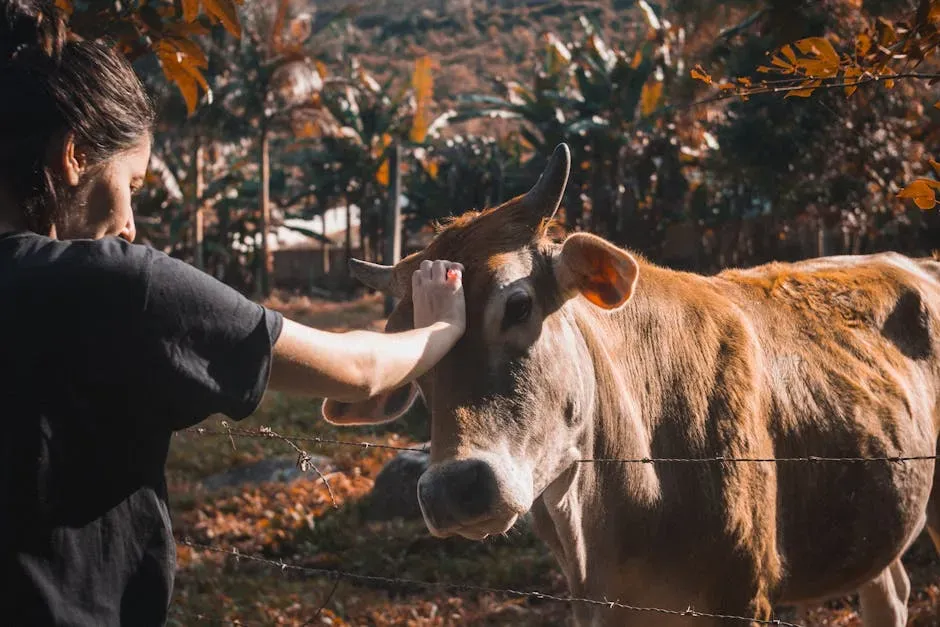
Psychology highlights empathy as one of the core traits that draws people to rescue animals. This isn’t a surface-level softness. It’s a deep perceptual sensitivity to suffering, the kind that registers pain in another being almost involuntarily.
Choosing to rescue isn’t always the easy option. These animals often come with their own set of challenges, from behavioral issues to health concerns. Yet an empathetic nature means many rescuers don’t shy away from these hurdles – they embrace them, ready to provide the care and support the animal needs.
This empathy often extends beyond just their pet too. Rescuers tend to be more understanding and compassionate towards people as well, always ready to lend a helping hand or a listening ear. In that sense, the instinct to rescue isn’t confined to animals. It becomes a lens through which they engage with the entire world around them.
#2. The Science of Bidirectional Healing: When Both Sides Recover Together

Research shows that dogs and horses, in particular, can facilitate bidirectional healing when a caring relationship is present. This means the healing doesn’t flow only from human to animal. It moves in both directions, quietly and continuously.
The relationship between humans and rescue animals is not one-sided. Just as the pet heals from trauma, the human caregiver often experiences profound emotional growth. Adopting a rescue pet often teaches empathy, patience, and mindfulness. These are not incidental side effects. They’re measurable psychological shifts that researchers are increasingly interested in documenting.
Some programs involve humans with PTSD helping animals with PTSD, which highlights the power of mutually healing relationships. There’s something almost poetic in that dynamic: two beings, each carrying invisible wounds, finding steadiness in each other’s presence. For anyone who has loved a rescue animal through their fear stages, this will feel deeply familiar.
#3. Rescuers Often Know Something About Starting Over
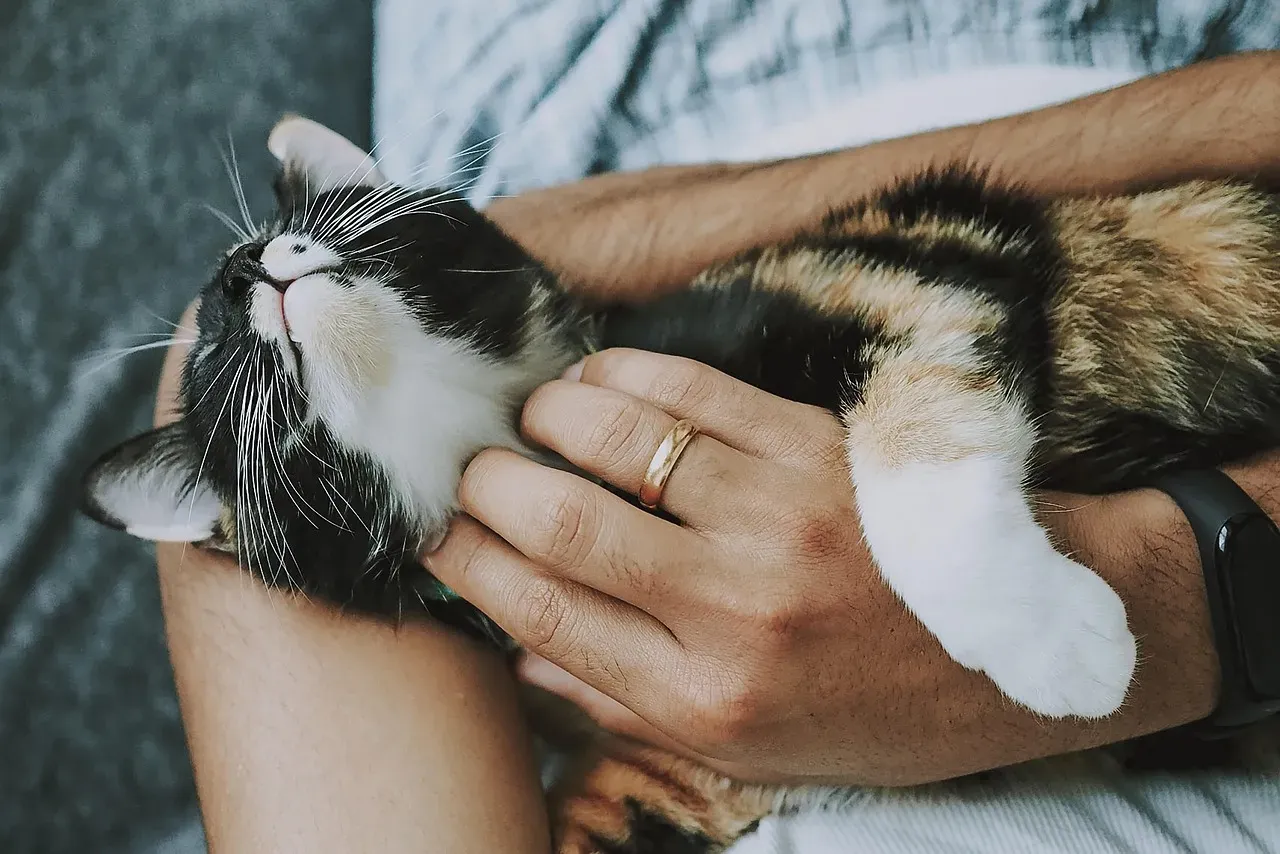
Working in animal rescue is a window into the deeper connections between humans and animals. Trauma, fear, and past experiences shape behavior in animals just as they do in humans. People drawn to rescue work often recognize this pattern intuitively, because they’ve navigated versions of it themselves.
Despite trauma, illness, or neglect, many animals recover and adapt when given the chance. Witnessing this resilience is inspiring and shifts perspectives on human challenges. People also have an incredible ability to overcome adversity when supported. Rescue work reinforces that with the right environment, guidance, and encouragement, both animals and humans can thrive despite past hardships.
Many people who have experienced trauma have difficulty feeling compassion for themselves. Animals offer a mirror for love and can catalyze compassion. When hurt by humans, connecting with another species provides an opportunity to tune in to and express the love that persists despite the hurt. The animal, in a very real sense, becomes a safe space for practicing self-forgiveness.
#4. The Neurochemistry of Rescue: What Happens Inside the Body
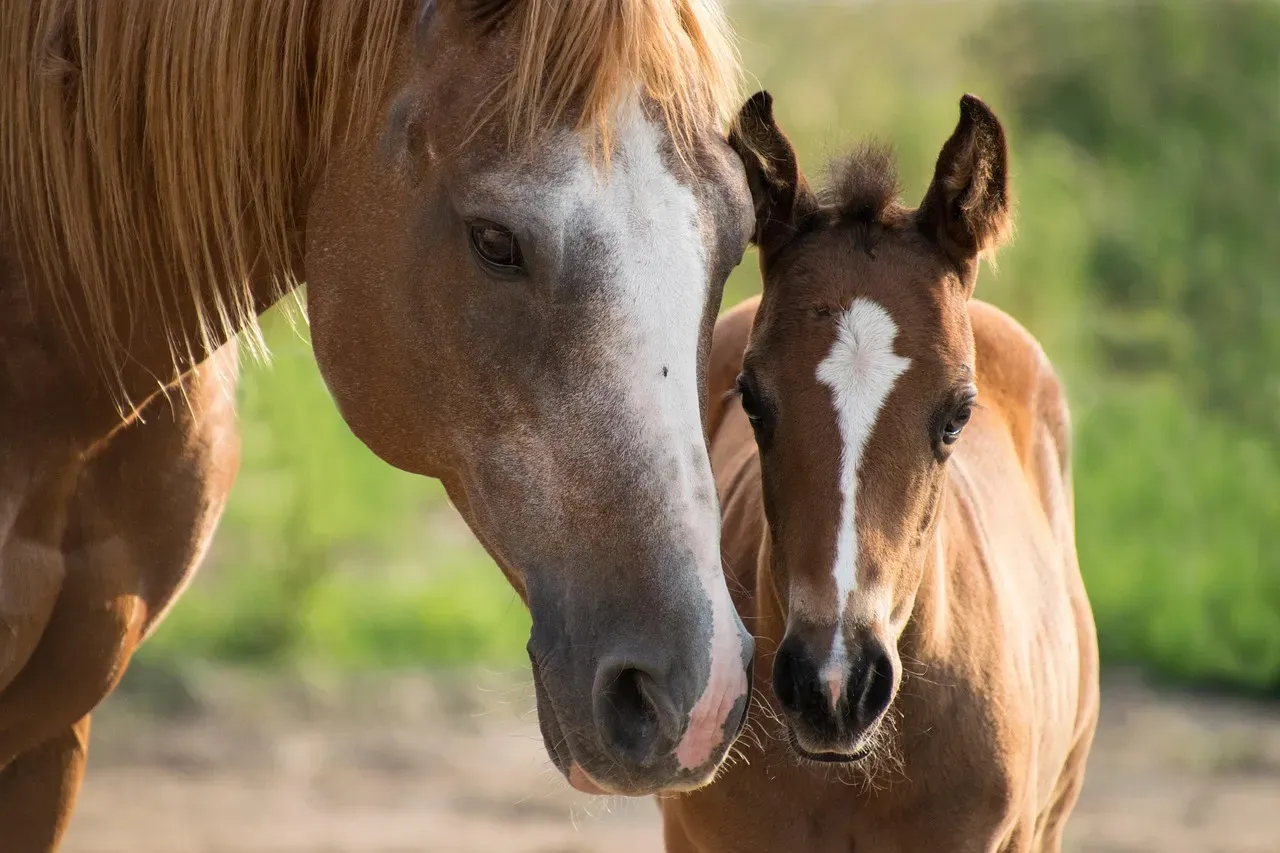
One of the most well-documented benefits of the human-animal bond is its ability to reduce stress. Studies have shown that interacting with animals can lower cortisol levels, a hormone associated with stress, and increase oxytocin, often referred to as the “love hormone,” which promotes feelings of relaxation and bonding. For rescuers, these effects accumulate over years of consistent caregiving.
Oxytocin effects may be triggered in response to single meetings with animals, but stable relationships with animals such as pet ownership will be linked to more potent and long-lasting effects due to repeated exposure. This is an important distinction. It isn’t just a single warm moment. The repeated act of rescue and caregiving essentially rewires how the nervous system responds to stress.
A relaxing human-animal bond acts on adrenal and other corticosteroid hormones, inducing a reduction of arterial pressure and cardiorespiratory rates. The psychological stimulation induced by the presence of an animal and its need for care also induces persons to take care of themselves. Rescuers, in caring for animals that can’t speak for themselves, often quietly begin tending to their own neglected inner lives in the process.
#5. The Hidden Cost of Deep Caring – and Why Rescuers Must Protect Their Own Well-Being
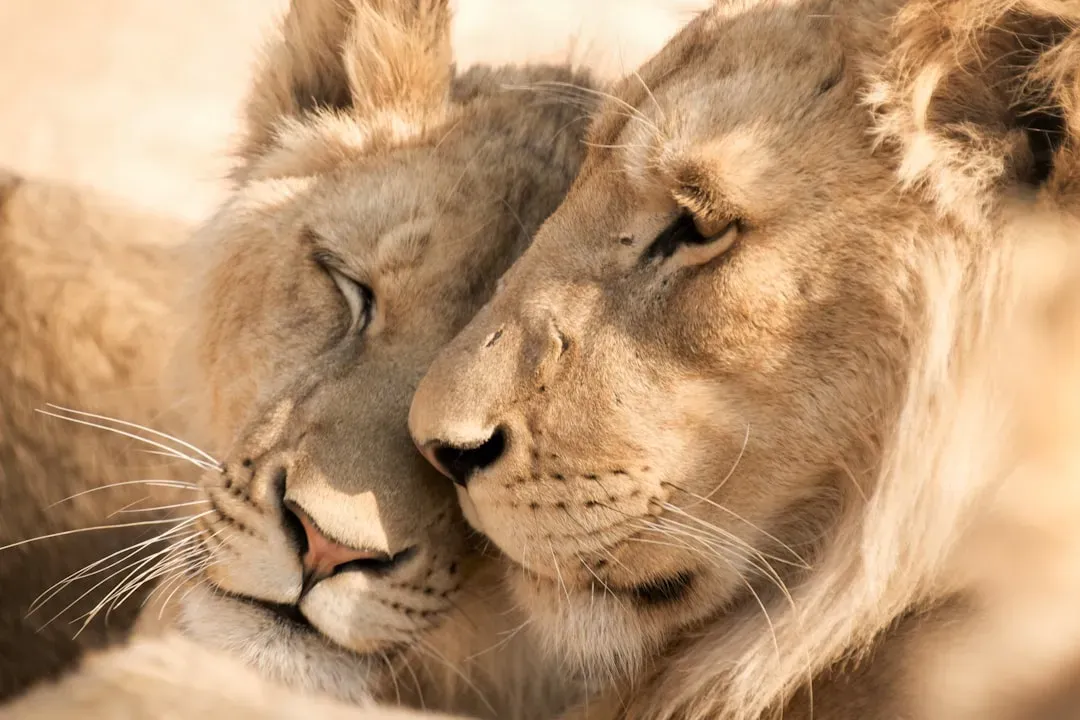
Shelter workers and animal rescue volunteers derive a sense of “compassion satisfaction” from successful rescue, rehabilitation, and rehoming, but are also at risk for burnout and compassion fatigue. This tension sits at the heart of rescue culture. The very quality that makes someone good at this work, their capacity to feel deeply, also makes them vulnerable.
Compassion fatigue refers to an identifiable set of negative psychological symptoms that caregivers experience as a result of providing care while being exposed to either primary or secondary trauma. It is typically conceptualized as psychological erosion. It is not normally attributed to a single exposure to trauma, but generally associated with ongoing, repeated exposure to traumatic situations. For dedicated animal rescuers, this isn’t abstract. It’s a very real occupational and emotional reality.
Caring for animals and advocating for their welfare can help shift focus from personal problems to finding purpose and meaning in life. The challenge, then, is balance. The same instinct that makes a person rush toward a suffering creature must also, at some point, turn inward. Healing others and healing oneself are not competing tasks. For the best rescuers, they become one and the same.
Conclusion: The Rescuer’s Nature Is Never Just About the Animal
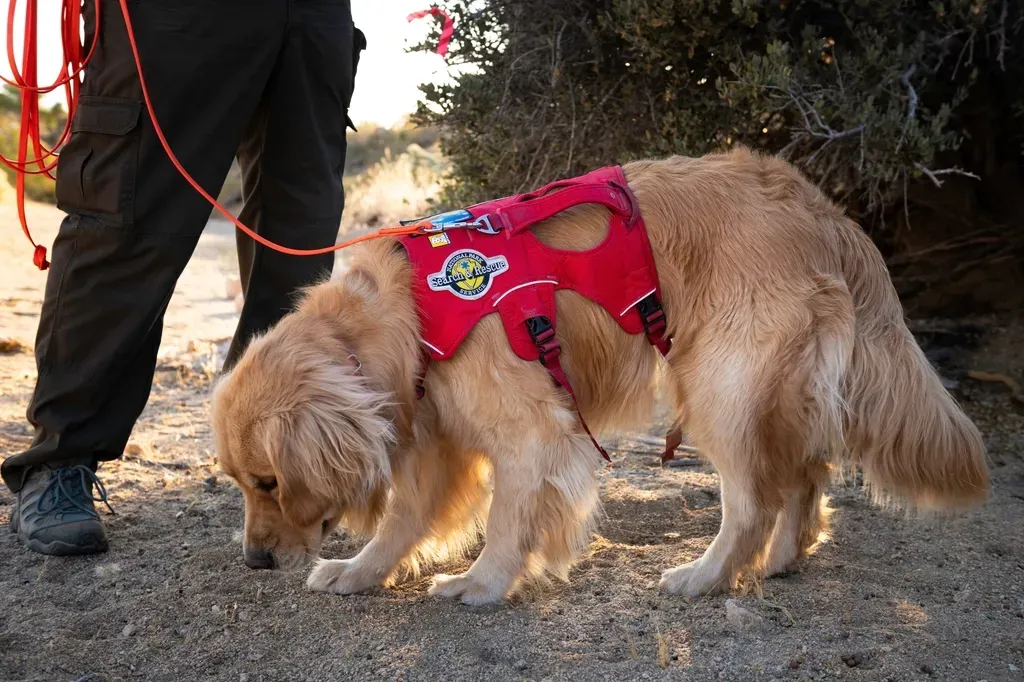
Rescue work is more than saving animals. It is an ongoing study of behavior, emotion, and connection. The people who do it tend to understand this in their bones, even if they’ve never framed it in psychological terms.
Understanding the psychology of trauma reveals how patience, empathy, and consistent care can guide these animals toward healing. This journey not only transforms the pets but also enriches the emotional lives of their human caregivers. The transformation, in other words, is mutual and often quietly profound.
Psychology continues to build a clearer picture of what animal rescuers have long understood through lived experience: that the act of reaching out to a frightened, abandoned creature is rarely separate from the rescuer’s own interior life. It’s an expression of it. Those who choose to rescue often do so because somewhere within them, they already know what it means to need saving, and what it feels like to finally be safe.
