
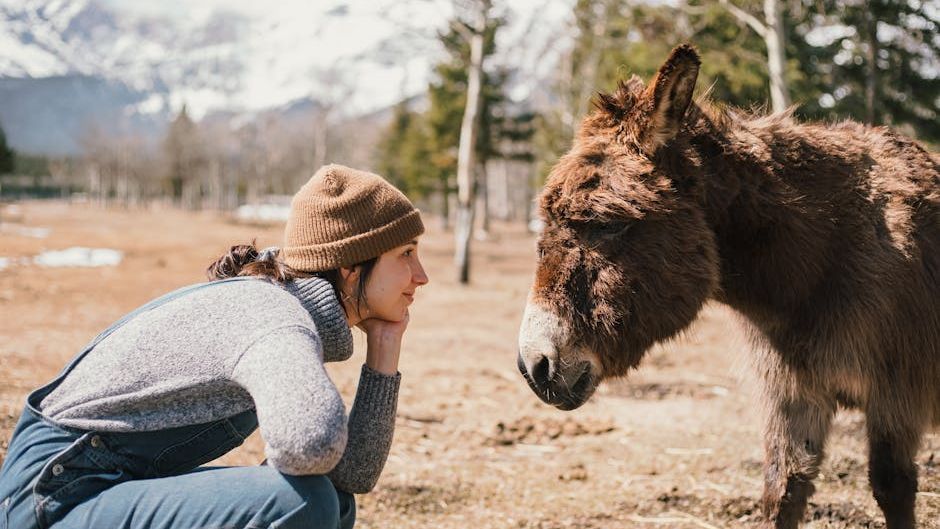
Most people have done it at least once. You walk through the door after a long day, your dog looks up at you, and before you even think about it, you’re narrating your entire afternoon to them. It might feel like a quirky habit, something to be slightly embarrassed about if the wrong person overheard. Yet psychologists have been paying close attention to this behavior for years, and what they’ve found is genuinely surprising.
In psychology, the practice of giving human thoughts and emotions to animals is called anthropomorphism. For a long time, experts considered it a harmless habit that seemed a bit silly. Recent research tells a quite different story, though. People who talk to their animals as though those animals fully understand them tend to show better emotional awareness and form stronger relationships. There’s real depth here worth exploring.
#1. Talking to Animals Is a Sign of Higher Emotional Intelligence, Not a Quirk
There’s a persistent assumption that chatting with your cat or narrating life events to your dog is a little eccentric. Psychology largely disagrees. Research suggests that individuals who form strong bonds with their animals, often through human-like communication, tend to have higher levels of emotional intelligence. That’s not a small finding.
Emotional intelligence is all about recognizing, understanding, and managing our own emotions and the emotions of others. It’s a powerful skill that can enhance our relationships and improve our overall wellbeing. Talking to an animal, with no guarantee of a verbal reply, turns out to be a surprisingly consistent exercise in exactly that skill set.
Emotional intelligence involves several key components that people who talk to animals consistently demonstrate, including self-awareness about their own emotional states, recognition of emotions in others, and the ability to regulate emotional responses. They interpret their animal’s body language, adjust their tone based on the animal’s mood, and respond appropriately to non-verbal feedback. That’s not silly behavior. That’s sophisticated attunement.
#2. The Brain Actually Works Differently in People Who Engage with Animals This Way
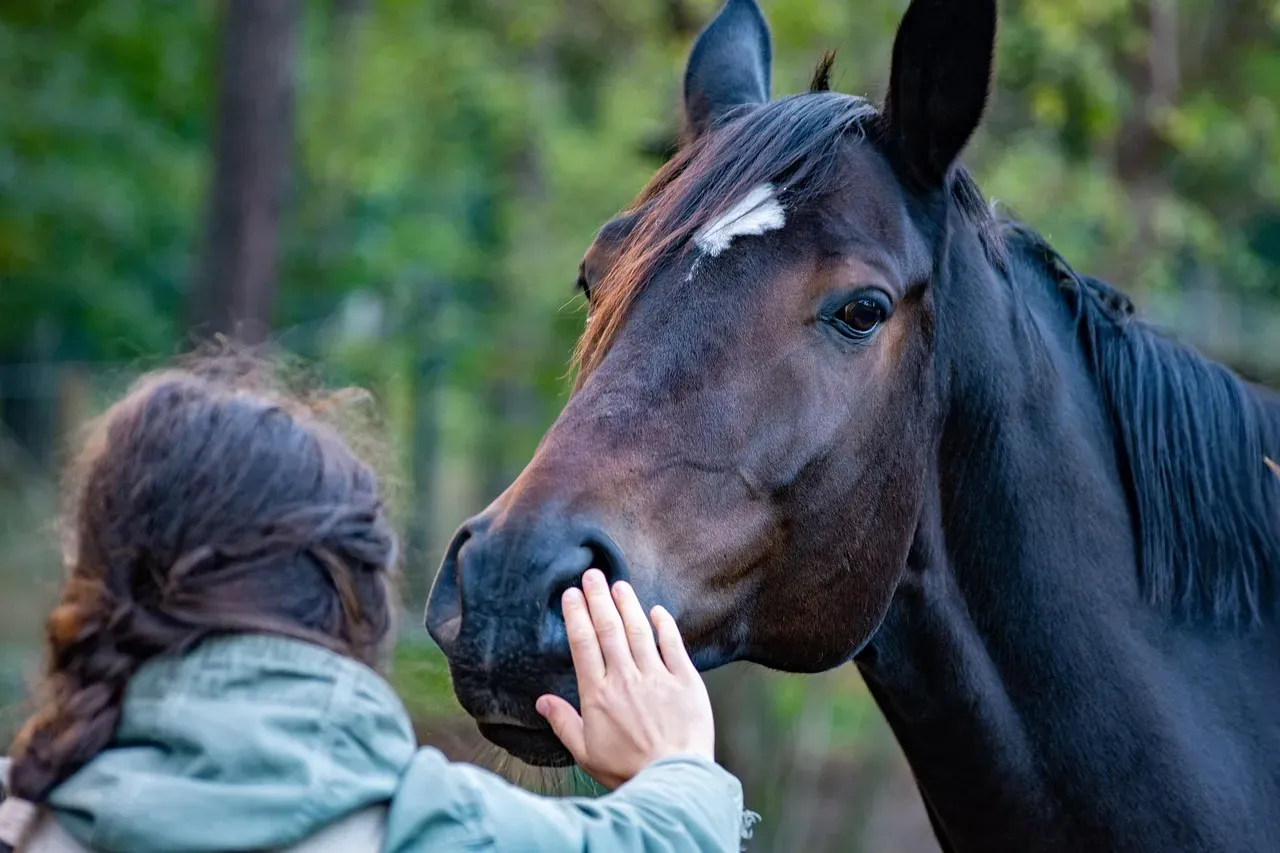
It’s easy to dismiss the psychology of animal-talking as soft science. The neurological evidence makes that harder to do. Research from the University of Chicago reveals that people who talk to their animals show increased activity in brain regions associated with social cognition and emotional processing. Their brains literally work harder to understand and connect across species boundaries.
Recent studies have revealed significant changes in the activity levels of human emotion-related cortical areas, such as the frontal cortex and amygdala, as well as neurotransmitter secretion due to interaction with companion animals. These are not minor fluctuations. They reflect genuine neurological engagement of the kind associated with meaningful social interaction.
What this points to is a brain that is actively practicing emotional processing rather than switching off. The ability to anthropomorphize, meaning to give human qualities to non-human beings, is actually a sophisticated cognitive skill. People who do this naturally and often may simply be giving their emotional processing systems more regular exercise than those who don’t.
#3. Conversations with Animals Serve as Quiet Emotional Processing
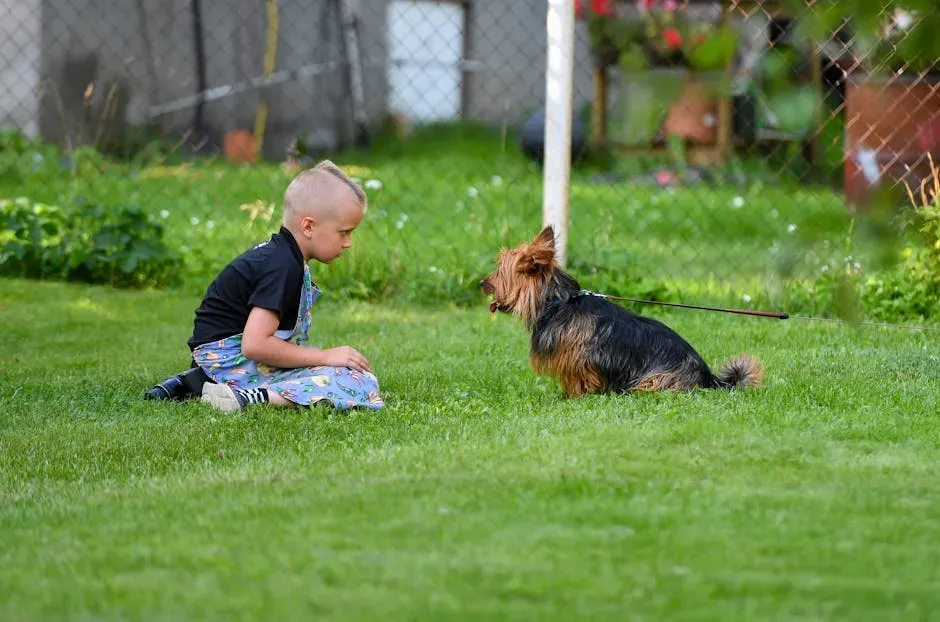
One of the more underappreciated aspects of this behavior is what it actually does for the person speaking. Studies indicate that treating animals as conversation partners creates real psychological benefits. When someone explains their day to a dog or asks a cat for their opinion, they are actually processing their own thoughts and feelings out loud. This verbal expression helps people work through emotions and gain clarity about their experiences.
People may say things aloud like “I’m overwhelmed today” or “That really upset me.” Expressing feelings to an animal can feel safer than voicing them to another person. This habit gradually improves emotional awareness, and speaking thoughts aloud, even without a verbal response, can enhance mental clarity. It functions as a kind of informal emotional journaling, except in real time.
Research on self-talk shows it supports planning, memory, and problem-solving. For many animal owners, their companions become informal brainstorming partners. The animal doesn’t need to understand the words. What matters is that the person speaking is actively organizing and naming their inner world, which is a foundational component of emotional awareness.
#4. Empathy Runs Deeper in People Who Extend Emotional Attention to Other Species
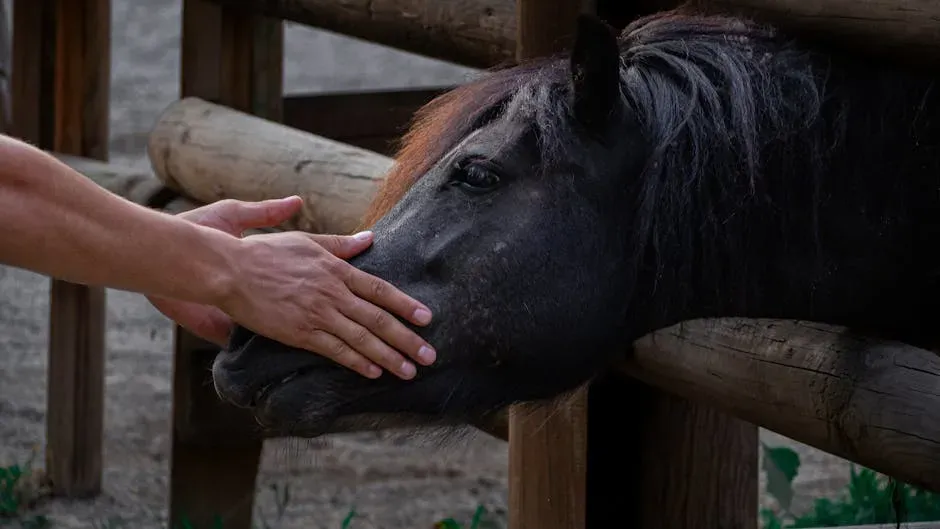
Empathy toward animals and empathy toward people are not as separate as we might assume. Empathy is one of the most commonly recognized traits in people who talk to their animals as though they were human. According to studies, this behavior often signals that a person is highly tuned in to the feelings and experiences of others. Speaking to an animal with emotional warmth shows an ability to project care even when the listener cannot respond in words.
Someone who talks affectionately to animals is likely to extend similar emotional behaviors toward family, friends, and partners. This creates a feedback cycle where caring for animals reinforces the habit of offering gentle support in other areas of life. The emotional generosity practiced in one relationship quietly strengthens all the others.
These beneficial effects of animal interaction prove helpful beyond just the individual. It has been shown that animals promoted emotional development and increased empathy among individuals across different contexts. For children especially, growing up with this kind of emotional attentiveness toward animals tends to shape a more empathetic orientation toward people as they mature.
#5. The Habit Is Linked to Creative Thinking and Cognitive Flexibility
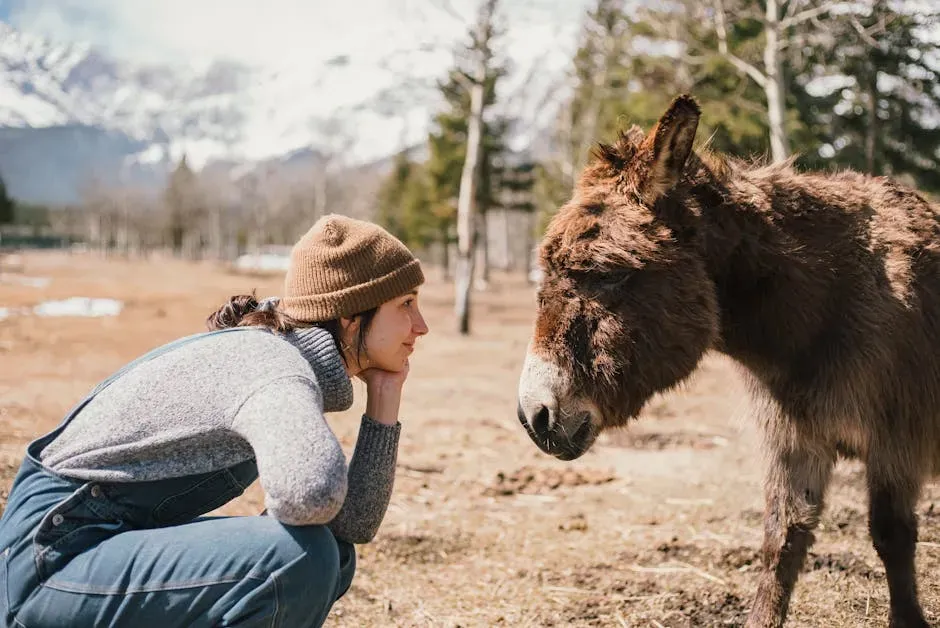
The overlap between talking to animals and creative intelligence is one of the more unexpected corners of this research. Psychologists have found correlations between anthropomorphism and creative thinking abilities. These individuals often excel in fields requiring imaginative leaps, including writing, design, innovation, and artistic pursuits. The same mental flexibility that allows someone to imagine their animal’s perspective enables them to see problems from multiple angles and generate novel solutions.
Studies show that talking to animals is not linked to lower intelligence or poor social skills. On the contrary, it can be part of a rich emotional life and high cognitive flexibility. That’s worth sitting with for a moment, because the cultural caricature of the overly attached animal talker as socially awkward or intellectually limited appears to be almost precisely backwards.
People who engage this way often also talk to babies, plants, or even inanimate objects. It reflects creativity and emotional engagement, not dysfunction. The underlying cognitive trait is a readiness to project inner life outward, to populate the world with conscious experience. That particular mental habit tends to show up in people who are emotionally rich and imaginatively alive.
#6. Regular Animal Interaction Supports Measurable Mental and Emotional Wellbeing
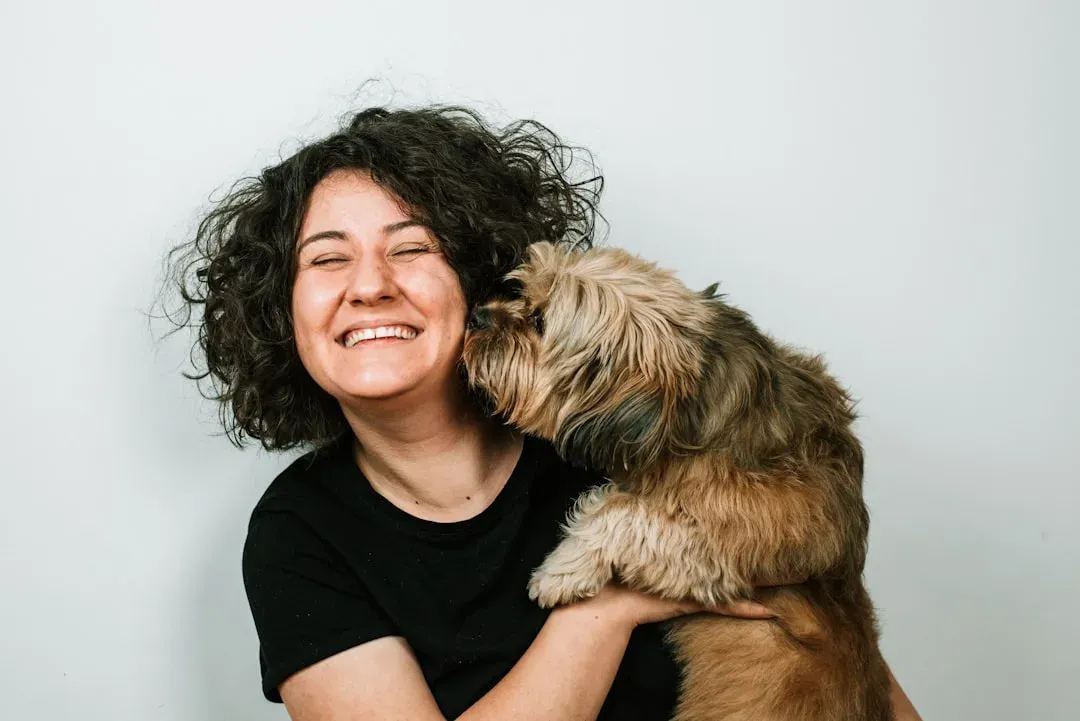
The emotional benefits of talking to and interacting with animals don’t stay abstract. They show up in measurable ways. Research demonstrates that companion animals contribute positively in various ways, including reducing depression, anxiety, and stress, as well as fostering positive emotions in humans. These are outcomes that mental health professionals work toward through structured therapy, and animals seem to facilitate them almost incidentally.
Simply petting a dog has been associated with decreased cortisol, the stress hormone, and increased endorphins, serotonin, and dopamine. Other studies have shown that interacting with animals may help reduce blood pressure and heart rate. The body responds to the connection in ways that the mind often recognizes first through those spontaneous moments of conversation.
Animals remind us of essential human qualities including kindness, patience, and compassion. Caring for a living being requires empathy, which can strengthen our emotional intelligence and interpersonal relationships. The daily rhythm of feeding, noticing moods, adjusting to needs, and yes, talking through it all, turns out to be one of the quieter forms of emotional training available to us.
Conclusion: What It Actually Means to Talk to Your Animal
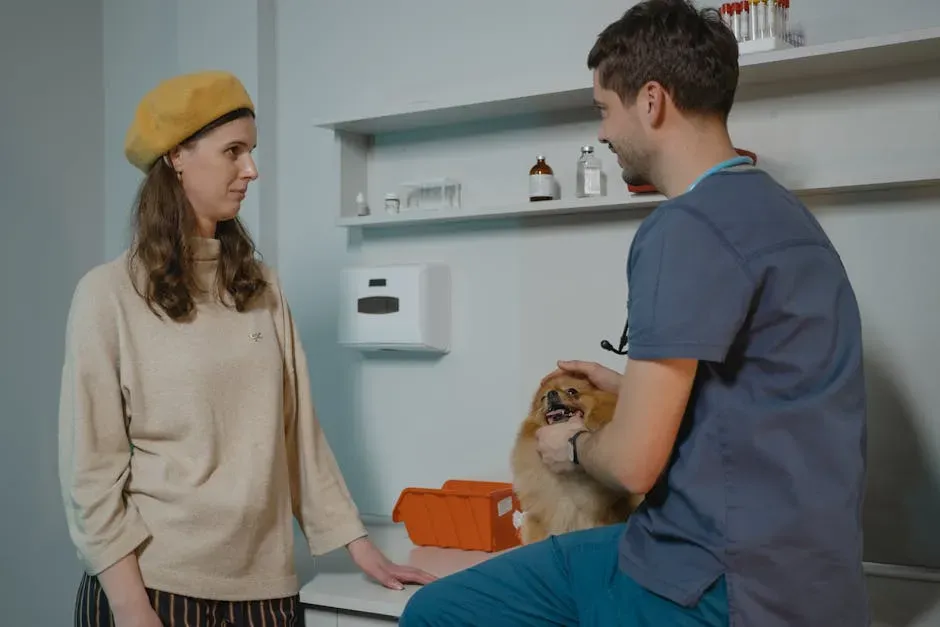
The next time someone gives you a sideways look for holding a full conversation with your dog, you can take quiet comfort in what the research says. Talking to animals is a window into the emotional traits that shape how humans connect, feel, and care. Whether it reflects empathy, openness, or simply joy, the habit of speaking to animals reflects a unique blend of emotional depth and social intelligence.
People who treat their animals as genuine conversational partners tend to show better emotional awareness and form stronger relationships, and they also manage stress more effectively than those who do not engage in this behavior. The behavior that once seemed trivial turns out to carry real weight.
Perhaps the most honest takeaway is this: emotional awareness doesn’t always develop in formal settings or through deliberate practice. Talking to animals is ultimately a reminder that emotional expression is not limited by species. It reflects the depth of the human heart and the timeless need for connection. Sometimes the clearest signal of an emotionally intelligent person is simply someone willing to say good morning to a creature who can’t say it back.

- 8 Signs Your Pet Is Trying to Tell You Something Important (and How to Listen) - July 22, 2026
- 15 Dog Behaviors That Are Actually Signs of Affection (Not Mischief) - July 22, 2026
- 10 Fierce Facts About Jaguars - July 22, 2026