
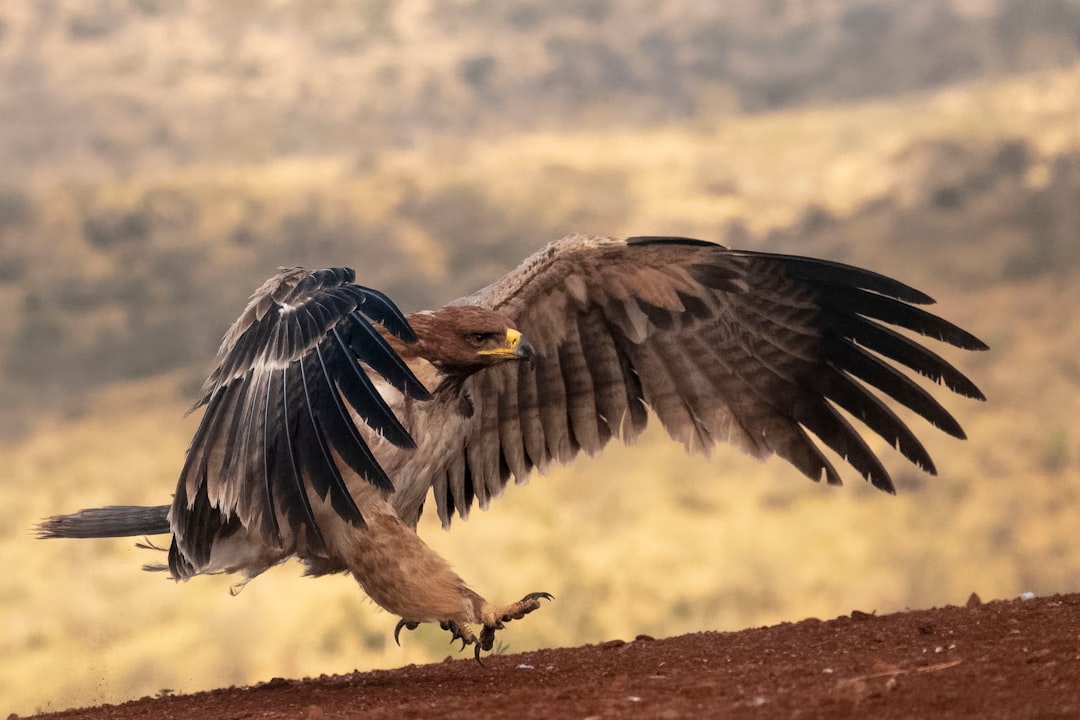
Picture this: soaring through American skies, two of nature’s most formidable predators rule their respective domains. On one side, we have the eagle – majestic, razor-sharp talons gleaming in sunlight, eyes that can spot movement from miles away. On the other side prowls the coyote – cunning, adaptable, with intelligence that has allowed it to thrive in everything from desert wilderness to bustling cities.
Which one would win in the ultimate showdown? The answer isn’t as simple as you might think. These two apex predators have been quietly battling it out across America’s landscapes for centuries, each perfectly adapted to their hunting style and environment. Let’s dive into this epic comparison and discover which predator truly deserves the crown.
The Heavyweight Contender: Golden Eagle Dominance

Golden eagles are literal killing machines, according to wildlife biologist Jack Whitman. “They’re built for killing,” he explains, noting that golden eagles are far more aggressive and successful predators compared to bald eagles, which are “really good scavengers.”
These powerful raptors boast an impressive wingspan reaching up to 7 feet and can weigh up to 15 pounds. Their dark brown feathers shimmer with golden highlights across their head and neck. What sets golden eagles apart is their incredibly powerful talons – stronger than those of bald eagles – perfectly designed for grappling fast-moving land prey rather than just fish.
Golden eagles prey on young Dall sheep and caribou, and researchers have documented them taking down even larger animals. In Idaho, falconers have successfully used trained golden eagles to hunt coyotes, working in teams with Irish wolfhounds to bring down these clever canines.
Speed and Precision: The Eagle’s Aerial Advantage
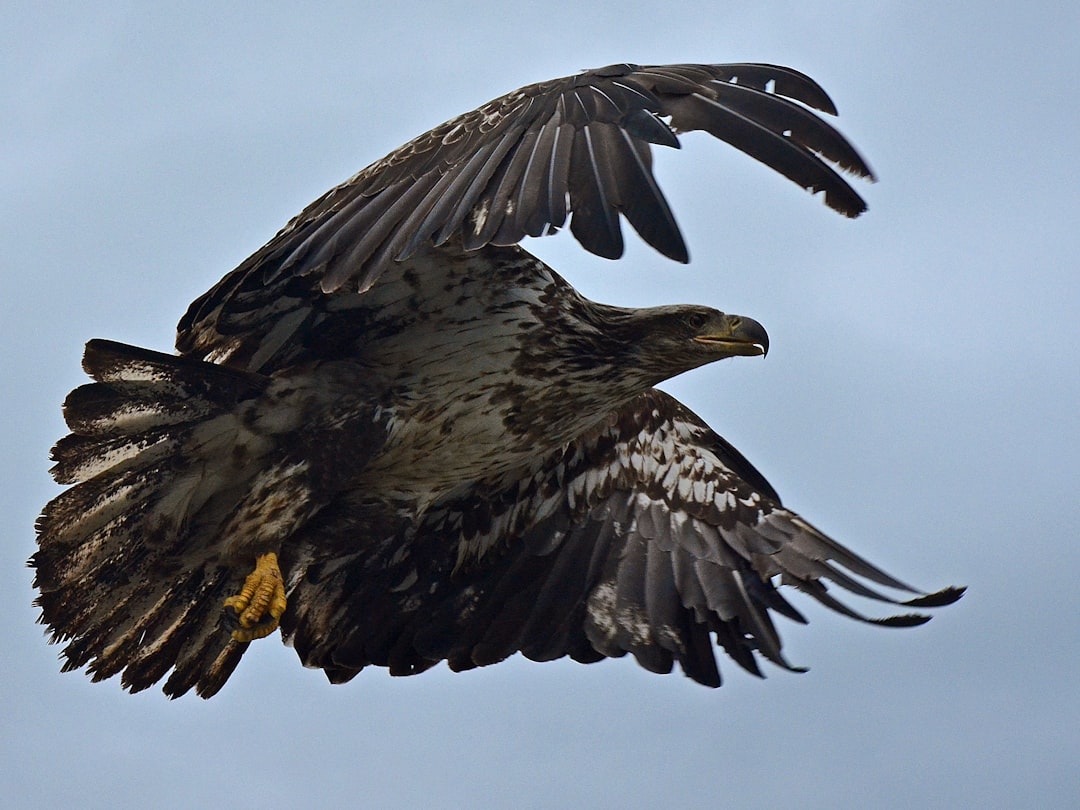
Golden eagles possess exceptionally sharp eyesight, significantly superior to humans, allowing them to spot prey from incredible distances. Their hunting strategy is pure precision – they soar high above their territory, scanning for vulnerable prey with those extraordinary eyes.
Bald eagles can dive at speeds reaching 100 miles per hour to catch their prey. Golden eagles are equally impressive in their aerial capabilities. These birds thrive in remote, rugged landscapes far from human activity, perfectly adapted to mountainous terrain where they can use elevation to their advantage.
Eagles constantly watch bands of sheep or other prey, and the moment an animal strays from protection, there’s an eagle zooming in for the kill. This patient, opportunistic hunting style gives eagles a significant tactical advantage over ground-bound predators.
The Scrappy Underdog: Coyote Intelligence and Adaptability
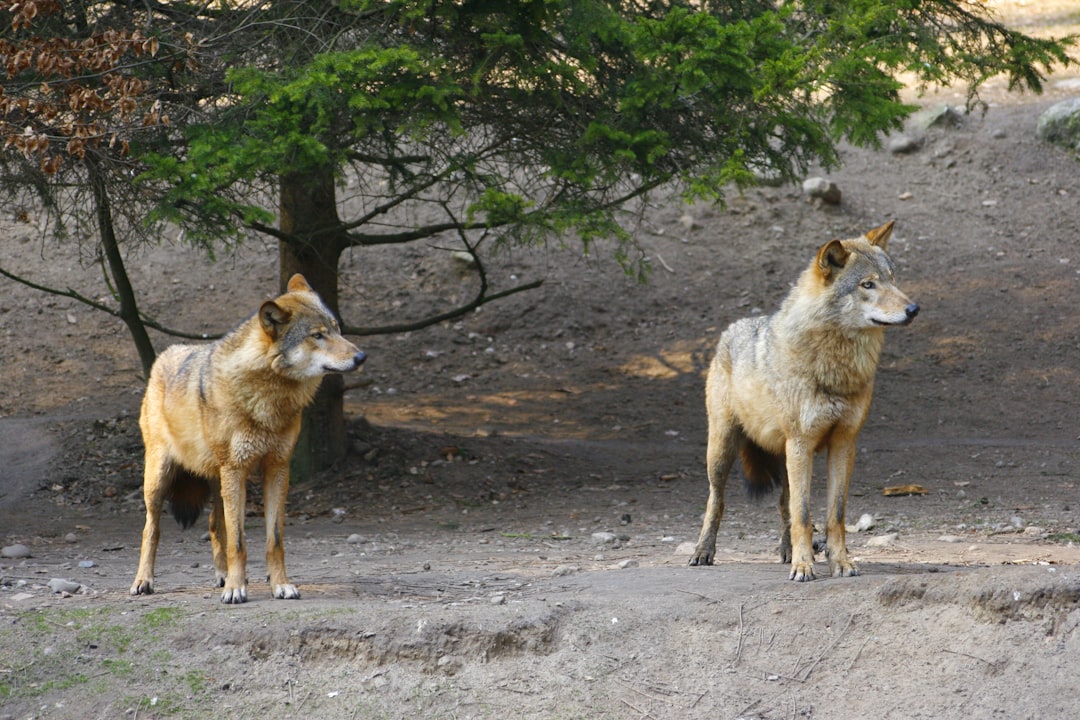
Coyotes demonstrate remarkable intelligence and adaptability, teaching us about evolution and coexistence in rapidly changing environments. These canines are among North America’s most adaptable predators, known for their intelligence, resourcefulness, and ability to survive in environments ranging from deserts to forests and urban areas.
Western coyotes typically weigh 18 to 30 pounds, while their eastern counterparts average 35-55 pounds due to past interbreeding with wolves. This size variation gives different coyote populations unique advantages in different regions.
Coyotes are highly intelligent social animals that live in complex family groups called packs, typically consisting of a mating pair and their offspring from current and previous years. This social structure provides them with coordinated hunting capabilities that most people don’t realize they possess.
Pack Tactics: When Coyotes Hunt Together
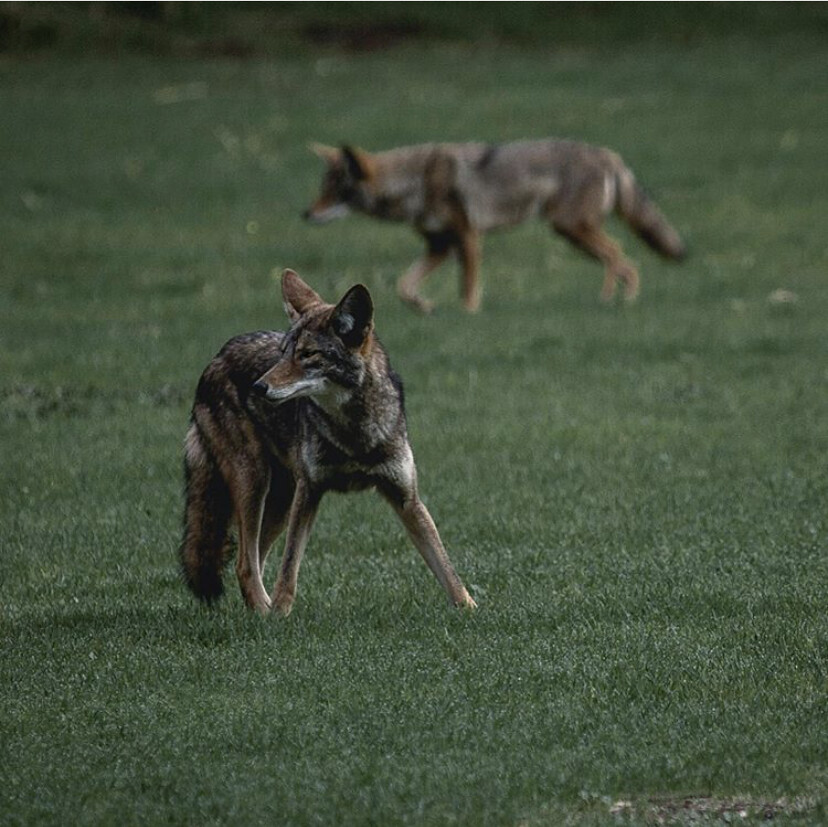
On rare occasions, coyotes coordinate pack hunts, especially in winter when food is scarce and they target larger ungulates like deer and elk. They typically hunt these bigger animals when prey is weakened by deep snow or harsh winter conditions.
When hunting in packs, coyotes use sophisticated strategies to conserve energy. They employ relay tactics where pack members take turns chasing and tiring prey, or surround-and-conquer strategies where they silently stalk and gradually close in to cut off escape routes.
Pack-hunting coyotes have successfully dispatched much larger prey including adult deer, cow elk, pronghorns and wild sheep. In some cases, they can bring down prey weighing 100 to 200 kg or more. This demonstrates their incredible effectiveness when working as a team.
Solo vs. Group Combat: Different Fighting Styles

Coyotes rarely use wolf-like pack tactics, with most hunting occurring solo or in pairs rather than coordinated group efforts. When hunting smaller prey like rodents, rabbits, and birds, coyotes typically work alone, using their agility, stealth, keen senses, and quick decisive strikes.
Golden eagles are fierce, strategic hunters that tend to be more solitary and secretive. They’re rarely seen unless you venture deep into their territory. This creates an interesting dynamic – eagles are natural loners while coyotes can switch between solo and group tactics.
In the wild, if you have a pair of golden eagles working together, they can kill some pretty large prey. A hungry eagle is a ferocious bird. However, eagles working in pairs is far less common than coordinated coyote pack behavior.
Historical Showdowns: Real-World Eagle vs. Coyote Encounters

A mature golden eagle weighs approximately 12 pounds, while a mature coyote averages 25 pounds. Some experts initially doubted whether eagles could successfully attack coyotes due to this weight difference.
However, eagles don’t need to carry off their prey, and trained raptors frequently kill animals larger than themselves. They can bind and hold prey much bigger than they’d normally take by themselves. Multiple accounts exist of golden eagles successfully hunting pronghorn, with evidence including mixed eagle feathers and antelope hair scattered across hunting sites.
When competing for food, eagles usually dominate other scavengers, aggressively displacing mammals like coyotes and foxes. However, occasionally coyotes, bobcats and domestic dogs can displace eagles from carrion, usually targeting less confident immature birds.
Environmental Advantages: Home Field Matters

Direct confrontations between eagles and coyotes are rare, but when they occur, outcomes depend heavily on habitat. Bald eagles dominate near water, while golden eagles have the upper hand in mountainous or open terrain.
Golden eagles primarily live in western U.S. states, while bald eagles live near water and consume loads of fish, turtles, rabbits, snakes and carrion. This habitat specialization means direct competition is limited to specific geographic overlap zones.
Coyote packs form not just for hunting but also for territorial defense and raising pups, creating strength in numbers for protection. This gives them advantages in areas where they’ve established territories, especially when defending against aerial predators.
Weapons Arsenal: Claws vs. Teeth
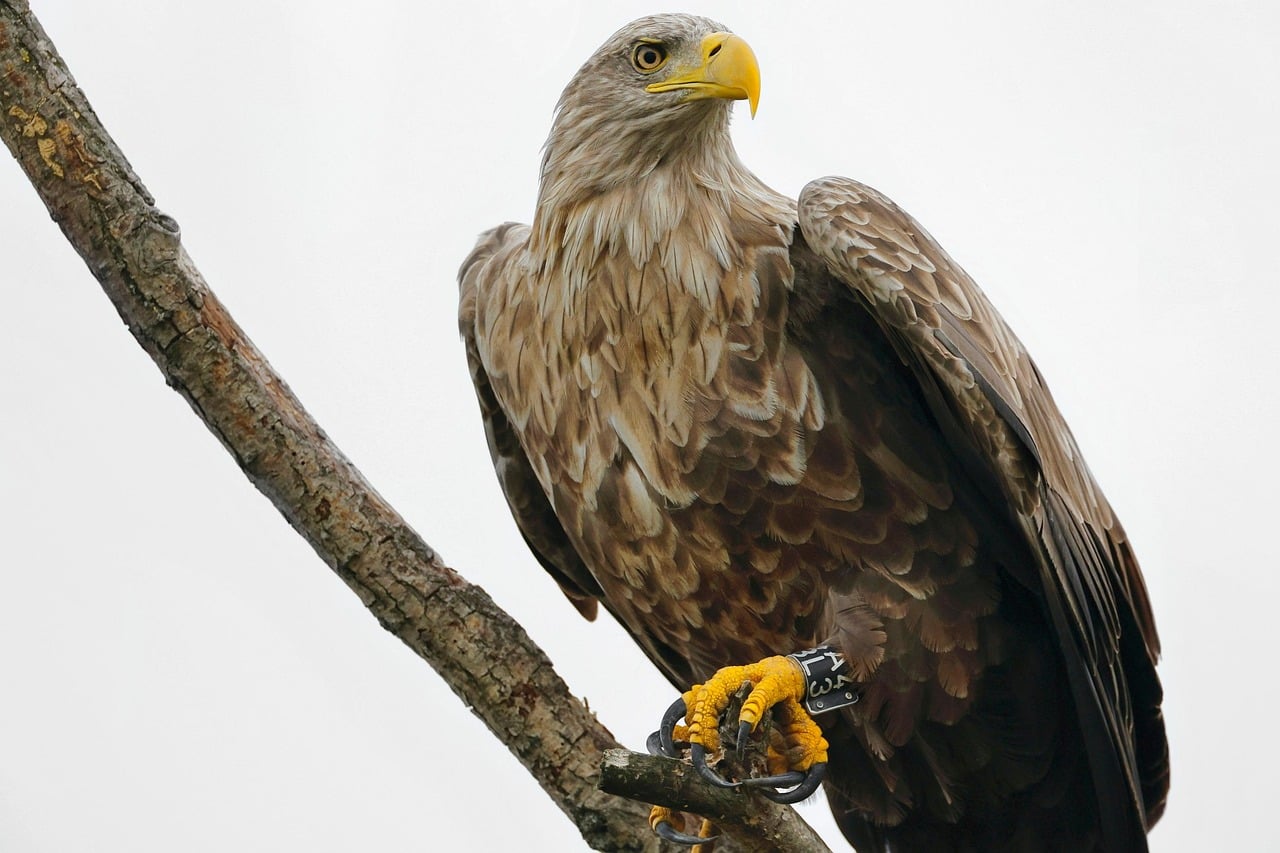
Golden eagles are equipped with stronger feet and sharper talons than bald eagles, specifically suited for grappling fast-moving land prey. Their talons are essentially four razor-sharp daggers on each foot, capable of exerting tremendous crushing force.
Harpy eagles possess exceptionally powerful grip strength, comparable to or exceeding that of humans. Their talons have been compared to “four kitchen knives on each foot,” creating eight potential stabbing weapons. Golden eagles possess similar crushing power.
Coyotes counter with powerful jaws designed for versatility. They’re true omnivores capable of consuming rodents, rabbits, insects, lizards, snakes, vegetables, fruits, and even deer fawns. In regions where they’re larger, they can hunt adult deer. Their bite force and jaw design allow them to tackle remarkably diverse prey.
Intelligence Battle: Strategic Thinking vs. Instinctive Hunting
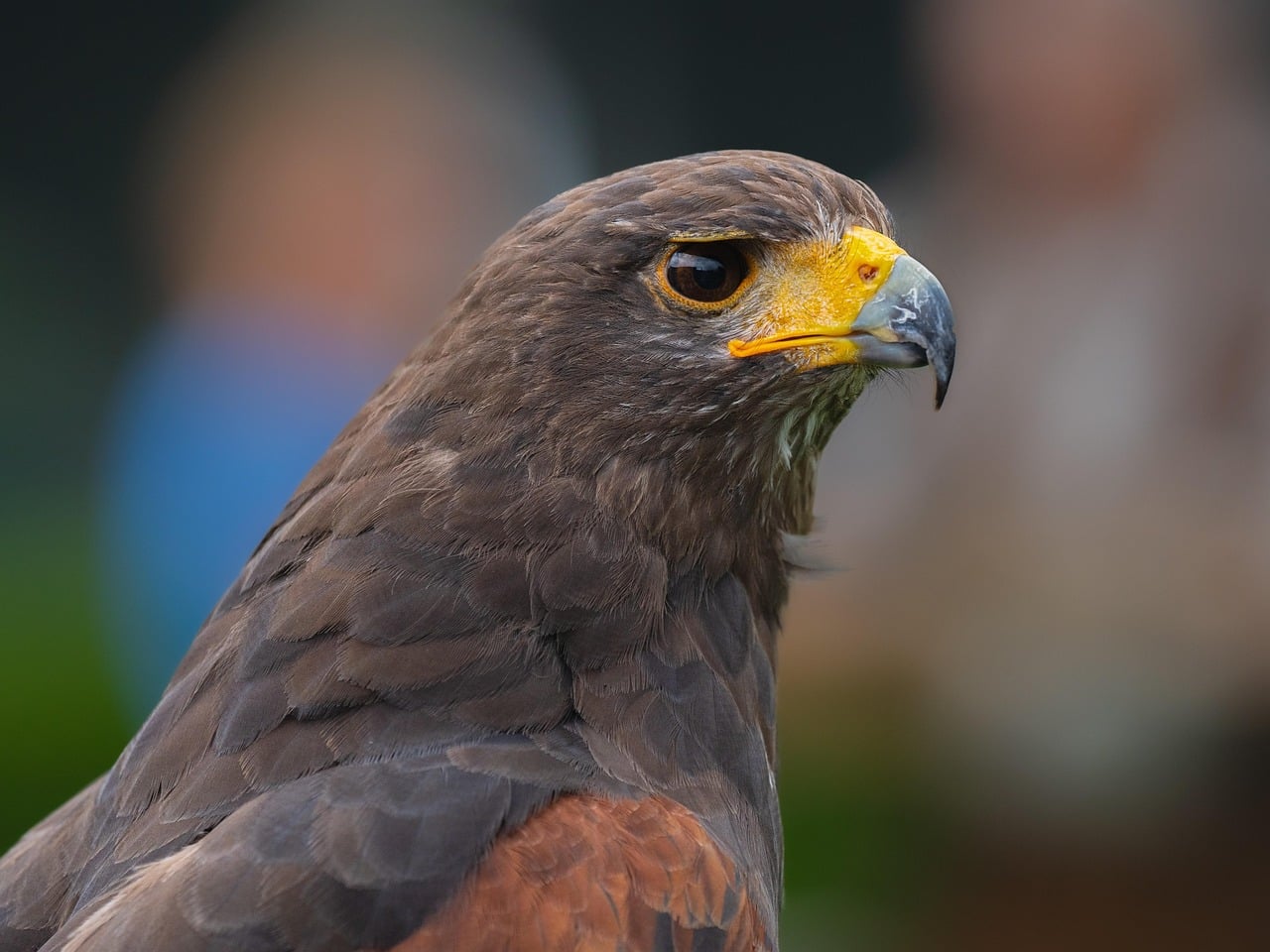
Coyote intelligence and adaptability demonstrates their capacity to evolve and coexist in rapidly changing ecological and social environments. Folklorists believe coyotes became trickster figures in Native American stories specifically due to their intelligence and adaptability.
Understanding coyote behavior reveals how individual intelligence and pack dynamics work together, highlighting their remarkable adaptability. Some form stable packs while others lead solitary lives exploring new territories, helping them thrive in changing environments.
Golden eagles are described as “built for power” with a sleeker appearance in flight than their bulkier bald eagle cousins. Their hunting intelligence focuses on patience, precision timing, and maximizing their aerial advantages rather than complex social coordination.
The Ultimate Verdict: Context Determines the Champion
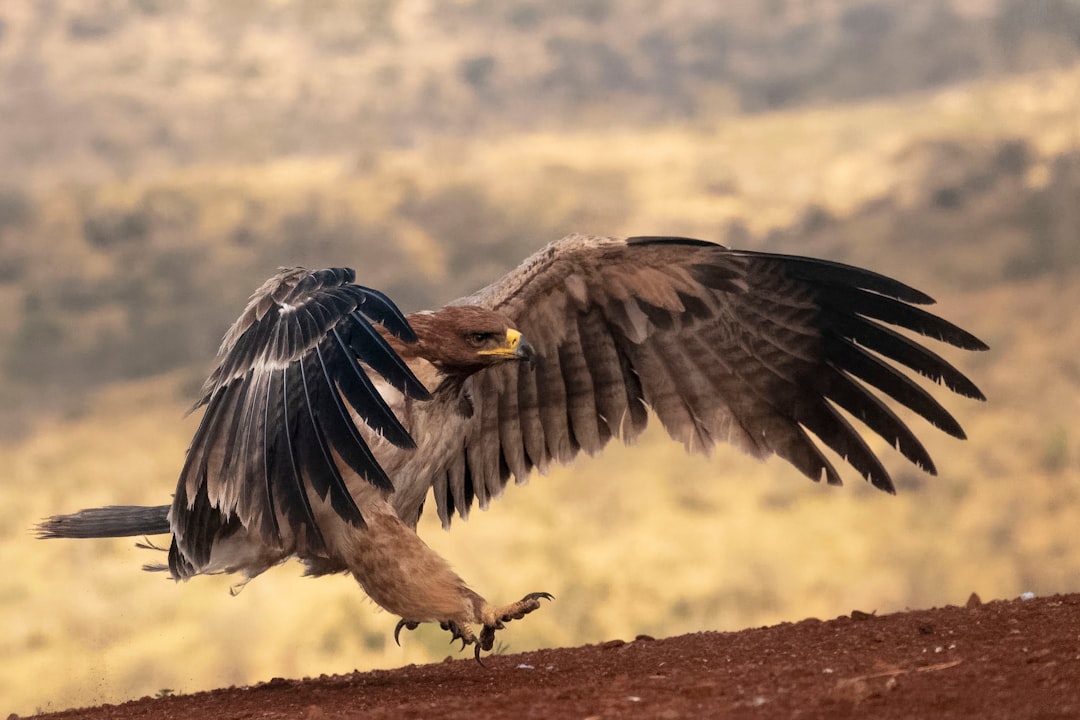
So who wins this ultimate boss battle? The answer depends entirely on the circumstances. Eagles and coyotes are roughly equal in size, aggressiveness and physical strength, meaning competitions can go either way. Neither species dominates consistently, and outcomes depend on individual size and disposition.
In aerial combat, the eagle has the high-ground advantage. Anyone betting on landing the first lethal blow would likely choose the creature with wings. However, an Eastern coyote weighs about four times more than most eagles, and any grip attempt by an eagle would likely result in the coyote dismantling them with powerful bites.
As one wildlife biologist observed during a Montana field study, “Bald eagles can bluff, but golden eagles strike with intent.” This captures the essence of the matchup perfectly – eagles bring precision and power from above, while coyotes bring cunning, adaptability, and the intelligence to avoid fights they can’t win.
In the end, both predators have earned their places as apex hunters through completely different evolutionary paths. The eagle rules the skies with unmatched precision and power. The coyote dominates through intelligence, adaptability, and social coordination. Rather than one ultimate champion, we have two perfectly evolved specialists who rarely compete directly because they’ve carved out different ecological niches.
What do you think about this epic predator showdown? Tell us in the comments which fighter you’d choose in different scenarios!
