

Every year, millions of people fall in love with a dog based on how it looks in a photo, how it behaved in a movie, or how adorable it seemed in a viral video. What rarely makes it into the frame is what happens next: the emergency vet visits, the chronic medications, the surgeries that drain savings accounts, and the heartbreaking reality that some of those “cute” traits come at a steep biological cost.
Vets are professionals, and they’ll care for any dog you bring through the door without judgment. Still, if you could hear what they say when the exam room door closes, you might reconsider a few choices. Veterinarians often caution against certain breeds due to their high incidence of severe, chronic health issues, and choosing the right dog involves factoring in not just temperament and size, but the potential for health-related complications. Here are 17 breeds that frequently land on that list.
#1. English Bulldog

English Bulldogs suffer from a long list of health problems due to breeding that has favored appearance over wellbeing. They’re a common household pet, with owners drawn to their small, stout size, squished faces, and stubby tails. The problem is that those very features are the source of serious, lifelong medical challenges.
English Bulldogs are prone to brachycephalic obstructive airway syndrome, skin fold infections, hip dysplasia, cherry eye, and obesity. English Bulldogs are so prone to health complications that they have an average lifespan of only around eight to ten years, with some studies placing the median even lower. For a dog this popular, that’s a surprisingly short runway.
#2. French Bulldog

French Bulldogs often suffer from respiratory problems due to their brachycephalic structure, and they are also at risk for skin issues and spinal disorders. Their popularity exploded over the past decade, largely driven by social media, but the health reality behind that cute face is sobering.
Because of how French Bulldogs are bred, they almost always have to deliver their young by cesarean section. Some critics consider French Bulldogs an ethically questionable breed since they were bred predominantly for looks rather than health, hence the frequent breathing and birthing issues. That’s a conversation worth having before falling for the Instagram aesthetic.
#3. Pug

The unique face and skull of a Pug makes it prone to eye bulging and respiratory issues. Flat-faced or brachycephalic dogs have a face structure that inhibits proper breathing, and their shortened muzzles make it harder to get air in. Some veterinarians have described the condition as breathing through a straw for an entire lifetime.
Pugs face brachycephalic obstructive airway syndrome, eye ulcers, spinal deformities, and obesity. That adorable short nose comes at a cost – poor airflow and highly vulnerable eyes. Keeping Pugs cool and avoiding overexertion are basic requirements of ownership. For many families, the reality of managing all of that comes as a genuine shock.
#4. German Shepherd

German Shepherds are predisposed to osteoarthritis, elbow and hip dysplasia, epilepsy, degenerative myelopathy, pancreatic insufficiency, heart problems, and certain types of cancer. They’re brilliant, loyal dogs, but the genetic burden carried by the modern purebred version of this breed is substantial.
German Shepherds are intelligent, loyal, and versatile dogs widely used in family homes, police work, and service roles. However, their large size, rapid growth, and distinctive hind limb structure place significant stress on the musculoskeletal system, making joint disease a common concern. Owners who go in without that knowledge can find themselves overwhelmed quickly.
#5. Cavalier King Charles Spaniel

Mitral Valve Disease is common in Cavalier King Charles Spaniels and other toy breeds, causing heart murmurs and coughing as the disease progresses. This is not a condition that shows up occasionally – it’s deeply embedded in the breed’s genetic makeup and affects a striking proportion of older Cavaliers.
Cavalier King Charles Spaniels are also prone to heart valve disease, syringomyelia, and eye disorders. Syringomyelia, a condition where fluid-filled cavities form within the spinal cord near the brain, is particularly painful and can be devastating to witness in a pet you love. Annual cardiac screenings can genuinely save their lives.
#6. Dachshund

Due to their long bodies, Dachshunds are susceptible to spinal injuries and intervertebral disc disease, which can lead to severe pain and serious mobility issues. The same elongated body shape that makes them look uniquely charming is, from a structural standpoint, a recipe for back problems.
Dachshunds are at risk of intervertebral disc disease, which can cause sudden paralysis. Recognizing early warning signs like stiffness, reluctance to jump, or dragging hind limbs is critical for timely intervention. Many owners learn this the hard way after a jump off a sofa turns into an emergency surgery bill.
#7. Golden Retriever

One of the most significant concerns in Golden Retrievers is cancer, particularly hemangiosarcoma. Like many large dogs, they are also susceptible to joint issues such as hip and elbow dysplasia, which can affect mobility and quality of life. Heart problems, including subvalvular aortic stenosis, can also occur, and Golden Retrievers are prone to skin allergies that may lead to chronic irritation if not managed.
The fact that Golden Retrievers have earned the unfortunate nickname “The Cancer Retriever” is deeply unsettling. One of the most popular dogs in America, Goldens live between ten and thirteen years but suffer from serious issues including subvalvular aortic stenosis. That cheerful, golden exterior can mask a body that quietly battles serious disease from middle age onward.
#8. Rottweiler

Elbow and hip dysplasia are common in Rottweilers and may lead to chronic pain or arthritis later in life. In addition to joint disease, Rottweilers have a genetic predisposition to Von Willebrand’s disease, hypothyroidism, Addison’s disease, and several types of cancer. These conditions may not become apparent until adulthood, making routine screening and long-term veterinary relationships particularly important.
Rottweilers have a high susceptibility to bone cancer, obesity-related issues, and heart disease. They’re powerful, impressive animals, and they deserve owners who go in fully informed. The commitment required to manage this breed’s health profile over a decade is not insignificant.
#9. Boxer

Boxers are notably prone to lymphoma, mast cell tumors, and heart diseases such as Boxer cardiomyopathy. They’re energetic, goofy, and deeply loveable – and unfortunately, they carry one of the heavier cancer burdens of any popular breed.
Boxers have a significantly high risk of developing various cancers. Roughly close to half of all Boxers succumb to cancer, making it crucial for owners to watch for symptoms like unusual lumps or changes in behavior. That’s a statistic that doesn’t appear on the breeder’s website, but it’s one every prospective Boxer owner should sit with before committing.
#10. Doberman Pinscher
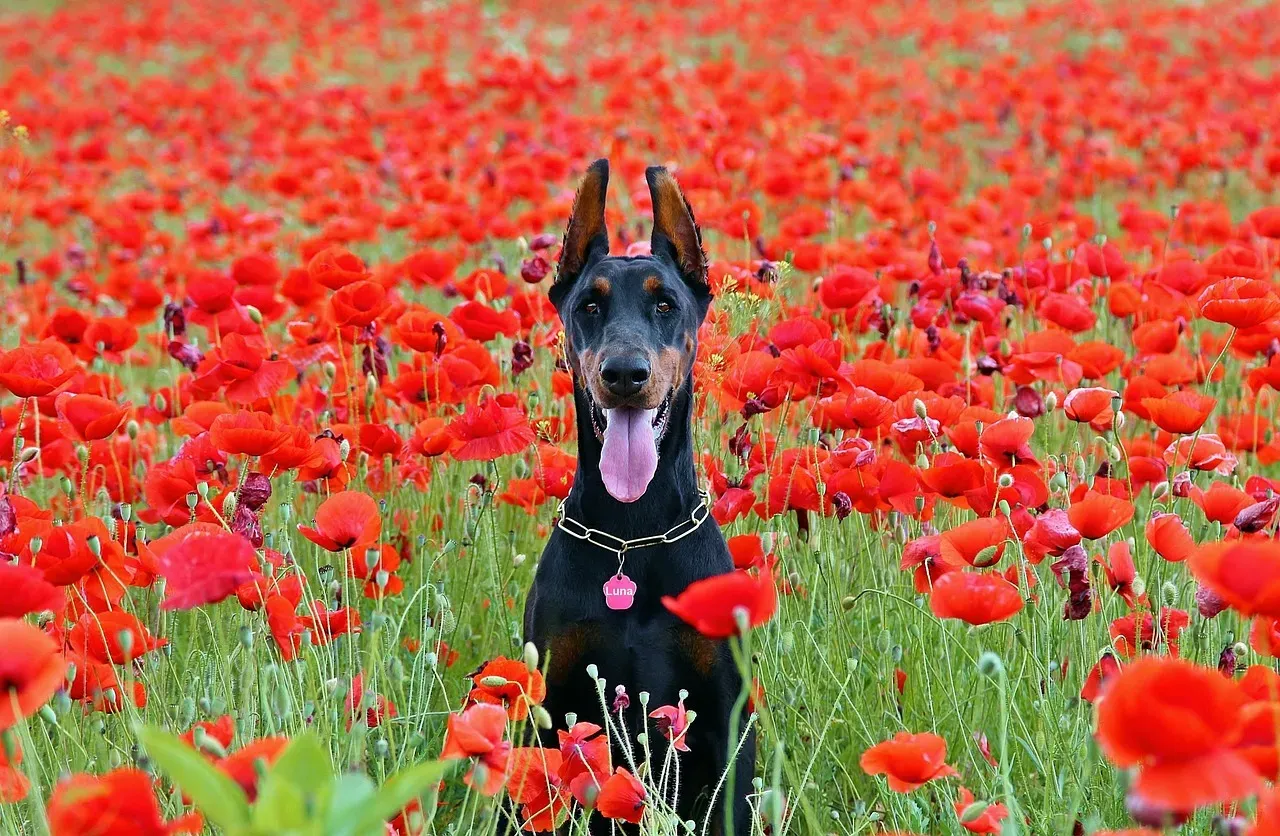
Doberman Pinschers suffer from dilated cardiomyopathy, clotting disorders, and kidney issues. Dilated cardiomyopathy in particular is a breed-defining problem. The heart slowly weakens, and by the time symptoms appear, significant damage has often already occurred.
When it comes to Doberman Pinschers, genetics remains the culprit of nearly all the most common health issues. Dilated cardiomyopathy, characterized by heart weakening and enlargement, impairs blood circulation. Von Willebrand’s disease, an inherited bleeding disorder, results from a deficiency that leads to excessive bleeding. Regular cardiac monitoring isn’t optional for this breed – it’s essential.
#11. Great Dane

Great Danes only live between eight to ten years because of their many health issues. They are one of the tallest dogs in the world, and their tall, lanky bodies make them iconic and easily recognizable. Their sweet demeanors make them attractive pets, but older Great Danes genuinely struggle to support their larger bodies.
Great Danes are true gentle giants, but that size comes at a serious cost. They are at high risk for dilated cardiomyopathy, an enlarged heart condition, and bloat, which requires immediate emergency care. Bloat in particular can turn fatal within hours, and it’s not a rare event in this breed. Owning a Great Dane often means living with one eye on the clock.
#12. Bernese Mountain Dog
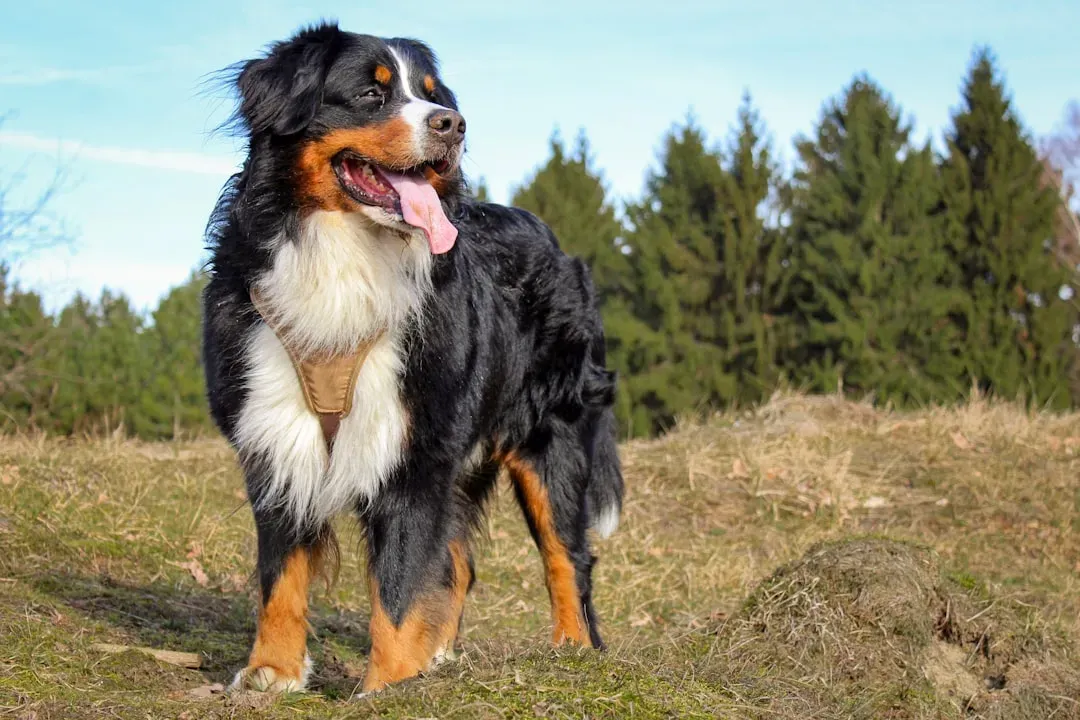
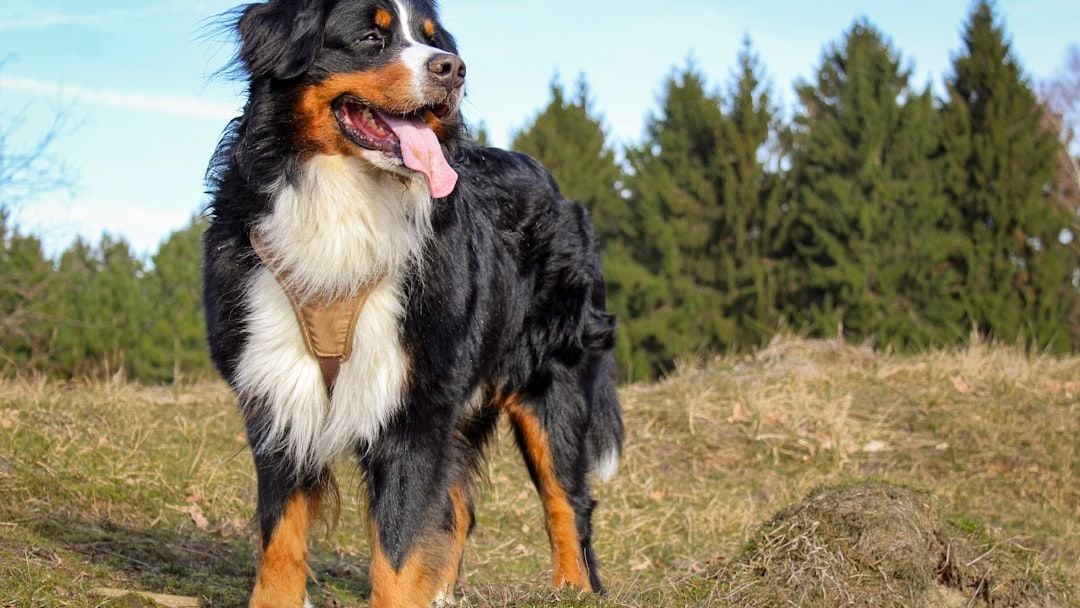
Bernese Mountain Dogs are particularly prone to certain types of cancer, including blood cancers such as lymphoma and bone cancer. According to at least one study, Bernese Mountain Dogs have a median lifespan of around seven years, making them one of the breeds with the shortest lifespans. That is a deeply short life for a large family dog.
They are susceptible to a wide host of health concerns, some minor and others serious, including cancer, kidney disease, liver disease, gastric torsion, Addison’s disease, hemolytic anemia, bloat, and joint diseases. Families who bring home a Berner for their kids should be emotionally and financially prepared for a health journey that can begin sooner than expected.
#13. Labrador Retriever

It is rare for older Labradors to not need treatment for osteoarthritis, and with many treatment options now available, pet owners who want to do everything for their beloved pet can spend a lot of time and money at the vet with their elderly Labrador. Labs are wonderful dogs, but their senior years are rarely straightforward.
Labs are generally sturdy dogs, but their love of food puts them at serious risk for obesity. That can lead to joint problems, diabetes, and heart disease. They’re also prone to ear infections due to their floppy ears, and some lines may be predisposed to progressive retinal atrophy, a condition that progressively affects vision. The family-friendly reputation is entirely deserved, but the health costs that accumulate in later years catch many owners off guard.
#14. Cocker Spaniel

Their long, floppy ears make Cocker Spaniels especially susceptible to ear infections, which can become chronic if not regularly cleaned and monitored. They are also prone to skin allergies, which may cause itching, redness, and irritation. Additionally, they can develop eye conditions like progressive retinal atrophy, a degenerative disease that can lead to vision loss.
Beyond ear disease, Cocker Spaniels are prone to eye conditions, joint disorders, thyroid disease, and heart problems, many of which have a genetic component. Their sensitive skin and immune tendencies can further increase the risk of chronic inflammatory conditions. For this breed, regular screening and early intervention play a critical role in maintaining long-term comfort. The grooming commitment alone is substantial, and the medical bills can be even more so.
#15. Shar-Pei

The Shar Pei originated in China as a guard dog and is a very loyal animal. They almost disappeared as a breed in the twentieth century, meaning they have a fairly small gene pool that causes serious problems. Their distinctive wrinkles can lead to infected skin folds, and they are also predisposed to eye problems, atopic dermatitis, and a breed-specific condition called Shar Pei Fever.
Many of the Shar Pei’s issues involve the eyes, including entropion, glaucoma, retinal dysplasia, and SARDS. They can also be susceptible to skin fold infections, autoimmune thyroiditis, hip and elbow dysplasia, patellar luxation, gastrointestinal issues, and some cancers. That wrinkly face is charming in photos and genuinely complicated in practice.
#16. Yorkshire Terrier

The Yorkshire Terrier can be affected by a condition called portosystemic shunt, which affects liver function. They are also at notable risk for dental issues. Dental disease in small breeds like the Yorkie is often underestimated by new owners. Tooth loss, pain, and related infections can compound quickly without consistent oral care.
Yorkshire Terriers are commonly affected by kidney disease, liver disorders, and dental problems. Extra small breeds like Yorkies are prone to portosystemic shunts, which are abnormal blood vessels that bypass the liver. In some cases, puppies are born with this condition and require surgery before they even reach full size. It’s a level of complexity that few families expect when they picture a tiny Yorkie in a bow.
#17. Dalmatian

One of the most common issues in Dalmatians is bladder stones, which can develop due to a genetic tendency to process uric acid differently, making proper hydration and diet especially important. Deafness is also relatively common in Dalmatians, with some dogs being born completely or partially deaf. Another potential concern is copper-related liver disease, where excess copper accumulates in the liver. Additionally, some Dalmatians may experience epilepsy, which causes recurring seizures that typically require lifelong treatment.
The Dalmatian’s starring role in pop culture has consistently driven demand for the breed, often from families who know little about what they’re getting into. The combination of hereditary deafness, urinary issues, and potential seizure disorders means that owning a Dalmatian responsibly requires proactive testing, a carefully managed diet, and a long-term veterinary relationship. Some breeds are more likely than others to suffer from certain diseases or conditions because of their genetic makeup, and the Dalmatian sits squarely in that category.
The Bigger Picture: What This Really Means for You

None of this means these breeds are bad dogs. Many of them are extraordinary companions with deeply loyal personalities and wonderful temperaments. What it does mean is that the decision to bring one home should be made with full knowledge, not just affection for an image.
Genetics play a central role in determining a pet’s susceptibility to certain diseases. Over generations, selective breeding for specific traits like coat color, size, or facial shape has also concentrated genes associated with health conditions. When you choose a breed based on looks alone, you’re not just choosing a pet. You’re inheriting a genetic history that was shaped by human decisions, some of them made with little regard for the animal’s wellbeing.
Not every dog of a specific breed will develop certain issues, and several of these problems may never appear with proper diet, exercise, attention, and medical care. Still, going in informed makes all the difference – financially, emotionally, and for the life of the dog itself. The kindest thing you can do for any dog is choose them thoughtfully, and love them honestly for everything that comes next.
