
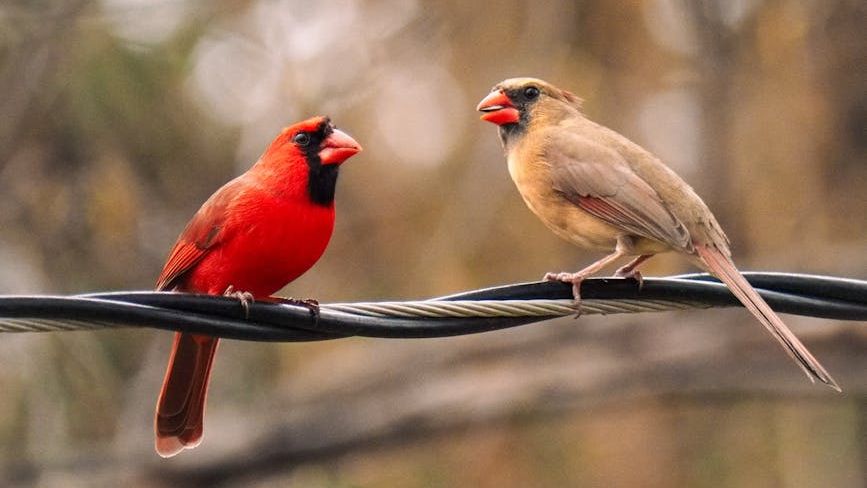
There’s something unsettling about hearing a sharp thud against your window, only to look out and find a brilliant red cardinal lying dazed on the sill. It happens far more often than most people realize, and it tends to repeat itself in a way that feels almost frantic. The same bird. The same window. Day after day.
What’s actually going on isn’t random at all. It traces back to a deep biological drive that cardinals simply can’t override, and understanding it changes how you see both the bird and your home entirely.
#1. The Phantom Rival: Your Window Is Lying to That Cardinal
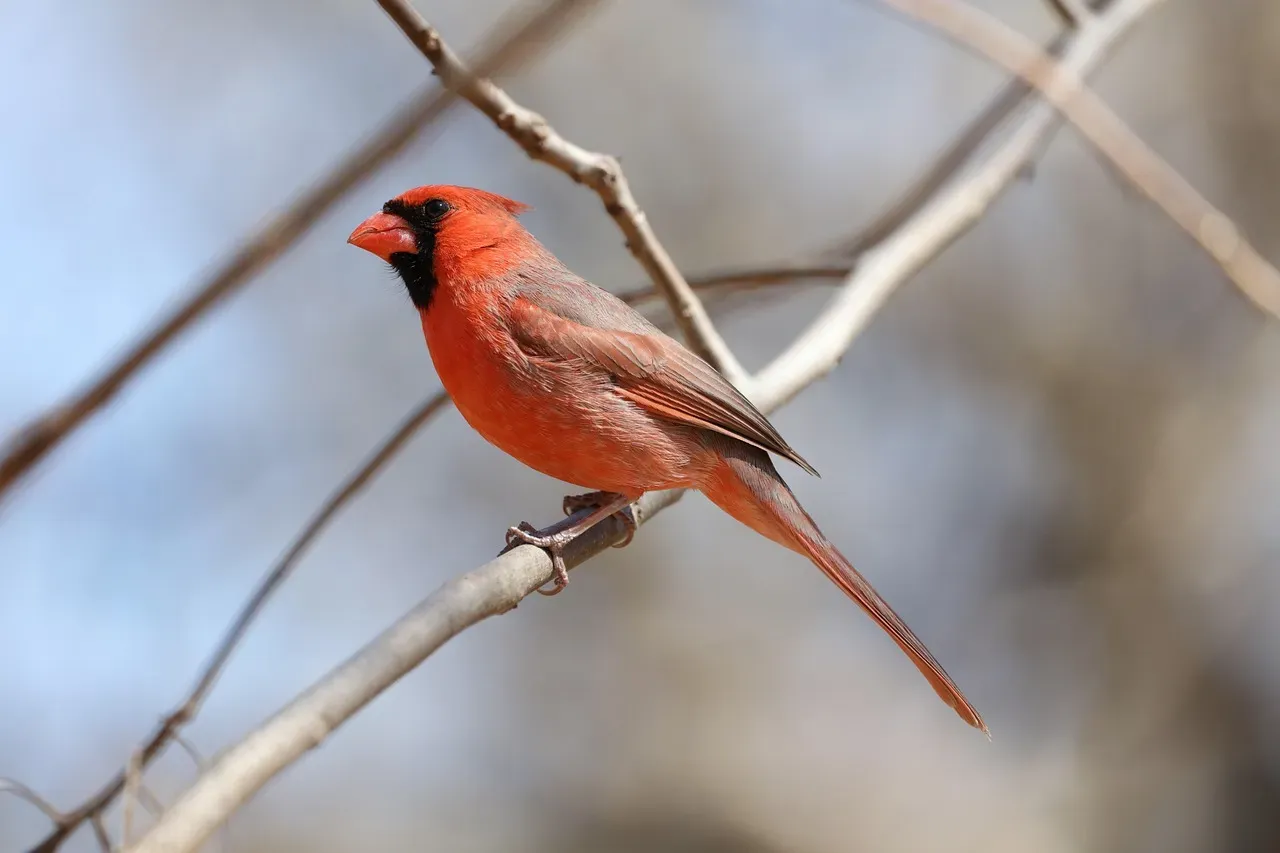
Cardinals are highly territorial, especially during breeding season. They see their reflection in the glass as a rival bird invading their territory. That vivid red flash staring back at them looks exactly like a threat, and from the bird’s perspective, the threat refuses to leave.
Since the reflection doesn’t fly away or engage like another bird would, it only mimics the cardinal’s actions. Each time the cardinal attacks, the reflection remains steadfast. The cardinal, determined to drive the reflection away, can continue attacking the window for weeks. It’s a fight the bird can never win, against an enemy that doesn’t actually exist.
#2. A Brain Built for Nature, Not for Glass
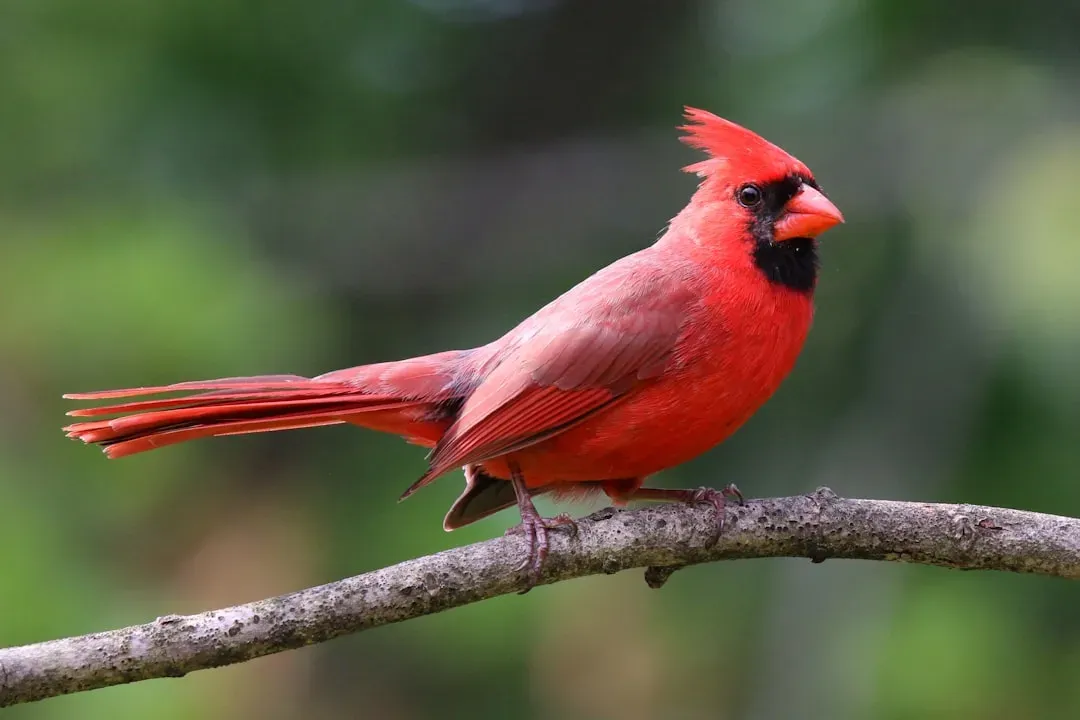
Despite sharp eyesight perfect for spotting predators, cardinal vision struggles with glass barriers. Their brains evolved for natural environments, not transparent surfaces that create window reflections. Glass is essentially a trick of the modern world that birds have had no time to adapt to.
Currently, the ability to recognize one’s reflection is known to exist only in primates, dolphins, and elephants. Unfortunately, Northern Cardinals and American Robins lack this ability. So no matter how persistently a cardinal attacks that window, it genuinely has no way of knowing it’s looking at itself. The cognitive shortcut simply isn’t there.
#3. Breeding Season Turns the Volume All the Way Up
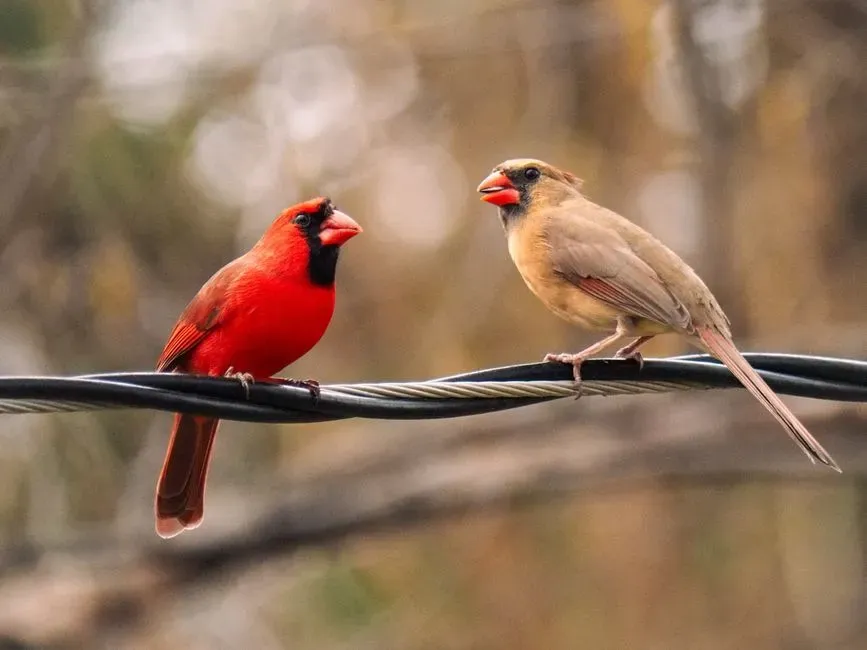
Things change dramatically during the breeding season. Starting in early spring and through summer, cardinals often exhibit aggressive behavior and fight hard against any rival bird that poses a threat to their reproductive efforts. Cardinals are extremely territorial during nesting season. The urgency isn’t anger for its own sake. It’s biology running at full throttle.
Both the male and female will aggressively defend their territory against rival cardinals as well as predators. While the red male cardinal typically defends the territory and his mate against other male cardinals, the female cardinal is highly protective of the nest and is primarily combative toward other females. This means it isn’t only the bright red males you need to watch for. Females crash into windows too, quietly driven by the same territorial logic.
#4. Cardinals Are Different From Most Birds – They Don’t Stop
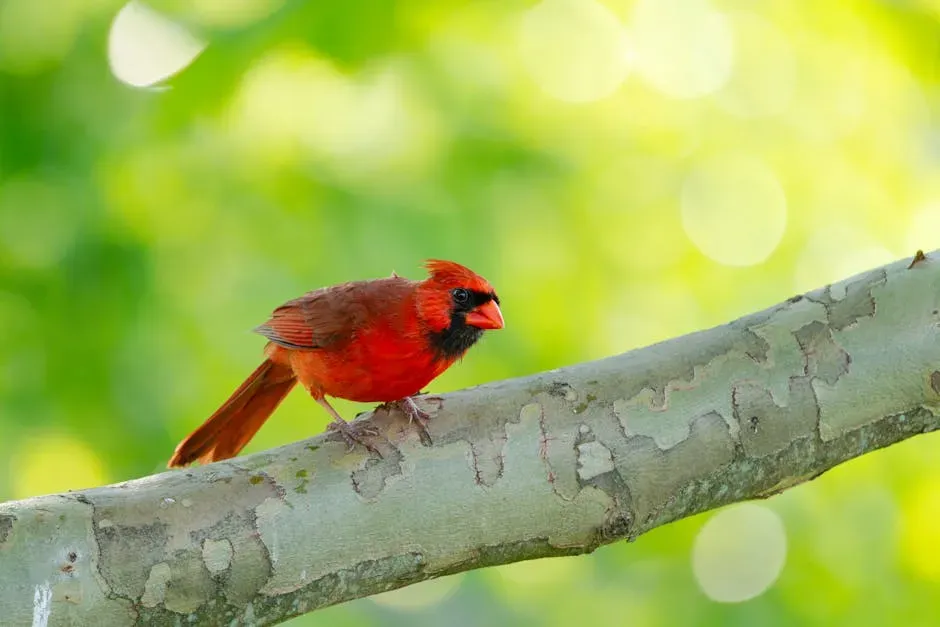
If this behavior is occurring in spring, it is probably associated with territorial behavior at the beginning of the breeding season. One exception is with male cardinals, who will often keep this up all year long as they maintain year-round territories. Most other birds settle down once nesting wraps up. Cardinals are wired differently.
Extension biologists have documented aggressive window-attacking cardinals that strike the same pane for hours a day, sometimes for weeks, without giving up. Cardinals are unusual because many hold territories year-round, which is why the tapping can continue well beyond the typical spring nesting rush. This is what separates the cardinal problem from a seasonal nuisance. For some households, it becomes a near-permanent fixture.
#5. The Real Cost: What This Does to the Bird
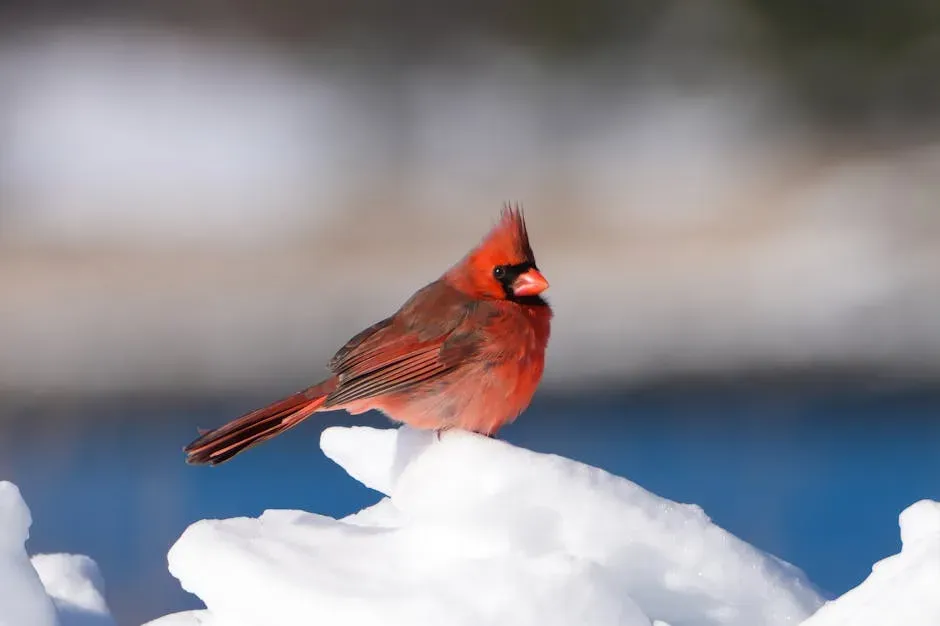
While window pecking rarely causes serious injury to cardinals, it’s not without risks. Repeated collisions can cause beak damage, feather wear, and exhaustion. The bird is also burning valuable energy that could be better spent finding food, attracting a mate, or caring for nestlings. It’s a quiet drain on the bird’s health, even when no single strike seems catastrophic.
Researchers estimate that up to about 1 billion birds die in the U.S. each year from window strikes, and the majority of those collisions happen at homes and low-rise buildings, not skyscrapers. Ordinary house windows add up to a continent-wide hazard. Most fatal collisions are not slow-motion pecks; they are high-speed hits when birds mistake reflected trees and sky for open habitat. Simple fixes help more than most people expect. Applying decals or stickers on the outside of windows breaks up reflections and makes the glass visible to birds. Decals should be placed close together, no more than two to four inches apart horizontally.
What You Can Actually Do About It
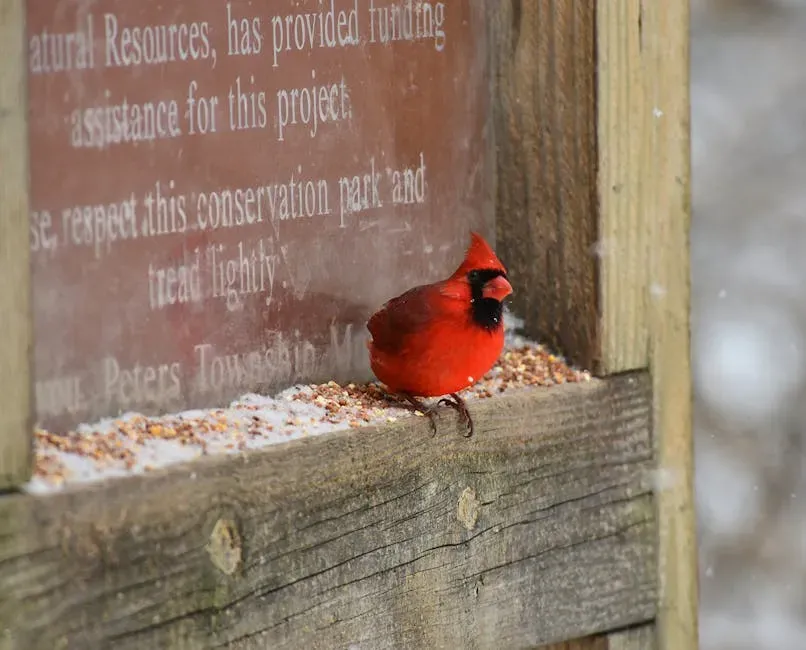
Moving bird feeders closer (within three feet) or farther away (over thirty feet) from windows is one of the most effective first steps. The logic is simple: a feeder positioned very close to the glass doesn’t give a bird enough flight speed to be harmed, while one far enough away removes the visual connection to the window entirely.
Understanding why cardinals fly into windows over and over requires acknowledging both the cardinal’s strong territorial instincts and the deceptive nature of reflective glass. While some preventative measures might deter a bird temporarily, permanent solutions must address the underlying issue of the reflection. By eliminating or significantly reducing the reflective surface, you can break the cycle of aggression and protect cardinals from injury. It doesn’t take much. A strip of tape. A screen. A decal placed deliberately. Small changes can end what looks, from the outside, like a bird losing its mind.
The cardinal isn’t broken or diseased. It’s doing exactly what millions of years of evolution prepared it to do. The only problem is that nobody told it your window was there.

- What If You Never Groomed Your Dog? - August 1, 2026
- Why Is Dog Socialization So Crucial (Or Else)? - August 1, 2026
- Are You Your Horse’s Favorite Human? 7 Signs They’ve Truly Bonded With You - August 1, 2026