
There’s a particular kind of heartbreak that veterinary clinics see on a fairly regular basis. A first-time dog owner walks in, clearly overwhelmed, with a dog that’s destroying furniture, triggering vet bills they didn’t budget for, or displaying behaviors they were completely unprepared to manage. The breed sitting on the exam table? Almost always one that some well-meaning blog or pet store listed as “great for beginners.”
Vets see these mismatches constantly, and many of them have strong private opinions about which breeds are simply not a good fit for first-time owners. Many veterinary professionals grow frustrated seeing the same pedigree breeds presenting with the same health issues time and time again, with pet owners often unaware of just how common and predictable these problems are. None of these dogs are bad. They’re just mismatched. Here are 14 breeds that quietly cause a lot of professional concern when they appear on those glossy “starter dog” lists.
#1. French Bulldog

The French Bulldog sits at the top of almost every vet’s private do-not-recommend list, and the reasons go far deeper than a personality quirk. French Bulldogs come with non-stop health issues, from breathing problems to skin infections to spinal issues. These aren’t occasional inconveniences. They’re built into the breed’s very anatomy, which means they arrive with a ticking clock of medical appointments.
Brachycephalic breeds like French Bulldogs often suffer from Brachycephalic Obstructive Airway Syndrome, which can cause breathing difficulties, heat intolerance, and even sleep apnea. Their facial structure also makes them prone to eye problems and dental issues. On average, a pet owner is looking at paying over $16,000 over the course of a French Bulldog’s lifetime, factoring in adoption costs, vet bills, and additional medical care. That’s not a beginner budget, by most people’s standards.
#2. English Bulldog

The English Bulldog is a breed that has been genuinely loved into a corner. Decades of selective breeding for that wrinkled face and stocky build have left the modern Bulldog with a body that fights against itself. What looks like a lovable, laid-back companion is often a dog managing a surprisingly long list of chronic conditions simultaneously.
Many Bulldogs require frequent vet visits and even surgeries to manage these chronic problems. Because of these ongoing health challenges, many vets caution pet owners, especially first-time dog parents, about adopting an English Bulldog unless they’re prepared for the medical costs and care involved. Despite their sweet personalities and loyal nature, their health risks make them one of the breeds vets are least likely to own themselves.
#3. Siberian Husky
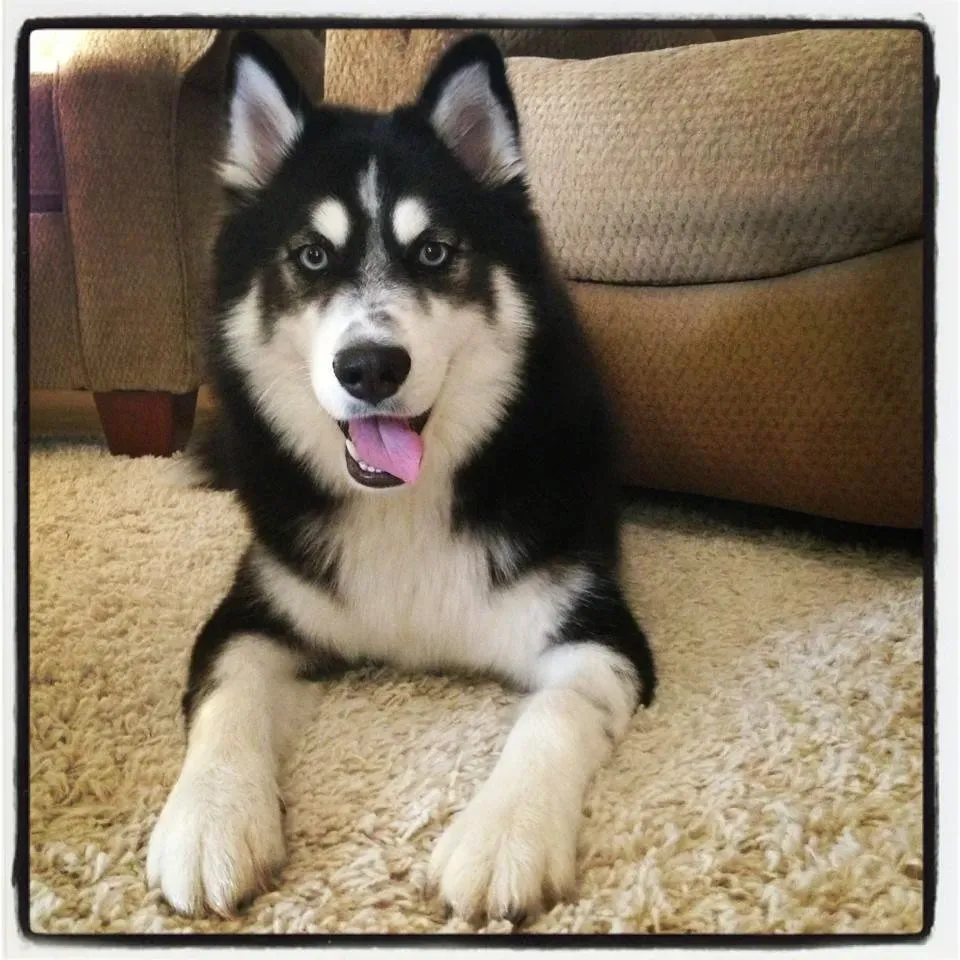
The happy and affectionate Siberian Husky is a working dog that thrives in cold, snowy climates. Bred to pull sleds over long distances, its liveliness reflects that – a short walk around the block simply won’t do for this breed. The Husky sheds heavily, is a capable escape artist, and has a strong predatory drive, making it a poor choice for homes with cats or small pets.
It’s hard to meet a Husky without being immediately charmed, with those blue eyes, the thick coat, and the wolf-like face. Vets, however, have seen what happens when that same dog ends up bored in a suburban backyard. Siberian Huskies are known for their energy and constant need for exercise, and they can also be prone to escaping and have a strong prey drive. A standard rental apartment is practically a prison sentence for this breed.
#4. Belgian Malinois

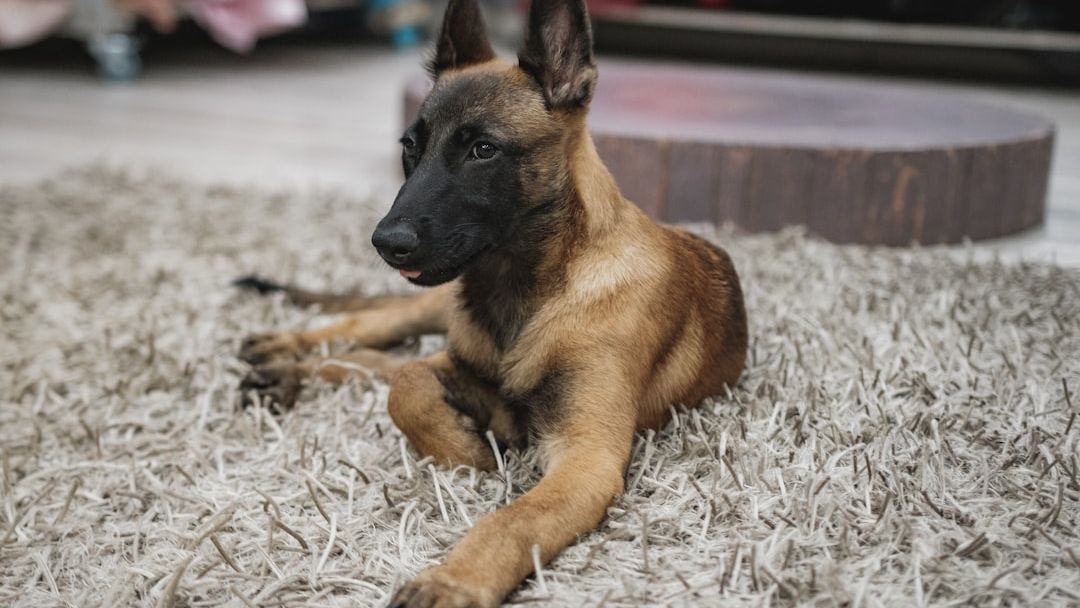
The Belgian Malinois is an extremely intelligent dog, so intelligent that experts have ranked it above both the Border Collie and German Shepherd for working intelligence. The Belgian Malinois requires constant mental and physical stimulation, and if left to their own devices, they will become restless and destructive. Experienced and active owners are required for this breed to truly shine.
Belgian Malinois are incredible working dogs, highly intelligent and driven, but unless they’re trained constantly and given proper structure, they become destructive and reactive fast. Working breeds like the Belgian Malinois require high levels of mental and physical stimulation. They are typically intelligent and energetic and excel at tasks like herding or obedience. Without proper exercise and mental stimulation, they can become bored, develop behavioral issues, or exhibit destructive behaviors.
#5. Border Collie
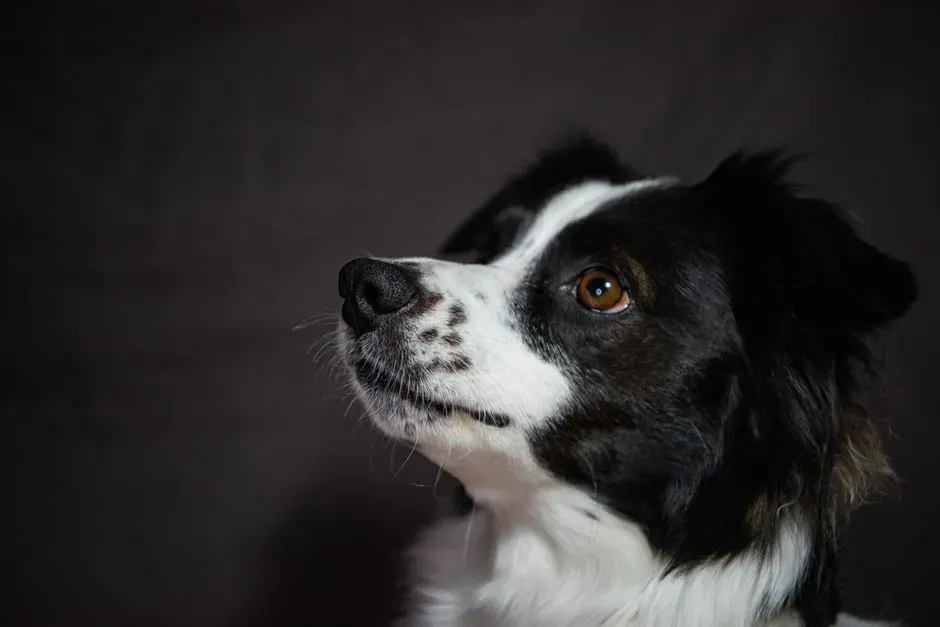
Veterinary consultants warn that Border Collies’ intelligence means they need constant mental challenges. Untrained, these brainy pups often develop destructive behaviors. Border Collies are considered among the most intelligent dogs since they need very few repetitions to understand a new command. However, they are independent dogs, and owners must prepare to keep them constantly entertained to prevent them from engaging in harmful activities – including barking, digging, and nipping seemingly out of nowhere.
Border Collies are super intelligent and highly trainable, but they have a very high energy level and require a lot of exercise and mental stimulation. They can be prone to destructive behavior if they are not given enough physical and mental stimulation. Border Collies are also prone to certain health issues, such as hip dysplasia and eye problems. For someone imagining a gentle companion to share the couch with, the reality of a Border Collie can come as quite a shock.
#6. Rottweiler

Although the Rottweiler can be a gentle giant, the wrong Rottweiler with the wrong owner can truly be a formidable dog. A Rottweiler wants someone to be the leader, and if you’re not taking that role, they will. They’re powerful and protective, known for being extremely loyal when it comes to their people and property, and can weigh as much as 135 pounds, most of it muscle.
Weighing 80 to 135 pounds with deeply ingrained guarding instincts, veterinary consultants warn that it may be difficult for first-time owners to properly train and handle a Rottweiler. Their strength means adolescent rebellion could escalate without an experienced leader. The Rottweiler is often the target of breed bans, so anyone interested in bringing this breed home needs to be well-read on laws and legislation in their area. Checking the fine print on homeowner’s insurance would also be a wise move.
#7. Chow Chow
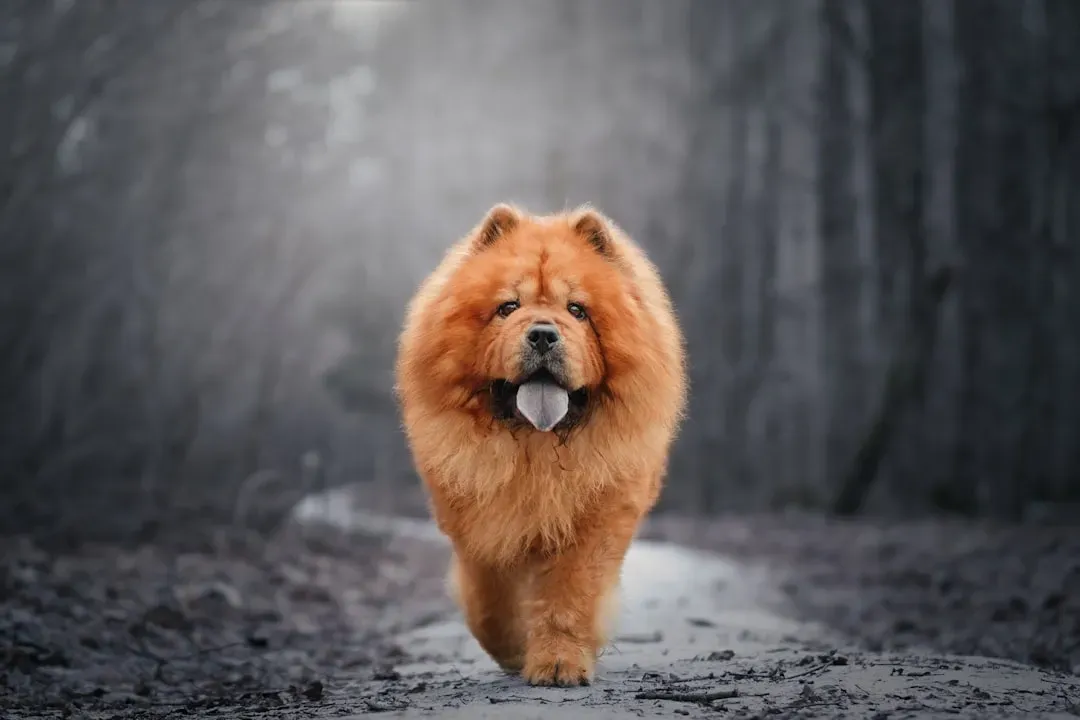
Chow Chows are very independent, strong-willed, and stubborn dogs that can be difficult to train. Without proper socialization, they can easily become aggressive. Their beautiful, thick coat also needs a lot of maintenance, requiring daily brushing and regular attention from a groomer to avoid developing an uncomfortable matted coat.
Chow Chows can be really aloof and are often very aggressive at the vet. The Chow Chow has appeared on several “most dangerous” dog breed lists, and the breed has historically accounted for a notable number of serious incidents. This shouldn’t mean that Chow Chows are “bad” dogs, just that they are likely not a good fit for every family or every lifestyle. For a first-time owner who hasn’t established firm boundaries from day one, this breed can become genuinely unmanageable.
#8. Akita
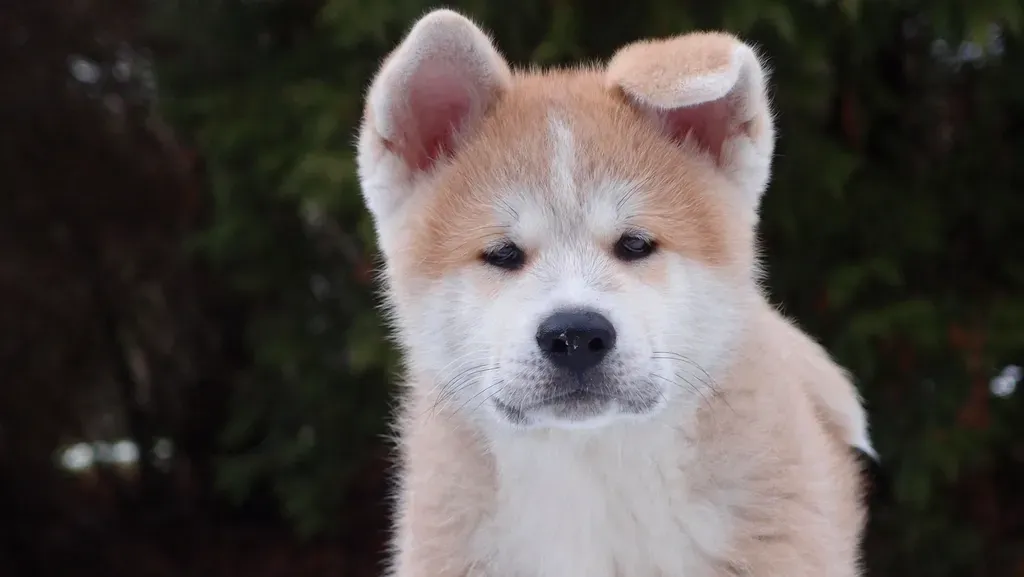
Akitas were bred to hunt big game, so they have a strong prey drive and can be aggressive if not adequately socialized and trained. Highly protective by nature, these dogs are often wary of strangers and do not always get along with other dogs. It takes an experienced pet parent to keep Akitas grounded and well-trained.
The Akita is a large, almost giant breed that can exhibit a strong prey drive, making it a potentially problematic choice for homes with cats or other small animals, and it may be aggressive toward other dogs too. They are often very protective of their family and aloof toward strangers, and in order to successfully train one, an owner needs to first earn the dog’s respect – something a new dog owner will likely struggle to do.
#9. Shar Pei

Although health problems are a major concern with the Shar Pei, there are also several behavioral issues potential owners should understand before adopting. One of the most serious is fear aggression, which can make the breed challenging for inexperienced owners. Dog-to-dog aggression is also fairly common, as the Shar Pei was originally bred as a fighting dog, and their stubborn temperament can make obedience training more difficult than with other breeds.
Shar-Pei Fever, also known as Familial Shar-Pei Fever, is a chronic auto-inflammatory disorder that causes recurring fever and swelling. More seriously, the genetic condition can cause protein accumulation in the body, leading to organ failure. According to research, the most common disorder diagnosed in the Shar Pei is entropion, also known as in-turned eyelids. For the Shar Pei, this is an extremely painful condition, and researchers found that roughly one in five Shar Pei dogs in the UK receive veterinary care for this issue.
#10. Dachshund

Though Dachshunds have terrific personalities, some very common and painful back problems make them less desirable for some owners. The main reason Dachshunds are so prone to back problems is because the majority of them have a cartilage defect called chondrodystrophy, which gives them their short-legged body shape. This defect also means that the cartilage in the discs of their spine commonly becomes diseased over time, eventually making them more likely to herniate.
Reducing how much a Dachshund jumps and avoiding obesity can help delay disc issues, but it doesn’t fully prevent them. Treatment will depend on severity and can range from rest and medication to spinal surgeries. Many new owners choose the Dachshund because of its small size and big personality, without realizing that the bill for a single spinal surgery can rival a month’s rent in many cities.
#11. Dalmatian
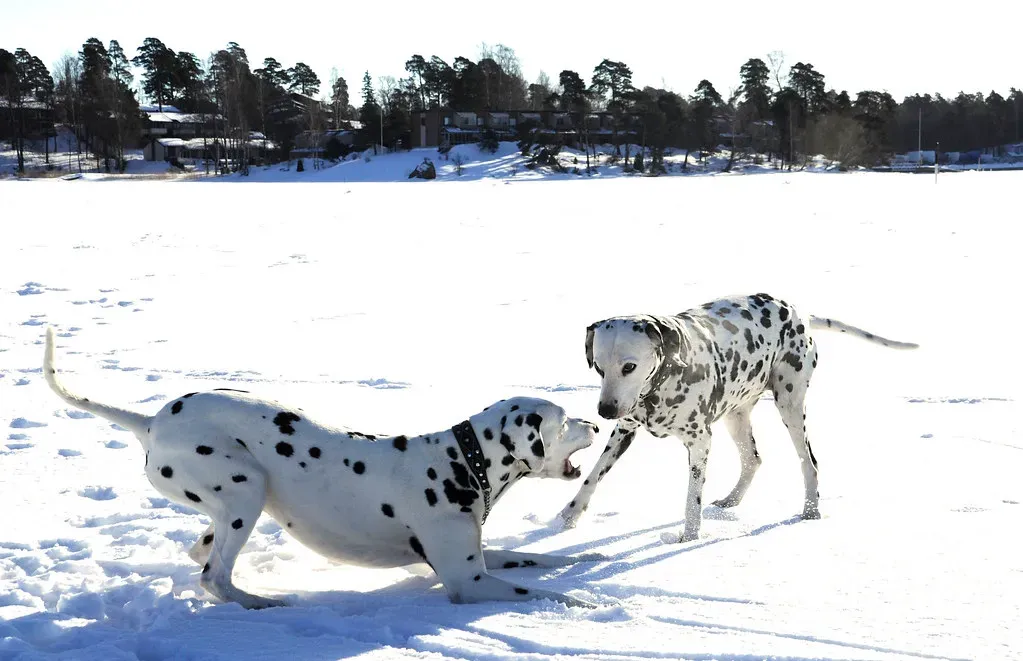
The Dalmatian is a striking, people-loving breed that is generally quite smart and great at learning tricks, but that brainpower comes with a huge amount of energy. In order to keep a Dalmatian happy, one needs to be prepared to give them appropriate outlets for that energy, lest they become bored and destructive. The Dalmatian is also an impressive shedder, with stiff hair that tends to weave itself into fabric.
The popularity spike caused by “101 Dalmatians” did no favors for this dog breed. They have a tendency to be snappy with children, and an abundance of overbreeding when the movies made the breed popular has led to a large percentage of Dalmatians being born congenitally deaf, which makes training them even more difficult. They need a lot of exercise or they may become destructive. The gap between the Disney version and the real-life version is genuinely substantial.
#12. Alaskan Malamute
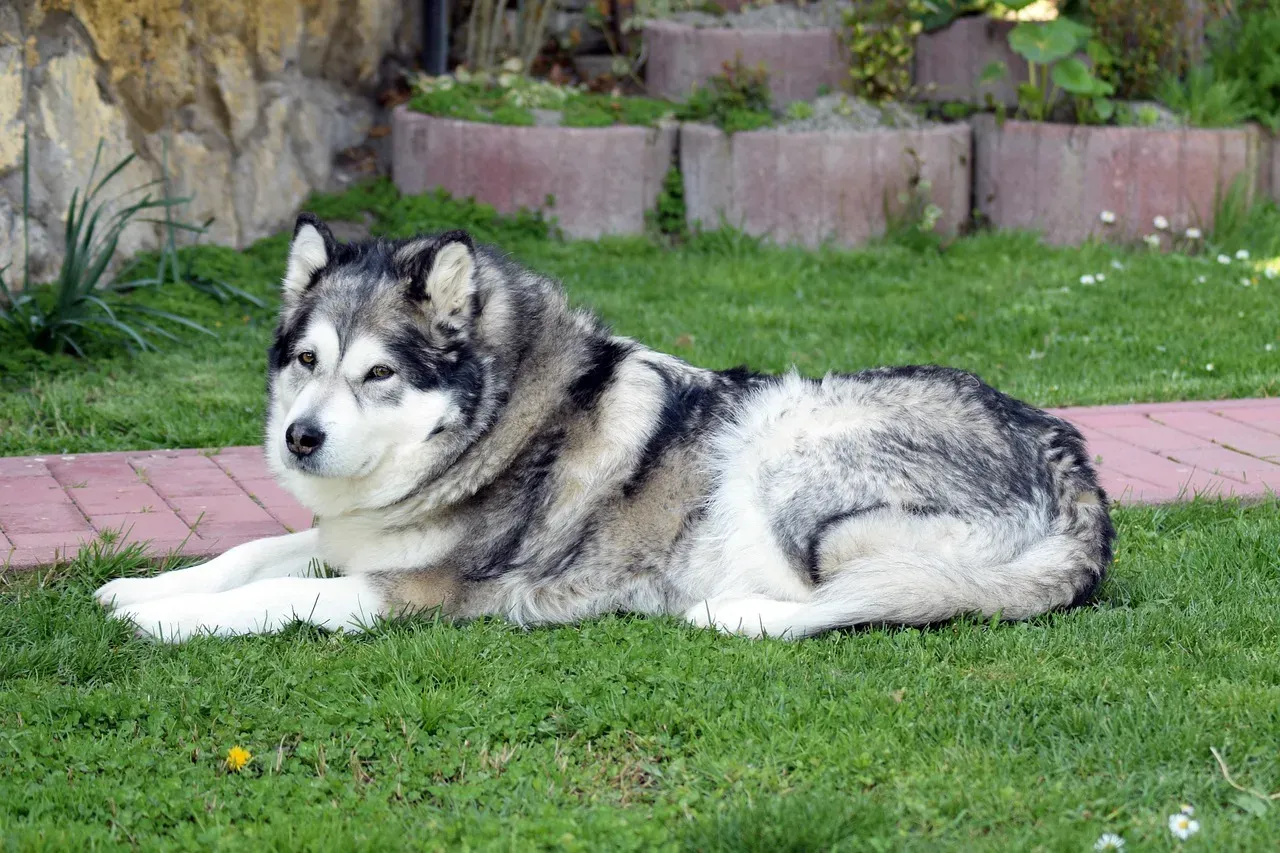
Traditionally bred as sled dogs, Alaskan Malamutes are high energy and shed heavily. They can be prone to pulling on the leash, which is a safety concern with such a large, strong dog. Similar to other high-energy breeds, these dogs require a lot of exercise and can easily become bored. They are escape artists and will run away, given any opportunity.
Malamutes can be great pets for very active households, but their large size, strength, and stamina mean they’re not the best breed for everyone. Malamutes shouldn’t be left unsupervised with children, vulnerable, or older people, especially given how energetic they are. They need lots and lots of exercise every day to keep them happy and healthy, requiring owners with significant amounts of time to devote to them. If you aren’t an experienced trainer or are a first-time dog owner, you should seek the help of an accredited trainer.
#13. Jack Russell Terrier

The Jack Russell Terrier looks unassuming, but these dogs have a mischievous streak which can spell disaster for first-time dog owners. They love digging and barking and will likely need professional training to keep their behaviors in check. Jack Russell Terriers are extremely intelligent, easily bored, and very independent, which makes them a high-maintenance dog breed. They should only be owned by people with a lot of time to devote to them and a very active lifestyle, as they require not only a lot of physical exercise but also extensive mental stimulation.
Jack Russells are fond of getting into trouble, love digging, are apt to escape, and are curious little investigators. They need an owner who understands this energy and can provide plenty of ways to expend it. Training can be a challenge too, as these dogs learn quickly and need to continue to be engaged, and fresh approaches will likely always be needed. Their compact size fools a lot of people. This is not a lapdog in a small package.
#14. Weimaraner

Weimaraners are highly energetic dogs that require lots of exercise to stay happy. When bored, they are likely to suffer from separation anxiety, so owners must be reliably present for them. They have a sleek, short coat that requires minimal grooming, but Weimaraners are intelligent dogs that need to be managed by experienced owners. They’re also difficult to train at home since they have a high prey drive and like chasing other pets.
Weimaraners are high-energy and require a lot of exercise and mental stimulation. They can also be prone to separation anxiety. Their graceful, almost regal appearance earns them a spot on plenty of beginner breed lists, usually written by people who’ve never tried to exhaust one. If you go out for a jog, a Weimaraner can accompany you, but you’re unlikely to tire them out without providing considerably more exercise. They love playing games in the yard and can compete in agility courses. That energy doesn’t come with an off switch.
What Vets Really Want New Owners to Know

When veterinarians express reservations about certain breeds, it’s usually based on extensive clinical experience and scientific data. These recommendations aren’t about judging a breed but about informing potential owners about the real challenges ahead. Every single dog on this list can be a wonderful, deeply rewarding companion in the right home. The key word there is “right.”
Understanding a breed’s potential challenges allows you to prepare for them, whether through choosing a responsible breeder, committing to specific training, or budgeting for potential health costs. First-time dog parents may not be prepared for a dog who requires extensive grooming, has serious health concerns, needs significant training, or needs a lot of exercise. Matching honestly with a breed is not a limitation. It’s the most loving thing you can do, for the dog and for yourself.
The breeds vets worry about most aren’t the ones with bad reputations. They’re the ones with beautiful photos, endearing quirks, and a complexity that no adoption pamphlet ever quite captures fully. Do the homework before you fall in love with the face.
