
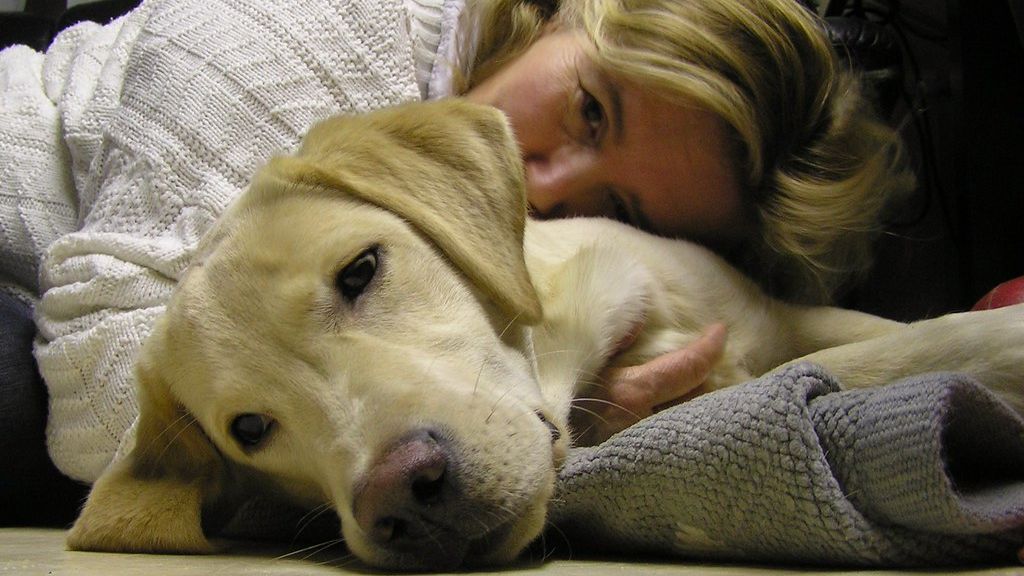
Most dogs handle change with a wag and a sniff. They explore a new space, find a sunny patch of carpet, and seem to carry on. Then there are the other ones. The ones that wait by the door. The ones that stop eating. The ones that pin everything they have on a single human and genuinely don’t know what to do when that person disappears from their world.
Dogs that have been surrendered, rehomed, or adopted from shelters are significantly more likely to develop separation anxiety. The experience of losing an attachment figure, even once, can make a dog hyper-vigilant about future separations. For certain breeds, this isn’t just a behavioral quirk. It’s written into their genetics, their history, and the very purpose they were bred for. Some dog breeds are naturally inclined to form strong bonds with their people and stay highly attentive to what is happening around them. Because of that, they may prefer to stay close and follow daily routines, which can make alone time more challenging even in a loving, familiar home.
These are the six breeds where rehoming doesn’t just cause disruption. For them, it can feel like the end of everything they understood to be safe.
#1. The Vizsla: The Dog That Needs to Be Your Shadow

There’s a reason Vizslas are called “Velcro dogs,” and it isn’t a casual nickname. Vizslas were originally bred for falconry and love working closely with humans, a trait that has translated into a desire for constant companionship. This isn’t selective affection. It’s a deep-seated need that runs through every cell of the breed.
What separates Vizsla separation anxiety from other breeds is the intensity and the speed at which it develops. A Cavalier may whimper when you leave. A Vizsla may destroy a door frame, break out of a crate, or injure themselves trying to follow you. The distress is not proportional – it is extreme, it is physical, and it starts the moment your car pulls out of the driveway, sometimes before.
The combination of extreme attachment and extreme energy makes Vizsla separation anxiety one of the most challenging behavior issues any dog owner can face. Rehoming a Vizsla mid-life doesn’t just introduce sadness. It can trigger a full emotional collapse in a dog that has oriented its entire world around one person. If you’re home a lot or happy to include your dog in errands and hikes, a Vizsla will reward you with a bond that feels like a shared heartbeat. If you’re gone long hours, this isn’t your breed.
#2. The German Shepherd: Devoted Beyond Measure
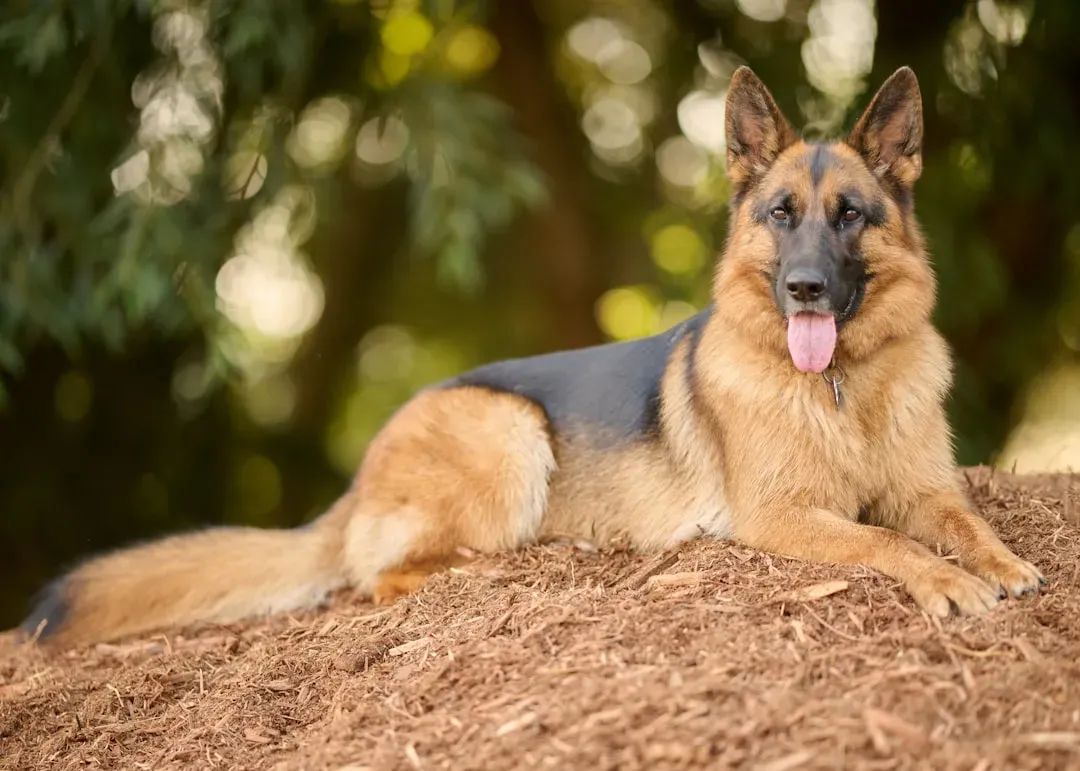
German Shepherds are not just intelligent and hardworking; they are fiercely loyal to their owners. This breed is known for forming intense bonds with their families, often becoming protective guardians. German Shepherds thrive on having a “person” or family to look after, and their devotion is second to none. That level of emotional investment is extraordinary – until the person they’ve devoted themselves to disappears from their life.
Some larger breeds, like a German Shepherd, experience separation anxiety because of lack of mental stimulation, while others may have developed a strong bond with their dog parents. When rehoming combines both losses at once, the disruption can manifest in ways that are genuinely distressing. German Shepherds are loyal and protective, and some panic when their main person leaves. The panic isn’t drama. It’s a dog whose entire sense of order has been removed.
While some people may think of German Shepherds as intimidating hounds, these dogs are actually incredibly loyal to their pack and anyone they love. They are often described as gentle, caring, and loving toward their humans and want nothing more than their owner’s company. That need for closeness means a change in home can leave them emotionally adrift for months.
#3. The Cavalier King Charles Spaniel: Born to Love One Person
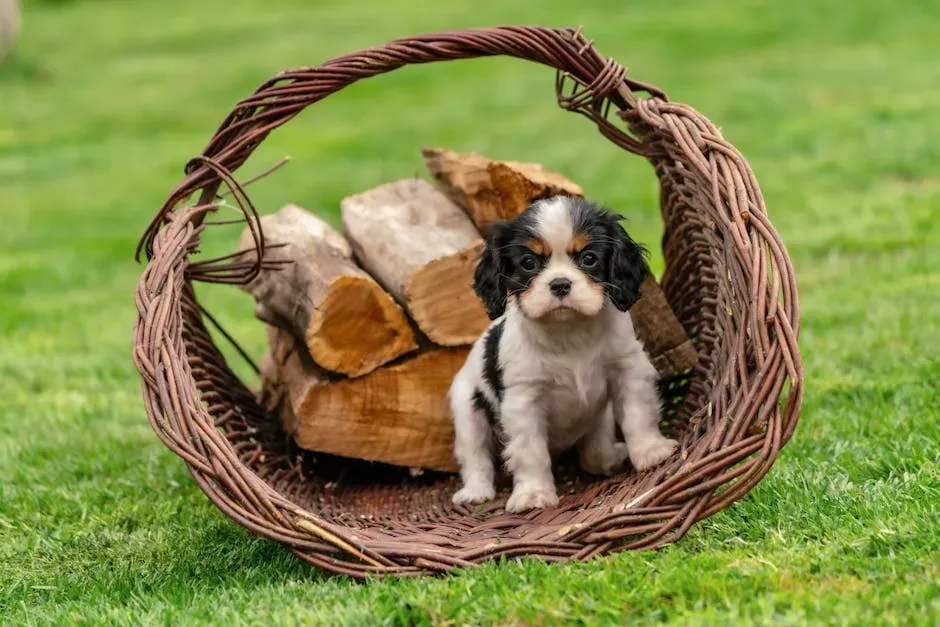
Cavaliers were bred to be lap dogs for royalty. That’s not a cute historical footnote – it’s a breeding directive that produced a dog who is genuinely distressed when separated from their person. Centuries of selective breeding have made emotional dependency not just possible in this breed, but essentially inevitable.
Separation anxiety is a complex issue that many Cavalier King Charles Spaniels struggle with. When left alone, these dogs can experience significant distress, leading to behaviors such as excessive barking, destructive chewing, and house soiling. Understanding the intricacies of separation anxiety can help owners develop effective strategies to alleviate their Cavalier’s anxiety and promote a sense of security and calmness.
Cavalier King Charles Spaniels are known for their emotional sensitivity and strong desire to please their human companions. They thrive on love, attention, and positive reinforcement. Emotionally sensitive dogs like Cavaliers require gentle, patient, and consistent handling to prevent behavioral problems from arising. Placed in a new home without warning, a Cavalier can withdraw, stop engaging, and fall into a kind of quiet grief that is hard to watch and harder still to reverse.
#4. The Labrador Retriever: When Loyalty Becomes Vulnerability
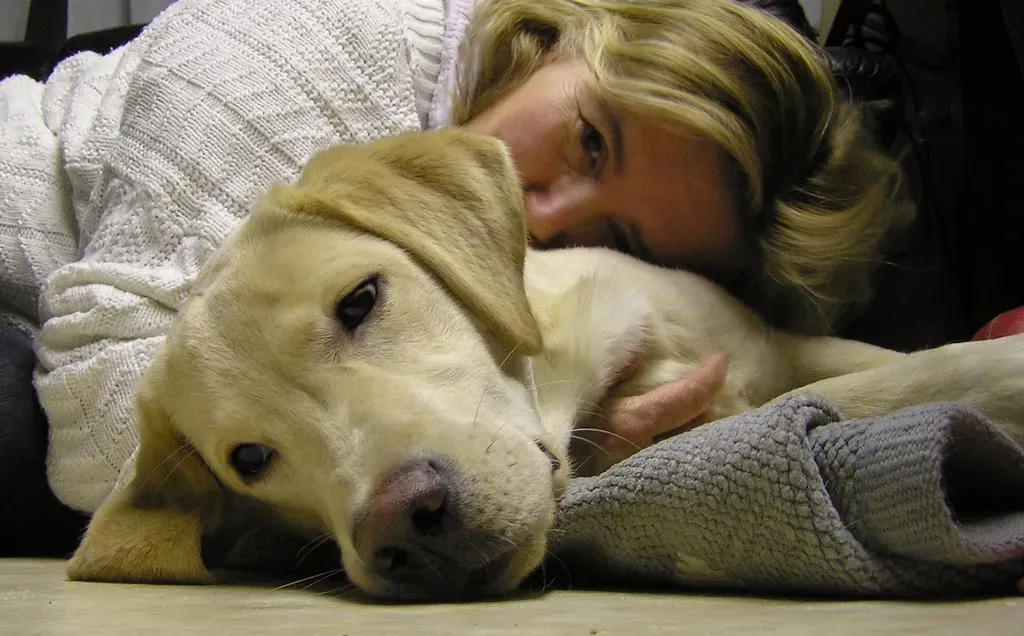
Labs have a reputation for being easygoing, and in many ways they are. That reputation, though, can mask just how deeply they attach. Sweet, soulful Labs are known for being big cuddlebugs. They have a tendency to want to be able to touch their human when both are occupying a piece of furniture, and if the owner moves, the dog will move closer to continue touching them to make a connection.
Labrador Retrievers are bred to work closely with people. As such, they may struggle with anxiety more than other dog breeds when separated from their favorite people. That work history runs deep. A Lab isn’t just a pet that enjoys your company – it’s a dog whose entire instinct revolves around being your partner. Labradors are also incredibly empathetic, often sensing when their owners need comfort or support. That same empathy makes them acutely sensitive to loss.
Dogs that have been abandoned, rehomed, or stayed in a shelter often have higher anxiety levels. For a Lab that has never known anything but one family, the confusion of rehoming can be profound. Their world simply doesn’t compute without the people they trusted completely.
#5. The Border Collie: Relationship-Driven to the Core
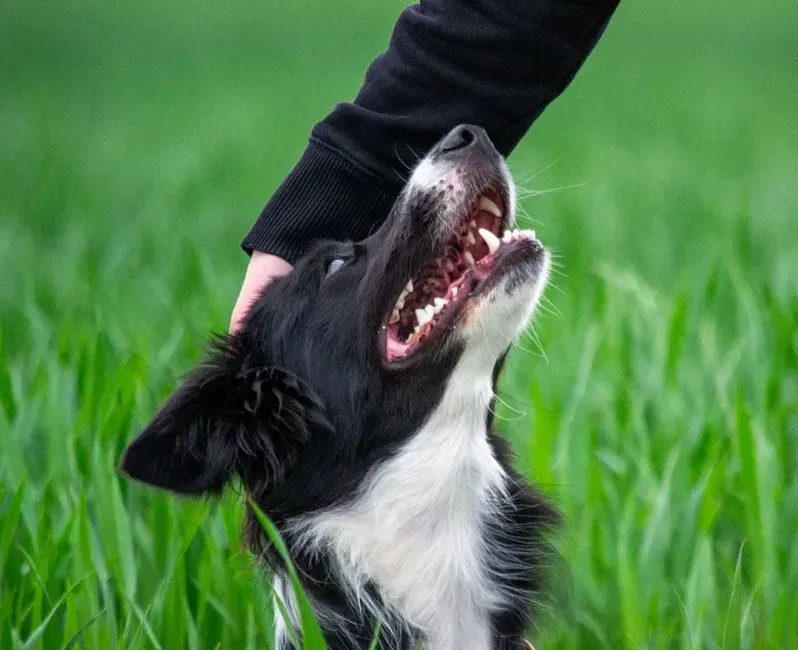
What people forget is that Border Collies aren’t just smart – they’re relationship-driven. They want to solve problems with you, not for you. That distinction matters enormously. A Border Collie doesn’t bond with a household. It bonds with a specific person, in a specific collaborative dynamic that takes time to build and cannot simply be transplanted.
Border Collies are renowned for their intelligence and sensitivity. These dogs are in tune with their owners’ emotions and can quickly form deep attachments. They crave companionship and love being involved in everyday activities. Border Collies are happiest when they are working or playing alongside their humans; leaving them alone for long periods can make them unhappy.
Border Collies are herding dogs built to run, work hard, and perform demanding jobs for their pet parents. Because they’re so focused on their people, Border Collies are another dog breed that might be at a higher risk of developing separation anxiety. Rehoming breaks the partnership model they rely on. Without the structure of that bond, a Border Collie can spiral into anxiety, restlessness, and behavioral problems that weren’t present before.
#6. The Akita: A Bond That Lasts a Lifetime
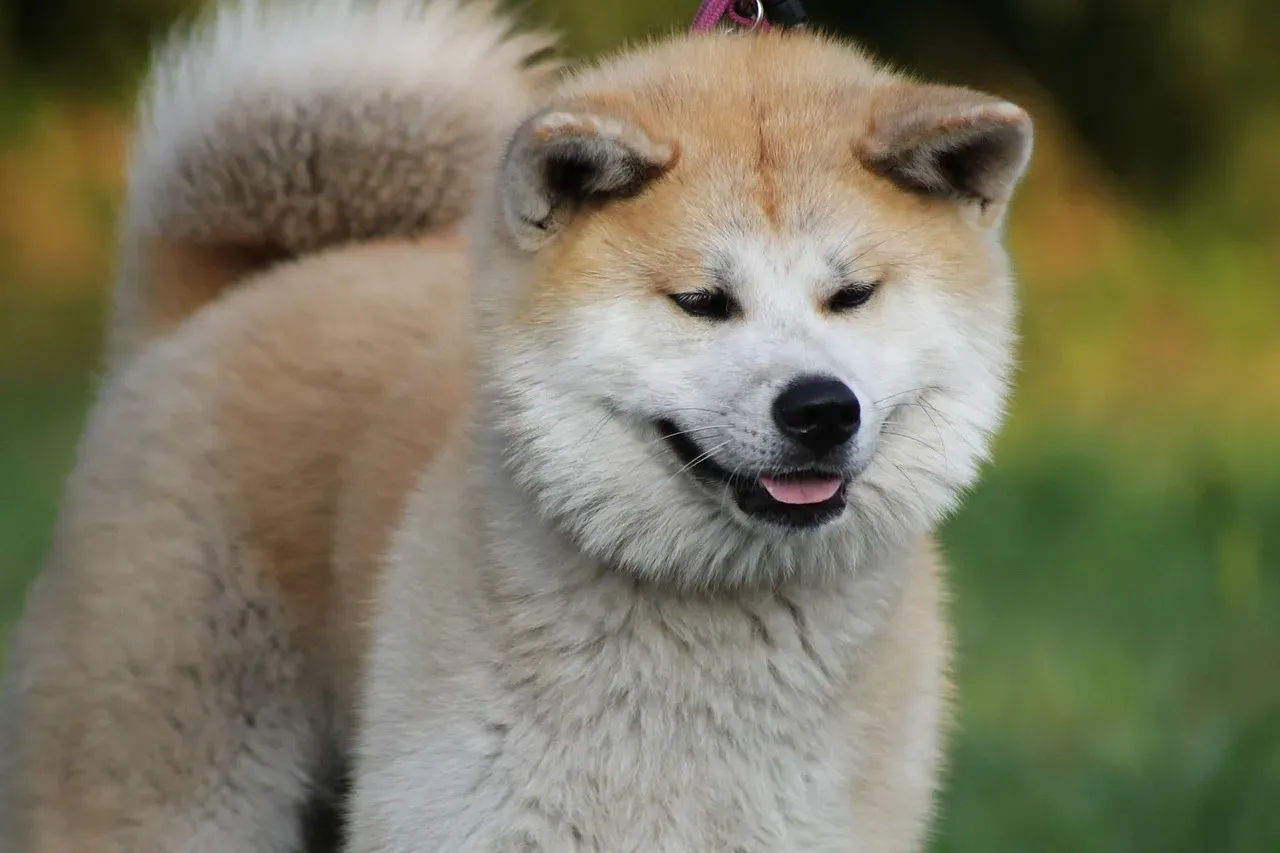
Akitas are famous worldwide for their legendary loyalty. Calm, dignified, and reserved, they tend to form extremely strong attachments to one person. This breed is naturally independent but deeply devoted once trust is established. That trust, once given, is not a casual offering. For an Akita, choosing a person is a serious and permanent emotional commitment.
Akitas do not seek constant attention, but their loyalty runs deep and quiet. They are often aloof with strangers and even other family members, reserving their true affection for the one person they consider theirs. When an Akita chooses you, that bond is serious and lifelong. The story of Hachiko, the Akita who waited at a Japanese train station every day for nearly a decade after his owner’s death, is not a myth or an exaggeration. The Akita dog is considered one of the world’s most loyal dog breeds. In fact, this breed remains Japan’s symbol of loyalty and love.
Dogs that choose one human for life are not ideal for every household. They do best with owners who can provide consistency, emotional availability, and time. Sudden changes, frequent rehoming, or lack of attention can be especially difficult for these breeds. An Akita placed in a new home doesn’t simply adjust on a schedule. They grieve, they wait, and sometimes they never quite rebuild the same trust again.
What Every Owner of These Breeds Needs to Understand
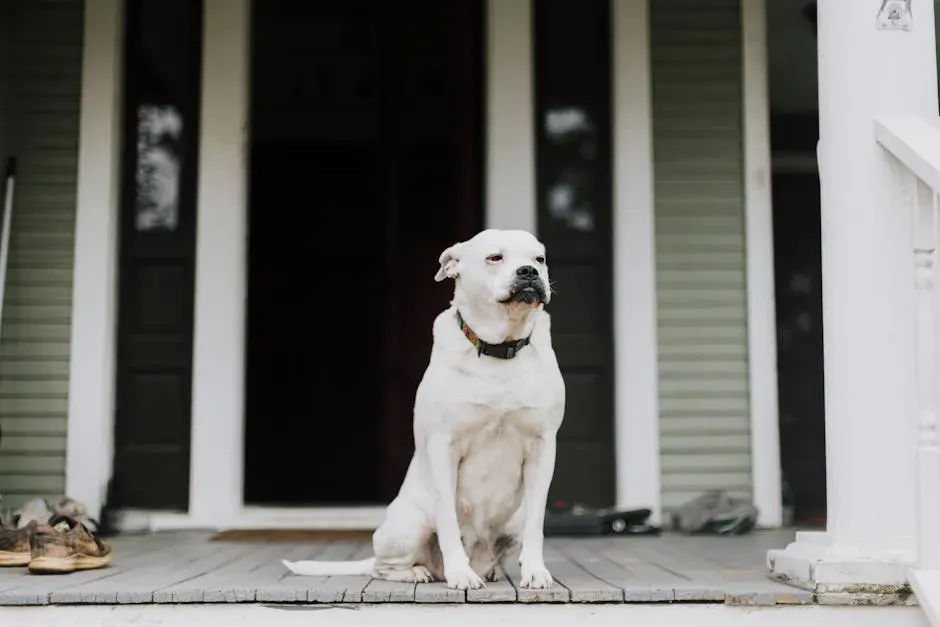
Separation anxiety is often triggered by key life events compounded by genetic temperament. The loss of a family member or a permanent departure from home creates insecurity in dogs because they feel abandoned when they are left alone. Dogs that come from shelters, especially adults, sometimes carry old fears with them. Dogs who have experienced being abandoned before might feel anxious when they find themselves alone in a new residence.
If left untreated, separation anxiety in dogs will likely become worse as time goes on. That’s why it’s important to find effective treatment at the first sign of separation anxiety. For the breeds listed here, this isn’t a gentle nudge toward training classes. It’s a warning that emotional damage compounds quickly when a deeply bonded dog loses the anchor of its life.
Shelter and rescue dogs are roughly twice as likely to suffer from separation anxiety than dogs raised in a single home. The breeds on this list are not impossible to rehome when life genuinely demands it – but they need patience, professional guidance, and a new owner who understands the grief they’re carrying. With time, patience, and trust, they can form a new strong bond if needed. The keyword there is time. There are no shortcuts with a dog that loves this deeply.
The title of this article is deliberately dramatic. But the underlying truth is not. These breeds aren’t pets that come with a casual attachment. They’re animals who invest everything in one relationship, one routine, one human. Before bringing any of them home, the most honest question to ask yourself isn’t whether you can love them. It’s whether you can promise to stay.

- 14 Signs the Backyard Birds That Left Your Yard Are Quietly Coming Back - July 21, 2026
- 12 Cat Breeds Vets Refuse To Recommend to First Time Owners - July 21, 2026
- 6 US States With the Most Alligators - July 21, 2026