
Every year, thousands of dogs end up in shelters not because they’re broken, but because they were simply the wrong fit. The owner wanted a companion; the dog needed a job, a farm, a wolf pack, or a handler with a decade of experience. There’s a meaningful gap between a dog that looks incredible on social media and a dog that actually fits inside a normal human life.
This list isn’t about vilifying animals. It’s a grounded look at breeds whose instincts, physical demands, legal status, or temperament place them firmly outside the reach of the average pet owner. Every dog is different, and even within breeds labeled as challenging, some individuals can be perfectly sweet and trustworthy. A dog’s personality and behavior come from a range of factors, including their environment, training, and personal genetics. With that in mind, the following breeds deserve serious thought before you ever bring one home.
#1. Caucasian Shepherd Dog
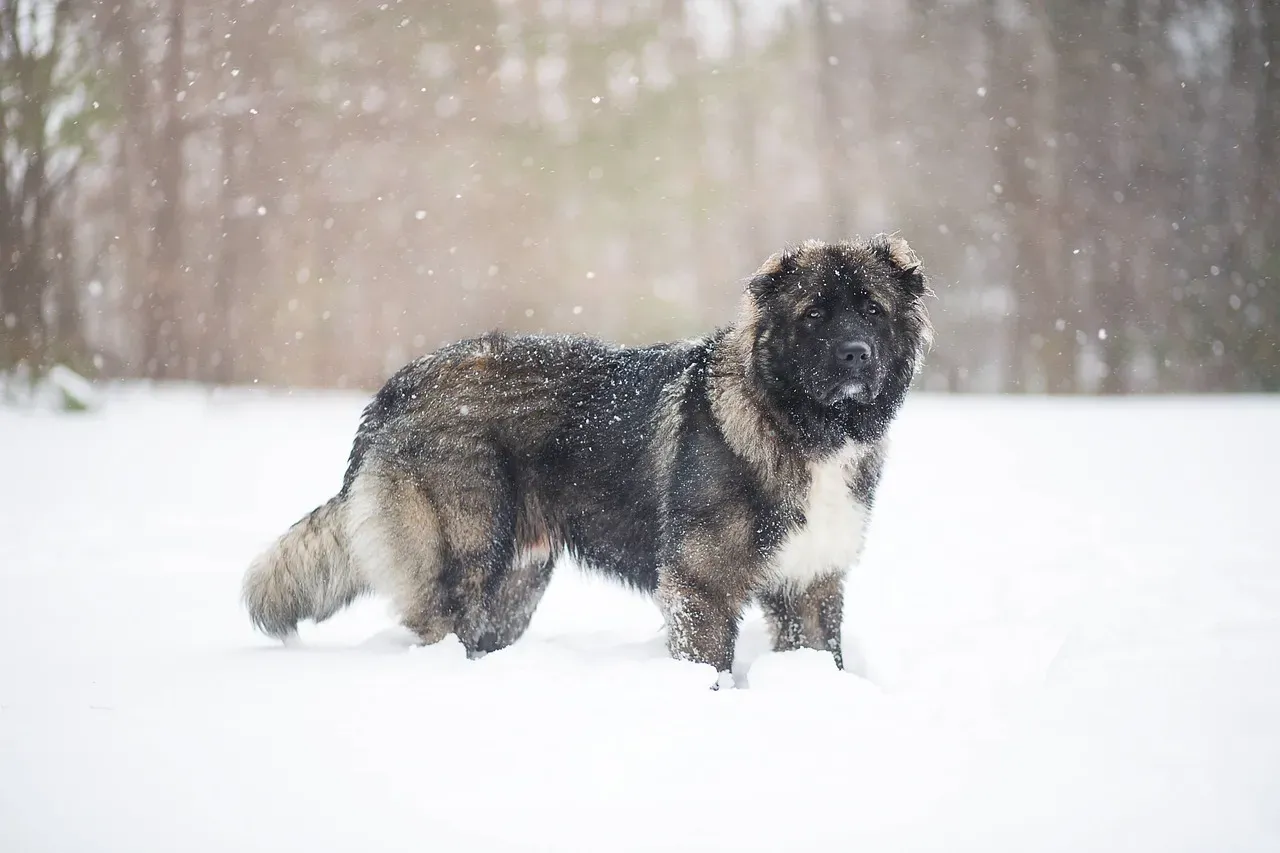
Few dogs on earth carry as much raw physical presence as the Caucasian Shepherd. These dogs were bred to protect livestock from predators like wolves and bears. That heritage matters enormously, because the instincts built for fending off apex predators don’t simply switch off in a suburban backyard.
Due to their size, strength, and potential for aggression, the Caucasian Shepherd is banned in Denmark and comes with restrictions in Russia, the very country that bred them for protection. As with many giant breeds, these dogs are prone to hip dysplasia, elbow dysplasia, and heart problems, and a 2024 study found that they only live around 5.4 years on average. That’s an enormous physical and emotional investment for an animal that most experienced trainers wouldn’t recommend to the typical household.
#2. Kangal
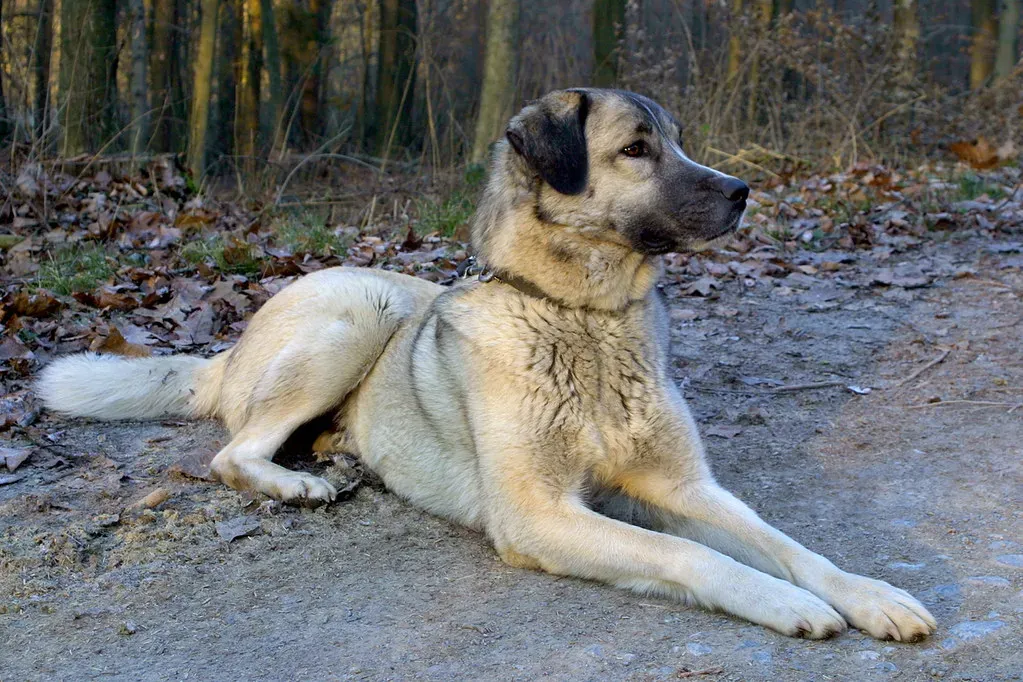
This ancient livestock guardian is used to roaming vast, open lands, not being confined to apartments or even backyards. Their size, independence, and territorial instincts make them a challenge for any household. The Kangal originates from Turkey and has been working the open countryside for centuries, doing a job that requires self-sufficiency and a constant sense of patrol.
Kangals have one of the strongest bite forces among all dog breeds. Breeds like Kangals are among the most challenging due to their size, independence, and strong guarding instincts, and they require extremely experienced handlers, as they are not suitable as typical family pets. Denmark has outright banned the Kangal alongside a list of other high-risk breeds. That legal weight alone tells you something significant.
#3. Wolf Hybrid
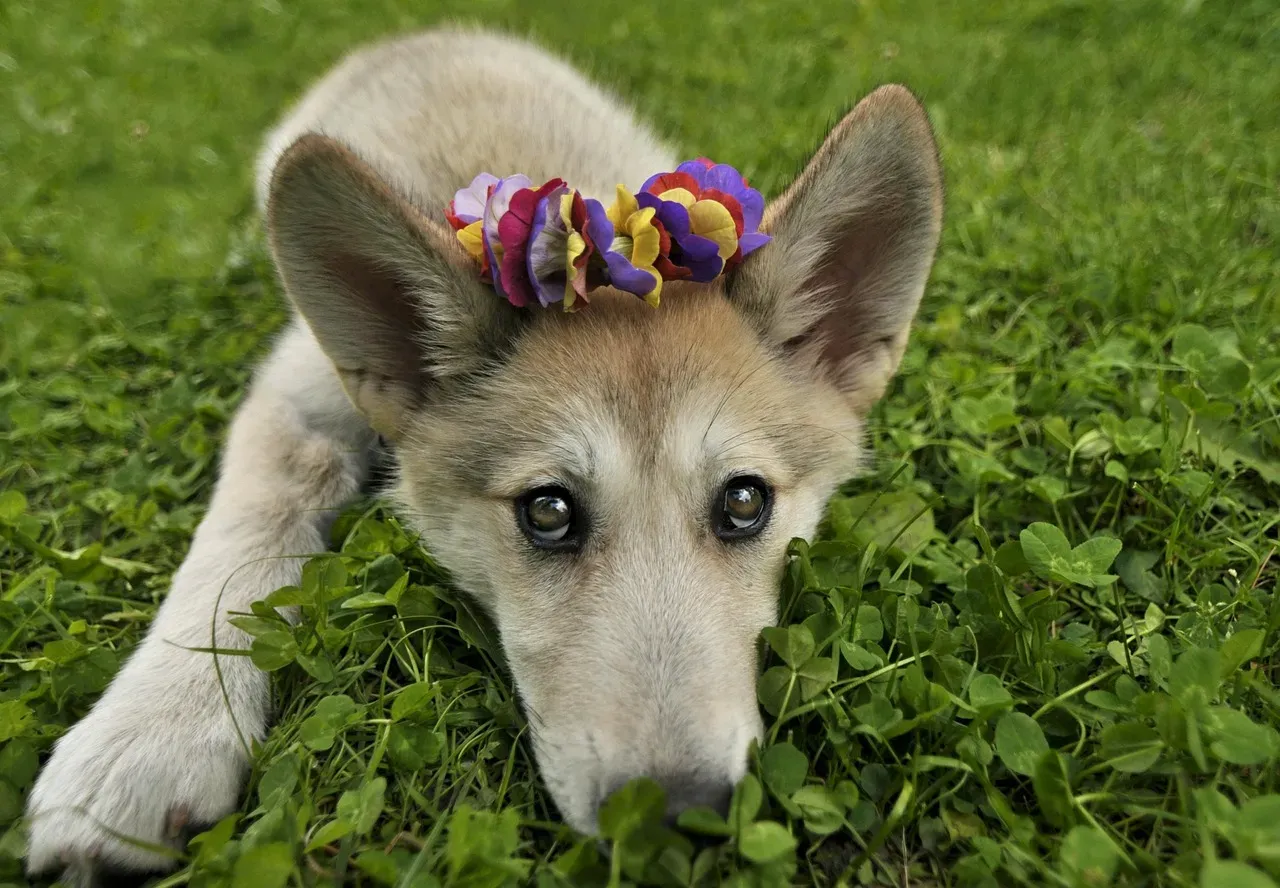
The idea of owning something that looks like a wolf straight out of a nature documentary is undeniably compelling. The reality is far less romantic. Wolf hybrids retain wild instincts that make them unsuitable as pets. They’re often aggressive toward other animals and can turn on humans unexpectedly, with key traits including unpredictability, high prey drive, and extreme difficulty in training. They should not be kept as pets in most cases.
Wolf hybrids can be territorial and may not get along well with other pets or unfamiliar people. Their wild instincts can lead to aggressive behaviors, especially during adolescence and mating seasons. Legal restrictions on owning wolf hybrids exist in many areas due to safety concerns, and potential owners should carefully research local laws and consider the significant responsibilities before acquiring one. This is one case where the dream and the reality are miles apart.
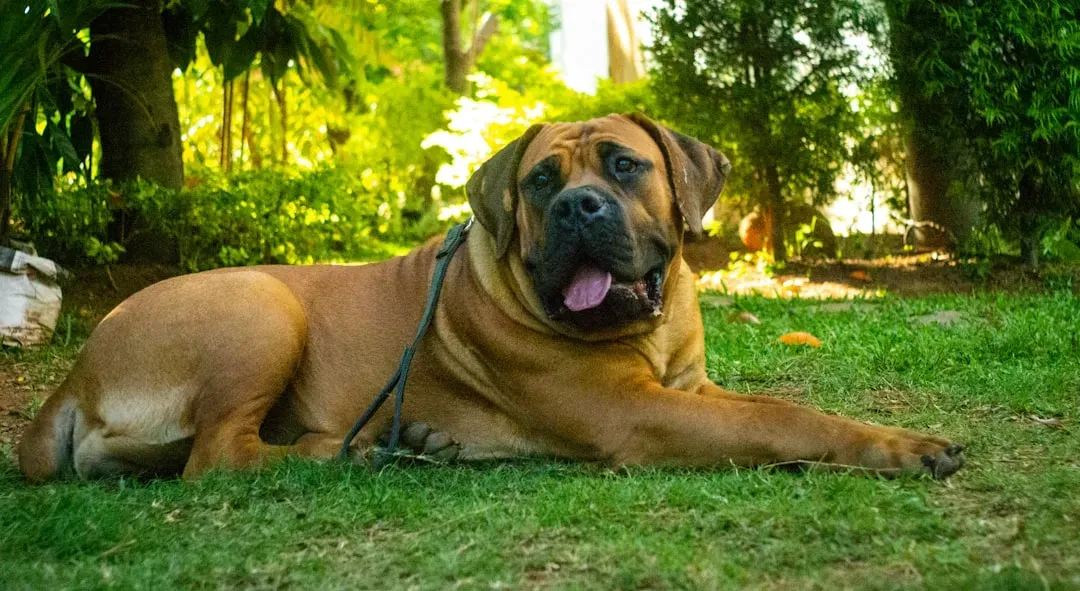
#4. Fila Brasileiro

The Fila Brasileiro is a large, powerful breed known for its intense loyalty and protective nature. These dogs can weigh up to 180 pounds and stand nearly 30 inches tall at the shoulder. That physical scale alone would give most casual dog owners pause, but the temperament is what truly sets this breed apart from anything a typical household can manage.
Due to the size, strength, tenacity, and high prey drive of the Fila Brasileiro, many countries have outlawed its ownership and others have banned its importation. Handlers must use extreme caution as this breed has a highly dominant and focused personality. The Fila Brasileiro is banned in the UK alongside the Pit Bull Terrier, Japanese Tosa, and Dogo Argentino. Its historical use as a catch dog makes that wariness understandable.
#5. Tosa Inu
The Tosa Inu is a massive dog breed originating from Japan. These dogs can weigh up to 200 pounds and stand nearly 3 feet tall at the shoulder. Their size alone makes them unsuitable for most households, and they were originally bred for dogfighting, which has shaped their temperament. That fighting history isn’t incidental. It’s baked deeply into how this dog sees the world around it.
Tosa Inus can be aggressive toward other dogs and animals if not properly socialized from a young age, and they require an experienced owner who can provide consistent training and socialization. Japanese Tosas are known for their aggressive tendencies, particularly when not raised in a controlled and structured environment. Multiple countries, including the UK and Denmark, have banned this breed entirely from residential ownership.
#6. Dogo Argentino
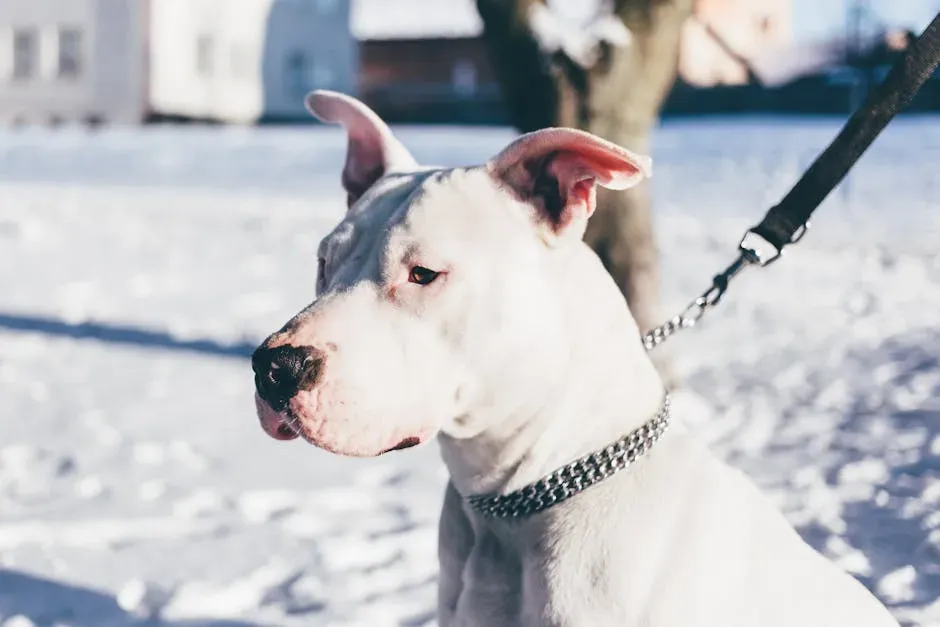
While Dogo Argentinos have the potential to be dangerous dogs, they tend to be loving to their owners. However, the American Kennel Club only lists them as moderately good with children, something to keep in mind if you have young ones at home. They were originally developed in Argentina in the 1920s as big-game hunting dogs, built for endurance, strength, and a willingness to take on prey far larger than themselves.
The Dogo Argentino is banned in the UK alongside the Pit Bull Terrier, Japanese Tosa, and Fila Brasileiro. The combination of athleticism and prey drive means this breed needs far more than walks in the park. Often used for guarding and protection, this breed has a powerful bite and dominant personality, and without strict control and early socialization, they can be a serious threat, especially in homes with other pets or children.
#7. Cane Corso
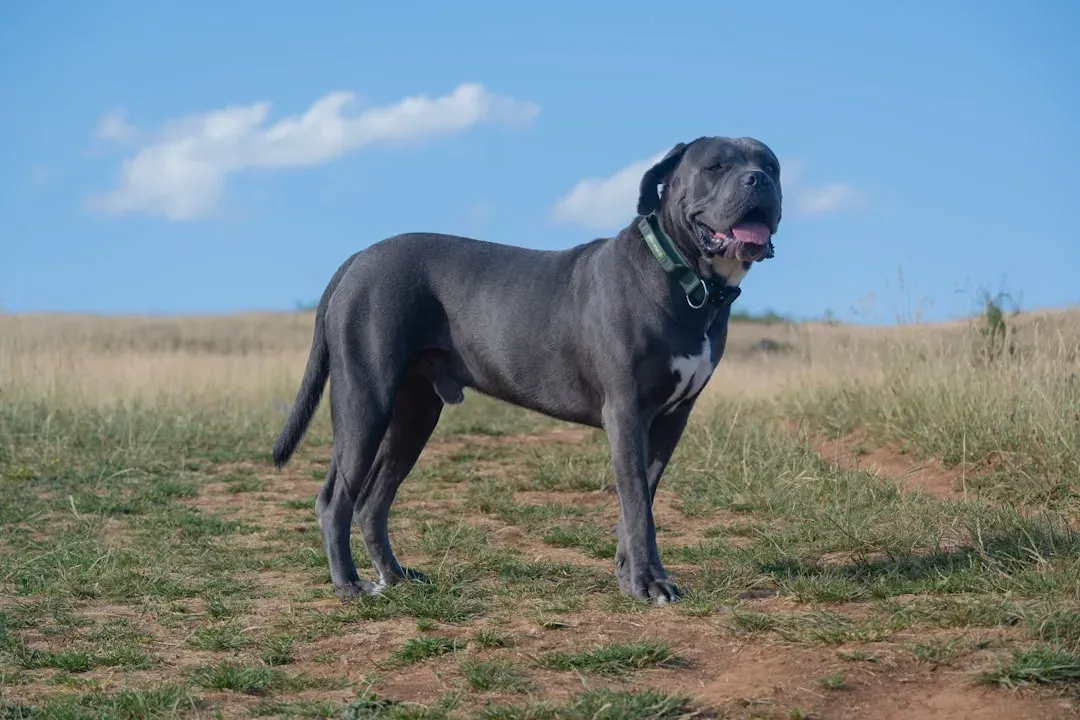
Cane Corsos are big dogs that usually weigh 100 pounds or more, which can make them dangerous to be around children and adults. Cane Corsos are naturally protective and territorial, and without being properly trained and socialized, they can become aggressive toward strangers. Their size and power also make them difficult to handle, especially for new dog owners, and they can easily knock over children or elderly family members.
With a bite force of about 700 PSI, one of the strongest among all dog breeds, they can be extremely dangerous if poorly trained. This breed needs a confident and experienced owner who can establish leadership early, and they require proper training and plenty of mental stimulation from a young age. The Cane Corso is a majestic and muscular breed bred to guard property and livestock, and they are highly intelligent and need consistent training. Intelligence without structure is rarely a good combination in a dog this size.
#8. Presa Canario
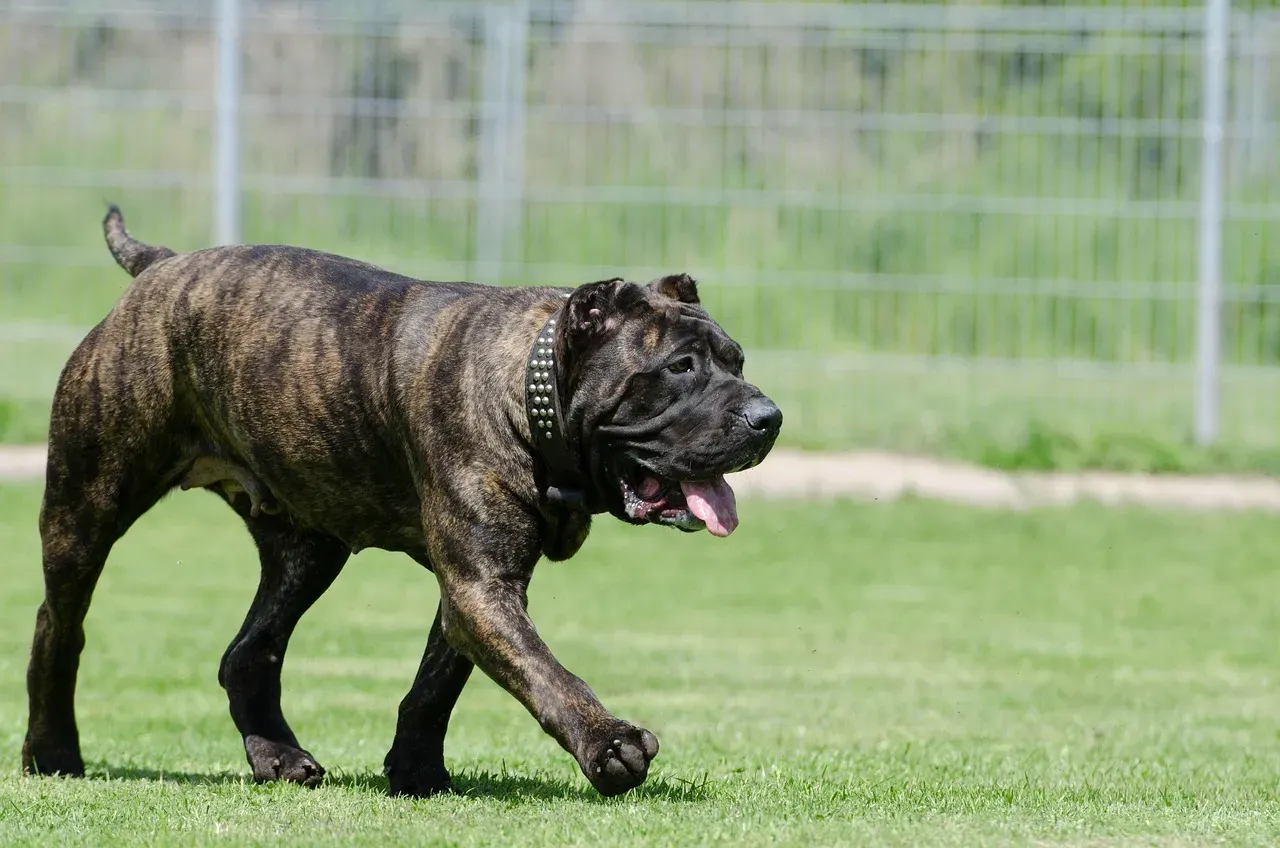
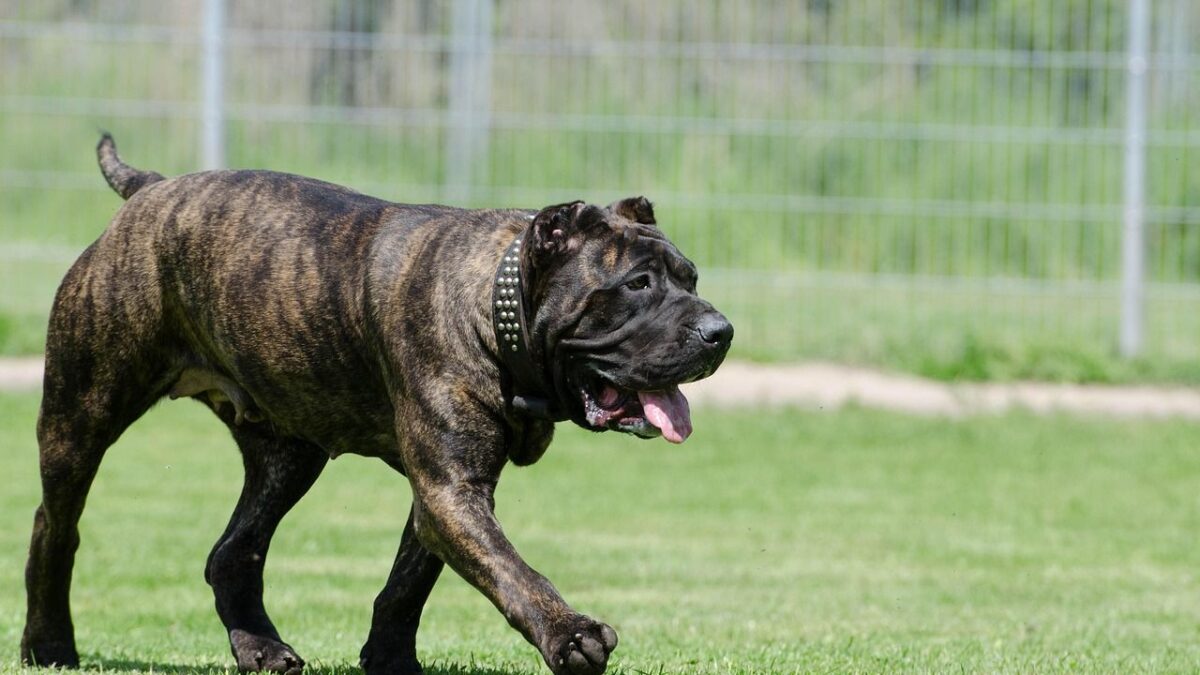
The Presa Canario is considered one of the most dangerous breeds due to its size, strength, and dominant personality. Bred as livestock guardians, they are highly territorial and can be aggressive if they feel their family or property is threatened. Weighing up to 150 pounds, their muscular build can cause devastating injuries, and their confidence and independence make them challenging to train, especially for inexperienced owners.
The AKC does not recommend that Presa Canarios be around children or other dogs. The organization also notes that this high-risk breed is less affectionate with family members, unlike some other powerful dogs that can have a gentler side. When you combine those factors together, it makes sense why this dog breed is often considered dangerous and may not be the best choice for a family pet. Few breed profiles carry that level of institutional caution.
#9. Belgian Malinois

The Belgian Malinois has become something of a celebrity dog in recent years, popularized by military and police work footage online. That visibility has created a wave of casual adoptions that experts consistently warn against. Belgian Malinois need early socialization and consistent training. They thrive in environments where they have a job to do and may struggle in a typical family setting. Their high energy levels and demand for attention make them unsuitable for owners who cannot dedicate significant time to their care and training.
Their strong protective instincts, paired with their bite force of around 195 PSI, make them a serious risk in the wrong hands. They also have a high prey drive, which means small pets or even strangers can become targets of their aggression if they are not properly trained. Without proper training and exercise, Belgian Malinois can become destructive and difficult to manage, and they may not be suitable for homes with small pets. This is a dog that needs a full-time commitment, not a weekend hobby.
#10. Akita
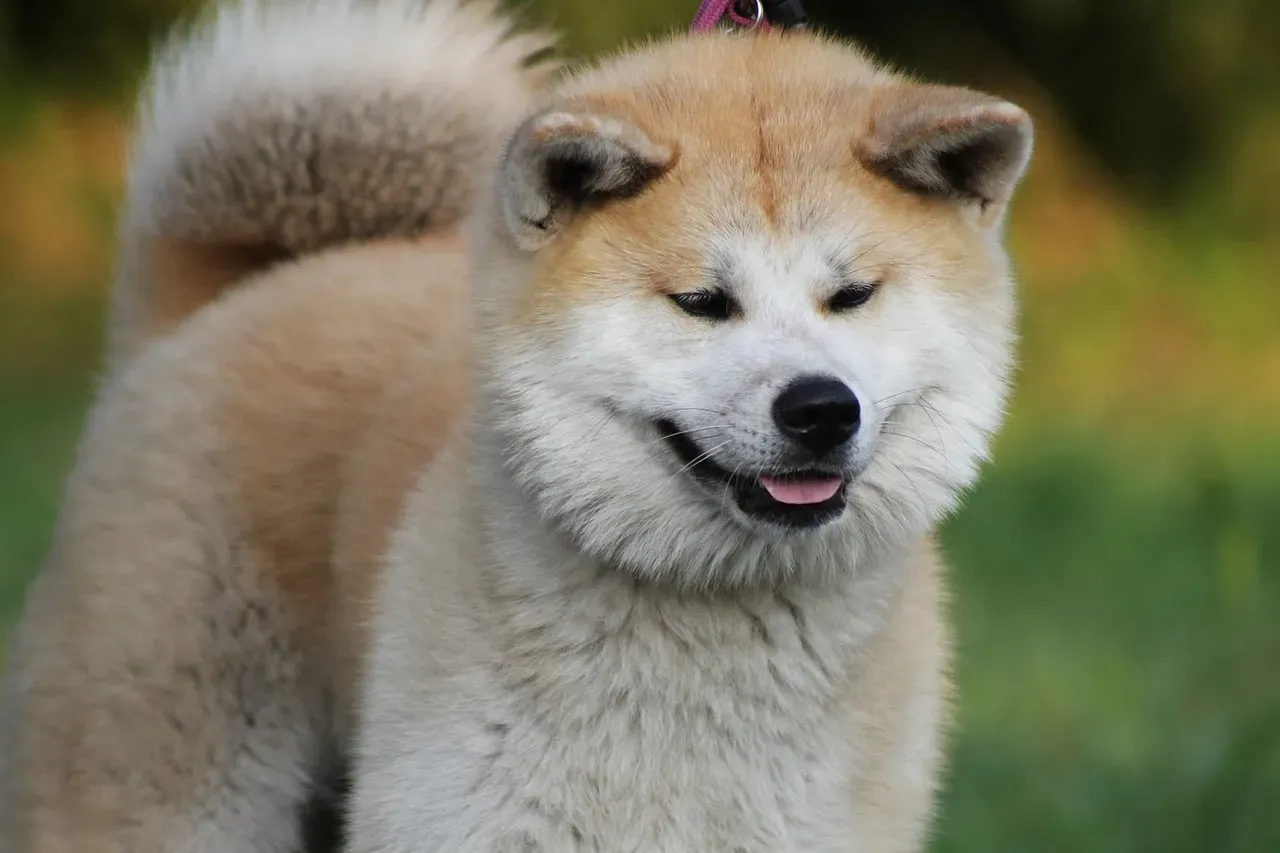
The Akita is an embodiment of loyalty and challenge. This Japanese dog was bred to guard royalty and hunt big game like bears and boars. That combination of guarding and hunting instinct makes them one of the more complex breeds on this list. They’re devoted to their families in a way that few breeds match, yet that devotion comes wrapped in extreme wariness toward anyone outside the inner circle.
The Akita is a large breed originating from Japan. They are known for being very loyal and protective of their owners, but they can also be aggressive toward strangers. Akitas are also very strong dogs, so if they attack someone, the results can be devastating. Their independent and proud personality makes them incredibly difficult for first-timers to handle. They don’t back down easily, and they often have a strong prey drive, meaning they may not get along with small animals or other breeds.
#11. Chow Chow
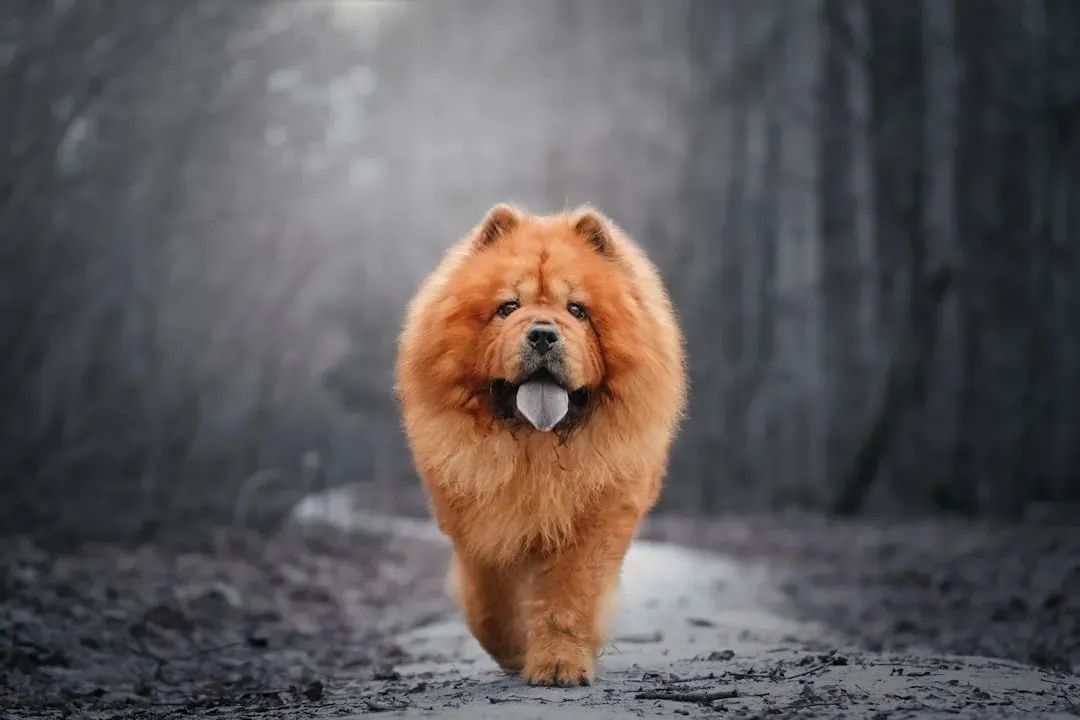
A Chow Chow looks like a living stuffed animal. That appearance misleads people constantly. While the Chow Chow resembles a cuddly big teddy bear, it has a history as an attack dog known for killing adults and children, and was responsible for over 238 attacks between 1979 and 1998, with 40 of those attacks leading to fatalities. Those aren’t numbers that should be taken lightly, regardless of how huggable the breed looks in photos.
Chow Chows don’t usually go looking for trouble, but they won’t back down from it either. Their protective nature and lack of tolerance for teasing or rough handling make them a poor match for families with small children or multiple pets. When trained and socialized correctly, however, the Chow Chow is a loyal, clean, and surprisingly calm housemate. The operative word in that last sentence is “correctly,” and getting there is a significant undertaking.
#12. Chinese Shar-Pei
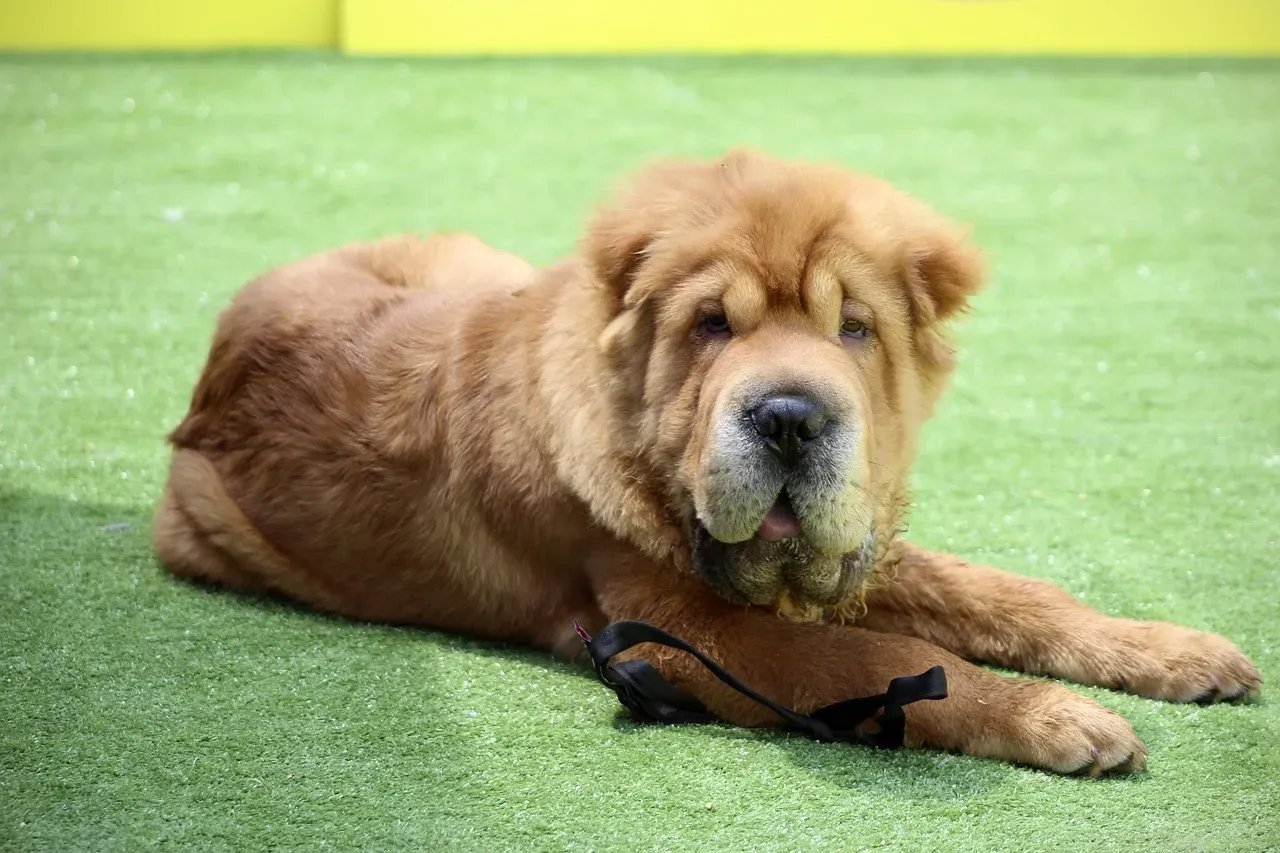
The Chinese Shar-Pei is one of the most distinctive dog breeds in the world. With its wrinkled skin, broad muzzle, and blue-black tongue, it has a look that is instantly recognizable. This breed dates back over 2,000 years to the Han Dynasty in China, where it was used for guarding, herding, and even hunting. That history of multipurpose working life has produced a dog with a complicated temperament.
Chinese Shar-Peis are generally not welcoming to strangers, other dogs, or smaller animals, and they may respond with aggression if they feel threatened. As such, Shar-Peis don’t always make great family pets. The breed is prone to skin allergies, hypothyroidism, amyloidosis, entropion, and hip dysplasia. They are also susceptible to familial Shar-Pei fever, patellar luxation, and various respiratory issues. Behavioral demands combined with heavy health maintenance make this breed a real challenge for most owners.
#13. Boerboel
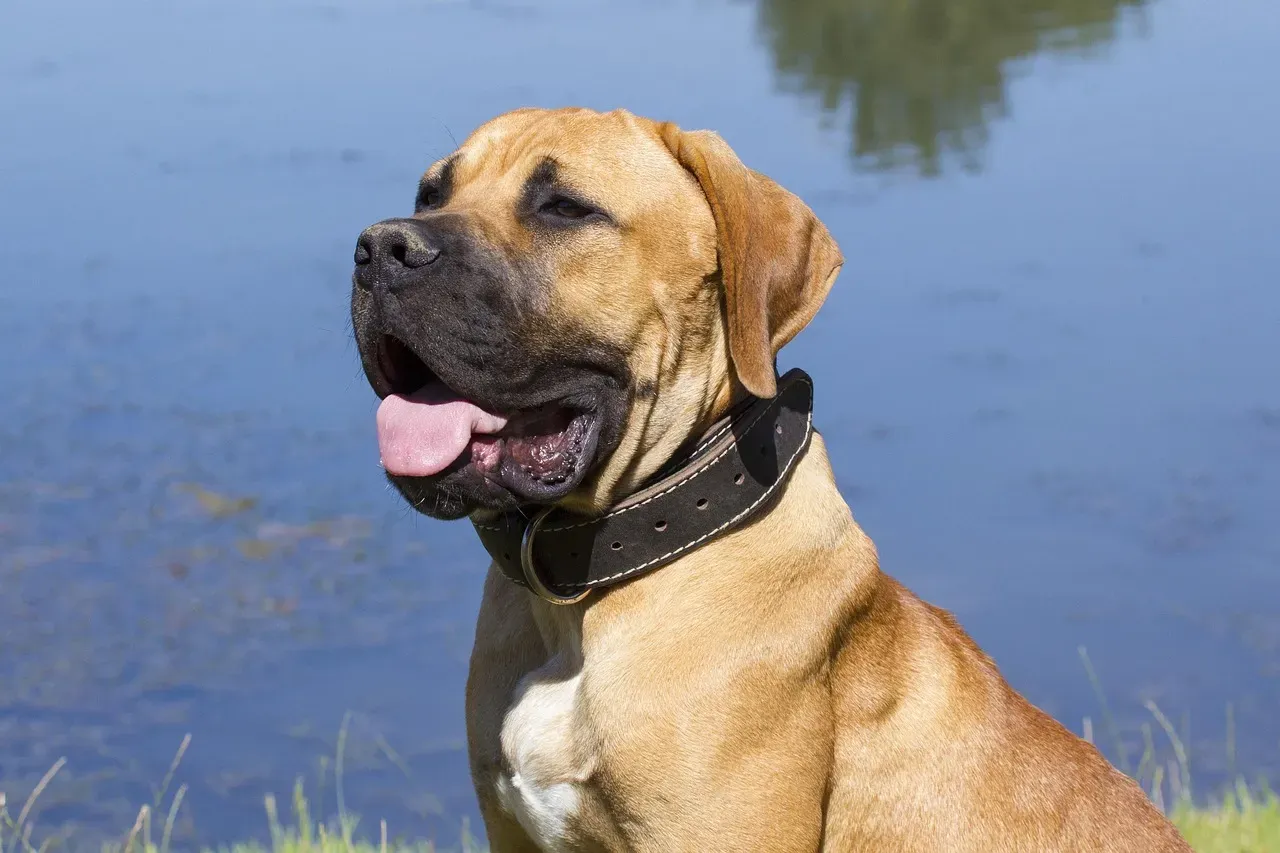
The Boerboel is a massive breed originally bred to protect farms in South Africa. They are incredibly strong and intelligent, making them excellent protectors. On the open South African veld, those traits are an asset. In a standard residential neighborhood, they become a liability almost immediately without the right guidance.
The Boerboel comes from South Africa and was bred to guard homes in harsh conditions. It is extremely strong, loyal, and protective, and because of its size and power, it requires firm training from an early age. Without proper training, their protective instincts can lead to territorial behaviour. Denmark has banned the Boerboel outright, and several other countries restrict ownership based on the breed’s documented potential for aggression when mismanaged.
#14. Alaskan Malamute
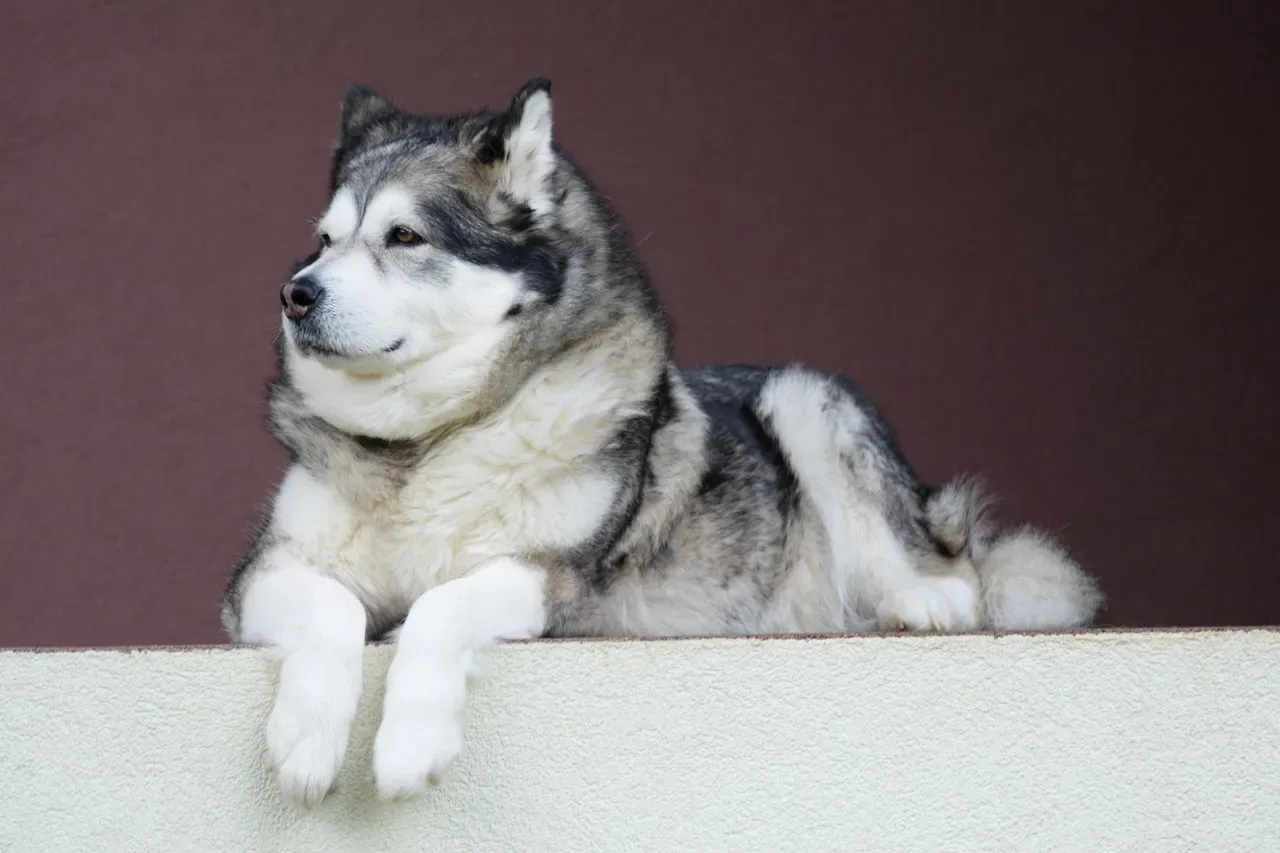
Alaskan Malamutes are large, powerful dogs bred for pulling heavy loads in harsh Arctic conditions. These dogs require extensive exercise and space to thrive, making them unsuitable for apartment living or sedentary owners. People are drawn to their wolf-like beauty and friendly early temperament, often without fully understanding what living with one actually involves day to day.
Malamutes have a strong prey drive and may not get along with smaller pets. They can be challenging to train due to their independent nature and stubbornness. These dogs are known for their loud vocalizations, including howls, which can be disruptive in close living situations. They also have high energy levels and may become destructive if not properly exercised and mentally stimulated. That last point is crucial. A bored Malamute in a small home is a genuinely destructive force.
#15. Doberman Pinscher
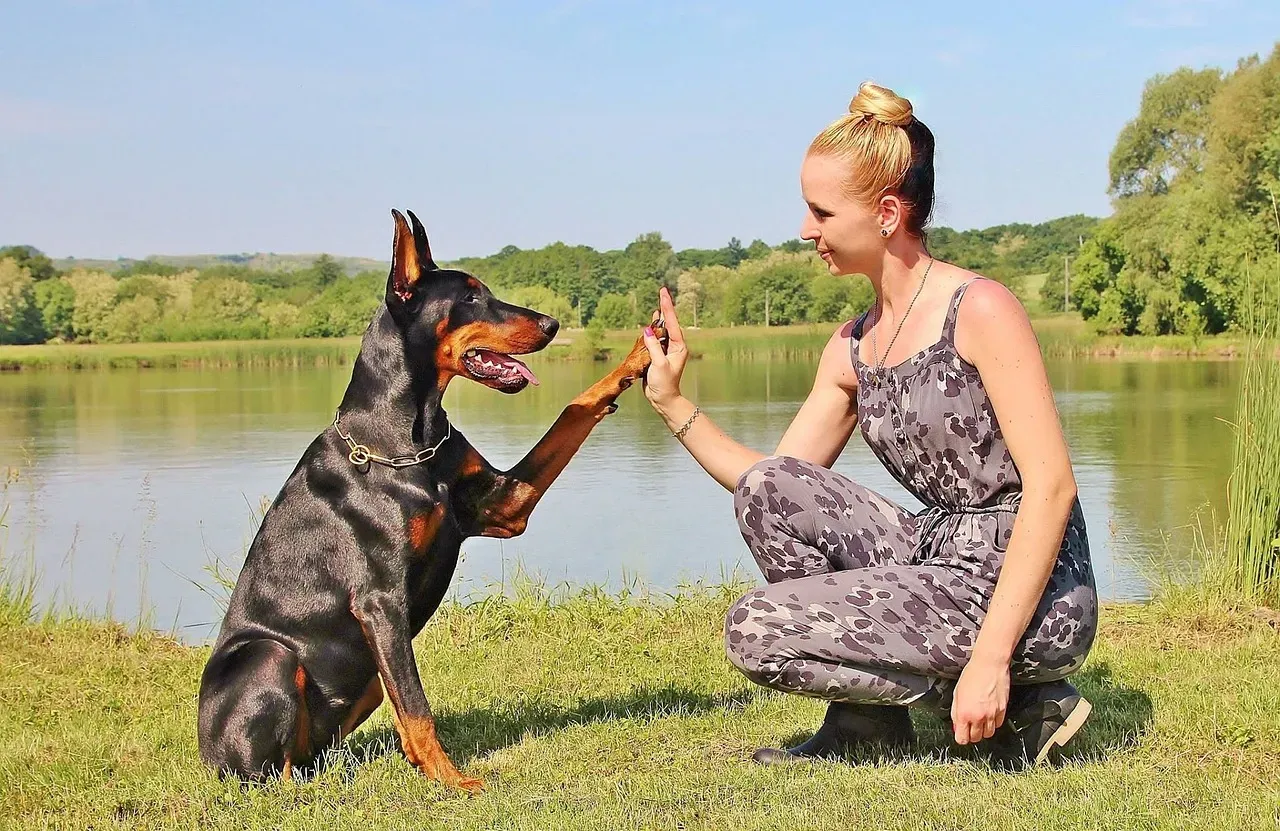
Dobermans don’t have naturally aggressive behavior toward their families, and in fact they’re known for being gentle dogs that stick close to their favorite human. However, their protective drive can kick into overdrive around strangers or other pets. They don’t usually play well with other dogs and may view smaller animals as competitors or prey. That split personality makes them more complex than their sleek, confident exterior suggests.
The breed demands a calm, assertive owner who can set clear boundaries from day one. While some dogs may be genetically predisposed to display aggressive behavior, environment and upbringing play a significant role in shaping their temperament. A dog that is not properly socialized or given enough exercise can develop unwanted behaviors, regardless of its breed. For Dobermans specifically, that truth is amplified by their size, speed, and natural guarding instincts. Without structure, they can become unpredictable companions.
#16. Rottweiler

While the Rottweiler is a born guardian and will do what it can to protect family members, this can make them wary of strangers. Though Rottweilers are naturally affectionate with their owners and can be family pets when trained and cared for properly. The issue is not the breed’s capacity for affection, it’s the gap between what the breed needs and what most owners realistically provide.
Pit Bulls and Rottweilers consistently account for the highest numbers of reported dog attacks and fatalities in the United States, though these statistics are complicated by breed misidentification, breed popularity, and reporting bias. Rottweiler owners should invest time and effort in training their dogs from an early age, including basic obedience training, socialization, and addressing any potential behavioral issues. By providing proper training and guidance, Rottweilers can thrive and become well-balanced, obedient pets. Without that investment, the breed’s natural strength and territoriality become a serious liability.
The Bigger Picture
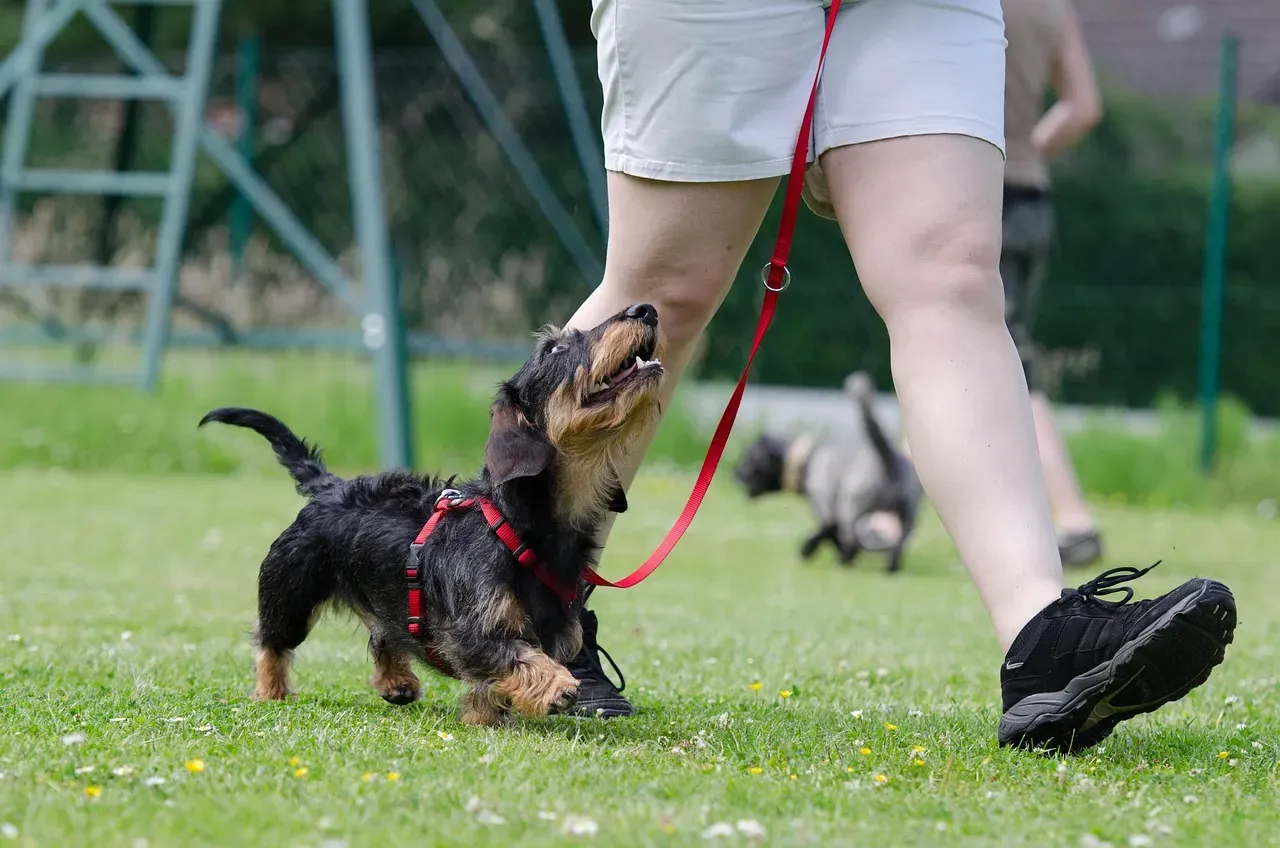
It’s worth stepping back from any single breed and acknowledging what the research consistently shows. Scientific studies show that behavior is not reliably predicted by breed alone. A dog’s upbringing, training, and socialization are much bigger factors in behavior than genetics. That’s a meaningful finding, but it doesn’t eliminate the real-world challenge of managing an animal built for work that most households can’t provide.
Dogs make wonderful companions, but not every breed is suitable for every owner. Choosing the right dog requires careful consideration of factors like lifestyle, living space, and experience level. Some breeds have specific needs or temperaments that can be challenging for certain individuals or families to manage. Matching the dog to the life is the single most important decision any prospective owner can make. The breeds on this list aren’t failures, they’re just dogs that belong in capable, experienced hands.
Every dog deserves a home where it can actually thrive. Sometimes the kindest thing you can do is recognize which dog that isn’t.

- Wildlife Science Says a Wolf Howling Alone in the Dark Is Not Calling Its Pack – It Is Doing the Opposite and the Distinction Changes How We Understand Lone Wolves Entirely - July 18, 2026
- Evolutionary Biology Says the Reason Humans Cannot Stop Looking at Fires Has Nothing to Do With Warmth – It Traces Back to a Brain Adaptation Far Older Than Language - July 18, 2026
- Animal Psychology Says Dogs Who Sleep on Your Pillow While You Are Away Are Not Being Rebellious – They Are Seeking Comfort From Your Scent to Soothe the Separation - July 18, 2026