
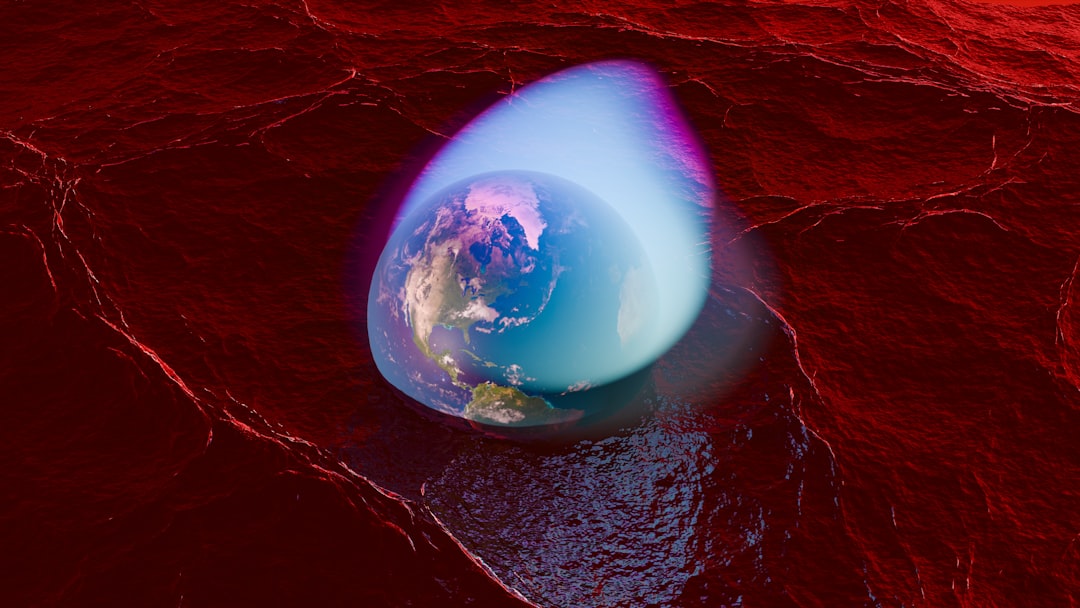
We’ve mapped the surface of Mars. We’ve photographed black holes millions of light-years away. We’ve sequenced the human genome. Yet somehow, the very planet beneath our feet still holds secrets that no scientist, satellite, or supercomputer has managed to fully crack. That’s not a small irony. It’s a staggering one.
Earth is roughly 4.5 billion years old, and we’ve been seriously studying it for only a tiny fraction of that time. The deeper researchers look, the more complex the questions become. Some of these mysteries have been building for centuries. Others have emerged only in the last few years, catching scientists completely off guard. All of them are humbling reminders that our home planet remains, in many ways, genuinely unknown.
#1. What Is Really Going on Inside Earth’s Inner Core?
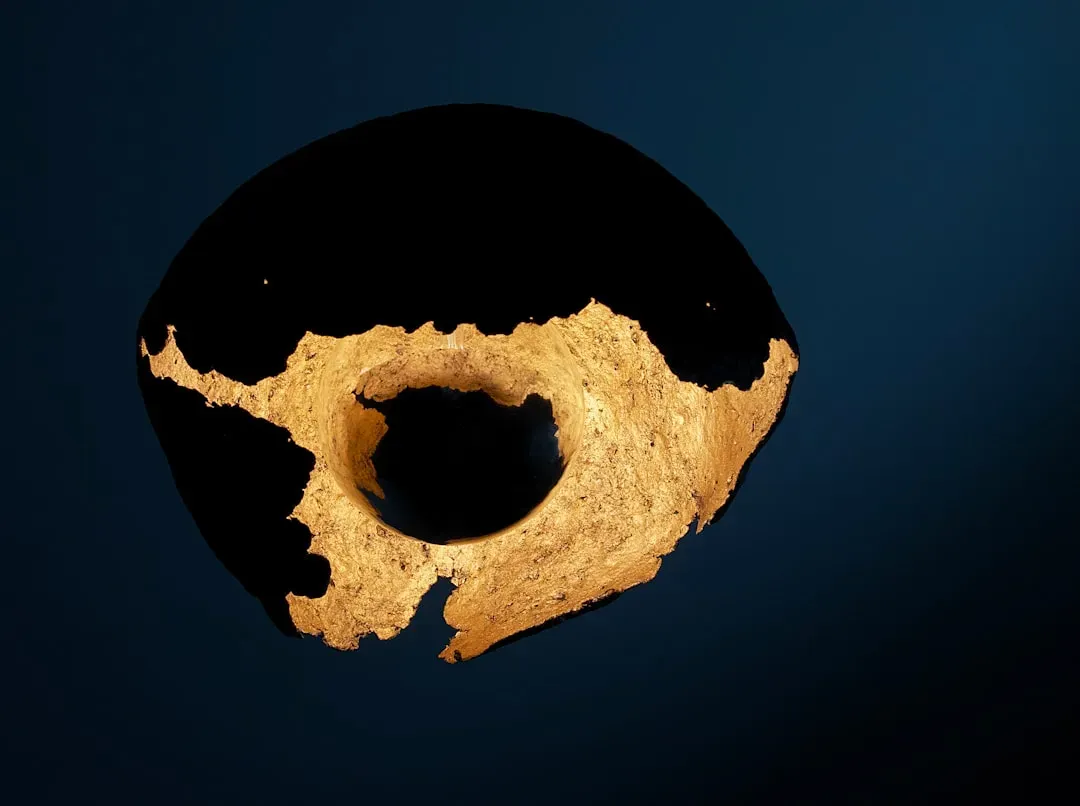
Most people learned in school that Earth has layers: crust, mantle, outer core, inner core. Simple enough. Earth’s solid inner core represents one of the most mysterious engines in geophysics, rotating deep inside the planet, wrapped in a cushioning shell of molten outer core, and inexorably tied to planetary behaviors such as the length of the day and the geomagnetic field. That part, at least, scientists agree on.
We know, for example, that Earth’s inner core is probably a hot, dense ball of solid iron and nickel, measuring roughly 2,440 kilometers across – a little bigger than the size of Pluto. But the deeper researchers probe, the stranger it gets. Thanks to novel applications of earthquake-reading technology, researchers have found that the Earth’s inner core has an inner core of its own, with surprising properties that could reveal information about our planet.
No geologist or metallurgist can figure out how molten iron at the unimaginable densities at Earth’s very center ever started to crystallize about a billion years ago, and this conundrum is challenging fundamental geological theories about how Earth formed. To make it stranger still, the inner core is only getting about 2mm wider every year, a pace so slow it barely registers on human timescales yet has profound implications for our planet’s magnetic future.
#2. Where Did All of Earth’s Water Actually Come From?
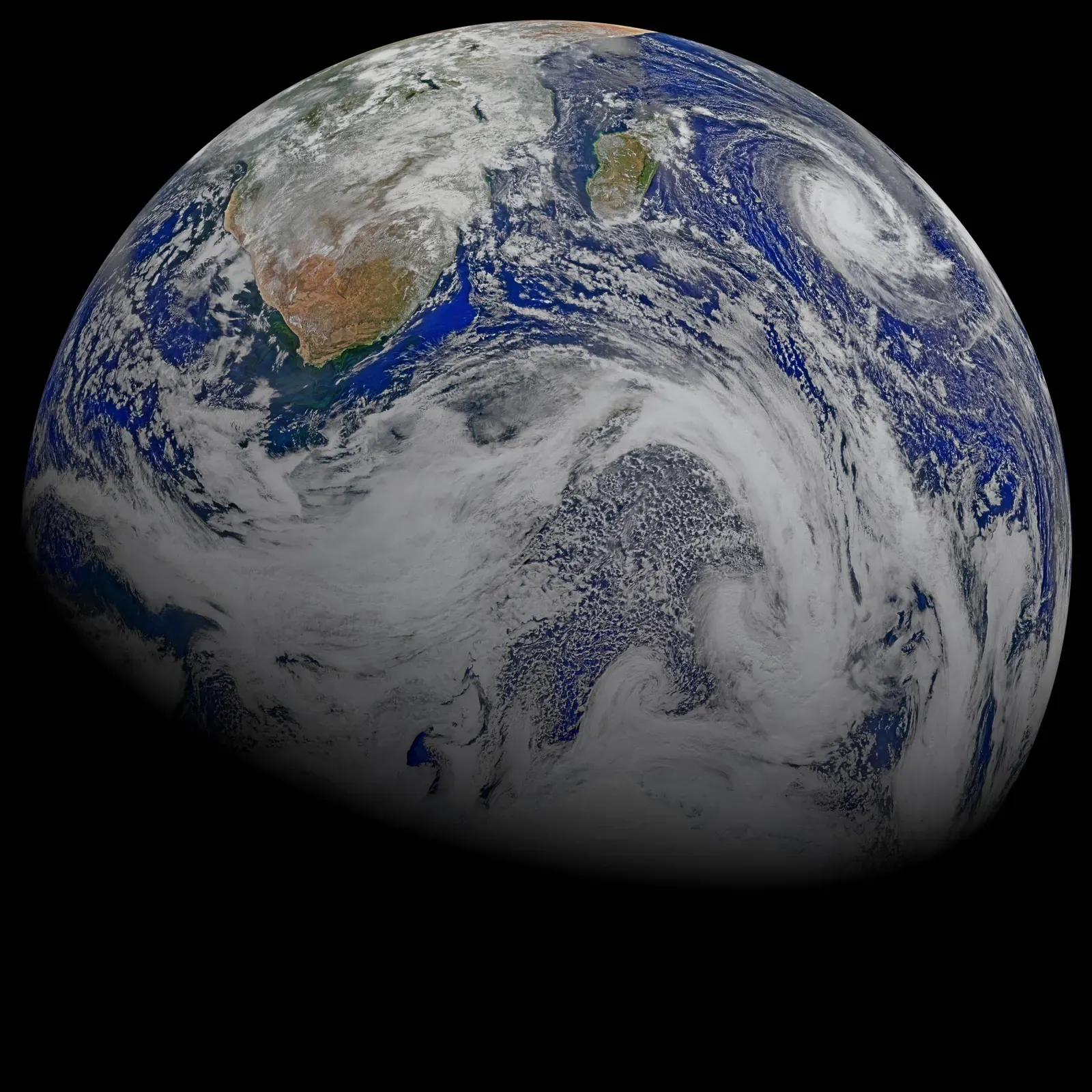
The origin of Earth’s water is a longstanding question in the fields of planetary science, planet formation, and astrobiology. Earth formed in a region of the early solar system that was far too hot for water ice to survive. So how did oceans covering most of the planet’s surface end up here? The short answer is: we’re genuinely not sure.
Three possible sources of water on Earth have been proposed: water-containing rocky planetesimals like carbonaceous chondrites, icy planetesimals like comets, and the solar nebula. Each theory has supporting evidence and serious problems. Because of several uncertainties of planet formation processes, the origin of the ocean on Earth is still a matter of controversy.
More recently, the picture has grown even more complex. By lowering the melting point and viscosity of mantle rocks, water stored deep inside Earth helped drive internal circulation and plate motion, and over vast spans of time, some of this water was slowly returned to the surface through volcanic and magmatic activity, contributing to the formation of Earth’s early atmosphere and oceans. Whether it arrived from space or was cooked up from within remains one of planetary science’s most enduring open questions.
#3. How Did Plate Tectonics Begin?
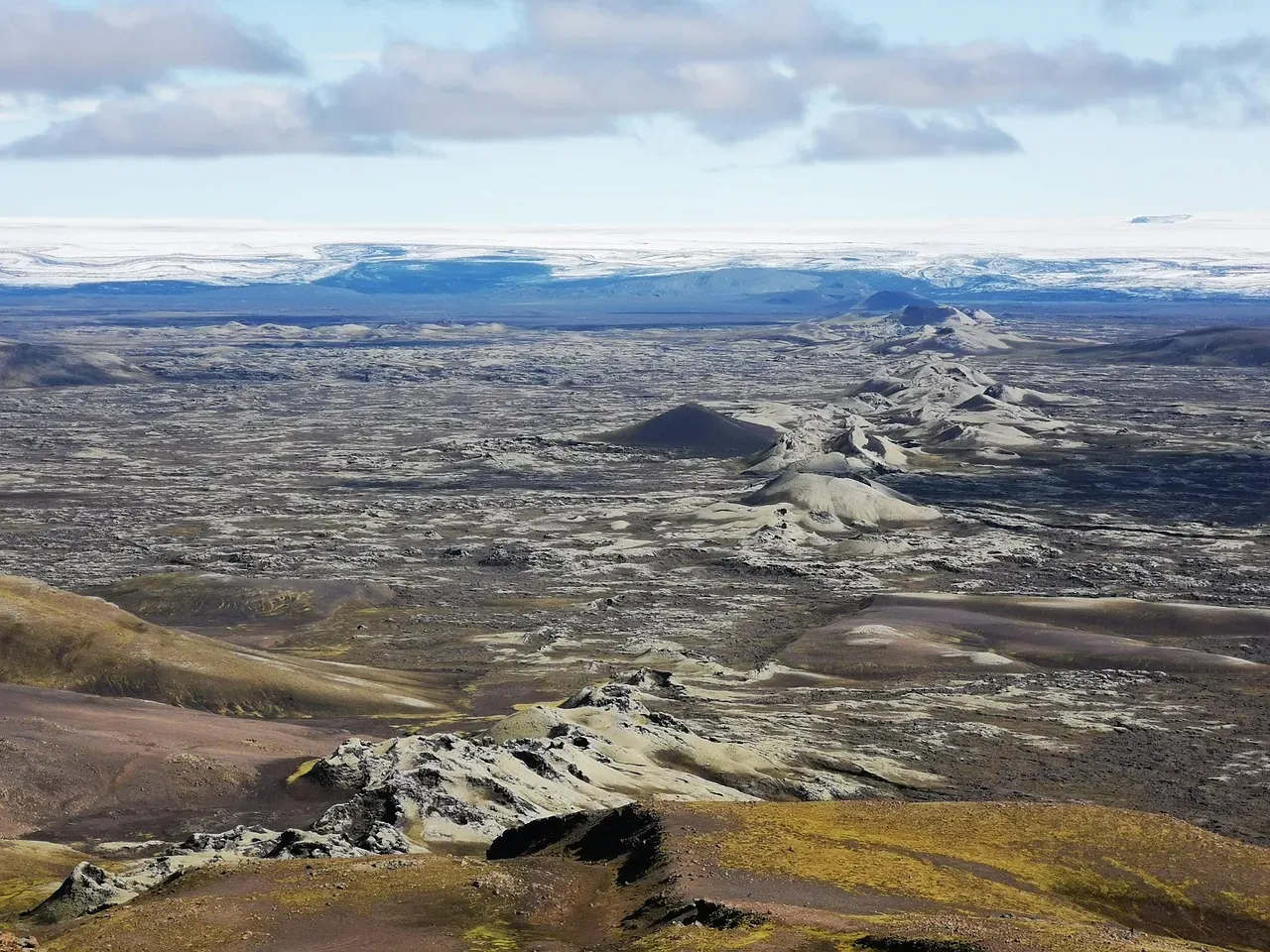
Plate tectonics is the engine of Earth’s geological life. It builds mountains, drives volcanoes, shapes coastlines, and even plays a role in regulating the climate. Most scientists accept that it happens. What nobody can confidently explain is how it ever got started in the first place. Part of the reason it’s so difficult to unearth the mysteries behind these plates is because there’s virtually no geological evidence remaining from such a long time ago. Scientists can approximate that tectonic activity began around three billion years ago, but how it began is anyone’s guess.
Other theories have claimed water played a major role in starting plate tectonics, arguing that the plates’ motion originated closer to the surface, perhaps when the weight of the early ocean weakened rocks until they subducted. Still other researchers suspect the answer lies far deeper. For one idea to be true, Earth’s mantle would have needed to harbor a significant amount of water when Earth’s magma ocean solidified, an open geophysical question, but one that has grown more likely in recent years based on studies of meteorites.
Scientists have discovered a new layer of partly molten rock under Earth’s crust that might help settle a long-standing debate about how tectonic plates move. Yet for every discovery that narrows the field of possibilities, new complications seem to appear. The start of plate tectonics may be the single most debated topic in the entire field of Earth sciences.
#4. The Mystery of the Giant Blobs Deep in Earth’s Mantle
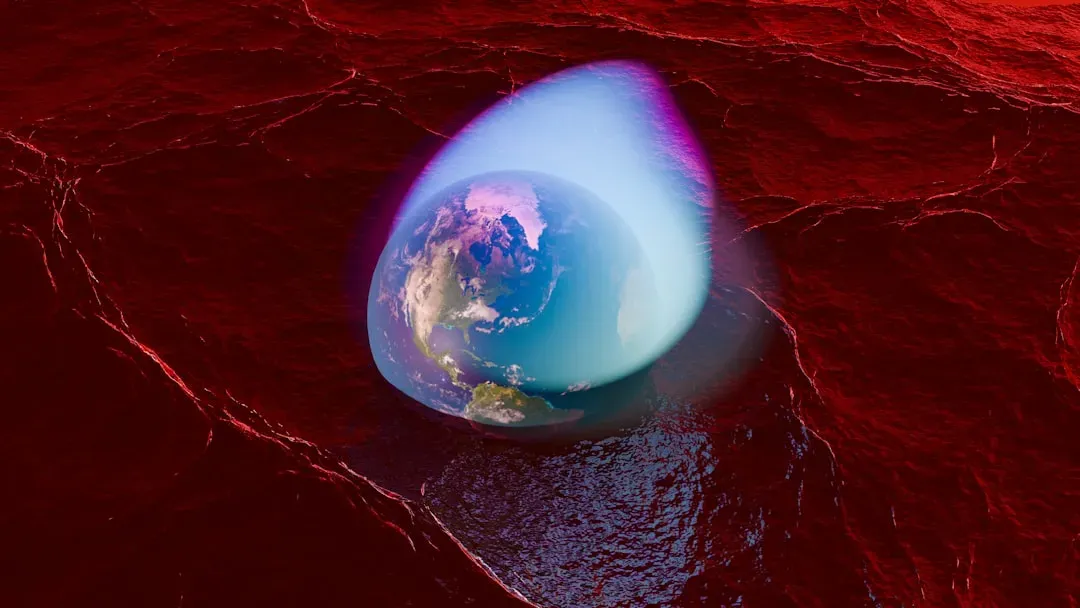
Hiding almost halfway to Earth’s center, at the base of the mantle, there are two enormous structures that scientists have taken to calling “blobs.” They are not small. The blobs are the length of continents and stretch a hundred times higher than Mount Everest. They sit at the bottom of Earth’s rocky mantle above the molten outer core, a place so deep that Earth’s conditions are barely imaginable.
Scientists believe these blobs play a role in many of the processes of the deep Earth, including plate tectonics and volcanism. They were spotted through seismic imaging, which revealed zones where earthquake waves slow down dramatically. Once researchers began to form a picture of inner Earth, they started to see things they never imagined, with huge zones at the bottom of Earth’s mantle where the waves traveled more slowly than anywhere else.
What are they made of? How long have they been there? Are they remnants of ancient tectonic slabs, or something far older? Scientists believe plate tectonics is one of the reasons why we have life on Earth, and these blobs appear to be connected to that system in ways that are still being untangled. The mystery sits literally at the heart of the planet, and for now, the answers remain out of reach.
#5. The Cambrian Explosion: Why Did Complex Life Suddenly Appear?
The Cambrian explosion refers to the surge of complex life that occurred on Earth about 540 million years ago. For most of Earth’s history before then, life had consisted mostly of bacteria, eukaryotes, and ultra-simple plants. At the beginning of the Cambrian period, evolution seemed to undergo a growth spurt, and complex creatures began evolving at a rate never before seen. Suddenly, life forms had brains, eyes, and skeletons.
Scientists have long argued over what caused the Cambrian explosion in the first place. Potential explanations have included rising levels of atmospheric oxygen, the rise of carnivorous species with new predatory tactics, and the breakup of the supercontinent Rodinia, which may have created new ecological niches and isolated populations as the continents drifted apart.
One newer hypothesis connects it to something unexpected: Earth’s magnetic field. Rapid reversals of Earth’s magnetic field 550 million years ago may have destroyed a large part of the ozone layer and let in a flood of ultraviolet radiation, devastating the unusual creatures of the Ediacaran Period and triggering an evolutionary cascade that led to the Cambrian explosion of animal groups. Debate exists regarding the nature and extent of the Cambrian explosion, with some scientists arguing that significant evolutionary developments occurred earlier, suggesting that the apparent explosion may be partly due to a lack of preserved fossils from earlier life forms. The argument is nowhere near settled.
#6. Earth’s Magnetic Field: Why Does It Reverse, and When Will It Next?
Earth’s magnetic field is what makes life on this planet possible. It shields us from solar wind, protects the ozone layer, and keeps our atmosphere from being slowly stripped away. It has also flipped hundreds of times in Earth’s geological history, with the north and south magnetic poles swapping positions. The unsettling part? Scientists still can’t fully explain why, or predict when the next reversal will happen.
The freezing process of Earth’s inner core creates a hot, buoyant liquid at the bottom of the outer core, which rises into the liquid outer core and mixes with it, creating electric currents through a process known as dynamo action, which generates our magnetic field. That mechanism is broadly understood. What is not well understood is the timing and trigger of reversals, which can unfold over thousands of years and leave the planet with a significantly weakened shield in the meantime.
Archaeomagnetism keeps confirming a remarkable anomaly around 3,000 years ago, when field strength spiked and fell at rates that current models struggle to reproduce, while modern satellites continue to track ongoing oddities like the South Atlantic Anomaly. The South Atlantic Anomaly is a region where Earth’s magnetic field is measurably weaker today, and its growth is being watched carefully. Whether it signals an approaching reversal or simply a temporary fluctuation remains genuinely unknown.
#7. What Is Hidden in Earth’s Deep Oceans?

The ocean covers more than two thirds of Earth’s surface and descends in places to depths of nearly eleven kilometers. Despite decades of oceanographic research, while it may seem like humans have successfully explored the farthest reaches of our planet, most of the spherical planet remains virtually unexplored. A significant portion of the seafloor has never been directly observed by humans or remotely operated vehicles.
The unsolved questions surrounding deep-sea hidden water loom large. How these systems connect to land, how fast they refill, what microbes and minerals they host, how to extract without collapsing sediments, and who “owns” a transboundary aquifer under the sea are all open questions. Scientists are also grappling with the diversity of life forms living in extreme pressure, near-zero temperatures, and total darkness at the ocean’s deepest points. Many species there remain uncatalogued and unstudied.
The presence of water within the mantle could influence the behavior of tectonic plates, the formation of magma, and the occurrence of earthquakes, meaning the deep ocean is not just biologically unknown but geologically important in ways we’re still mapping. The bottom of the sea connects to the engine of the planet in ways that still defy easy explanation.
#8. The Mystery of Earth’s Oxygen Stabilization
Breathe in. That lungful of oxygen you just took feels completely ordinary. It is anything but. After wildly fluctuating for billions of years, the level of oxygen in Earth’s atmosphere went up and down dramatically until it finally stabilized around 540 million years ago. Since then, it has remained at roughly the breathable level we experience today. What caused it to suddenly stabilize? This remains one of the biggest scientific mysteries about our home planet.
The stabilization of atmospheric oxygen is linked to photosynthesis, to the burial of organic carbon, and possibly to volcanic activity – but the exact combination of factors that locked it into a stable, life-supporting range has never been fully explained. One prominent idea suggests that an increase in oxygen levels in the oceans provided the necessary energy for the development of larger, more mobile animals. Whether that same dynamic explains the stabilization, or whether something else was at work, is still a live debate among geochemists.
#9. The Siberian Craters: What Is Happening to the Permafrost?
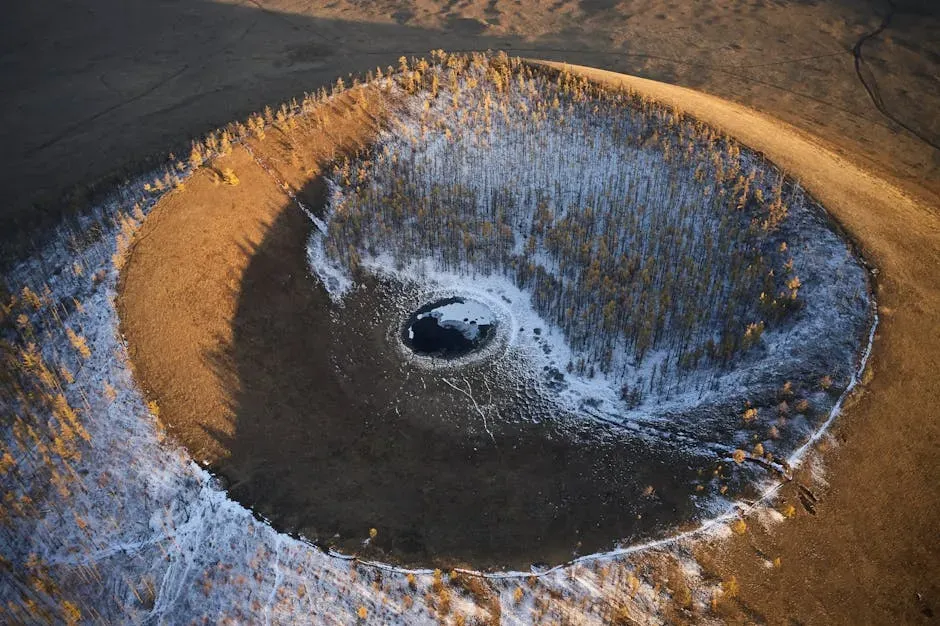
These craters are one of Earth’s most bizarre and most recent geological mysteries. Located on Russia’s Yamal and Gydan Peninsulas, these massive gaping holes were discovered in 2014 and haven’t stopped changing since. They’ve grown bigger and more numerous, and there’s no shortage of theories about why they appeared.
People have suggested everything from a meteor impact to alien activity. The most common explanation suggests that they come from bubbles of methane gas bursting as the Siberian permafrost heats up, but this may not actually be the complete picture. Permafrost covers roughly a quarter of the Northern Hemisphere’s land surface, and it contains vast stores of ancient carbon. What happens to that carbon, and to the landscape above it, as temperatures continue to rise is one of the most consequential open questions in Earth science right now.
The craters have also forced scientists to reckon with how little they understand about permafrost dynamics at depth. The land is behaving in ways that existing models did not predict, and the pace of change is outrunning the research. This is a mystery with real stakes for the future, not just a curiosity from the distant past.
#10. How Did Earth Become the Only Known Living Planet?
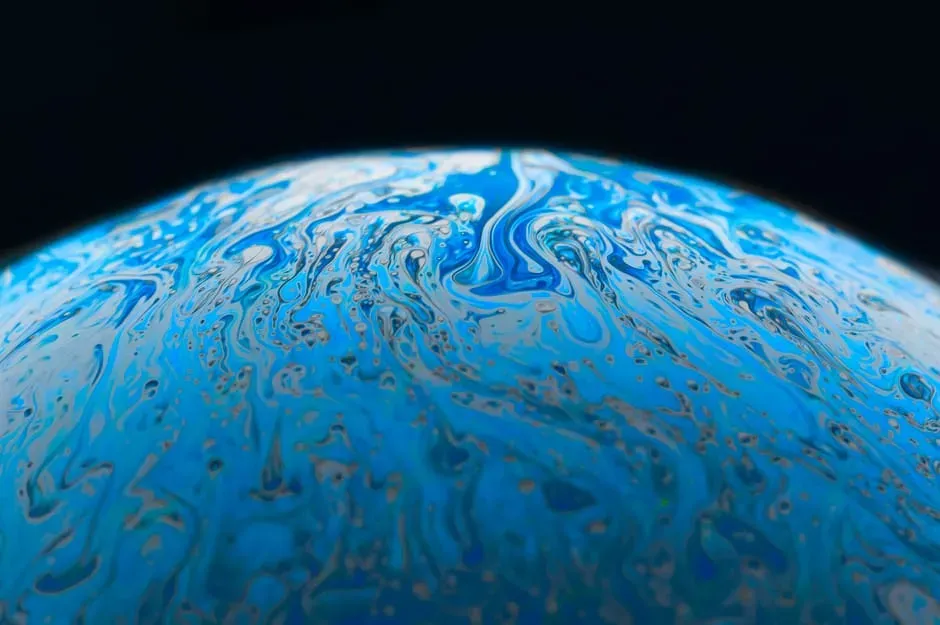
This is arguably the biggest question of all. Earth formed from the same basic ingredients as Venus, Mars, and other rocky planets in our solar system. Venus and Earth are near-twins that diverged not necessarily by catastrophe but by initial conditions and subtle feedback. Yet Earth became a paradise for life, and as far as we can tell, nothing else in our solar system did. What made the difference?
Researchers suggest that a buried “spark of water” deep in the early mantle may have been a decisive factor in turning Earth from a molten inferno into the blue, life-friendly planet we know today. Water enabled plate tectonics, plate tectonics regulated the carbon cycle, and the carbon cycle kept the climate stable enough for life to evolve over billions of years. Every link in that chain matters. Remove any one of them, and Earth might look like Mars today.
We know how life evolves once it exists, thanks to Darwin’s theory of natural selection. But the leap from chemistry to biology, the origin of life itself, remains one of science’s greatest unsolved mysteries. Even granting that life somehow began, the conditions that allowed it to persist, diversify, and eventually think about itself are still being pieced together. NASA and ESA probes planned for later this decade should sharpen the picture of what sets a habitable planet apart, but until then, the question of what truly saved Earth remains open.
A Planet Still Keeping Its Secrets
There is something genuinely exciting about the scale of what we still don’t know. These aren’t fringe puzzles or niche academic debates. They’re foundational questions about the ground beneath our feet, the air in our lungs, and the conditions that allowed us to exist at all. Every one of them sits at the edge of current human knowledge.
The honest, somewhat humbling reality is that Earth science is still a young discipline relative to the age of its subject. We’ve had space telescopes for decades but have drilled only a few kilometers into the crust. We’ve modeled distant galaxies in stunning detail but still can’t fully explain the structures sitting in our own mantle. The planet is not withholding its secrets out of stubbornness. It just operates on scales of time, temperature, and pressure that our instruments are only beginning to reach.
Perhaps that’s the most worthwhile takeaway here: our certainty about Earth should carry a little more humility. The planet we think we know, the one we’ve named and mapped and studied for centuries, is still surprising us on a regular basis. That’s not a reason for alarm. It’s a reason to keep looking down, not just up.
