

When we think of Sir Ernest Shackleton’s legendary Imperial Trans-Antarctic Expedition (1914-1917), we often picture the heroic men who survived against impossible odds after their ship, the Endurance, was crushed by Antarctic ice. However, alongside these brave explorers were remarkable animal companions whose contributions and sacrifices have largely faded from popular accounts. These forgotten heroes—dogs, cats, and even a penguin—played vital roles in maintaining morale, providing transportation, and in some heartbreaking cases, sustaining the men through desperate times. Their stories represent an overlooked chapter in one of history’s greatest survival epics, demonstrating the profound bonds formed between humans and animals in the most extreme conditions imaginable.
The Dogs of Endurance: A Pack with Purpose
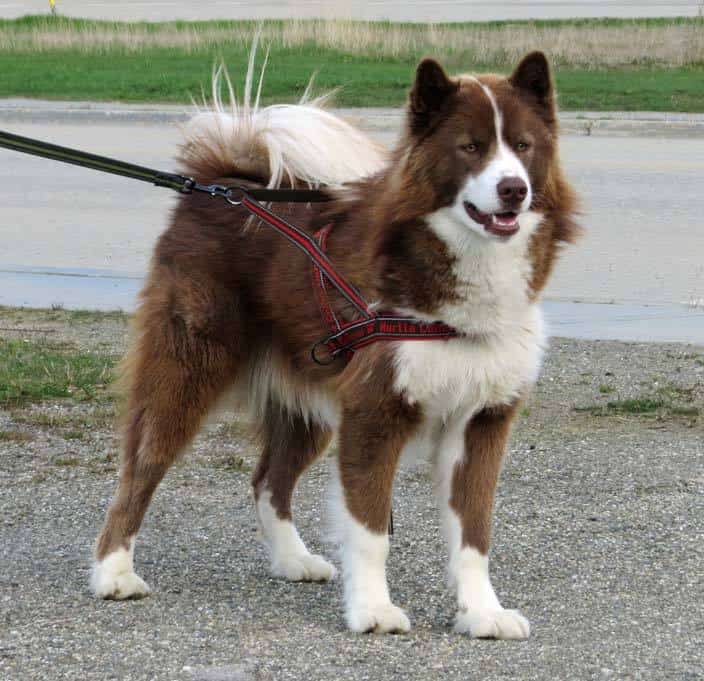
Shackleton’s expedition included 69 dogs, primarily Canadian sledge dogs chosen for their strength, endurance, and ability to withstand extreme cold. These animals were not merely transportation assets but carefully selected team members with names, personalities, and specialized roles. Among them were teams of dogs with names like Samson, Soldier, Satan, and Sailor—powerful animals capable of pulling heavy sledges across ice fields. Frank Wild, Shackleton’s second-in-command, maintained detailed records of each dog’s performance, temperament, and health throughout the journey.
The dogs represented a significant investment for the expedition, both financially and strategically. Shackleton had learned from previous Antarctic explorations that the right dogs could mean the difference between success and failure. Each animal was purchased for approximately £5 (equivalent to about £500 or $650 today), a substantial sum that reflected their critical importance. The dogs were housed in specially constructed kennels on the Endurance’s deck, where they received regular exercise, training, and medical attention from the expedition’s dog handlers, particularly Walter How and Tom Crean.
Mrs. Chippy: The Carpenter’s Feline Companion
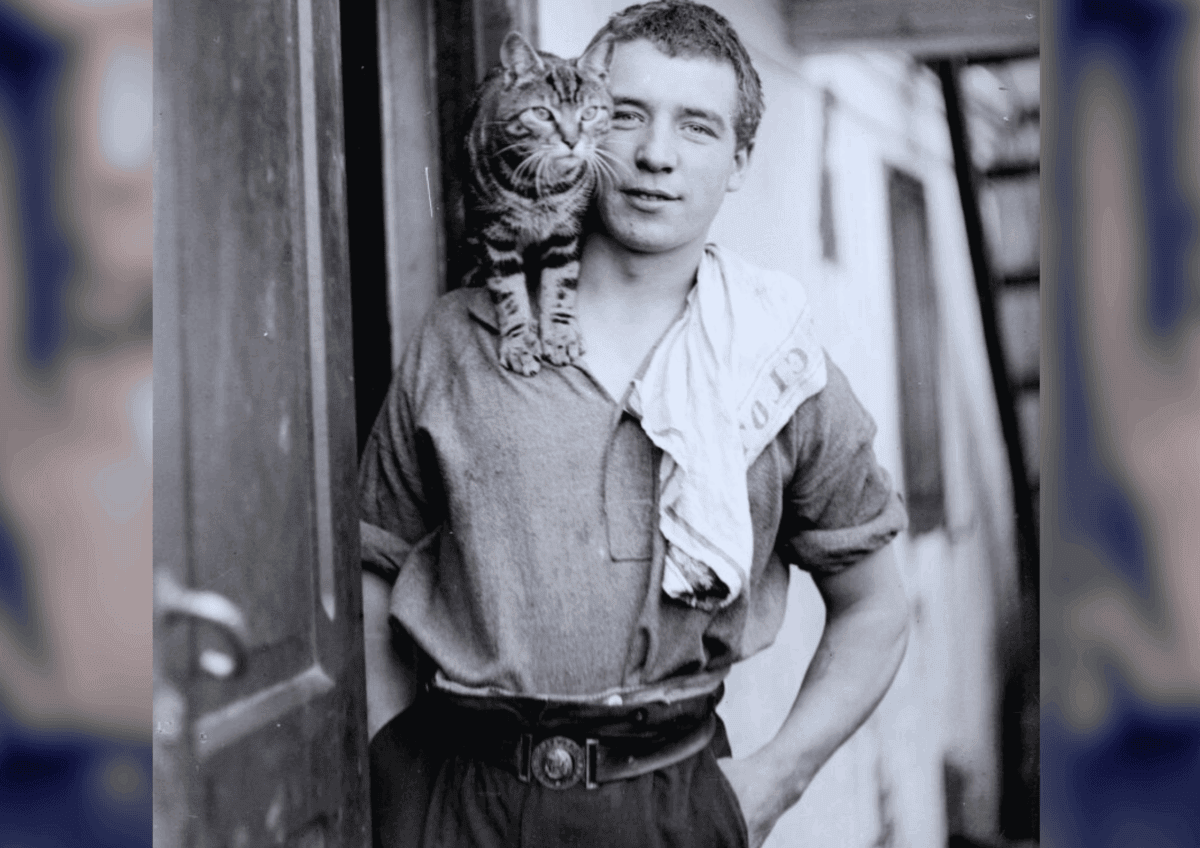
Perhaps the most famous animal of the expedition was a tiger-striped tabby cat named Mrs. Chippy, who belonged to the ship’s carpenter, Harry “Chippy” McNeish. Despite the masculine name, Mrs. Chippy was actually male—a fact discovered only after the name had stuck. The cat earned his nickname by following McNeish everywhere, just as a wife might shadow her husband (hence “Mrs. Chippy”). The cat became a beloved mascot aboard the Endurance, entertaining the crew with his antics and hunting skills as he kept the ship’s modest rodent population under control.
Mrs. Chippy demonstrated remarkable adaptability to life at sea, developing exceptional balance to navigate the ship even during rough weather. The cat would often perch on railings or climb the rigging, seemingly impervious to the rolling deck. Crew diaries frequently mentioned the cat’s adventures, with expedition photographer Frank Hurley capturing several images of Mrs. Chippy lounging on deck or interacting with crew members. The cat’s presence provided comfort and normality during the long, dark Antarctic nights, becoming an unexpected yet vital contributor to crew morale during the early stages of the expedition.
The Journey Begins: Animals Adapting to Antarctic Conditions

When the Endurance departed South Georgia Island in December 1914, heading toward the Weddell Sea, the animals faced immediate challenges adapting to increasingly harsh conditions. The dogs, despite their cold-weather breeding, required careful management as temperatures dropped. Expedition members constructed snow berms around the kennels to block wind and provide additional insulation. Exercise routines became critical, with dog teams regularly harnessed for training runs across ice floes when the ship stopped. These practice sessions served the dual purpose of keeping the animals physically fit and reinforcing their sledging skills for the planned transcontinental journey.
Mrs. Chippy demonstrated surprising resilience to the cold, growing a noticeably thicker coat as temperatures dropped. The cat developed a habit of finding the warmest spots on the ship, often curling up near the galley stove or in sleeping quarters. According to expedition diaries, Mrs. Chippy even learned to hunt Antarctic seabirds when they landed on the ship, supplementing his diet with fresh meat. The animals’ ability to adapt impressed the expedition members, who carefully documented these behavioral changes as part of their scientific observations. This adaptation period would prove crucial, though ultimately insufficient, preparation for the challenges that lay ahead.
Ice Entrapment: Daily Life with Animals Aboard a Frozen Ship

By January 1915, the unthinkable happened—the Endurance became trapped in the ice of the Weddell Sea, bringing Shackleton’s transcontinental plans to a halt. As weeks turned to months with the ship locked in the frozen grip of the Antarctic, the animals became increasingly important to maintaining routine and morale. The dogs were moved from their deck kennels to “dogloos”—igloos constructed specifically for them on the surrounding ice. Daily exercise routines became elaborate affairs, with dogs divided into teams for regular sledging practice around the immobilized ship. These activities kept the dogs physically fit while allowing expedition members to refine their handling skills and test equipment.
Mrs. Chippy continued ship life largely as before, though with increased hunting opportunities as the stationary ship attracted more birds. The cat became something of a weather predictor, with crew members noting that Mrs. Chippy’s behavior often changed hours before storms arrived. This period of entrapment, while frustrating for the expedition’s goals, resulted in the deepening of bonds between men and animals. Photographer Frank Hurley captured numerous images showing crew members playing with the dogs or Mrs. Chippy lounging in unusual spots around the increasingly tilted vessel. These companionships provided crucial psychological support during the uncertain waiting period, helping to maintain the crew’s mental health as their original mission became increasingly unlikely.
Perce Blackborow’s Secret Stowaway: The Tale of Mrs. Chippy’s Rivalry
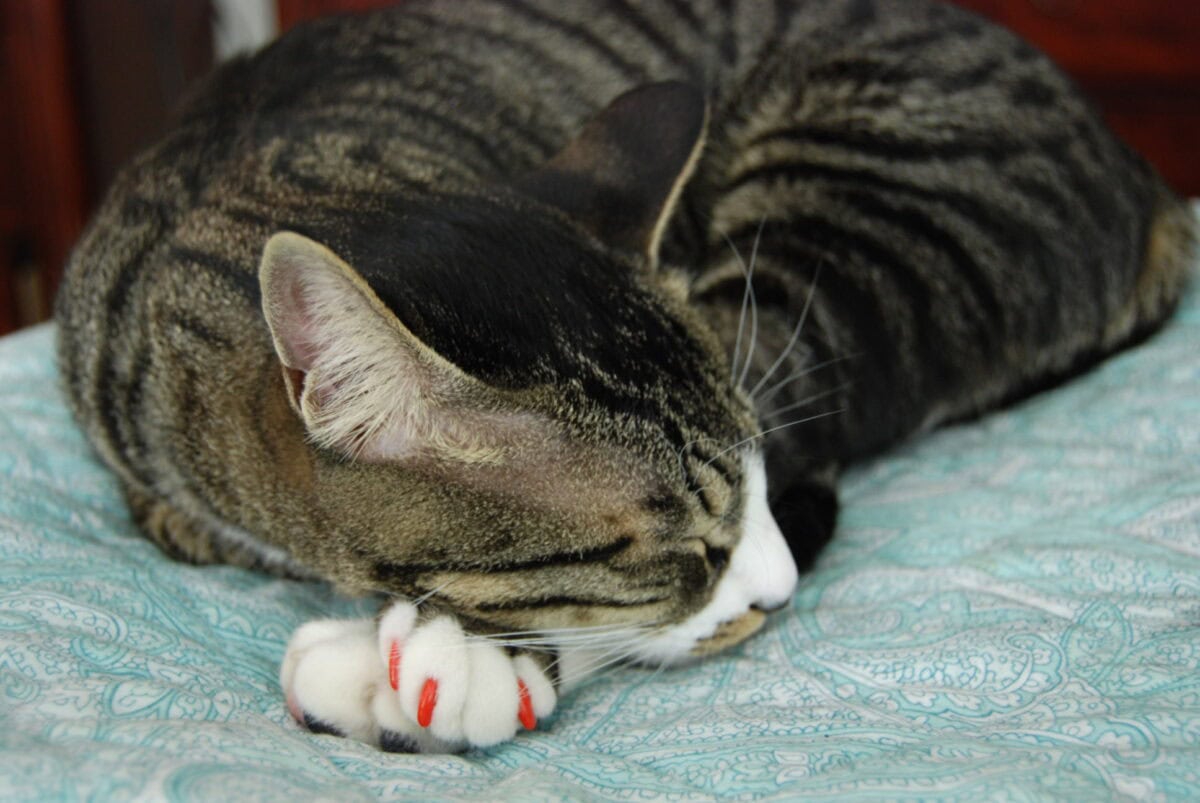
Lesser known in the expedition’s animal history is the story of a stowaway that created an unexpected rivalry with Mrs. Chippy. When young Welsh sailor Perce Blackborow was initially rejected for the expedition, he hid aboard the ship with the help of friends. After being discovered at sea, Shackleton reluctantly kept him on as a steward. What remained secret until much later was that Blackborow had smuggled aboard a small kitten hidden inside his shirt during his stowaway attempt. This kitten, which Blackborow named “Amundsen” after Shackleton’s Norwegian rival, was kept hidden in Blackborow’s quarters for nearly two weeks before being discovered.
The introduction of a second cat created an immediate territorial dispute with Mrs. Chippy, who reportedly hissed and swatted at the younger feline whenever they crossed paths. Expedition diaries noted the amusing chase sequences that would unfold across the ship, providing unexpected entertainment for the crew. Eventually, the cats established an uneasy truce, with Amundsen primarily staying in the crew quarters while Mrs. Chippy maintained dominance over the deck and working areas. Unfortunately, Amundsen’s presence was short-lived, as the kitten disappeared during a particularly violent storm in February 1915, presumably falling overboard while exploring the increasingly ice-damaged vessel.
The Penguin Experiment: James and the Temporary Mascot

During the long months trapped in ice, the expedition briefly adopted another animal companion—an Adélie penguin that zoologist Robert Clark captured for study but which soon became an unofficial mascot. The bird, named “James” after expedition sponsor James Caird, was initially kept for scientific observation, but its charming personality soon endeared it to the crew. James was given limited freedom to waddle around the ship’s deck, where it developed a particular fascination with the ship’s gramophone, often standing nearby whenever music played. This behavior earned it the nickname “the conductor” among amused crew members.
The relationship between James the penguin and the ship’s dogs proved particularly interesting. While most dogs displayed hunting interest in the bird, one dog—a gentle giant named Shakespeare—formed an unlikely friendship with James. Expedition diaries described Shakespeare allowing the penguin to sleep against his warm fur during particularly cold nights. After several weeks of observation and companionship, Clark eventually released James back to the wild, noting that keeping a wild animal permanently would be unethical. The brief presence of the penguin provided valuable scientific insights while offering the men yet another animal connection during their isolation. Photographs exist showing James on deck, a reminder of the diverse animal relationships that developed during the expedition.
The Crushing of the Endurance: Difficult Decisions and Animal Fates

By October 1915, after ten months trapped in the ice, the pressure became too great, and the Endurance began to break apart. As the ship’s destruction became inevitable, Shackleton faced agonizing decisions regarding the expedition’s animals. With the men now forced to trek across the ice toward potential rescue, carrying minimal supplies and equipment, the non-essential animals could not be brought along. On October 30, 1915, Shackleton made what he later described as the most difficult order of his career—he commanded that Mrs. Chippy and the weakest dogs be shot. This devastating decision was made to prevent the animals from suffering a slow death and to provide food for the remaining sledge dogs that would be critical for transport.
The execution of Mrs. Chippy particularly devastated carpenter Harry McNeish, who never fully forgave Shackleton for the decision. The remaining dogs were divided into teams for hauling sledges loaded with supplies and lifeboats. During the months that followed, as conditions deteriorated and supplies dwindled, Shackleton was forced to order the shooting of the remaining dogs as well, both to prevent their suffering and to provide emergency food for the men. These necessary but tragic decisions haunted many expedition members for decades afterward. In his expedition memoir “South,” Shackleton wrote sparingly about these painful choices, but private diaries of crew members reveal the emotional toll these animal sacrifices took on the men who had formed deep bonds with their four-legged companions.
The Working Dogs: Transportation Heroes of the Ice

Before their ultimate sacrifice, the expedition’s dogs performed heroically in their intended role as transportation specialists. When the Endurance was crushed and the men forced to haul supplies across the ice, the dog teams became essential. Five teams of dogs, each with a designated musher, transported over a ton of essential supplies across treacherous terrain. The lead dog team, headed by a powerful husky named Samson, could pull loads exceeding 200 pounds per dog—an extraordinary feat considering the challenging ice conditions and limited food supplies. Expedition records show that in optimal conditions, dog teams covered distances up to 20 miles per day, far outpacing what the men could have achieved alone.
The dog handlers formed profound bonds with their teams, understanding each animal’s strengths and quirks. Tom Crean’s diary detailed his lead dog, a husky named Soldier, who seemed to sense dangerous ice before the humans could detect it. On at least three documented occasions, Soldier refused to proceed along planned routes, forcing the team to find alternatives that later proved safer. This animal intelligence potentially saved lives multiple times during the treacherous journey across the ice floes. Though their story ended tragically, these working dogs’ contributions were invaluable during the most physically demanding phase of the expedition, demonstrating remarkable strength, endurance, and intelligence under extreme conditions.
Psychological Impact: How Animals Sustained Human Spirits

Beyond their practical contributions, the animals of the Endurance expedition played a crucial psychological role that may have been equally important to survival. Multiple crew diaries mention that caring for the animals provided essential routine and purpose during the darkest periods of uncertainty. Dog handlers maintained strict feeding, exercise, and care schedules regardless of weather or circumstances, creating structure that benefited both animals and humans. This responsibility gave men clear purpose during periods when the expedition’s larger goals seemed impossible, helping to combat depression and anxiety that threatened morale.
The emotional connections formed with the animals also provided comfort in an environment devoid of other social contacts. Expedition doctor Alexander Macklin noted in his medical observations that men who worked directly with the dogs showed fewer signs of psychological strain during the initial months trapped in ice. Mrs. Chippy’s antics regularly lightened tense moments, with meteorologist Leonard Hussey writing that “the cat’s persistent normalcy amid our abnormal circumstances was strangely reassuring.” Even after the animals were gone, memories and stories about them remained a source of conversation and occasional laughter during the darkest periods of the journey. These psychological benefits, though difficult to quantify, represent perhaps the most significant contribution of the expedition’s animals to the ultimate survival of the human team.
Memorials and Recognition: Honoring the Forgotten Heroes

While the human heroes of the Endurance expedition received medals and recognition, the animal members were largely forgotten in official commemorations. In recent decades, however, efforts have emerged to honor these forgotten heroes. In 2004, the New Zealand Antarctic Society installed a bronze statue of Mrs. Chippy atop the grave of Harry McNeish in Wellington, acknowledging both the carpenter’s contribution to the expedition’s survival and his feline companion’s significance. The statue depicts Mrs. Chippy in a typical lounging pose, finally reuniting master and cat after their tragic separation in Antarctica.
Several books have also sought to tell the animals’ stories, including “Mrs. Chippy’s Last Expedition” by Caroline Alexander, which imaginatively recreates the cat’s perspective on the journey. The UK Antarctic Heritage Trust maintains a memorial register of expedition animals, documenting names and roles of the dogs who participated in the Endurance expedition. In Antarctica itself, modern research stations observe informal traditions honoring these early animal explorers, with South Pole station maintaining a wall of photographs that includes images of Endurance’s dogs and Mrs. Chippy alongside human Antarctic pioneers. These memorials ensure that the contributions and sacrifices of these animal heroes are not entirely forgotten, providing a more complete understanding of the expedition’s history.
The Legacy of Endurance’s Animal Heroes

The story of the Endurance expedition’s animals offers profound insights into the human-animal bond under extreme circumstances. Their legacy extends beyond their direct contributions to the mission, serving as a poignant reminder of the complex ethical questions facing explorers in remote environments. Shackleton’s agonizing decisions regarding animal welfare, necessity, and survival continue to spark discussion among historians and ethicists studying polar exploration. Modern Antarctic expeditions, now conducted without working animals, still reference these early animal explorers when developing guidelines for human activity on the continent.
Perhaps the most significant legacy lies in how these animals transformed from working tools to genuine companions during the expedition’s darkest hours. The emotional connections formed between men and animals in Antarctica revealed the depth of cross-species bonds possible when humans and animals face challenges together. From Mrs. Chippy’s comforting presence to the sledge dogs’ unwavering work ethic, these animals demonstrated remarkable adaptability and emotional intelligence. Though their stories ended tragically, their contributions were essential to what remains history’s greatest survival story. They remind us that exploration history is not solely a human achievement but rather the result of interspecies partnerships forged in the most challenging environments on Earth.
Conclusion: Remembering All Heroes of the Ice

The forgotten animal heroes of Shackleton’s Endurance expedition represent a significant but often overlooked chapter in polar exploration history. From the sledge dogs who provided crucial transportation to Mrs. Chippy who boosted morale during the darkest days, these animals made contributions that directly impacted the expedition’s ultimate survival against impossible odds. Their stories reveal the complex relationship between humans and animals in extreme environments, where pragmatic necessity often conflicts with deep emotional bonds. As we continue to celebrate Shackleton’s legendary leadership and his men’s incredible endurance, we should also remember the four-legged and furry crew members who lived, worked, and ultimately sacrificed alongside their human companions in one of history’s greatest survival epics.

- The Secret Language of Dolphins Decoded by Researchers - July 20, 2026
- 7 Animals That Can Survive Extreme Environments You Couldn’t - July 20, 2026
- The Longest Snake Ever Found in the U.S. - July 20, 2026