

There’s a moment that almost every new dog owner knows from experience. You’re scrolling through photos of a breed, completely smitten by the face, the ears, the sheer irresistible charm of it. You imagine cozy evenings, playful park visits, the perfect addition to your home. What doesn’t appear in that mental picture is the recurring vet bill, the separation anxiety that shreds your couch, or the three-hour daily exercise commitment no one thought to mention at the pet store.
Vets see these mismatches constantly, and many have strong private opinions about which breeds are simply not a good fit for first-time owners. Many veterinary professionals grow frustrated seeing the same pedigree breeds presenting with the same health issues time and time again, noting that pet owners often aren’t aware of just how common and predictable these issues are. The breeds below aren’t bad dogs. They are, however, dogs that deserve owners who truly know what they’re walking into.
#1 French Bulldog

It’s hard to find a breed more photographed, more hashtagged, or more consistently adored than the French Bulldog. Their compact size, flat face, and comically expressive eyes have made them one of the most popular breeds on the planet. The reality of owning one, though, tends to look quite different from the social media version.
French Bulldogs are brachycephalic, meaning they have flat faces and short snouts. That signature look makes them prone to breathing problems, overheating, and complications from anesthesia. They may also deal with spinal disorders and skin fold dermatitis. They come with non-stop health issues – from breathing problems to skin infections to spinal issues – and many suffer with conditions they were literally bred into. For a new owner who wasn’t expecting the emotional and financial weight of chronic care, this breed can be genuinely overwhelming.
#2 English Bulldog

The Bulldog’s heavy build and flat face make them particularly sensitive to heat, exercise, and stress. They can’t swim, so if you have a pool, pond, or spa, their access should be restricted. They are prone to a variety of health issues and can be challenging to train. For a first-time owner expecting a laid-back family dog, the reality of managing a Bulldog’s health needs can arrive as quite a shock.
English Bulldogs suffer from a long list of health problems due to breeding that has prioritized appearance over health needs. The English Bulldog is a common household pet, with owners favoring their small and stout size, squished-in faces, and stubby tails. They have a higher risk of developing heart issues because their flat faces limit oxygen intake, forcing the heart to work harder. English Bulldogs have an average lifespan of just eight to ten years, with most studies placing the median closer to seven or eight.
#3 Shar Pei
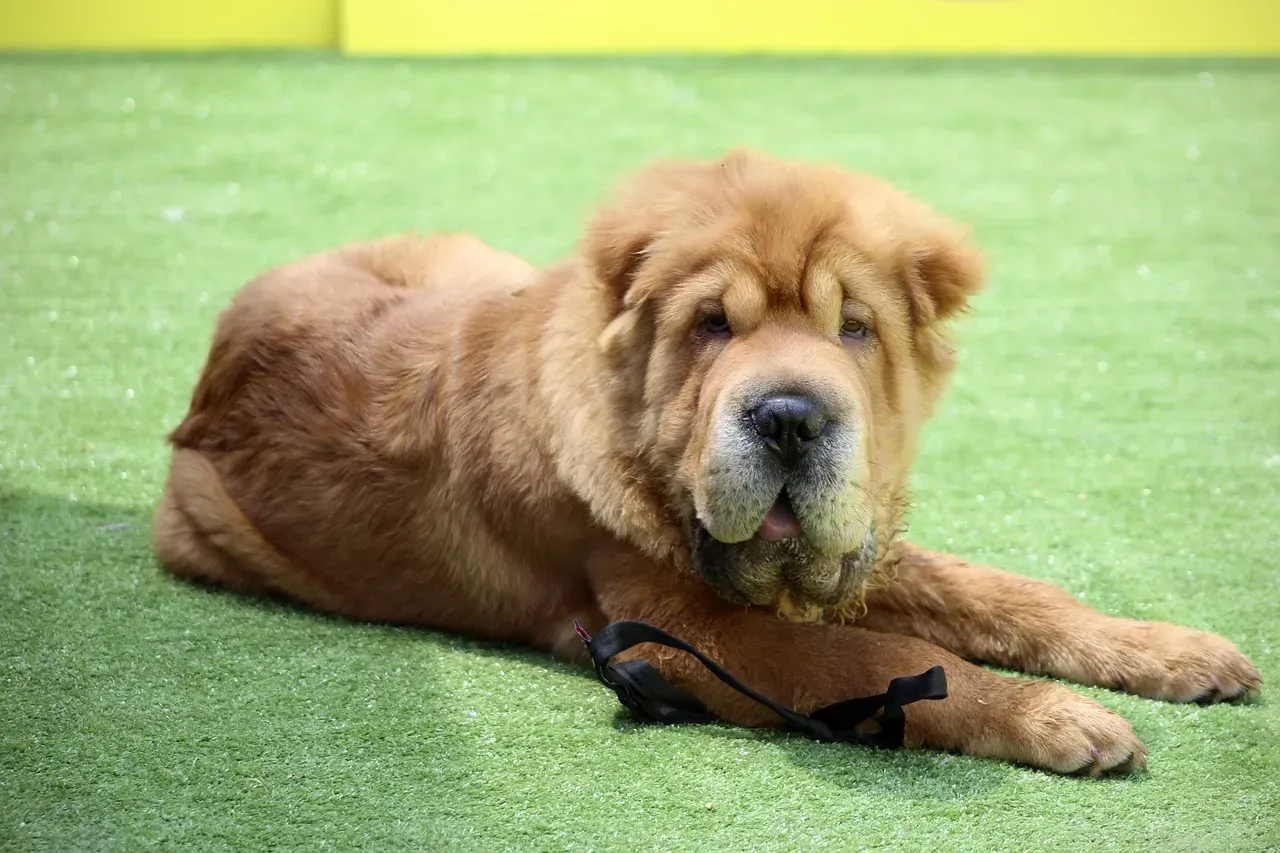
The Shar Pei is one of those breeds that vets like in theory and hesitate over in practice. Their deep wrinkles and unusual appearance are striking, but those same physical characteristics drive a long list of medical problems. Shar-Pei Fever, also known as Familial Shar-Pei Fever, is a chronic auto-inflammatory disorder that causes recurring fever and swelling. More seriously, the genetic condition can cause protein accumulation in the body, leading to organ failure.
Although health problems are the biggest concern with the Shar Pei, there are also several behavioral issues potential owners should understand. One of the most serious is fear aggression, which can make the breed challenging for inexperienced pet parents. Dog-to-dog aggression is also fairly common, as the Shar Pei was originally bred as a fighting dog, and their stubborn temperament can make obedience training more difficult than with other breeds. This combination of medical complexity and behavioral unpredictability is precisely why many vets hesitate to recommend them to newcomers.
#4 Rottweiler

In the right circumstances, Rottweilers make fabulous family dogs and are loyal, protective, and even-tempered. The right families have experience with working dogs and guardian breeds and have the time to spend training and working with their Rottweiler almost daily. In the wrong environment, Rottweilers can be reactive, anxious, and domineering. Happiest when they know the schedule and can follow a routine, Rottweilers are too often purchased by families that are not prepared for how much their lives will revolve around their dog.
Although he can be a gentle giant, the wrong Rottweiler with the wrong owner can truly be a challenging dog. A Rottweiler wants someone to be the boss, and if you’re not taking the job, he will. He’s powerful and protective, and known for being extremely loyal when it comes to his people and his property. Unfortunately, Rottweilers can also suffer from serious neurologic disorders like neuroaxonal dystrophy, a degenerative genetic condition.
#5 German Shepherd
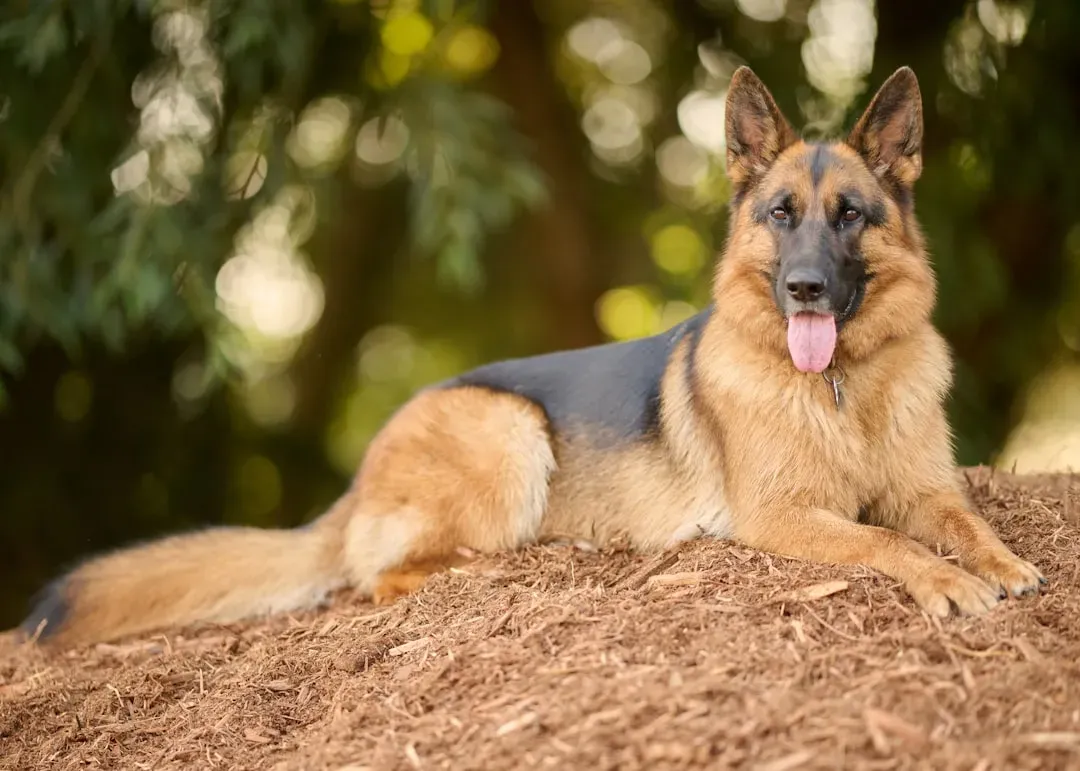
Although they have a great history and have been one of the most popular breeds over the years, many vets would not want to own a German Shepherd. One reason has to do with their behavior, with the most common trait being aggression, which is usually caused by insufficient socialization at an early age. German Shepherds also have a lot of energy and need more exercise than most owners have time for.
German Shepherds are predisposed to several conditions including hip and elbow dysplasia, with poor genetic health being a notable concern. Many vets have also come across too many German Shepherds with the paralyzing spinal condition degenerative myelopathy. They’re at higher risk for degenerative myelopathy, a progressive spinal disease, and bloat, which is a life-threatening emergency. These are serious conditions that require informed, prepared owners to manage responsibly.
#6 Dalmatian
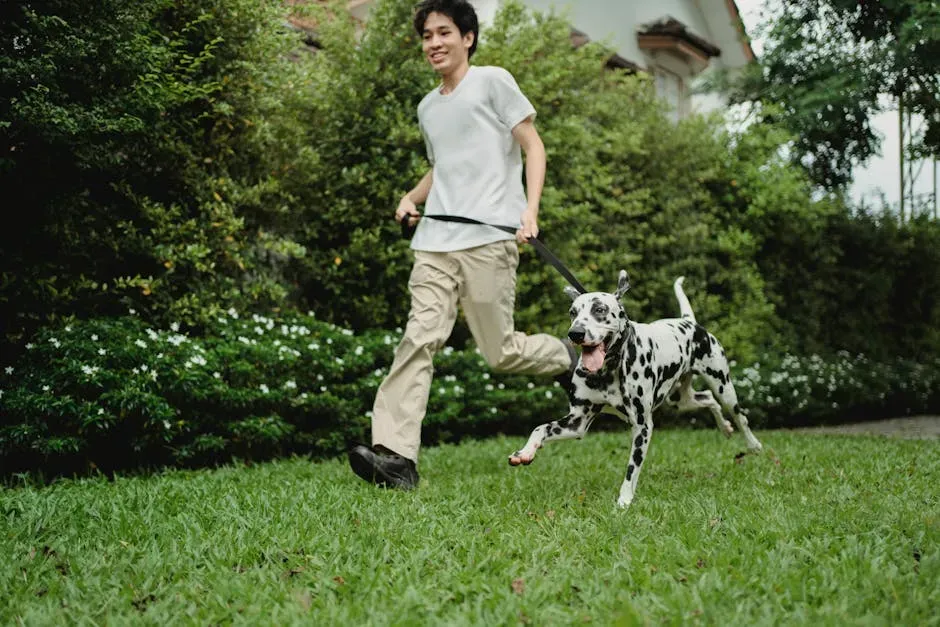
The Dalmatian has been romanticized by pop culture for decades, which has done the breed no favors. Many families adopt one imagining an energetic but manageable spotted companion. What they get is a high-performance athletic breed with needs that far exceed the average household’s capacity.
Dalmatians are working dogs packed with loads of energy. They were bred to run, making them one of the fastest breeds. In fact, they used to run alongside horses and fire engines. Their energy levels make them quite a challenge for dog owners. Dalmatians can become destructive and bark endlessly when not given the desired stimulation. They’re better suited to experienced owners due to their exercise and training requirements. A quiet apartment life is simply not in their DNA.
#7 Chow Chow
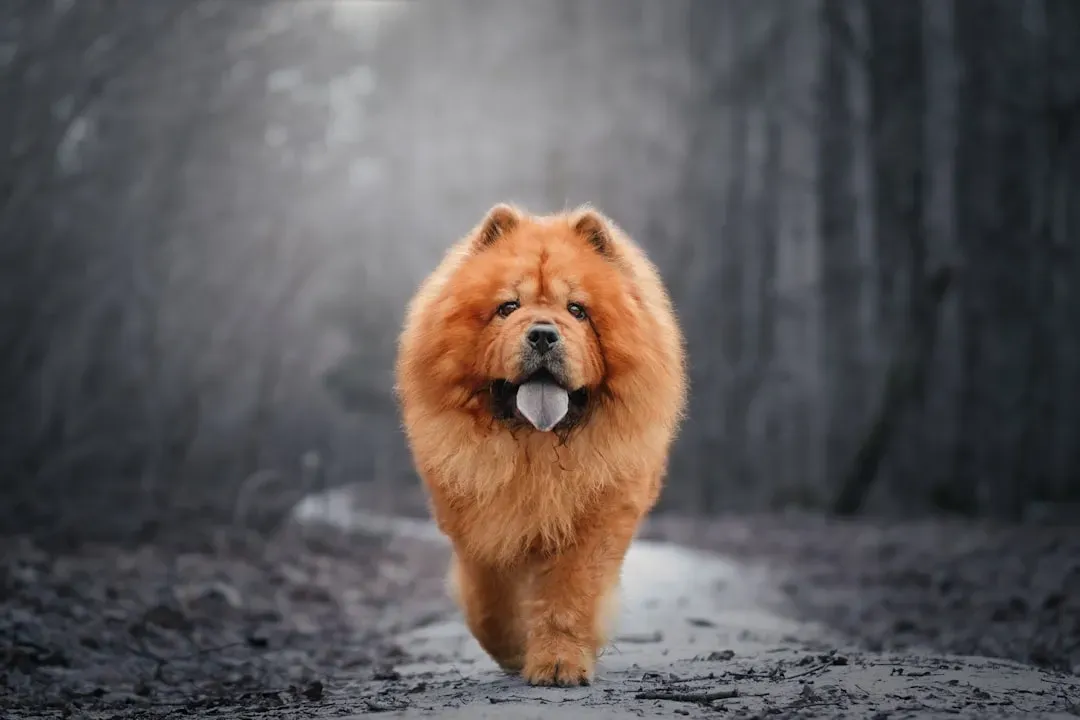
Known for their cat-like independence, Chow Chows don’t always enjoy the company of other dogs. They can be territorial and selective with playmates, so they often do best in a single-dog household. One of the oldest dog breeds around, Chows served as imperial guards in China, and they have the regal attitude to match. That attitude, while fascinating in the right hands, can become a genuine management challenge for a new owner.
Despite looking like teddy bears, Chow Chows don’t act like them. Their adorable face and purple tongue stand out among other breeds. A Chow Chow may require 80 to 100 repetitions to learn a command. Chow Chows are another breed that can be mistakenly assumed to be low-maintenance but are also prone to a variety of health issues, including hip dysplasia and eye problems. First-time owners who expect easy companionship often find Chow Chows to be unexpectedly remote and stubborn.
#8 Siberian Husky
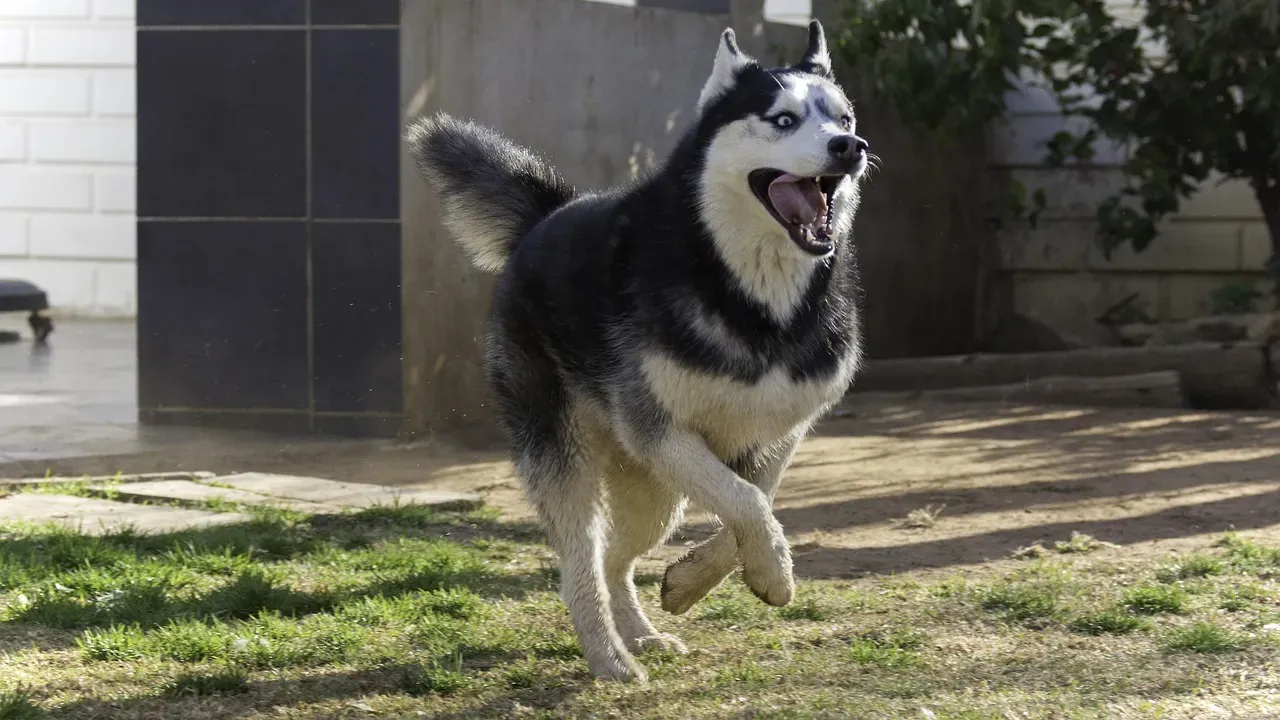
The Siberian Husky is a working dog that thrives in cold, snowy climates. He was bred to pull sleds over long distances, and his liveliness reflects that – a short walk around the block won’t do for this breed. He sheds heavily, is a capable escape artist, and has a strong predatory drive, so he’s not a great choice for homes with cats or small pets.
Independent-minded and often stubborn, Huskies may require patient and consistent training methods to establish boundaries and prevent behavioral problems associated with their independent nature. Their vocalizations are legendary too. Huskies howl, talk back, and express displeasure in ways that can be genuinely startling in a residential neighborhood. The gap between owning a Husky and managing one is considerable, and new parents often don’t see it coming until the damage is done.
#9 Akita
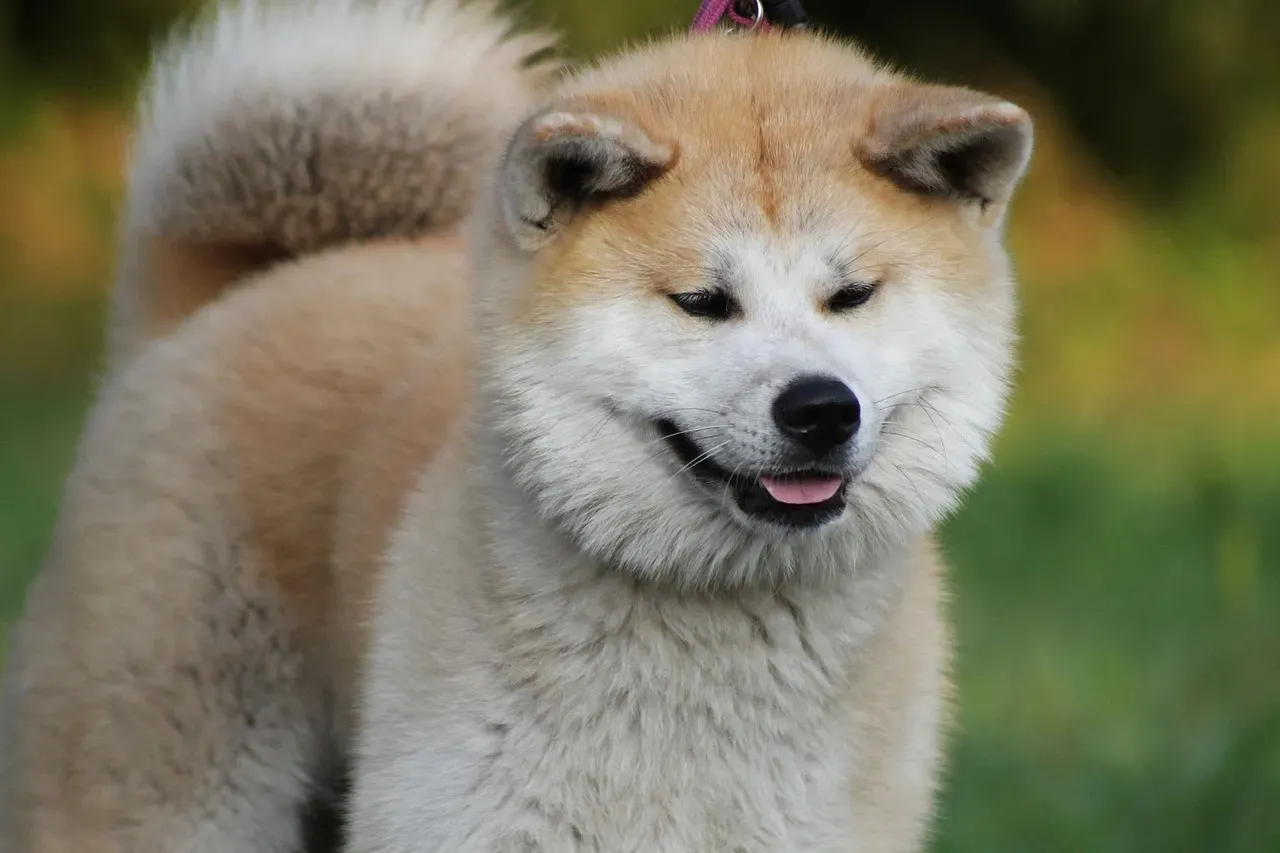
The Akita was bred to hunt big game such as bear, boar and elk. He can weigh upwards of 115 pounds or even more, and requires a daily walk, always on leash due to a strong prey drive. He’s a beautiful dog, but sheds heavily and can be a challenge to train, making him best suited to experienced dog owners.
Akitas were bred to hunt big game, so they have a strong prey drive and can be aggressive if not adequately socialized and trained. Highly protective by nature, these dogs are often wary of strangers and do not always get along with other dogs. It takes an experienced pet parent to keep Akitas grounded and trained. Known for their striking looks, Akitas are also susceptible to health issues like hip dysplasia, progressive retinal atrophy, and allergies. The combination of size, temperament, and health complexity makes them a breed best left to owners who genuinely understand working guard dogs.
#10 Belgian Malinois
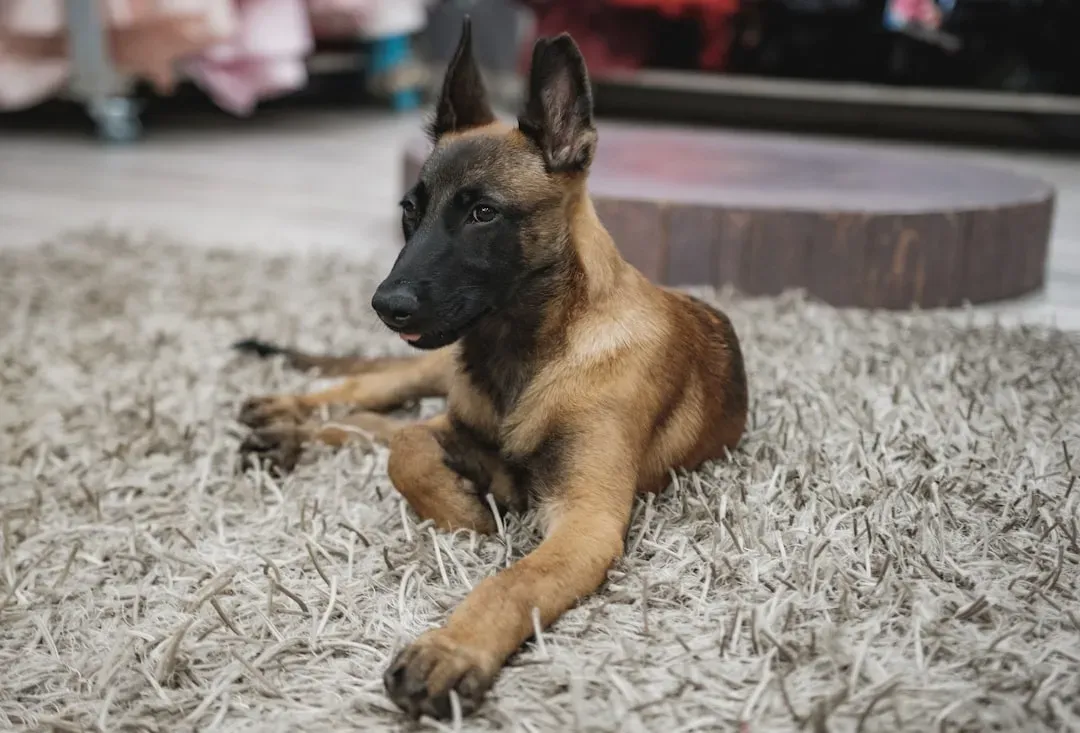
Belgian Malinois are incredible working dogs – highly intelligent and driven – but unless you’re training them constantly and giving them proper structure, they become destructive and reactive fast. They’re not family pets for most people. This is a breed genuinely built for professional work: military operations, search and rescue, police deployments. A suburban living room is not their natural habitat.
These dogs are bred for military and working roles. Without constant structure and stimulation, they can become reactive and destructive. The Belgian Malinois needs a job, a purpose, and a handler who can match their intensity. Bringing one home as a first dog because they look impressive is a recipe for a struggling animal and an overwhelmed owner. Their needs are not casual – they’re demanding in the truest sense.
#11 Cavalier King Charles Spaniel
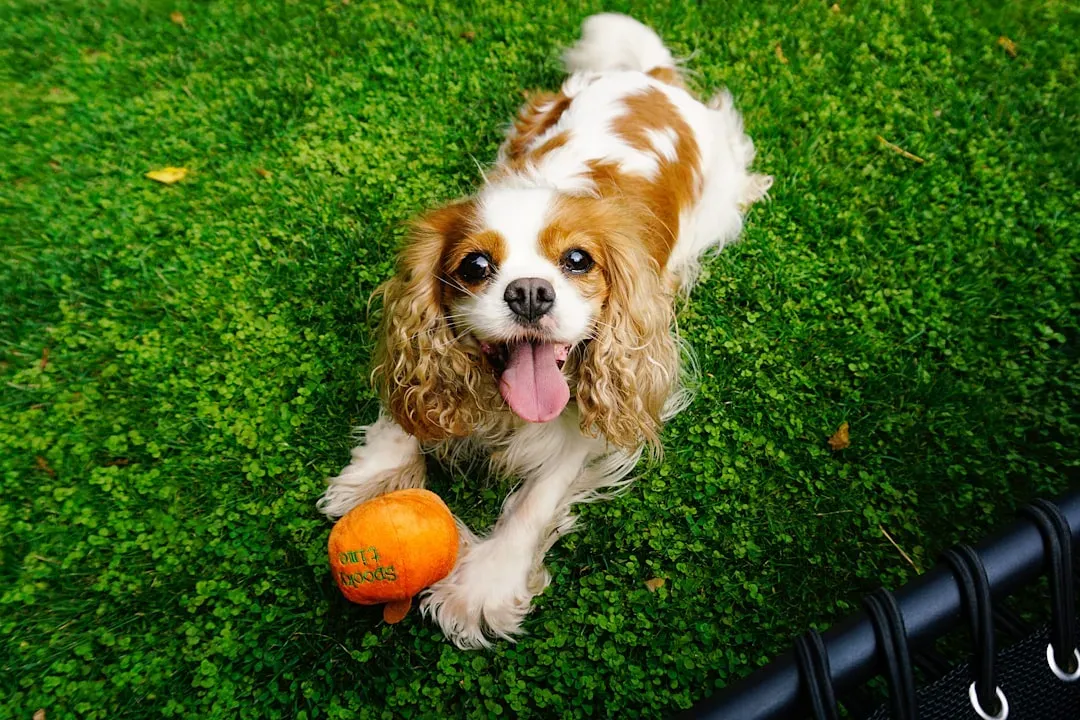
Cavalier King Charles Spaniels are one of the sweetest, most affectionate breeds – but almost every single one ends up with heart disease. Many go into heart failure young, and it’s genuinely devastating to witness. The emotional bond owners form with this breed makes the health realities particularly difficult to absorb.
The small, affectionate Cavalier King Charles Spaniel is susceptible to mitral valve disease, a serious heart condition that often worsens with age. For new parents who picture a snuggle companion with a long, healthy life ahead, this can be a heartbreaking surprise. Vet bills for cardiac management are significant, and the emotional cost of watching a beloved dog decline from a condition that was essentially written into their genetics from birth is something no first-time owner is ever fully prepared for.
#12 Dachshund

Dachshunds are generally a healthy breed, but they are prone to several health issues that owners should be aware of. Due to their long backs and short legs, they are particularly susceptible to intervertebral disc disease (IVDD), which can cause severe back pain and even paralysis if not properly managed. Dachshunds also have a tendency to gain weight easily, making obesity a common concern that can significantly increase the risk of spinal problems.
Dachshunds have huge personalities and are super lovable, but their backs are a serious concern. That long spine makes them prone to slipped discs and paralysis, and too many end up in pain or needing expensive surgery after something as simple as jumping off a couch. The DNA of most Dachshunds suggests they are more likely to experience separation anxiety, which adds another layer of behavioral difficulty that new owners rarely anticipate before falling for those long, low ears.
#13 Weimaraner

The highly intelligent Weimaraner, nicknamed the “Gray Ghost,” isn’t the right dog for everyone. He’s extremely energetic with no “off” switch, and he’s not happy being left alone – separation anxiety can be a real issue with this breed. He can be difficult to housetrain and a hazard to cats and other small pets.
Gastric torsion, commonly known as bloat, is a serious concern for Weimaraners, alongside joint ailments such as hip dysplasia. Owners should be aware of the signs of discomfort and seek prompt veterinary attention when needed. The breed is also predisposed to certain forms of cancer, an unfortunate trait that requires regular medical checkups. New owners are often blindsided by just how much mental stimulation and physical activity this breed demands on a daily basis.
#14 Doberman Pinscher
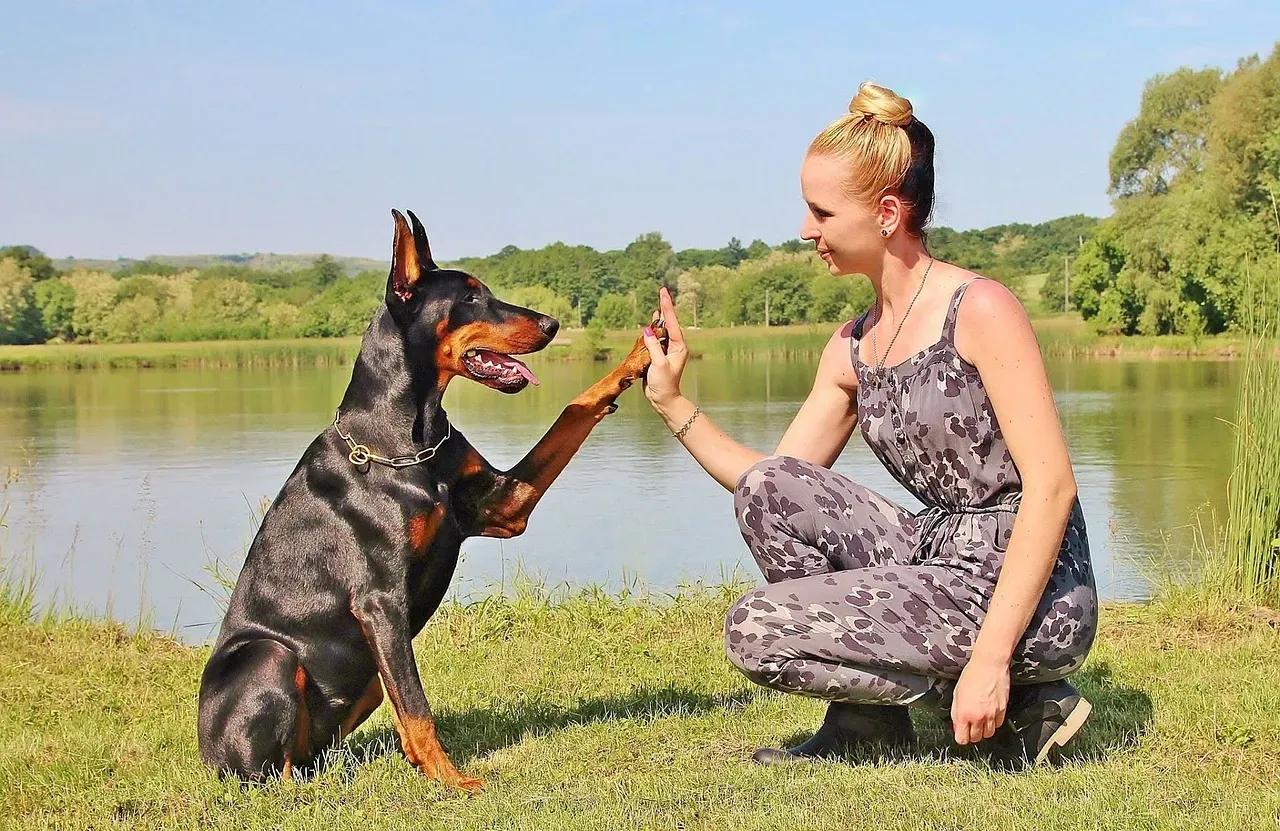
Similar to Chow Chows, Dobermans were traditionally bred as guard dogs and are always protective and alert to potential threats. They require lots of socialization and training to get comfortable around strangers and can be aggressive otherwise. As a breed with strong protective instincts, the Doberman Pinscher can be more challenging for inexperienced owners.
Dobermans suffer from similar issues as other large breeds. Coagulopathy, the condition where blood does not clot quickly, presents surgical risks. Without proper blood clotting, dogs have a higher risk of complications during surgery. Dobermans also genetically face a higher risk of kidney issues due to inbreeding, specifically hereditary nephritis, which damages the kidneys and can cause them to fail at a young age. This is a dog that needs an experienced handler, a confident routine, and an owner who takes preventive health seriously.
#15 Alaskan Malamute
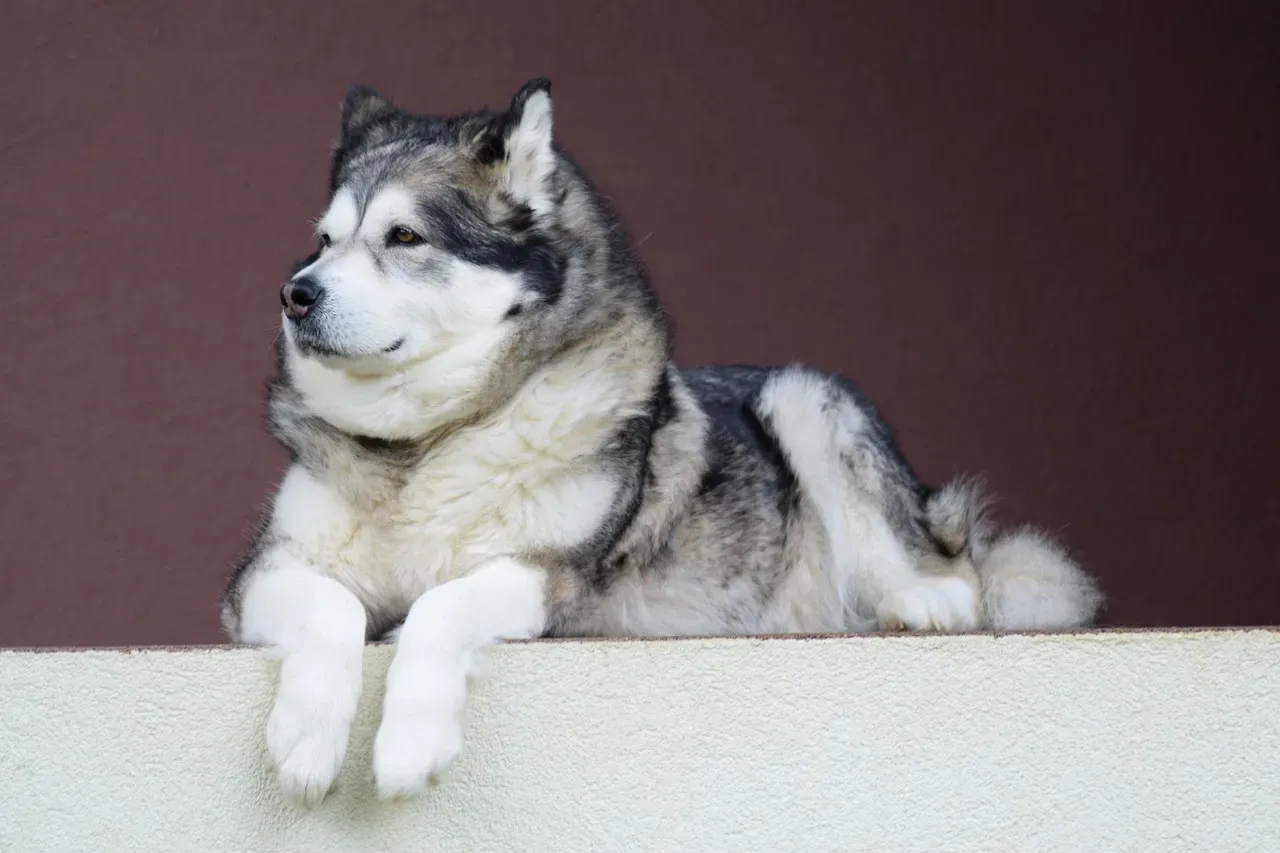
Known as one of the oldest working dogs, Alaskan Malamutes are strong canines with impressive endurance levels. They can carry heavy loads for longer distances but are not very fast. Because of their love and affection for family members, Alaskan Malamutes are a great companion, but only for experienced owners.
Traditionally bred as sled dogs, Alaskan Malamutes are high energy and shed heavily. Alaskan Malamutes may develop cataracts, which can impair vision. They’re also prone to chondrodysplasia, a form of dwarfism that affects bone growth. Their sheer size and independent thinking can also make household management genuinely difficult. Malamutes are known to test boundaries, ignore recall commands, and dig with breathtaking dedication – traits that new owners often find charming at first and exhausting shortly after.
#16 Bernese Mountain Dog

Veterinarian Ben Simpson-Vernon has described the Bernese Mountain Dog as a “heartbreak dog breed.” The Bernese has an average lifespan of just seven to nine years and is known to suffer from common conditions such as hip or elbow dysplasia, bloat, and cancer. For a new family that bonds deeply with a gentle giant, the short timeline alone can be emotionally devastating.
If there is one health concern Bernese Mountain Dogs are especially known for, it is cancer. Compared with many other breeds, Berners have an unusually high rate of certain aggressive cancers. One of the most notable is histiocytic sarcoma, a disease that is rare in most dogs but occurs disproportionately in this breed. Lymphoma and other cancers also occur frequently. These conditions are one of the main reasons the breed’s average lifespan is shorter than many other large dogs. The financial cost of managing these conditions can run into the tens of thousands of dollars, something no responsible new owner should discover by surprise.
#17 Pug
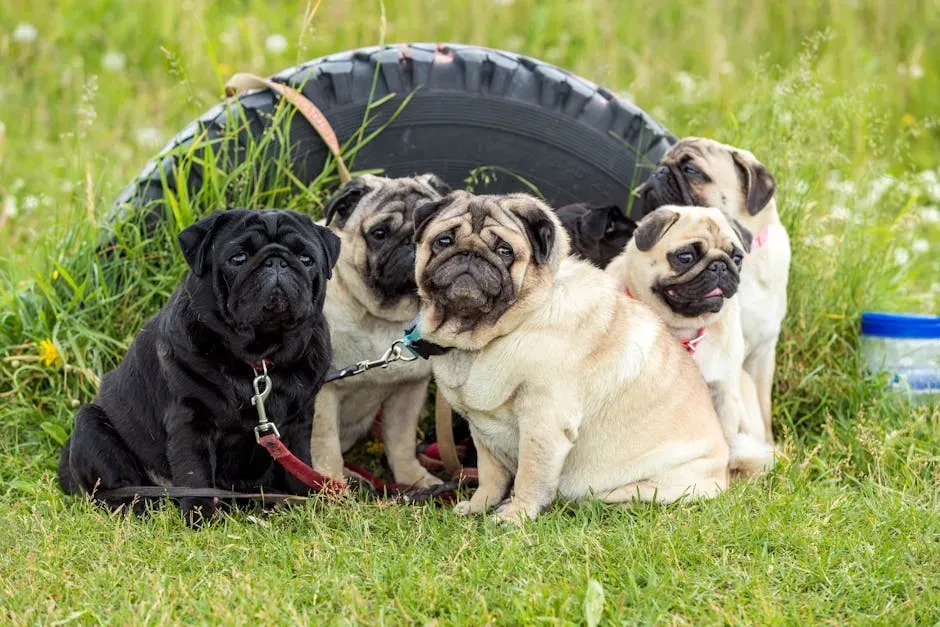
Pugs are among the flat-faced brachycephalic breeds that often suffer from breathing difficulties, skin fold infections, eye issues, and heat sensitivity. As a brachycephalic breed, they may also suffer from brachycephalic airway syndrome, which can cause breathing difficulties, especially in hot or humid weather. Their wrinkled, compact appearance is precisely what causes so many of their ongoing health struggles.
A study published by The Royal Veterinary College highlighted the litany of health risks facing pugs, known for their distinctive flat faces. The frequency of health issues seen in pugs is a serious welfare problem. Their flat faces make it hard to breathe, especially in the heat, and regular vet visits and weight control are essential throughout their lives. Pugs are among the breeds that vets see most frequently for predictable, recurring conditions – which is exactly why so many quietly steer new owners in a different direction.
What This List Is Really Telling You

The breeds on this list aren’t bad dogs. They’re just dogs that deserve owners who truly understand what they’re signing up for. Especially for first-time dog owners, choosing the right breed involves more than falling for an adorable face or playful personality. It’s about finding a dog whose energy level, temperament, and care needs truly fit your lifestyle.
One reason vets may suggest smaller or more manageable breeds is that there are significant expenses and care requirements that can accompany many popular breeds. From expensive veterinary bills due to joint and hip issues to the need for more training and specialized equipment, owning a high-maintenance dog can become overwhelming for unprepared owners. Some breeds vets suggest avoiding for beginners are known to be high-maintenance, not just physically but financially as well.
The clearest takeaway from every vet who has spoken honestly about this topic is simple: do the research before you fall in love with a photo. Choose ethical breeders who perform genetic testing, ask the hard questions, and be honest about your own schedule, living space, and experience level. A dog that thrives in the right home is a joy. The same dog in the wrong home can be a struggle for everyone involved – most of all the dog.

- What It Means When Cardinals Appear During Major Life Transitions (Based on 300 Years of Documented Sightings) - July 20, 2026
- 12 Backyard Animals That Can Sense When a Storm Is Coming Hours Before Your Weather App (And How They Warn You) - July 20, 2026
- Animal Science Says Elephants Can Recognize the Voices of Distant Herd Members They Have Not Seen in Years - July 20, 2026