
Most people who have a dog genuinely love that dog. They feed them, walk them, cuddle them, and worry when something seems off. So it can come as a real shock to realize that some of the most trust-eroding behaviors aren’t the obvious ones. They’re not dramatic. They’re quiet, everyday habits that seem perfectly harmless on the surface but chip away at the emotional security your dog relies on.
Every day, good owners accidentally chip away at their dog’s trust without even realizing it. The smallest habits can send big signals, shaping how safe, respected, and understood your dog feels. The tricky part is that dogs can’t tell you what’s wrong. They communicate it through body language, avoidance, and behavior that most owners mistake for stubbornness or a bad mood. Here are twelve of the most common innocent mistakes that quietly break that bond.
#1: Being Inconsistent with Rules and Routines
Dogs are wired to find comfort in predictability. When the rules shift from day to day, whether you allow the couch one evening and scold them for it the next morning, your dog has no way to map out what’s safe and what isn’t. Allowing a behavior sometimes but not others confuses the dog, and that confusion creates a low-level anxiety that never fully goes away.
Rewarding the dog for a behavior sometimes and punishing him for the same behavior at other times will only confuse him and is likely to reinforce the undesirable behavior. Over time, if you pay attention to your dog sometimes and ignore him at other times, or if you’re mean to him sometimes and nice at others, he won’t know what to expect. He will always be nervous and afraid of you. His trust in you will be damaged or will not develop at all.
#2: Punishing Your Dog for Things They Can’t Control
Dogs can and will make what humans perceive as mistakes – they do not realize what a mistake is because they run on instinct. Mistakes can make the owner very aggravated. If the owner shows anger enough times, the dog won’t trust the owner and any bond that has been there previously might be fractured. This applies especially to house training accidents, chewing, and other instinct-driven behaviors.
Since dogs, especially puppies new to training and learning new patterns, have a hard time understanding if they’ve done something “wrong,” it’s damaging to punish them or yell at them if they’ve made a “mistake.” The emotional fallout from repeated punishment is real and lasting. Punishment can create fear and anxiety, damaging the relationship and leading to unpredictable behavior.
#3: Forcing Them into Overwhelming Situations
It’s tempting to bring your dog everywhere, especially when you want to socialize them or just enjoy their company. The problem is that dragging a nervous or fearful dog into crowds, loud events, or unfamiliar environments without giving them time to adjust does real damage. It’s crucial that dog owners refrain from forcing their dogs into situations or environments that they’re not comfortable with. Pushing a pup into a setting that they feel anxious in could lead to them losing trust in their owner and feeling overwhelmed.
Dragging a fearful dog into crowds or shoving them toward strangers backfires. Flooding overwhelms the nervous system and teaches escape or shutdown. Trust cracks when you ignore coping thresholds. Instead of pushing harder, the goal should be patient, gradual exposure that respects the dog’s pace. Short, successful reps build confidence far better than marathon struggles. Your job is not to prove toughness, but to protect nervous systems in development.
#4: Ignoring Your Dog’s Stress Signals
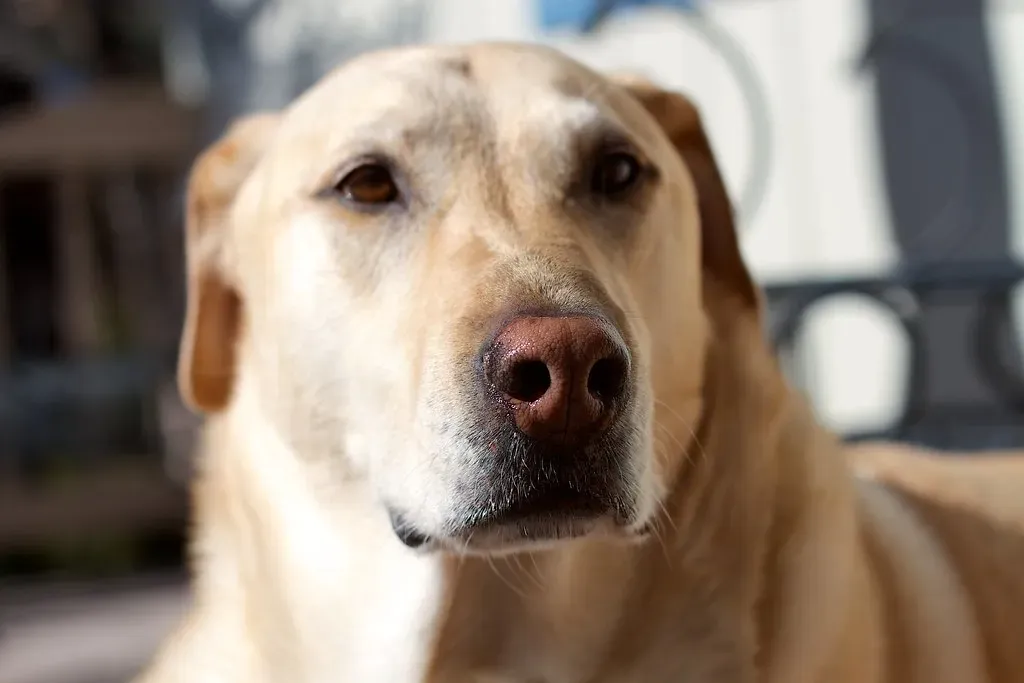
Dogs speak with ears, eyes, tails, and breathing long before they bark or bite. When you miss lip licks, yawns, pinned ears, or a tucked tail, stress keeps building. Your dog learns that subtle honesty does not work, so bigger signals appear. Many owners only notice a problem when things have already escalated, which means the dog has been communicating distress for a long time without anyone listening.
Some body language cues are called calming signals, which dogs use to indicate that they want to diffuse stressful situations. Your dog may demonstrate these gestures to resolve conflict due to anxiety, fear, over-arousal, confusion, the desire to be accepted, or the request to have peace. Learning to read these signals early is one of the most meaningful ways to show your dog that you’re paying attention. Dogs respond more positively when their feelings are acknowledged. Paying attention to their behavior improves communication and helps create a more balanced and trusting relationship.
#5: Reacting Angrily to Fear-Based Behavior
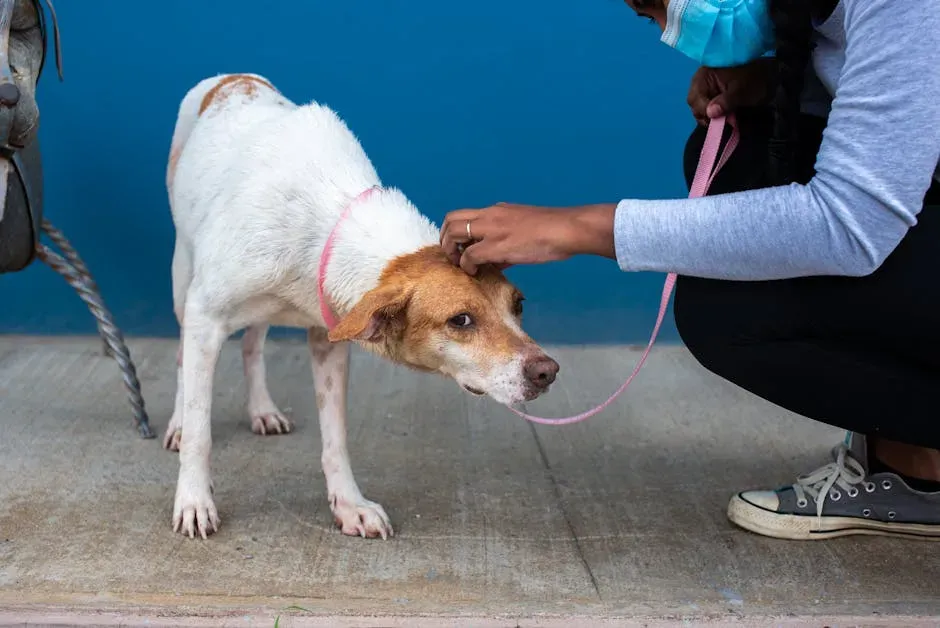
When a dog cowers, growls softly, or hides, many owners interpret it as defiance or even aggression. The instinct to correct that behavior is understandable, but it tends to make things significantly worse. When a dog freezes, growls, or hides, it is usually communicating fear, not defiance. Punishing that response teaches your dog that scary things also predict pain or anger. Fear then grows into avoidance, shutdown, or defensive aggression.
A growl, in particular, is widely misunderstood. A commonly misunderstood behavior is growling. Many people mistake growling as a sign of aggression, but it’s a warning signal, a dog’s way of saying, “Stop, I’m scared, please go away.” Punishing the growl doesn’t address the fear, it just teaches the dog to skip the warning and go straight to biting. Responding with calm, distance, and reassurance goes much further than any correction.
#6: Using Harsh or Physically Punishing Training Methods
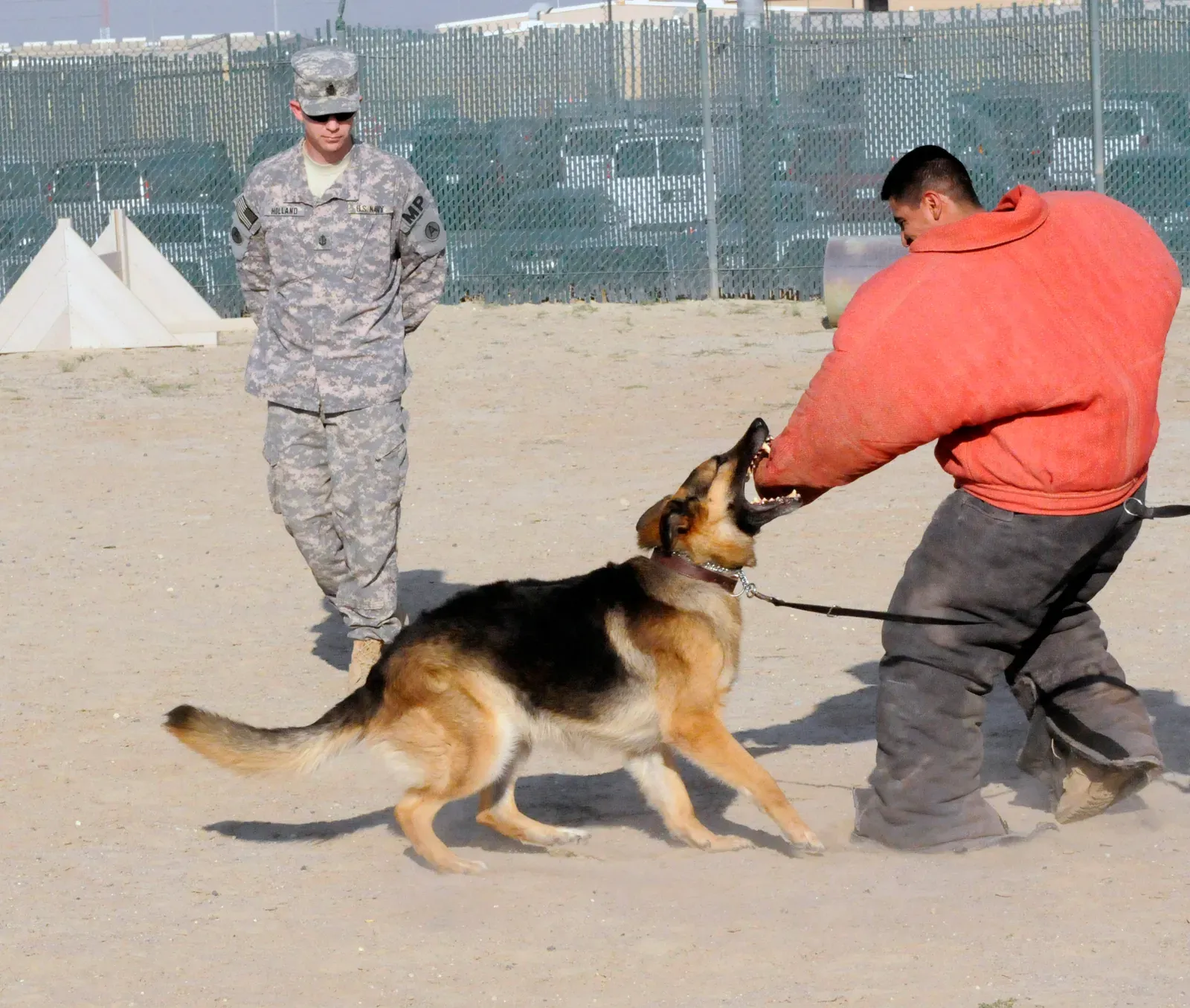
Training is one of the most bonding activities you can share with your dog, but it can also be one of the most damaging if done harshly. Leash pops, alpha rolls, and collar jerks create pain associations, not understanding. Many dogs shut down, others escalate, and trust erodes either way. Fear and confusion do not produce stable manners. The dog may appear to comply in the short term, but what’s really happening is suppression through fear.
Training plays a crucial role in shaping your dog’s behavior and strengthening your bond. Using harsh training methods, such as physical punishment or confusing commands, can create fear, mistrust, and confusion in your dog, harming your bond. Modern behavioral science consistently supports reward-based methods. Modern research supports reward-based methods for reliability and welfare. Your dog learns faster when the lesson feels safe and clear. Trust is the ultimate performance enhancer.
#7: Inconsistent Feeding Schedules
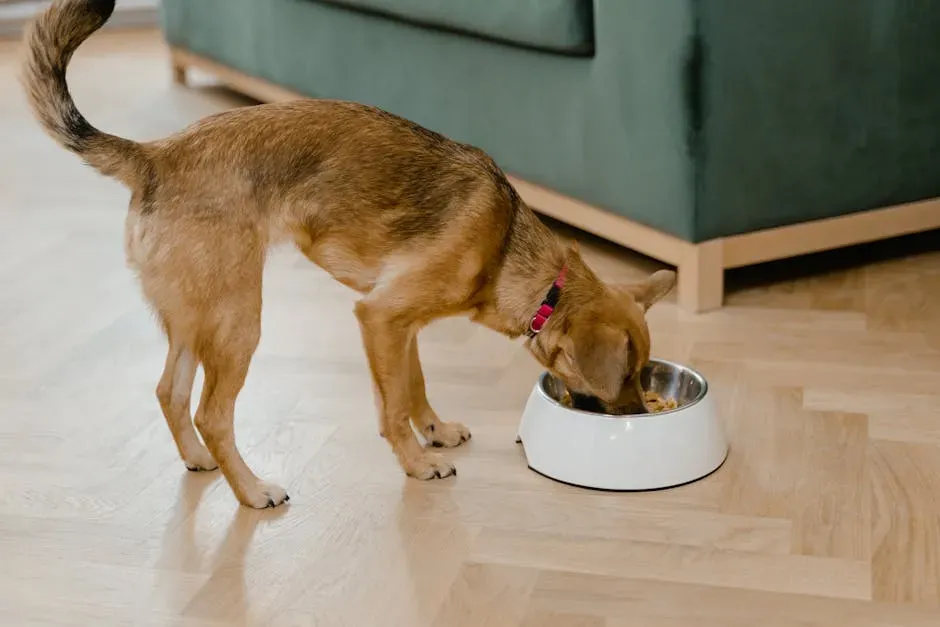
Food is not just fuel for your dog. It’s a cornerstone of routine and security. A dog’s appetite for food goes beyond just feeding; it’s also about comfort and routine. When this routine is disrupted, whether through inappropriate food or inconsistent meals, your dog may become resentful. When a dog doesn’t know when their next meal is coming, they can develop a persistent background anxiety that affects everything else.
Dogs need to be on a schedule, and consistency in this area is incredibly important. If you sometimes feed your dog at a scheduled time and don’t feed him at that time on other occasions or forget to feed him at all, your dog will always wonder if he’s going to get these essentials. It sounds small. Over time, it isn’t. A dog who can’t predict whether their basic needs will be met has no real foundation to build trust from.
#8: Ignoring Your Dog Emotionally
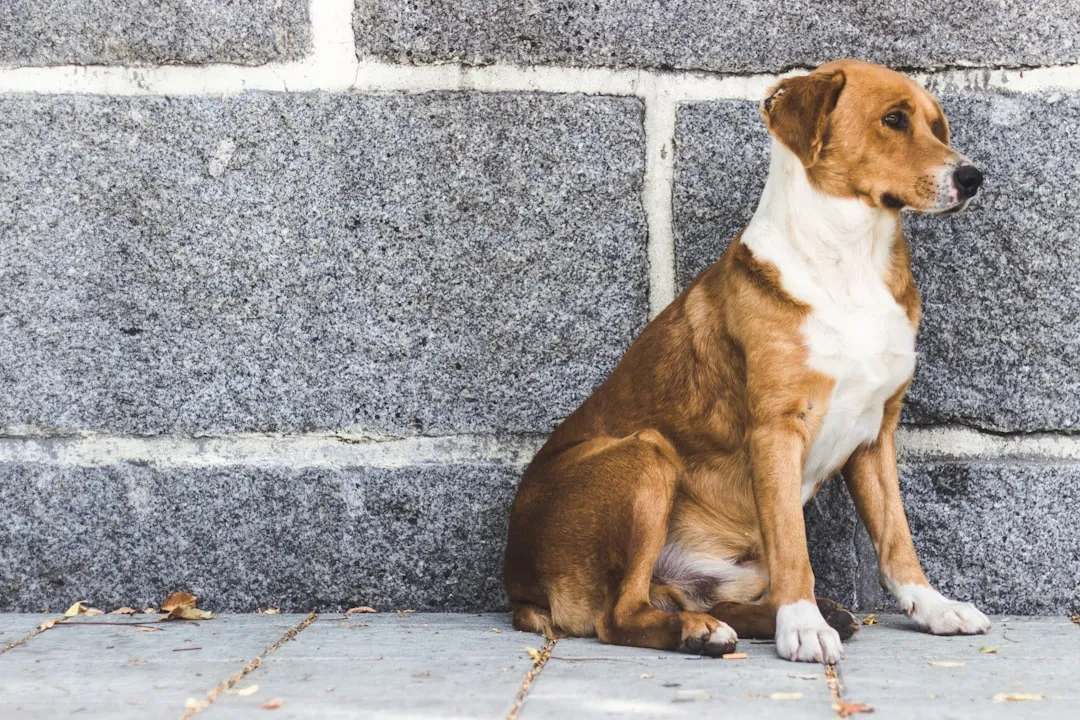
Physical care keeps a dog alive. Emotional engagement is what keeps the relationship alive. Love and acknowledgment of the dog’s place in your life are essential to a dog’s psychological health. If a dog feels that his owner does not care about him, it can have devastating psychological effects, possibly triggering anxiety, depression, and violent behavior.
Dogs thrive on companionship. Ignoring them for long stretches, especially during key moments in their adult life, can lead to serious consequences. Your dog doesn’t understand why you’re busy – they just feel the loneliness. The behavioral consequences tend to compound over time too. Separation anxiety, destructive behaviors like chewing furniture, or an increased appetite as a way to cope with the lack of attention can all result. Correcting future behaviors becomes harder as time passes, making it even more challenging to rebuild trust.
#9: Misreading Submissive Behavior as Guilt
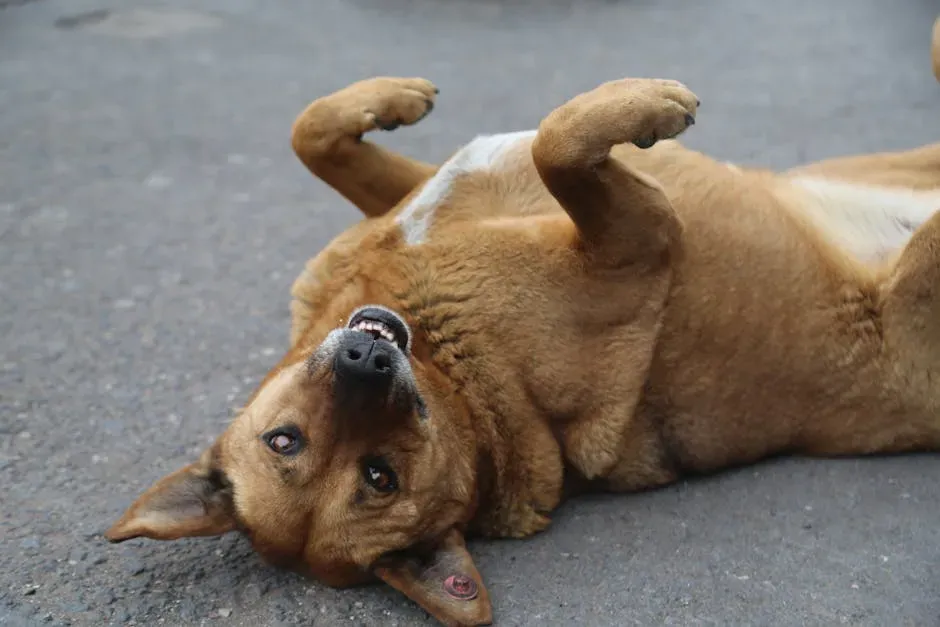
There’s a moment many dog owners recognize: you come home to find something destroyed, and your dog immediately crouches low, tucks their tail, and looks away. It looks like guilt. Most of the time, it isn’t. Often, submissive or appeasement signals are misinterpreted by owners to be indicative of “guilt” following an undesirable behavior. In truth, dogs that display submissive postures towards their owners are likely responding to discernible human body language or past association with punishment.
What that posture is actually communicating is fear of what’s about to happen, not remorse for what already did. Submissive postures in dogs include lowered body stance, tail tucking, and avoiding eye contact. These postures are clear indicators of submission or fear. Responding to that posture with anger or correction worsens the fear response and chips further away at whatever trust exists. The dog doesn’t connect your anger to the earlier act; they only connect it to your presence.
#10: Removing Items Without Teaching a Trade
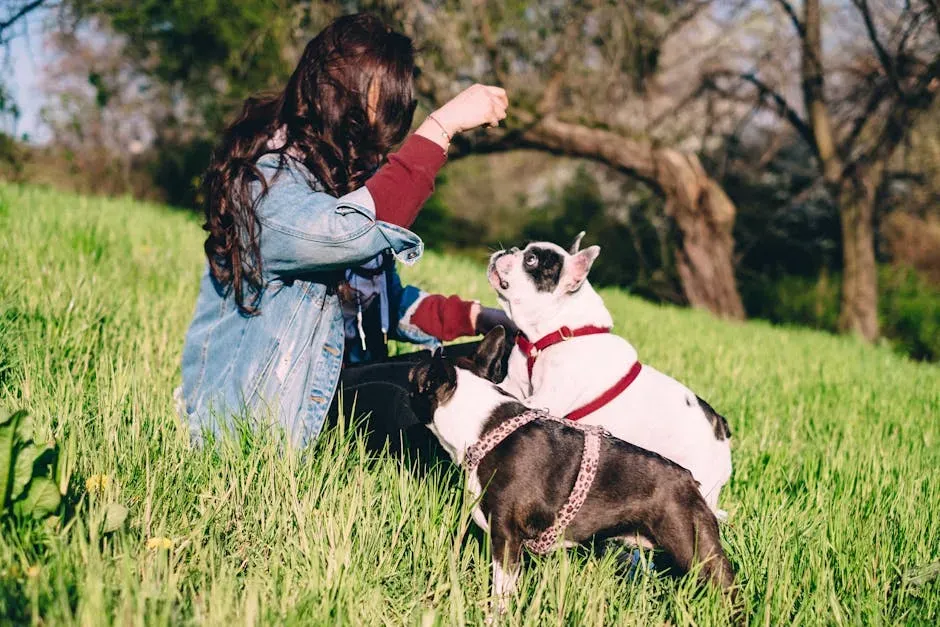
Reaching into your dog’s mouth or snatching something away without warning might feel necessary in the moment, but it sends a clear message to your dog: your belongings aren’t safe around me. How will you know if your dog doesn’t trust you to let them be when they have a coveted treat? Signs to look out for include moving away with items when they are in their possession. They may even bite if they have learned that folks are always going to reach into their mouths and remove things. They have learned that aggression is their only effective tool.
Trust grows when dogs learn their humans will leave them alone with objects that are safe for them to have. It also grows when the human uses a trading game that results in good stuff for the dog when something has to be taken away. Teaching a “drop it” or “trade” cue using positive reinforcement transforms a tense, mistrustful moment into something that actually strengthens the bond rather than weakening it.
#11: Removing Their Sense of Safety and Choice
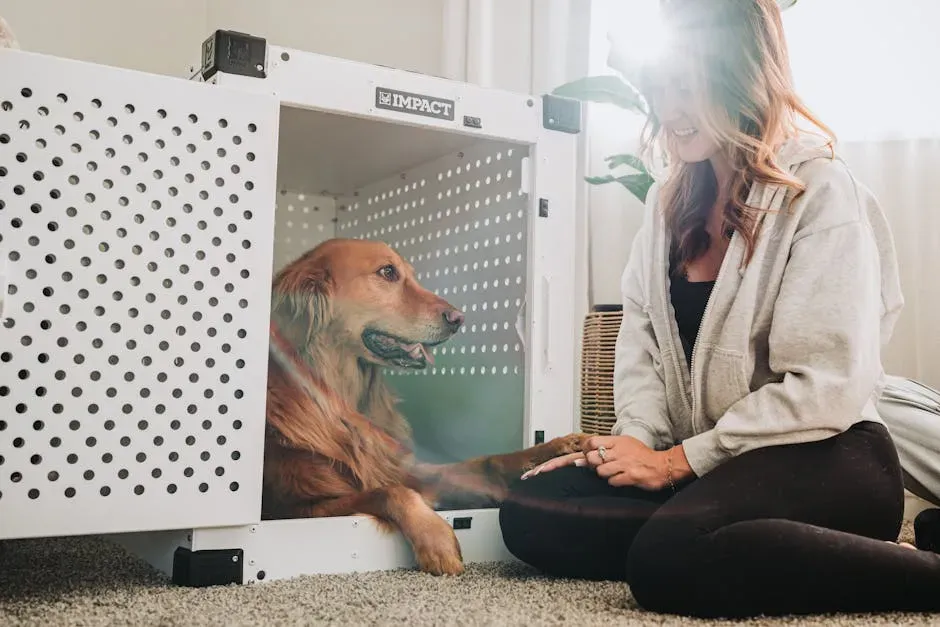
Dogs build trust the same way humans do – through predictability, safety, and consistent experiences over time. For some dogs that process is relatively fast, for others it can take many, many months. One of the fastest ways to disrupt that process is by stripping a dog of any sense of agency. Forcing interactions, removing safe spaces, and denying retreat all communicate the same thing: I don’t care how you feel.
If we remove agency, we remove choice and control, and if we remove those two things, trust will not grow. It may in fact evaporate completely. Every dog needs a place they can retreat to when they feel overwhelmed. Trust building and security increases when dogs know where they can go to feel safe. Something as simple as a crate, a corner, or a specific room that belongs entirely to the dog can make a meaningful difference to how secure they feel in your home.
#12: Being Emotionally Unpredictable
Dogs are incredibly sensitive to human energy. They notice shifts in tone, posture, and mood far more quickly than most people realize. Dogs are highly attuned to human emotions and often mirror your energy – remaining calm is essential. An owner who is warm and gentle one moment and explosive or erratic the next creates an environment of emotional instability that a dog can never fully relax in.
If a dog’s body language suggests a lack of trust in its owner, it may feel tension in their presence or even fear them, and there can be various reasons for this. From poor living conditions and tensions among family members to overindulgence and expecting things from a dog that it simply cannot fulfill. Emotional unpredictability is particularly damaging because it makes the owner, the one person a dog should feel most safe with, into a source of uncertainty. Trust is necessary in just about every situation a dog and his owner share. Whether it’s playing together, going for a walk, eating, or just spending time together, if your dog is fearful of you, your relationship with him is probably permanently damaged.
A Final Thought
None of the mistakes on this list come from cruelty. That’s what makes them so important to understand. While it goes without saying that a dog will lose trust in its owner if they’re not properly cared for, there are other behaviors and approaches that some dog owners are getting wrong which could damage the bond they’re trying to build with their pet.
A dog will never intentionally do anything to lose your trust. And if a dog does get to that point, it’s at the tail end of a lot of things that you have done wrong. The encouraging part is that most of these patterns are entirely reversible with awareness, consistency, and patience. Humans who can help their dog learn that they’ve got their back and will advocate for the dog’s needs are much quicker to build a trust account with their dogs.
Trust with a dog isn’t built in grand gestures. It accumulates in small, quiet moments where your dog looked to you and found exactly what they needed. That’s worth protecting carefully.
